
Remote Energy: Oilfield, Pipeline and Mining Crews
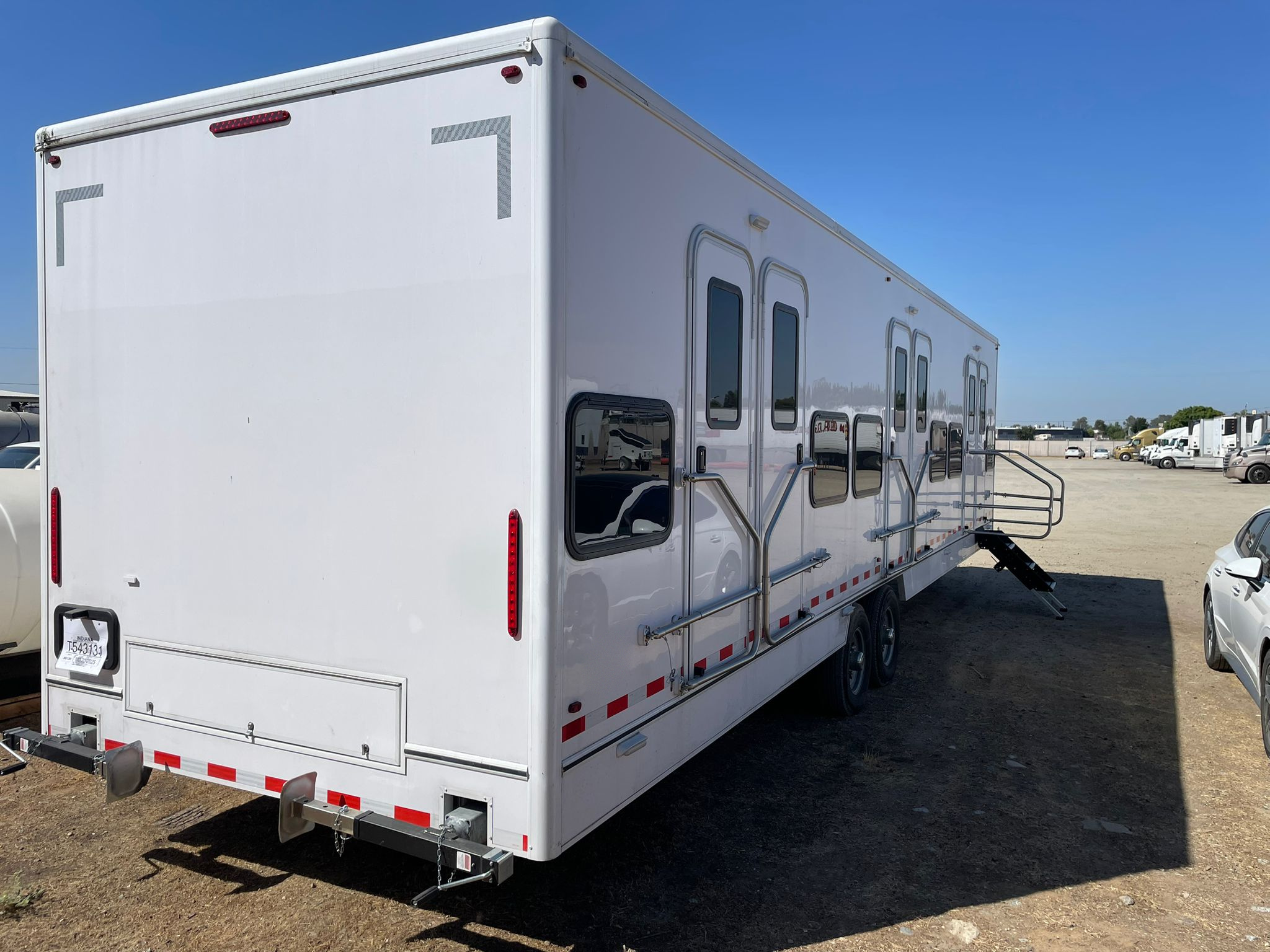
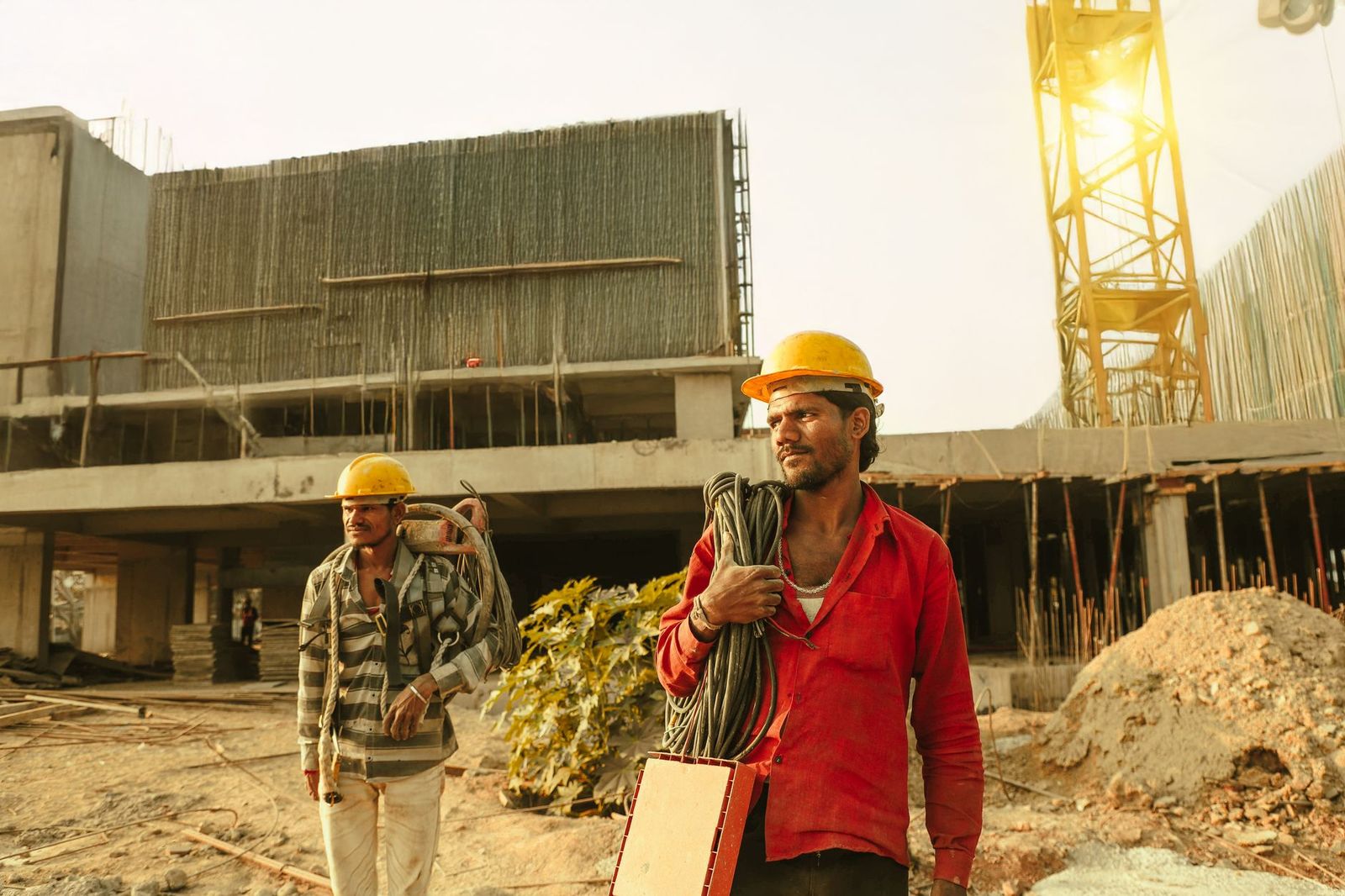
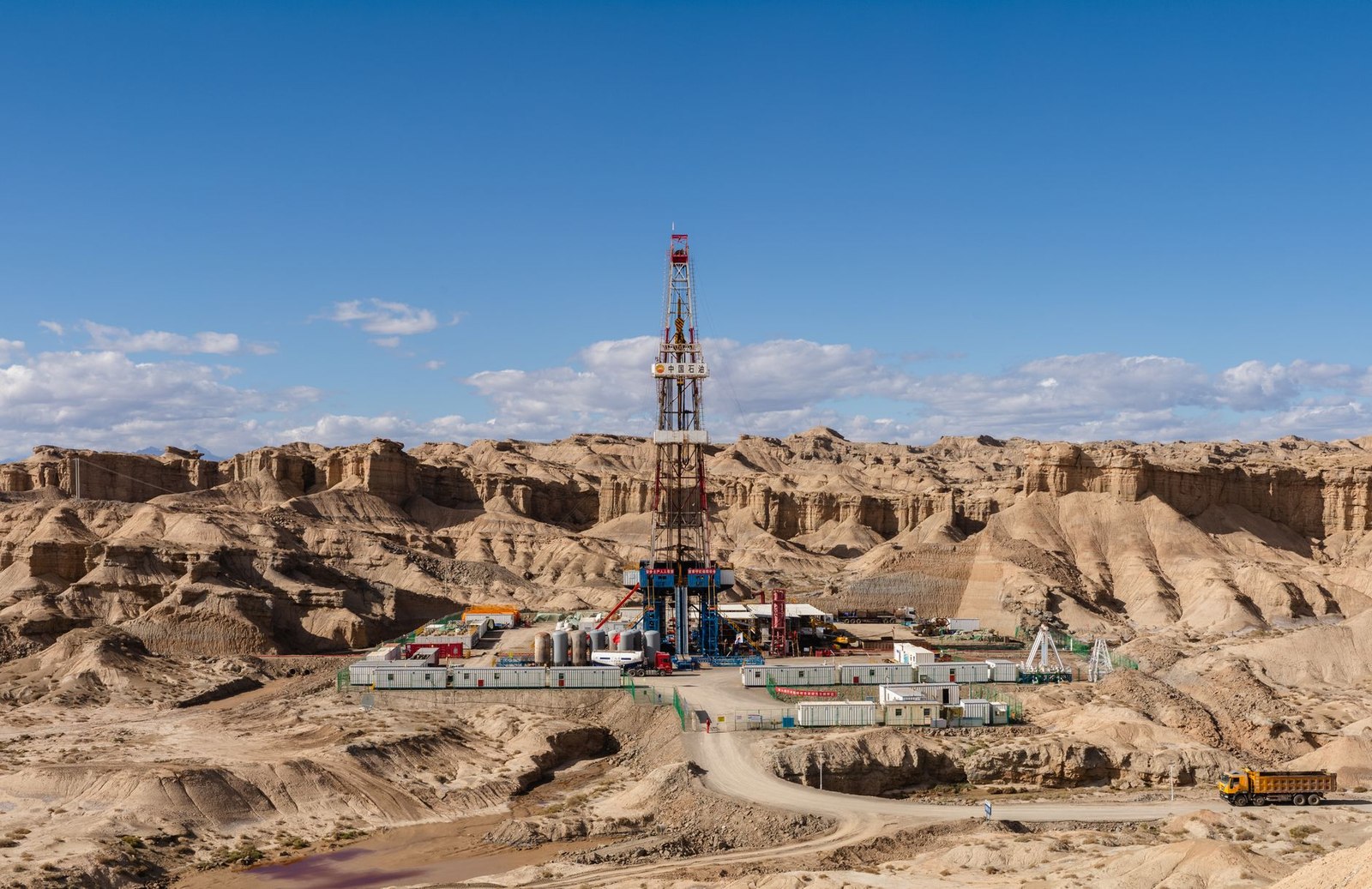
Energy work goes wherever the resource is, whether that is West Texas or the Gulf Coast, and that is rarely anywhere near a hotel, which is exactly where oilfield crew housing trailer rentals earn their keep: oilfield shifts often run 12 to 16 hours, 7 days a week, while rig floor crews work 8 or 12 hour tours, so a drilling rig running around the clock can have 2 or 3 crews rotating through the same camp every day, each one needing a clean, quiet bunk the moment its tour ends.
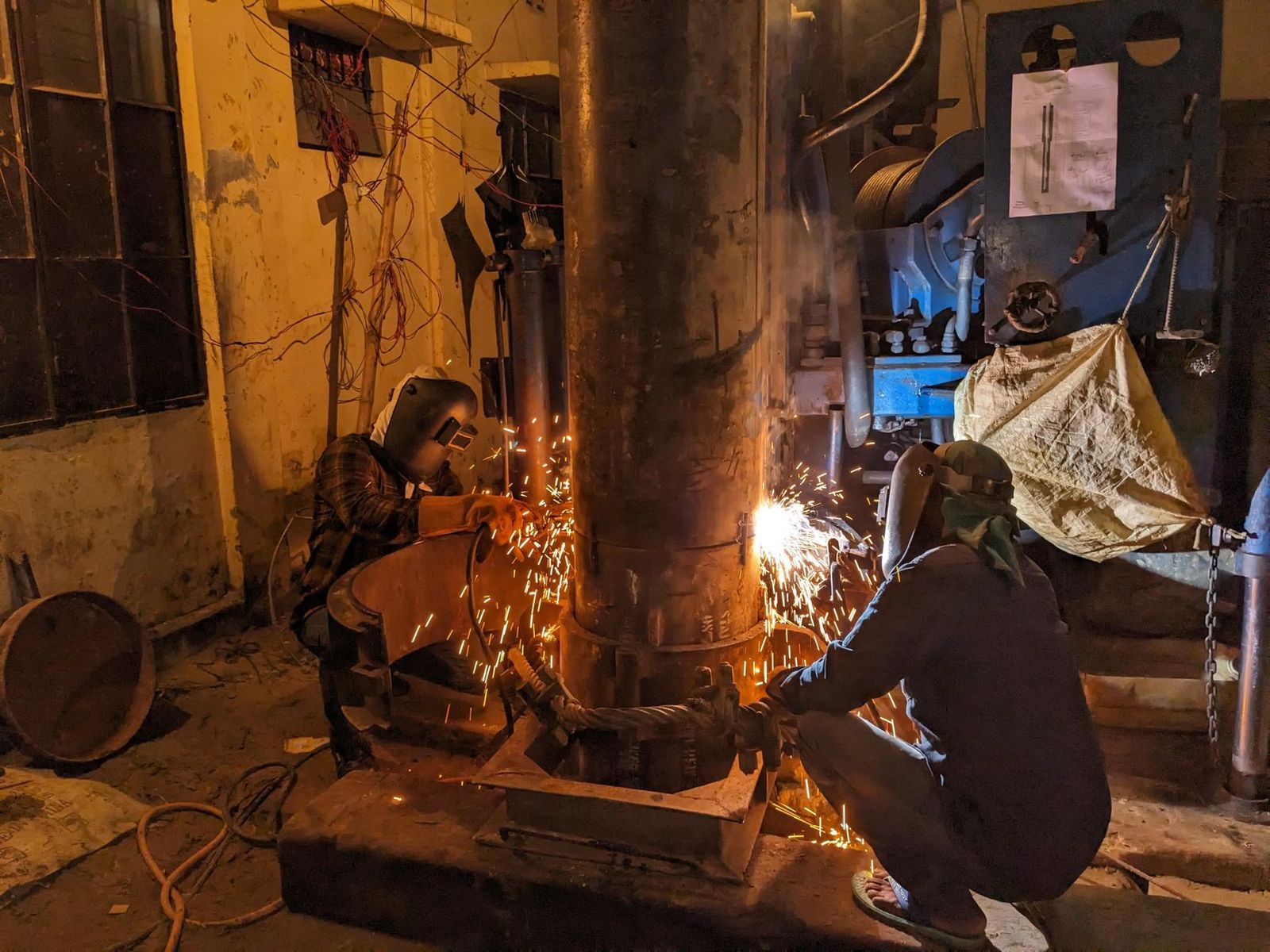
Pipeline work adds a moving target, since crews follow the spread down the line, often on a schedule of 21 days on and 7 days off. Welders commonly work 10 to 14 hour shifts, 6 or 7 days a week, a pace that leaves almost no margin for a bad night's sleep before the next shift starts. The camp has to move whenever the work does, which favors a delivered bunkhouse sleeper trailer rental over a camp that has to be constructed from scratch every time the spread advances another few miles down the line.
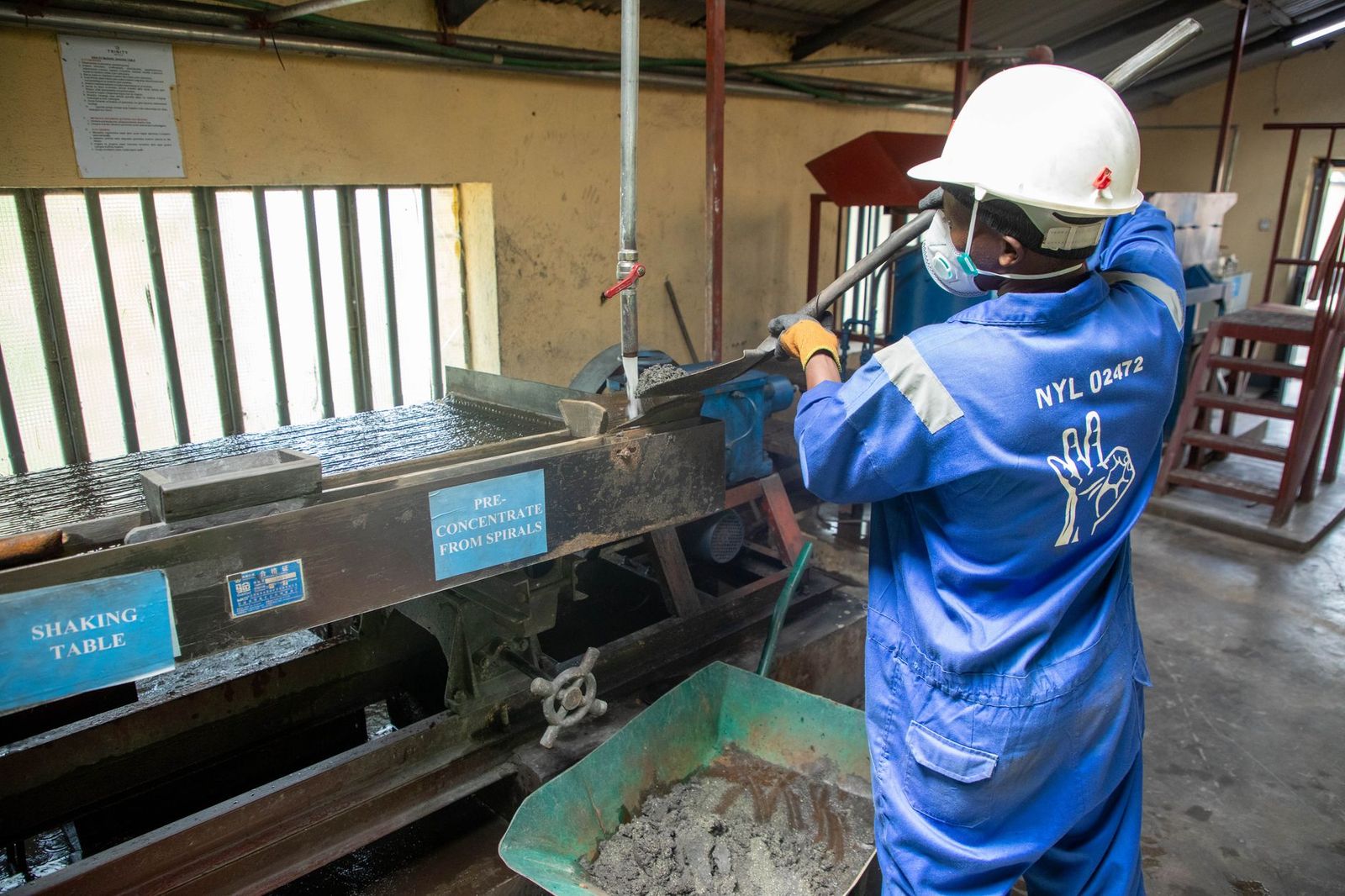
Boom towns fill up quickly. At the peak of one Permian Basin boom, the Odessa Chamber of Commerce reported 100 percent occupancy in local apartments and motels, which left arriving crews with nowhere to book a room at any price, no matter how far outside town they were willing to drive. Remote mining projects add fly-in, fly-out rotations on top of that, with part of the roster on site and the rest at home at any given time. The camp has to be sized for whoever is actually on site that week, not for the full crew roster back on paper.
Size your camp to the on-site count, not the payroll. A 60-person roster on an even 14/14 rotation puts about 30 people on site at once, and that crew needs 3 trailers. That gives you 36 bunks and room for a relief worker or 2 without anybody doubling up, a margin dispatch recommends building into every camp from the start.
Disaster Response and Wildfire Camps
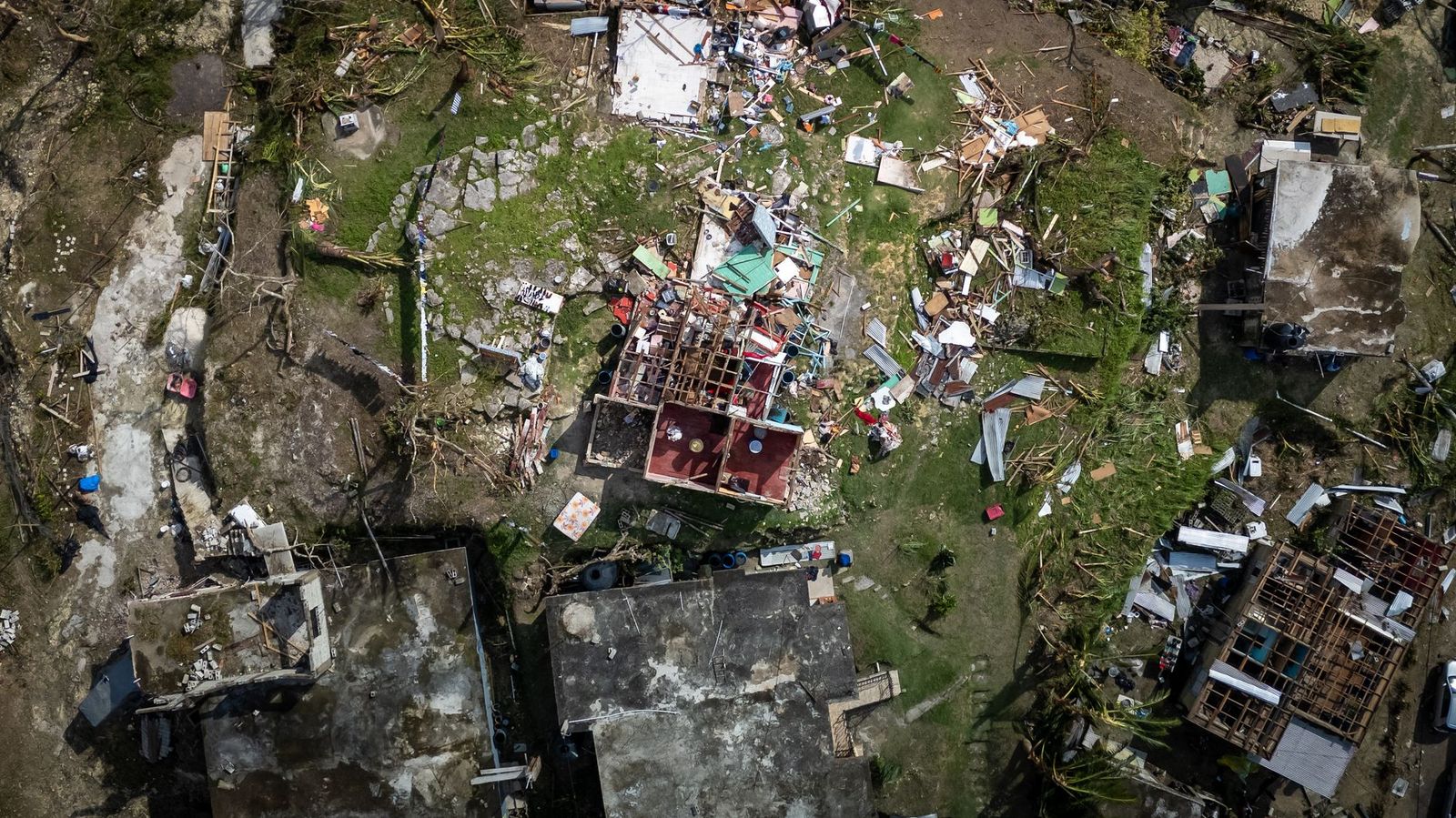
Disaster crews arrive as soon as the roads open, often before electricity, water and hotels come back, and the rooms that do reopen usually go to displaced families first. Months after Hurricane Helene, over 4,500 people across 25 counties were still living in hotel rooms through a FEMA sheltering program, which left almost no vacancy anywhere nearby for the crews doing the actual repair work on the lines and the substations.
Utility storm restoration brings large numbers of workers on short notice, and the restoration effort after Helene alone drew a workforce of more than 7,300 people from across the country. Those crews work day and night shifts, so somebody is always trying to sleep while somebody else is heading out, which is exactly the kind of round-the-clock camp a private, climate controlled bunk handles better than a shared motel room ever could.
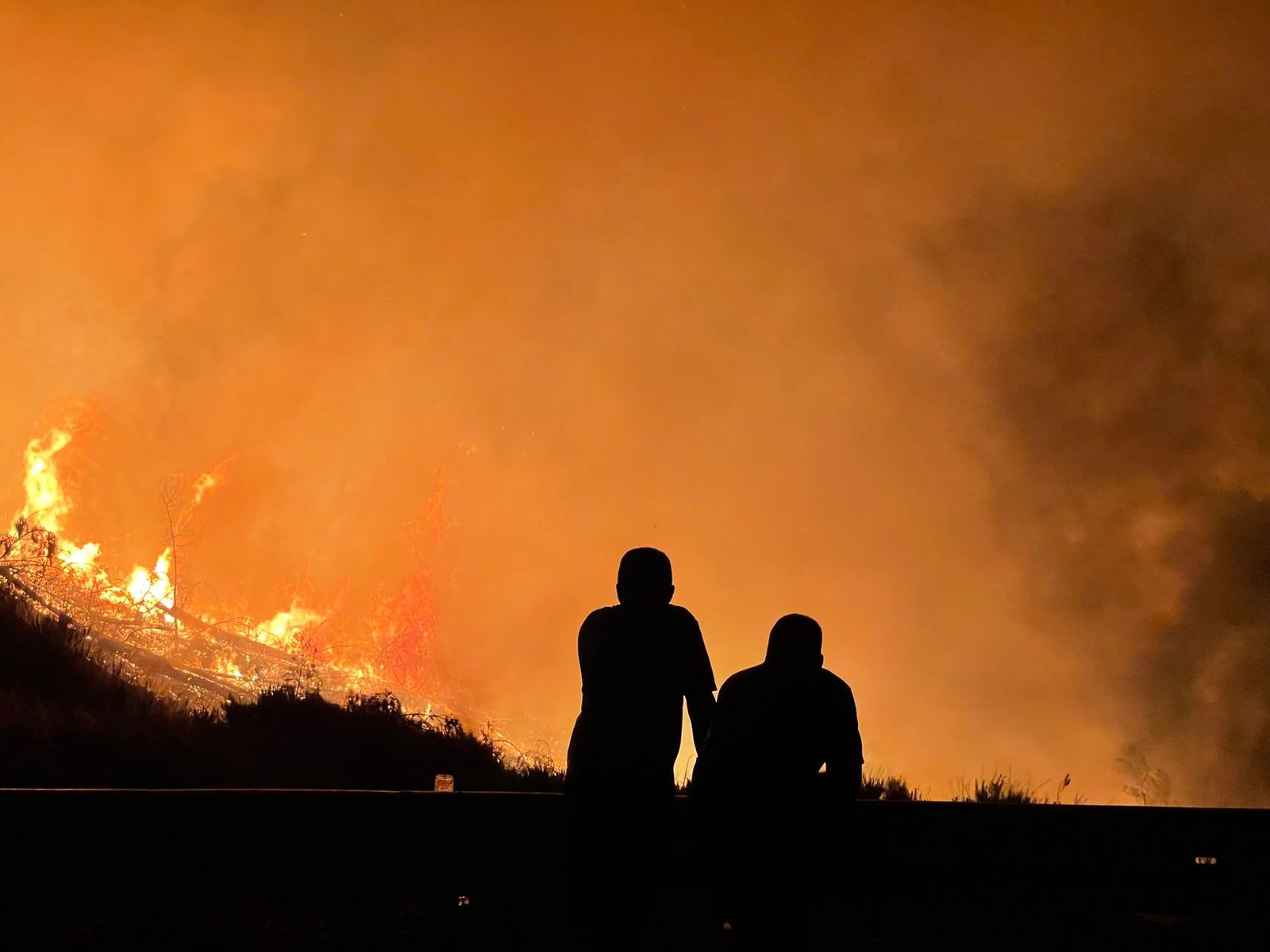
Wildfire camps operate under strict rest rules: NWCG sets a 2:1 work to rest ratio, and a standard fire assignment is capped at 14 days, while base camps stay loud and bright all night because generators and lights never shut off. Crowding carries its own risk, too: in one fire camp outbreak, 49 of about 180 responders became sick. An enclosed trailer with 12 bunks and its own heat and AC gives a crew a quieter room shared by fewer people, which is what wildfire fire camp housing trailers are built to provide instead of a shared canvas tent pitched on gravel.
Hurricane season runs from June 1 to November 30 and peaks around September 10, while fire season usually peaks in August. Those two seasons overlap for most of the summer and well into the fall, which is exactly when demand for crew beds runs highest. Call early when a storm shows up in the forecast, since the same trailers and drivers can serve a wildfire camp one month and a hurricane staging area a few weeks later.
Construction Megaprojects and Plant Turnarounds
Enormous construction projects keep landing in locations with very few available beds. A hyperscale data center build can bring 500 to 2,000 workers to a location with little or no hotel or rental housing nearby, and a semiconductor plant in Phoenix employed about 6,000 construction workers at its peak, a headcount that dwarfs the hotel inventory of most mid-size towns. Around Lake Charles, Louisiana, LNG projects are expected to need more than 20,500 workers at peak by late 2026, and none of those towns built enough hotel rooms, apartments or short-term rentals to match a workforce that size arriving all at once.
Plant turnarounds are short and intense, and a major refinery turnaround can bring 1,500 to 2,000 contractors onto a site for 4 to 6 weeks, sometimes doubling or tripling the normal workforce overnight. The dates are usually set months in advance, so book the beds when you book the crew instead of scrambling for rooms once the turnaround is already underway and every motel for 50 miles is sold out.
Most outdoor construction runs from about April through October, and crew housing demand peaks during those months, when in one industry survey, 45% of construction employers said fatigue caused safety incidents on their jobsites. Even so, a bunk on site, the same setup behind our construction crew bunkhouse trailer rentals for a megaproject, removes the long drive from a 10 or 12 hour day, and that long drive is one of the fatigue sources those survey numbers describe.
Film Productions and Event Staff
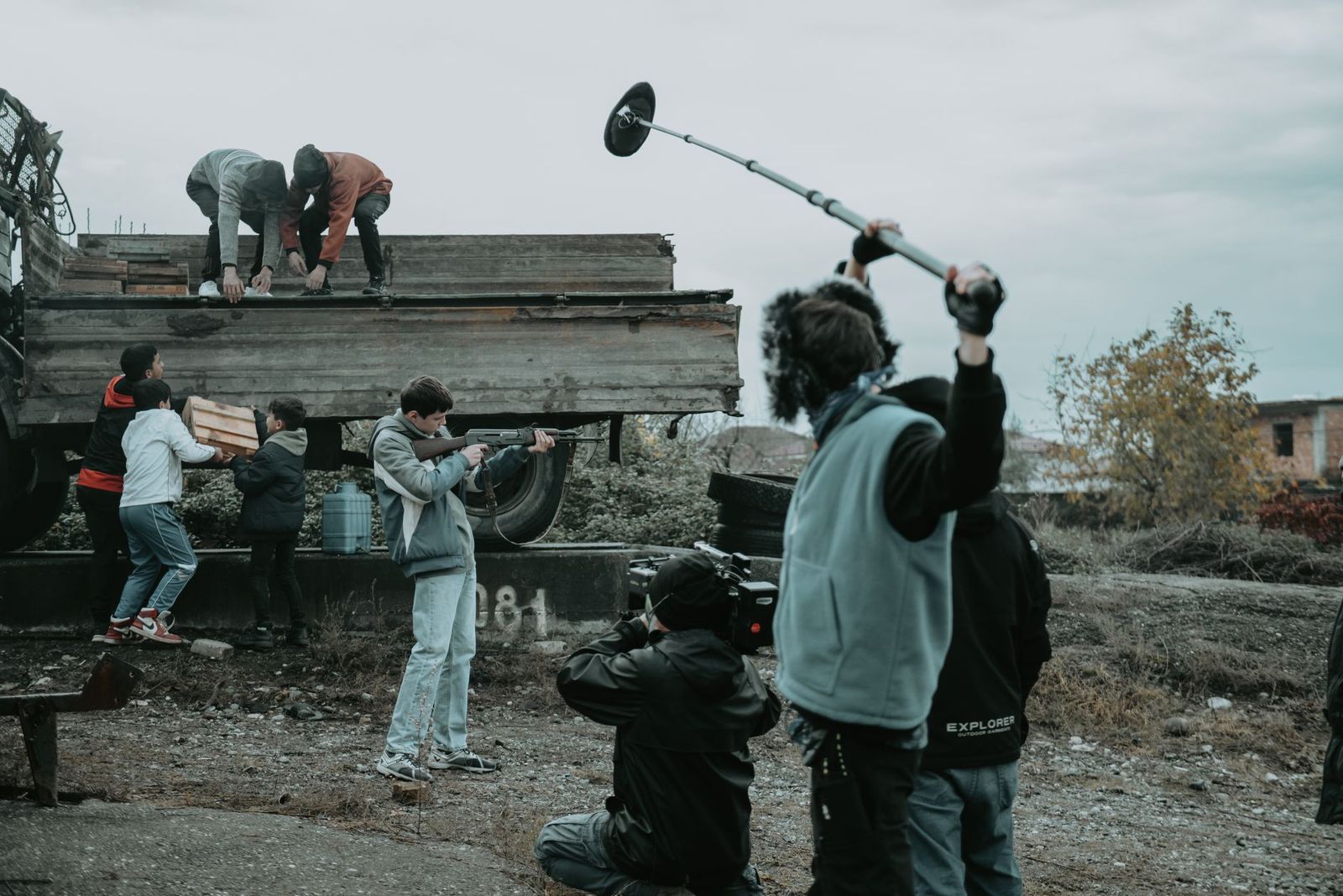
Productions choose locations for the camera, not for hotel availability, and a remote desert or mountain set can sit 45 to 90 minutes from the nearest town, sometimes farther once you account for a dirt road in bad weather. The IATSE contract gives crews a 10 hour turnaround between shifts, and every minute of driving comes directly out of that rest. A location scout who plans for cast and crew housing on day one avoids a fight over call times later, once the schedule is locked and there is no room left to fix it.
Night shoots make the problem worse, since a crew that wraps at 6 in the morning has to sleep through daylight before the next call time, and NHTSA connects more than 100,000 crashes every year to drowsy driving nationwide. A sleeper trailer at base camp turns that dangerous drive into a short walk instead, which matters most for the crew members who are already running on the least sleep.
Multi-day festivals running 3 or 4 days and large productions also need a place for working staff to rest, since security, medical and production crews on overnight shifts need beds away from the crowd and the noise, not a tent in the same field as the attendees. Since the sleeper is built for people on the clock, with real bunks instead of cots, it fits the staff side of the site far better than converted trailers never meant for sleeping.
Base camp already holds hair, makeup and wardrobe trailers. Add sleeper trailers for the crew and check the 12 bunk sleeper trailer spec sheet for exact dimensions, and the people who start earliest and finish latest, the crew that keeps the whole production on schedule, get the most rest out of the arrangement.