

Skip to content
Delivered to all 50 states 24/7 dispatch: (888) 828-7765

Rail and Highway Crews

Remote Site Workforce Bunkhouse Trailer Rentals for Rail and Highway Crews

Your track gang or highway crew sleeps a short walk from the work when a 34 ft bunkhouse sleeper trailer with 12 bunks sits at the staging yard. We deliver the trailer and set it up level, so the heating or air conditioning is already running before your first shift comes off the job. The same portable crew quarters fit a railroad siding as easily as a gravel contractor lot beside a highway bridge project. Call (888) 828-7765 to reach dispatch at any hour, or request a quote with your crew size and start date.

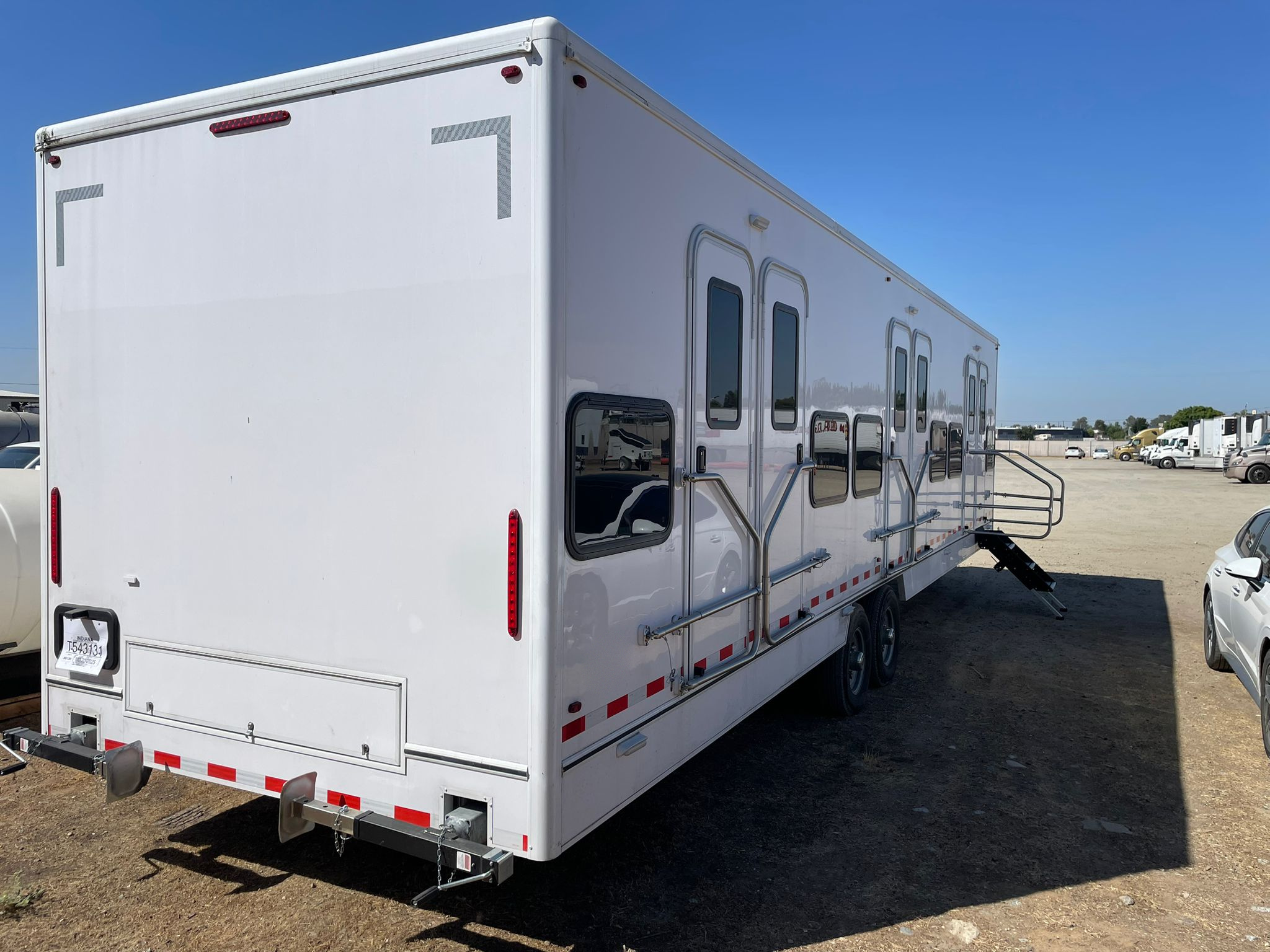
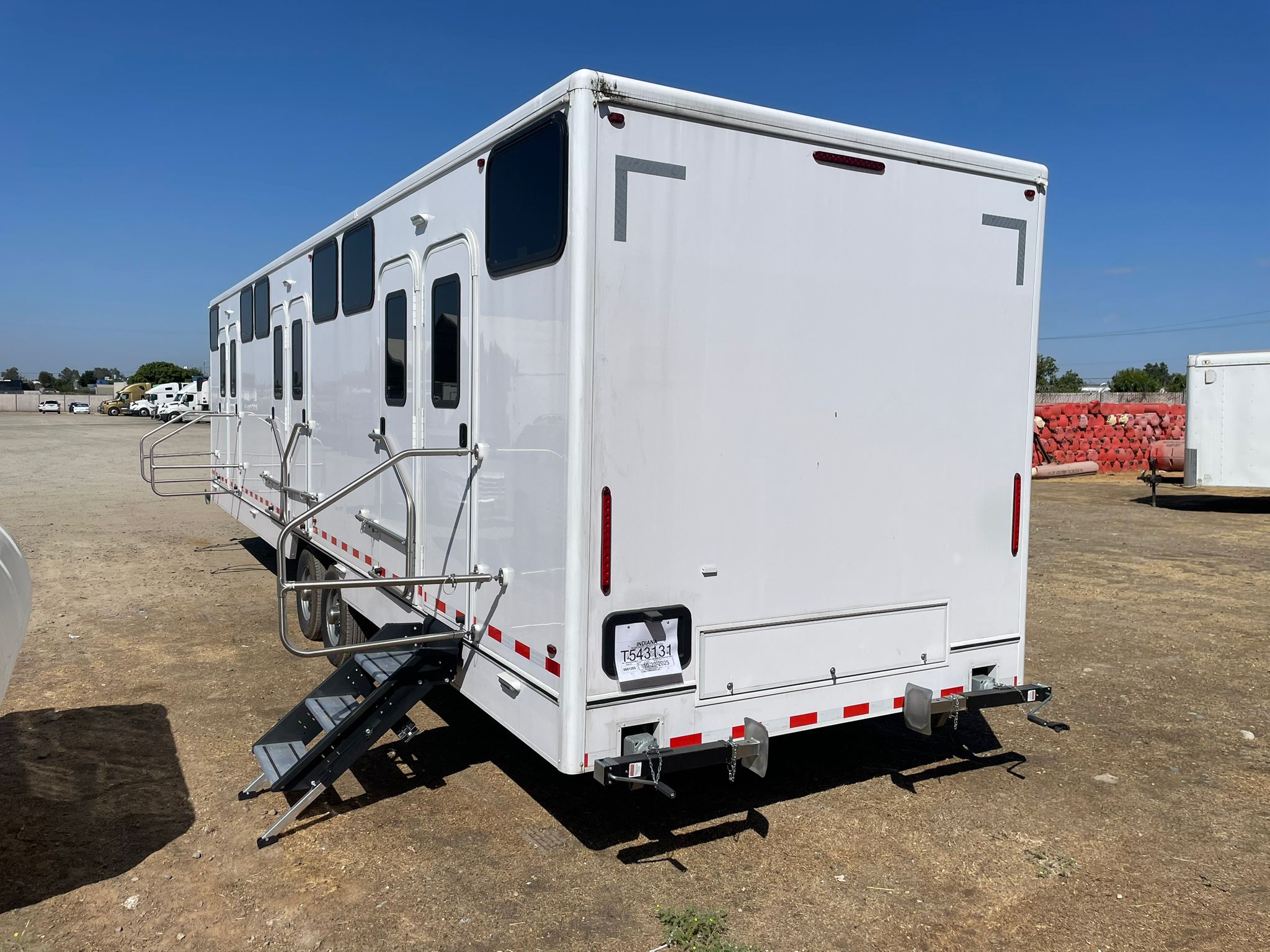
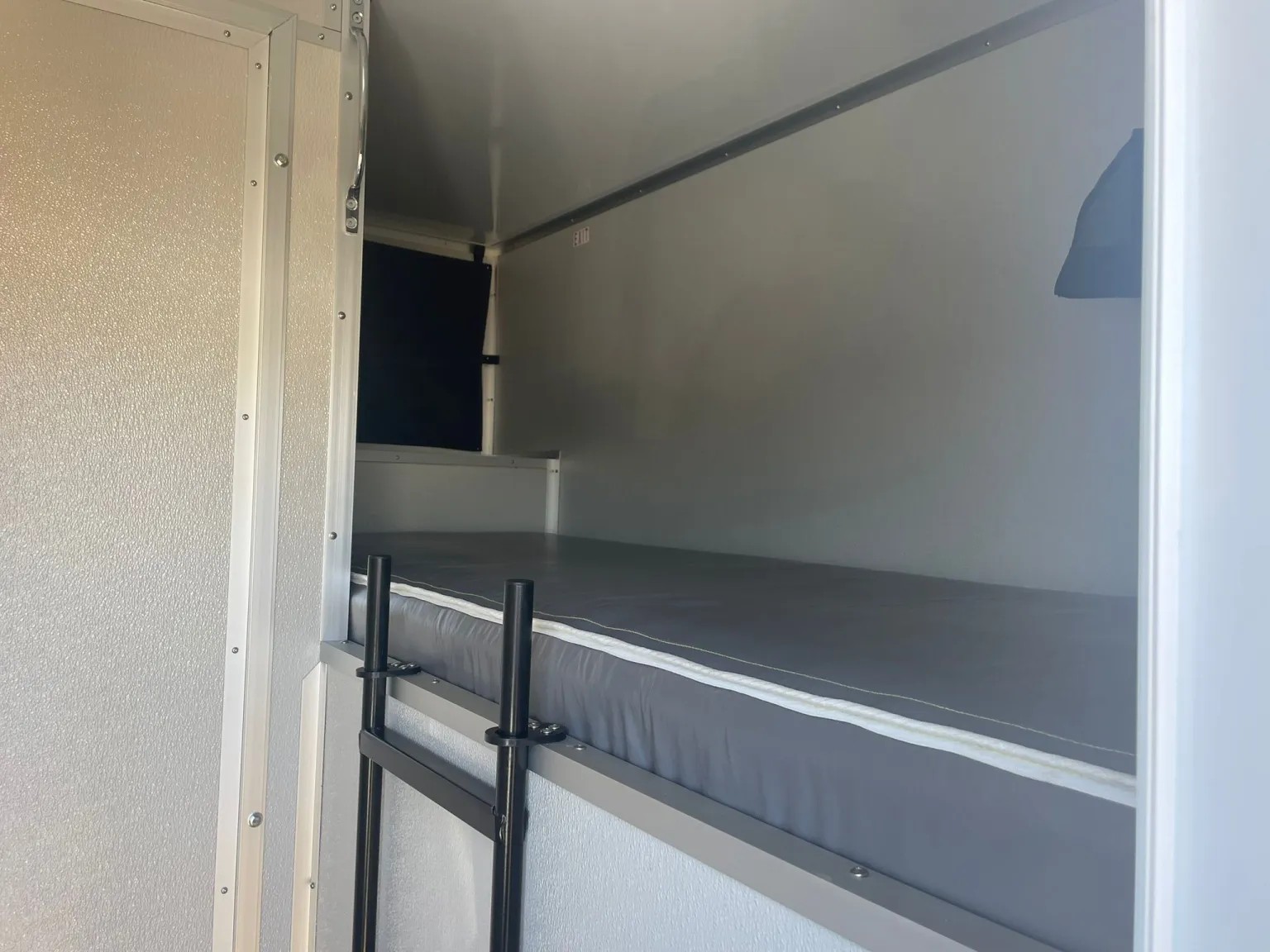
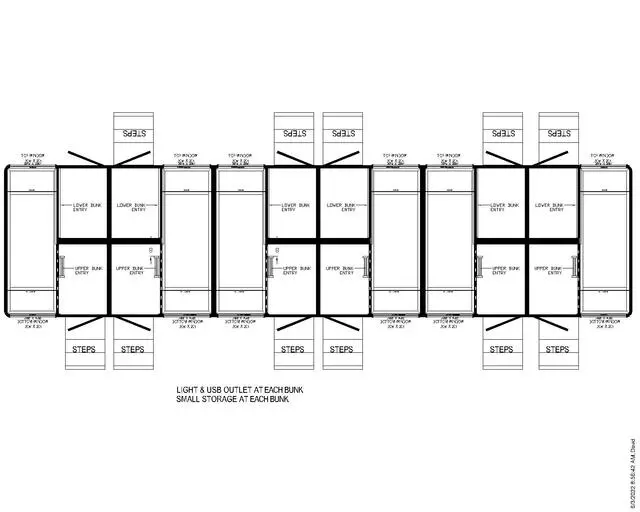
34 ft bunkhouse sleeper trailer with three bunk entry doors and built-in steps
  • Sleeps 12 6 upper and 6 lower bunks in every trailer
  • 3 AC units with heat for summer nights and cold spring starts
  • All 50 states delivered and set up level at your yard or siding
  • 24/7 dispatch answers at (888) 828-7765
  • 12,000+Trailer deliveries across our network
  • 50Delivery to all 50 states
  • 24/7Dispatch answers day and night
  • 12Private bunks in every trailer

Built for construction crews, fire camps, pipeline spreads and utility contractors.

Rail and highway crew housing

Crew sleeper trailers that keep track and highway crews close to the job

Track gangs and highway crews often work through the night far from town, then spend the next morning driving to a hotel that may be 60 minutes away. Our 12-bunk crew sleeper trailers put the beds at the siding or the maintenance yard instead. Each 34 ft trailer arrives set up level, with 3 AC units and heating ready to run the moment your supervisor opens the door. Delivery comes from a trailer network with over 12,000 successful trailer deliveries behind it, and dispatch answers every call around the clock. Call (888) 828-7765 to plan the first delivery, or send your crew size and dates for a written quote.

The 12-Station Bunkhouse Sleeper Trailer is a 34 ft crew quarters trailer that sleeps 12 people in 6 upper and 6 lower bunks. For a railroad gang or a highway construction crew, that works out to 1 temporary trailer for every 12 workers on the busiest night of the week.

What comes with every rental

  • Delivery, leveling and setup by our driver
  • Twelve private bunks, each with a light, USB outlet and storage
  • Three AC units with heat and a smart thermostat
  • Built-in steps at every bunk bank
  • Pickup when the job wraps

Fair warning

Here is how one 34 ft bunkhouse with twelve real beds works

Every rental is the same proven unit, so your crew knows exactly what they are walking into.

Each bunk has its own LED light and USB outlet, so every worker can charge a phone or a company radio without running a cord across the aisle. A small storage compartment at every bunk keeps gloves and wallets off the floor overnight. Built-in steps at each bunk bank make the climb to an upper bunk easy for a worker coming in at dawn in heavy boots. The complete layout and room dimensions for the 12-Station Bunkhouse Sleeper Trailer are listed on the sleeper trailer spec sheet.

The 3 AC units with heat are controlled from a smart thermostat with a digital touch panel that anyone on the crew can set. A highway crew working from 9 at night until 5 in the morning has to sleep through the afternoon heat. The climate-controlled room stays cool while everyone rests. Late in a railroad maintenance season, during October or November, the same units switch over to heating for cold mornings. The crew sets the temperature once, and the thermostat holds it through every shift change.

The trailer travels on its own wheels behind a delivery truck, which makes it a mobile bedroom for a crew that keeps moving down the line. When a track gang works far enough away that the daily drive gets long, a call to dispatch can schedule a move to the next staging location. We deliver in all 50 states and set each trailer up level on arrival. To see how the same equipment serves other kinds of work, start with our bunkhouse sleeper trailer rentals across the country.

Spec plate

12-bunk sleeper
Bunks6 upper + 6 lower = 12 total
Sleeps12 people
Length34'
Per-BunkLED light, USB outlet, storage compartment
AccessBuilt-in steps at each bunk bank
AC Units3 (HVAC, smart thermostat)
ClimateAC & Heat, digital touch control

Need beds on site this week?

(888) 828-7765

A real dispatcher answers 24/7. Tell us where the crew is and when they start.

Week one

Reviews from the crews who slept in it: what to expect

"Our tie gang moved down the line every week, and the hotels along that stretch of track were full of wind farm workers. Dispatch had 2 trailers set up at the siding before the crew got in on Sunday night. Everybody had a bunk with a light and a USB outlet, and nobody lost an hour on the road each morning."

D. N.Track project manager

"We were paving from 9 at night until 5 in the morning, which meant the crew slept through the hottest part of the day. The 3 AC units kept the trailer cool at 2 in the afternoon, and the light at each bunk meant nobody woke the whole row. Dispatch picked up on a Saturday when our closure dates slid a week."

S. W.Highway paving superintendent

"A storm took out a culvert and a long piece of track bed on a line with no town nearby. Our 36-person repair crew worked around the clock, and 3 sleeper trailers had the heat running by the second night. Having everyone in one spot made every shift change easier to manage."

A. H.Bridge and structures foreman
Delivering to all 50 states

On the ground

A bunkhouse trailer, wherever the crew is, explained

From a pipeline yard in West Texas to a fire camp in the Oregon Cascades, we route a trailer and a driver to where your crew is working, remote and off-grid sites included.

Hard facts

Where crews book us most, in plain terms

For context

The reasons one trailer design fits so many crews, start to finish

  • Twelve private bunks

    Six upper and six lower, each its own space. No cots, no shared air mattresses.

  • Heat and air, three units

    Three AC units with heat and a smart thermostat keep the trailer comfortable in July and January.

  • Light and USB at every bunk

    Each bunk has an LED reading light, a USB outlet and a storage compartment for phones and gear.

  • Delivered and set up

    Our driver hauls it in, levels it and walks your lead through it. You do not need a truck or a hitch.

  • All 50 states

    We plan routes to remote yards, fire camps and storm zones anywhere in the country.

  • 24/7 dispatch

    Call at any hour and a person picks up. Crews change plans at night, and so do we.

Right now

The path from quote to pickup, start to finish

  1. Call or send a quote request

    Tell us the site, the crew size and your start date. We answer 24/7.

  2. Plan the drop

    We confirm site access and power, then lock in a delivery window.

  3. Delivery and setup

    Our driver places the trailer, levels it and hands your lead the keys and a walkthrough.

  4. Pickup when you wrap

    Extend as long as you need. When the job ends, we haul it out.

Overnight highway work

Air-conditioned sleeper trailers for overnight highway crews

The Federal Highway Administration notes that heavy daytime traffic makes lane closures dangerous for both workers and passing drivers. That is a major reason so much paving and bridge repair on busy roads now happens overnight. In Texas, overnight closures commonly run from 9 at night until 5 in the morning. The Texas Department of Transportation listed 7,045 active construction projects statewide in March 2026. A crew on that schedule has to sleep while the rest of town is awake.

Daytime sleep is hard to find in a roadside hotel, where housekeeping knocks at 10 in the morning and the parking lot stays noisy all afternoon. An air-conditioned bunkhouse sleeper trailer parked at the maintenance yard gives the crew a dark, cool room with a separate light at each bunk. Nobody has to drive across town after the shift ends at dawn. That time goes back into sleep, which is what the next night of work depends on.

TxDOT officials in Texas have pointed out that night work zones see more tired and impaired drivers passing through the closures. That puts the crew's most exhausted hours inside the same window as the most dangerous traffic of the day. Cutting the commute removes one more tired drive from each worker's schedule. A crew that sleeps near the closure also makes the 9 o'clock start on time, even when the closure moves a few miles down the interstate.

Bridge projects stretch the same overnight schedule across weeks or months at a time. A deck replacement or a joint repair on a busy interstate may need nightly lane closures for an entire construction season. A 24-person crew fits in 2 trailers with a dedicated bunk for everyone, and the trailers stay in place until the final closure is finished. We deliver both trailers set up level before the first night of lane closures. The 2021 Infrastructure Investment and Jobs Act made a record federal investment in bridge repair and replacement across the country.

  • Interstate paving
  • Bridge deck replacement
  • Highway widening
  • Overnight lane closures
  • Highway maintenance yards
  • Bridge steel repair
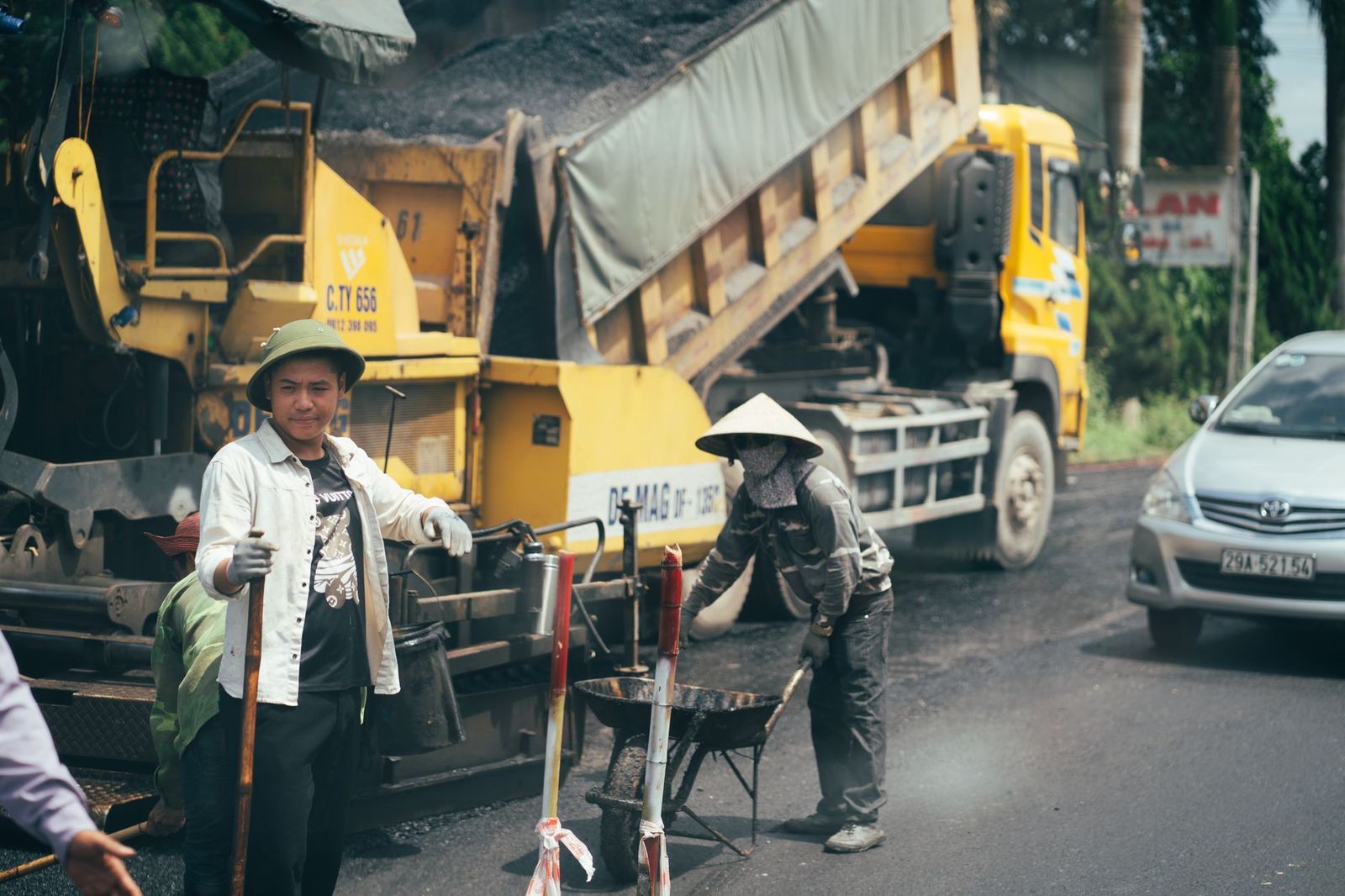
Highway road construction crew

Railroad track gangs

Bunkhouse sleeper trailers for traveling track and tie gangs

Most routine track maintenance on large railroads is now handled by traveling gangs that move from project to project across the whole network. Tie gangs replace worn ties along the line, while tamping gangs pack the stone under the track to restore its line and grade. The older model of a section crew living near one station, responsible for a fixed 10 to 20 miles of track, has mostly faded away. A gang that travels needs its beds to travel with it.

Trade press reporting in Progressive Railroading shows how much gang size varies from one railroad to the next. BNSF uses small tamping gangs of 3 workers and large gangs of 7 to 8 workers on continuous multi-mile projects. Norfolk Southern's super gangs carry 12 people led by a foreman, and each one covers about 2,200 miles of track in a year. Union Pacific's heavy-haul super gangs reach 20 to 25 workers, which is where housing starts to take real planning.

Track workers describe a common week on the road in industry discussions. The gang travels to the job on Sunday and works 10-hour-plus days from Monday through Thursday before heading home. Many of those nights are spent in hotels that workers themselves describe as worse than the rooms given to train crews. A portable bunk trailer at the siding gives each person the same clean bunk every night of the rotation.

Large tie and rail programs cluster in spring through fall, when the weather allows heavy machine work on the track. Many track workers expect to be laid off for part of the winter once the season closes. That up-and-down pattern suits a rental far better than a permanent building ever could. Book trailers for the spring start date, and we deliver them before the first Monday of the program. Release them when the program winds down in October or November.

  • Tie replacement programs
  • Rail relay projects
  • Tamping gangs
  • Rail yard staging
  • Remote main lines
  • Signal crews
Industrial workforce crew at a jobsite

Emergency track repairs

Temporary crew housing trailers for emergency track and road repairs

Nobody can put an emergency track repair on a calendar months ahead of time. One rail emergency response company reports handling about 150 derailment calls a year, usually reaching the site within 1 hour of the first call. A washout from heavy rain can carry away the ground under a main line overnight, far from the nearest town. The repair crew that shows up often has no hotel within a practical drive.

After Hurricane Helene in September 2024, one rail contractor put more than 200 workers on round-the-clock shifts to rebuild over 30 miles of damaged track. At 12 bunks per trailer, a crew that size needs 17 trailers to give every worker a bed. Crews on 24-hour FHWA or railroad repair schedules also sleep in rotating shifts, so the temporary housing stays in use through the day and the night.

Highway damage follows a similar pattern after Gulf Coast hurricanes and Midwest floods. The FHWA Emergency Relief Program pays 100 percent of eligible emergency repairs completed within 270 days of the disaster. That deadline pushes a contractor to keep a full crew working on site instead of commuting a small crew in and out each day. The storm planning described for sleeper trailers for utility line crews carries over to road and bridge repair as well.

Response goes faster when the housing plan is made well before the storm. Set up a rental agreement early, and keep a list of likely staging yards that notes which ones have power available. When a washout hits, call (888) 828-7765 with the location and the head count, and we plan the delivery from there. National Guard engineer units that clear roads after hurricanes can plan the same way through their state contracting office.

  • Track washout repair
  • Derailment cleanup
  • Flood damage repair
  • Storm-damaged bridges
  • Hurricane road clearing
  • Emergency highway repairs
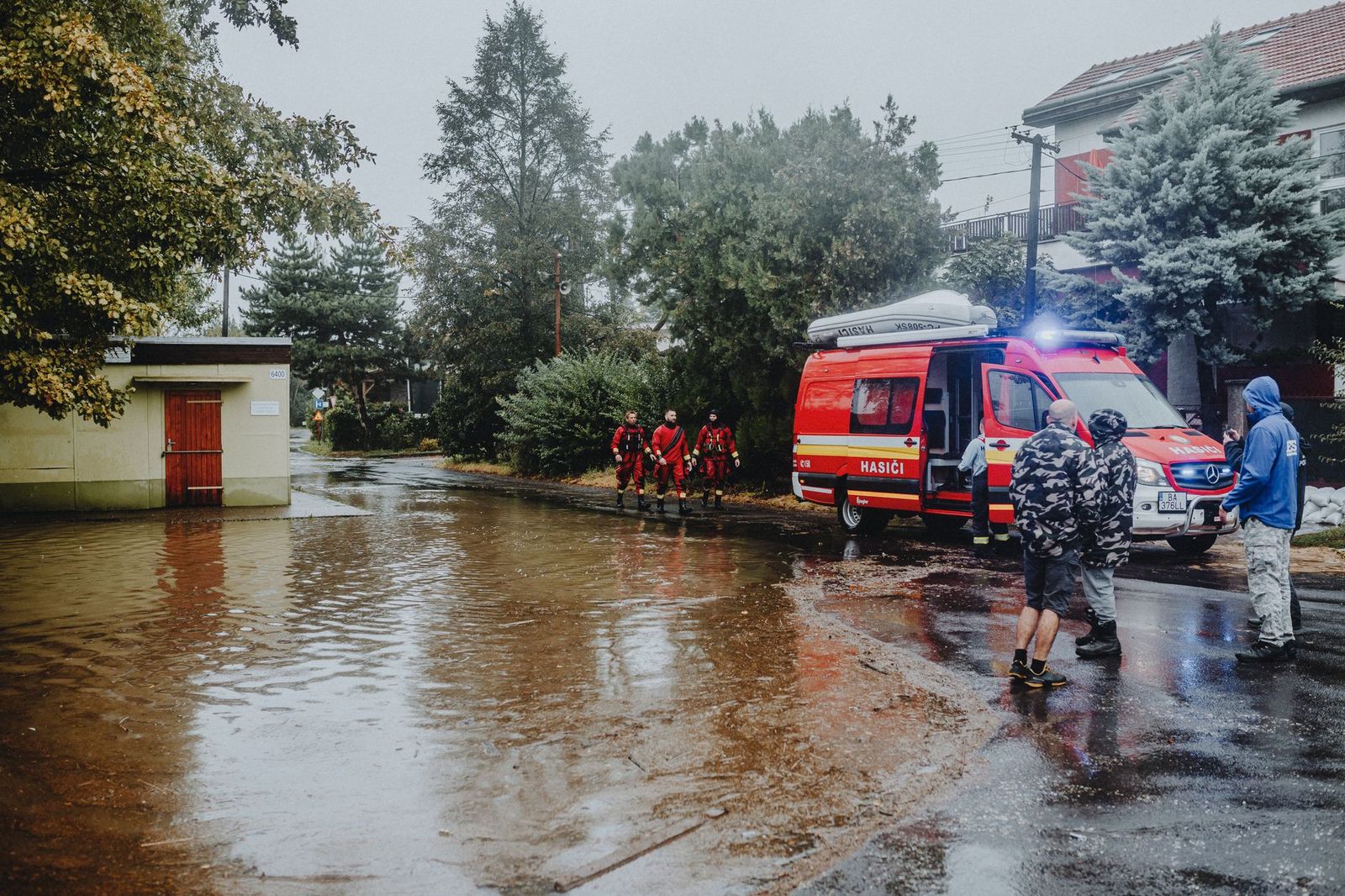
Flood disaster response crew on a flooded street

Bridge and renewal projects

Heated bunk trailers for bridge crews and long renewal projects

Bridge and building gangs maintain the bridges and culvert crossings along a rail line, often miles from the rest of the gang. Their work sites commonly sit at a creek crossing or a canyon, reached only by a rough access road. The work combines steel and concrete repair in every kind of weather, from summer heat to freezing rain. A heated bunk trailer at the nearest access point gives that crew a warm, dry place to sleep between shifts.

Major renewal projects need far more beds than routine maintenance does. A historical account of a full track rebuild describes 110 workers replacing an entire mile of track in one 10-hour day. A crew that size needs 10 trailers, which leaves 10 spare bunks for supervisors and late arrivals. Programs of this size are planned months in advance, which makes them the easiest railroad housing to reserve early.

The skilled labor behind this work is getting harder to replace. Brookings projects that nearly 17 million infrastructure workers will leave their jobs over the next decade through retirement and turnover. Association of American Railroads figures put Class I maintenance employment at 28,909 people in May 2023. When experienced crews are scarce, keeping them rested and close to the job helps a contractor hold on to the people it already employs.

Highway contractors often run bridge work alongside other construction projects in the same district. The planning described for crew housing on construction projects applies to those jobs as well, from a 6-month bridge job to a 2-year corridor rebuild. For crews outside rail and highway work, browse our sleeper trailers for other industries.

  • Rail bridge repair
  • Culvert replacement
  • Tunnel maintenance
  • Track renewal programs
  • Grade crossing work
  • Highway corridor projects
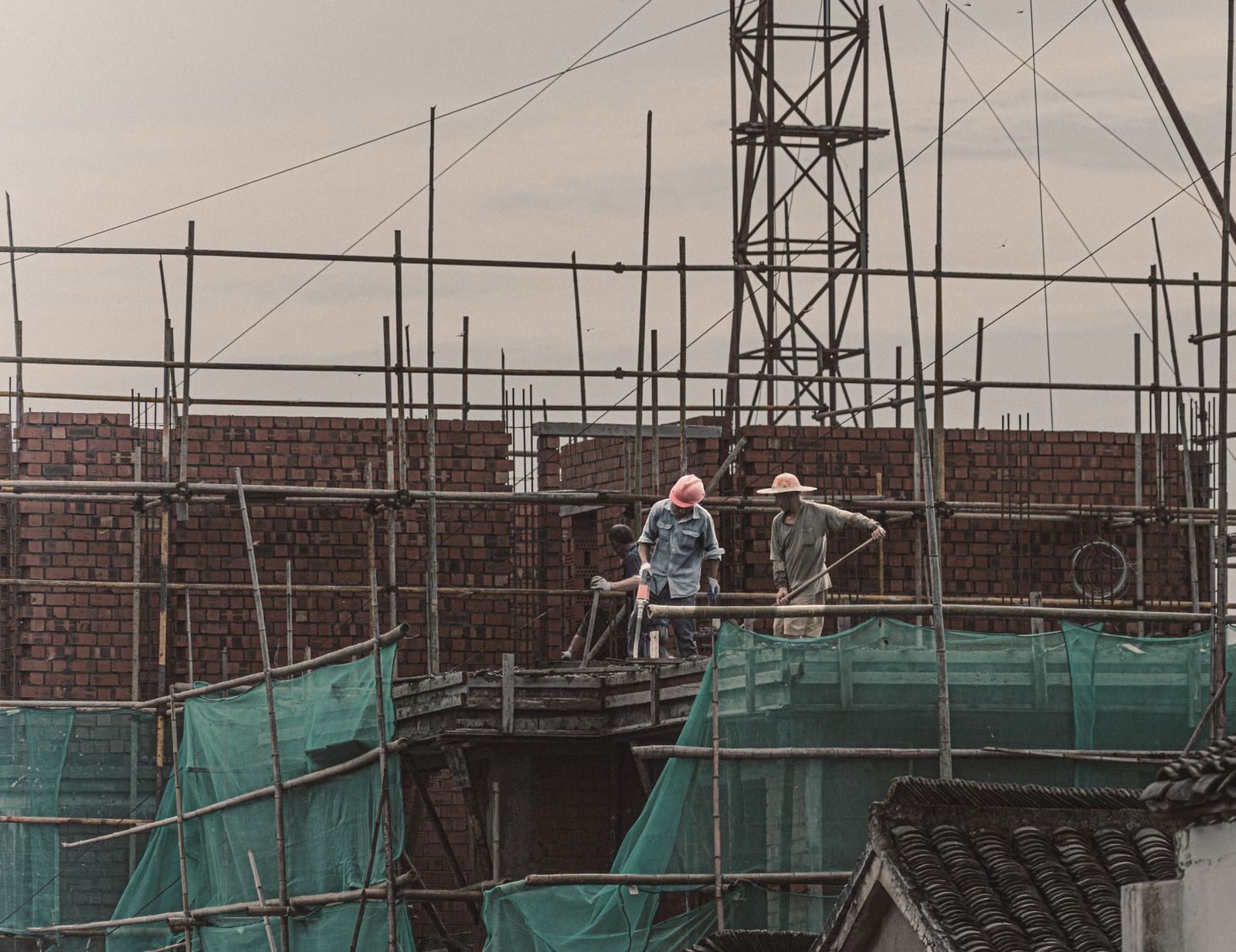
Construction crew on scaffolding

How to Plan Crew Housing for This Work

Planning housing for rail and Highway Crews comes down to four questions: the headcount sleeping on site, the expected length of the assignment, the electrical capacity available at the pad, and delivery access for a truck and trailer. The sections below work through each question in order.

How a crew quarters trailer gets set up at a rail yard or work zone

Planning starts with the staging location, since everything else depends on where the trailers can safely sit. A rail yard or a siding staging area usually has truck access and sometimes power, while a remote stretch of main line often has neither. A highway maintenance yard or a contractor lot near the closure is usually the easiest place to set trailers. Trailers belong outside the active work zone, well clear of live track and moving equipment, on a spot your safety team approves. We place each trailer only where your safety lead marks it.

Most remote rail and highway sites have no grid power on the first day, so the trailer runs from a generator sized for its 3 AC units. Set the generator outside and well away from the sleeping space, and never run it inside an enclosed area. Where a yard already has shore power, the trailer can plug into it instead of a generator. Tell us which setup you have, and we confirm the power plan before the delivery truck arrives.

Railroad staging ground is often loose ballast or dirt chewed up by heavy equipment traffic. The trailer needs a firm spot longer than 34 ft, with enough room for the truck to turn around and back in. Each trailer is set level on arrival, so the bunks sit flat even on uneven yard ground after 5 days of rain. Mark any buried utility lines or drainage ditches before delivery day, and send photos if the access road is rough.

The trailer provides sleeping space only, so plan restroom and shower trailers within about 100 feet of the bunks. A lighted path between them helps anyone coming off a night shift in the dark. Pipeline projects face the same moving-line problem, and our bunkhouse rentals for pipeline crews show how those moves usually work. When the job ends, call dispatch with the pickup date, and the trailers leave the yard the same way they arrived.

  • A firm, level spot longer than 34 ft, set outside the active work zone
  • Truck access with enough room for the delivery driver to turn around and back in
  • A generator sized for 3 AC units, or shore power already available at the yard
  • The railroad or DOT site access rules that apply to delivery drivers
  • A site contact who can meet the truck and confirm placement on delivery day
  • Restroom and shower trailers placed within a short, lighted walk of the bunks
  • A planned pickup date, or a call to dispatch whenever the work moves on
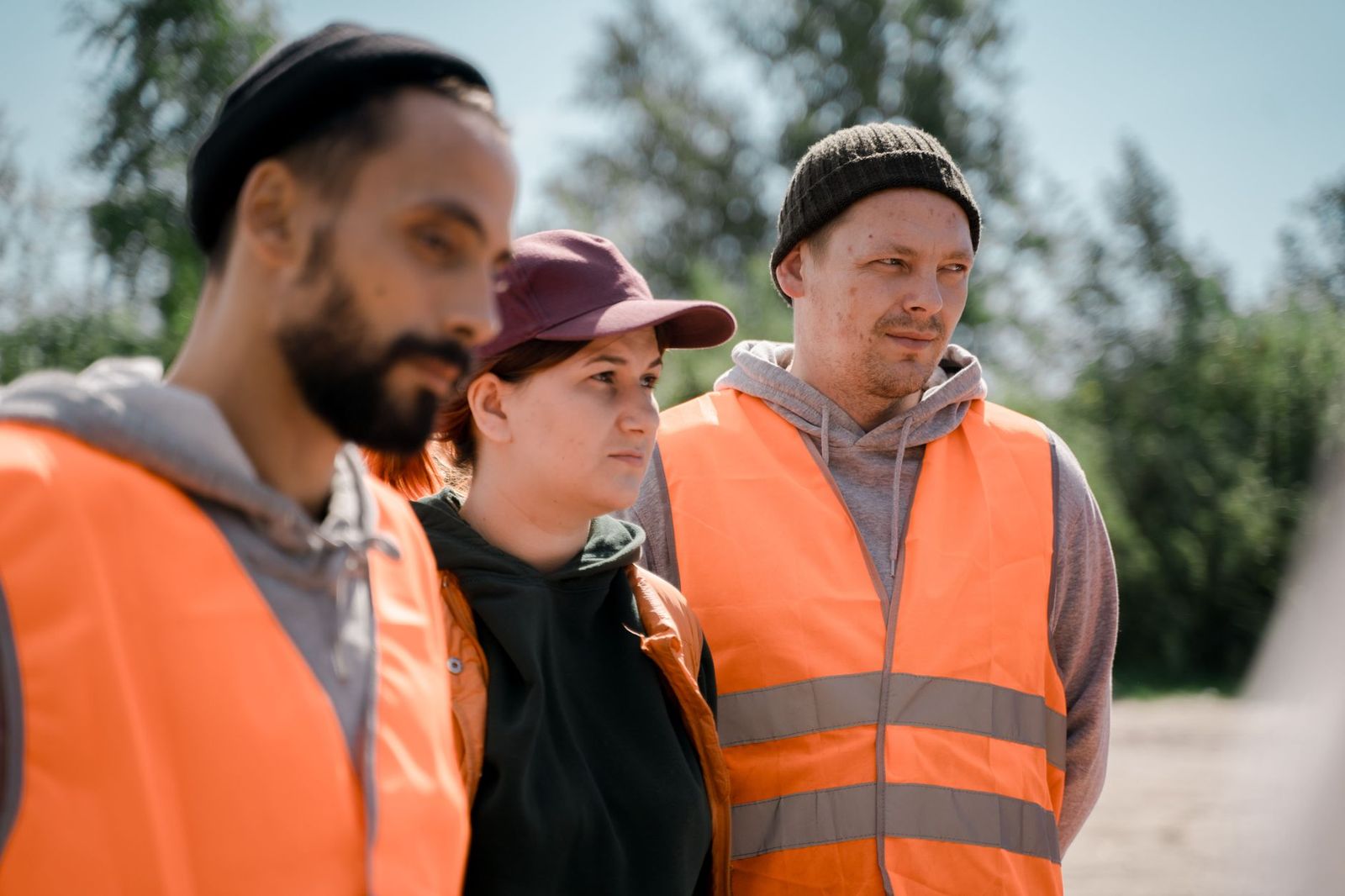
Crew standing at a jobsite

How many sleeper trailers a rail or highway crew needs

ScenarioCrew sizeTrailers
Small tamping crew3 to 81 trailer
Super gang121 trailer
Large surfacing gang13 to 152 trailers
Heavy-haul gang20 to 242 trailers
Overnight highway crew363 trailers
Large bridge job605 trailers
Emergency track rebuild20017 trailers

Railroad gangs map neatly onto 12-bunk trailers, which keeps the ordering simple for most track projects. A 3-person tamping crew fits in 1 trailer with room left over for a signal helper, and a 12-person super gang fills 1 trailer exactly. A heavy-haul gang of 20 to 24 workers fits in 2 trailers, while a 25th person tips the order to 3.

Night and day shifts can share bunks in theory, which lets 1 trailer with 12 bunks serve up to 24 people across a full day. The tradeoff is real, since shared bunks need fresh bedding at every changeover and crowded sleeping space wears on morale over a 6-month season. Plan 1 bunk per worker as the default for any job lasting more than a few days. Save shared bunks for short surge windows, such as a 48-hour derailment cleanup.

Head counts on rail and highway projects change from 1 week to the next. A supervisor and 2 flaggers often join a gang for part of the week, and inspectors may stay 1 or 2 nights. Count those people on the peak night and round up to the next multiple of 12. Call (888) 828-7765 with that number, and dispatch will confirm the trailer count on the first call.

Federal rules that shape rest and housing for rail and highway crews

Rest rules for railroad work start with the federal Hours of Service Act, found at 49 CFR Part 228. It sets on-duty limits and minimum off-duty periods for train employees and signal employees whose work is tied to train movement. The Rail Safety Improvement Act of 2008 raised the minimum rest period from 8 to 10 hours and required that rest be undisturbed, starting in July 2009. A later GAO review found that high-fatigue work time fell about 29 percent for covered Class I railroad employees.

Track maintenance workers have their own body of federal research. The Federal Railroad Administration studied maintenance-of-way fatigue directly, with 10 railroads taking part in the data collection. That study found that 19 percent of work schedules tied to accidents went past about 90 hours of work in 10 days. An earlier FRA study found that rail crews were more likely to get less than 7 hours of sleep on workdays.

Highway crews plan around traffic control standards and emergency funding rules instead. Night closures follow the MUTCD along with each state transportation department's own traffic control plans for the project. FMCSA hours-of-service rules at 49 CFR 395 govern the commercial drivers who haul crews and equipment to the site. Where your crew sleeps is a planning decision your team makes around all of these requirements.

Our role on these projects is the sleeping space and its delivery. Your safety team keeps the site plan and track access in line with the railroad's rules or the state DOT's rules. We work from the placement and schedule they set.

  • Hours of Service Act, 49 CFR Part 228: Sets on-duty limits and minimum rest periods for train employees and signal employees.
  • FRA Maintenance-of-Way Worker Fatigue study, DOT/FRA/ORD-19/02: Tied long track worker schedules to higher accident and incident rates across 10 participating railroads.
  • FHWA Emergency Relief Program, 23 USC 125: Funds repair of disaster-damaged federal-aid highways and bridges, with full funding for emergency work finished within 270 days.
  • FMCSA hours of service, 49 CFR 395: Limits driving hours for the commercial drivers who haul crews and equipment to the site.
  • MUTCD work zone traffic control: Sets the sign and lane layout for highway work zones, including overnight lane closures.
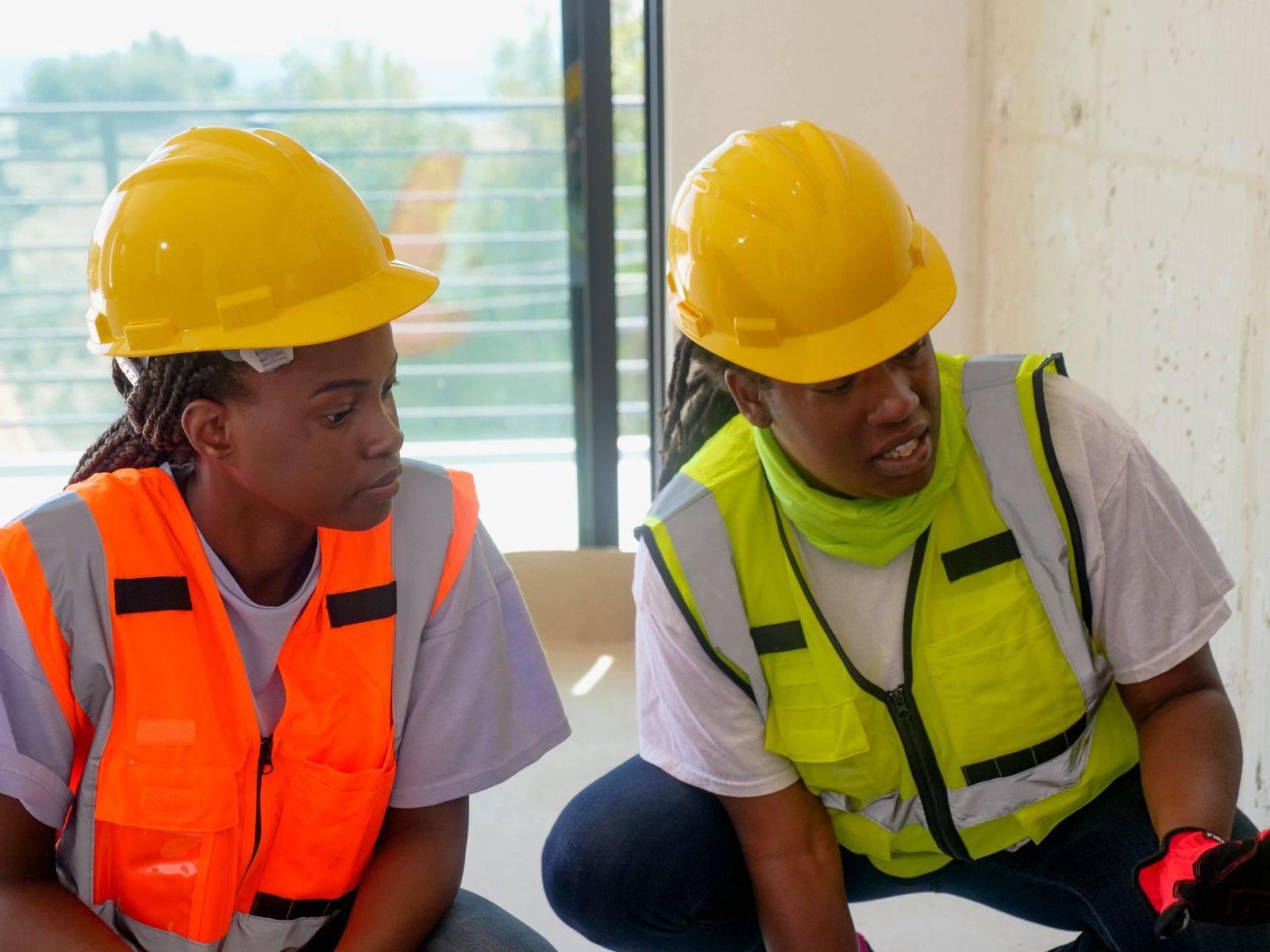
Construction crew reviewing jobsite plans

What motels and long drives cost a rail or highway crew

The usual plan for a traveling gang is a motel near the job plus a daily allowance for meals and lodging. Workers on the road describe allowances that fall short of what nearby rooms actually cost, in motels they rate below the rooms train crews receive. The allowance also assumes there are rooms available to rent within a reasonable drive. On a remote stretch of main line in West Texas or the Great Plains, the nearest motel may be 60 minutes away.

The daily drive costs a crew far more than fuel and vehicle wear. A crew driving 45 minutes each way loses 90 minutes a day, which adds up to 6 hours over a 4-day work week. Rail crew fatigue research warns that poor rest can produce impairment levels comparable to alcohol intoxication. Driving home tired after a 10-hour night shift is one of the most dangerous parts of the whole workday.

Motels near large projects also fill quickly when a big crew arrives. A bridge program or a storm repair can bring 50 to 200 workers into a rural county with 3 motels. Rooms can run out within 2 or 3 days. Crews then split up across several towns, and some workers end up sleeping in their trucks at the staging yard. A set of 12-bunk trailers at the yard keeps everyone in one place, with a real bunk for each worker.

  • 90 min lost each day to a 45-minute drive each way
  • 6 hours of driving in a 4-day week at that commute
  • 96 motel room nights for 24 workers, 1 to a room, over a 4-night week
  • 2 sleeper trailers to bunk the same 24 workers every night
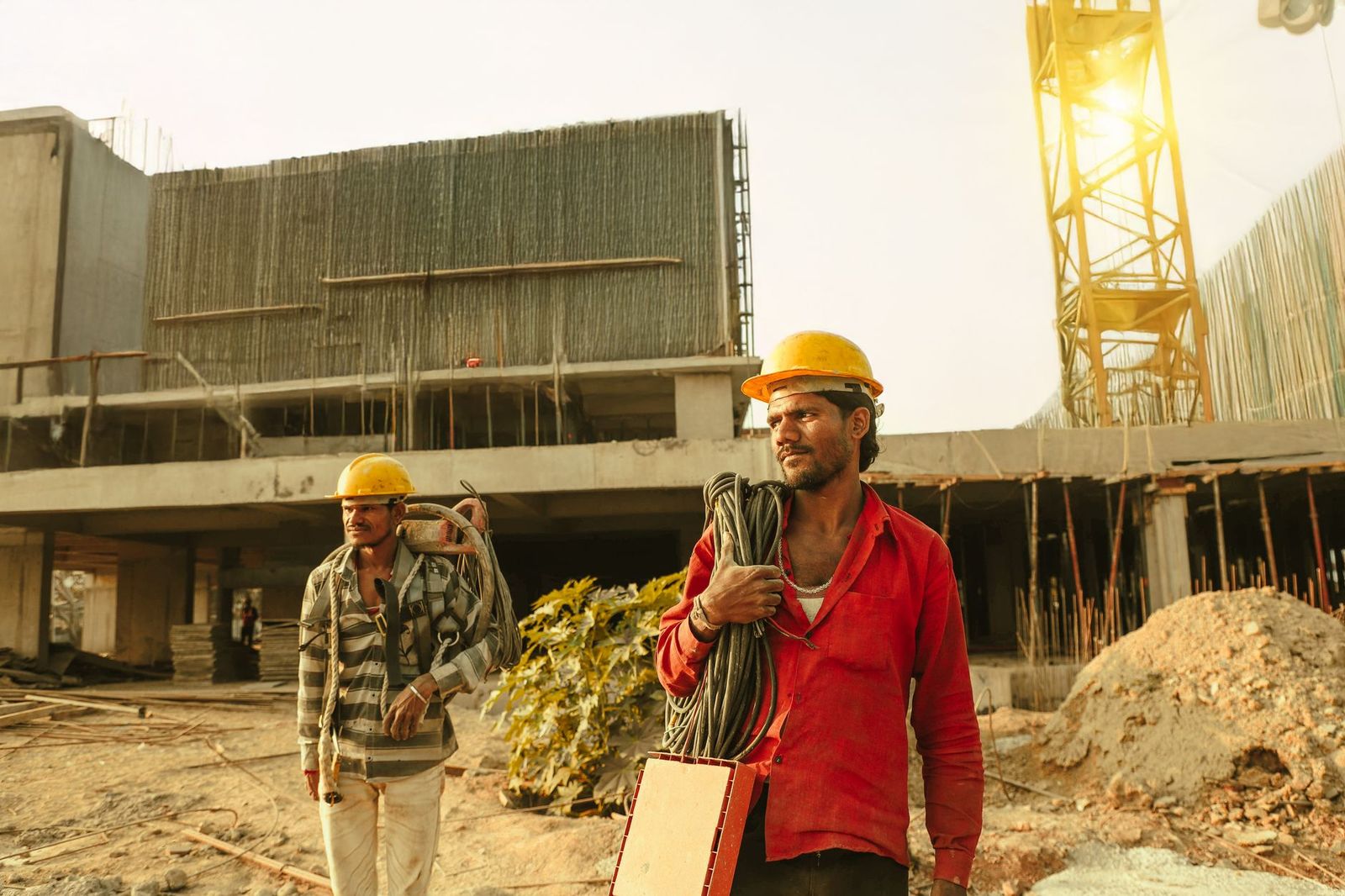
Construction worker in a hard hat at a jobsite

Three sites and how a setup usually runs, the short version

Typical setup: spring tie gang, 24 workers, rural main line

A typical job like this starts with a call from a track project manager about 45 days before the April start of the spring program. The gang works Monday through Thursday and moves down the line every week or two as the ties are replaced. All 24 workers get their own bunk in 2 trailers at a siding staging area, with a generator placed well away from the sleeping space. When the gang gets far enough down the line that the drive grows long, dispatch schedules a move to the next staging location.

Typical setup: overnight interstate paving, 36-person crew, summer

Overnight paving on a busy interstate often lasts from 9 at night until 5 in the morning for most of a summer. The crew sleeps from about 7 in the morning until 2 in the afternoon, right through the hottest part of the day. A set of 3 portable trailers at the contractor's equipment yard keeps the bunks cool through the afternoon heat. Restroom and shower trailers sit a short walk away, and the sleeper trailers stay until the last lane closure is finished.

Typical setup: washout repair after a storm, 60-person crew, around-the-clock shifts

Heavy rain washes out a stretch of track bed on a rail line far from any town. The repair contractor sends a 60-person crew working two 12-hour shifts around the clock until trains can move again. A group of 5 trailers gives everyone a dedicated bunk, and the night crew sleeps while the day crew works. The first call to dispatch covers the nearest truck access point and the generator plan, and the trailers leave once the line is open again.
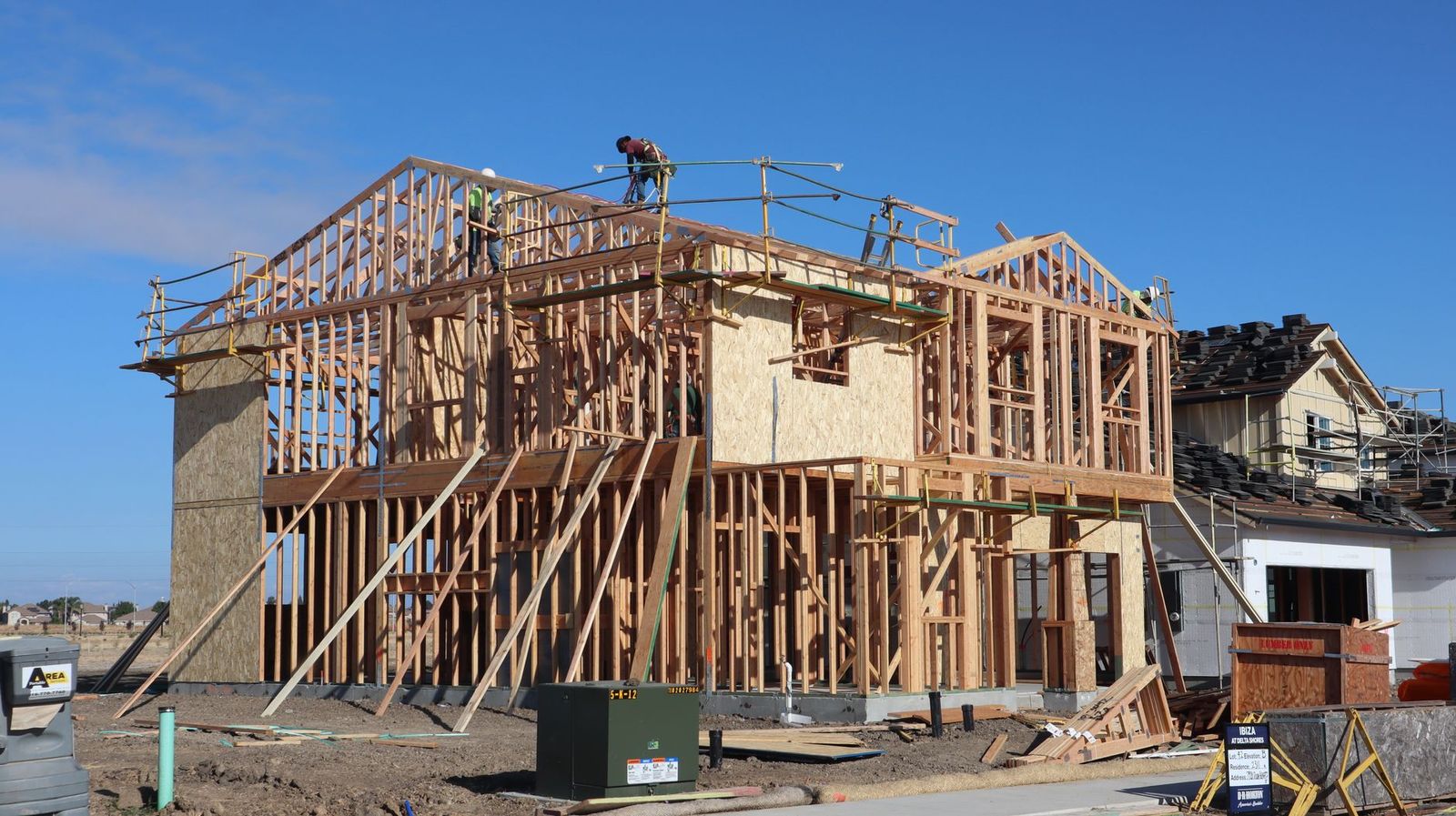
Aerial view of residential home framing construction

The honest answer

What to know about what crews ask before they book

Construction crew and cranes at a large commercial jobsite

How many bunkhouse trailers does a 25-person super gang need?

A set of 3 trailers gives a 25-person gang a dedicated bunk for everyone, with 11 bunks left over for visitors. Exactly 24 people fit in 2 trailers, so the 25th worker is what tips the order to 3. A smaller gang of 3 to 12 people fits comfortably in 1 trailer. Tell dispatch your peak head count, and we size the order from there.

Can a sleeper trailer be delivered next to an active rail line?

We deliver to a staging location that your safety team or the railroad approves, such as a yard or a siding staging area. Trailers stay well clear of live track and moving equipment at every site. Your team picks the exact spot, and the trailer is set level there on arrival. Send the access road details ahead of time so the driver knows the route.

What does a normal week look like for a traveling track gang?

Track workers commonly describe traveling on Sunday and working 10-hour-plus days from Monday through Thursday before heading home. Night shifts and Saturday shifts are common as well, because track time gets scheduled around live train traffic. A trailer at the staging area stays set up for the entire rotation. Workers come back each Sunday night to the same bunk and the same storage compartment.

Do track workers have hours-of-service limits like train crews?

The federal Hours of Service Act at 49 CFR Part 228 sets limits for train employees and signal employees. The Federal Railroad Administration has studied track worker fatigue separately, and that study tied longer track schedules to more accidents. Your railroad or employer sets the work rules for track crews. Good rest close to the job supports whatever schedule your crew works.

How fast can crew housing reach a washout or derailment site?

Dispatch answers 24/7 at (888) 828-7765, and delivery timing depends on the distance and the road access to your site. Contractors with a rental agreement in place before the season move quickest, because the order then needs only a location and a head count. Share your likely staging yards early so delivery routes can be planned ahead of time.

Can a bunk trailer run on generator power at a remote track site?

Yes, as long as the generator is sized for the trailer's 3 AC units with heat. Remote main line sites rarely have grid power, while some rail yards and highway maintenance yards do. Place the generator outside and well away from the bunks. We confirm the power source with you before delivery, so the trailer works the day it arrives.

Do sleeper trailers work for night-shift crews who sleep during the day?

Yes, and daytime sleep is where the trailer earns its place on a highway project. The 3 AC units keep the room cool through the afternoon, and each bunk has its own light. One worker waking up early does not wake the whole row. Because the trailer sits at the yard, it also cuts out the drive after the shift ends at dawn.

Can we pair bunkhouse trailers with restroom and shower trailers?

The trailer is sleeping space only, with no bathroom or shower inside, so pairing them is the normal plan. Crews use separate restroom and shower trailers set a short walk from the bunks. Plan both at the same time so the site layout works on the first day. A lighted path between them helps workers coming off a night shift.

What happens to our rental when the track season ends for winter?

Release the trailers when the program closes, and call dispatch with the pickup date, and we send a truck on that date. Large tie and rail programs usually wind down as winter weather sets in across the northern states. A rental grows and shrinks with the season in a way that a permanent building cannot. Book again for the spring start once your program dates are set.

How long can a trailer stay on a multi-month bridge or rail project?

A trailer can stay for the full length of the project, from 2 weeks to 12 months or more. Bridge jobs with nightly lane closures often continue for a full construction season or longer. Build an easy extension into the rental, since closure schedules tend to slide. Call dispatch when the end date moves, and we adjust the pickup.

How many people can sleep in one trailer if a crew runs two 12-hour shifts?

Up to 12 people sleep in 1 trailer at a time, 1 to each bunk. With 2 offset shifts sharing bunks, 1 trailer can serve up to 24 people across a full day. Shared bunks need fresh bedding at every changeover and firm shift times to work well. For a job longer than 1 week, 1 bunk per worker is the safer plan.

What heat does a bunkhouse trailer have for a winter emergency repair?

Each trailer has 3 AC units with heat, controlled from a smart thermostat with a digital touch panel. The crew sets the temperature once, and the thermostat holds it through the night. That covers a cold washout repair in late fall as well as a spring start in the Rocky Mountains. Size the generator for full heating load on the coldest nights.

Can a trailer follow a gang as it moves down the line?

Call dispatch when the gang moves far enough that the drive from the trailer gets long, and we schedule a move to the next staging location. Give the new location and the date, along with any access notes for the driver. Gangs that move every week or two often plan the next staging locations at the start of the program.

Can a National Guard engineer unit or a state DOT rent trailers for highway disaster repair?

Guard engineer units have cleared roads and debris after hurricanes such as Ida and Helene, and those missions need beds near the work. State agencies follow their own purchasing rules, so tell us which path your contracting office uses. We send a quote and paperwork shaped to match that process from the first call.

What should we have ready before we call for a quote?

Have the staging location and the start date ready before you call. Add the peak head count and whether the site has grid power or needs a generator. Send any railroad or DOT access rules for the delivery driver as early as you can. With those details, dispatch at (888) 828-7765 can give you a clear delivery plan on the first call.

Plainly put

Reading for the person planning crew housing: what to expect

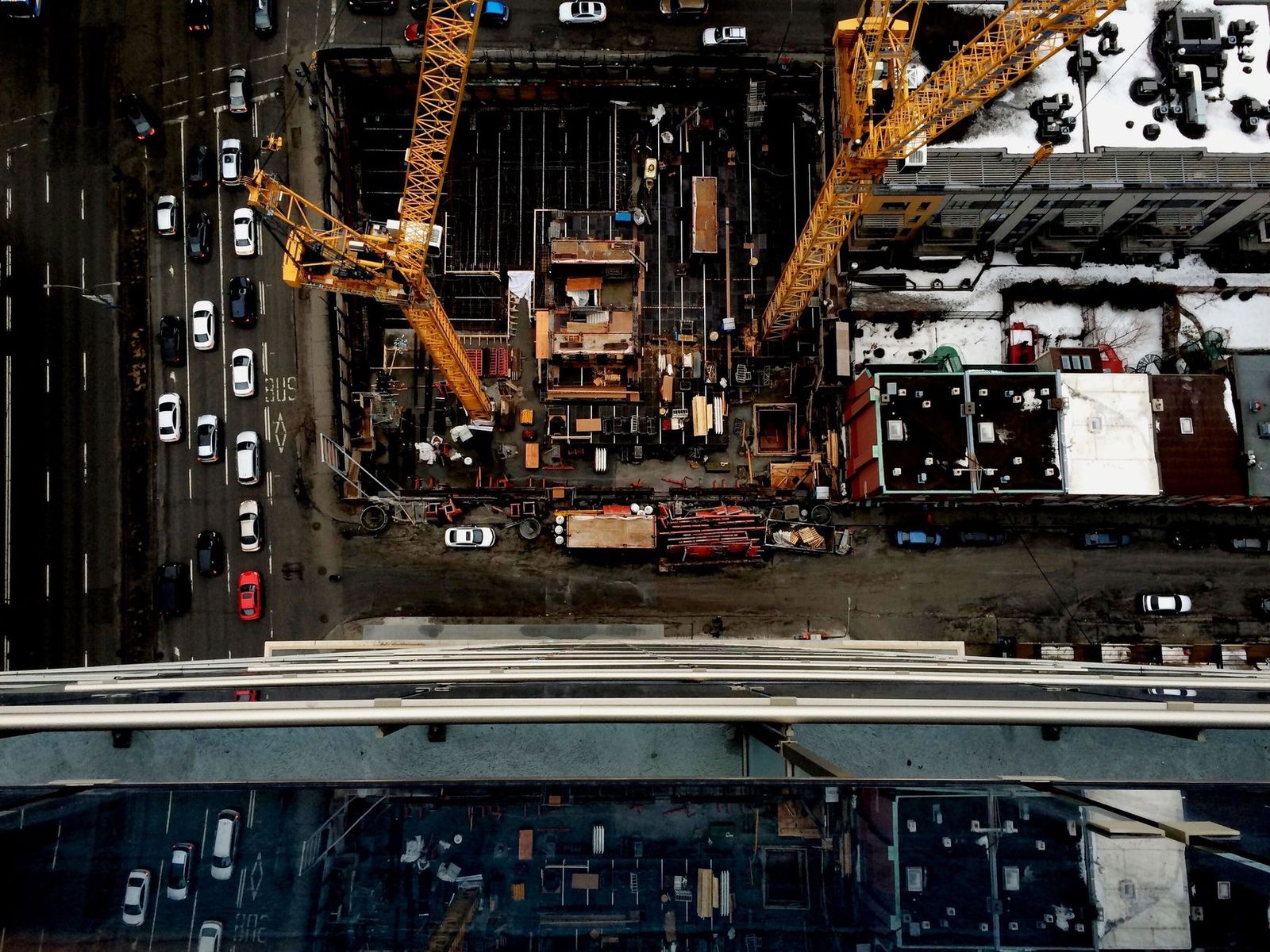
  • Commercial building construction crane

    Lining up crew housing before a spring track program

    Spring track programs are set on a calendar months ahead, which makes them the easiest railroad housing to plan well. The trouble is that housing tends to get planned last, after the machines and materials have been lined up. A gang that arrives in April with no beds near the first work site can lose its first week to long drives. The steps below move the housing plan up to where it belongs on the schedule.

    Read the full note

    Start with the program map. List every staging location the gang will use across the season, in the order the work will reach each one. Mark which locations have truck access for a 34 ft trailer and which ones have shore power already available. A yard with power can take trailers the day they arrive, while a bare siding needs a generator in the same delivery.

    Next, set the head count for each phase of the program. Tie programs often ramp up during the first few weeks, then hold steady through the summer months. Put the trailer count beside each phase, using 1 trailer for every 12 workers on the peak night. Writing it down in winter keeps anyone from doing the math under pressure in May.

    Then plan the moves. A gang working 10-hour days covers a lot of track in a week, and the drive from the trailers grows with every mile. Decide ahead of time how long a commute you will accept before the trailers move to the next staging location. A limit of about 30 minutes each way is a reasonable place to start for most track programs.

    Plan the end of the season as carefully as the start. Track programs wind down as the weather turns, and many crews head into a winter break. Set a target release date for the trailers and review it in September, when the fall schedule becomes clearer. A rental that ends with the program keeps you from paying for beds nobody uses in December.

    Finally, finish the paperwork in winter while the office is quiet. A signed rental agreement in February means the April delivery needs only a confirmation call. Call (888) 828-7765 with your program map, and we plan the delivery with you step by step.

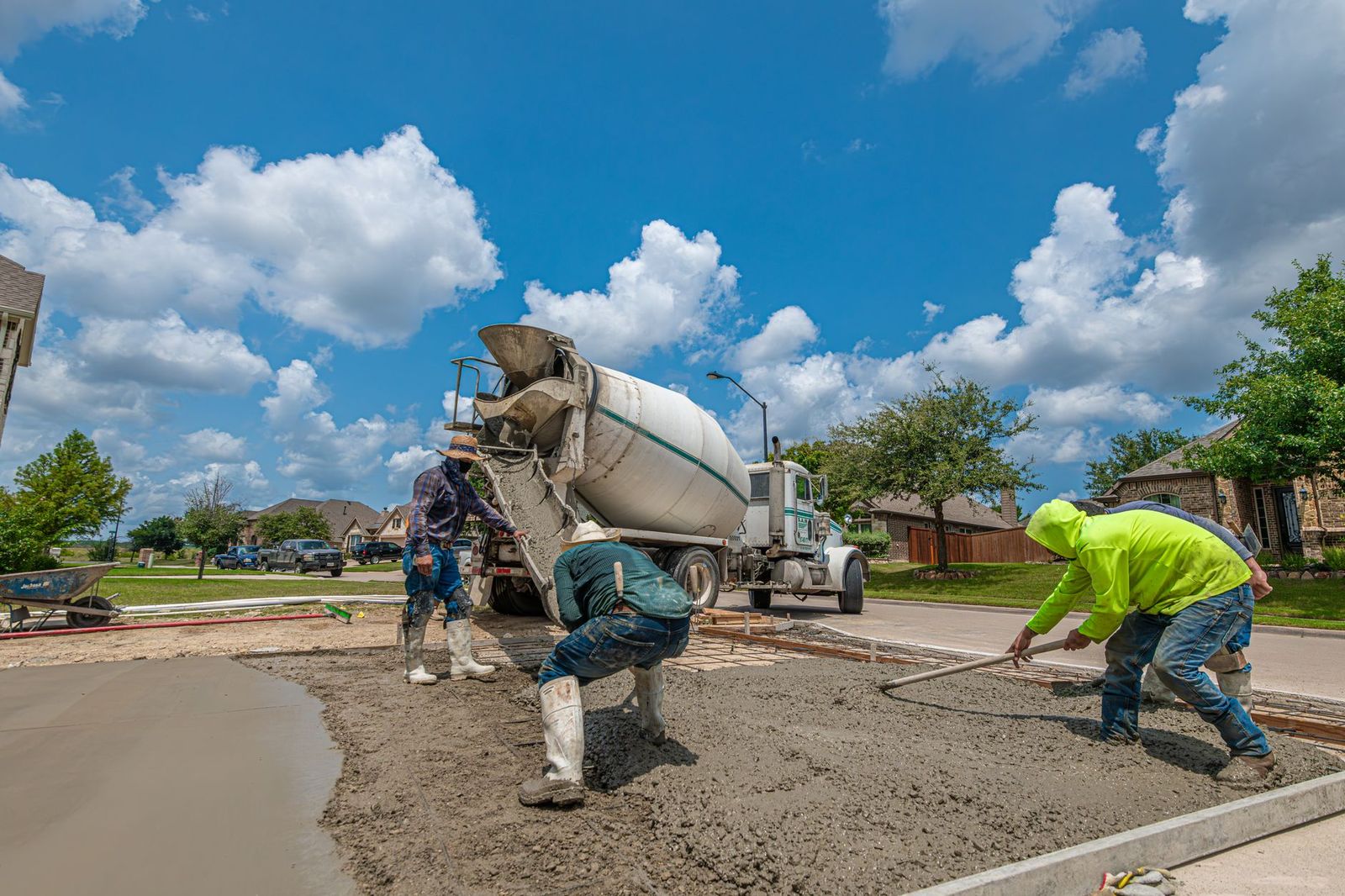
  • Road crew pouring and finishing concrete paving from a mixer truck

    How night-shift crews get real sleep during the day

    Night work is now routine on busy highways, and plenty of railroad maintenance happens after dark as well. Workers also have to sleep while the sun is up, and most bodies resist that schedule every single day. A few steady habits make daytime sleep far more restful, and the room where the crew sleeps supports every one of them.

    Read the full note

    Temperature comes first. Most people sleep better in a cool room, and the afternoon is the hardest time of day to keep a room cool. A 34 ft trailer with 3 AC units can hold a steady temperature through a July afternoon while the crew sleeps. Set the thermostat before the crew turns in, and leave it alone until the shift wakes up.

    Darkness comes second. Daylight tells the brain it is time to be awake, even behind closed eyelids. Keep the trailer door closed during sleeping hours, and use the individual light at each bunk instead of the overhead lighting. A worker who wakes early can read or check a phone without lighting up the whole row of bunks.

    Quiet comes third. Park the trailers away from the equipment yard and the truck lane, and place the generator on the far side of the trailer from the bunks. Foam ear plugs help with the sounds that remain after that. A crew that sleeps a short walk from the job also skips the drive home, which is often when the day's worst drowsiness hits.

    Routine holds everything together. Workers who go to sleep at the same time after every shift adjust faster than workers who change their sleep schedule on days off. A light meal before bed usually works better than a heavy one, and caffeine after 2 in the morning makes daytime sleep harder to reach. Crews that keep a steady routine tend to arrive for the evening start more alert.

    The FHWA guidance on night and off-peak work explains why so many highway projects move their work into night hours in the first place. Planning the crew's sleep belongs in the same project plan as the lighting and the traffic control. Call (888) 828-7765 to put climate-controlled sleeping space on your next overnight project.

    Source: FHWA guidance on night and off-peak work

  • Construction site at sunset after the day shift wraps

    From camp cars to bunkhouse trailers: how rail crew housing changed

    Railroads have been solving the crew housing problem for more than 130 years. The answer has changed every time the work itself changed, and that history explains why a truck-delivered trailer fits the way track maintenance is organized today.

    Read the full note

    The first answer was the section house. From the 1890s through the 1960s, railroads built these permanent buildings near a station to house the section foreman and his crew. Each crew looked after a fixed stretch of track, often 10 to 20 miles long, and rarely traveled far beyond it. A building beside the station made sense, because the crew never went far from home.

    Gangs that traveled needed something different, so the railroads built camp cars, also called outfit cars. These were cars fitted out for feeding and housing maintenance crews in the field. Because the cars earned no revenue, railroads spent as little as possible on them, often rebuilding old boxcars or aging passenger coaches. A typical bunk car was an old coach rebuilt with 2 rows of double-deck cots along its walls.

    The numbers could get large. A gang of 250 men needed about 20 bunk cars, plus cook cars and dining cars to feed everyone. The Pennsylvania Railroad was converting boxcars into camp cars by 1937, grouped into 4-car sets that included 2 sleeping cars. When a project ended, the cars were picked up and hauled to the next job on the system.

    By the time Conrail formed in 1976, many camp cars were already stored out of service. Newer camp cars were essentially mobile homes mounted on a flatcar. Section houses faded out during the same years, as railroads shifted from fixed section crews to traveling gangs that cover an entire network.

    The pattern through all of it is consistent. Crew housing works well when it moves the way the crew moves. A 12-bunk trailer that arrives by truck and leaves when the gang moves on is the current version of that same idea. Call (888) 828-7765 to plan housing that keeps pace with your gang.

Get a quote

Tell Us Where Your Crew Needs Beds

Send the basics and a dispatcher will call you back with availability and a delivery window. In a hurry? Call now.

  1. We confirm the site, dates and crew size.
  2. We lock in a delivery window and power plan.
  3. The trailer arrives, gets leveled and is ready for the first night.
(888) 828-7765

Request a quote

Takes about a minute. Fields marked * are required.

We only use your details to answer this request.