Skip to content
Delivered to all 50 states 24/7 dispatch: (888) 828-7765

Wildfire Fire Camps and Incident Base Camps

Heated Sleeper Trailer Rentals for Wildfire Fire Camps

Give your firefighters a real bed behind a door that closes, a short walk from the camp kitchen instead of a motel an hour away. We deliver the 12-Station Bunkhouse Sleeper Trailer to main fire camps and spike camps in all 50 states, and it arrives leveled with the air conditioning already running. Your crew sleeps better. Call (888) 828-7765 any hour of the day or night, or request a quote with your crew size and camp location.

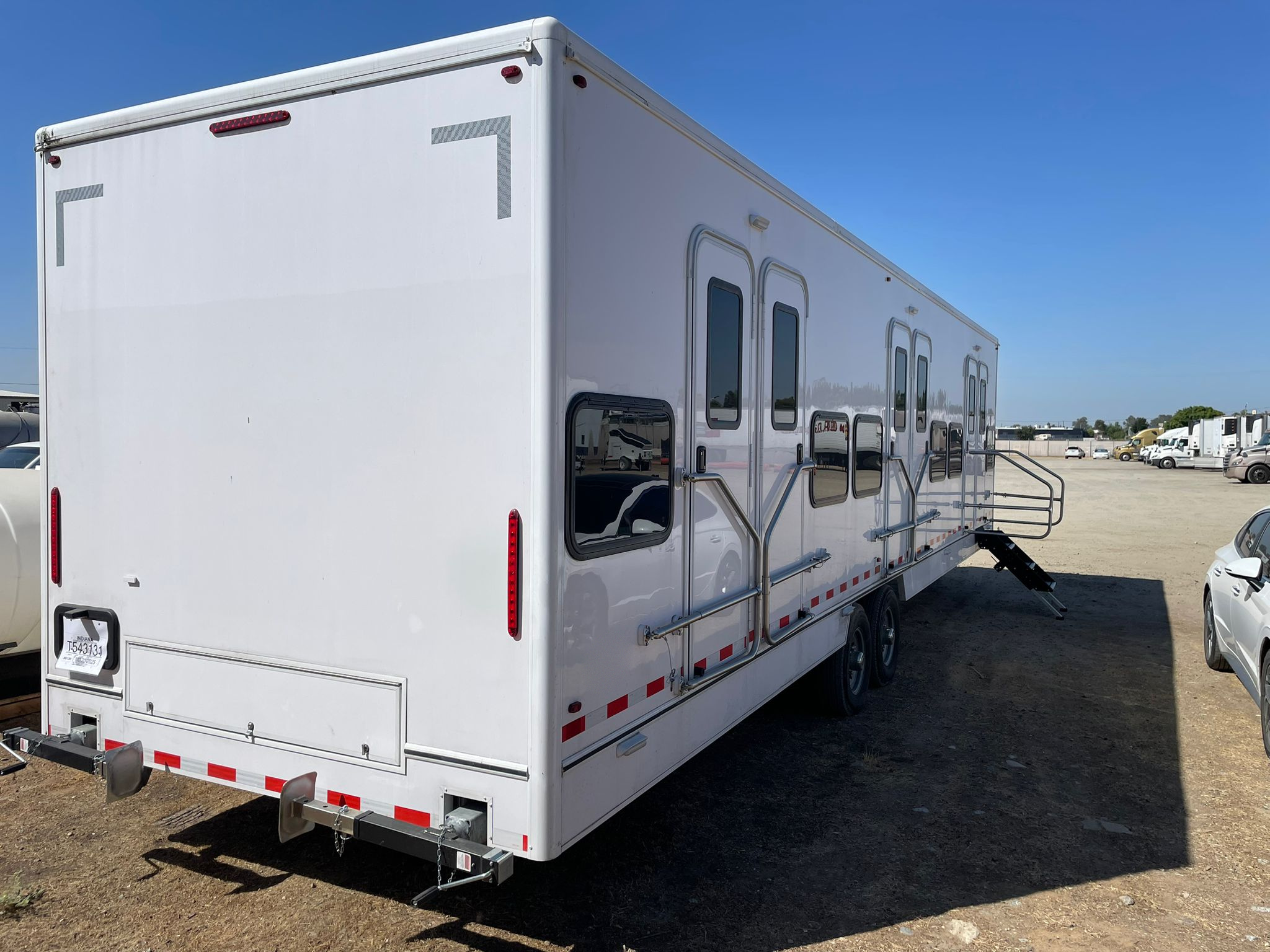
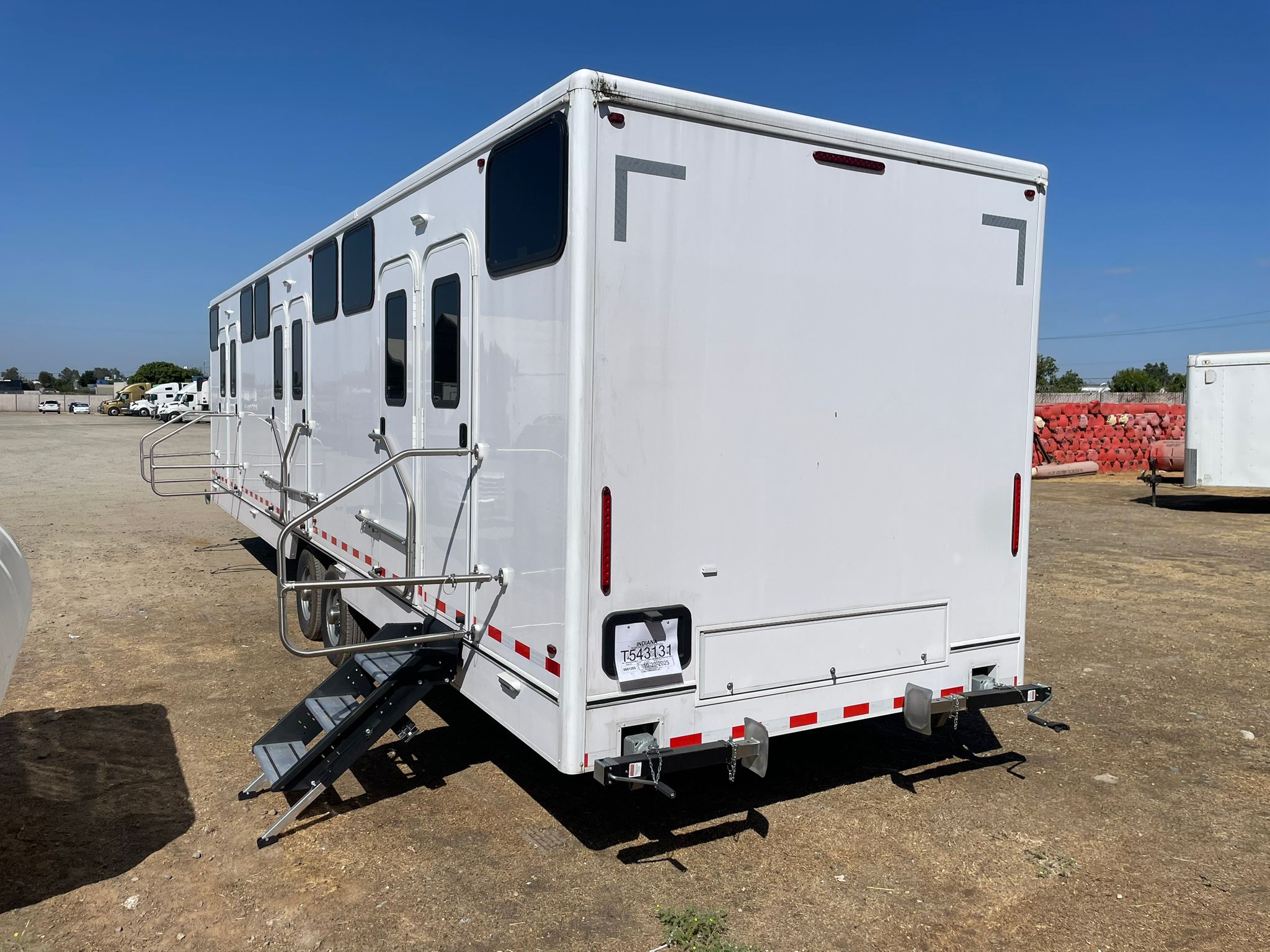
34 ft bunkhouse sleeper trailer with three bunk entry doors and built-in steps
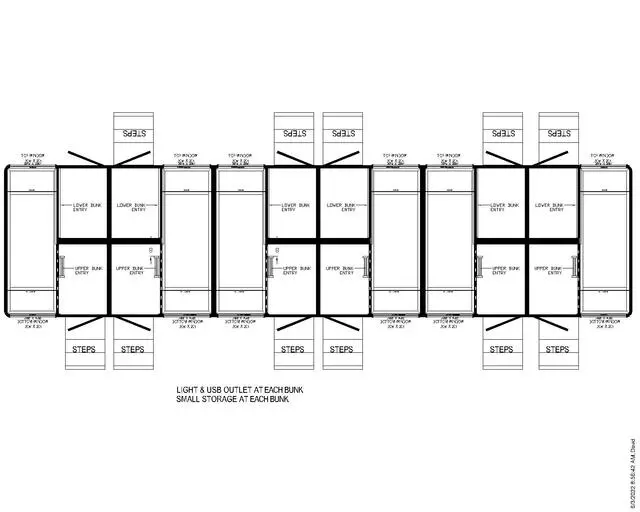
  • Sleeps 12 34 ft, with 6 upper and 6 lower bunks
  • 3 AC units heat and cooling on a touch thermostat
  • All 50 states delivered, leveled and set up for the crew
  • 24/7 dispatch at (888) 828-7765
  • 12,000+Trailer deliveries across our network
  • 50Delivery to all 50 states
  • 24/7Dispatch answers day and night
  • 12Private bunks in every trailer

Built for construction crews, fire camps, pipeline spreads and utility contractors.

Fire camp crew housing

We set up climate-controlled crew sleeper trailers where fire crews rest

Fire camps go up in a day or two, and the sleeping area is usually the last detail anyone has time to organize. We treat it as the first. Our network has handled over 12,000 successful trailer deliveries, and that experience shows up on a dirt lot at midnight in the middle of August. You get a 34 ft sleeper trailer with 12 bunks that is level and cooling before your crews get back from the line. Wildfire is one of the many industries we house crews for, and fire work comes with the least warning of any of them. Call (888) 828-7765 when the resource order comes in, or get a quote with your crew count and camp address.

The 12-Station Bunkhouse Sleeper Trailer is one 34 ft unit with 12 bunks in 2 banks of 6. At a fire camp, that means 1 trailer for every 12 people coming off the line, with heat for cold nights and cooling for hot afternoons.

What comes with every rental

  • Delivery, leveling and setup by our driver
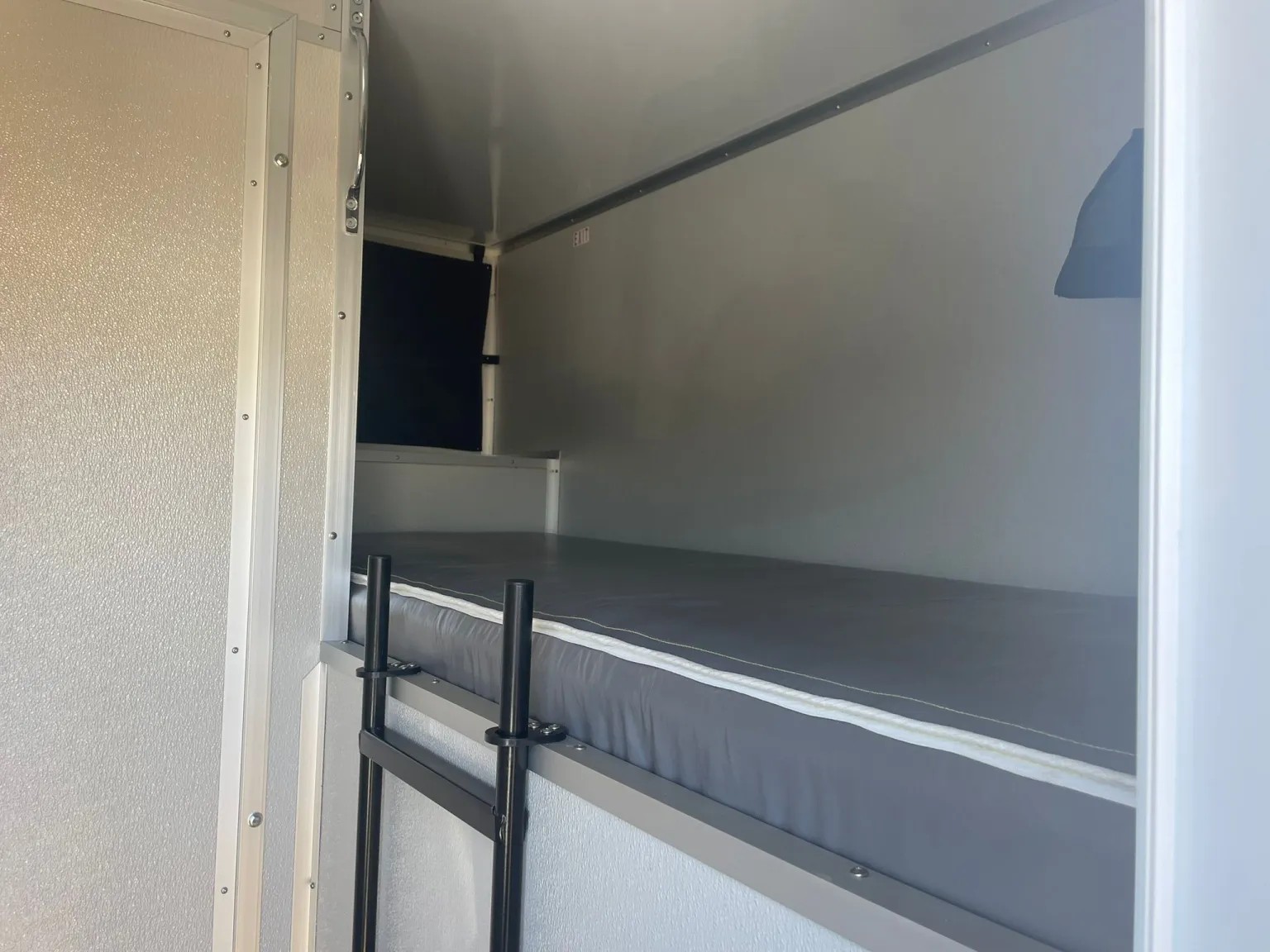
  • Twelve private bunks, each with a light, USB outlet and storage
  • Three AC units with heat and a smart thermostat
  • Built-in steps at every bunk bank
  • Pickup when the job wraps

Week one

One 34 ft bunkhouse with twelve real beds, in plain terms

Every rental is the same proven unit, so your crew knows exactly what they are walking into.

Here is what a firefighter finds after a 16-hour shift on the fire line. There are 6 lower bunks and 6 upper bunks, with built-in steps at each bunk bank so nobody has to climb up off a folding chair. Every bunk has its own LED light and USB outlet, so a phone and a radio battery can charge overnight without an extension cord across the floor. Each bunk also has a storage compartment for a flashlight and a wallet, because small details matter after a long shift.

Fire assignments can swing from freezing nights in the high desert in May to hot, dusty afternoons in August, sometimes on the same crew's calendar. The 3 AC units with heat cover both ends of that range. A smart thermostat with digital touch control lets the crew set 1 temperature and leave it alone for the entire 14-day assignment. Day sleepers need this most. A night shift crew trying to sleep through the afternoon needs a cool room, and an air-conditioned bunk gives them one when a canvas tent cannot.

The trailer travels on its own wheels and sets up on cleared, level ground close to the rest of the camp. We handle the tow and the setup, so your Facilities Unit Leader simply marks the spot and names a gate contact. For every dimension and feature, open the bunkhouse trailer spec sheet. Crews outside of fire season use the same 34 ft unit, and you can read about that work on our main page for bunkhouse sleeper trailer rentals.

Spec plate

12-bunk sleeper
Bunks6 upper + 6 lower = 12 total
Sleeps12 people
Length34'
Per-BunkLED light, USB outlet, storage compartment
AccessBuilt-in steps at each bunk bank
AC Units3 (HVAC, smart thermostat)
ClimateAC & Heat, digital touch control

Ready to book the trailer?

(888) 828-7765

Send the site and dates. A dispatcher calls back with a delivery window.

Up front

What to know about what crews say after a night inside

"Our crews came off 16-hour shifts on the line and actually slept through the generator noise for the first time that entire season. Four trailers were leveled and cooling before the first buses pulled into the fairground that evening. The crew supervisors noticed the difference by day 3."

E. F.Logistics section chief

"Our 20-person crew was working too far away to drive back to main camp every night after a long day on the fire line. The spike camp ran on 1 generator, and the trailers were matched to it before they ever left the yard. Nobody slept on the dirt."

M. C.Base camp manager

"Every hotel near a major fire fills up quickly, and my crews used to drive an hour each way after a 16-hour shift. Now the crew quarters arrive where my people actually work, installed and ready before they get there. That removed an entire problem from my desk."

L. C.Contract crew company owner
Delivering to all 50 states

Practical limits

Our routes reach the remote sites, step by step

From a pipeline yard in West Texas to a fire camp in the Oregon Cascades, we route a trailer and a driver to where your crew is working, remote and off-grid sites included.

What happens next

The ground our drivers already know: what to expect

Ask us anything

Built for real sleep, run by people who answer, explained

  • Twelve private bunks

    Six upper and six lower, each its own space. No cots, no shared air mattresses.

  • Heat and air, three units

    Three AC units with heat and a smart thermostat keep the trailer comfortable in July and January.

  • Light and USB at every bunk

    Each bunk has an LED reading light, a USB outlet and a storage compartment for phones and gear.

  • Delivered and set up

    Our driver hauls it in, levels it and walks your lead through it. You do not need a truck or a hitch.

  • All 50 states

    We plan routes to remote yards, fire camps and storm zones anywhere in the country.

  • 24/7 dispatch

    Call at any hour and a person picks up. Crews change plans at night, and so do we.

In practice

Four steps between now and a delivered trailer: what to expect

  1. Call or send a quote request

    Tell us the site, the crew size and your start date. We answer 24/7.

  2. Plan the drop

    We confirm site access and power, then lock in a delivery window.

  3. Delivery and setup

    Our driver places the trailer, levels it and hands your lead the keys and a walkthrough.

  4. Pickup when you wrap

    Extend as long as you need. When the job ends, we haul it out.

Main fire camps

Portable bunkhouse trailers for the main fire camp

The main fire camp is the biggest site on an incident, and it usually sits on a county fairground or a school athletic field near the fire. Kitchens and shower units go up first. Sleeping areas often end up as rows of tents on whatever ground remains after the supply trucks and buses take their space, so beds come last in that sequence.

On a major incident, the camp can expand past several hundred people during the first week. A Type 2 incident management team can run a fire with close to 500 people assigned, and every one of them needs a dependable place to sleep, so we plan in rows. We set trailers side by side with clear paths between them, so a crew member can find the correct door in the dark at 11 at night, and that kind of organization and consistent positioning matter more than most people initially expect.

Main camps are loud around the clock. Generators run all night, and bright work lights stay on for the night shift from dusk until well after sunrise, which makes sleeping in a tent difficult. A portable bunkhouse trailer gives the crew solid walls and a door that closes against both the noise and the light. Each of the 12 bunk lights switches on and off at the bunk, so one person reading never lights up the entire row, and small details like that improve overall recovery more than most people ever realize.

After enough fire camps, we ask for a location where generator exhaust blows away from the doors and kitchen traffic stays at least a row away. Then we ask where the buses turn around. A trailer parked in the bus loop usually gets moved twice in the first 48 hours, which costs the crew an entire night of recovery. One placed right the first time stays put until the incident closes. Placement matters enormously.

  • County fairgrounds
  • School athletic fields
  • Rodeo grounds
  • Industrial yards
  • Large gravel lots with highway access
  • Closed mill sites
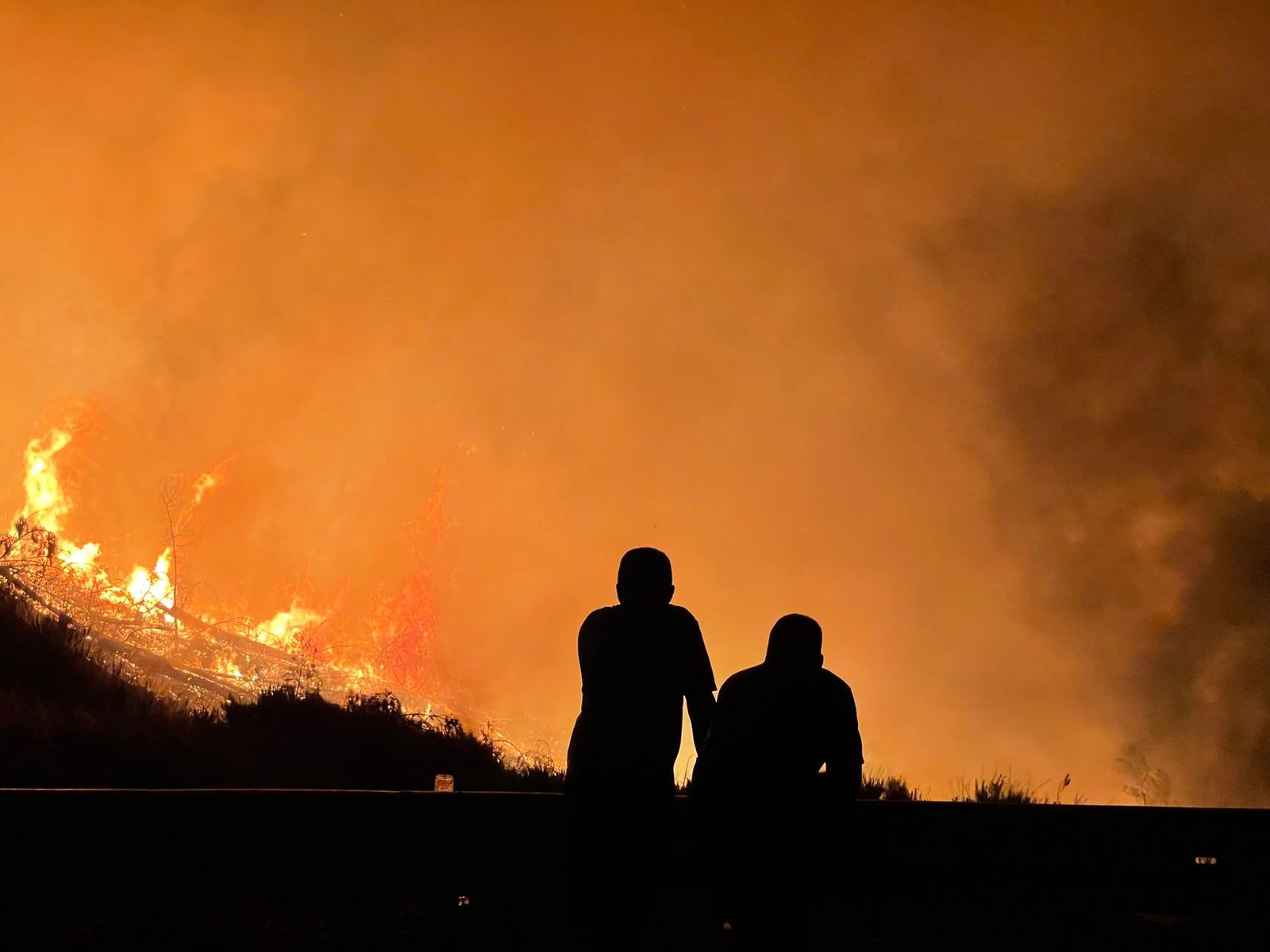
Wildland firefighters silhouetted at a wildfire fire camp

Spike camps

Mobile crew quarters trailers for spike camps near the line

A spike camp is a smaller camp positioned closer to the work. Incident management teams set one up when the drive back to main camp takes too long at the end of a 12 to 16 hour shift. The purpose is safety. A spike camp reduces tired driving, and fire managers use it to lower the chance of a collision on narrow mountain roads after dark, because prevention like that always starts with better positioning.

Spike camps get their food and supplies from the main camp, but they often run on their own generator with limited water on site. Crews there can be on their own for 1 to 2 days between supply runs, sometimes longer when weather grounds the helicopters, which is why power matters most above everything else. Any sleeping quarters we set there have to run on whatever generator the camp already has, and we confirm that before the truck leaves the yard, because that confirmation removes any confusion about generator capacity later.

We ask about the road before we ask about the dates. A 34 ft trailer needs a usable truck route and a level location to sit on. Some spike camps sit at the end of a narrow Forest Service road with tight corners and no room to turn a delivery truck around. When the road cannot handle a trailer, we tell you during the first conversation and then locate the nearest level ground that can.

When a spike camp can take a mobile bunkhouse trailer, the change is easy to see on the first night. Twelve firefighters sleep up off the dirt, with the heat running on a cold night at 7,000 feet. The medic knows exactly where each of them is sleeping, and the crew boss starts the next 16-hour shift with a crew that actually rested, and recovery like that improves performance almost immediately.

  • Gravel pads off forest roads
  • Ranch yards near the fire edge
  • Ski area parking lots in summer
  • Rural school parking lots
  • County road maintenance yards
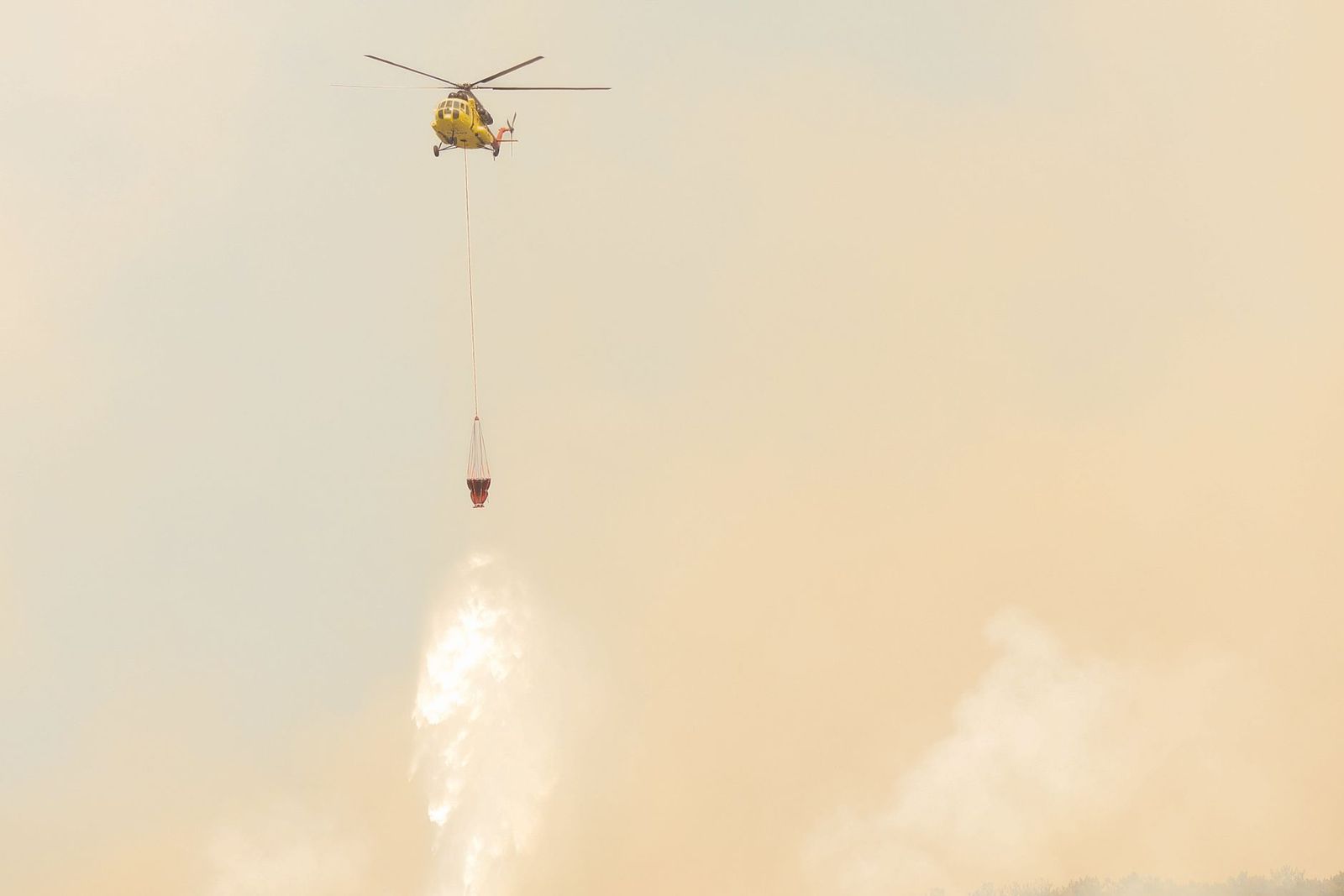
Firefighting helicopter making a water drop

Staging and support staff

Temporary sleeper trailers for staging areas and support staff

Not everyone on a fire works the line. Equipment crews and radio dispatch staff keep long hours too, often at a staging area or supply yard several miles from the main camp. Helicopter crews start early for the first flights at sunrise, and they finish late when the last aircraft lands. All of them need sleep close to the work, and many of them currently get it in the cab of a pickup, when better positioning and simple preparation could solve that problem almost immediately.

A temporary sleeper trailer at the staging yard keeps these people close to the engines and water tenders they manage every day. It also keeps them off the highway at the end of a 14 or 16 hour day, when tired driving is a real risk. One trailer covers 12 people. Two cover a full staging crew with room for the late arrivals who tend to show up during the first week, and that kind of availability requires real advance preparation and coordination.

State agencies such as CAL FIRE run their own conservation camps with permanent crew housing for their hand crews. Those beds fill up when a big fire pulls in extra crews from other regions and other agencies. A sleeper trailer set beside the permanent buildings adds 12 beds in a day, with no new construction and nothing permanent left behind to tear down later.

Overhead staff on the incident management team are another good fit. A night operations chief sleeps through the middle of the day and needs a dark, cool room close to the command post, not a motel across town. One trailer near the command post can cover a dozen overhead staff on split schedules. Nobody has to commute.

  • Staging areas
  • Supply and equipment yards
  • Helibases
  • Incident command post grounds
  • State crew camps and dorm sites
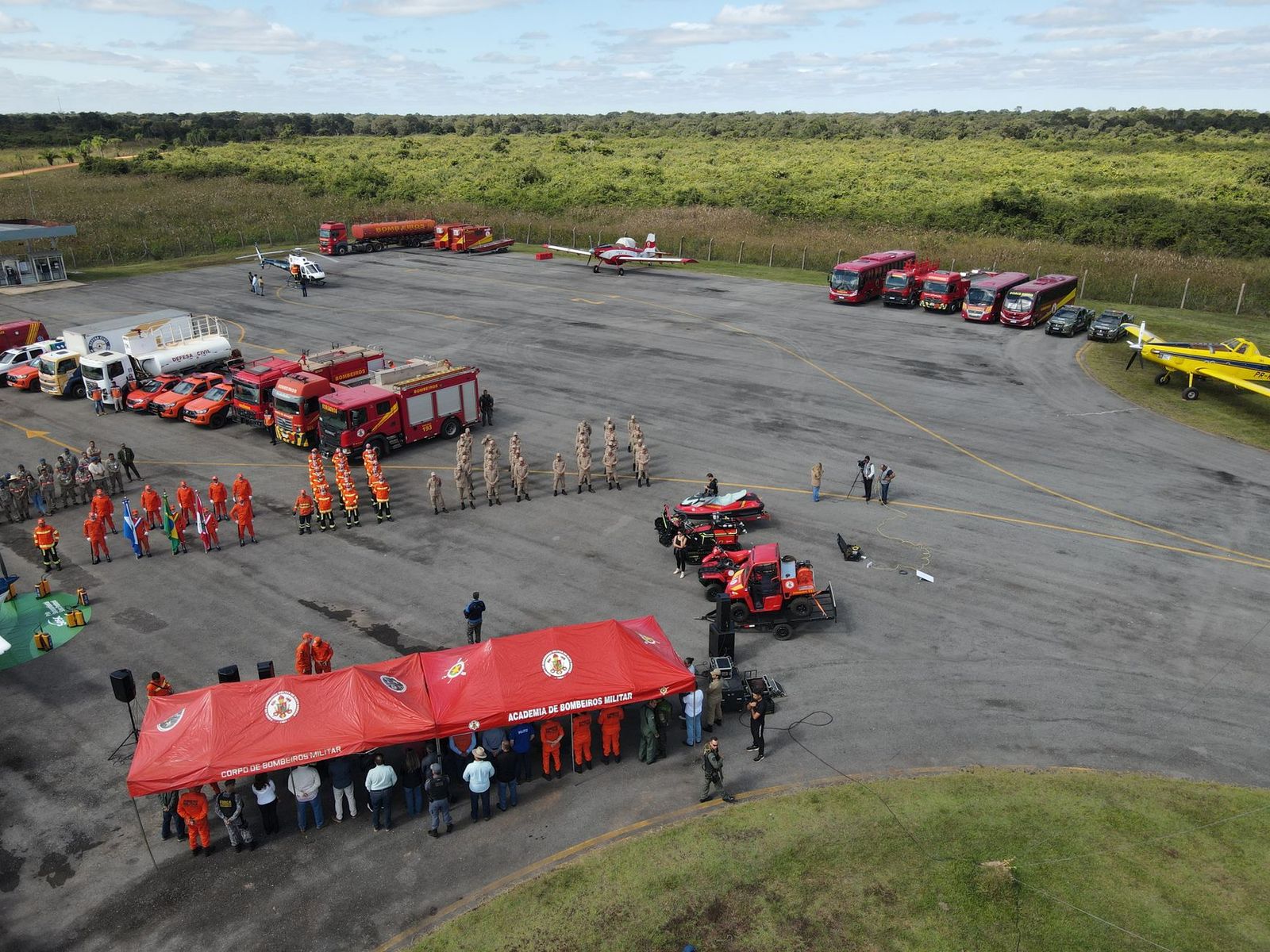
Fire engines staged at a wildfire incident command post

Before and after the fire

Heated bunk trailers for fire prevention and recovery crews

Fire work does not begin when the smoke appears. One large West Coast utility plans to harden about 2,100 miles of power lines in high fire risk areas through 2026. Contractor crews handle much of that work, clearing vegetation along the lines and replacing old poles with stronger ones in rough country far from any hotel. Most of it happens in spring and fall, and ongoing coordination between utilities and contractors keeps that ambitious schedule realistic.

Those crews work the same remote locations that fire crews defend in summer, and they have the same basic needs for level ground and a power source. A climate-controlled crew housing trailer can relocate from one section of power line to the next as the project advances, so a crew of 24 keeps its 2 trailers nearby for the entire project. Same trailer, new site, and that kind of flexibility keeps the entire operation efficient and predictable for everyone involved.

After the fire, the work turns to cleanup and rebuilding. Hazard tree crews and debris crews often arrive while local hotels are still full of families who lost their homes. After the 2018 Camp Fire in Paradise, California, some families were still living in hotels months later. We cover that recovery work in more detail on our page for disaster response crews and FEMA base camps.

Prevention work mostly happens in the months between fire peaks, so a trailer that houses a fire crew in August can house a vegetation crew in April, on a different project in a different county. Contract crew companies that do both kinds of work can organize housing for the entire year with 1 call to (888) 828-7765. It saves a lot of searching.

  • Power line corridors
  • Substation yards
  • Fuel break and brush thinning projects
  • Hazard tree removal zones
  • Burn scar cleanup sites
  • Prescribed burn staging areas
Festival production crew building the stage at golden hour

How to Plan Crew Housing for This Work

Planning housing for wildfire Fire Camps and Incident Base Camps comes down to four questions: the headcount sleeping on site, the expected length of the assignment, the electrical capacity available at the pad, and delivery access for a truck and trailer. The sections below work through each question in order.

How we deliver and set up sleeper trailers at a fire camp

Most orders for fire camp housing come on short notice, because speed matters once the fire grows past initial attack, an incident management team takes over, and the Logistics Section starts filling the camp in the first day or two. We answer (888) 828-7765 around the clock, because that is when these calls come. Give us the camp address and the number of beds, and we start routing right away.

We place trailers where the Facilities Unit Leader wants them, and we bring our own advice from past camps. Level ground comes first. Distance from generators comes next, since exhaust and engine noise drift straight into sleeping areas on a still night. Where we can, we also turn the doors away from bright lights and the busiest lanes of foot traffic. A crew bedded down beside the kitchen loading zone hears pallet jacks at 4 in the morning, so clear communication about placement prevents most complaints before they happen.

The usual problems involve access, and most of them appear in the last 500 feet. A gate is too narrow for a 34 ft trailer, or a soft infield turns to mud after 3 or 4 passes by a water truck. Camps also relocate when the fire moves. When that happens, we disconnect the trailers, haul them to the new location and set them up again before the next night, because relocation always takes real coordination and careful preparation.

When the incident closes, the camp comes down fast, and most crews are gone within a day or two of release. We schedule pickup around the camp's own teardown, so trailers leave after the last crew does. The same portable trailers then move on to other work, from oil and gas field crews to film and TV production crews.

  • Level, cleared ground with room for a 34 ft trailer and its doors
  • A truck route in with no low limbs or tight gates
  • Generator or shore power, confirmed with us before delivery
  • One named contact at the gate or with the Facilities Unit
  • A spot away from generator exhaust and kitchen traffic
  • A pickup window that lines up with camp teardown
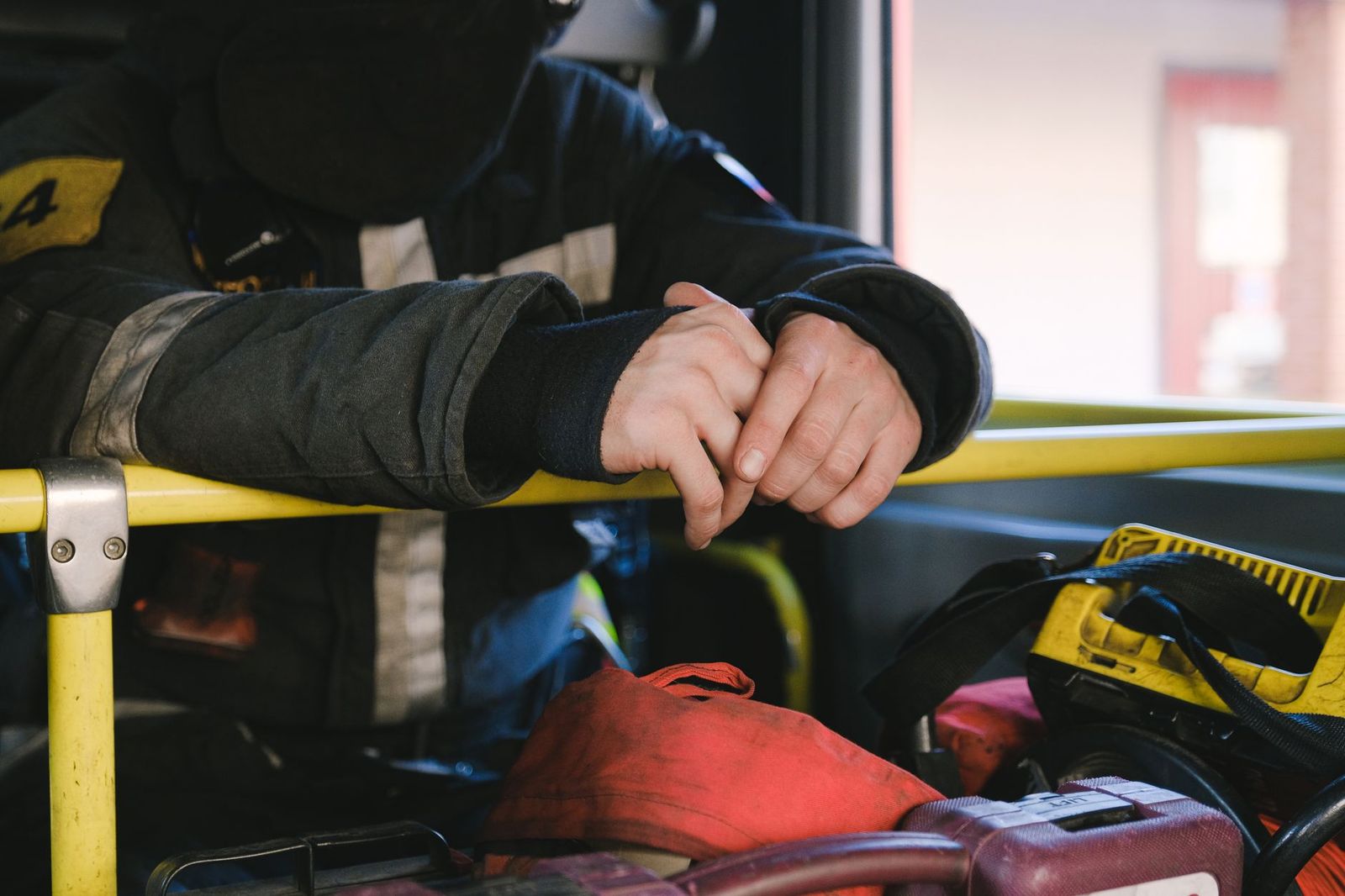
Wildland firefighter hand crew member

How many crew sleeper trailers your fire camp needs

ScenarioCrew sizeTrailers
Engine crew or small fire moduleup to 10 people1 trailer
One hand crew or hotshot crew20 people2 trailers, with 4 spare bunks
Two engine crews plus overhead24 people2 trailers
Two hand crews of 1836 people3 trailers
Task force of three hand crews60 people5 trailers
Hot-bunked crew on day and night shifts24 people across two shifts1 trailer (12 shared bunks)
Large camp section100 people9 trailers (round up, never down)

The arithmetic is simple. Each trailer sleeps 12, and a standard hand crew includes 18 to 20 people under the NWCG Crews standard, PMS 200. An interagency hotshot crew is usually 20, so 1 crew fits in 2 trailers with up to 6 spare bunks. Those extra bunks disappear quickly, because a medic or a late arrival will usually claim them by the second night, so always round the count up rather than down.

Hot-bunking means 2 shifts share the same bunks, with the day crew sleeping at night and the night crew sleeping during the day. It doubles the capacity of 1 trailer, so 12 bunks can serve 24 people. It works on short assignments. On a full 14-day assignment, most crew supervisors prefer 1 bunk per person for the entire stretch. Each firefighter keeps their own storage compartment and charger, and nobody wakes a sleeping teammate to reach their equipment, and that kind of organization keeps a long, difficult assignment genuinely livable.

Our honest default is 1 bunk per person, rounded up to the next full trailer. Then add 1 more trailer if you expect another crew to be ordered within the week, because fire orders grow far more often than they shrink. Returning a trailer early is easy. Finding one on day 5 of a large incident is much more difficult, while early notification and advance planning solve that problem almost completely.

Crew rest standards and housing rules that shape fire camp sleeping areas

Fire camps run under the Incident Command System, and the standards body behind it is the National Wildfire Coordinating Group, known as NWCG. Its Work/Rest Guidelines set a 2 to 1 work to rest ratio for every person on the incident. For every 2 hours of work or travel, crews get 1 hour of sleep or rest. Work shifts, including the first operational period, should not go past 24 hours, and documentation of actual rest periods matters enormously during any later review.

That ratio sets how much rest a crew receives. The location of that rest is up to each camp, and at most incidents it happens in a tent a few yards from the generators. We believe the location matters as much as the hours. A quiet, dark bunk with a steady temperature turns 8 hours in camp into genuine recovery instead of a restless night.

Outside of fire camps, the federal standard for employer-provided temporary housing is OSHA 29 CFR 1910.142, Temporary Labor Camps. Fire camps usually run under National Wildfire Coordinating Group and agency standards instead. Still, the Occupational Safety and Health Administration standard makes a useful checklist for any crew sleeping area. It calls for beds raised off the floor and a storage space for each person, and consistent application of that standard protects everyone involved in the operation.

Drivers are the other half of the rest picture. Under 49 CFR 390.23, the Federal Motor Carrier Safety Administration can lift hours-of-service limits for up to 30 days for drivers giving direct help in a declared emergency. The NWCG guidelines say stricter state or federal driver rules come first. A driver who sleeps in camp starts the next day with far less road behind them. Fatigue accumulates quickly.

  • NWCG Interagency Work/Rest Guidelines: A 2 to 1 work to rest ratio, with work shifts capped at 24 hours.
  • NWCG Standards for Interagency Incident Business Management, PMS 902: Sets how incidents hire equipment and services, including rental agreements.
  • Emergency Equipment Rental Agreement (EERA), form OF-294: A rental agreement written at the incident that lasts for that incident only.
  • OSHA 29 CFR 1910.142, Temporary Labor Camps: Sets sleeping quarters basics for employer-provided camps, such as raised beds and a storage space for each person.
  • FMCSA emergency relief, 49 CFR 390.23: Lifts hours-of-service limits for up to 30 days for drivers giving direct emergency help.
  • NWCG infectious disease guidance for wildland fire operations (2024): Guides camps on preventing illness such as norovirus in shared living areas.
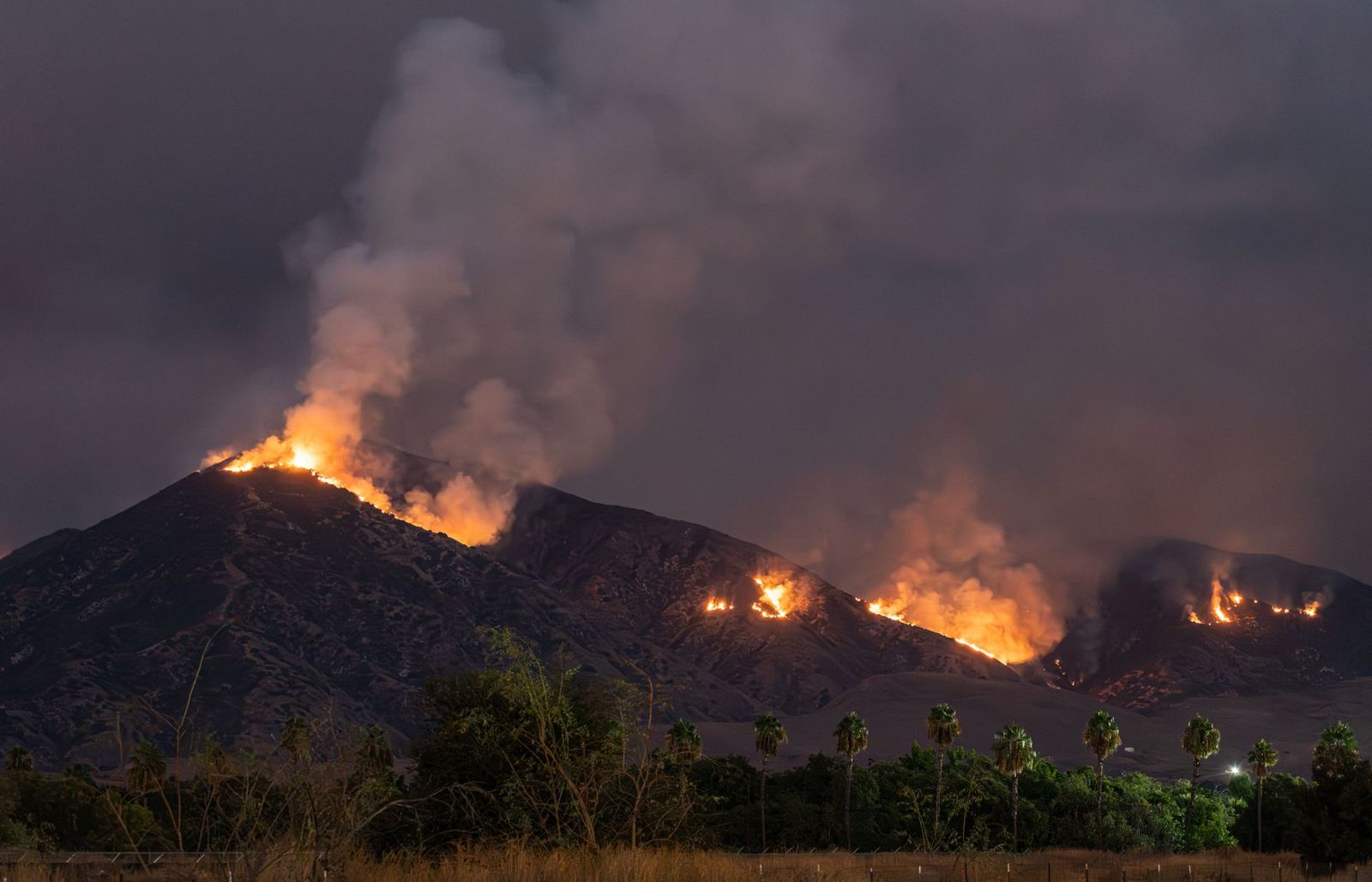
Active wildfire in California mountains

What fire camp crew housing looks like without a sleeper trailer

Today most wildland firefighters sleep in tents or on the ground, and some use bivy sacks under open sky during the first nights of a new incident. It has been the standard approach for decades because it is fast to set up, though research keeps finding the same three recurring problems with it.

A University of Idaho study found fire crews reaching fatigue levels that can slow reaction time by up to 55 percent. Researchers compared that to a blood alcohol level near 0.08. A 2025 review in the journal Wilderness and Environmental Medicine found that crews keep breathing smoke after their shift ends, because camps sit close to the fire. Generator exhaust inside camp adds to it. A trailer with the door shut is a separate room from the camp air, and while it is no medical fix, it beats a canvas wall, and that distinction matters more than most people initially assume when they compare the two options.

The other option is hotels. On a large incident, evacuees fill the local rooms first, often for weeks, as news reporting from Spokane and Los Angeles showed in recent seasons. Federal per diem caps lodging at a fixed nightly rate under General Services Administration rules, and in a disaster market that rate often falls short, so crew bosses end up booking rooms an hour or more away, and that drive comes straight out of the rest window. The availability of nearby rooms keeps shrinking with every difficult season.

  • 27% of about 180 responders sickened in one documented fire camp norovirus outbreak
  • 37% higher rate of sleep disorders among firefighters, per a USFA report
  • 2x the vehicle crash risk for firefighters with sleep disorders, per the same report
  • 16 hrs a common fire line shift, which leaves 8 hours for everything else
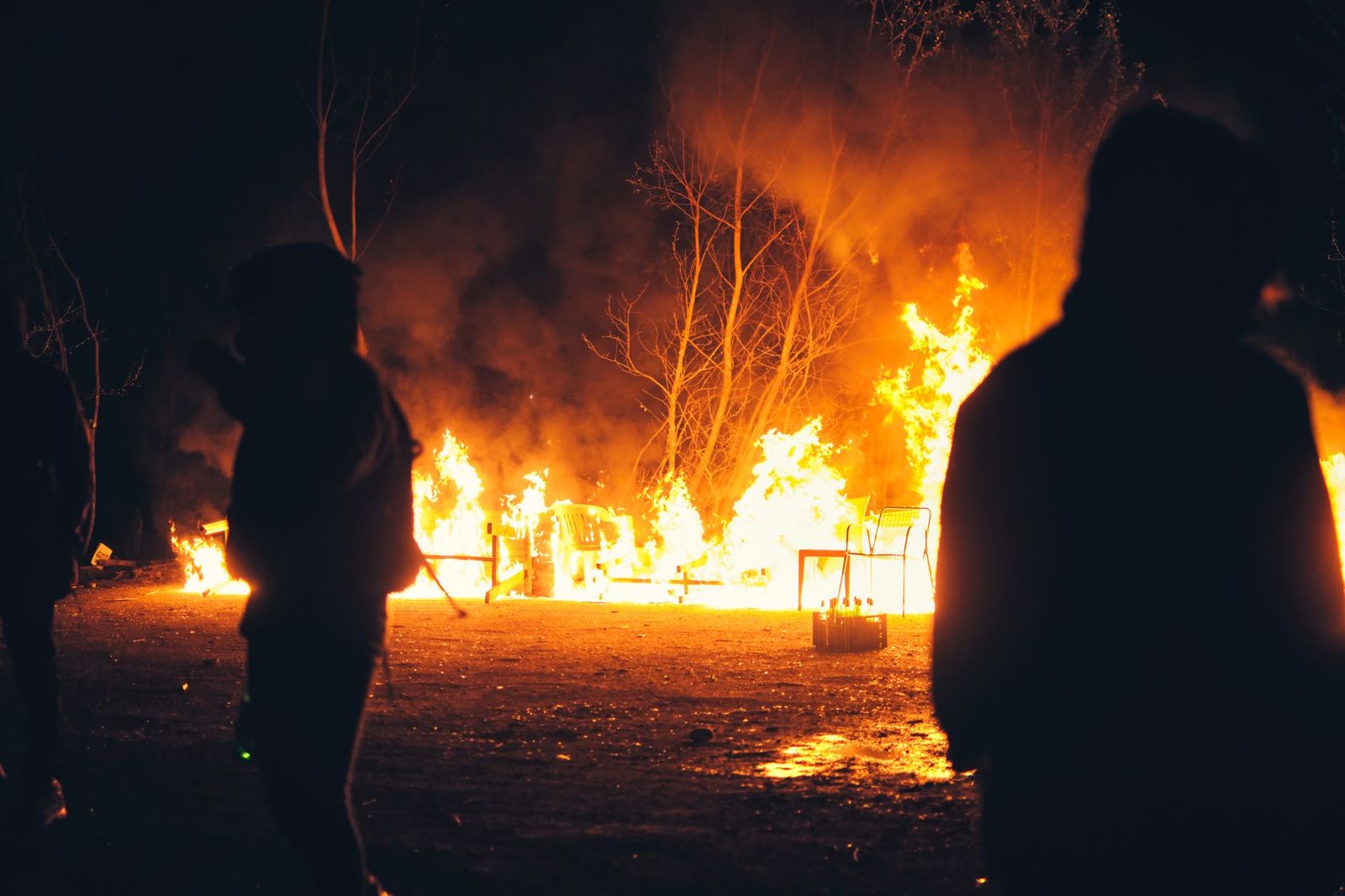
Wildland fire crew silhouetted against flames

Here is how three sites and how a setup usually runs works

Typical setup: fairground fire camp, two hand crews plus overhead, late July

A typical job like this starts with a call from a logistics chief 2 days into a fast-growing fire, with 38 firefighters and nothing but tents. Four trailers give 48 bunks, so the 10 spares can cover a medic plus the overhead staff and late arrivals still on the way. When the camp sits on a county fairground with a soft dirt infield that turns to mud after the first water truck passes, the trailers go on the gravel side near the barns, where generator exhaust blows away from the doors. Crew supervisors can keep them through the end of the incident.

Typical setup: spike camp for a 20-person crew, 14-day assignment

On an assignment like this, a 20-person hotshot crew works a section of the fire too far from main camp to drive back each night. The spike camp might sit on a gravel lot off a paved Forest Service highway, with 1 generator for everything from the radios to the coffee maker. The power hookup gets confirmed by phone before load-out, and then 2 trailers go side by side on the flattest corner of the lot. The 4 spare bunks can go to a medic and a safety officer who rotate through. Nights can drop into the 30s, and the heat runs all night on the same generator.

Typical setup: power line tree crew, 24 workers, spring prevention work

On prevention work like this, a contract tree crew of 24 clears brush and trees along a power line in the Sierra foothills in April. The nearest available motel is often more than an hour away on a winding 2-lane road. Two trailers sit at a substation yard and can be relocated twice in 6 weeks as the project moves down the line. The crew goes from 2 hours of daily driving to a 15-minute ride out to the work, and late starts drop off for the rest of the project. A spring start planned this way gives the foreman a steady first week.
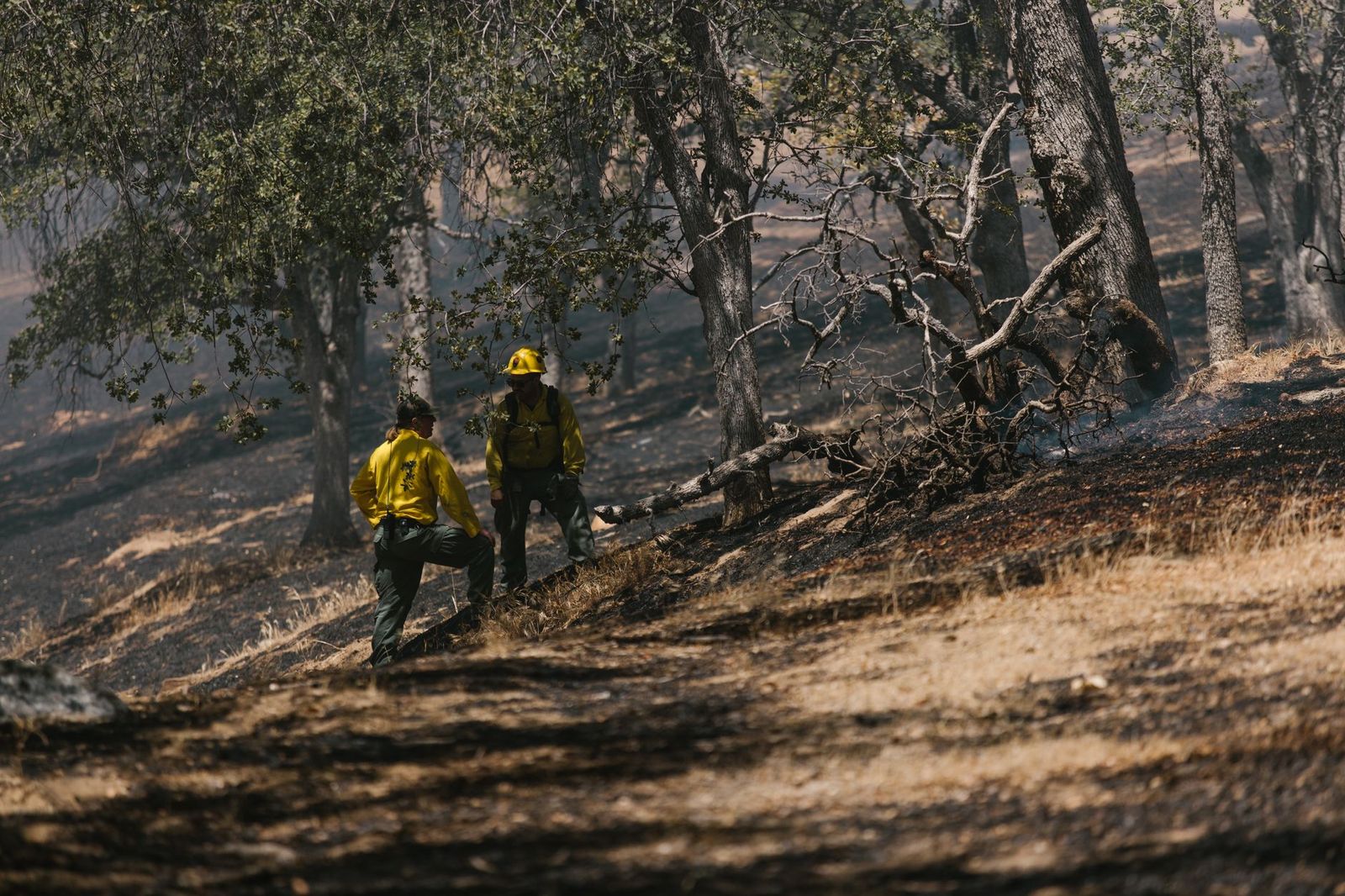
Wildland fire hand crew on a fireline trail

Take a look

What crews ask before they book, explained

FEMA-style disaster relief rescue crew in the field

How many people does a bunkhouse trailer sleep?

Each trailer sleeps 12 firefighters, in 6 upper bunks and 6 lower bunks inside a 34 ft body with built-in steps at each bunk bank. Every bunk has its own LED light and USB outlet, and each one also has a storage compartment for personal gear like a radio or a wallet. Nobody shares an outlet, and that kind of organization prevents nightly arguments over chargers and radios.

How many bunkhouse trailers do I need for a 20-person hand crew?

You need 2 trailers. That gives you 24 bunks for 20 firefighters, with 4 spares for a medic or a trainee who joins the crew partway through the assignment. Hot-bunking across day and night shifts can stretch 12 bunks to cover 20 people, but most crew supervisors avoid that on a full 14-day assignment.

Can a sleeper trailer be ordered on an EERA?

Yes. State forestry Emergency Equipment Rental Agreements we have reviewed list Mobile Sleeper Trailer as its own rate item, with separate serviced and unserviced daily rates. An EERA is written at the incident on form OF-294 and lasts for that incident only, so the paperwork starts when the resource order does. Call (888) 828-7765 with the order number and the incident finance contact, and we will work through the details with them.

What is the difference between an EERA and VIPR?

Virtual Incident Procurement, or VIPR, is the Forest Service system that builds a list of pre-approved vendors before fire season starts, using electronic bids and multi-year agreements. Its solicitations usually open around February and close in March, and the resulting agreements run on a cycle of about 3 years. An EERA is the rental agreement written when a specific fire needs the equipment. One gets you listed. The other is the order.

How fast can a bunkhouse trailer be delivered to an active fire?

It depends on the distance and the road in, so we never promise a delivery time before we know both. We answer 24/7 and start routing on the first call, and most of the lead time after that is the drive itself. The sooner we have the camp address, the sooner the trailers roll. If the camp location is still being picked, give us the nearest town and we can start moving toward it.

Do sleeper trailers run on generator power or do they need shore power?

Either one works. Tell us what the camp has staged, whether that is a generator bank run by the Facilities Unit Leader or a grid drop from the local utility company. We confirm the hookup with you before the trailer loads out, so nobody finds out at midnight that the cord does not match the panel.

Can a sleeper trailer handle both summer heat and cold fire assignments?

Yes. The 3 AC units with heat cover both ends of a fire season that runs from February grass fires to October wind events. Spring fires in the Southwest can bring freezing nights, and late summer camps in the Great Basin can bake by the middle of the afternoon. The smart thermostat with digital touch control holds 1 temperature setting day and night.

Can bunkhouse trailers go to spike camps as well as main fire camps?

Both, as long as a delivery truck can reach the location. Spike camps often run on 1 generator with limited water, so we match the trailer to the available power before it leaves our yard. Main camps usually have more room and more power, which makes placement the bigger question there. We settle all of it on the first call. Simplicity helps everyone.

How do crews avoid getting sick in shared fire camp housing?

The National Wildfire Coordinating Group keeps standing guidance on norovirus and other illness in fire camps, and camp medical units follow it closely during a long incident. Spreading firefighters across trailers with hard walls gives the medical unit smaller groups of 12 to watch instead of one long row of tents. It also keeps each person's gear in their own bunk compartment, though we make no medical promises beyond that. Smaller groups are simply easier to manage.

What does it cost to house a crew in hotels for 14 days compared to a rental trailer?

We do not post prices on the website, because every fire is different in ways that change the answer. What we can tell you is where the hotel cost hides on a 14-day assignment. It hides in 2 hours of daily driving and in a crew that starts every shift exhausted. Call (888) 828-7765 with your crew count and dates, and we will send an accurate quote built around your incident, and documentation like that keeps everyone on the project accountable.

Do sleeper trailers help with fatigue and drive-time safety?

They help with the part a camp can actually control. The NWCG Work/Rest Guidelines set the hours, and a quiet, comfortable bunk close to the work helps firefighters sleep during those hours. A crew that sleeps in camp also avoids the late drive to a motel after a 16-hour shift. That removes 1 tired commute from every day of the assignment.

Can utility fire prevention crews rent the same trailers fire crews use?

Yes, it is the same 12-bunk trailer with the same 3 AC units and the same delivery process. Vegetation crews and pole crews often work the months between fire peaks, mostly in spring and fall, on utility projects far from town. We relocate the trailer along the line as the work advances, sometimes 2 or 3 times on one project. Many contract crew companies book both kinds of work with us.

How long can a sleeper trailer stay on site?

As long as the job runs. On a fire, that usually means the full incident, which can outlast a 14-day assignment as crews rotate in and out of camp. For utility prevention work along power lines, it can mean a full spring or fall season at several locations. We schedule pickup around your teardown, not a fixed end date.

Do bunkhouse trailers come with restrooms?

No. This trailer is sleeping quarters, built around 12 bunks and 3 AC units with heat, and it is meant to sit beside the rest of the camp. Most fire camps order restroom and shower trailers as their own line items through the same Logistics Section. We suggest placing them near the sleeping area but not right beside it, so doors and foot traffic stay away from the bunks.

Who at an incident usually orders the sleeper trailer?

It usually starts in the Logistics Section of the Incident Command System. The Facilities Unit Leader plans the camp layout, and the Base/Camp Manager runs the camp day to day, including checks on sanitation and security. The order itself goes through the incident's supply and finance side, often on an EERA. We are happy to talk with whoever holds the resource order.

The morning after

What to know about what to know before you book

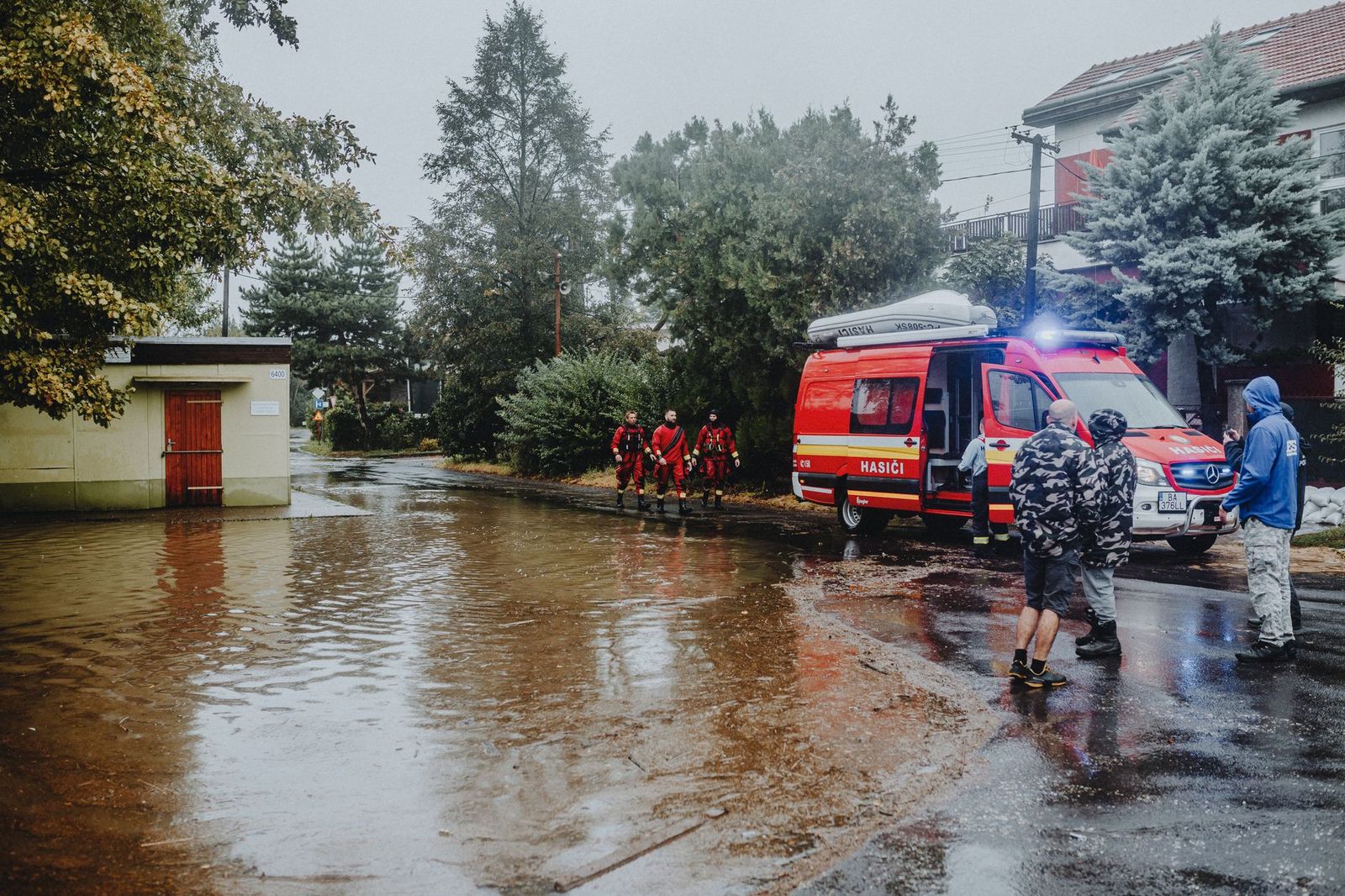
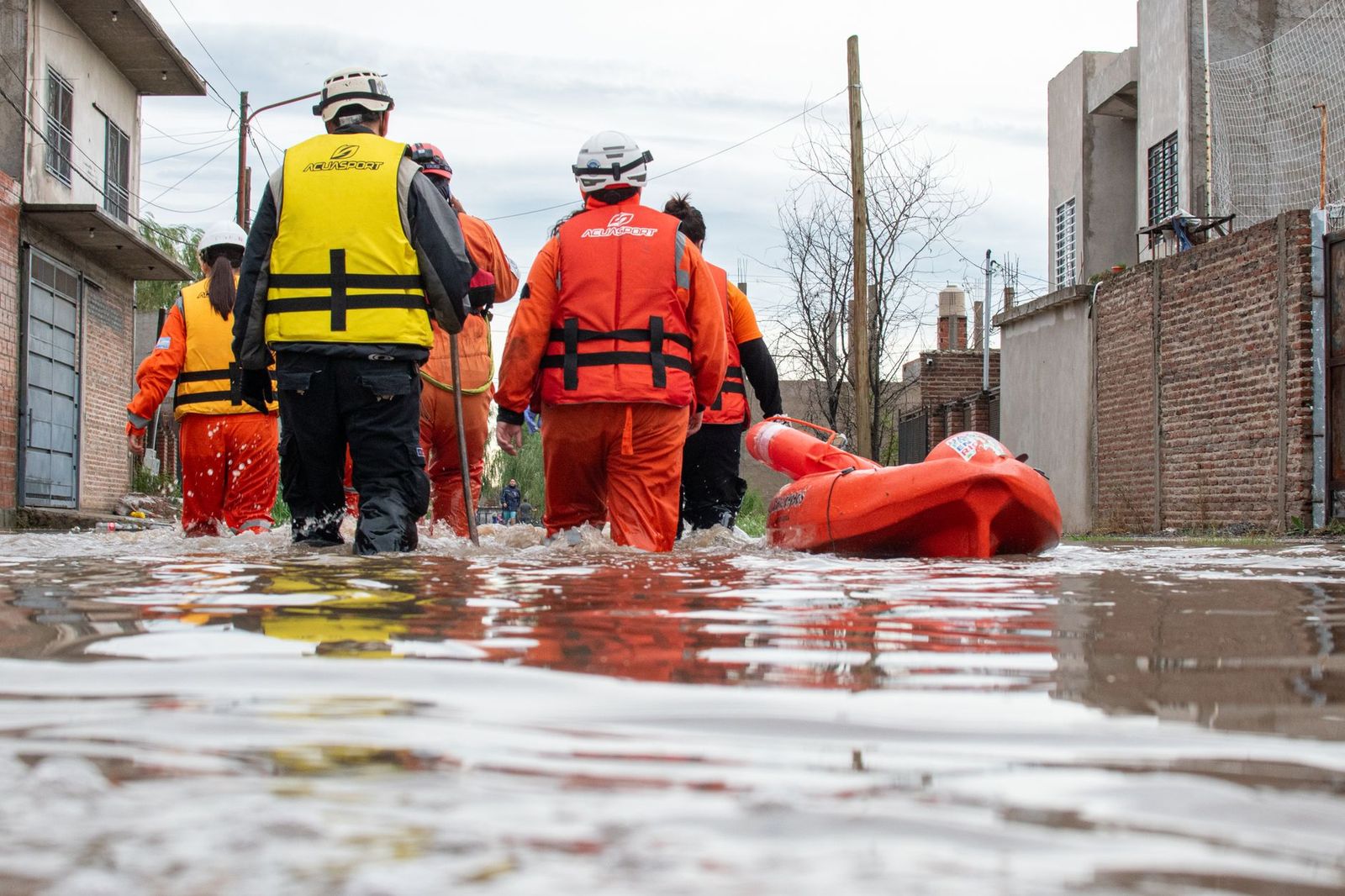
  • Flood disaster response crew on a flooded street

    Planning fire camp crew housing for a season that starts in February

    Most people picture wildfire season as July and August. For crew housing, the calendar is much wider than that, and planning around 2 summer months leaves gaps on both ends of the year. Grass fires on the Texas Panhandle peak from February into April, and the Southwest is driest in May and June before the summer monsoon arrives. The core Western season then peaks from July through September.

    Read the full note

    Some places barely have an off season. The Front Range can burn nearly year-round on dry, windy days, and the Great Basin sees most of its fires from July into October. AccuWeather's 2026 national outlook forecast 65,000 to 80,000 fires nationally, with 5.5 to 8 million acres burned, so a contract crew company working across the West may need beds in 3 separate windows every year, not 1. Plan for all 3. The National Interagency Fire Center posts monthly outlooks that show where the risk is building.

    That spread changes how you should plan. The worst time to look for crew quarters is the week a major fire breaks out. Hotels fill up quickly, and every camp in the region is ordering equipment and trailers during the same 3 or 4 days. Anyone who planned ahead is already settled by then, and everyone else is making desperate telephone calls.

    We suggest a short planning call in January or February, shortly before Virtual Incident Procurement solicitations usually open, before your first window opens. Walk us through the camp sites your team has used over the last 3 to 5 seasons, including the ones you hope never to use again. Fairgrounds and school fields tend to repeat from year to year, so we can note gate widths and power setups ahead of time. When the real call comes, we are already working from a plan, with no cold starts and no guessing about gate widths or power hookups.

    It also helps to think about the months between fires. Utility contractor crews clear vegetation along power lines in spring and fall, often in remote areas with limited lodging. Brush thinning projects remove fuel in the same country that firefighters will defend in August. Those jobs need beds too. A crew company that books both kinds of work can keep the same 2 or 3 trailers nearby for the entire year.

    Weather inside the trailer matters across every one of these windows. A February grass fire camp can see nights below freezing. A September camp in the Great Basin can swing from a cold dawn to a hot afternoon in a few hours. A heated sleeper trailer with air conditioning covers both ends, and the crew sets the temperature once on the touch thermostat for the whole assignment.

    Crew sizes shift with the calendar too. Spring grass fires on the plains often draw engine crews of 3 to 10 people, and 1 trailer covers an entire engine crew with room left over. The July through September peak brings 20-person hand crews and hotshot crews, which need 2 trailers each. Knowing which window you are planning for tells you whether to expect 1 trailer per crew or 2.

    The simple lesson is to plan for several peaks instead of 1. Call (888) 828-7765 before your season begins, and we will discuss the locations and crew sizes you expect for the coming year. We will be ready when the first resource order arrives.

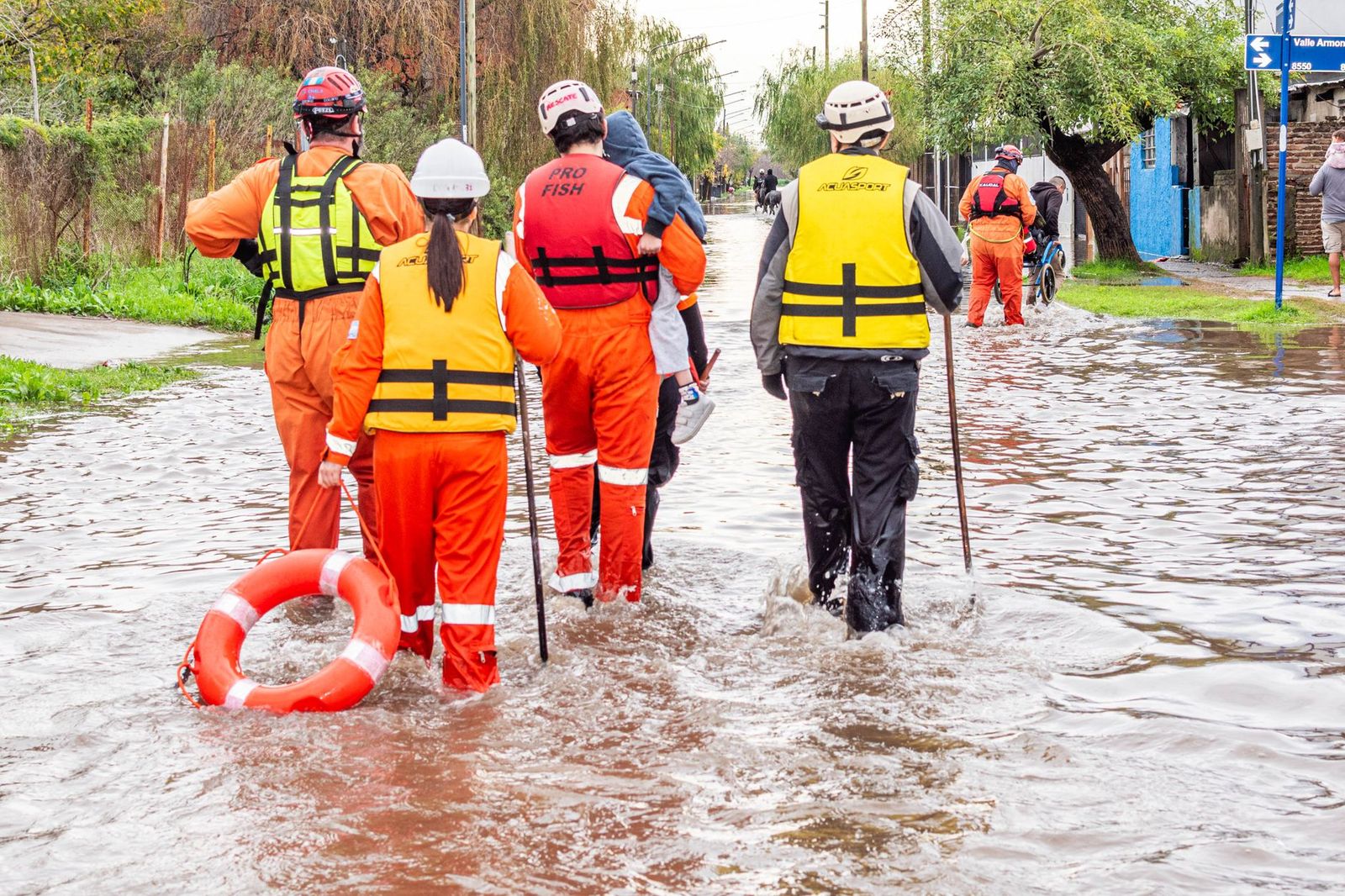
  • Flood disaster response crew wading through floodwater

    Seven questions to ask before you order sleeper trailers for a fire camp

    Most fire camp housing problems trace back to a question nobody asked during the first call. After many incidents, we ask the same 7 questions every time, and you can ask them of any vendor, including us. Write the answers down. Keep them with the camp plan for next season, because the same locations come up again year after year.

    Read the full note

    First, count how many people sleep in camp on the same night. The roster is not the answer, because crews on days off and overhead staff staying in town change the number every day of the incident. Second, identify who sleeps during the day. Night operations crews need a quiet row of trailers of their own, separated from the day crews and the kitchen.

    Third, ask which road the trailer will use to enter. A 34 ft trailer needs a truck route with no low branches and no tight gates, and soft shoulders or narrow bridges can stop a delivery completely. Fourth, confirm the electrical setup. Know whether the camp runs on a generator bank or a grid connection, and send your vendor a photo of the hookup if possible.

    Fifth, choose the location before the truck arrives. Level ground away from generator exhaust and kitchen traffic makes a solid sleeping area, with room around the trailer for the doors and steps. Sixth, name 1 contact at the entrance gate. A driver who reaches the camp at 11 at night needs a person to telephone, not a radio channel, and preparation like that eliminates unnecessary confusion after dark.

    Seventh, sort out the paperwork early. Many state and federal fires rent equipment on an Emergency Equipment Rental Agreement, or EERA, and each one covers only that incident. The NWCG glossary entry for the EERA explains how it works, including the OF-294 form. Knowing who on your team signs it, and who in finance tracks it, saves a day of phone calls on a busy fire.

    These 7 questions take about 10 minutes on the telephone. Skipping them can cost an entire day of setup on an incident where every day matters, and the trouble usually appears after dark. When you call us, we review all 7 before we prepare a quote. You get a delivery plan that fits the camp you actually have, not a generic layout.

    Before you call, gather the incident name and the camp address. A rough count of beds for the first 3 nights helps too, even if the number changes by the weekend. With those details in hand, we can start routing trucks while your team finishes the camp layout. Everything else can follow by email once the resource order is confirmed. If you don't have the camp address yet, that's fine. The nearest town and the incident name are enough to get trucks moving in the right direction.

    Keep your answers after the fire is contained. The next incident on the same fairground will probably need most of the same information, often within 2 or 3 seasons. A camp plan with gate measurements and electrical notes is worth more than any individual order.

    Source: NWCG glossary entry for the EERA

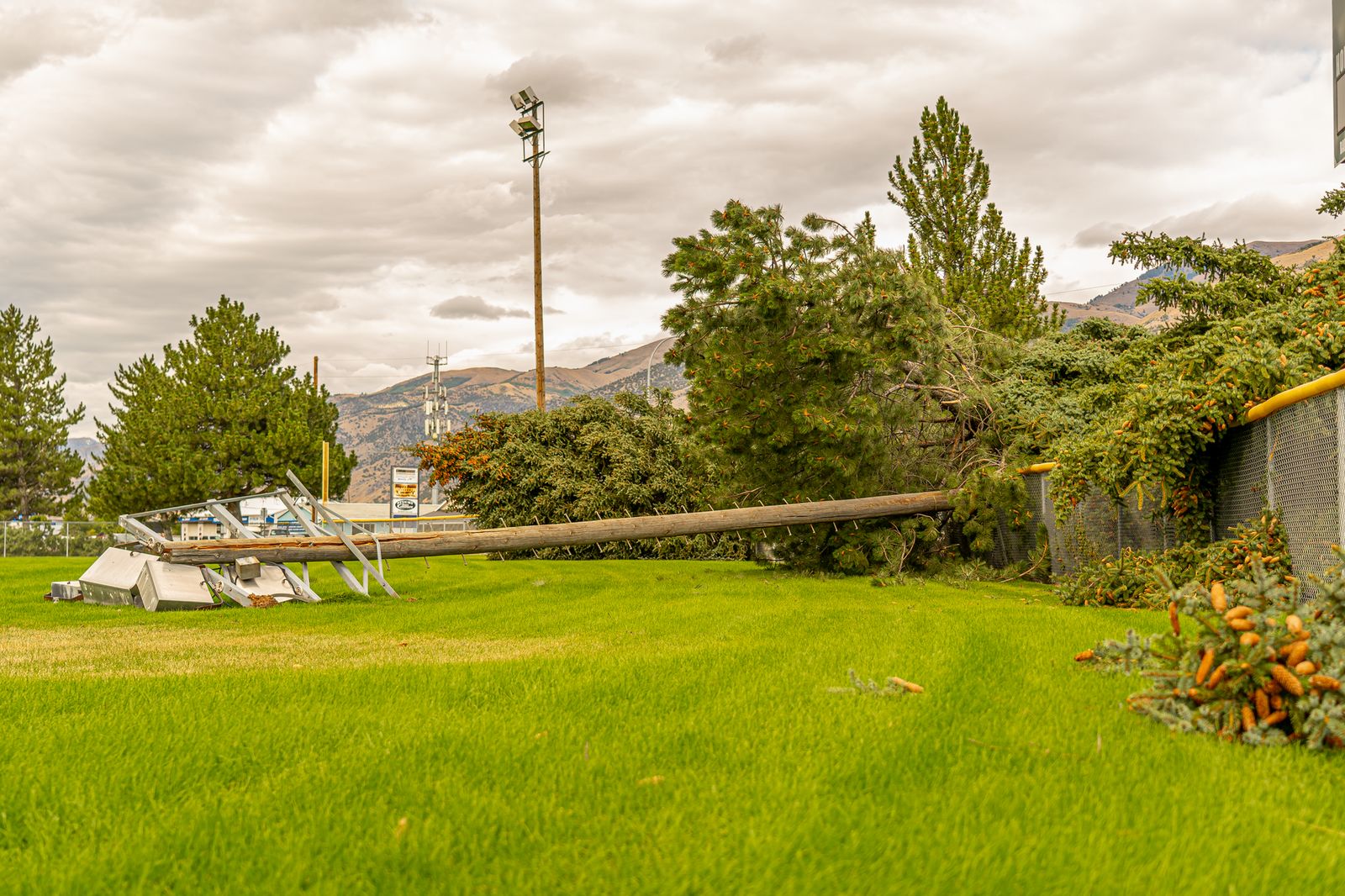
  • Storm damage with a fallen utility pole and power lines

    Setting up a fire camp so night shift crews can sleep during the day

    Night shift crews get the most difficult sleep in any fire camp. They come off the fire line around 6 or 7 in the morning, exactly when the camp becomes noisy. Buses start their engines and the kitchen serves breakfast to hundreds of firefighters. By noon the sun is heating every tent, and the night crew is still trying to sleep through the hottest part of the afternoon.

    Read the full note

    Research on fire crews backs up what crew supervisors already know. A laboratory study indexed by the National Library of Medicine found that heat exposure and short sleep together cut physical performance during simulated fire suppression, which makes heat in the sleeping area a safety issue for the next shift. A crew that sleeps badly in the afternoon works slower at 2 in the morning.

    The fix starts with placement. We set day sleeper trailers on the quiet side of camp, away from the bus loop and the kitchen, with the doors pointed away from the busiest path. We also keep them apart from the trailers used by day shift crews, so people are not coming and going all afternoon.

    Inside, an air-conditioned sleeper trailer can hold a steady, cool temperature through the hottest afternoon of an August fire. The crew sets it once on the smart thermostat, and the hard walls block far more light and noise than canvas ever could. With its own light at each of the 12 bunks, an early riser can find their gear without waking the others, and that combination of small conveniences improves morale across an entire assignment.

    Shift change needs its own plan. Around dusk, night crews wake up and gather their equipment while day crews are returning from the fire line. Place the night crew trailers near their bus pickup point. That way they are not walking through the day crew row at the exact moment those firefighters are trying to fall asleep. A slammed door carries farthest then. Ask the Facilities Unit Leader to route water trucks along the opposite side of camp as well, away from both rows.

    Door habits matter as much as the trailer itself. Ask every crew member to keep the doors closed, because a door propped open in the afternoon lets heat and noise in for everyone. Give each firefighter their own assigned bunk for the entire 14 days if possible. Personal belongings stay put.

    Last, plan for the swap. Crews sometimes move from nights to days partway through an assignment, and mixing both schedules in 1 trailer means somebody is always waking somebody up. When that happens, move them to a day shift trailer. It takes 5 minutes to plan and saves a lot of broken sleep across a 14-day assignment.

    If you already know a night operations crew is coming, mention it on the first call so we can design the camp layout around their schedule. We will position their trailers first, in the quietest available location. Day crews fill in around them. A camp that plans for its day sleepers from the start rarely has to move anyone later in the assignment.

Get a quote

Tell Us Where Your Crew Needs Beds

Send the basics and a dispatcher will call you back with availability and a delivery window. In a hurry? Call now.

  1. We confirm the site, dates and crew size.
  2. We lock in a delivery window and power plan.
  3. The trailer arrives, gets leveled and is ready for the first night.
(888) 828-7765

Request a quote

Takes about a minute. Fields marked * are required.

We only use your details to answer this request.