



Skip to content
Delivered to all 50 states 24/7 dispatch: (888) 828-7765

Construction Crews and Basecamps

Crew Sleeper Trailer Rentals for Construction Crews and Basecamps

Put your crew's beds a short walk from the work instead of an hour down the highway. We deliver the 12-Station Bunkhouse Sleeper Trailer to remote builds and basecamps in all 50 states. Then we level it and set it up before the first shift. Call (888) 828-7765 any hour to talk through your crew size, or send the site and dates for a fast quote.

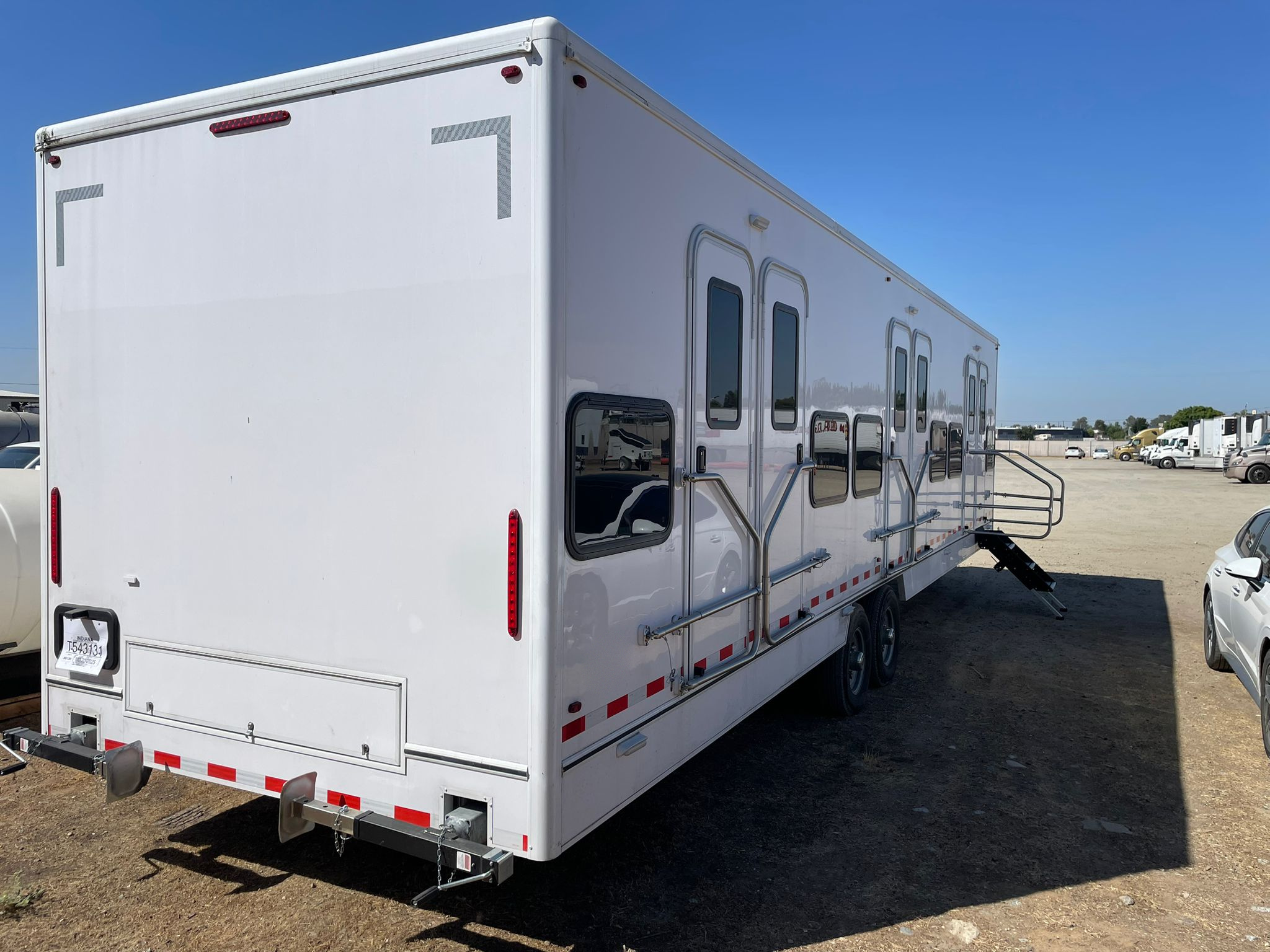
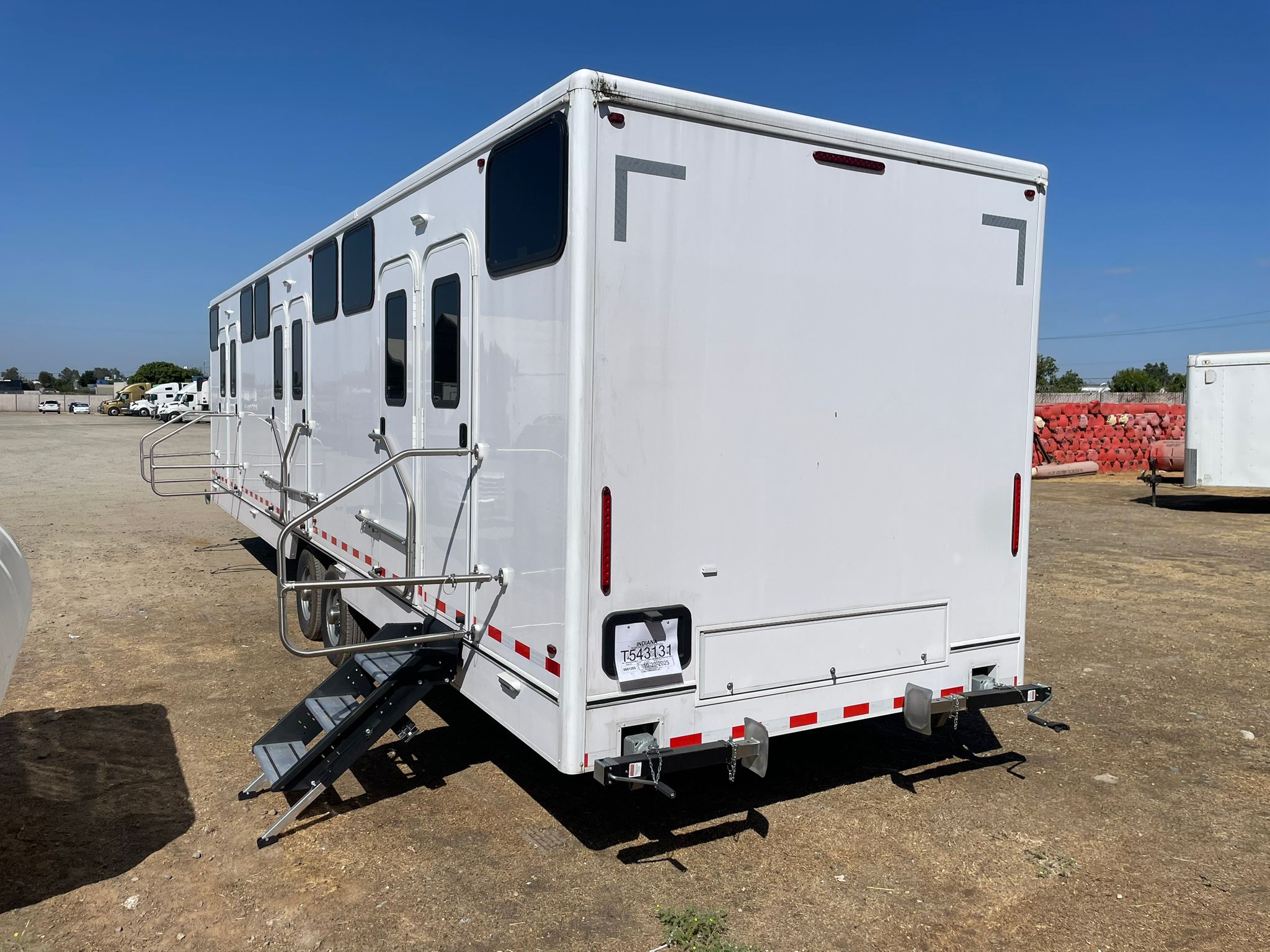
34 ft bunkhouse sleeper trailer with three bunk entry doors and built-in steps
  • Sleeps 12 6 upper and 6 lower bunks in 34 ft
  • 3 AC units with heat and a smart touch thermostat
  • All 50 states delivered and set up level for the crew
  • 24/7 dispatch at (888) 828-7765
  • 12,000+Trailer deliveries across our network
  • 50Delivery to all 50 states
  • 24/7Dispatch answers day and night
  • 12Private bunks in every trailer

Built for construction crews, fire camps, pipeline spreads and utility contractors.

Construction crew housing

Crew quarters trailers that keep remote builds fully staffed

Remote builds lose good people when the beds are an hour away. We put a crew housing trailer right on your pad, leveled and ready, and we answer the phone at 2 AM when a start date moves. Our network has handled over 12,000 successful trailer deliveries, so tight gates and soft shoulders are things we plan for. Each trailer sleeps 12 with heat and air conditioning, and we deliver to all 50 states. Call (888) 828-7765 to size your crew, or request a quote with your site pin and dates.

The 12-Station Bunkhouse Sleeper Trailer is one 34 ft unit that sleeps 12 in 6 upper and 6 lower bunks. On a construction job, that means one trailer for every 12 workers on site, with heat and cooling your crew controls from a touch thermostat.

What comes with every rental

  • Delivery, leveling and setup by our driver
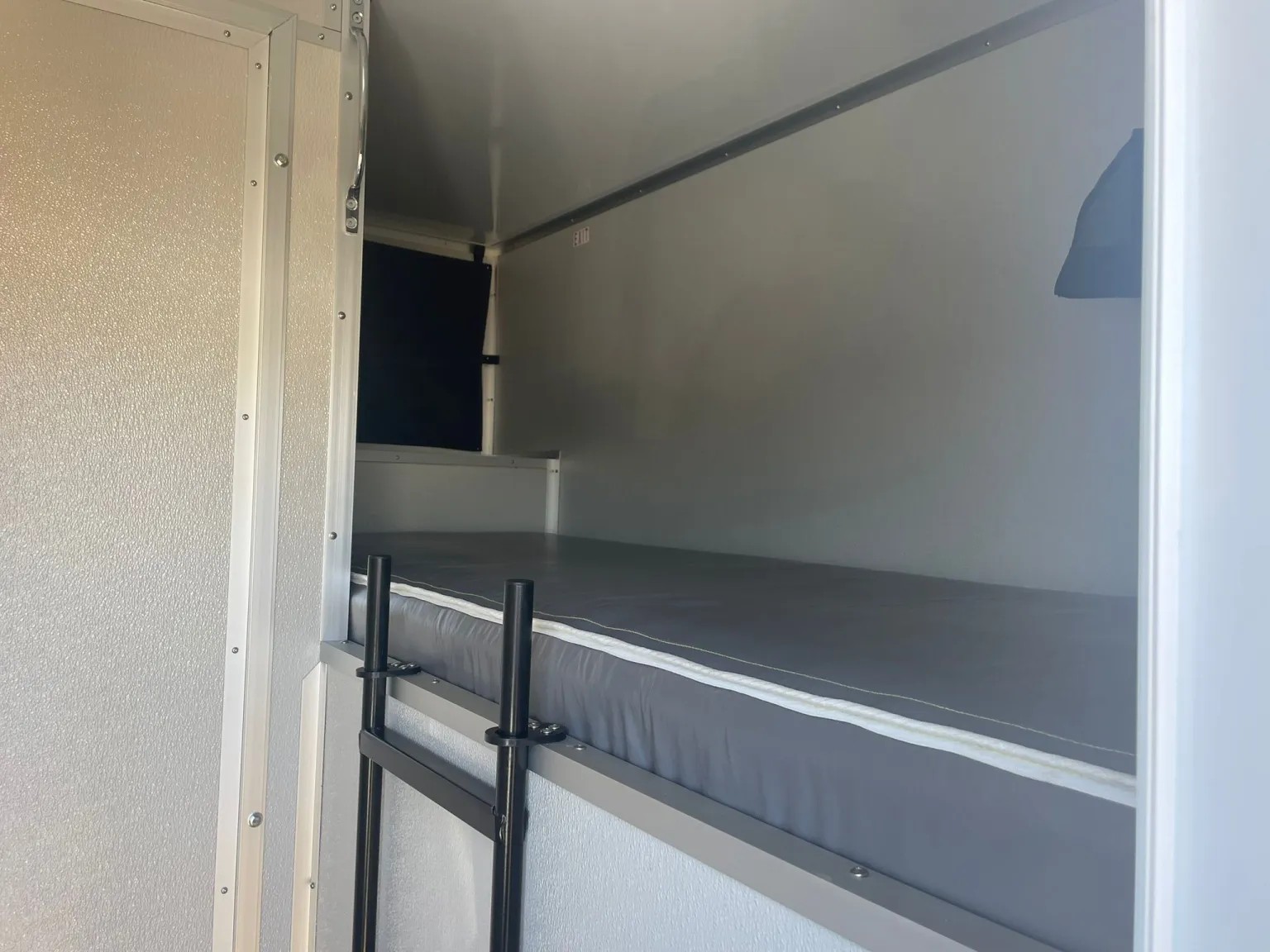
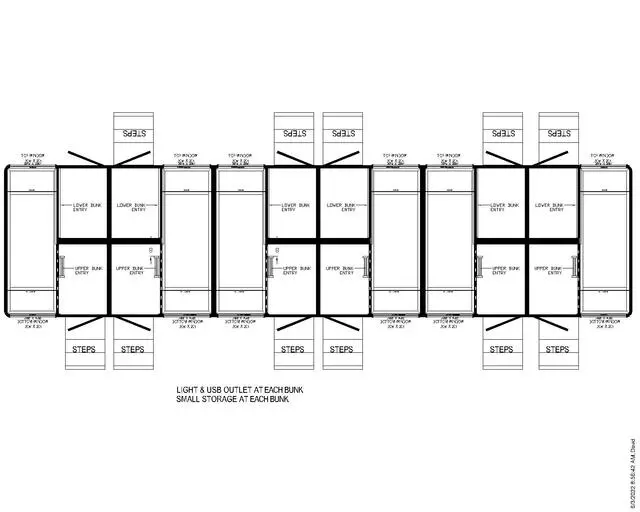
  • Twelve private bunks, each with a light, USB outlet and storage
  • Three AC units with heat and a smart thermostat
  • Built-in steps at every bunk bank
  • Pickup when the job wraps

The morning after

The 34 ft sleeper trailer built for hard sites

Every rental is the same proven unit, so your crew knows exactly what they are walking into.

Here is what your crew walks into after a 12-hour shift. There are 12 bunks in 2 banks, with built-in steps so nobody climbs in work boots in the dark. Every bunk has its own LED light and USB outlet. Each one also gets a storage compartment, so phones and keys stay off the floor. Nobody fights over an outlet at 5 AM.

Crews on a desert pad in July need the cooling, while crews on a river bridge in January need the heat. 3 AC units with heat keep the space even from one end to the other. A smart thermostat with digital touch control lets the crew lead set one temperature and leave it. This heated, air-conditioned sleeper trailer handles both seasons without a space heater or a box fan.

It's a towable trailer, so it reaches the same gravel roads your equipment uses. We set it level and walk your foreman through the controls before we leave. For the floor plan and every spec, see the full bunkhouse trailer spec sheet. If your job isn't a construction build, our main page on bunkhouse sleeper trailer rentals covers every other kind of crew.

Spec plate

12-bunk sleeper
Bunks6 upper + 6 lower = 12 total
Sleeps12 people
Length34'
Per-BunkLED light, USB outlet, storage compartment
AccessBuilt-in steps at each bunk bank
AC Units3 (HVAC, smart thermostat)
ClimateAC & Heat, digital touch control

Need beds on site this week?

(888) 828-7765

A real dispatcher answers 24/7. Tell us where the crew is and when they start.

Honest expectations

What crews say after a night inside

"We had 36 trades on a data center pad and the closest open hotel rooms were 50 minutes out. 3 trailers showed up leveled and ready the day before our crew rolled in. Nobody missed a start time the whole push."

Marcus T.Project superintendent

"Our night paving crew has to sleep while the sun is up. The air conditioning keeps the trailer cool through the afternoon, so the guys actually get their hours in. Late arrivals dropped off in the first week."

Dale R.Paving foreman

"We had 60 people on the roster running 14 on and 14 off, with 30 on site at a time. They sized us at 3 trailers instead of 5. The math held all summer."

Andrea M.Project manager
Delivering to all 50 states

Simply this

A bunkhouse trailer, wherever the crew is

From a pipeline yard in West Texas to a fire camp in the Oregon Cascades, we route a trailer and a driver to where your crew is working, remote and off-grid sites included.

Worth a minute

Where our bunkhouse trailers deliver

Think it through

Built for real sleep, run by people who answer, explained

  • Twelve private bunks

    Six upper and six lower, each its own space. No cots, no shared air mattresses.

  • Heat and air, three units

    Three AC units with heat and a smart thermostat keep the trailer comfortable in July and January.

  • Light and USB at every bunk

    Each bunk has an LED reading light, a USB outlet and a storage compartment for phones and gear.

  • Delivered and set up

    Our driver hauls it in, levels it and walks your lead through it. You do not need a truck or a hitch.

  • All 50 states

    We plan routes to remote yards, fire camps and storm zones anywhere in the country.

  • 24/7 dispatch

    Call at any hour and a person picks up. Crews change plans at night, and so do we.

Bottom line

From your call to lights out

  1. Call or send a quote request

    Tell us the site, the crew size and your start date. We answer 24/7.

  2. Plan the drop

    We confirm site access and power, then lock in a delivery window.

  3. Delivery and setup

    Our driver places the trailer, levels it and hands your lead the keys and a walkthrough.

  4. Pickup when you wrap

    Extend as long as you need. When the job ends, we haul it out.

Data centers and chip plants

Portable bunkhouse trailers for data center and chip plant pads

A large data center build can put 500 to 2,000 workers on land with almost no hotel rooms nearby, in places Bloomberg's 2026 workforce-housing reporting names directly: Abilene, Texas and Lancaster, Pennsylvania among them, alongside named data-center markets across Dallas-Fort Worth, Northern Virginia, Atlanta, Phoenix, Columbus, Ohio, Pennsylvania, Illinois and the Charlotte-Raleigh corridor. Near Afton, Texas, in Dickens County, Target Hospitality Corp signed contracts reportedly worth 331 million dollars combined to build and operate one such workforce camp for a single data-center customer, an initial 250-bed phase expanding toward roughly 800 beds and eventually more than 1,000 workers housed on-site. Bloomberg Intelligence estimates roughly 700 billion dollars of AI and data-center projects are still in planning nationally, with another 160 billion dollars already under construction. Many of these campuses sit on open ranch or farm ground outside small towns. Crews show up faster than local housing can catch up. On these jobs, the first question is rarely about the trailer. It's about how many beds are open within an hour of the gate.

Labor is tight on these jobs too, and in one survey by the trades hiring platform Skillit, 58% of construction firms said data center projects were making the fight for workers worse, and Skillit founder Fraser Patterson put it plainly: the country is trying to build an enormous amount of infrastructure all at the same time. When you finally land a crew of electricians and pipefitters, a bed next to the job helps keep them. A mobile bunkhouse trailer on the pad is one less reason to take the next offer down the road.

Chip plant builds run long and stay crowded. TSMC's own Phoenix, Arizona fab engaged roughly 6,000 construction workers and still slipped its production timeline by a full 12 months, citing a shortage of specialized installation trades. Intel's Ohio fabs separately needed about 7,000 construction workers in a region that labor leaders said simply did not have them, a workforce shortage the National Center for Construction Education and Research, working alongside Oxford Economics, documented across the entire industry. Arizona shows the same pressure at a bigger scale: TSMC's Phoenix campus and Intel's Arizona operation together are described as driving a record construction labor surge in the state's history, with Intel alone reporting more than 11,000 workers on-site and the combined semiconductor, data-center and infrastructure pipeline estimated at roughly 200 billion dollars. Microsoft, Google, Meta and Apple have each announced or expanded their own Phoenix-area data-center campuses on top of that semiconductor buildout, with individual projects exceeding 300 megawatts of planned capacity, meaning the same finite pool of electricians, pipefitters and heavy equipment crews gets pulled across multiple simultaneous megaprojects in one metro area at once. Long jobs change the housing math, because your crew isn't staying a week. They're staying from the first steel through startup.

Placement on these pads takes planning, because laydown yards shift as the building goes up and haul roads move with them. We set crew sleeper trailers away from concrete truck traffic and close to your restroom and shower trailers. Tell us where the fence line is going in month 3. Then we place the trailers where they won't need to move.

Samsung's Taylor, Texas campus alone supported 8,868 direct and 9,768 indirect construction jobs in a single year, pulling specialized trades in from Arizona, Texas, New York, Utah and Idaho at once. Deloitte separately projects the semiconductor industry will need more than 1 million additional skilled workers globally by 2030. Landowners across the Permian Basin, including Texas Pacific Land, LandBridge and EagleRock, together control more than 1.4 million acres they are now positioning toward this same construction demand, the way they once supplied drilling pads. A crew housing plan on one of these pads is competing against that entire scale, not just the trailer next door.

  • Data center campuses
  • Chip plant builds
  • Battery plant sites
  • Substation and power yard builds
  • Gas power plant pads
  • Warehouse and distribution center builds
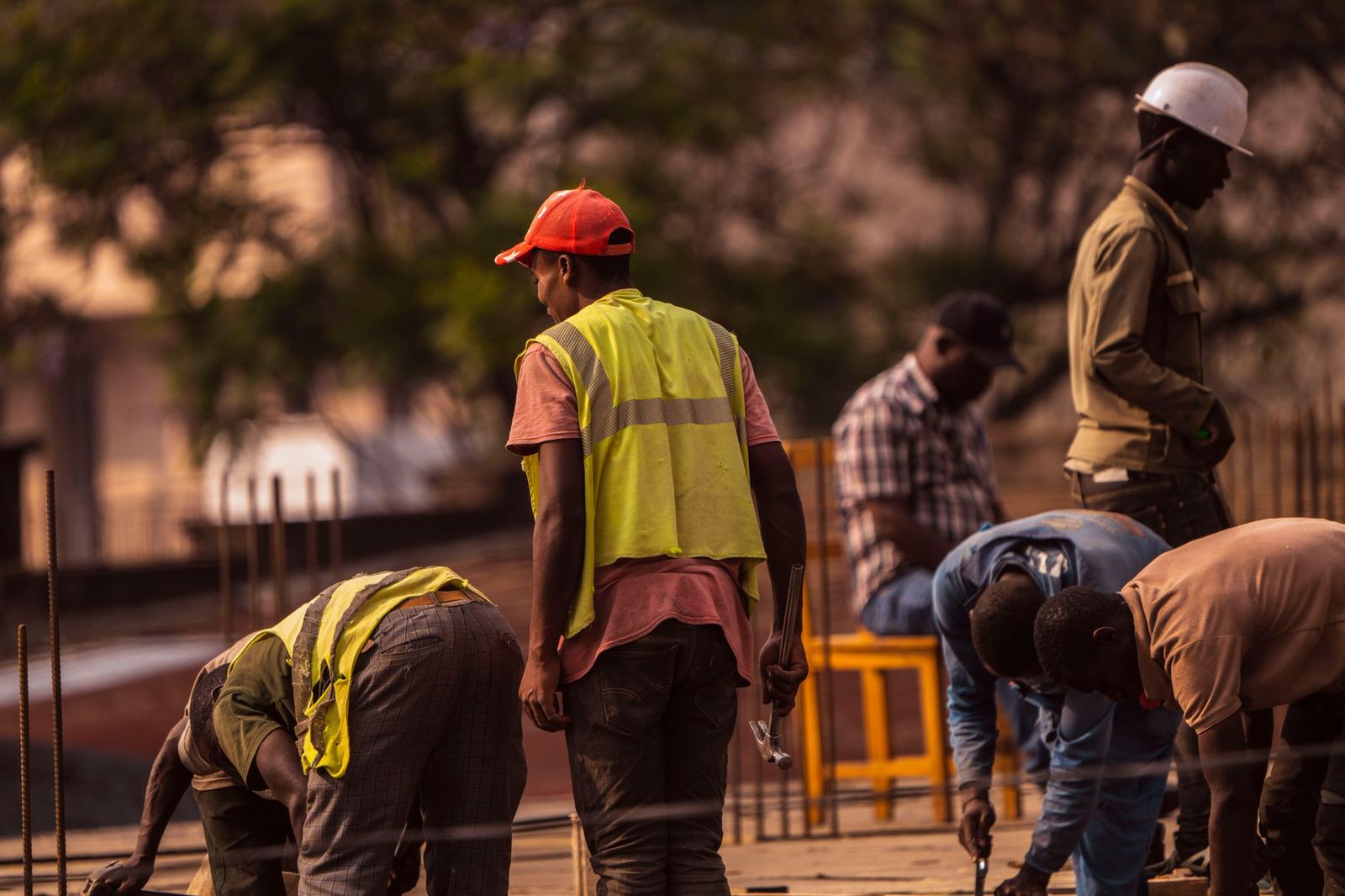
Construction crew in safety vests laying out work on a jobsite

Highway and bridge crews

Air-conditioned sleeper trailers for night-shift road and bridge crews

Road crews often work nights because daytime lane closures on busy highways are too dangerous, a safety judgment the Federal Highway Administration makes directly for high-traffic routes. A common window runs from about 8 PM to 5 AM. Local news on the Jamestown Verrazzano Bridge project reported overnight shifts Sunday through Thursday, 7 PM to 7 AM. Your crew sleeps while the rest of town is awake.

Daytime sleep is the hard part, because motels near the interstate have thin walls and housekeeping knocking at 10 AM. A sleeper trailer parked in your yard keeps the crew away from motel traffic. The air conditioning holds through the hot afternoon, so nobody wakes up at 2 PM soaked in sweat.

Highway jobs move, and a paving crew might advance several miles in a month, while a bridge job can sit in one spot for a year. For moving work zones, we set trailers at a central yard your crew can reach in minutes. When the work zone shifts far enough, call us and we plan the move to the next yard.

Winter night work is its own problem, because a crew coming off a bridge deck at 5 AM in January needs heat that's already running. Each heated bunk trailer has 3 AC units with heat, so the space is warm when they walk in. Night work already adds material-supply logistics costs, extra traffic-control expense and safety concerns on top of the fatigue risk inherent to working against the body's clock, per contractor trade-press coverage of the practice. Nobody sits in a cold cab waiting for a motel room to open.

  • Interstate paving and resurfacing
  • Bridge deck replacement
  • Overnight lane closure jobs
  • Interchange rebuilds
  • Rail crossing and overpass work
  • Tunnel and drainage repair
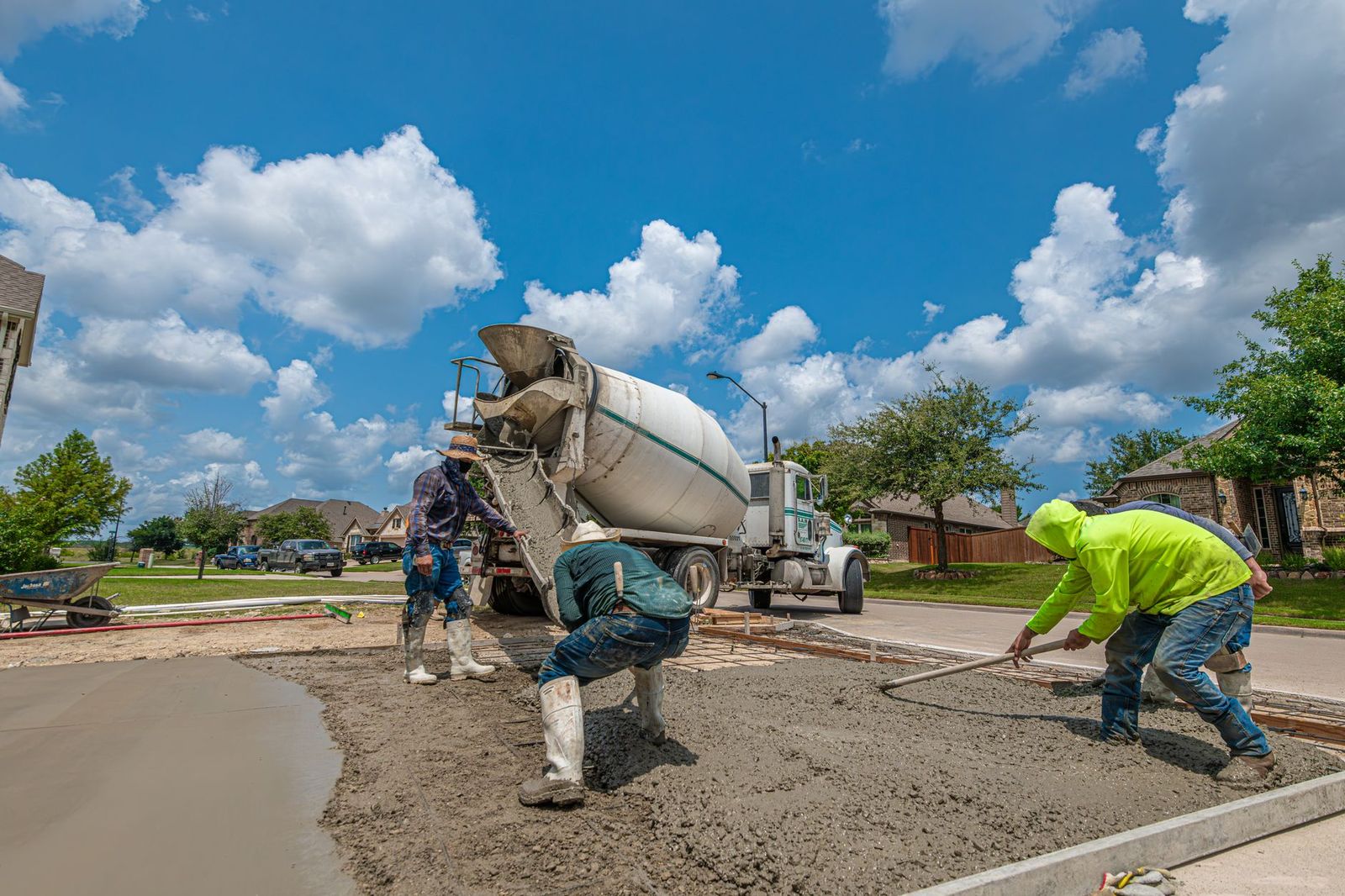
Road crew pouring and finishing concrete paving from a mixer truck

Plant shutdowns and industrial builds

Temporary crew housing trailers for turnarounds and plant builds

A refinery turnaround brings a large temporary workforce onto a plant for a fixed shutdown window, the kind of scheduled maintenance event industry coverage describes as routinely doubling a plant's normal headcount or more for a matter of weeks. The dates are set months ahead, but the crew surge lands all at once. Every contractor on the job is booking the same hotels the same week. Planners who lock in rooms early can still lose them to a bigger contractor.

Gas export terminal builds along the Gulf Coast show the scale. Industry analysts project a combined peak above 20,500 construction workers in the Lake Charles, Louisiana area by late 2026, spread across Venture Global's CP2 LNG project alone at over 7,500 jobs at peak, plus Magnolia LNG, Glenfarne Energy, Driftwood LNG and Lake Charles LNG all drawing from the same small metro at once. Several concurrent multi-billion-dollar industrial expansions competing for the same regional workforce and the same regional housing supply is precisely the coordination problem a temporary sleeper trailer, staged and delivered fast, is built to solve.

Shutdown work runs long shifts, often 12 hours a day for weeks straight, so your people need real sleep between shifts, not a nap in the truck. Each portable crew quarters trailer gives 12 workers their own bunk with a light and an outlet. The smart thermostat keeps the space steady in Gulf humidity or a northern winter.

Plant sites have firm rules about where anything can park. We work with your site safety lead on the approved spot before the truck rolls. Most plants want crew housing outside the unit fence, near contractor parking. We bring the trailer through the gate you name and set it where the plant says.

  • Refinery turnarounds
  • Chemical plant outages
  • Gas export terminal builds
  • Power plant outages
  • Paper and steel mill shutdowns
  • Water treatment plant upgrades
Refinery towers at dusk, where turnaround crews need beds close to the plant gate

Pipeline and transmission basecamps

Mobile bunkhouse trailers for pipeline and power line basecamps

Linear jobs never sit still, since a pipeline spread or a transmission line build moves down a corridor mile by mile. Federal pipeline guidance describes contractors placing temporary trailers and staging yards before pipe goes in the ground. Those yards are where your crew quarters belong.

Staging yards on these jobs are often raw ground covered in gravel and timber mats. We plan placement around that. The trailer needs a level, drained spot clear of the pipe stockpile and the fuel tanks. Tell us which yard is home base, and we set up there.

These corridors often cross open country with no town for miles. In West Texas, crew camps grew up first around oilfield work, then around wind farms and new high-voltage lines like Wind Energy Transmission Texas's 400-plus miles of new 345kV line and Blattner Energy's 227-mile CREZ transmission project. The same need comes back with every new line. A portable sleeper trailer at the yard gives the crew a real bed at the end of a long drive down the right-of-way.

When a storm hits the same corridor, the job changes fast. Line crews arrive from out of state, and nearby hotels fill within days. The trailers already on your yard can shift to storm rebuild housing. For that kind of work, see our disaster response sleeper trailer rentals, set up for crews who arrive on short notice.

Pacifico Energy's GW Ranch project in Pecos County, an 8,000-plus-acre combined gas-power-plant and data-center campus about 17 miles north of Fort Stockton, was described as the biggest permitted data center campus in the country as of early 2026. As of February 10, 2026 there were 158 separate proposed gas-power-plant projects across Texas tied at least in part to that same data-center load. Every one of those projects needs a construction workforce housed somewhere before the first turbine ever spins.

  • Pipeline spreads and staging yards
  • Transmission line corridors
  • Wind farm builds
  • Solar farm construction
  • Substation tie-ins
  • Fiber and broadband build-outs
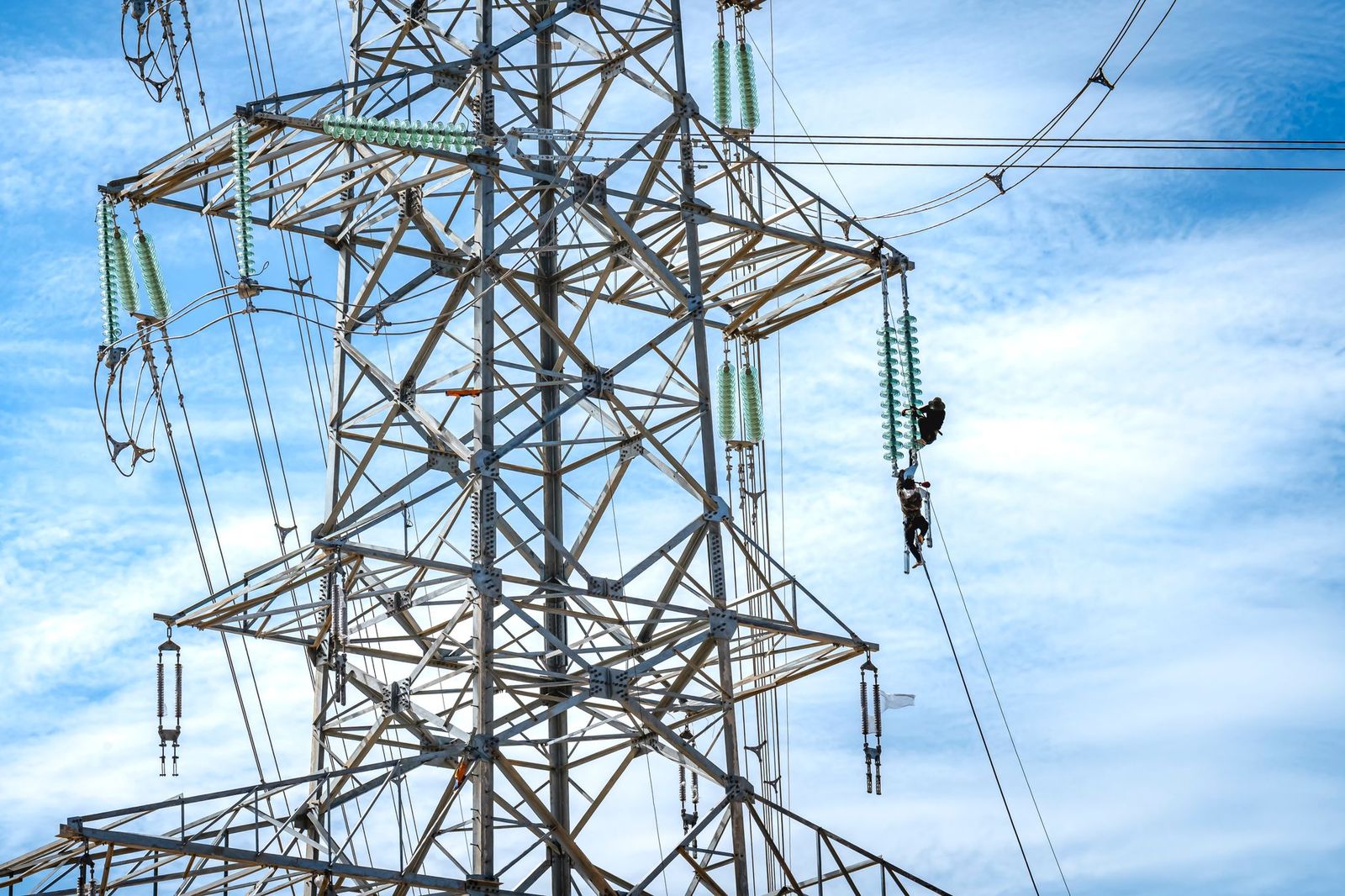
Linemen climbing a high-voltage transmission tower on a power line build

How to Plan Crew Housing for This Work

Planning housing for construction Crews and Basecamps comes down to four questions: the headcount sleeping on site, the expected length of the assignment, the electrical capacity available at the pad, and delivery access for a truck and trailer. The sections below work through each question in order.

How we deliver and set up a crew housing trailer on a construction site

We set the trailer before your crew arrives, not the same afternoon they pull in. A day of buffer lets us level it and test the heat and cooling before tired people need beds. On a job with a hard start date, we work backward from the first shift. That way the climate-controlled sleeper trailer is already at temperature when the crew walks up, whether that pad sits outside Abilene, Texas or Lancaster, Pennsylvania.

Placement is the decision that sticks, so the first thing we ask about is the last few hundred feet of the approach. We want to know if it turns to mud after rain, and whether a truck pulling a 34 ft trailer can make the turn at the gate. We also ask where your restroom and shower trailers will sit, since the crew walks between them all night.

Power comes from one of 2 places: some pads have a pedestal or a building feed ready, and we connect to that. Raw greenfield pads, the kind a data center or chip fab build usually starts on, typically need a generator until permanent power arrives months later. We confirm the hookup with your electrician before delivery, so all 3 AC units run without tripping anything.

Things still go wrong on construction sites, and a new pad has no street address, so we work from a GPS pin and a gate contact. Soft ground after a storm can hold a truck for a day. When the job wraps, call us with a pickup date. We haul the trailer out, and your crew has nothing to tear down.

  • A GPS pin for the exact drop spot, since new pads rarely have an address
  • A named site contact with a phone that works at the gate
  • Level, drained ground clear of haul roads and material laydown
  • Shore power or a generator, sized with your electrician
  • A lit path to your restroom and shower trailers
  • Gate hours and any site safety orientation our driver needs
  • A target pickup date, even a rough one
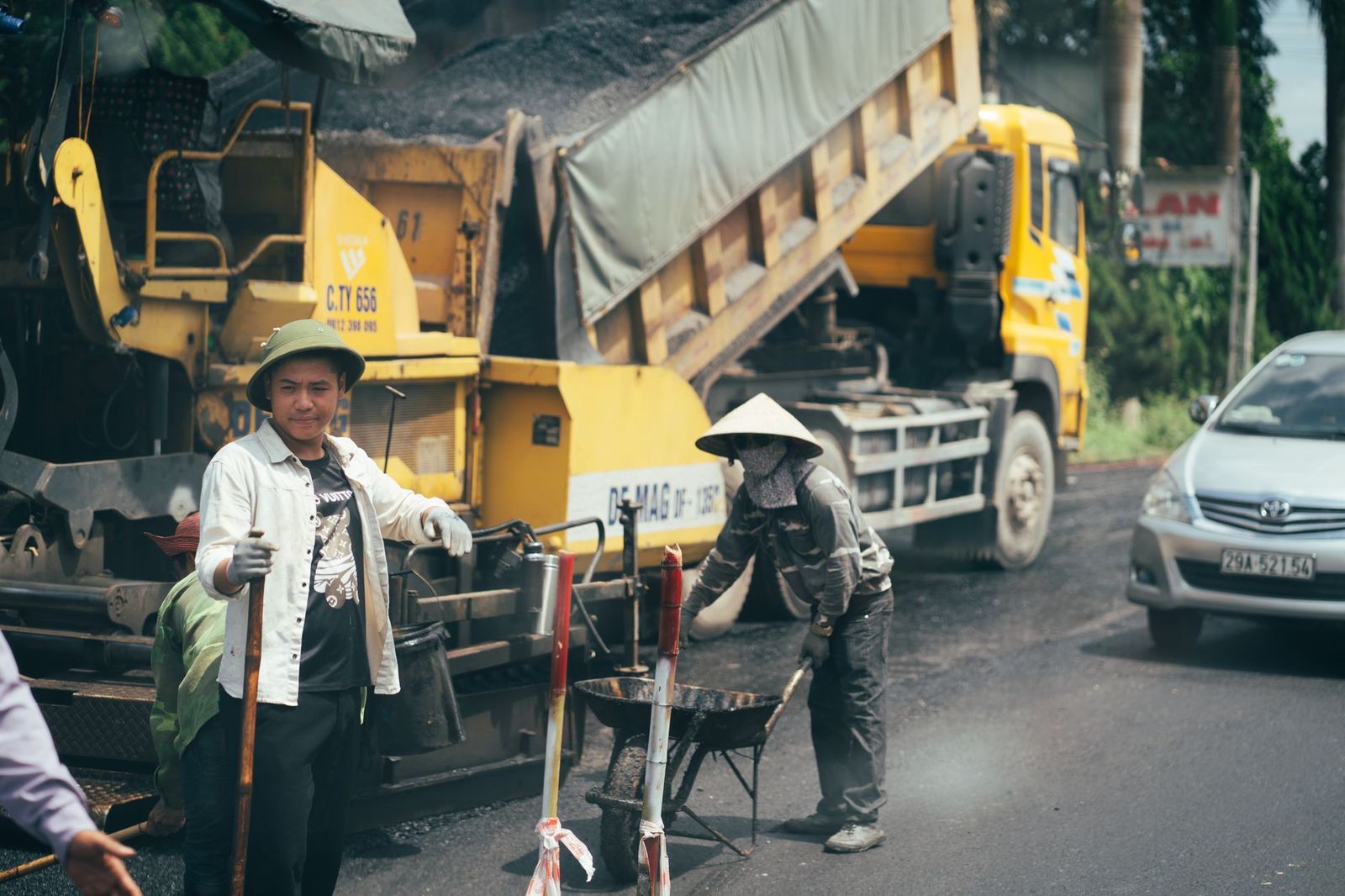
Highway road construction crew

How many bunkhouse sleeper trailers your construction crew needs

ScenarioCrew sizeTrailers
Small trade crew or foreman crew, one shiftup to 12 workers1 trailer
Crew of 20, one shift20 workers2 trailers, with 4 spare bunks
Crew of 24, one shift24 workers2 trailers
Crew of 36 at peak36 workers3 trailers
Crew of 60 at peak60 workers5 trailers
60-person roster on 14 days on, 14 off30 on site at once3 trailers (36 bunks)
Large build with a peak of 100100 workers9 trailers (round up, never down)

The math is simple division: take the most people who will sleep on site on any single night and divide by 12. Round up every time, since a crew of 100 needs 9 trailers, not 8, because nobody on a long build, whether it is a semiconductor fab or an LNG terminal, wants to be the one without a bed.

Rotations change the count more than anything else. Remote jobs often run 14 days on and 14 off, or 21 on and 7 off, the same pattern housing platforms like LodgeLink design their own booking systems around. If only half your roster is on site at once, you only need bunks for that half. We ask for the on-site number during your peak week, not the payroll roster.

Some crews ask about hot bunking, where a day-shift worker and a night-shift worker share one bunk. In theory, 2 workers on opposite 12-hour shifts share each bunk, the same principle submarine and offshore crews call hot racking. We treat that as a short surge option, not the plan. Shared bunks need tight bedding changes between shifts, and crews wear down faster when their bed is never their own. Our honest default is one bunk per worker, sized to your peak week.

Worker housing rules and safety standards for construction crew camps

Crew housing on a construction job sits under the host employer's safety program. The main federal standard for temporary worker camps is OSHA 29 CFR 1910.142. It covers camp site layout and drainage. It also sets requirements for sleeping quarters and sanitation. Your safety lead decides how it applies to your camp, and we place trailers to fit that plan.

OSHA's worker fatigue guidance puts numbers on what supers already know. Accident and injury rates run 18% higher during evening shifts and 30% higher during night shifts compared to day shifts. Working 12 hours a day is tied to a 37% higher risk of injury. In a medical-residency study OSHA cites and applies to construction, each extended shift scheduled in a month raised the risk of a crash on the drive home by 16.2%. OSHA names fatigue as a documented contributing factor in major industrial incidents, including the 2005 Texas City BP refinery explosion, and estimates fatigue-related lost productivity at 136.4 billion dollars annually across the economy. Shorter commutes cut that exposure at the source.

Heat is the other open issue. OSHA proposed a heat injury and illness rule for outdoor and indoor work on August 30, 2024, with baseline protections triggered at 80 degrees and additional high-heat procedures at 95 degrees for construction, agriculture and landscaping. It's still moving through rulemaking, an informal public hearing ran June 16 through July 2, 2025 and the post-hearing comment period closed October 30, 2025, and OSHA enforces heat hazards today through a National Emphasis Program revised in April 2026. A cool place to sleep between hot shifts is part of how crews recover.

The clearest playbook for housing a big rotating workforce comes from wildland fire. The National Wildfire Coordinating Group sets standards for base camp managers, including how rest time works in a closed camp. Construction basecamps borrow a lot from that model. If your crews ever work fire season, see our wildfire fire camp bunkhouse trailers for how those camps run.

  • OSHA 29 CFR 1910.142, Temporary labor camps: Sets site drainage and sleeping quarters requirements for temporary worker camps.
  • OSHA worker fatigue guidance: Flags long shifts and long commutes as injury and crash risks for construction crews.
  • OSHA proposed Heat Injury and Illness Prevention rule: Proposed in 2024 for outdoor and indoor work, with protections starting at 80 degrees. Still in rulemaking.
  • FMCSA hours of service, 49 CFR 395: Limits commercial driving time and requires a 30-minute break after 8 hours of driving for trucks supplying the job.
  • NWCG Base/Camp Manager standards (PMS 311-42): Sets qualifications for the people who run incident base camps, including rest periods in camp.
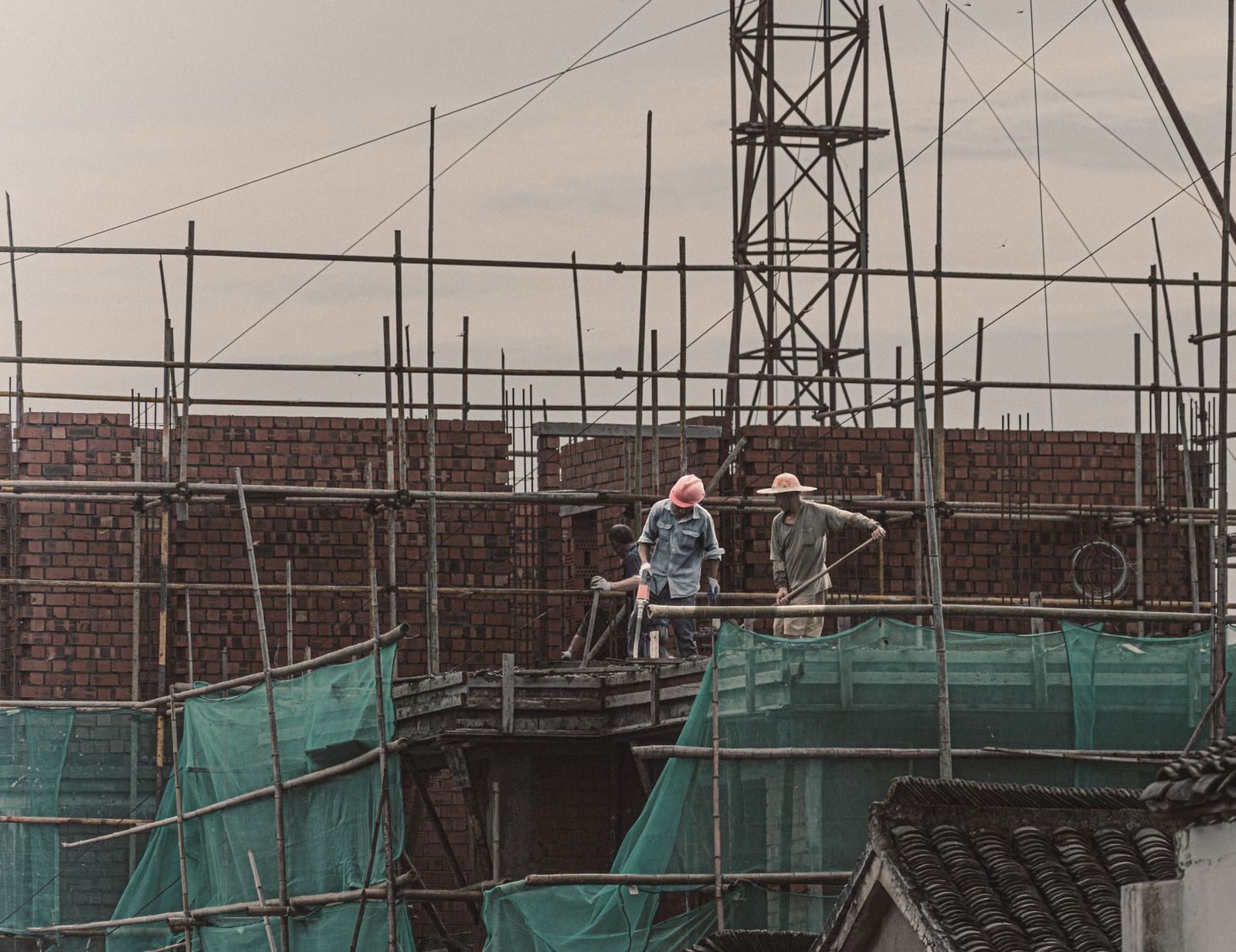
Construction crew on scaffolding

What construction crew housing looks like without a sleeper trailer on site

On most remote builds, housing falls to the foreman or the office manager. They call every motel within an hour and book blocks a week at a time. PwC's own market data projects data center infrastructure investment rising from roughly 53 billion dollars to 118 billion dollars between 2024 and 2027, and JLL projects Texas could overtake Virginia as the biggest data-center market by 2030, which means the hotel-booking scramble described here is only getting bigger, not smaller. When a bigger job takes the rooms, the office starts over from scratch. Then the crew drives, twice a day, after shifts that already run long.

Other crews get a per diem and find their own beds. Traveling trades report that the lodging part often falls short of what boom town motels charge. The General Services Administration's standard CONUS rate held at 110 dollars a night for lodging plus 68 dollars a day for meals through FY2026, rates built for normal business travel, not a sudden crowd of thousands of workers landing in one small county. The worker then covers the gap or drives farther to find a cheaper room.

The bottom of the ladder is the truck cab. Housing vendors even have a name for it, the Hotel F-250. In March 2024 the Sedona, Arizona city council approved converting a parking lot into a legal overnight spot for employed workers priced out of local housing, a decision the Washington Post covered. Nobody does their best work after a night like that. The same pattern shows up far beyond construction, and our crew housing trailers by industry page covers each field.

  • 1.82 hrs average daily round trip commute in one study of construction workers
  • 46% of surveyed construction workers named long commutes as a cause of their fatigue
  • About 44 hrs of combined driving per day for a 24-person crew at that commute
  • 24 rooms to book every night for a 24-person crew, or 2 trailers on the pad

Industrial workforce crew at a jobsite

Three job types, three typical trailer plans

Typical setup: data center pad build, 48 trades workers, summer start

A typical job like this starts with a call from a superintendent about 3 weeks before the start date, with 48 trades and no hotel rooms inside 45 minutes. Four trailers are sized against the peak week and set on the gravel pad 2 days before the first shift. The site electrician runs a temporary feed from the construction power panel. From the first week on, the crew sleeps a short walk from the pad instead of commuting.

Typical setup: interstate night paving job, 22-person crew, early spring

A paving foreman on a job like this needs daytime sleep for a crew working 8 PM to 5 AM. The nearest motels often sit next to a truck stop with trucks idling all day, the same daytime-noise problem the Federal Highway Administration's own night-work guidance identifies as a recurring complication for overnight paving crews nationwide. Two trailers at the contractor's yard cover 22 people and leave 2 spare bunks for a relief driver. The crew sets the thermostats cool for afternoon sleep, which is what cuts down on late starts in the first week.

Typical setup: refinery turnaround, 60-person contractor crew, 6-week outage

On an outage like this, a project manager can lose a hotel block when a bigger contractor books the same town, the exact competitive dynamic the National Law Review's coverage of Gulf Coast industrial expansion describes happening across Lake Charles-area projects simultaneously. With 6 weeks of notice, the job needs beds for 60 people on 12-hour shifts. Five trailers go to an approved lot outside the unit fence after the plant's safety walk. The crew then sleeps a 5-minute walk from the gate for the whole outage.
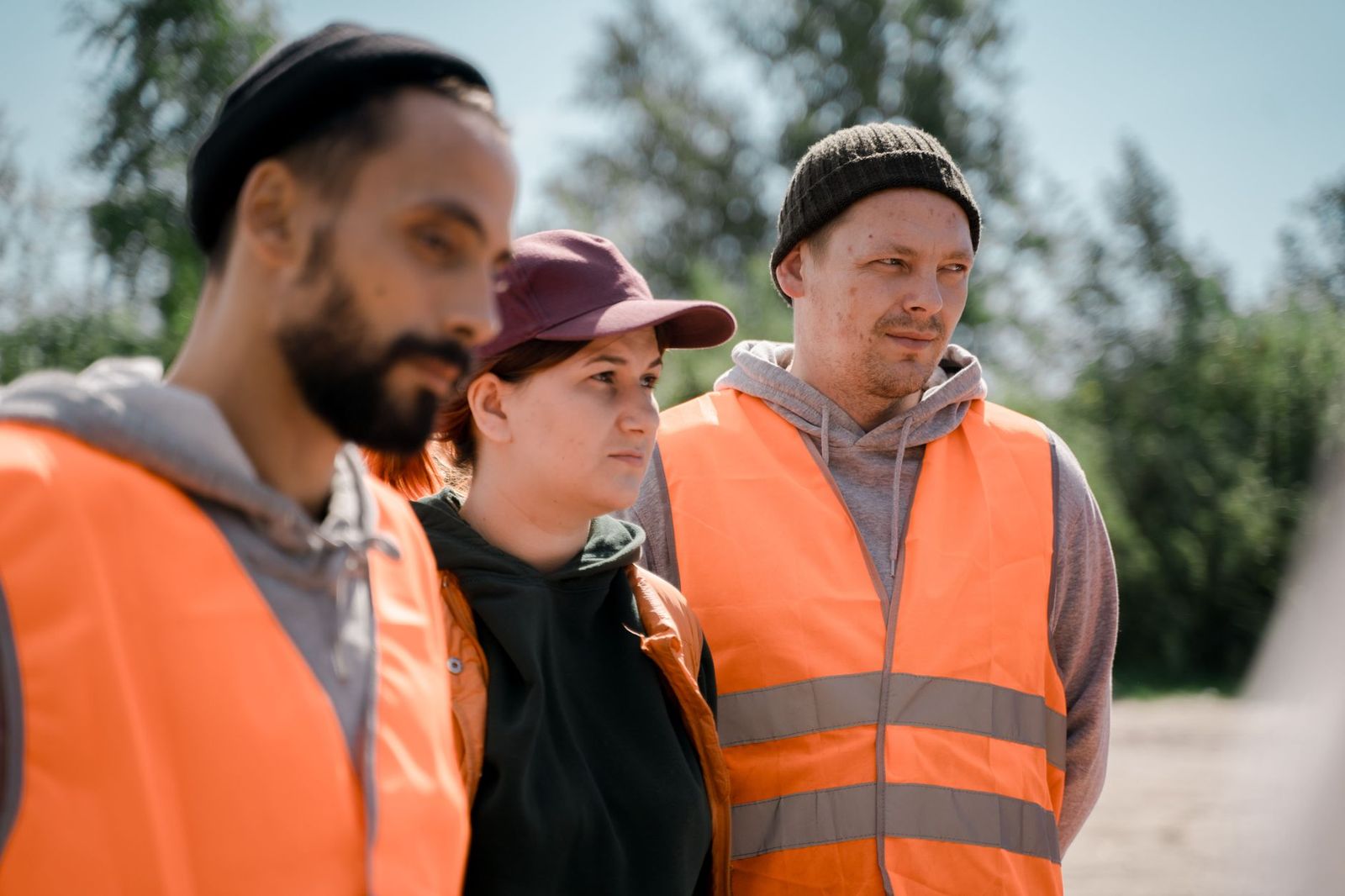
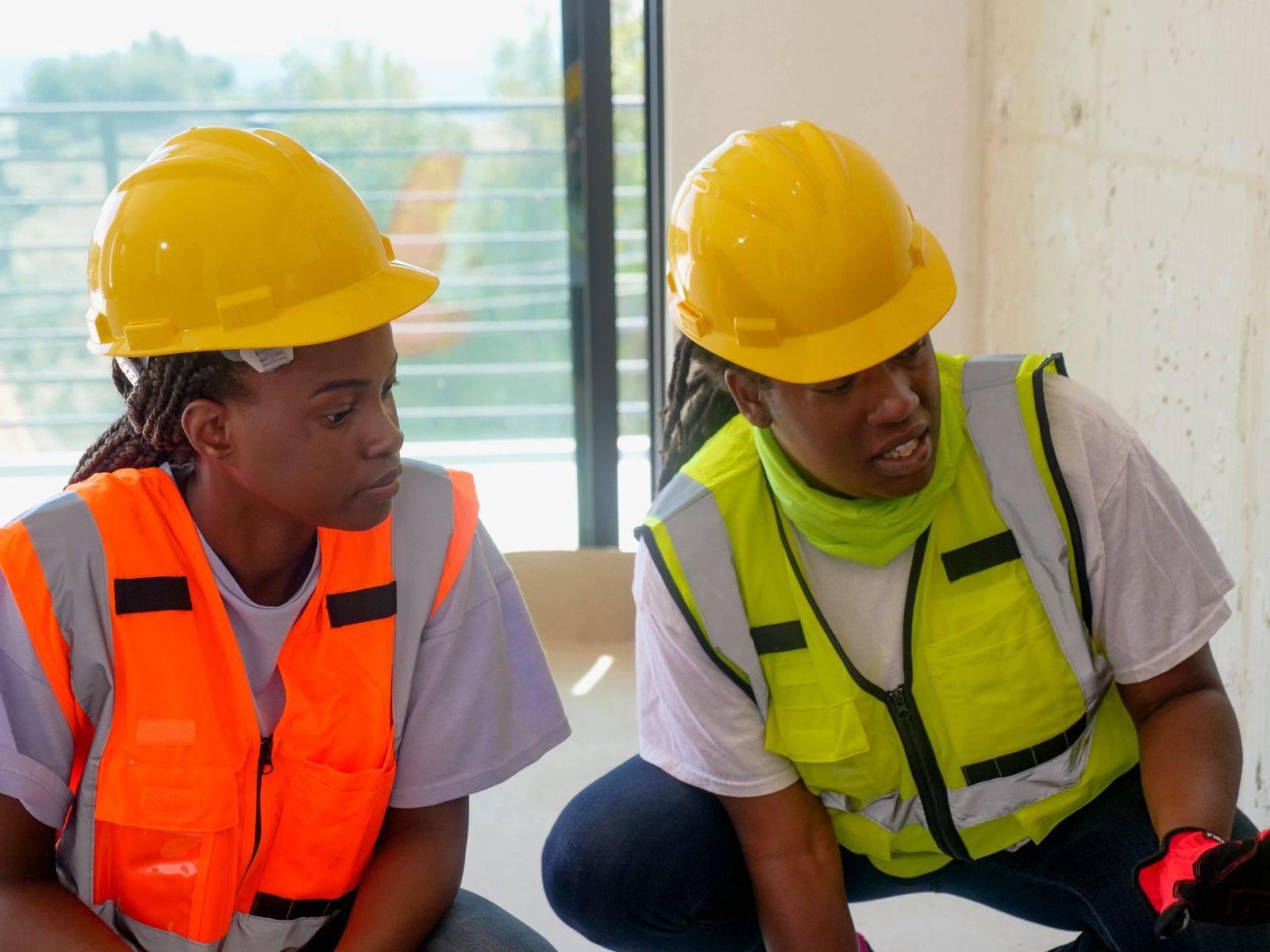
Crew standing at a jobsite

Read this first

The questions dispatch hears most

Construction crew reviewing jobsite plans

How many bunkhouse trailers do we need for a 50-person crew?

5 trailers cover 50 people with 10 spare bunks, since each trailer sleeps 12. 4 trailers only give you 48 beds, so round up. If your crew runs a rotation and only part of it sleeps on site at once, size to that on-site number instead. Call us with your peak week and we'll run the numbers with you.

How is a man camp different from renting bunkhouse trailers?

A man camp is a full lodging camp with a dining hall and staff, usually built for hundreds of workers on a long job. A camp like that takes months to stand up, and it only makes sense at large headcounts. Bunkhouse trailers scale down to a single crew of 12. You can start with 2 trailers and add more as the job grows.

Can a sleeper trailer run without shore power on a raw job site?

Yes, on raw pads without permanent power the trailer runs on a generator. We size the hookup with your electrician before delivery so all 3 AC units can run. Once site power is live, the trailer can switch over to that feed.

How do you deliver crew housing to a site with no address yet?

We work from a GPS pin and a named site contact. Send us the drop spot on a map, the gate you want us to use and any hours the gate is locked. Our driver calls the site contact before arrival. New pads rarely have an address, so this is normal for us.

What rotation schedules do traveling construction crews usually run?

Remote and large jobs commonly run 14 days on and 14 off, or 21 on and 7 off. Some jobs run 7 days on and 7 off. The rotation matters for housing because it decides how many people sleep on site at once. Give us the rotation and the roster, and we size the trailer count to the overlap.

Does a sleeper trailer need a restroom or shower trailer paired with it?

Most crew camps pair sleeper trailers with restroom and shower trailers set close by. Sanitation vendors often supply those together as one package for crew camps. Plan a lit walking path between them, since crews move back and forth at all hours. Tell us the layout and we'll place the bunk trailers to match.

How fast can crew housing be set up once it's delivered?

The trailer arrives ready to use. We level it and connect power, then walk your site contact through the thermostat. On a prepared spot with power ready, the crew can move in the same day. The bigger variable is the delivery date, so call as soon as you have a start date.

What happens to per diem if the company provides housing?

Per diem usually has a lodging part and a meals part. When a company provides the bed, many firms stop paying the lodging part and keep the meal part. How your company handles it is a payroll and tax decision. Check with your accountant before you change a crew's pay package.

Is it cheaper to put a crew in a hotel or rent bunkhouse trailers?

It depends mostly on crew size and job length. Hotel costs grow with every worker and every night, and boom town rates climb with demand. Trailer costs stay tied to the number of trailers, not the room rate that week. Send us your crew size and dates, and we'll quote it so you can compare.

How do you house a crew for disaster recovery work when every hotel is full?

After Hurricane Helene, hotels in western North Carolina filled with responders and displaced residents at the same time. That's normal after a big storm. Sleeper trailers set at your yard give recovery crews beds that don't depend on local rooms. Call our 24/7 line as soon as the job is confirmed.

Do sleeper trailers work for night-shift highway crews who sleep during the day?

Yes, the 3 AC units with heat keep the temperature steady through the afternoon, and the crew controls it from the touch thermostat. Park the trailers away from the yard's daytime equipment traffic. If part of the crew works days, give them their own trailer so the night crew sleeps through.

Can you rent sleeper trailers for a chip plant or data center build?

Yes, we deliver to data center and chip plant pads anywhere in the country. These campuses often sit outside small towns with few hotel rooms. We set the trailers where your laydown plan allows and handle pickup when the push is done.

What heating and cooling does a bunk trailer have for winter jobs?

Each trailer has 3 AC units with heat, run from a smart thermostat with digital touch control. The crew sets one temperature and the system holds it. On hard winter sites, place the trailer out of drifting snow and keep the entry path clear. Ask us about cold-site placement when you book.

Do you deliver bunkhouse trailers nationwide?

Yes, we deliver to all 50 states. A remote pad miles from the nearest town is fine. Send the site location and dates, and we plan the route and the setup. Our dispatch line is open 24/7 at (888) 828-7765.

How long can a crew housing trailer stay on a construction site?

As long as the job runs, from a 6-week shutdown to a build that lasts years. You can add trailers when the crew grows and send them back as it shrinks. Give us a rough end date and we'll plan pickup around it.

At a glance

Notes for crew bosses and planners

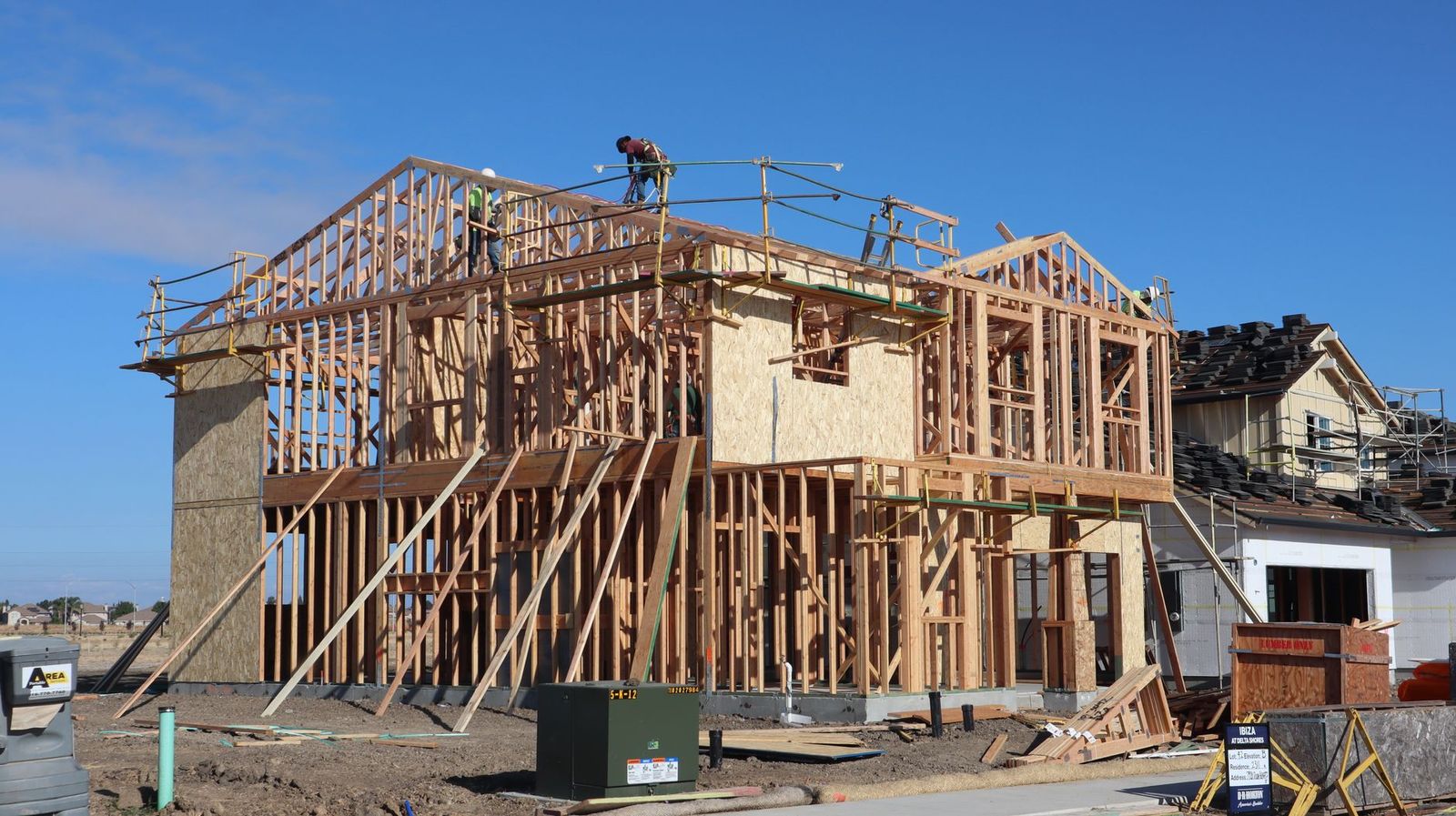
  • Aerial view of residential home framing construction

    Questions to ask before you book crew housing for a remote construction build

    Most crew housing problems start with a question nobody asked on the first call. A superintendent books beds for the crew. On delivery day, the super learns that the trailer can't make the turn at the gate, or the power hookup doesn't match the generator. These are small misses, but each one can cost a whole crew a full day of work, and a Journal of Construction Engineering and Management study found that more than 60% of surveyed workers were already logging 12 or more hours a day before a single housing mistake added to it.

    Read the full note

    Start with the site itself, since new pads rarely have a street address. A mailbox address from the nearest town can send a driver to the wrong gate. Ask the provider what they need to find the drop spot, and have a GPS pin ready before you call. Ask how long the delivery truck and trailer run together, in feet. Then walk the approach with that length in mind. Tight gates and low wires can stop a delivery as surely as bad weather.

    Next, ask about power in plain terms, because you want to know what the trailer draws with all 3 of its AC units and heat running, and what hookup it expects. Share that with your site electrician early, before the pad is finished. If you're running on a generator, ask whether the provider has run that size of generator with this unit before. Also ask who fuels the generator and how often. A generator that runs dry at 3 AM turns a heated trailer into a cold box by the time the alarm goes off.

    Then ask about the people side: who picks up at 2 AM if the heat quits in January, and how fast someone actually shows up. A provider with real 24/7 dispatch answers both without a pause. A provider who says to email during business hours is telling you how the first bad night will go.

    Ask how the provider sizes the order. A good answer starts with your peak on-site headcount and your rotation, not your payroll roster. It rounds up, never down. It also plans for the foremen and inspectors who stay overnight but never show up on a crew list. If a provider quotes you a trailer count before asking about your rotation, slow the call down. That number is a guess, and a short guess means somebody sleeps in a truck.

    Ask about the rest of the camp too. A bunk trailer is one piece of it. Your crew still needs restrooms and showers nearby, plus a lit path between them. Ask where the provider would place the sleeper trailers relative to those units, and why. The answer tells you how many camps they have actually laid out.

    Finally, ask about the end of the job. Find out how much notice pickup needs and what shape the trailer should be in when it leaves. Agree on a rough pickup date at booking, even if it moves later. Crews wrapping a job want to go home, and nobody wants to babysit an empty trailer for a week.

    Write the answers down in one place and share them with your site team. The foreman who meets the truck should know the drop spot and the power plan before the driver calls. A 10-minute call up front beats a lost morning on delivery day.

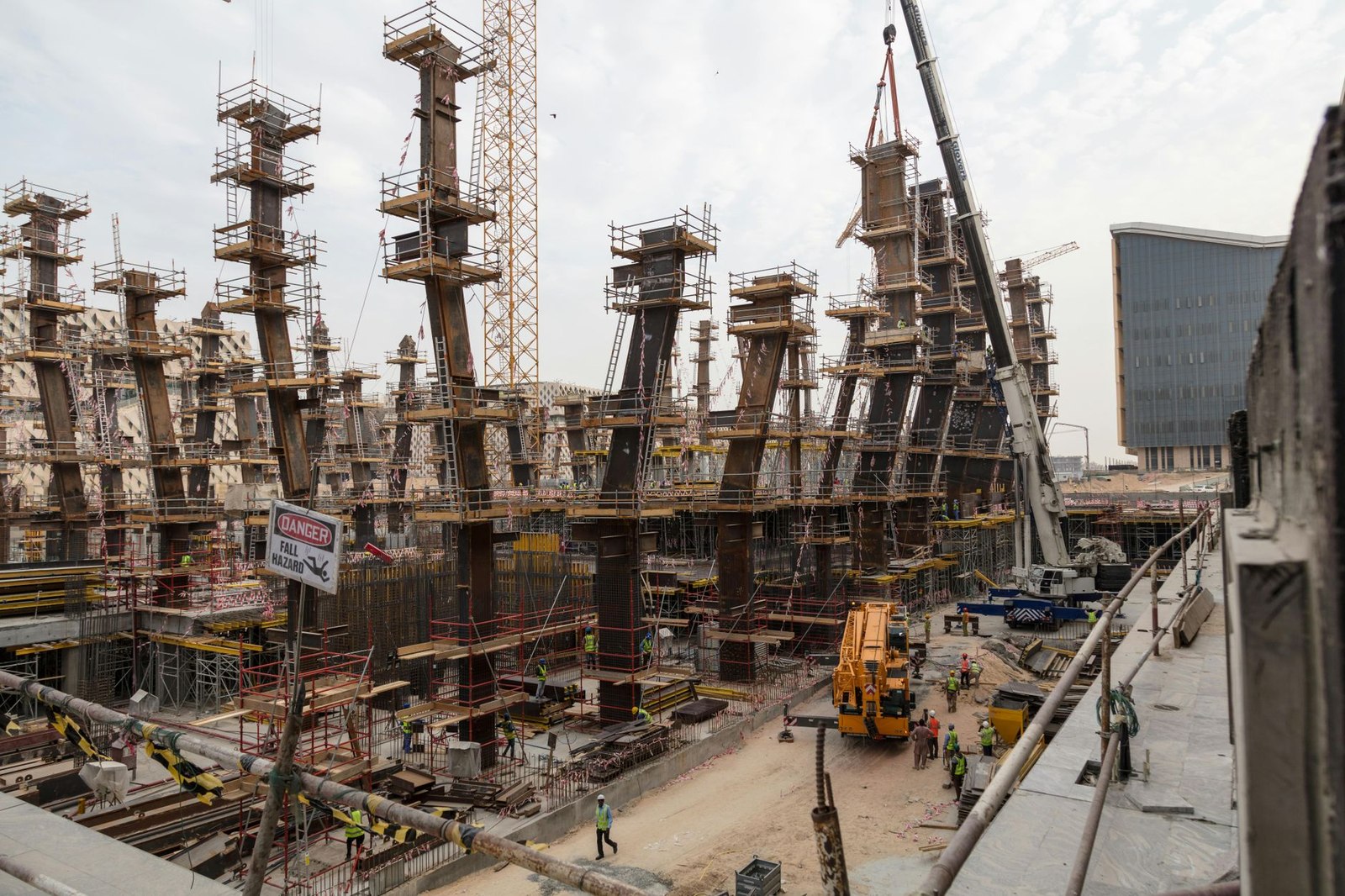
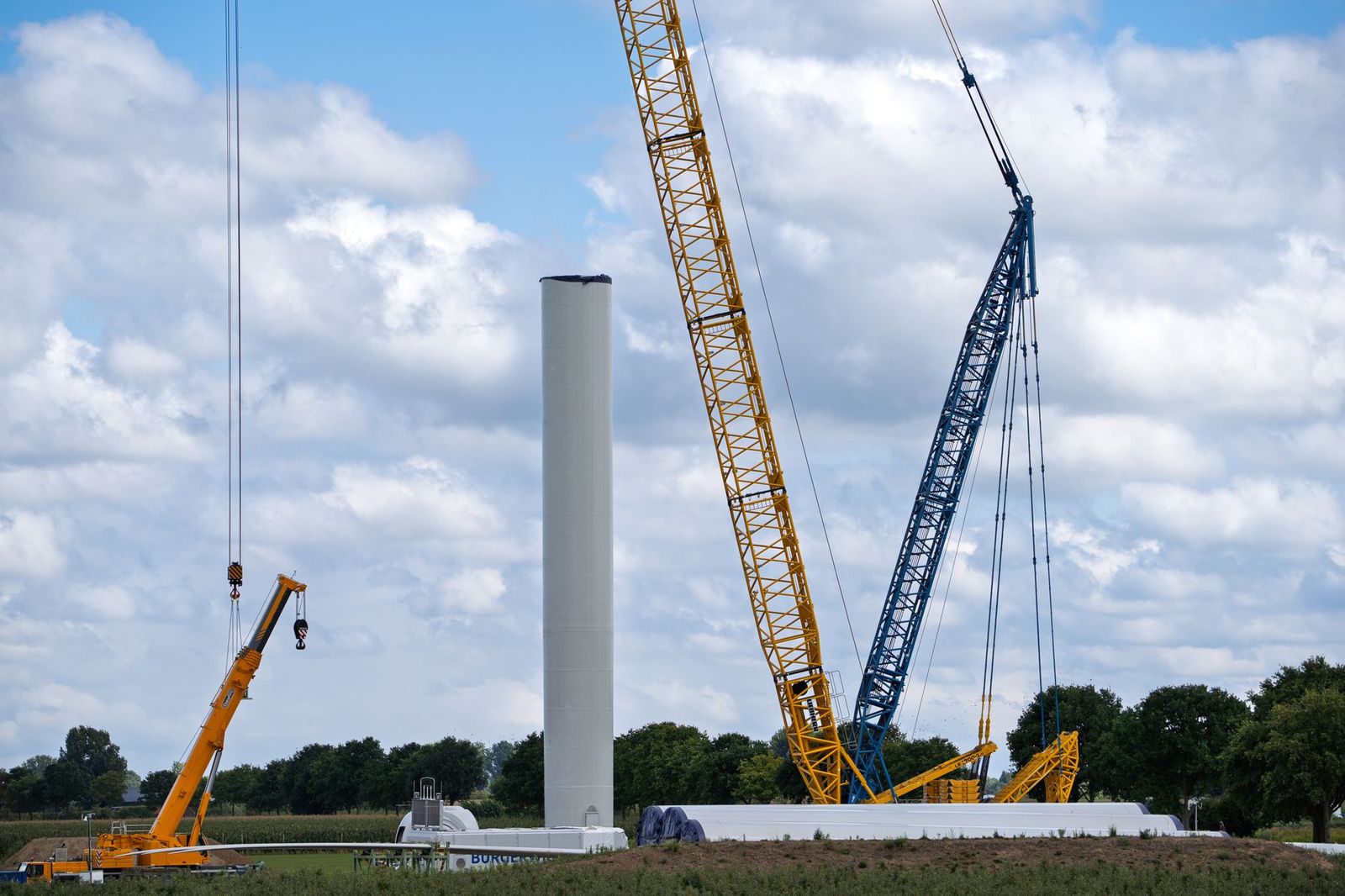
  • Construction crew and cranes at a large commercial jobsite

    Keeping a crew sleeper trailer comfortable through summer heat and winter cold

    Construction season in much of the country runs roughly April through October. Big builds do not stop for weather, though. Financing timelines and equipment-delivery schedules drive a data-center or semiconductor fab build far more than the calendar does. A data center pad in the Arizona or Texas desert can see afternoon heat that makes daytime sleep impossible in a tent or a truck. A bridge job up north can drop well below freezing by 5 AM. Your crew housing has to handle both ends of that range at once.

    Read the full note

    In summer, placement does half the work. If you can, set the trailer where it gets afternoon shade from a building or a tree line. Keep it off black asphalt, which holds heat long into the night. Set the thermostat before the crew arrives so the space is already cool when the first shift walks in. An air-conditioned trailer works best when it starts cool and holds there. Pulling a hot trailer down after it has baked all afternoon takes much longer than keeping it steady. Leave the cooling running through the day, even when the bunks are empty.

    Heat also shapes how crews feel on the job the next day, because workers who sleep hot don't recover well between long shifts in the sun. OSHA enforces heat hazards today under a National Emphasis Program revised April 10, 2026, while a formal Heat Injury and Illness Prevention rule, proposed back in August 2024, still moves through federal rulemaking. Their heat exposure pages cover the signs of heat illness and how to build rest breaks into a hot day. They're a good starting point for your site heat plan, and a cool bunk is the other half of it.

    In winter the risk flips, so keep the entry clear of drifting snow and ice, and salt the steps each morning. Heavy work clothes come in wet, so give the crew a spot outside the sleeping space for boots and outer layers. That keeps the bunks dry and the air comfortable. Check that nothing blocks the air flow around the units outside, since plowed snow piles up fast along a trailer wall. A heated trailer only stays warm if its equipment can breathe.

    The thermostat is the one control that deserves a house rule. The smart thermostat with digital touch control lets the crew lead set one temperature for the whole trailer. Pick a single setting and stick to it, because 12 people adjusting a thermostat all night is how a trailer ends up too cold for half the bunks.

    Spring and fall bring their own surprises, with nights that swing from cold to warm inside a single week. Because each climate-controlled bunkhouse trailer runs 3 AC units with heat, the same system handles both. You don't need to swap equipment when the season turns.

    If your job crosses seasons, tell us the months when you book. We'll talk through placement for both ends of the calendar, from summer shade to winter snow lines. That one conversation saves a move halfway through the job.

    One more tip for any season is to walk the whole trailer once a week with your crew lead. Look for a blocked vent, check every step for looseness, and check each bunk light still works. Small fixes caught on a walk never turn into a call at midnight, and the crew notices when somebody checks.

    Source: OSHA heat exposure

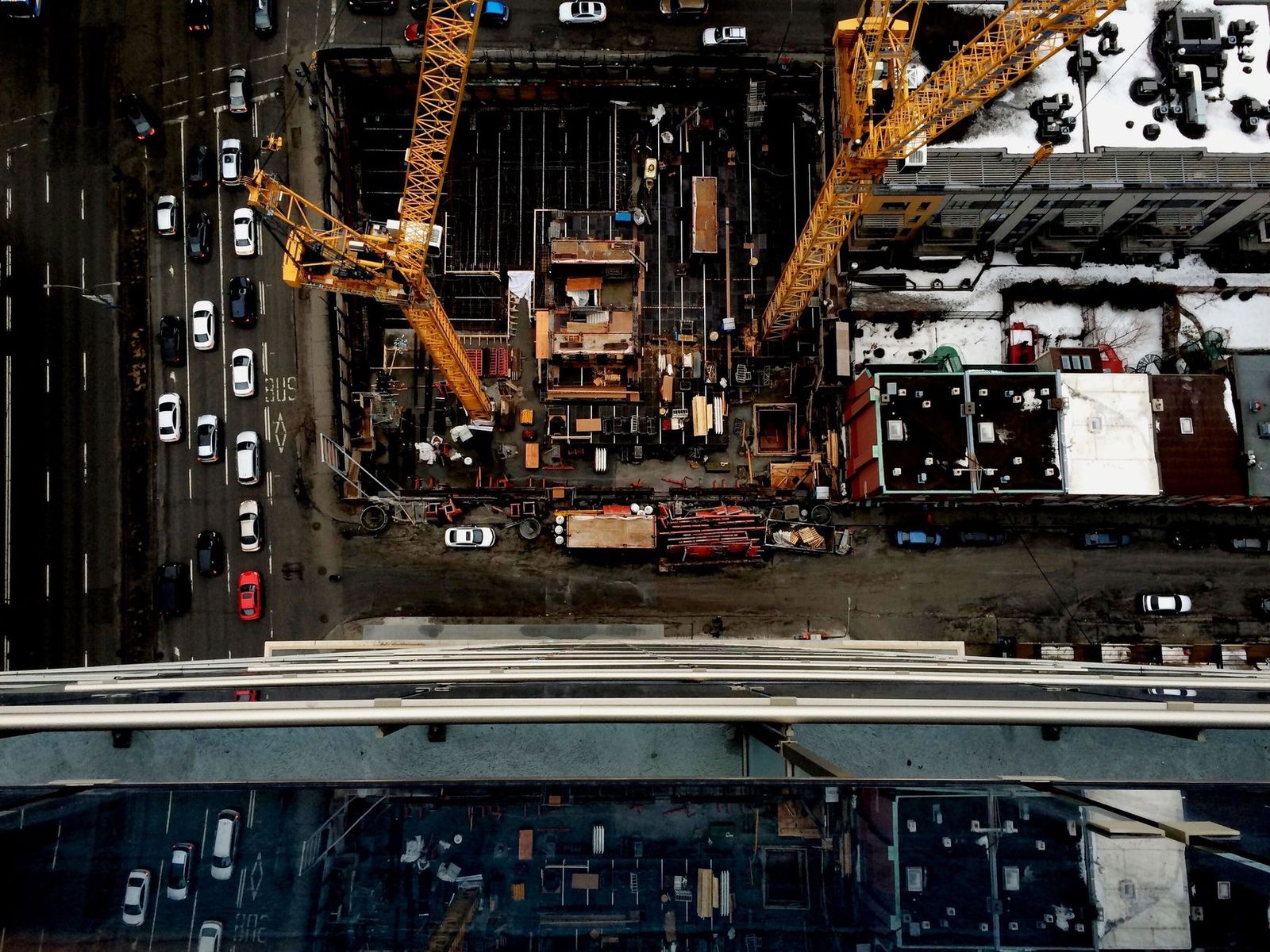
  • Commercial building construction crane

    Scaling crew housing up and down as a long construction build moves through its phases

    A long build doesn't hold one headcount, since site work starts with a small crew. The peak comes during the building phase, and finish work tapers off after that. Wages on data center jobs already run roughly 32% above general commercial construction, pulled from about 30 dollars an hour toward 40, which is itself a sign of how hard contractors compete for the same crews at every phase. Five trades, carpenters, electricians, heavy equipment crews, concrete workers and general labor, account for 54% of the labor demand data-center jobs pull from the broader construction market, according to workforce-platform data from Skillit. Crew housing should follow that headcount curve instead of sitting at peak size for the whole job.

    Read the full note

    Picture a 2-year build with a peak of 60 people on site. Early site work might need 12 beds, which is one trailer. As concrete and steel crews arrive, the count climbs to 3 trailers. At the peak it reaches 5. Then, as trades finish and leave, you step back down. Deloitte projects the semiconductor industry alone will need more than 1 million additional skilled workers globally by 2030, and the Associated Builders and Contractors workforce model puts the broader construction shortfall at 349,000 workers in 2026, rising to 456,000 in 2027, which is exactly the kind of multi-year ramp a housing plan needs to track phase by phase instead of guessing at a single peak number.

    The trick is timing the adds, which means calling when the next crew's start date is confirmed, not when they're already driving in. A trailer set a few days early causes far less trouble than a crew that shows up to no beds. Early is cheap insurance on a tight schedule.

    Watch the overlap weeks, because when one trade is finishing and the next is starting, both crews can be on site at once. That short overlap is often the real peak, higher than any single trade's headcount. Plan beds for it, or plan a short hot-bunking window with tight bedding changes. Pull the trade schedules from your look-ahead and line them up week by week. The overlap weeks jump right off the page once you see every trade on one sheet. Share that sheet with your housing provider and the adds get scheduled with it.

    Rotations add another layer, because if a trade runs 14 days on and 14 off, its bunk count is half its roster. When it switches rotations for the final push, the math changes again. Recheck the count at each major schedule change, not just at the start. Weather delays do the same thing, since a wet month can stack 2 trades on top of each other that were never meant to overlap. When that happens, a mobile bunkhouse trailer added for 4 weeks is far easier to arrange than a crew split across 3 separate motel properties.

    Stepping down matters too, because sending trailers back as the crew shrinks keeps the camp tidy and frees up the pad for finish work. Keep the trailers closest to the restroom and shower setup, and release the far ones first. Your remaining crew keeps the shortest walk. Give the provider a week of notice for each pickup so the release lines up with your crew leaving, not a few days after.

    A monthly headcount check with your provider keeps this simple. We ask for the next 60 days of expected crew size on each check-in call. That gives us time to add or pull trailers without a rush, and it keeps your crew from ever running short of beds.

    Keep the plan on paper with the rest of the job schedule. List the trailer count by month next to the headcount curve. When the owner asks why housing changed in month 9, the answer is right there. It also makes the next job easier to plan, because you start from real numbers instead of a guess.

Get a quote

Tell Us Where Your Crew Needs Beds

Send the basics and a dispatcher will call you back with availability and a delivery window. In a hurry? Call now.

  1. We confirm the site, dates and crew size.
  2. We lock in a delivery window and power plan.
  3. The trailer arrives, gets leveled and is ready for the first night.
(888) 828-7765

Request a quote

Takes about a minute. Fields marked * are required.

We only use your details to answer this request.