

How to Plan Crew Housing for This Work
Planning housing for disaster Response and FEMA Base Camps comes down to four questions: the headcount sleeping on site, the expected length of the assignment, the electrical capacity available at the pad, and delivery access for a truck and trailer. The sections below work through each question in order.
How a sleeper trailer gets set up at a disaster staging site
Call us as soon as you know the staging site, even before the FEMA task order or the county emergency contract is final. Roads into the damage often open in stages after a hurricane or a flood, and the route that works for a 34 ft trailer can change by the hour. Our dispatch team lines up trucks and routes while your logistics section finishes the paperwork, so the trailers are already on the highway when the order goes live.
Placement comes next, and it decides how well your crew sleeps for the next 14 to 30 days. We want level, firm ground with room for a truck and trailer to pull in and back out. Stay clear of low spots that will flood during the next heavy rain. In wildfire country, NWCG doctrine says a spike camp must stay within radio range of the Incident Command Post, and your sleepers should too. We walk the placement with your camp manager on site, or we settle it on a call from a GPS pin and 3 or 4 site photos.
Power is the question every Base Camp Manager asks first. The mobile sleeper trailer runs on shore power or a generator, and many disaster sites operate on generators alone for weeks after landfall. The U.S. Army Corps of Engineers assigns specialists to confirm generator supply for temporary housing units where the grid is still down. Tell us your power source early, and we match the hookup before delivery day.
Sleepers rarely stand alone on a FEMA or state disaster response. Texas emergency procurement contracts through TDEM, for example, list first responder base camp setup together with showers, restrooms and laundry. We lay out our trailers around your shower and restroom units, with a short, lit path of 50 feet or so between them. When the work winds down, we pick up on your schedule, one trailer at a time if crews head home in stages.
- A GPS pin for the drop spot, since staging yards rarely have a street address
- Level, firm ground away from low spots that flood
- A truck path in and out, with gate width and overhead wires checked
- Your power source, generator or shore power, named before delivery
- A site contact who answers the phone on delivery day
- A spot near the showers and restrooms, away from generators and the kitchen
- A rough pickup plan, even if the end date moves
How many bunk trailers a response crew needs
| Scenario | Crew size | Trailers |
|---|---|---|
| Hotshot or hand crew, one shift | 20 people | 2 trailers, 4 spare bunks |
| Two crews or a doubled restoration crew | 24 people | 2 trailers |
| Debris crew with drivers and monitors | 36 people | 3 trailers |
| Mutual aid convoy at peak | 60 people | 5 trailers |
| FEMA Type I Urban Search and Rescue task force | 70 people | 6 trailers, 2 spare bunks |
| Mid-size utility mutual aid camp | 300 people | 25 trailers |
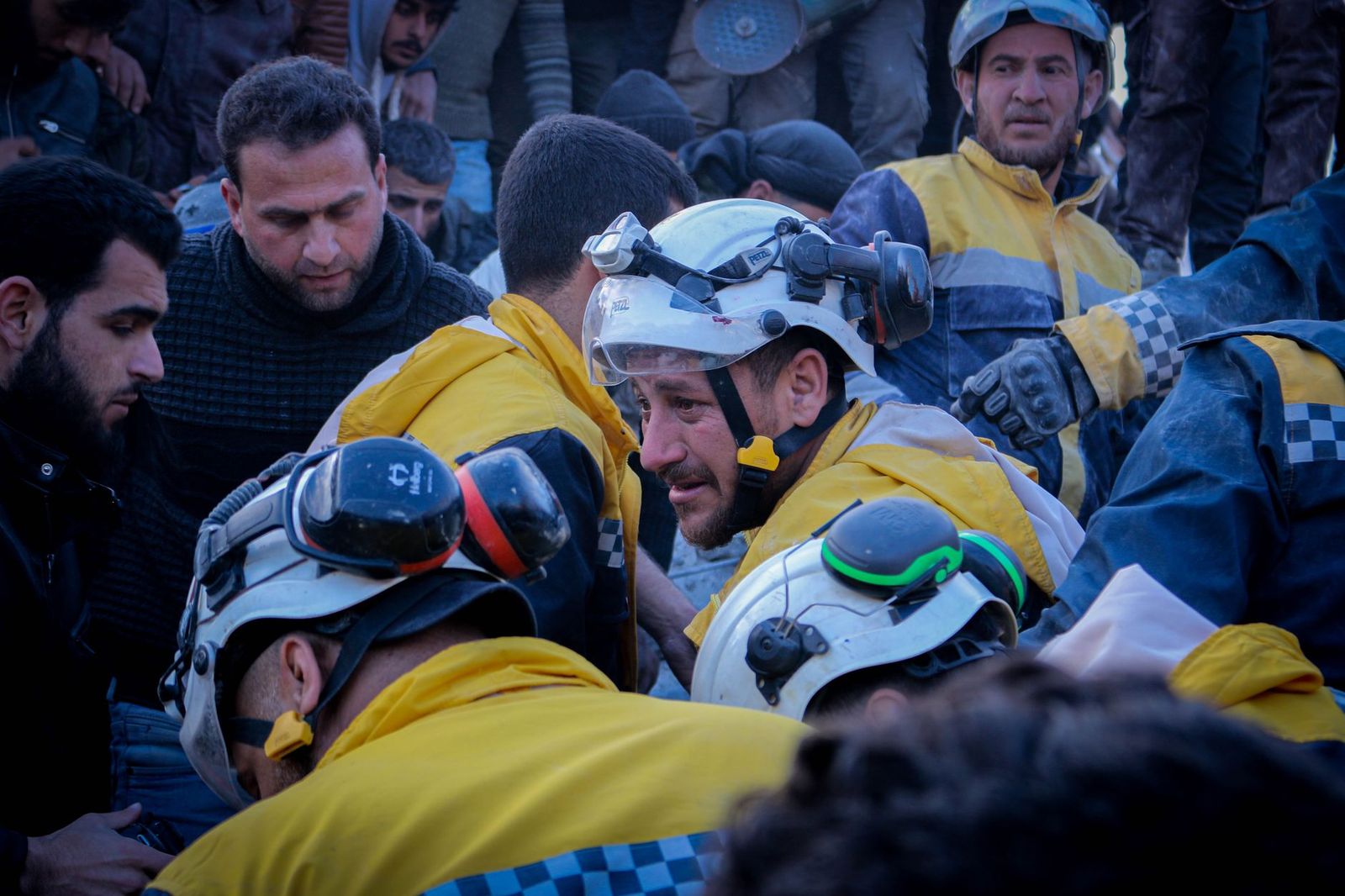
The math is simple division, though the headcount behind it is where most emergency housing plans go wrong. Use the highest number of people who sleep on site on any one night, not the payroll roster or the contract headcount. A full FEMA Type I Urban Search and Rescue task force carries 70 people, so it needs 6 trailers with 2 bunks to spare. Each 6-person search squad stays together inside the same trailer.
Convoy size shifts by the day during a hurricane restoration. One city-owned utility sent 18 people with 6 bucket trucks for a two-week deployment after Hurricane Milton in October 2024. That crew fits in 2 trailers with 6 bunks left over for relief workers. At the far end, one utility housed about 300 line workers on a college campus during a storm. That works out to exactly 25 trailers.
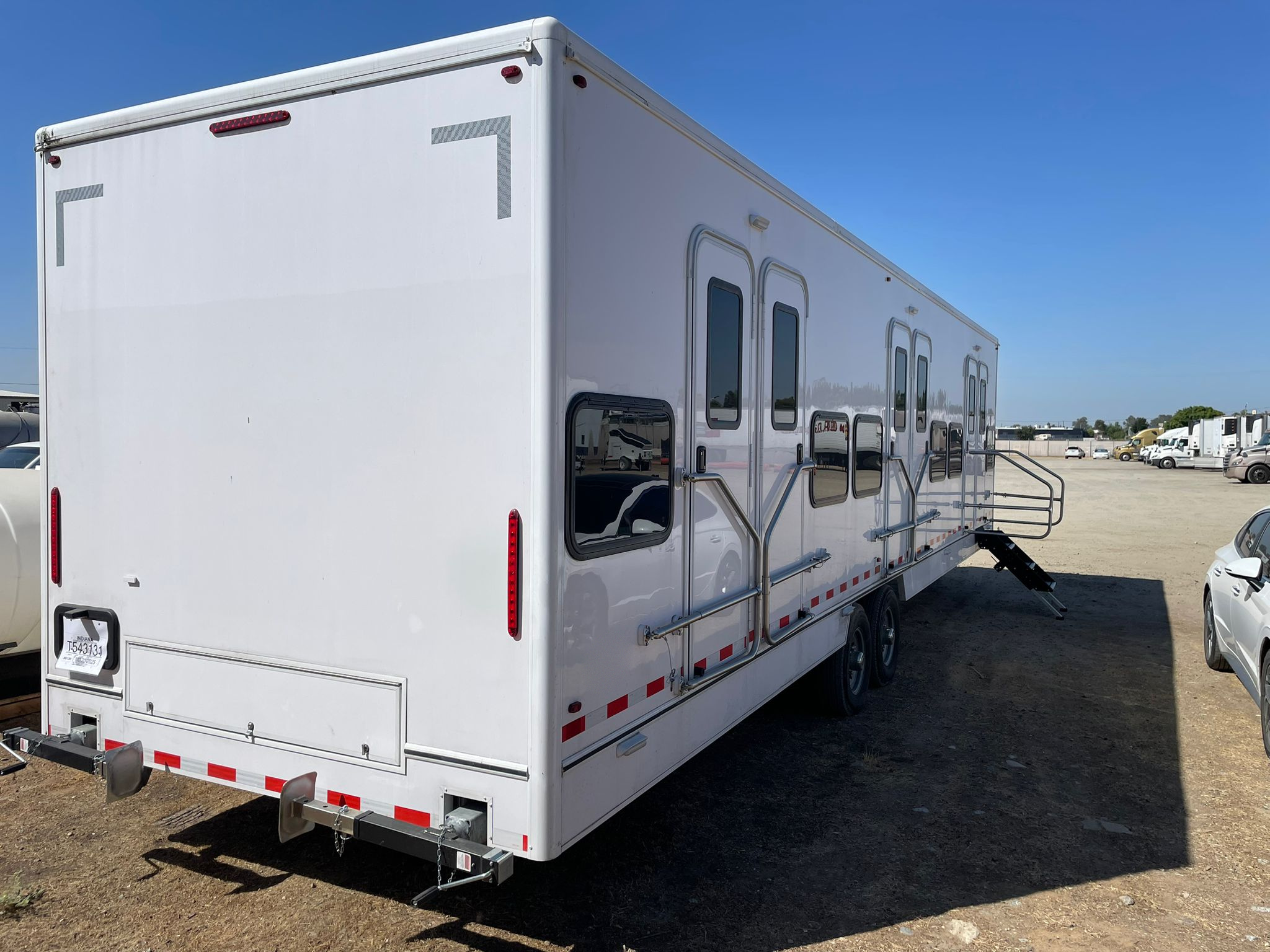
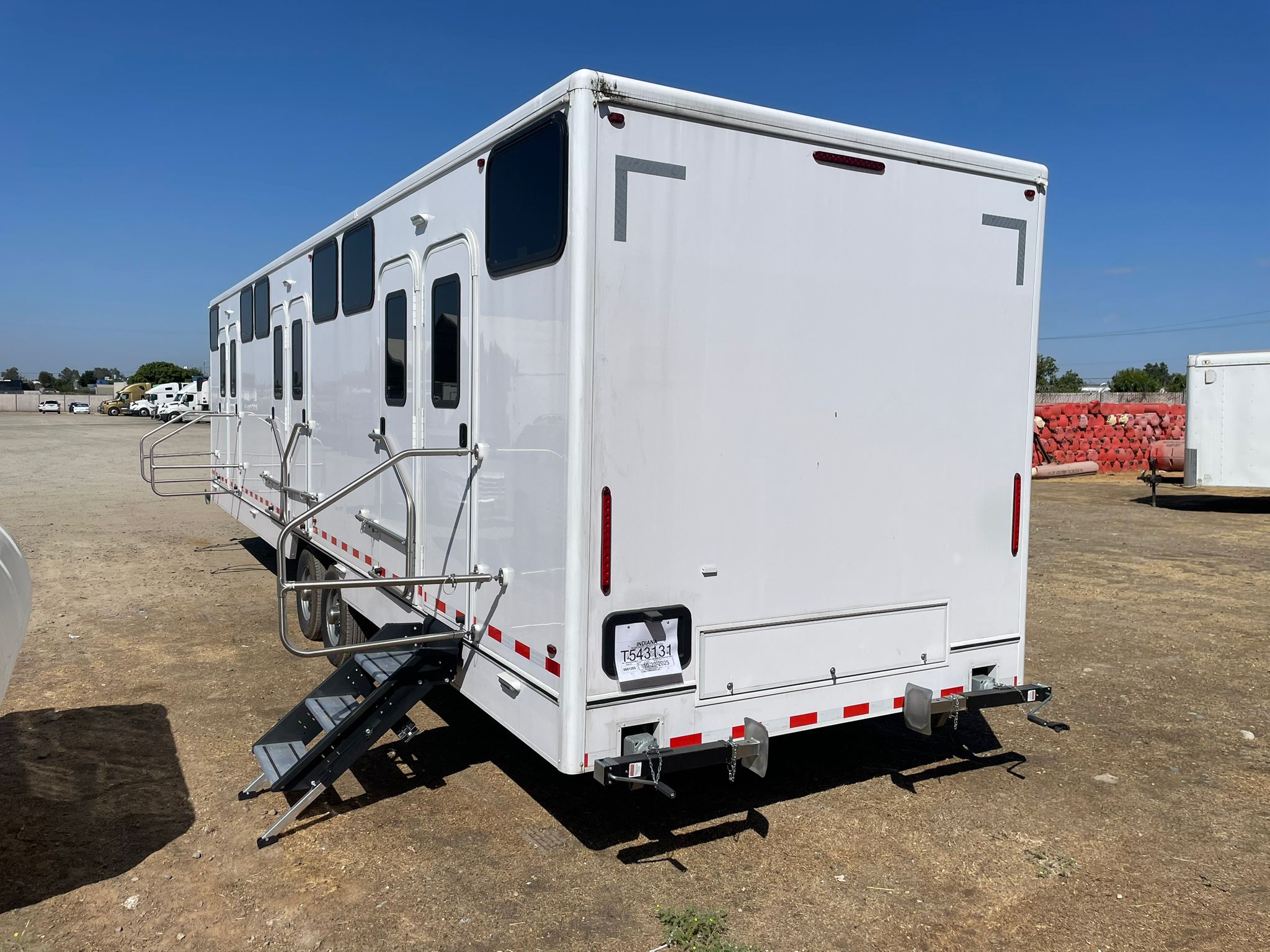
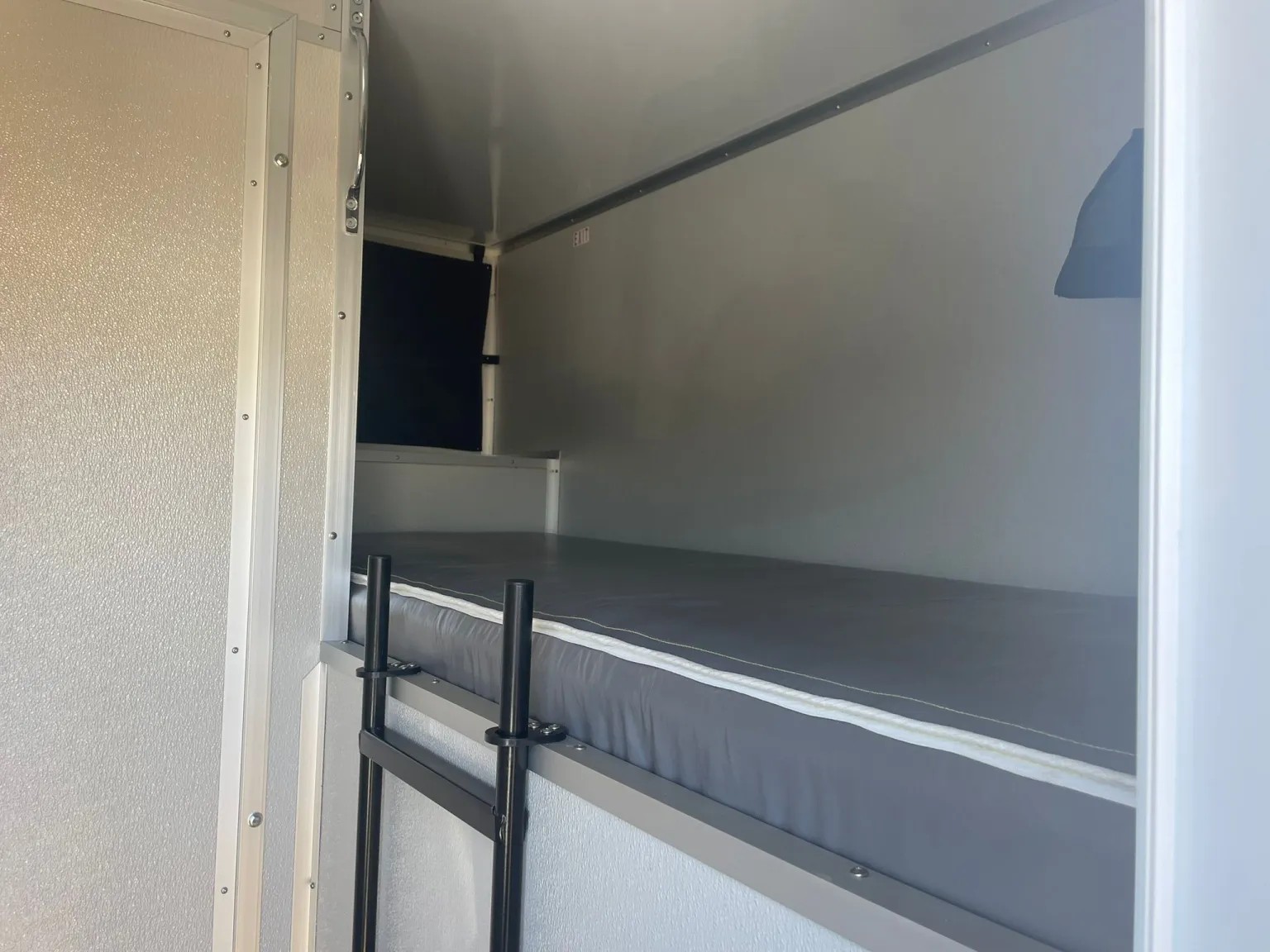
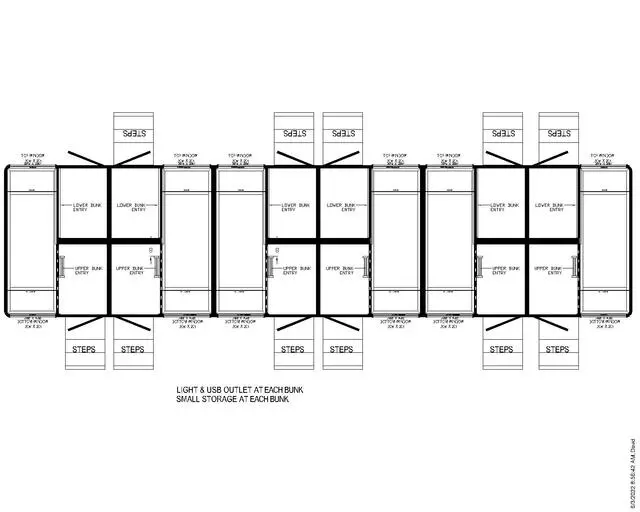
Some camps ask about hot-bunking, where a day worker and a night worker share one bunk on a fixed schedule. We plan one bunk per person for the entire deployment, because shared bedding spreads illness through a camp and a worker coming off shift should never wait for a bed to open. Each trailer sleeps 12, and that is the number we size every order around.
Rest rules and camp standards that shape responder housing
Wildland fire has the clearest rest standard in emergency work. The National Wildfire Coordinating Group work/rest guide calls for 1 hour of sleep or rest for every 2 hours of work or travel. Assignments run 14 days, not counting travel, with a hard cap of 21 days on approval from the Incident Commander. Rest only counts if the crew can actually sleep, and that starts with where the bed sits.
The same group defines the spike camp, a small camp set close to remote work on a large fire. NWCG says it exists to prevent excessive fatigue and to reduce the chance of a collision on the long drive back to the main camp. Hurricane restoration and debris crews face the same long drives after long shifts, which is the practical case for a sleeper trailer at the staging yard.
Driving limits change during a declared emergency. The Federal Motor Carrier Safety Administration can lift hour limits for up to 14 days under a governor's declaration. A presidential declaration extends that relief to 30 days. The relief covers direct help such as power and fuel delivery, which means crews work longer hours and need rest closer to the job. The National Response Team also publishes federal guidance on managing worker fatigue during disaster operations.
Heat is the other live issue. OSHA proposed a heat injury and illness prevention rule on August 30, 2024, covering about 36 million workers, and it is still in rulemaking. For temporary worker camps, OSHA 29 CFR 1910.142 sets rules for camp sites, including drainage and sanitation. Your safety lead decides how each standard applies. We place trailers to fit that plan.
- NWCG work/rest guidelines: 1 hour of rest for every 2 hours of work or travel, with 14-day assignments and a 21-day maximum on approval.
- NWCG Base/Camp Manager standards (PMS 311-42): Sets the job standards for the people who plan and run incident base camps and spike camps.
- FMCSA emergency relief, 49 CFR 390 to 399: Lifts driver hour limits for direct help during a declared emergency, from 5 days for a local emergency up to 30 days for a presidential one.
- OSHA 29 CFR 1910.142, Temporary labor camps: Sets camp site rules for temporary worker housing, including drainage and sanitation.
- National Response Team worker fatigue guidance: Federal guidance for managing worker fatigue during disaster operations.
What disaster crews do when there is no crew housing trailer
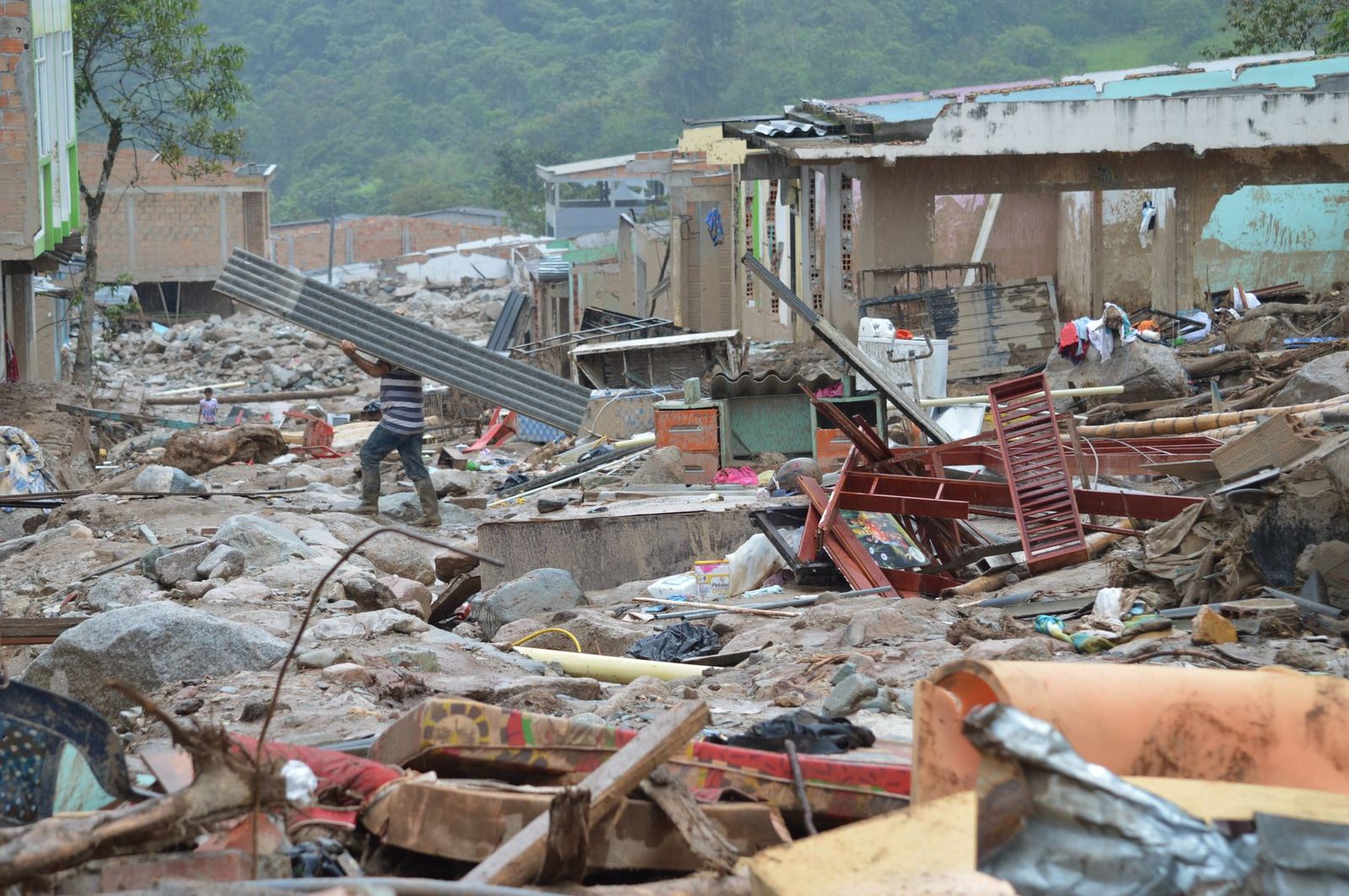
Hotels are the default choice, and they disappear first. During Hurricane Ian in September 2022, Florida hotels that reported open rooms before the storm filled quickly with evacuees and disaster response personnel. Utility workers ended up competing for the same rooms as evacuees who had to leave their homes.
When the rooms are gone, crews improvise with whatever is available. Some sleep in their trucks or in tents near the work. Others sleep in the cab with the engine idling all night, for heat during an ice storm or for cool air in August. A trailer with 12 real bunks and 3 AC units ends that on the first night.
The long drive costs more than fuel. It eats hours a crew never gets back, and it puts exhausted drivers on dark rural highways after a double shift. In the utility industry, 41% of employers report safety incidents connected to worker fatigue, and 91% call fatigue a workplace problem. A bed at the staging yard is the simplest fix an emergency manager controls.
- 54 crew hours lost each day when 36 workers drive 45 minutes each way
- 756 crew hours lost over a 14-day assignment at that pace
- 24 pickup trips a day for 36 workers riding 3 to a truck
- 3 trailers put those same 36 workers a short walk from the job
Three typical setups, worked out plainly
Typical setup: Gulf Coast hurricane staging yard, 60 line workers, late September
A typical job like this starts with a call from a utility storm coordinator about 48 hours before a late-September hurricane reaches the Gulf Coast, with a 60-person mutual aid crew and no confirmed rooms. Five trailers are held until the staging yard GPS pin comes in. Once the roads open, the trailers go in right behind the first bucket trucks. Night shift gets the two trailers farthest from the generators. On a 21-day stay, nobody has to go looking for a motel.
Typical setup: burn-area debris cleanup, 36-person crew, early winter
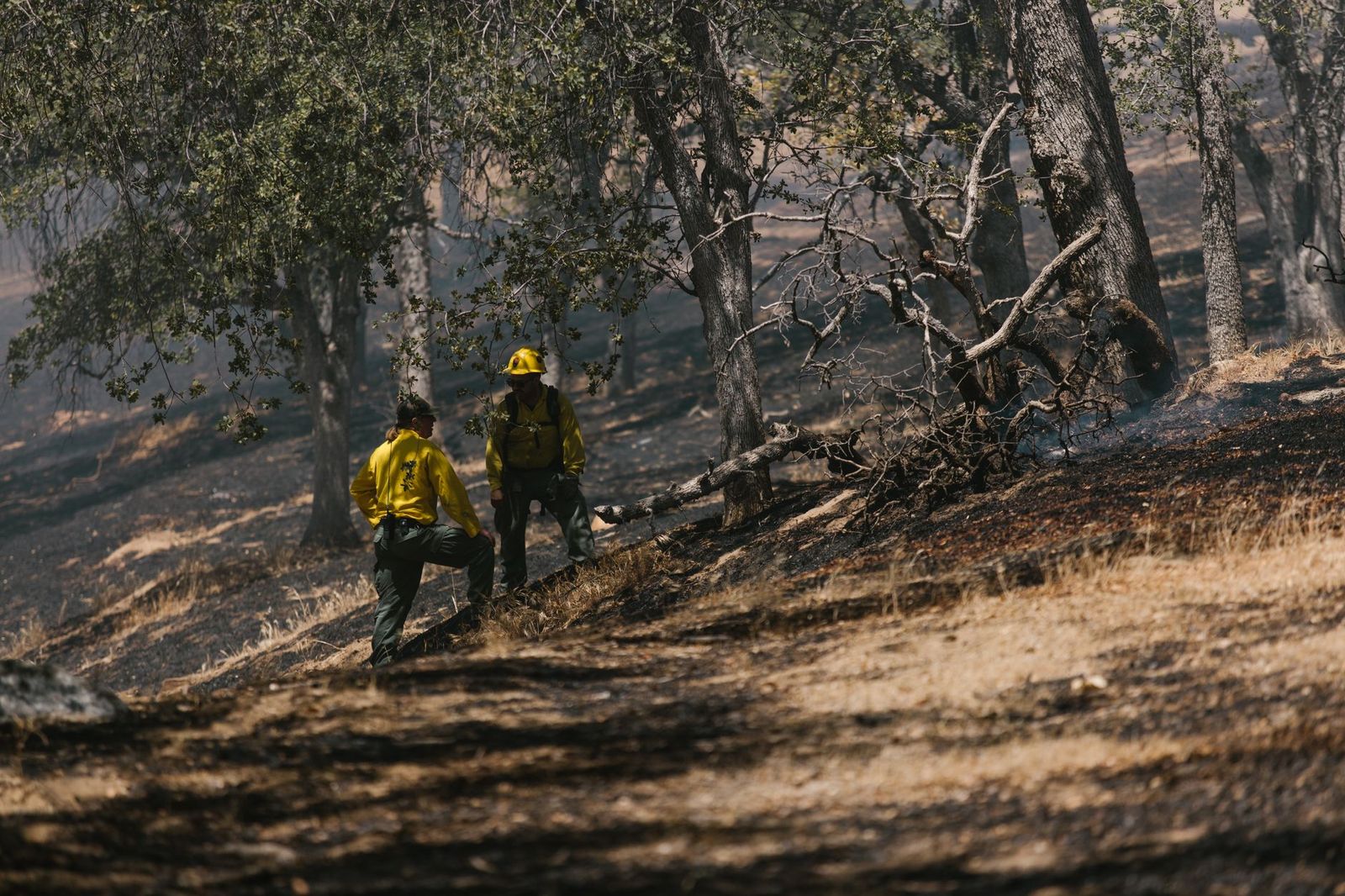
On a debris job like this, a project manager may have 36 workers clearing burned lots in the Sierra foothills, with the nearest open rooms more than an hour away. Three heated trailers sit on a gravel lot beside the debris yard, well back from the grinder. Frost hits most mornings in December, and the thermostats keep all 36 bunks warm on generator power. The daily commute drops from 70 minutes to a two-minute walk, which takes a long drive on tired legs off the schedule. The trailers can stay until the last lot passes its final inspection in February.
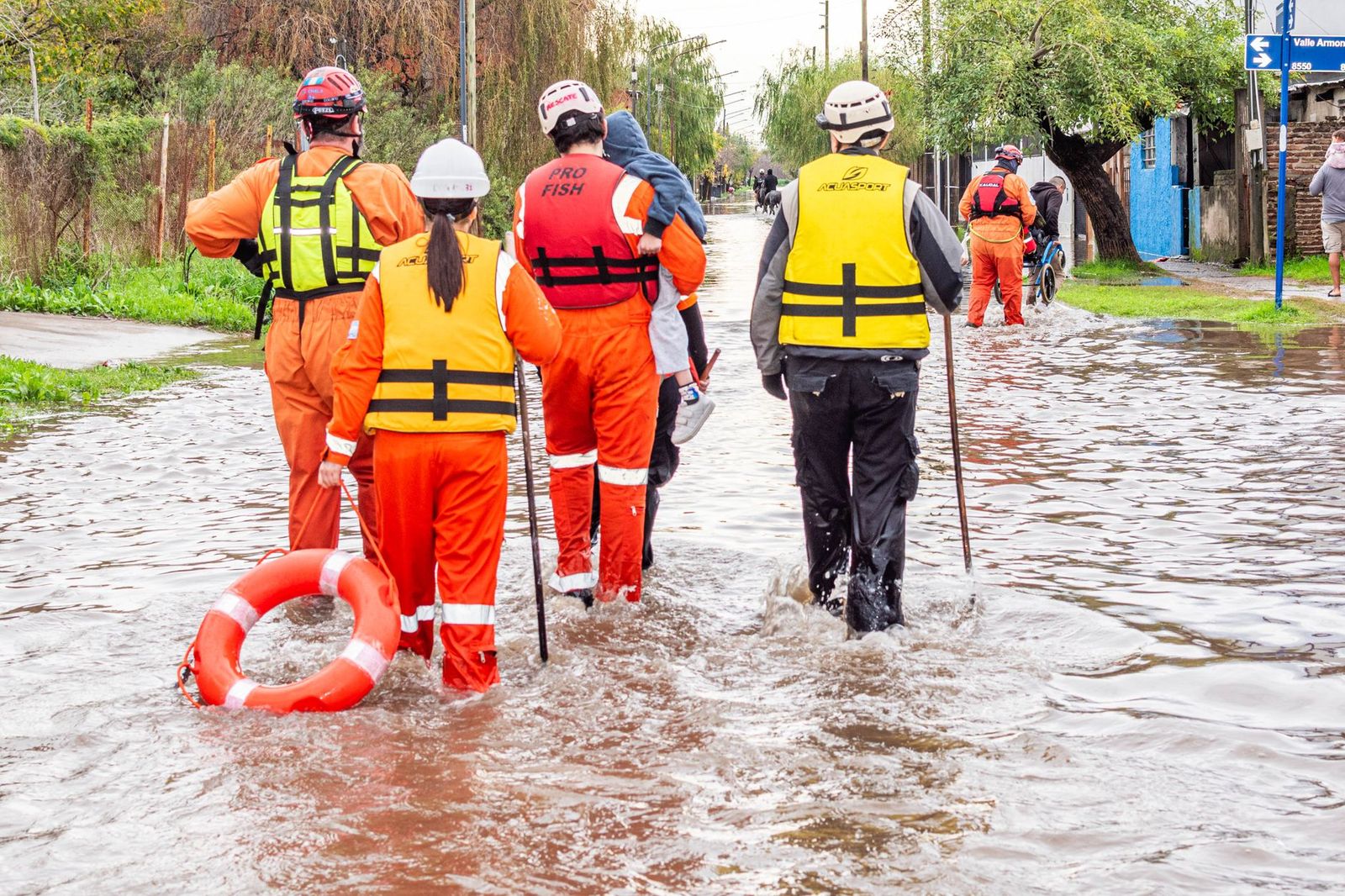
Typical setup: river flood recovery at a county fairgrounds, 24 responders, spring
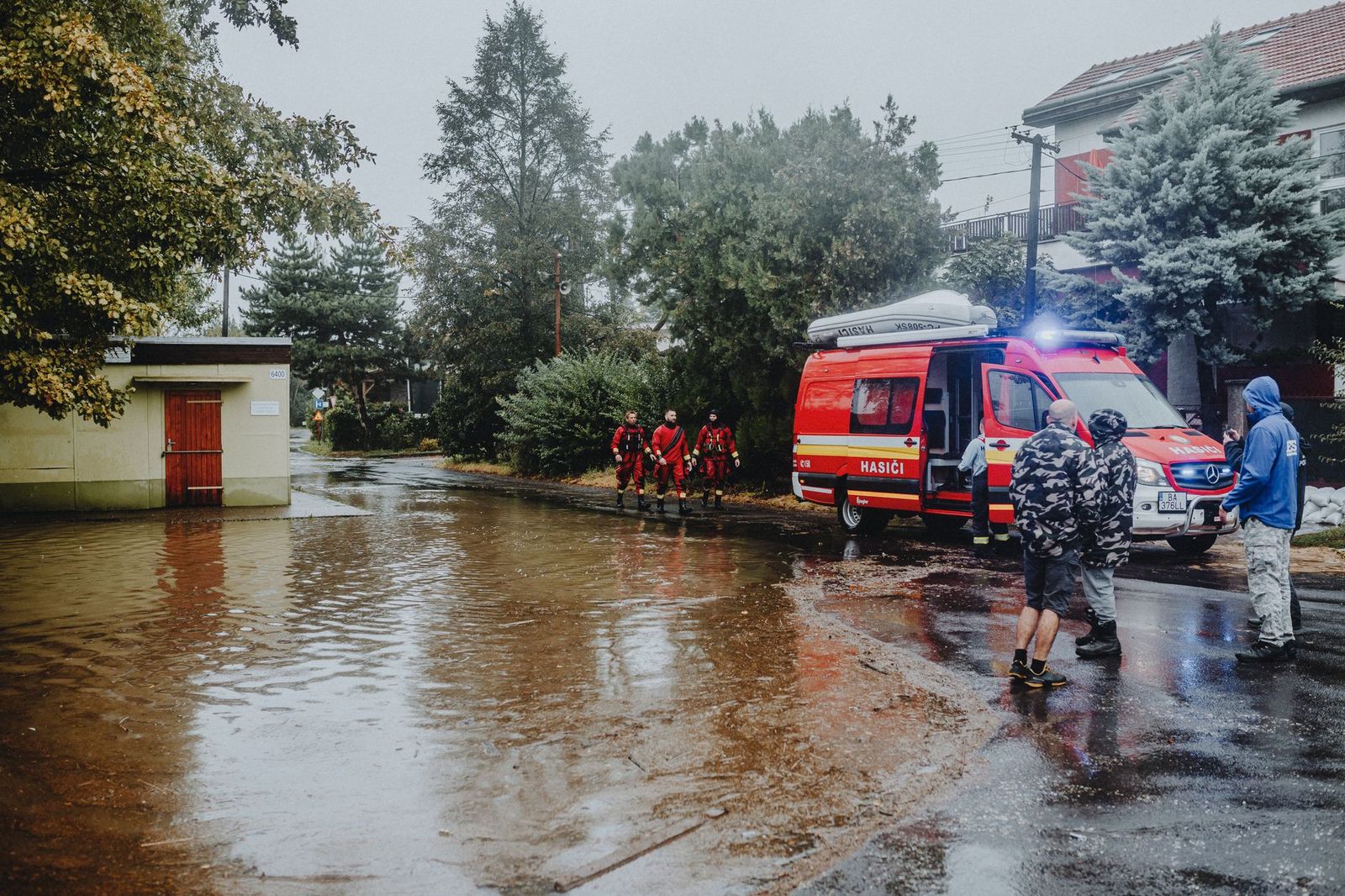
On a flood recovery like this, a county emergency manager needs beds for 24 agency and relief staff after a spring river flood closes half the motels in town. Two trailers go on high ground at the county fairgrounds, a short walk from the shower units. The day shift and the night shift each get their own trailer, 12 bunks apiece. When the water drops and staff begin rotating home after 14 days, one trailer can be pulled and the other left for the final week of recovery work.