Skip to content
Delivered to all 50 states 24/7 dispatch: (888) 828-7765

Event and Festival Staff Housing

Portable Bunkhouse Trailer Rentals for Event and Festival Staff

Your event crew sleeps a short walk from the stage when a 34 ft sleeper trailer with 12 bunks is parked behind the production office. We deliver it and set it up level, so the heating or air conditioning is already running before your build crew arrives for the first shift. The same trailer works on open festival grounds and on paved speedway lots, wherever the closest available hotel room is a long drive away. Call (888) 828-7765 at any hour, or request a quote with your event dates and crew size, and we will plan the delivery around your load-in schedule.

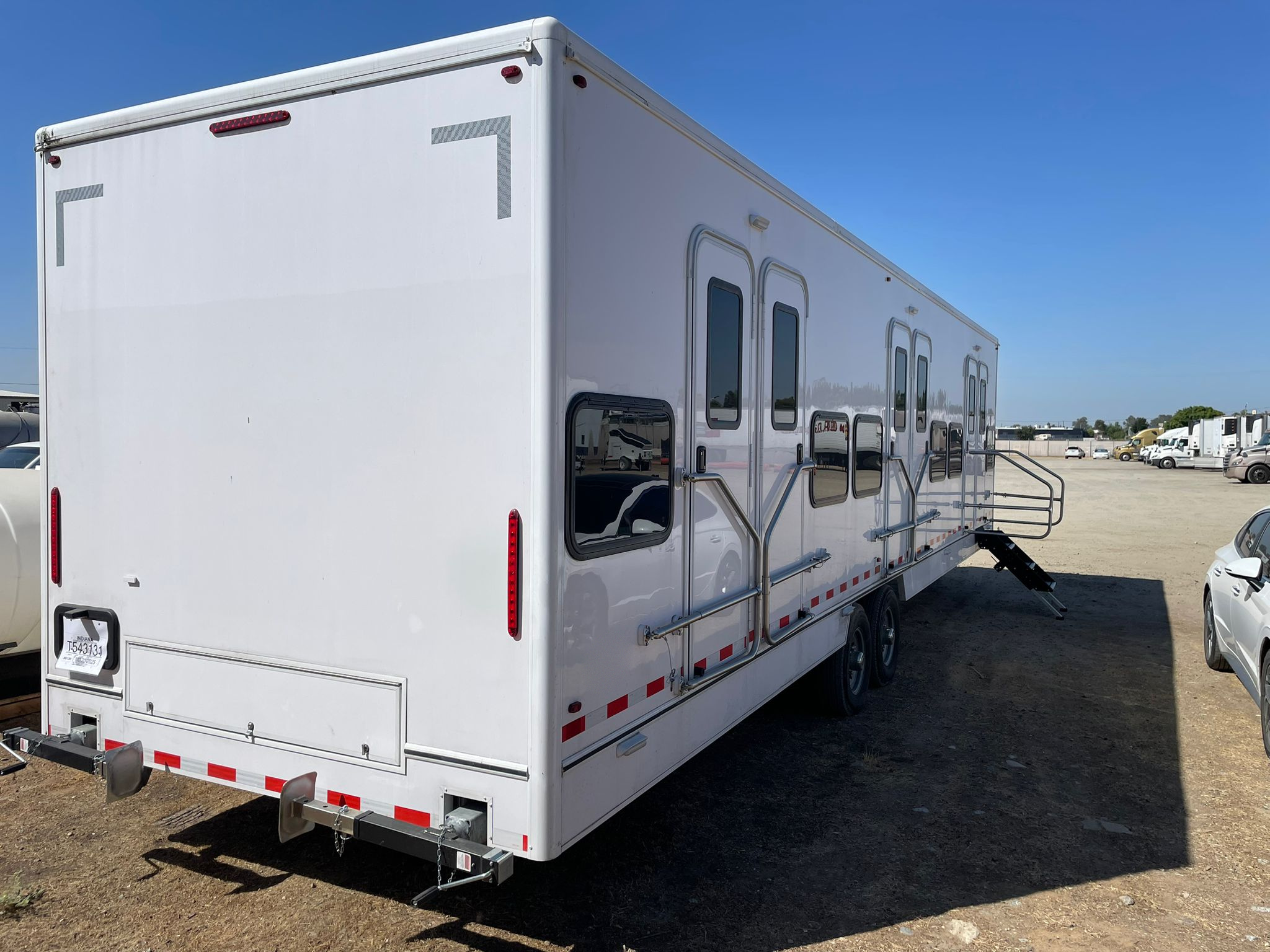
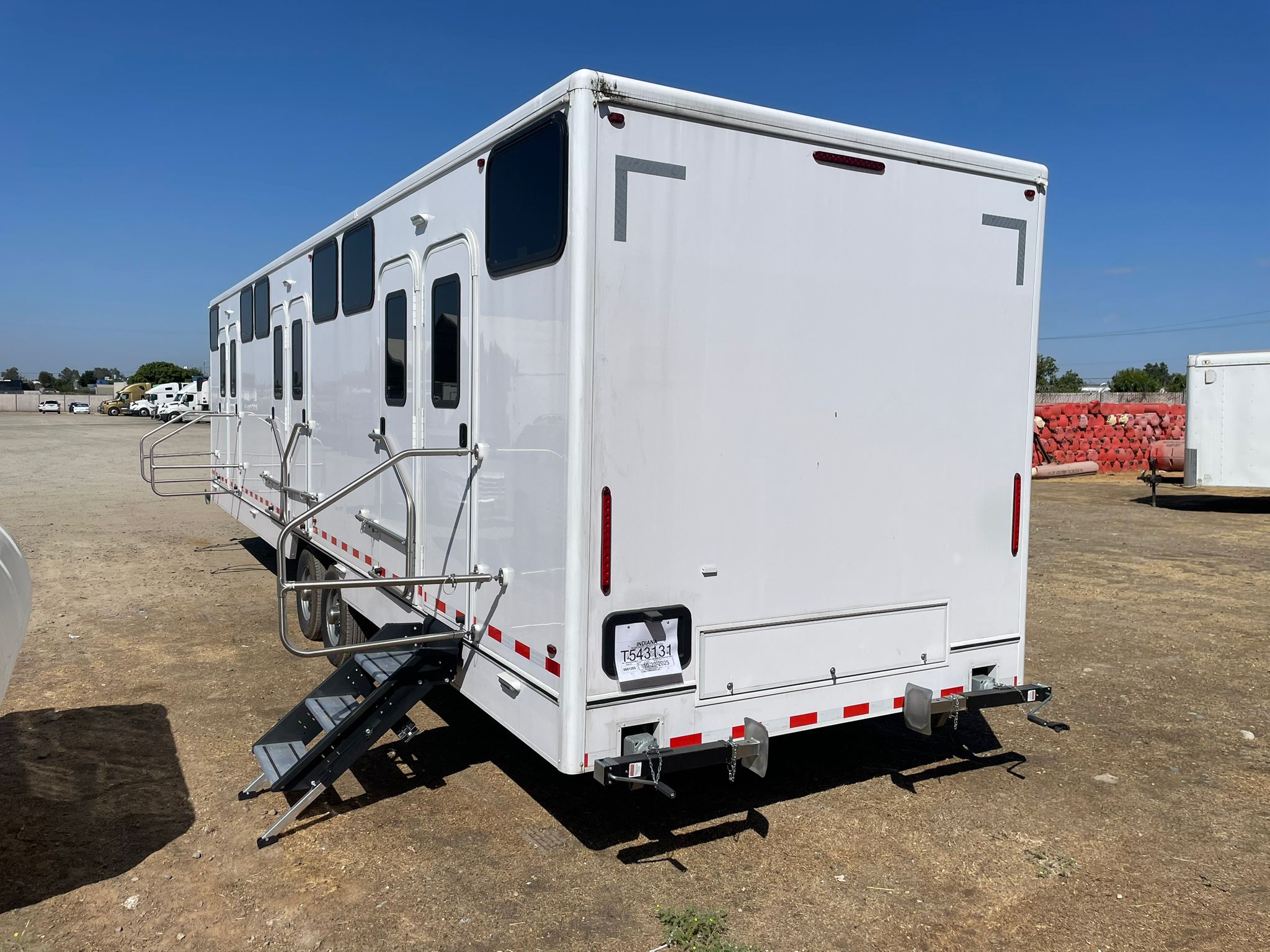
34 ft bunkhouse sleeper trailer with three bunk entry doors and built-in steps
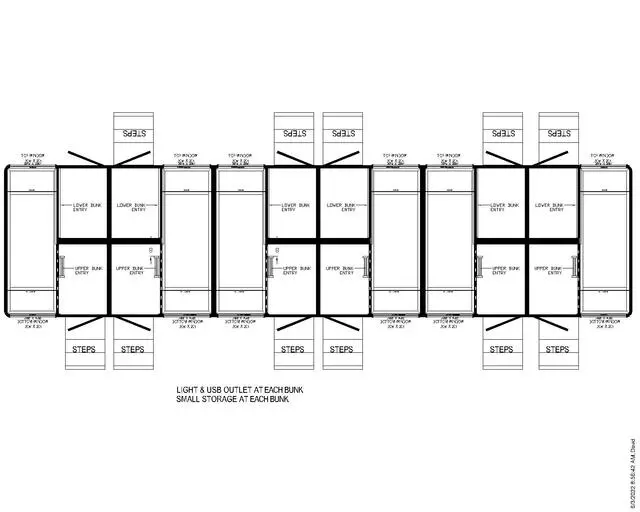
  • Sleeps 12 6 upper and 6 lower bunks per trailer
  • 3 AC units with heat, for hot desert afternoons and cold December nights
  • All 50 states delivered and set up level on the event grounds
  • 24/7 dispatch at (888) 828-7765
  • 12,000+Trailer deliveries across our network
  • 50Delivery to all 50 states
  • 24/7Dispatch answers day and night
  • 12Private bunks in every trailer

Built for construction crews, fire camps, pipeline spreads and utility contractors.

Event crew housing

Crew sleeper trailers that keep your event staff rested and close to the work

Large events need big crews on site long before the gates open to the public. At Coachella, artists get access to the grounds just 10 days before the festival, and production crews are usually working there even earlier. Our 12-bunk sleeper trailers put your production and security staff within a short walk of the job. A long shift then ends with real sleep instead of another drive across town in the dark. Our network has completed over 12,000 successful trailer deliveries, and every event trailer arrives set up with the heating or air conditioning already running. Call (888) 828-7765 to plan the setup with a real person, or send a quote request with your dates and crew size. We deliver to all 50 states, and dispatch answers 24/7, every day of the year.

The 12-Station Bunkhouse Sleeper Trailer is a 34 ft crew quarters trailer with 12 bunks, arranged as 6 upper and 6 lower. Its 3 AC units with heat keep an event crew comfortable through a May afternoon in the desert or a cold December night beside an arena.

What comes with every rental

  • Delivery, leveling and setup by our driver
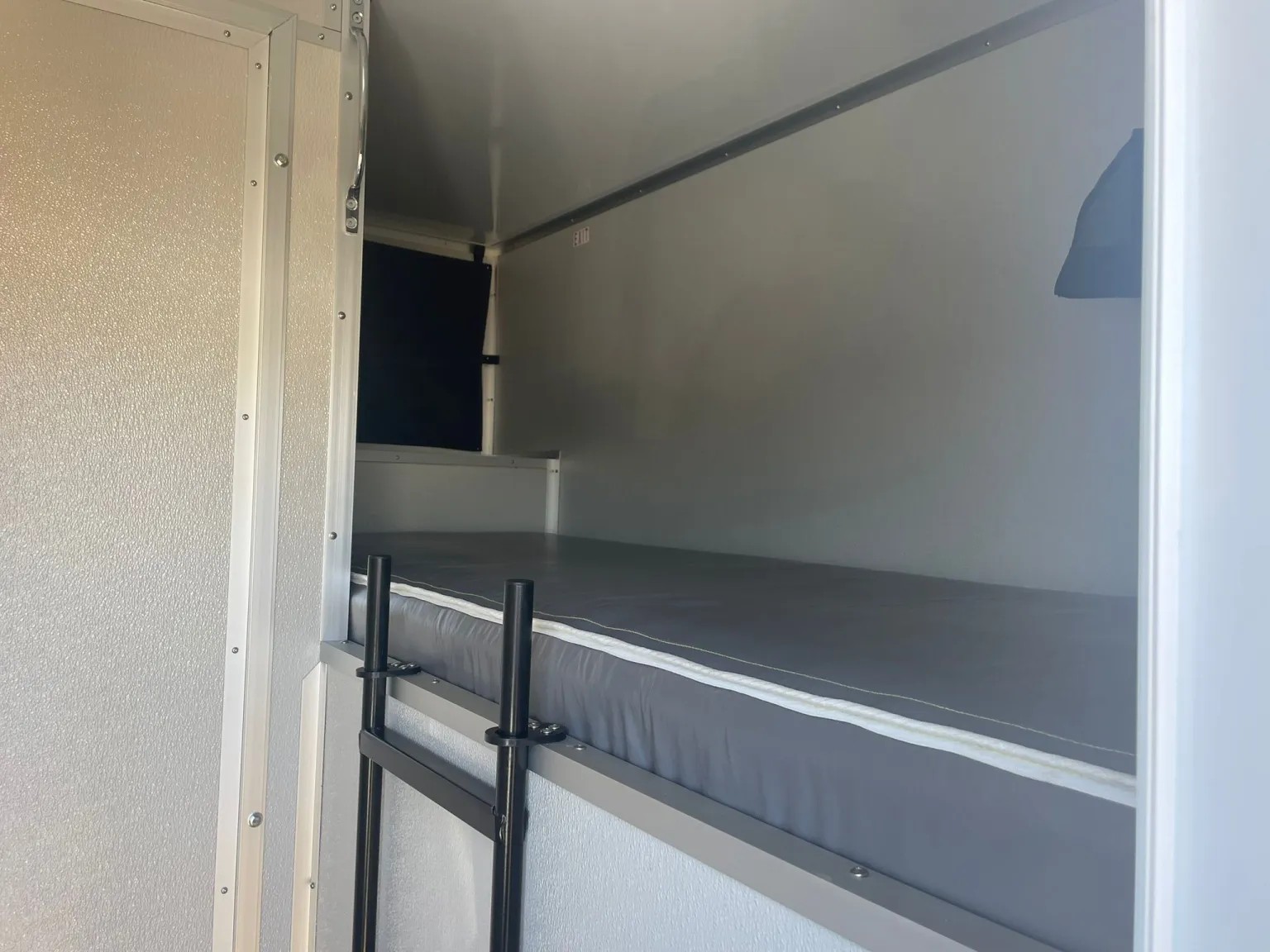
  • Twelve private bunks, each with a light, USB outlet and storage
  • Three AC units with heat and a smart thermostat
  • Built-in steps at every bunk bank
  • Pickup when the job wraps

Skip the guesswork

A closer look at the bunkhouse we deliver, start to finish

Every rental is the same proven unit, so your crew knows exactly what they are walking into.

Every bunk has its own LED light and USB outlet, so each person on your crew can charge a phone and a radio without a power strip. A small storage compartment at each bunk keeps badges and keys in one place overnight. Built-in steps at each bunk bank make the 6 upper bunks easy to reach after a closing shift that ends well past midnight. Most crews learn the layout on the very first night.

The smart thermostat has a digital touch control, so your crew lead can set the temperature once and then leave it alone for the week. The 3 AC units with heat spread cooling along the full 34 ft length, which matters when day sleepers need a cool room in the afternoon. The same climate-controlled trailer also holds its heat on cold desert nights in early spring and late fall. Check the 12-bunk sleeper trailer spec sheet for the complete layout before you book.

Delivery works the same way at a county fairground or on a remote stretch of open desert. The trailer arrives on a truck, and our driver sets it level on the exact spot your site manager picks. It is ready before your first crew shift, with the lights and outlets working at every bunk. The trailer holds bunks only, so plan for restroom and shower trailers nearby on the same pad. Our portable bunkhouse sleeper trailer rentals follow this same simple process for crews in every kind of work.

Spec plate

12-bunk sleeper
Bunks6 upper + 6 lower = 12 total
Sleeps12 people
Length34'
Per-BunkLED light, USB outlet, storage compartment
AccessBuilt-in steps at each bunk bank
AC Units3 (HVAC, smart thermostat)
ClimateAC & Heat, digital touch control

Ready to book the trailer?

(888) 828-7765

Send the site and dates. A dispatcher calls back with a delivery window.

Worth a minute

Reviews from the crews who slept in it, step by step

"Our build crew used to drive 50 minutes to a motel after every 14-hour day, and I watched people show up tired every single morning. Three sleeper trailers arrived level and cooling the day before load-in, so the whole crew slept on site through the build and the show. By the third morning, every call time was easy to hit."

N. C.Festival production manager

"Half of our security team works overnight, which means those people have to sleep through the hottest part of the afternoon. The air conditioning held a steady temperature all day, and every bunk had its own light and a USB outlet for phones and radios. I booked four trailers for two shifts, and nobody complained about the beds all weekend."

A. G.Event security manager

"Stock crews start before sunrise and finish after the last event of the night, so sleep is always short. Having our 12 people in a heated trailer right next to the stock pens made that 10-day December run much easier on everybody. Setup was finished before our trucks even pulled into the lot."

L. B.Rodeo stock contractor
Delivering to all 50 states

Read this first

Delivered to any job site in the country: what to expect

From a pipeline yard in West Texas to a fire camp in the Oregon Cascades, we route a trailer and a driver to where your crew is working, remote and off-grid sites included.

Across the board

The ground our drivers already know, explained

Day one

What sets our bunkhouse trailers apart, in plain terms

  • Twelve private bunks

    Six upper and six lower, each its own space. No cots, no shared air mattresses.

  • Heat and air, three units

    Three AC units with heat and a smart thermostat keep the trailer comfortable in July and January.

  • Light and USB at every bunk

    Each bunk has an LED reading light, a USB outlet and a storage compartment for phones and gear.

  • Delivered and set up

    Our driver hauls it in, levels it and walks your lead through it. You do not need a truck or a hitch.

  • All 50 states

    We plan routes to remote yards, fire camps and storm zones anywhere in the country.

  • 24/7 dispatch

    Call at any hour and a person picks up. Crews change plans at night, and so do we.

Who handles it

Four steps between now and a delivered trailer, explained

  1. Call or send a quote request

    Tell us the site, the crew size and your start date. We answer 24/7.

  2. Plan the drop

    We confirm site access and power, then lock in a delivery window.

  3. Delivery and setup

    Our driver places the trailer, levels it and hands your lead the keys and a walkthrough.

  4. Pickup when you wrap

    Extend as long as you need. When the job ends, we haul it out.

Build and tear-down crews

Sleeper trailers for build crews on open festival grounds

Many large festivals happen on private land that serves as a farm or a polo field for the rest of the year. Coachella and Stagecoach share the Empire Polo Club in Indio, filling three straight weekends on the same grounds every April. The property has road access and plenty of open space, but it has no beds for the crews who build the stages. A mobile sleeper trailer parked near the production office fills that gap for the entire build and tear-down period.

Build crews arrive first and leave last, since the stages have to go up before anything else and come down after the final set. Stage and lighting teams usually work 12-hour days before the gates open, then stay through the show and the tear-down that follows it. A 24-person build crew fits comfortably in 2 trailers, with a dedicated bed for every person on the list. That keeps the same people in the same bunks from the first truck on site to the last truck out.

Some events take place on land with nothing built at all. Black Rock City goes up every year on Bureau of Land Management property about 100 miles north-northeast of Reno, and everything there has to be trucked in. The event's own public works crew builds the street grid before anyone else arrives, and its 2019 records listed 986 employees and 10,000 volunteers. On a site like that, a temporary sleeper trailer with its own heating and cooling is one of the few solid roofs a working crew can count on.

Placement on open ground starts with the path from bed to work. We usually recommend setting the trailers inside the event fence near the production compound, where the overnight security plan already covers the area. Point the doors away from the main stage, because sound checks during build week can run well into the evening. Two trailers side by side on one pad keep the footprint small and put the restroom and shower trailers within a short walk of both.

  • Polo fields
  • Private event grounds
  • Summer farm fields
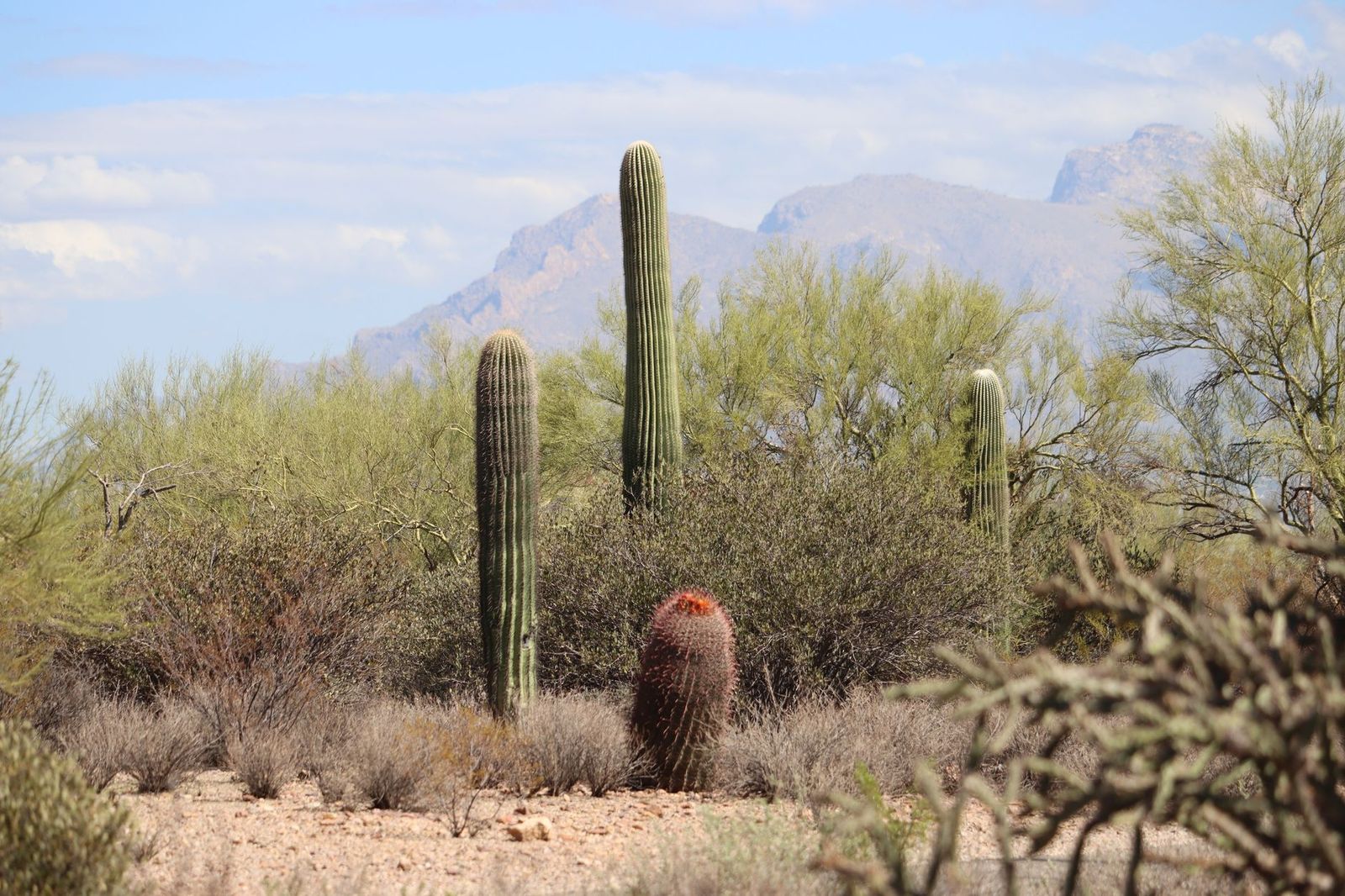
  • Open desert land
  • Production compounds
  • Vendor staging yards
Industrial workforce crew at a jobsite

Security and show-day staff

Crew quarters trailers for security teams on show days

Headcount jumps on show days, and security is usually the biggest part of that jump. EDC Las Vegas draws about 525,000 people over three days, and it takes more than 5,000 staff members to operate the event. Many of those workers travel in from other cities for the weekend, often with no local lodging arranged ahead of time. A crew quarters trailer gives a traveling security team a place to sleep inside the event footprint, close to the command post.

EDC runs from late evening until sunrise, so a large share of its staff works through the entire night. Those workers sleep from the middle of the morning into the afternoon, which is the hottest part of a Las Vegas day. Insomniac moved the festival from June to May in 2018 to get cooler weather at the Las Vegas Motor Speedway. Even in May, an air-conditioned bunk is what lets a night crew actually sleep at lunchtime.

Light and noise matter a great deal for day sleepers, who are trying to rest while the rest of the site stays busy and loud. The LED light at each bunk lets one person pack a bag at noon without lighting up the whole trailer for the other 11 people. Keep the night shift in its own trailers, away from the daytime foot traffic that gathers near staff check-in. A 60-person team working two shifts often splits into 2 trailers per shift for exactly that reason.

Security staff also need a short walk to their posts. Place the trailers where a relief team can get from bed to post in under 10 minutes, and keep every trailer clear of the emergency lanes. The event's safety plan and its security director decide the final location, since they control the perimeter. We deliver the trailers and set them up there before the first show-day shift begins.

  • Speedway festival grounds
  • Staff check-in areas
  • Command post zones
  • Arena back lots
  • Overflow staff lots
Event staging crew rigging a festival stage at dusk

Motorsport and speedway events

Crew housing trailers for motorsport and speedway events

NASCAR sanctions more than 1,500 races at over 100 tracks every year. Its top Cup Series runs 36 points races over 10 months, so traveling crews move from track to track almost every single week. Speedway grounds usually offer paved lots and some utility lines, but the grandstands and infield were designed for fans, not for crew beds. A crew housing trailer parked on a paved lot turns empty pavement into comfortable sleeping space for the entire race weekend.

Speedways also host big events that have nothing to do with racing. EDC Las Vegas takes place on the Las Vegas Motor Speedway grounds, and the Firefly Music Festival used a 105-acre site called The Woodlands of Dover Motor Speedway. These properties have hard ground and wide gates, which makes delivery simple. A 34 ft trailer can back straight onto a lot next to the production trucks in a few minutes.

Race weekends usually mix paid professional staff with a large number of local volunteers. Track marshals are mostly unpaid volunteers who train in flag signals and basic track first aid, and many of them live fairly close to the track. Housing usually falls to the paid crews who travel with a racing series or work directly for the promoter. For those crews, a mobile sleeper trailer at the track saves a long drive after the final session of the night.

Many of the same crews also drive the trucks that haul equipment between tracks. Federal hours of service rules limit a truck driver to 11 hours of driving inside a 14-hour on-duty window, followed by 10 hours off duty. A heated bunk at the track turns those 10 hours into real rest instead of a motel search after midnight. The next haul then starts with a driver who actually slept.

  • Speedway infields
  • Race weekend lots
  • Team hauler parking
  • Track-side staging yards
  • Dirt track grounds
Festival production crew in a control booth

Rodeos and fairs

Bunk trailers for rodeo crews and long fair runs

Rodeo travels constantly. The PRCA sanctions several hundred rodeos a year across 12 regional circuits, and its staff grows from about 70 to nearly 100 during the peak season. Stock contractors haul bucking horses and bulls to events across the United States and Canada, with handling crews traveling alongside the animals. A 12-person stock crew fits a bunk trailer exactly, with a bed for everyone and no complicated shift math.

The National Finals Rodeo runs 10 straight days every December at the Thomas and Mack Center in Las Vegas. It draws more than 170,000 fans over that run, and those fans need hotel rooms during the same 10 days as the working crews. Stock crews also need to sleep close to the animals, since morning chores begin well before sunrise. A heated sleeper trailer on a back lot keeps that crew near the pens through a cold desert December.

Fairs run longer. The State Fair of Texas starts on the last Friday in September and runs 24 days at Fair Park in Dallas. That 277-acre property has about 200 acres covered in asphalt or concrete, which makes delivery easy for our drivers. It offers no place for vendor and livestock crews to sleep, though, so a crew housing trailer on a service lot can stay for the entire run.

Longer runs change how you plan the space, because the same crew lives in the same trailer for several weeks instead of a weekend. A 24-day fair means 24 nights in the same bunks, so the storage compartment at each bunk gets steady daily use. A consistent thermostat setting also matters more than it does during a short weekend event. Ask the fair office where staff vehicles usually park, since the trailers normally sit in that same area. Crews who move between seasonal jobs can also browse our sleeper trailers across other industries, from utility work to wildfire camps.

  • Arena back lots
  • State fairgrounds
  • County fairgrounds
  • Livestock barn areas
  • Vendor service lots
Aerial view of festival grounds with production tents

How to Plan Crew Housing for This Work

Planning housing for event and Festival Staff Housing comes down to four questions: the headcount sleeping on site, the expected length of the assignment, the electrical capacity available at the pad, and delivery access for a truck and trailer. The sections below work through each question in order.

How we deliver and set up a sleeper trailer at an event site

Event dates are fixed months ahead, which makes crew housing easy to plan early. Coachella's booking process starts in August for an April show, about 6 months before the first weekend. Book your sleeper trailers once the build dates are firm, then confirm the final crew count 2 to 3 weeks before load-in. We plan every delivery so each trailer is set at least a day before the first crew arrives.

Delivery day should stay clear of the heaviest truck traffic. Stage and lighting trucks crowd the gates during load-in, so we schedule the trailer drop before that rush or during a quiet window your site manager chooses. The driver needs a gate pass or a name on the delivery list, along with a site contact who answers the phone. A 34 ft trailer also needs room to back in, so mark the exact spot before the truck arrives.

The most common delivery problem at an event is a spot that looked flat in a photo. Grass fields soften after rain, and a trailer parked on soft ground can settle enough to bind a door. We bring blocking and set the trailer level on arrival, and we come back to check it if the crew reports any movement. Power is the other common gap, since a generator sized for work lights may not carry 3 AC units during a hot afternoon.

Pickup follows tear-down. Crews that finish tear-down in stages can release trailers one at a time, so the last crew still has beds while everyone else heads home. The same delivery steps apply to our bunkhouse trailers for construction crews, where the site layout also changes from week to week. On private grounds and fairgrounds, an early pickup is important because the property usually returns to its normal use within days.

  • A level spot longer than the 34 ft trailer, with enough room for the truck to back in
  • Gate access details and passes for the delivery driver and the truck
  • Power from a grid hookup or from a generator sized for 3 AC units with heat
  • Restroom and shower trailers close by, since the sleeper trailer holds bunks only
  • A site contact with a working phone number on delivery day
  • Your load-in schedule, so the delivery avoids the busiest gate hours
  • A planned pickup date after tear-down, even if it is still a rough estimate
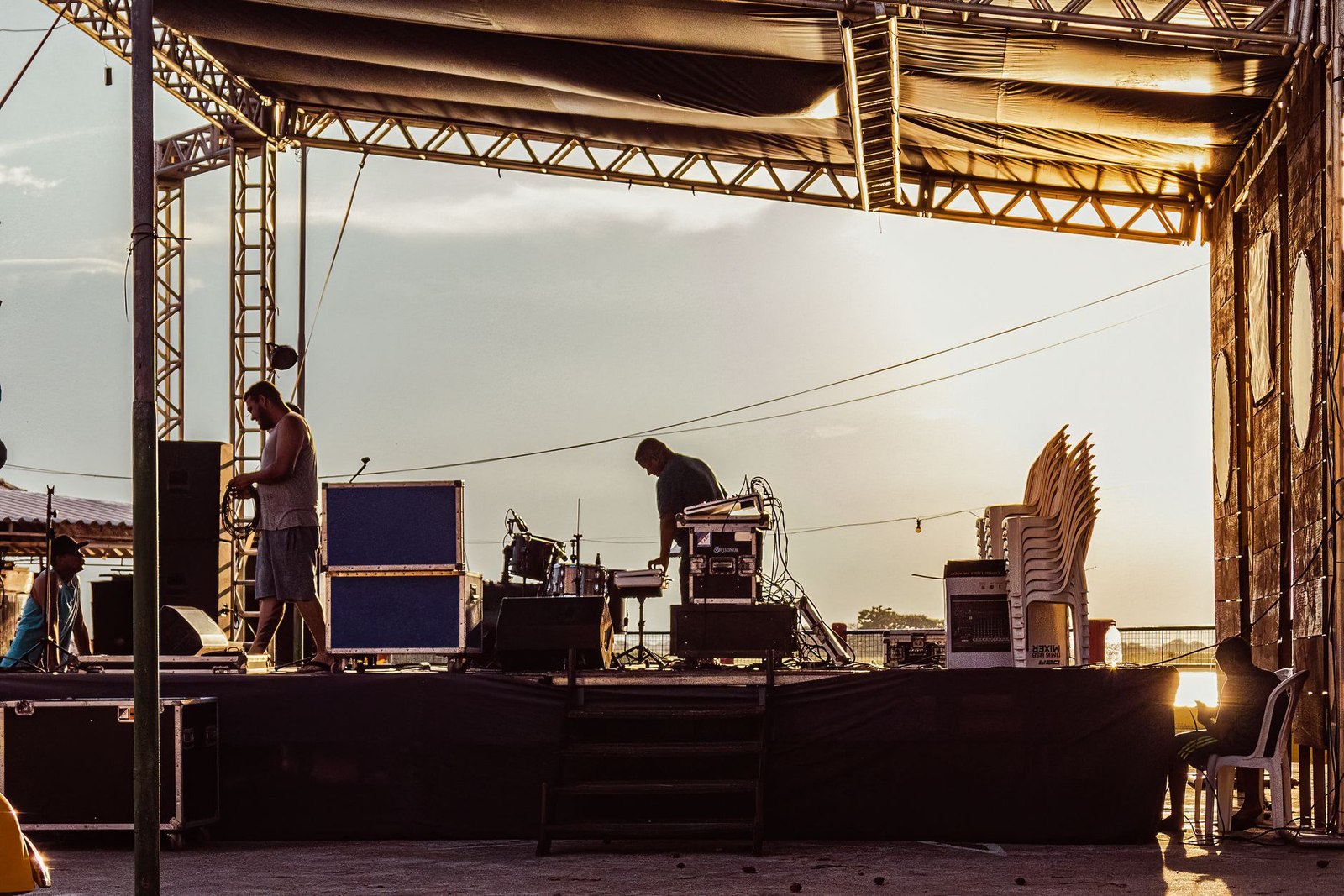
Festival production crew building the stage at golden hour

How many bunk trailers your event crew needs

ScenarioCrew sizeTrailers
Rodeo stock crew12 people1 trailer
Small build crew20 people2 trailers
Stage build crew24 people2 trailers
Full production crew36 people3 trailers
Two-shift production crew36 people2 (shared bunks)
Show-day security team60 people5 trailers
Two-shift security team60 people3 (shared bunks)

The basic math is simple, because you divide your crew by 12 and round up. A 24-person crew needs 2 trailers with one bunk for each person. A 60-person security team needs 5 trailers on the same basis, and a 20-person crew still needs 2, which leaves 4 spare bunks for relief staff.

Shared bunks change the math when your crew works two 12-hour shifts. Only half the crew sleeps at any one time, so a 36-person crew needs 18 bunks and fits in 2 trailers with 6 to spare. A 60-person team on the same rotation needs 30 bunks, which 3 trailers cover. Ask your crew leads first, because many crews strongly prefer one dedicated bunk per person, and we can size the plan both ways on the phone.

Headcount changes constantly. A build crew of 24 can grow to 60 on show days, then drop back to about 30 for tear-down. Sizing for the peak all month means paying for empty bunks through most of the job. A smarter plan starts with 2 trailers for the build and adds 3 more for the show days. We then pick up the extra trailers first when tear-down begins.

Heat and driving rules that affect event crew housing

OSHA's heat guidance for outdoor workers centers on water and rest breaks, with shade or cooling available during those breaks. It also calls for shorter shifts and more frequent breaks for new workers who are still getting used to the heat. Build crews at a May festival in the desert fit that description during their first week on site. A cool place to sleep between shifts supports that recovery, and your safety manager decides how it fits into your heat plan.

Rest between shifts is a labor issue as well as a safety issue. IATSE represents over 168,000 technicians and craftspersons, and its jurisdiction specifically names concerts along with film and television work. In 2021, its Basic Agreement for film and television set a 10-hour turnaround between shifts, after a strike vote that passed with nearly 99 percent support. A 45-minute drive in each direction reduces that 10-hour turnaround to eight and a half hours before anyone even eats dinner.

The federal GSA per diem system shows how lodging is treated when staff travel for work. It sets a standard rate plus about 300 higher-cost areas, with new rates published every year. Its guidance bases payment on where the work happens, unless lodging is not available at the work location. Agencies that already work with those rates may also want our bunkhouse trailers for military and government teams.

Local rules for staff housing on an event site vary by county and by the terms of your event permit. Your permitting manager and the event's safety team decide which rules apply to your particular site. We send the spec sheet with the bunk layout and the power requirements, so they have everything they need for that review before delivery day.

  • OSHA heat illness prevention guidance: Water and rest breaks with shade for outdoor workers, plus lighter shifts for workers new to the heat.
  • FMCSA hours of service rules: Daily driving and rest limits for commercial drivers who haul gear and livestock between events.
  • IATSE Basic Agreement, 2021: Minimum rest time between shifts for covered film and TV crews, a benchmark many stage crews know.
  • GSA per diem rates: Federal lodging and meal rates by work location, updated every year.
  • Event Safety Alliance guidance: Safety guidance and training for live event teams, including OSHA training courses.
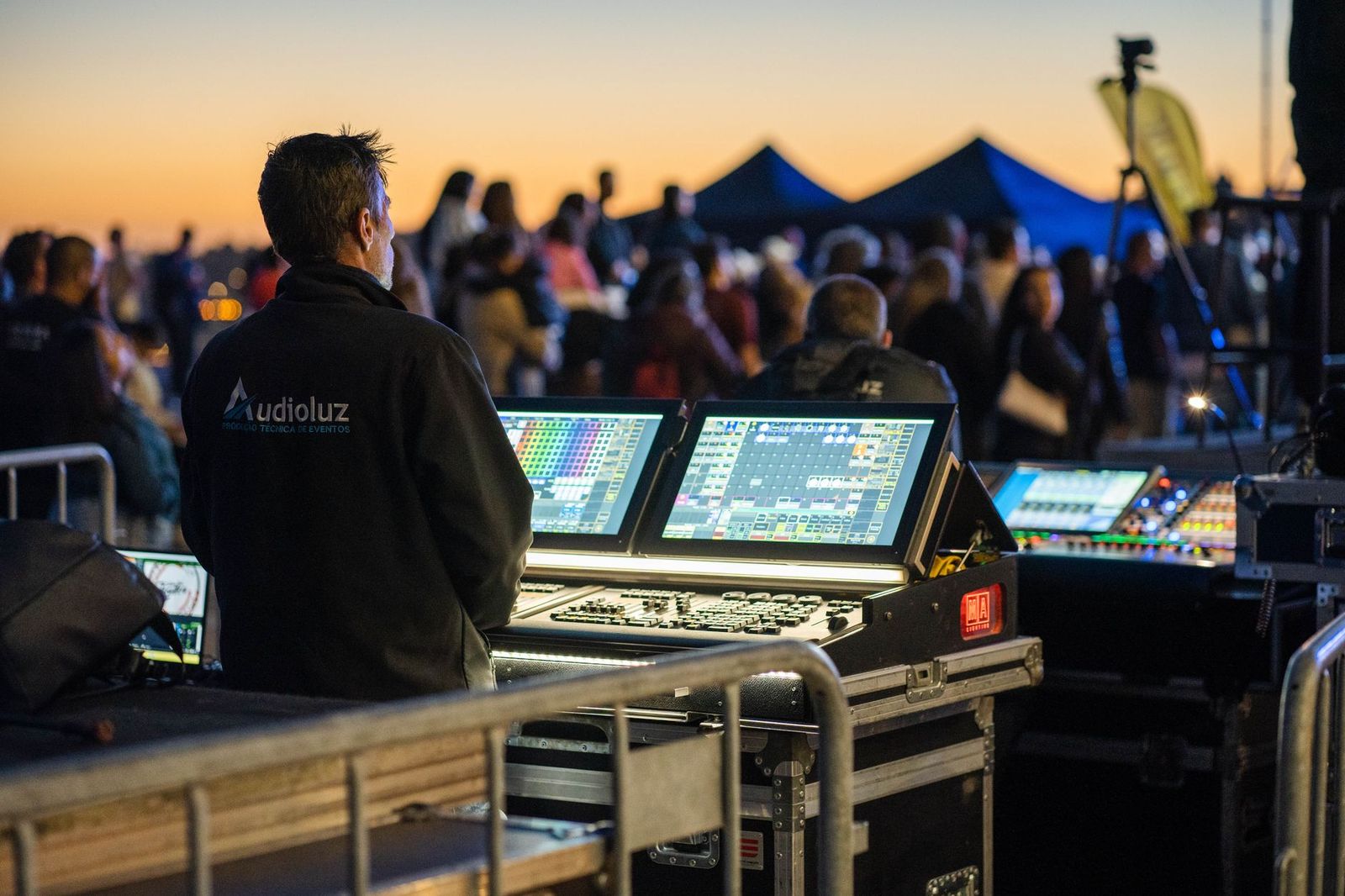
Festival production crew monitoring a show at night

What hotel rooms and long commutes cost an event crew

Most event crews today sleep in hotel rooms booked as close to the site as possible. During a large event, fans want those same rooms at exactly the same time. The Sturgis Motorcycle Rally draws around 500,000 people over 10 days every August, and the town voted in 1982 to end camping in its own City Park. Crew rooms in a town like that often end up far from the work.

Distance turns into drive time, and drive time comes directly out of sleep. A crew staying an hour away spends 2 hours a day on the road, which adds up to 42 hours over a 21-day job. Much of that driving happens after a closing shift that ends around midnight. Federal trucking guidance says fatigue risk peaks between midnight and 6 in the morning.

Room blocks also take a surprising amount of administrative staff time. Someone on your team has to book 18 rooms for a 36-person crew and then match roommates for every one of them. That same person tracks receipts for every room across every night of the job. Three sleeper trailers replace all of that paperwork with one delivery and one pickup.

  • 378 hotel room nights for 36 people, 2 to a room, over a 21-night job
  • 3 trailers sleep the same 36 people on site, one bunk each
  • 90 min of daily driving on a 45-minute commute each way
  • 10+ hrs of commuting across 7 straight shifts at that pace
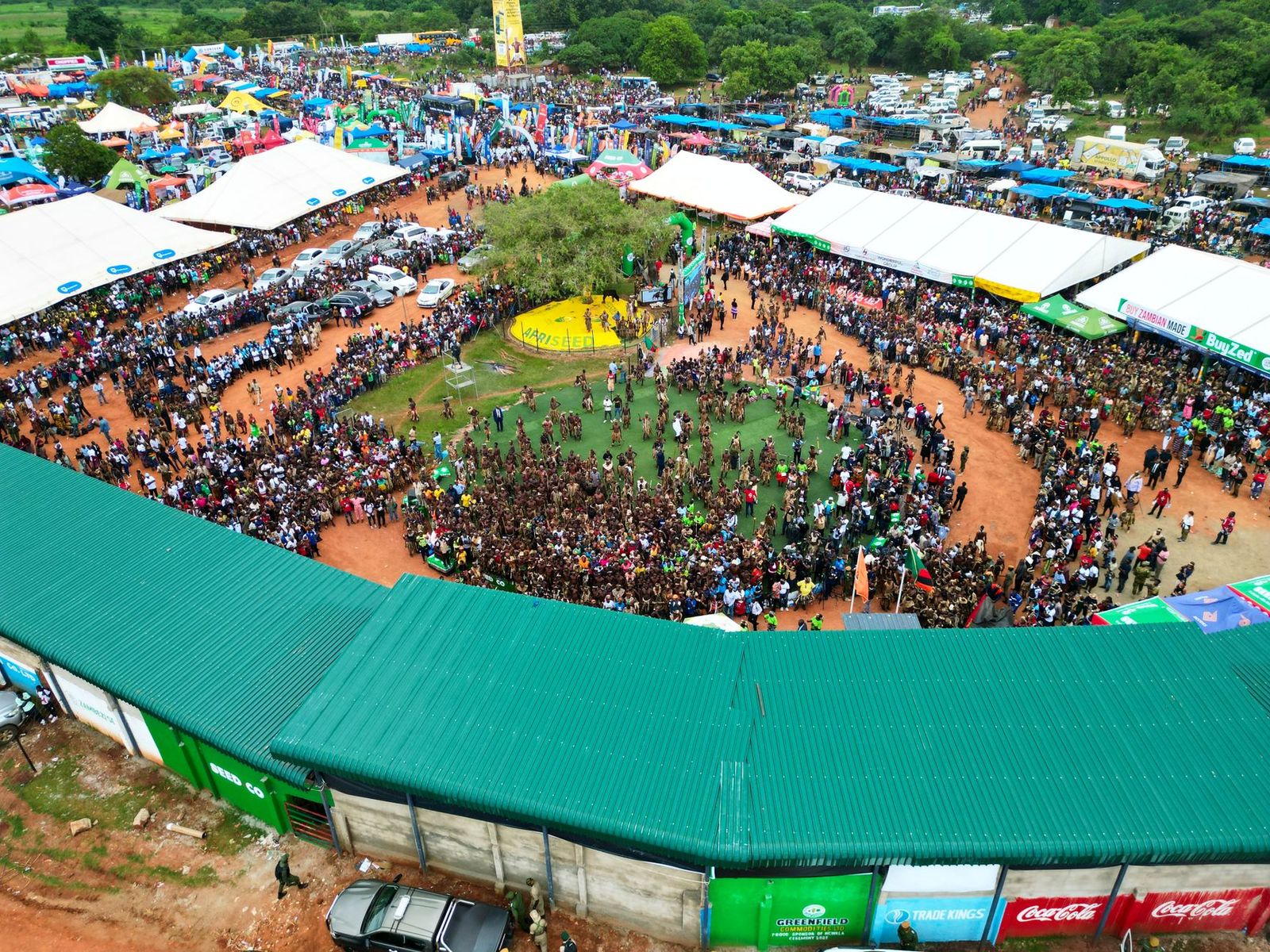
Aerial view of festival grounds and crowds

Three typical setups, worked out plainly, the short version

Typical setup: desert music festival, 36-person build crew, spring

A production manager plans a two-weekend festival on private grounds, with the nearest available rooms about 50 minutes away. Three sleeper trailers go into the production compound behind the main stage the day before load-in. The site manager marks a level spot next to the restroom and shower trailers, and the crew lead sets each thermostat once. Every person gets a dedicated bunk for the full build and show period. Two trailers leave after the first tear-down week, and the last one stays for the final crew.

Typical setup: speedway dance festival, 60-person security team, overnight shifts

A security company staffs an overnight dance festival at a speedway and divides its team into two 12-hour shifts. Four trailers arrive on a paved lot inside the staff gate, with the night shift in two trailers and the day shift in the other two. That split keeps a door opening at breakfast time from waking people who went to bed at dawn. The air conditioning runs through the afternoon, so the night shift sleeps through the hottest part of the day. Pickup happens the following morning, after the final show ends and the security team has been released.

Typical setup: December arena rodeo, 12-person stock crew, 10 nights

A stock contractor brings a 12-person crew to a 10-day arena rodeo in December. One heated, portable bunk trailer sits on a back lot a short walk from the stock pens. Crew members start chores before sunrise and finish after the last performance, so the heat runs all night. Each person keeps gloves and a phone charger at the bunk, and nobody drives across town after midnight. The trailer leaves the morning after the final round, once the stock is loaded for the trip home.

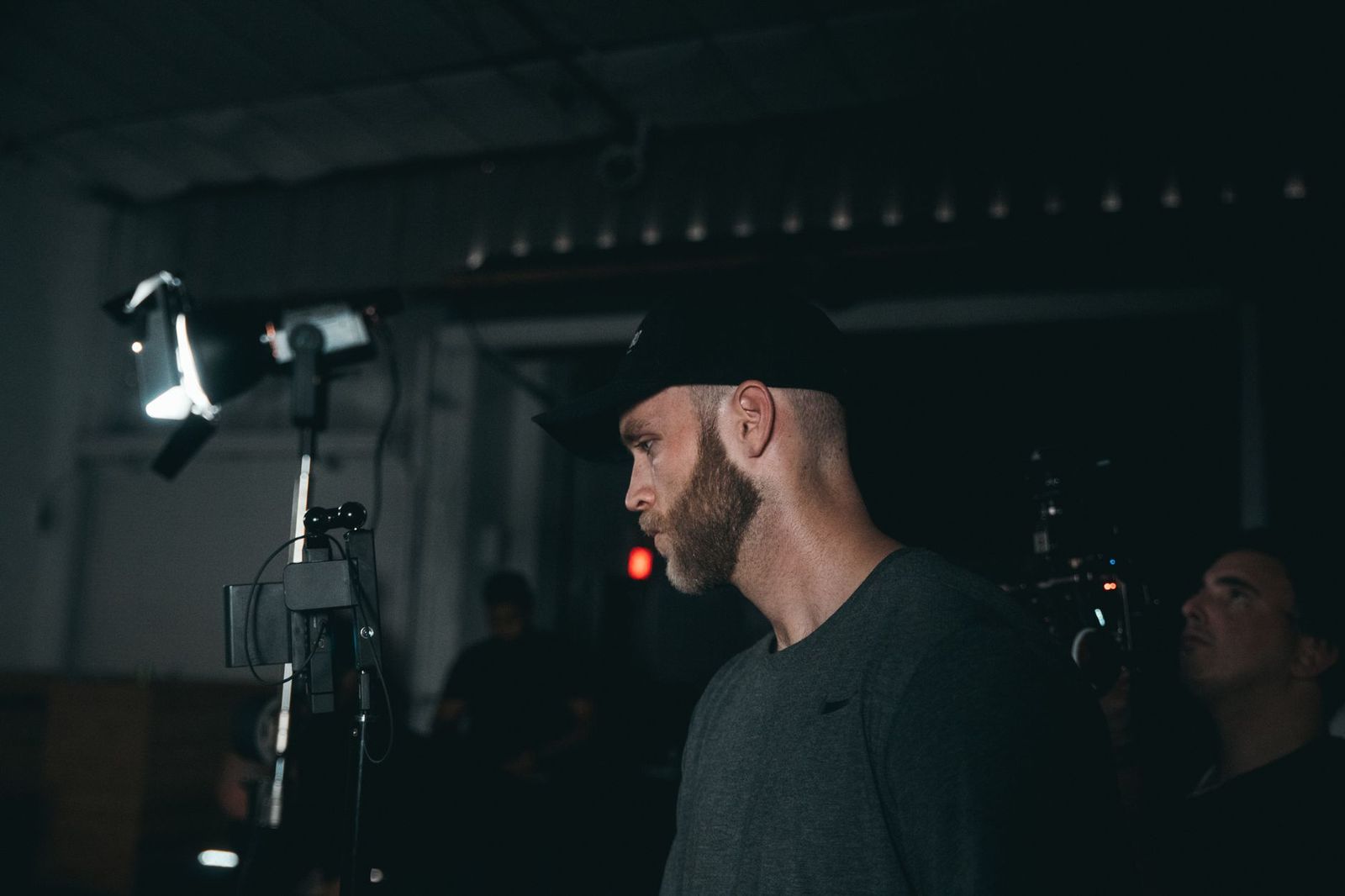
Festival staff checkin booth

In short

Here is how what crews ask before they book works

Film set lighting and grip crew setting up equipment

Where do festival staff usually sleep during a multi-day music festival or event?

Most event crews sleep in hotel rooms, which are sometimes located far from the site because fans have already reserved the closer ones. A sleeper trailer on the event grounds gives your paid staff a comfortable bed within a short walk of the work. Each 34 ft trailer sleeps 12 people in individual bunks, with the heating or air conditioning already running when they arrive.

How many people can sleep in each bunkhouse sleeper trailer at an event site?

Each trailer sleeps 12 people, with 6 upper bunks and 6 lower bunks, and built-in steps at each bunk bank make the upper bunks easy to reach. Every bunk has its own LED light and USB outlet, plus a small storage compartment for personal belongings. For larger crews, simply add another trailer for every additional 12 people on your schedule.

Is this sleeper trailer meant for event guests or for the working event staff?

It is designed for working staff, meaning the production and security crews who keep the event running, rather than for paying guests. It is not a guest lodging product, and it is never sold to fans as camping. Think of it as professional crew housing that happens to be parked at an event, while the guest side stays with the promoter's own plans.

How far ahead should we book sleeper trailers for a festival production crew?

Book once your build dates are firm, which for major festivals usually happens several months before the first show. Large festivals lock their logistics early, so the crew housing plan should follow the site plan as closely as possible. Confirm your final crew count 2 to 3 weeks before load-in, and call (888) 828-7765 if any dates move so we can adjust the delivery.

Can a sleeper trailer run on generator power at a remote event site?

Yes, as long as the generator is sized for 3 AC units with heat running at the same time. Many remote festival grounds have no grid power at all, so a portable generator is the normal arrangement in those locations. Speedways and fairgrounds sometimes have shore power available on site, which your site manager can confirm before the delivery is scheduled. Share your power plan when you request a quote, and we will confirm it against the trailer's requirements.

Does the sleeper trailer have its own bathroom or shower for the crew?

No, the trailer does not include either one, because it holds bunks only, with a light and an outlet at every bed. Crews use separate restroom and shower trailers, which are usually positioned nearby on the same pad so the walk stays short. Plan both locations on your site map early, before the vendor and production areas fill the available space.

How does the IATSE 10-hour turnaround between shifts affect event crew housing?

IATSE won a 10-hour turnaround between shifts in its 2021 Basic Agreement for film and television work. The union's jurisdiction also names concerts, so many stage crews know that number well. A long drive to a distant hotel eats into that window before anyone sleeps. Beds on site keep more of those 10 hours available for actual rest and recovery.

What happens to a crew sleeper trailer if it rains hard at a desert event?

The climate-controlled trailer keeps your crew dry and warm, since it has a solid roof and 3 AC units with heat. The bigger risk is soft ground, so we set every trailer level on blocking at delivery. Choose a location on the highest, firmest ground your site offers, away from low spots where water collects after a storm. If the trailer settles afterward, call dispatch and we will come back to level it again.

Can you deliver a sleeper trailer to a speedway infield or a paved fairground lot?

Yes, paved lots and speedway grounds are some of the easiest event locations for a delivery truck to reach. The truck needs enough room to back in a 34 ft trailer, along with a clear path through the gate. Tell us about gate hours and any tunnel or bridge on the route into an infield, so the driver can plan the approach ahead of time.

Do rodeo stock contractors need their own crew housing near the stock pens?

Stock contractors haul animals to rodeos across the United States and Canada, and their crews need to sleep near the pens for early chores. Hotel rooms near a major rodeo can be scarce and are often located far from the stock. One 12-bunk trailer fits a 12-person stock crew exactly, with a dedicated bed for every person and storage for gear at each bunk.

Is the trailer heated for cold nights at December rodeos and other winter events?

Yes, all 3 AC units also provide heat, and the smart thermostat holds whatever temperature your crew lead selects. That matters at December arena rodeos and on desert grounds, where nighttime temperatures can drop quickly after sunset. Your crew lead sets it once with the digital touch control and rarely needs to adjust it again.

Can event security teams share bunks across two 12-hour shifts to save space?

Yes, that works well if your company allows shared bunks, because only half of a two-shift team sleeps at any given time. A 60-person team therefore needs about 30 bunks, which fit comfortably in 3 trailers with 6 bunks to spare. Many teams still prefer one bunk per person, so we will price both options when you call.

What do you need from our team on the day the trailer is delivered?

We need a level spot longer than 34 ft with a clear path for the truck, plus a site contact who answers the phone that day. Share gate pass details ahead of time, so the driver is already on the list when the truck arrives. Let us know your power source and where the restroom trailers will sit, and the trailer will be set and ready before your crew arrives.

How is event crew housing different from a man camp at an oilfield?

A man camp is a large housing compound built for hundreds or thousands of workers, like the camps in the Bakken oil region of North Dakota. Event crews need beds for a few weeks rather than a year or more, so a permanent compound rarely makes sense. Sleeper trailers scale to the event, from a 12-person stock crew to a 60-person security team, and they leave when the event does.

For context

Reading for the person planning crew housing, step by step

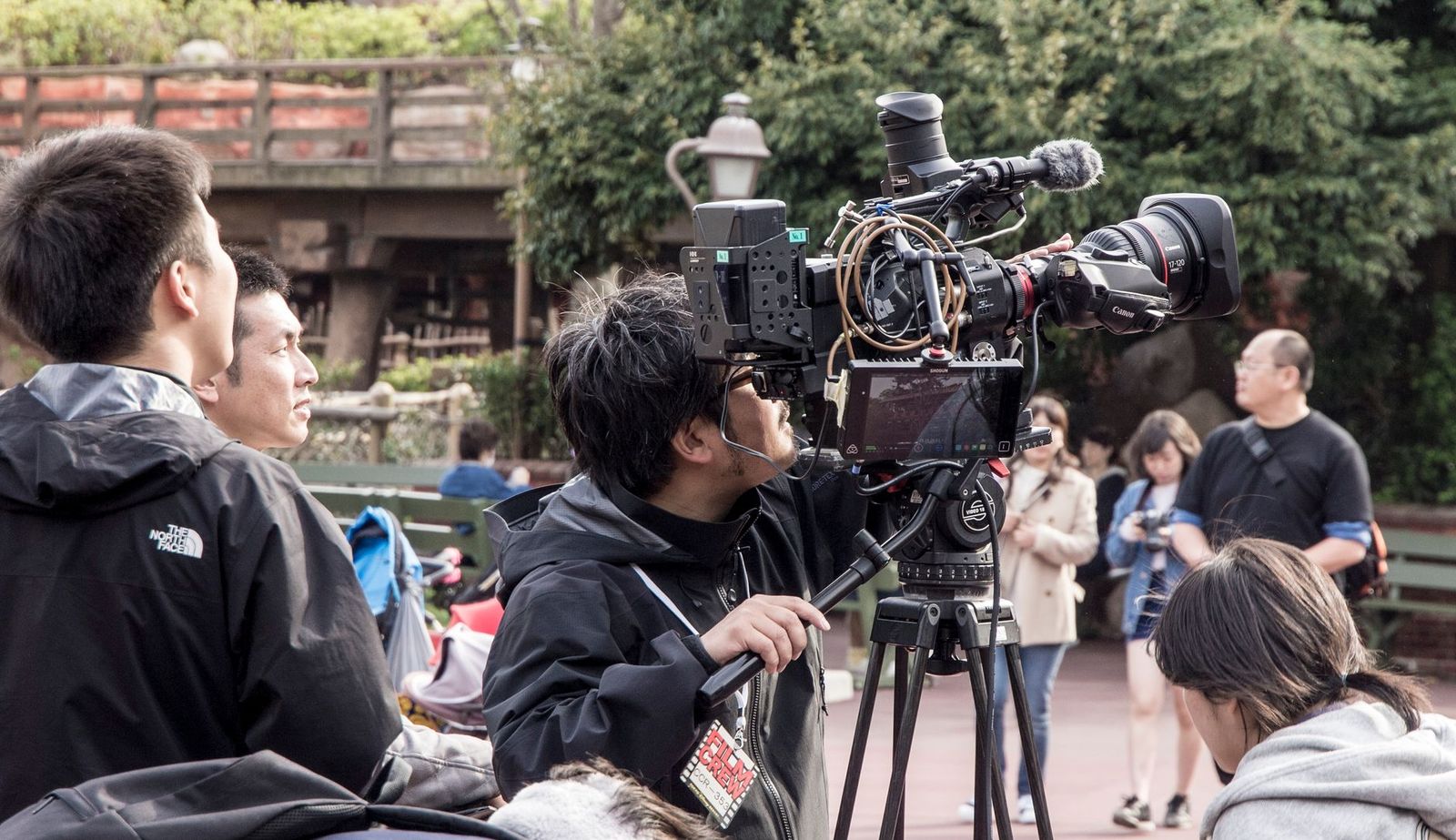
  • Television production crew filming under a canopy on location

    Planning crew beds around the national event calendar

    Most event crews work many different shows over the course of a year. A stage crew might build a spring festival in April and then spend December at an arena rodeo in Las Vegas. Each of those events has fixed dates, which means crew housing can be planned a full season ahead of time. This guide walks through the national calendar the way a production manager would, one month at a time.

    Read the full note

    Spring work starts early in the year, when SXSW fills Austin for 9 to 10 days in March. The event grew from just over 700 attendees in 1987 to 345,066 in 2023, and the Austin Convention Center is under renovation through 2029. That renovation spreads the event across more of downtown, so crews there face a hotel problem inside a busy city rather than an empty field.

    April brings the Indio run, with two Coachella weekends followed immediately by Stagecoach on the same polo grounds. That combination creates one of the longest single-site crew windows of the entire spring. May brings EDC Las Vegas to the speedway, and a crew that works both events can move from one site to the next on one trailer plan.

    In summer, the calendar shifts north and east toward the Black Hills and the northern Nevada desert. The Sturgis Motorcycle Rally starts on the first Friday in August, and Black Rock City follows over the nine days before and including Labor Day. Both locations sit far from large hotel markets, so crew beds on site make a real difference to how rested the teams are.

    Fall is the season for large state fairs and the rodeo playoffs. In 2026, the State Fair of Texas runs from September 25 through October 18, which keeps vendor crews on one site for more than three weeks. The ProRodeo Playoff Series also covers 60 rodeos every September, which keeps stock crews on the road through the early fall.

    December closes the year with the National Finals Rodeo in Las Vegas during the first full week of the month. By then, the next spring's festivals are already booking their production teams and locking their site plans. A crew that plans housing for the whole calendar can line up trailers for each stop instead of scrambling one event at a time.

    The simple rule is to book as soon as the build dates are firm, and then adjust the trailer count as the crew list becomes final. Tell us your full season when you call, even if some of the dates are still rough estimates. We can hold a plan for each event and change the number of trailers as your crew changes throughout the year.

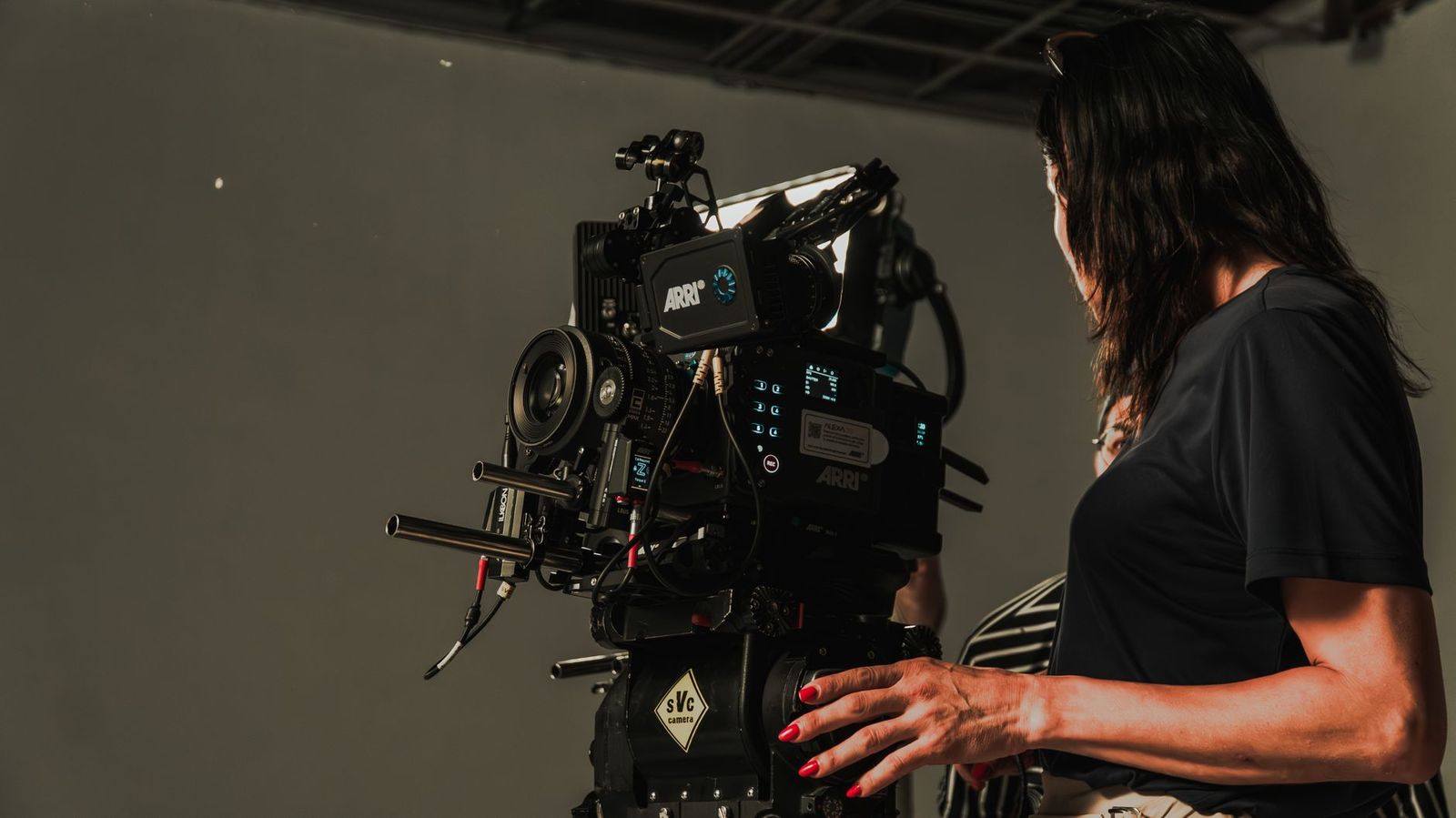
  • Film production camera department crew

    Planning for heat and rain when event crews sleep on site

    Weather shapes crew housing more than any other factor on an outdoor event site, and heat is the most common problem by far. It hits build crews especially hard, because they work outdoors all day and often start before they are used to the climate. National workplace data counted 423 heat-related worker deaths from 1992 to 2006, and in 2015 alone, 2,830 heat injuries caused lost work time. About a quarter of those injury cases involved workers who move materials, much like the crews who load and unload an event.

    Read the full note

    Night crews face a special version of the heat problem, because they have to sleep through the hottest hours of the day. A tent or a parked car can become dangerously hot by early afternoon in the desert, even in late spring. An air-conditioned sleeper trailer gives those workers a cool, dark room in the middle of the day, so they return to their posts rested.

    Cold weather is the other half of the desert story, and it surprises many first-time crews. Clear desert nights lose heat quickly, so a crew that sweats through the afternoon can wake up shivering before dawn. December events push that further, with stock crews starting their chores before sunrise, and all 3 AC units in the trailer also provide heat around the clock.

    Rain is the rare but serious case on remote ground, as Burning Man showed in 2023. Up to an inch of rain on September 1 turned the playa into thick mud. About 73,000 people were then told to shelter in place as the gates and the temporary airport closed. When the road finally reopened, the 5-mile exit route took over 5 hours to clear.

    Crews in that situation need a dry place to wait, and tents do not hold up well in deep mud. A heated sleeper trailer with a real roof keeps a crew rested while the ground dries out over the following days. The trailer should sit on the firmest ground, set level on blocking, because that location choice matters more than anything else when rain is possible.

    When weather turns into a true emergency, relief crews at FEMA base camps need the same kind of housing. Our sleeper trailers for disaster response crews use the same 12-bunk layout and the same delivery process. For event planners, the practical lesson is to plan housing for the worst weather week of your window, not the average one.

    Build weather into your crew housing plan early, before the site map is final. Ask your site manager about drainage and the firmest ground on the property, and size your power for all 3 AC units running on the hottest afternoon. Then keep dispatch at (888) 828-7765 in your phone for the night the weather turns.

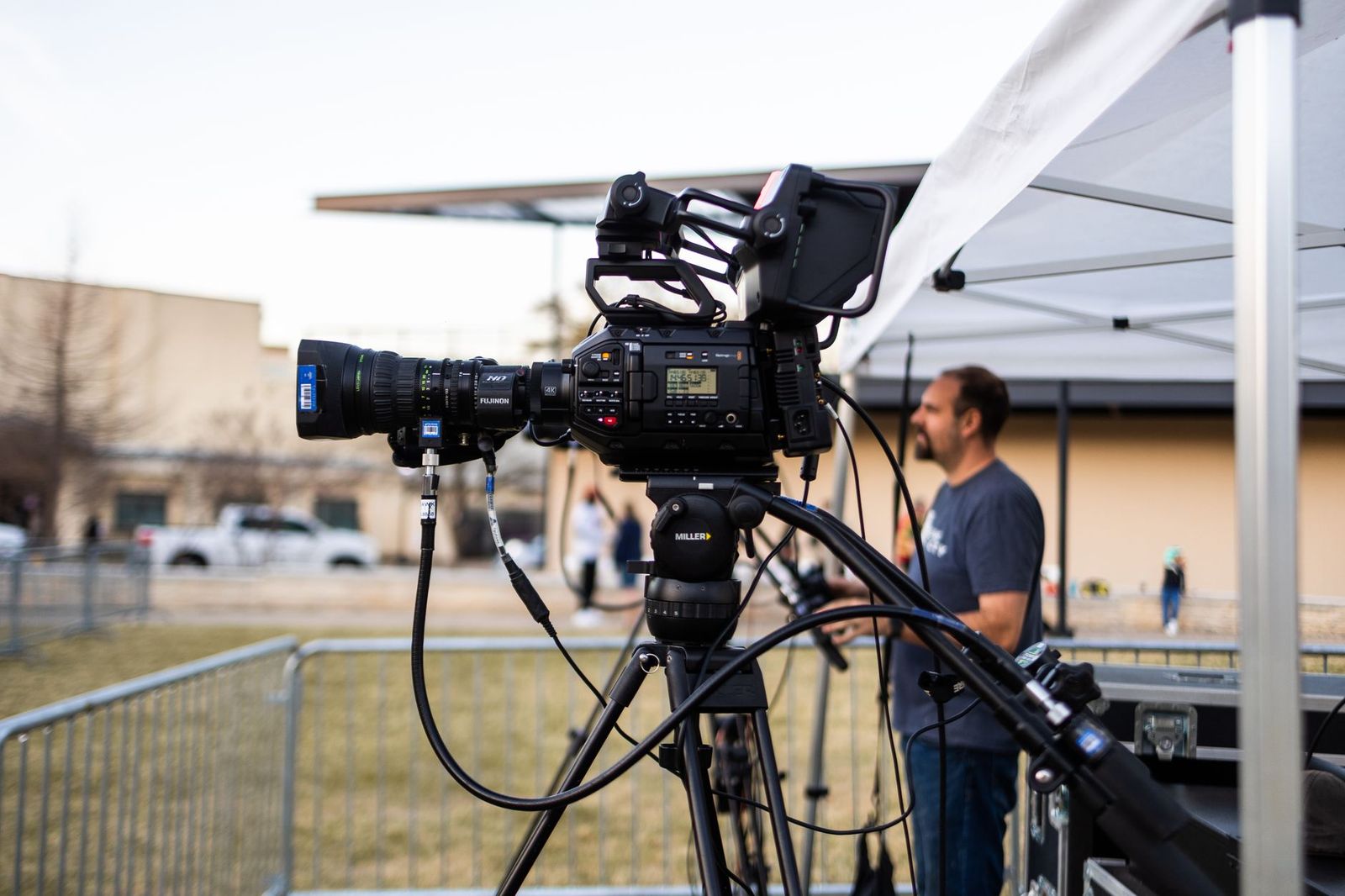
  • Television production crew filming on location

    Questions to ask before you book sleeper trailers for an event crew

    A good crew housing plan starts with the right questions, and most of them come straight from the site plan. A few come from your crew leads, who know how their teams actually work and sleep. Answer these questions before you call, and the quote and the delivery plan will come together quickly.

    Read the full note

    First, ask where each part of the crew actually works during a normal shift. A production crew near the main stage needs beds in the production compound, while a security team needs a short walk to its posts. Mark both locations on the site map before you call us. Keep the trailers clear of emergency lanes and fire access routes, and let the event's safety team confirm the final spot.

    Second, ask how the crew count changes from the build week to the show days. Those two phases rarely use the same number of people, and tear-down is usually different again. Write down the peak and the low for each phase, so you can start with fewer trailers and add more only for the show days.

    Third, ask how your shifts are organized, especially if part of the crew works overnight. Day and night crews should sleep in separate trailers, so they do not wake each other up at every shift change. If your company allows shared bunks across two 12-hour shifts, the trailer count drops by about half. Check with your crew leads before you plan that way.

    Fourth, ask about power and restrooms, since the sleeper trailers depend on both. The generator or grid hookup has to carry 3 AC units with heat at the same time. Restroom and shower trailers need to sit close by, because each sleeper trailer holds bunks only. Put all of them on one pad whenever the ground allows it.

    Fifth, ask about the safety guidance your team already follows at other events. The Event Safety Alliance publishes guidance and training for live event teams under its Life Safety First mission. Your safety lead can fold crew housing into the same site safety plan, which keeps the trailers inside the perimeter your security team already covers.

    Last, ask how the job will end and when the land has to be clear. Pick a pickup date after tear-down, even if it is rough, and tell us if the land goes back to farm or event use right away. Then call (888) 828-7765 or request a quote with those answers in hand, and we will build the delivery plan around them.

    Source: Event Safety Alliance

Get a quote

Tell Us Where Your Crew Needs Beds

Send the basics and a dispatcher will call you back with availability and a delivery window. In a hurry? Call now.

  1. We confirm the site, dates and crew size.
  2. We lock in a delivery window and power plan.
  3. The trailer arrives, gets leveled and is ready for the first night.
(888) 828-7765

Request a quote

Takes about a minute. Fields marked * are required.

We only use your details to answer this request.