
Why Beds on Site Beat Hotels and Long Drives
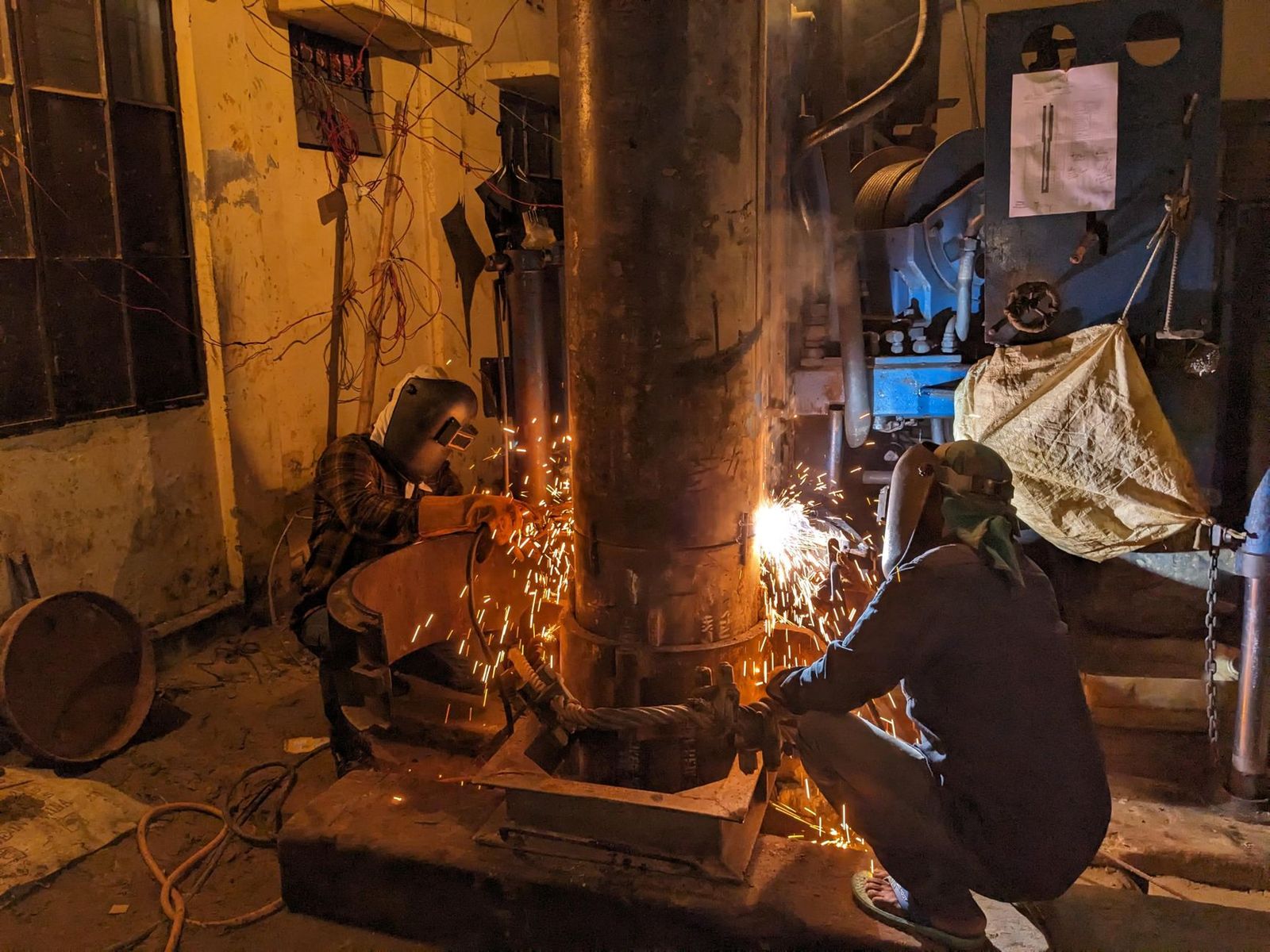
Most crews don't lose their sleep on the job itself. They lose it on the road. A 10 or 12 hour shift, followed by a 45 minute drive in each direction, leaves very little time for genuine recovery before the next day begins. In one construction industry survey, 45% of employers said worker fatigue was responsible for safety incidents on their jobsites. Utility companies describe a similar pattern, with 41% of employers in that industry reporting safety incidents connected to exhausted workers.
The drive home is where exhausted crews get injured. NHTSA connects more than 100,000 crashes every year across the country to drowsy driving, including roughly 6,550 deaths. A 2017 research review found that driving while sleepy makes a collision about two and a half times more likely. Losing 2 hours of sleep every night for a week leaves a person as impaired as somebody awake for 24 hours straight.
Wildfire agencies designed their entire camp system around this problem. NWCG sets a 2:1 work to rest ratio, which means that for every 2 hours of work or travel, firefighters receive 1 hour of sleep or rest. When the fire line sits too far from base camp, crews relocate to smaller spike camps designed to reduce fatigue and prevent highway collisions. Beds next to the work do the same job for your crew.
Hotels also tend to disappear exactly when you need them most. At the peak of a Permian Basin boom in West Texas, the Odessa Chamber of Commerce reported 100 percent occupancy in both apartments and motels. Months after Hurricane Helene, over 4,500 people across 25 counties were still living in hotel rooms through a FEMA sheltering program. When the rooms are gone, crews end up sleeping in their trucks. After Hurricane Ian, some cleanup workers in Fort Myers slept in cars and tents behind a dollar store.
A bunkhouse sleeper trailer on your site closes that gap for good. Rest comes first. Your crew walks from the bunk to the job, the daily commute turns into extra sleep, and nobody spends the week hunting for vacant rooms.
Inside the 34 ft Sleeper, Bunk by Bunk
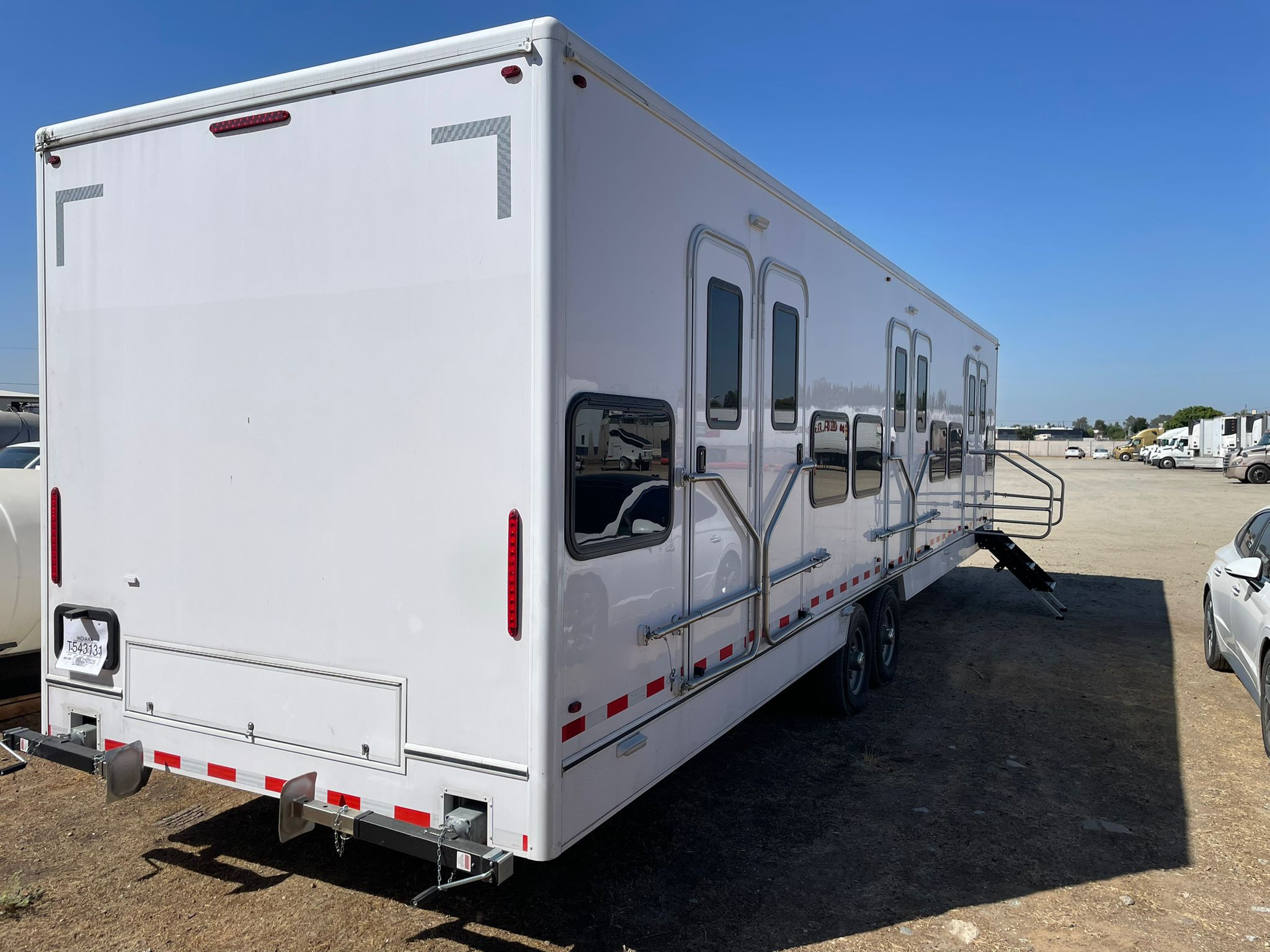
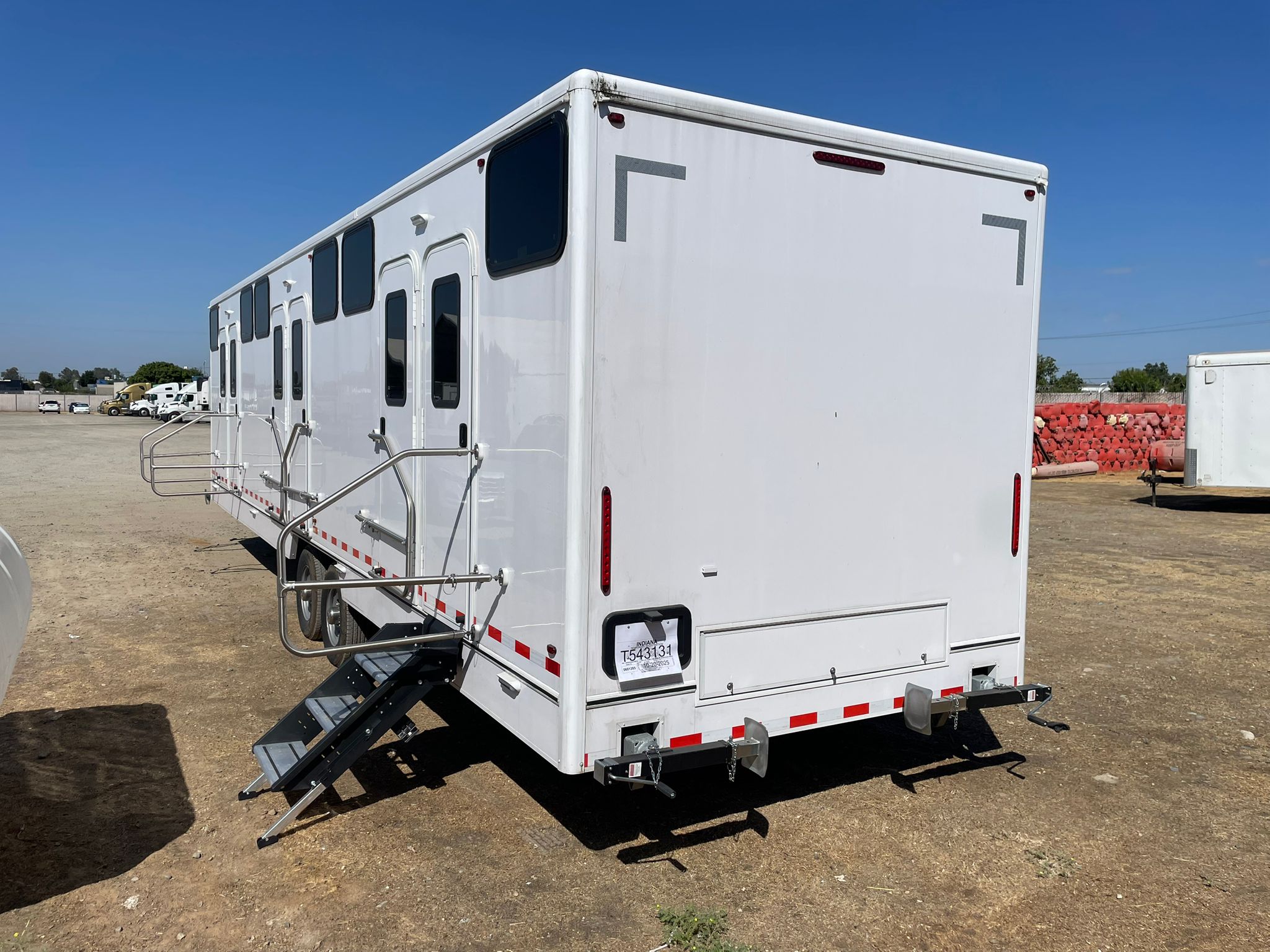
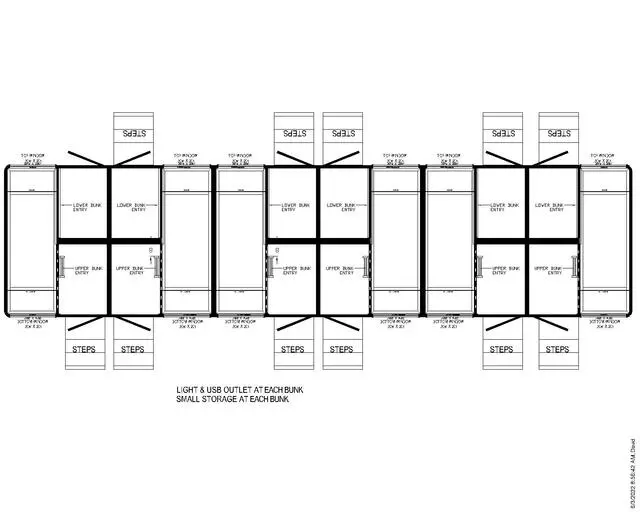
Every bunkhouse sleeper trailer rental we run is the same 12-Station Bunkhouse Sleeper Trailer, 34 ft long and sleeping 12 people in banks of upper and lower beds, 6 up and 6 down, and each worker gets a bunk to call their own for the entire length of the project. The full 12 bunk sleeper trailer spec sheet lists every dimension and feature if your planner needs the exact numbers.
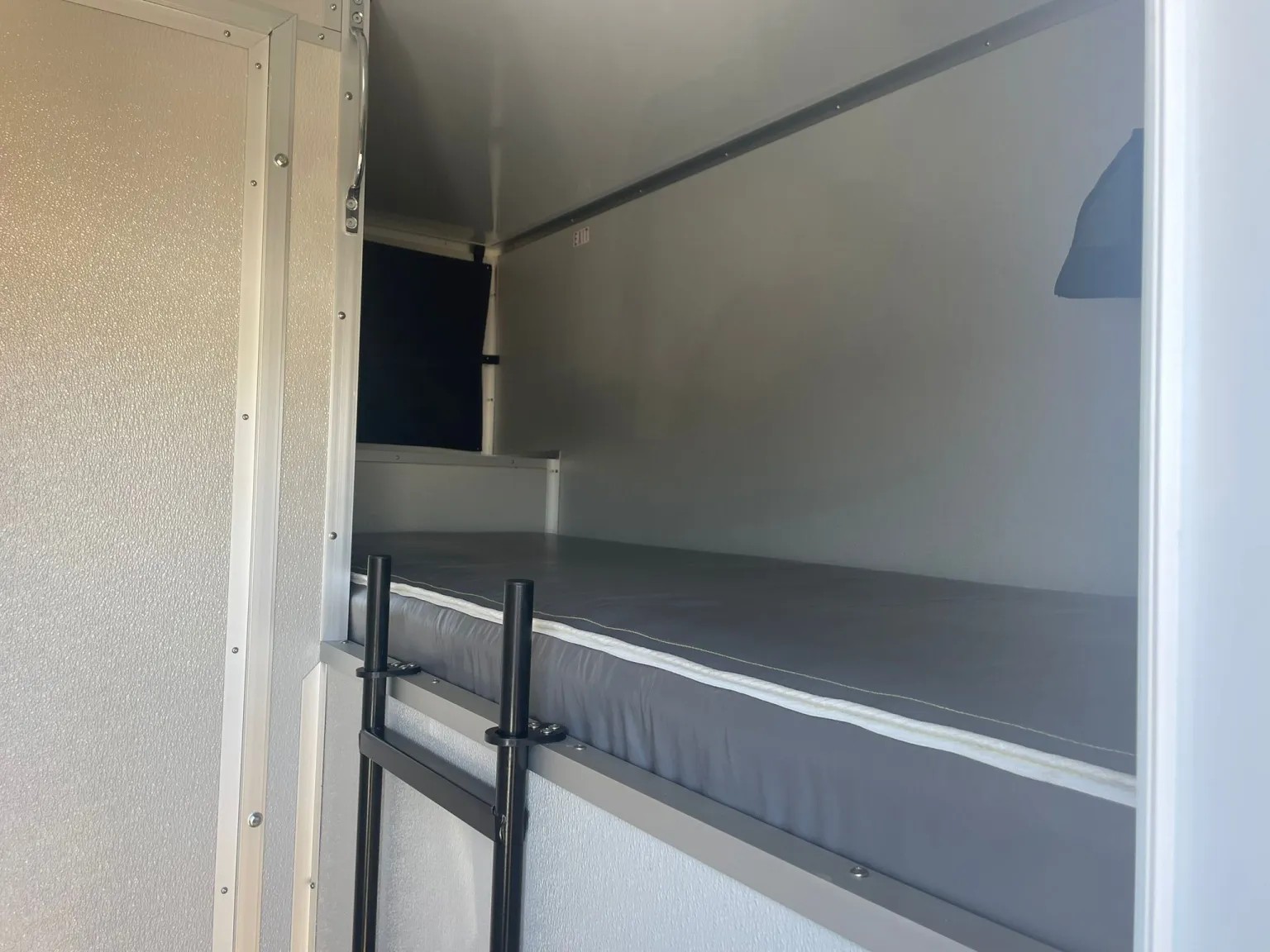
Every bunk comes with the same 3 features: an LED light, a USB outlet and a small storage compartment. That matters more than it sounds. Workers can read, set alarms and charge phones and radios without running extension cords across the floor. Wallets, keys and eyeglasses also have a proper place to stay overnight instead of disappearing into a boot.
Built-in steps at each bunk bank make the upper bunks easy to reach, even for somebody climbing in after a 14 hour shift. LED lighting runs the length of the trailer, so the aisle stays visible during an early morning shift change.
Temperature control comes from 3 AC units with heat, managed by a smart thermostat with digital touch control. Your crew sets one temperature and the trailer holds it. That consistency matters in the places crews need it, from West Texas oilfields in August to Sierra foothill fire camps and Midwest ice storms in January.
The floor plan is dedicated to beds, steps and storage. Plan restroom and shower trailers as separate units a short walk away, which keeps the sleeping area quiet and dry.
How Delivery and leveling Work, Start to Finish
Everything starts with a phone call to (888) 828-7765 or a quote request on this page, where you tell us 3 things: where the jobsite is, when the crew arrives and how many people need a bed. Dispatch answers 24/7, so a storm call at midnight gets the same attention from the same team as a project that was planned 6 weeks ahead.
Next, we plan the delivery. We confirm the route into the site and the exact spot where the trailer will sit. Then we sort out electricity within 1 or 2 days, either a site hookup or a generator. Both work. The location should be level, well drained and away from low ground that floods after heavy rain. If you aren't sure what the site has, we'll walk through it together on the phone.
On delivery day, our driver positions the trailer, levels it and gets it ready for the crew, and before leaving, the driver walks your crew lead through the thermostat, the lighting and the bunk layout so nobody is guessing on the first night.
The trailer stays on site as long as the work continues, whether that is 2 weeks or 12 months. If the project runs longer than expected, keep it. If the work moves farther down the line, text or call and we'll plan the next location with you. When the job is finished, one more call gets it hauled away.
Crew Math: How Many Sleeper Trailers You Need
Start with the number 12, since every trailer sleeps 12 people with one person to a bunk, and from there the arithmetic is quick: 24 people need 2 trailers, 36 people need 3 and 60 people need 5.
Rotations change the count. Pipeline spreads often run 21 days on and 7 days off, and other remote projects use 7/7, 14/7 or 14/14 schedules. If your roster has 60 names and 30 people are on site at any one time, you need bunks for 30 rather than 60. In that case, 3 trailers give you 36 bunks, which covers the 30 with 6 extra beds for new hires, inspectors and relief workers.
Split shifts are the other factor: a 24 hour operation with day and night crews can house both shifts in the same camp, with the night crew sleeping while the day crew works, but keep each worker in their own assigned bunk anyway. One name, one bunk is cleaner and quieter, and people sleep better in a bed that actually belongs to them.
Here is a dependable planning rule. Count the highest number of people who will sleep on site during the busiest night, divide by 12 and round up. Then text or call with that number and your dates, and we'll check it against your schedule.
Pair the Sleeper With Restroom, Shower and Laundry Trailers
A functioning crew camp requires more than beds, since most camps pair sleeper trailers with restroom, shower and laundry trailers, along with electricity and water, so plan everything together as one set to make the camp function properly from the very first night.
Placement is where good camps and bad camps separate: set the restroom and shower trailers close enough for a short walk at night, yet far enough that generators don't wake anybody sleeping, and keep the laundry near the showers, because crews in wet or dirty clothing need both at the end of every shift, with enough room left for trucks to turn around and park without crossing the walkways.
Laundry becomes more important on longer projects, since mud piles up fast and utility storm crews and wildfire crews go through wet, muddy clothing every day, so when your crew can wash their clothes on site, nobody loses an evening driving into town.
Map out what else is coming to the site when you call, and we'll position the sleeper so electricity, doors and walkways line up with the rest of your camp.
The Crews We House, From Oilfields to Film Sets
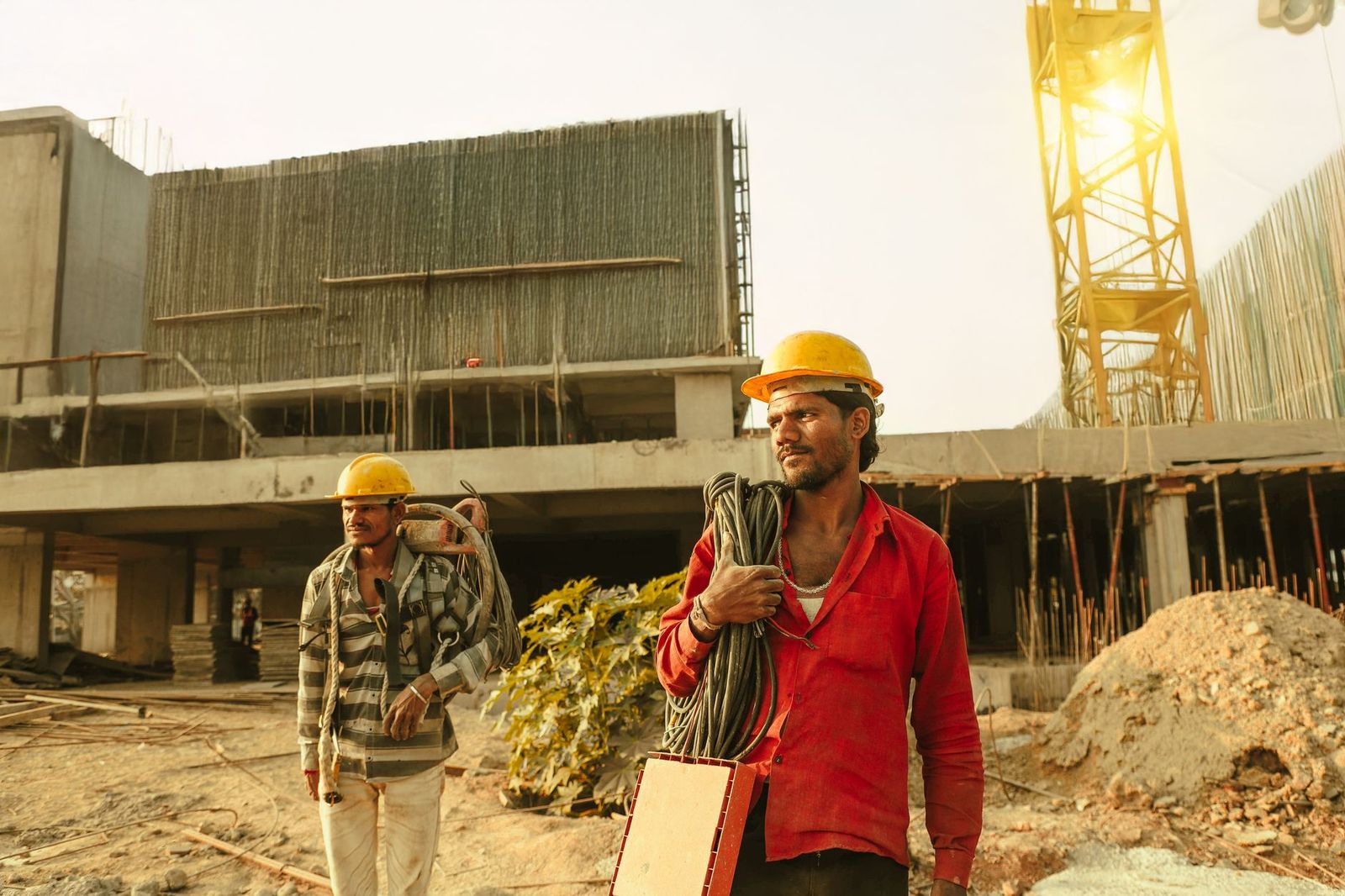
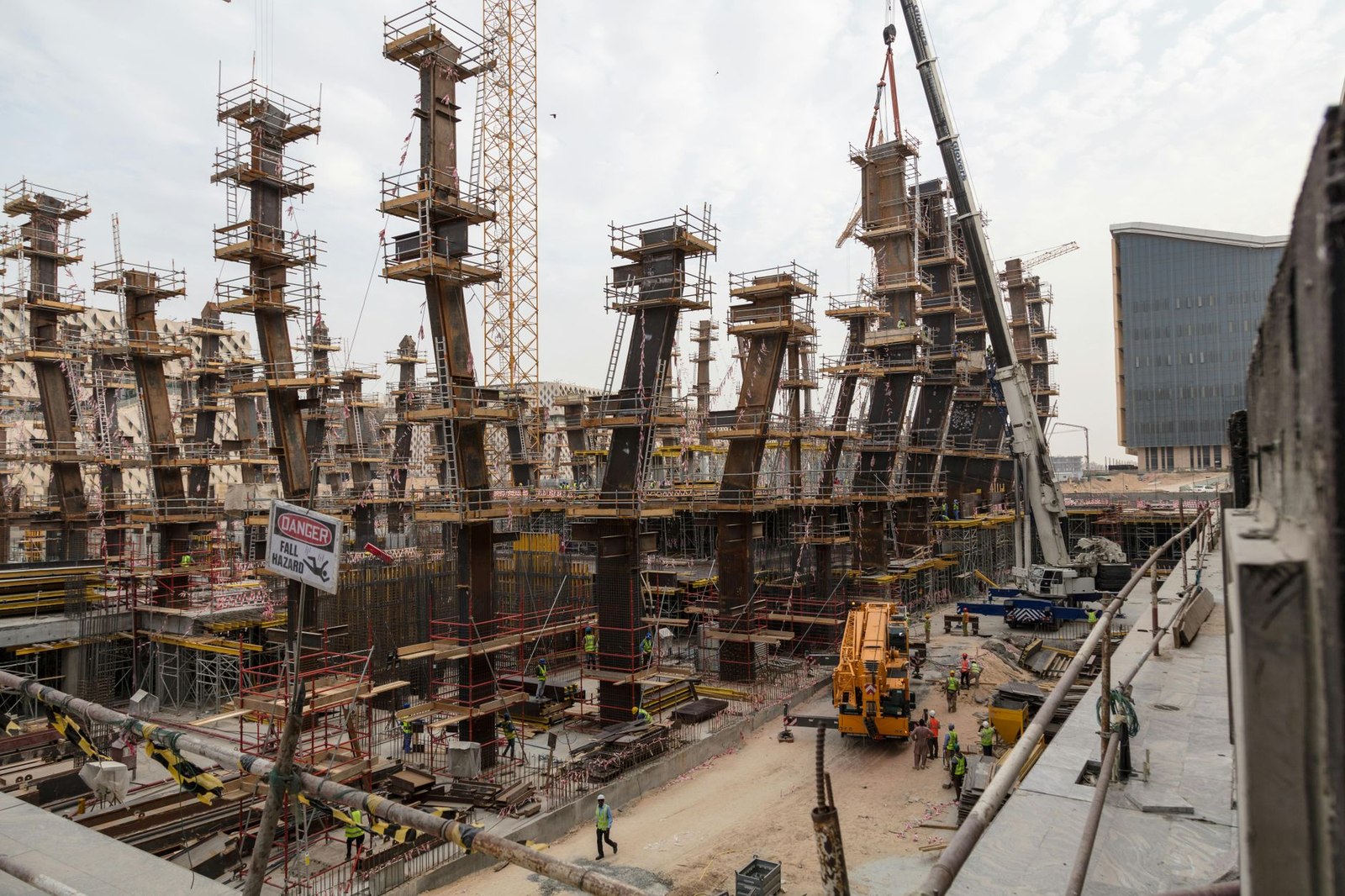
See every crew housing industries we serve for the full list, starting with construction and plant maintenance crews in states like Texas and Arizona, since a hyperscale data center project can bring 500 to 2,000 workers to a location with little or no hotel space nearby, and refinery turnarounds are similar, bringing 1,500 to 2,000 contractors onto a plant for several weeks at a time.
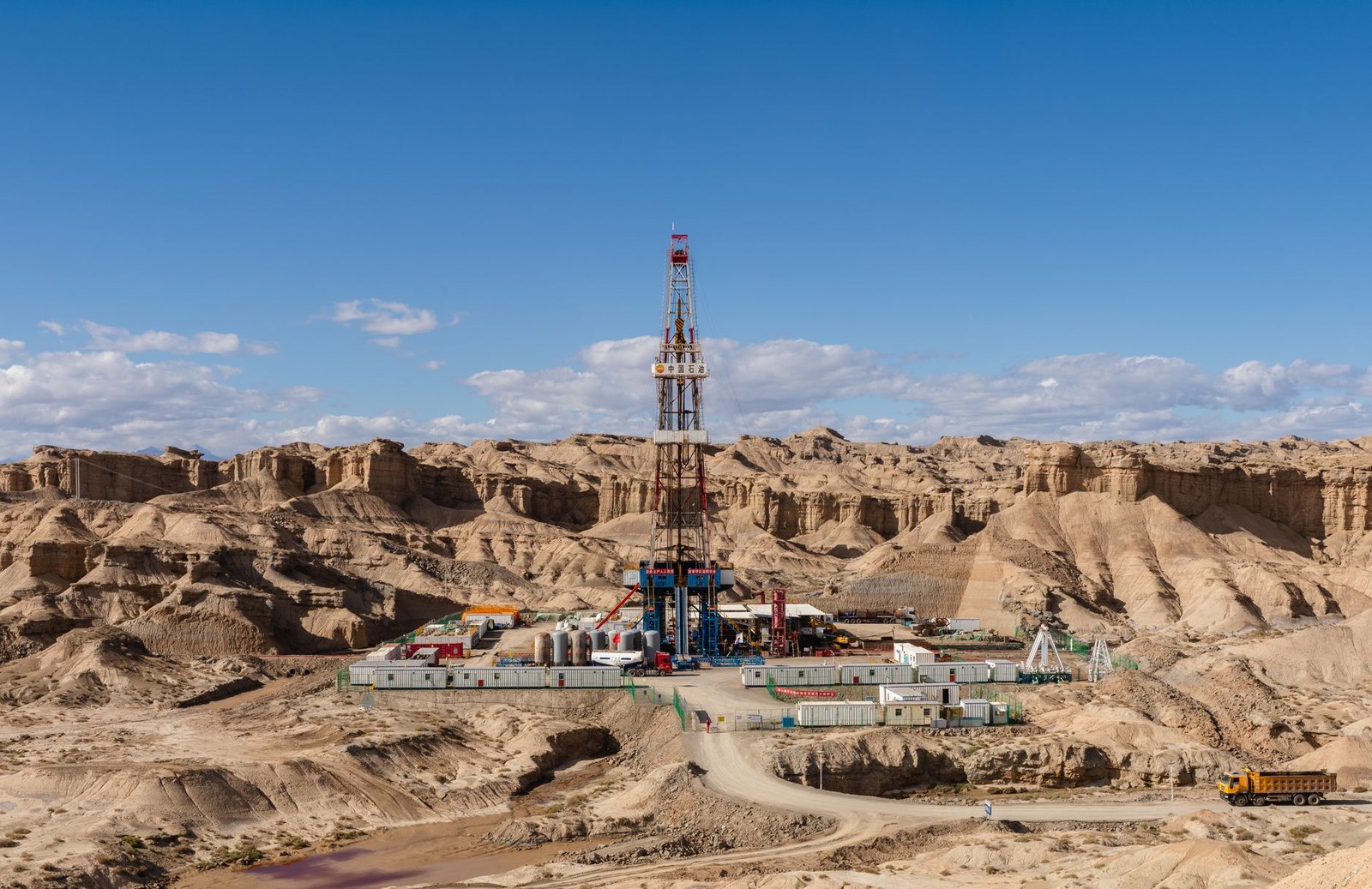
Oil, gas and pipeline crews are close behind, and oilfield crew housing rentals fill the same need on well pads far from the nearest town, where oilfield shifts often run 12 to 16 hours, 7 days a week. Pipeline crews, meanwhile, follow a spread that keeps moving farther down the line.
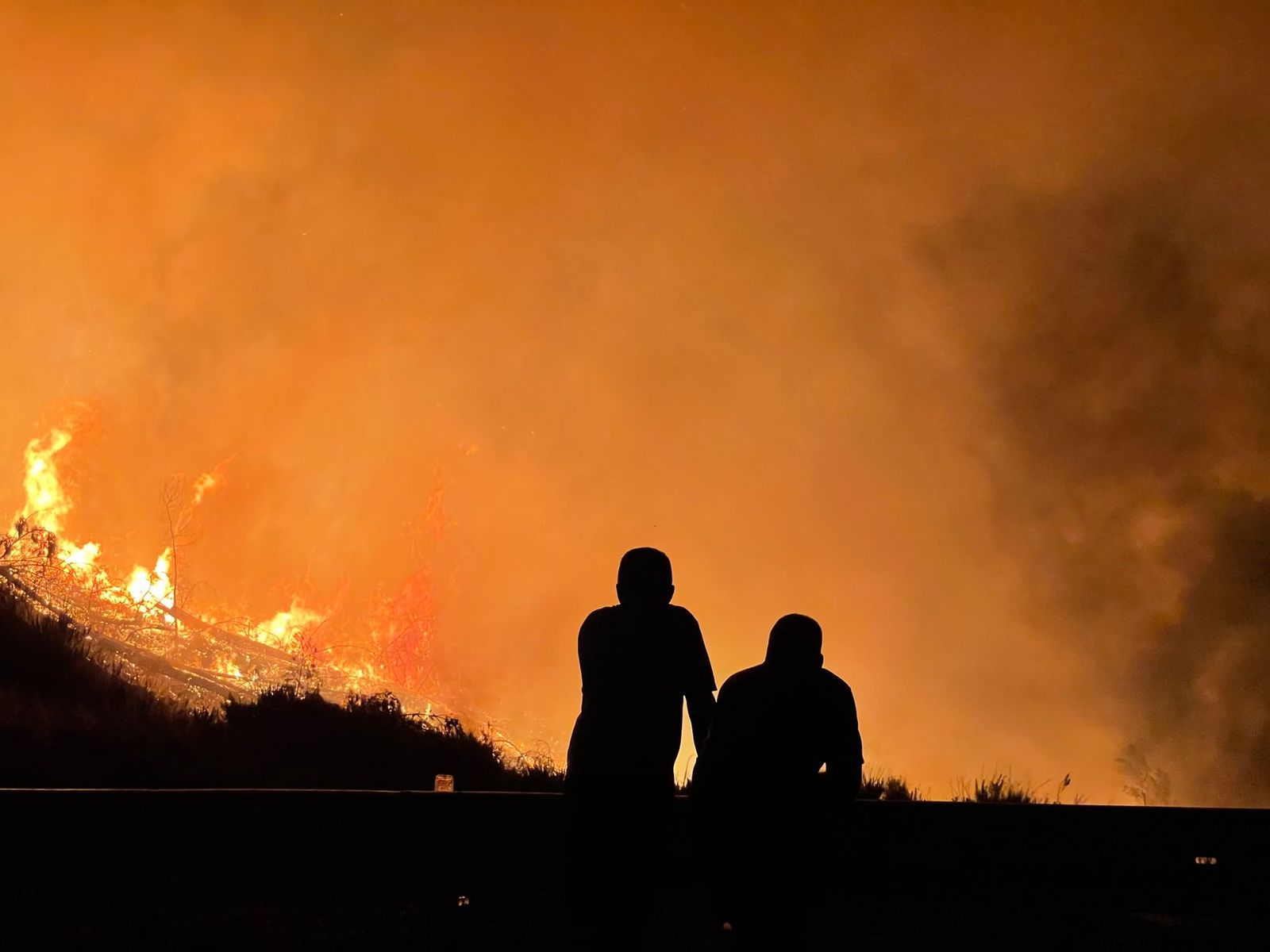
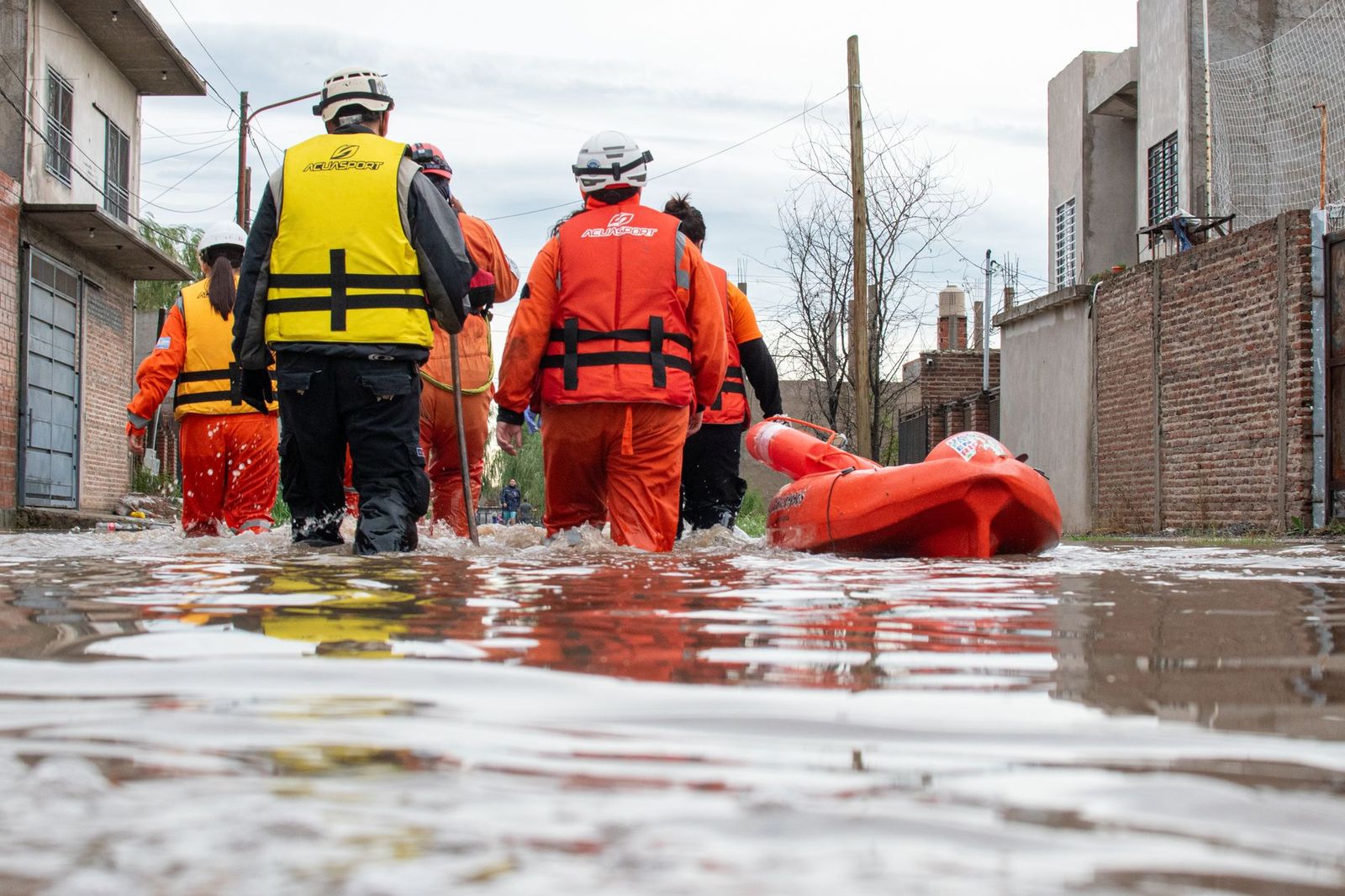
Wildfire and disaster response teams need rest in the worst conditions, which is exactly where wildfire crew housing trailers go to work, since fire camps stay loud and bright around the clock and, after hurricanes and floods, the available hotel rooms go to displaced families first. A sleeper trailer gives responders a quiet, climate controlled place to recover near the work.
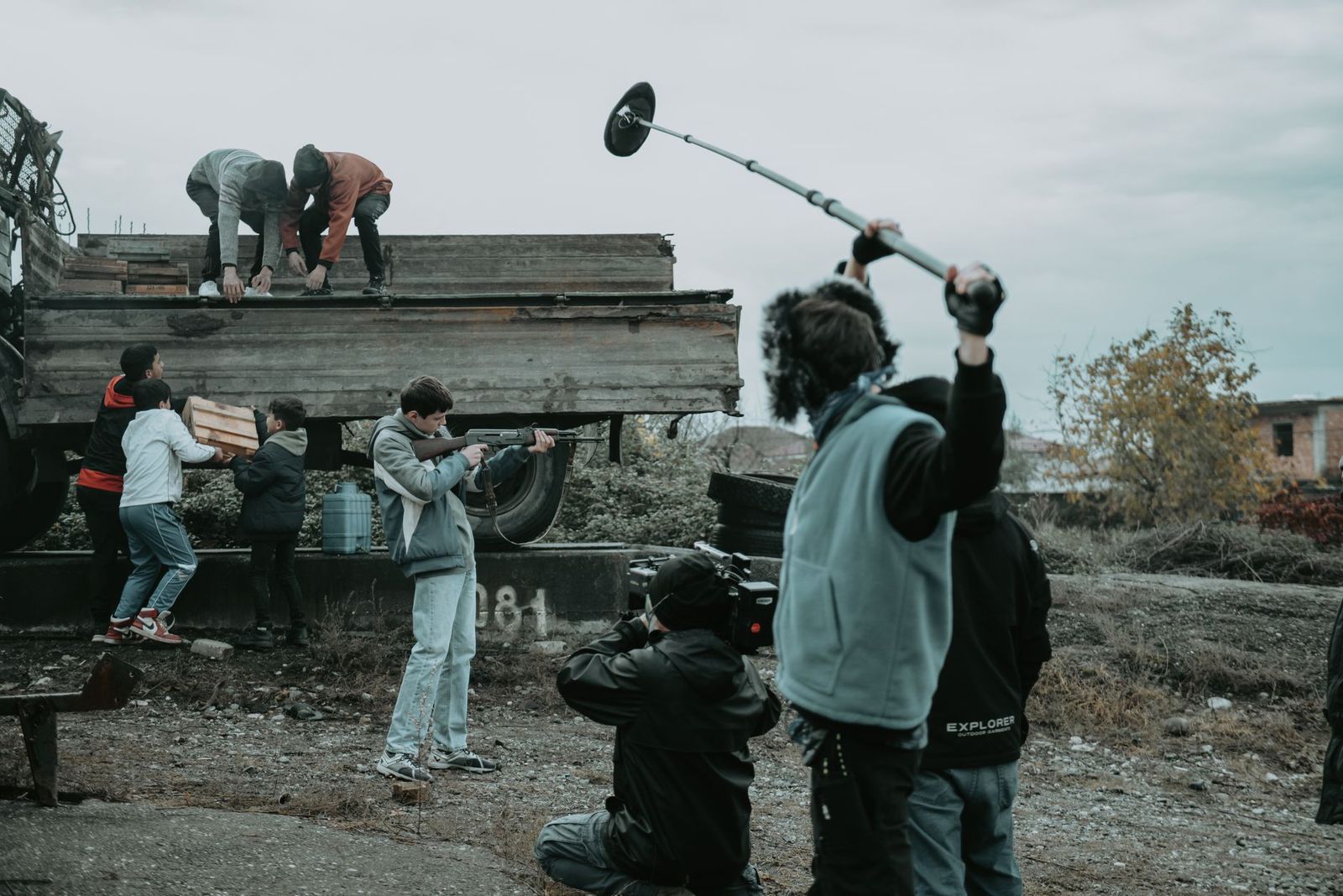
Film production and event staff face a different problem. Night shoots and remote locations put crews on the road during the most dangerous hours of the night. A bunkhouse at base camp turns a 45 minute drive into a short walk.
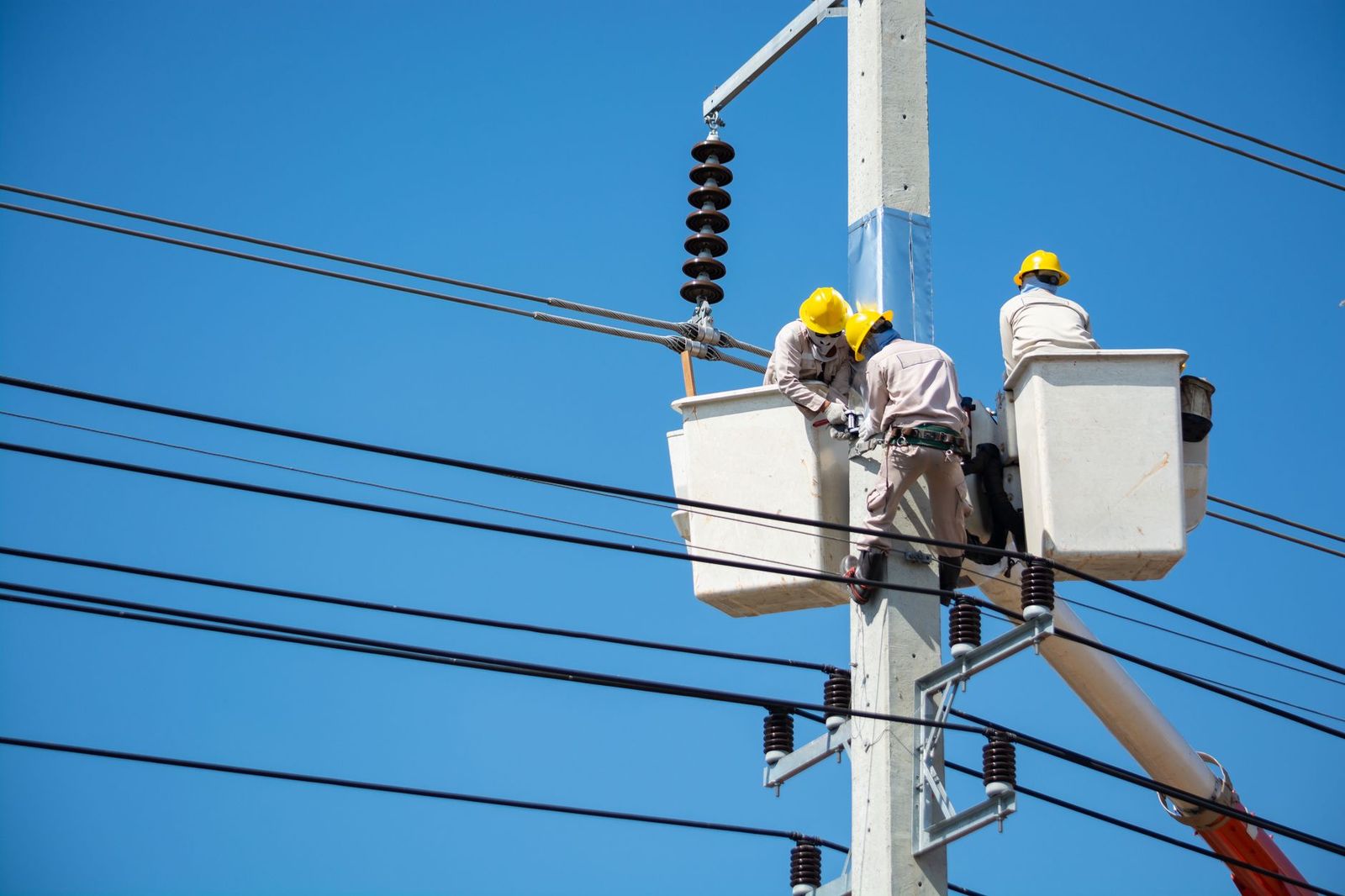
Mining, utility and harvest crews complete the list. Whatever the industry, the need stays the same: 12 real beds close to the job, delivered anywhere in all 50 states.
Getting the Ground Ready Before the Truck Arrives
A smooth delivery day starts a week earlier, when somebody on your crew walks the spot where the trailer will sit. Look for a flat pad of gravel or packed dirt that stays firm after rain. Soft fill, fresh backfill and the low corner where water collects are the three places to avoid.
Think about the whole path, not only the parking spot. The truck and the 34 ft trailer need a clear way in and room to swing wide on turns. The driver also needs a spot to pull out once the trailer is set. Low tree limbs, overhead lines, tight gates and roadside ditches are the usual problems. Each one is easy to fix before the driver shows up.
Face the door toward the walkway your crew will use most, which usually means toward the restroom and shower trailers. Keep the bunk side away from the main truck route and the equipment yard. Headlights and backup alarms at 4 in the morning are a poor alarm clock for a night shift that just lay down.
Drop us a pin drop or a site map and a couple of photos of the pad. We plan the approach from those, and our driver arrives knowing where the trailer goes instead of guessing at the gate.
Power, Heating and Cooling on the Electrical Side
Every sleeper runs 3 AC units with heat, a smart touch digital thermostat, LED lighting and a light and USB outlet at every bunk. On the hottest afternoon or the coldest night, all 3 units may run at once while 12 phones charge. Size the power source for that busy moment, not for an average hour.
There are two ways to power the trailer. A site hookup works well at a yard, a plant or a staging area that already has service. A generator covers remote pads, fire camps and storm zones where the grid is down or never reached. We confirm the power plan with you during the planning call, before the trailer leaves the yard.
If you use a generator, park it outdoors and downwind, well away from the bunk windows and the door. Exhaust carries carbon monoxide, so a generator never belongs inside a tent, a shed or any closed space. Put someone in charge of fuel. A generator that runs dry at 2 in the morning in January turns a warm trailer cold in a hurry.
Tell the crew lead who owns the thermostat. One person setting it for the whole trailer keeps 12 people from arguing over the temperature every night.
Landowners, Local Rules and Where a Trailer Can Sit
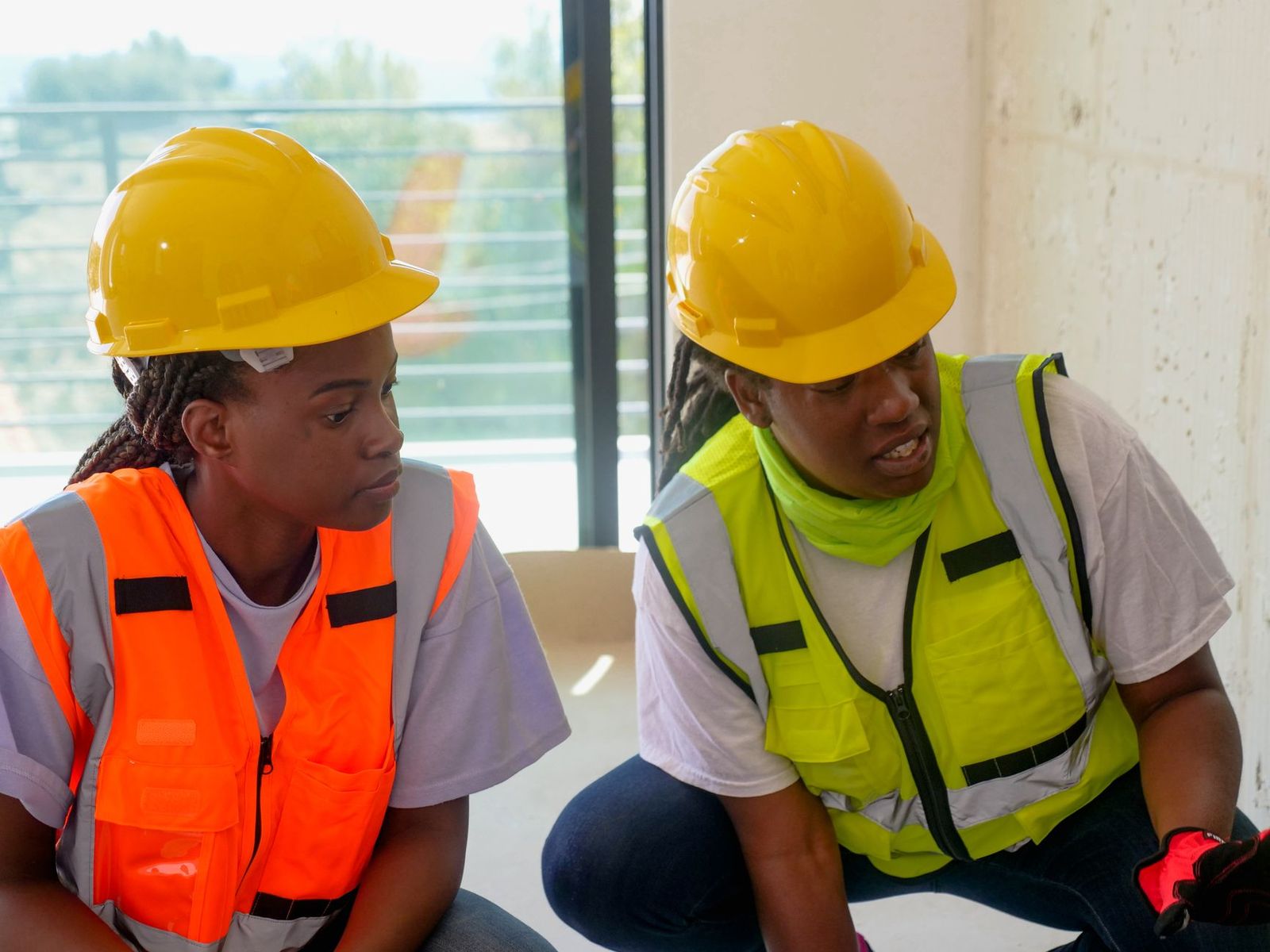
Before you pick a spot, confirm who owns the ground and get their permission in writing. On a leased pad, a right of way or a borrowed corner of a fairground, that answer is not always obvious.
Rules for temporary crew housing change from one county to the next. Some places treat a trailer where people sleep differently from an office trailer, and some ask for a short temporary use permit. Call the local planning or building department early and ask what applies to sleeping quarters on your site. That one call is much easier than moving a camp after it is set up.
Fire access is part of the plan as well. Leave a clear lane for emergency vehicles and keep fuel and generators away from the sleeping area. Give the crew a simple meeting point in case they need to leave in a hurry. Wildfire camps, refineries and storm staging yards usually have their own camp rules, so ask the site safety lead what they expect.
We can tell you the trailer's length, its power needs and how it is set on site, so your permit contact has real answers to work from.
House Rules That Keep Twelve People Sleeping
A sleeper trailer stays restful when everyone treats it like a shared bedroom rather than a break room. Assign one person to one bunk for the length of the job. People sleep better in a bed that is theirs, and the storage compartment at each bunk stays with its owner.
Use the bunk layout to your advantage. The trailer has 6 upper bunks and 6 lower bunks, with built-in steps at each bunk bank. If you run a day shift and a night shift, group each shift on its own side. That way the people getting up are not climbing past the people trying to sleep.
Keep boots, wet rain gear and tool belts outside or by the door. Mud and moisture can turn a clean trailer into a mud room within a week. Set quiet hours that match your shift change. When others are asleep, ask the crew to use the light and USB outlet at their own bunk instead of the main lights.
A short walk-through on the first evening pays off for the rest of the job. Our driver shows the crew lead the thermostat and the lighting, and the crew lead passes the house rules on to everyone else.
When the Work Moves, the Camp Can Move Too
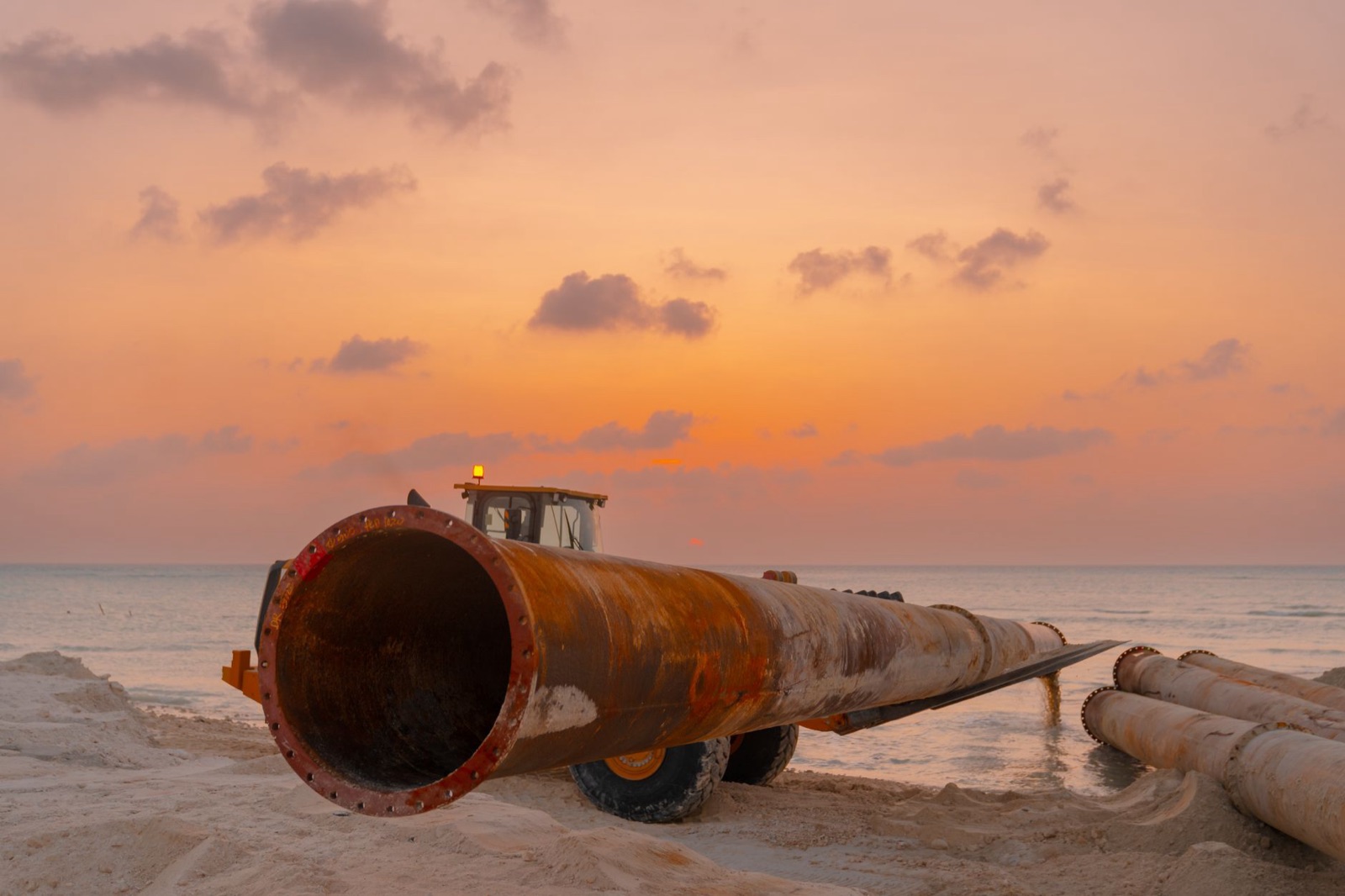
Plenty of crews do not stay in one place for long. Pipeline spreads push down the line, and rail gangs travel from one stretch of track to the next. Custom harvest crews follow the wheat north at roughly 100 miles a week. A sleeper trailer fits that kind of work because it rolls.
Text or call a few days before the move whenever you can. Drop us the new site, the date the crew needs to sleep there and any change in head count. We plan the haul so the crew loses as few nights as possible between locations.
Before the trailer is hitched, have the crew clear their bunks and storage compartments and take personal gear with them. Loose items shift on the road, and a clean trailer is ready for the crew the moment it is set at the next site.
If the crew grows at the new location, add trailers in the same call. Divide the new peak head count by 12, round up and we will size the next camp with you.
Booking Around the Seasons
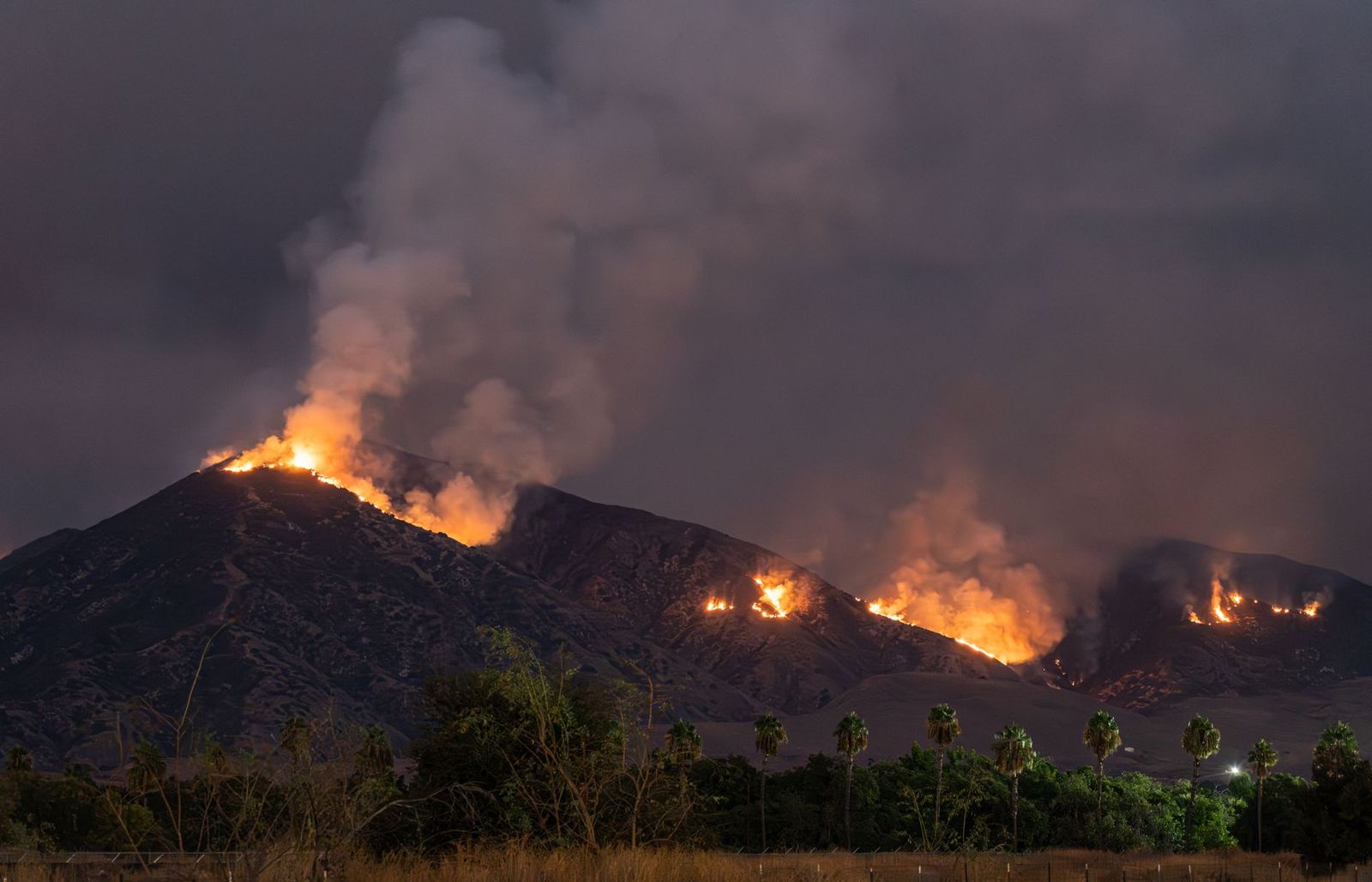
Crew housing demand follows the calendar and the weather. Most outdoor construction runs from about April through October. Custom wheat harvest runs from May through September. Atlantic hurricane season runs from June 1 to November 30, and fire season in the West peaks in late summer.
Scheduled work gives you time, so use it. Plant turnarounds, spring rail tie seasons and large construction phases are set months ahead, and those are the jobs to book early. Put your start date on the calendar with us as soon as the project date is firm.
Emergencies do not wait for a booking window. Storms, ice, washouts and fires come with little warning. Dispatch answers 24/7, and the quickest start comes from a crew lead who already knows the site, the head count and the power plan before calling.
Summer heat deserves its own line in the plan. Most heat-related worker deaths happen between June and September, which is also when fire camps and storm crews are busiest. Climate control is the whole point of those 3 AC units. A cool trailer lets a crew recover overnight instead of stacking one hot day on top of another. Request a free crew housing quote to lock in your dates.