Skip to content
Delivered to all 50 states 24/7 dispatch: (888) 828-7765

Solar and Wind Farm Construction Crews

Remote Site Bunkhouse Trailer Rentals for Solar and Wind Farm Crews

Your solar and wind crews can sleep a short walk from the work instead of an hour away in a roadside hotel that filled up weeks ago. We deliver the 12-Station Bunkhouse Sleeper Trailer to solar farms and wind projects in all 50 states, set up with the heating or air conditioning already running. Each 34 ft trailer sleeps 12. Call (888) 828-7765 any hour of the day, or request a quote with your crew size and your expected start date.

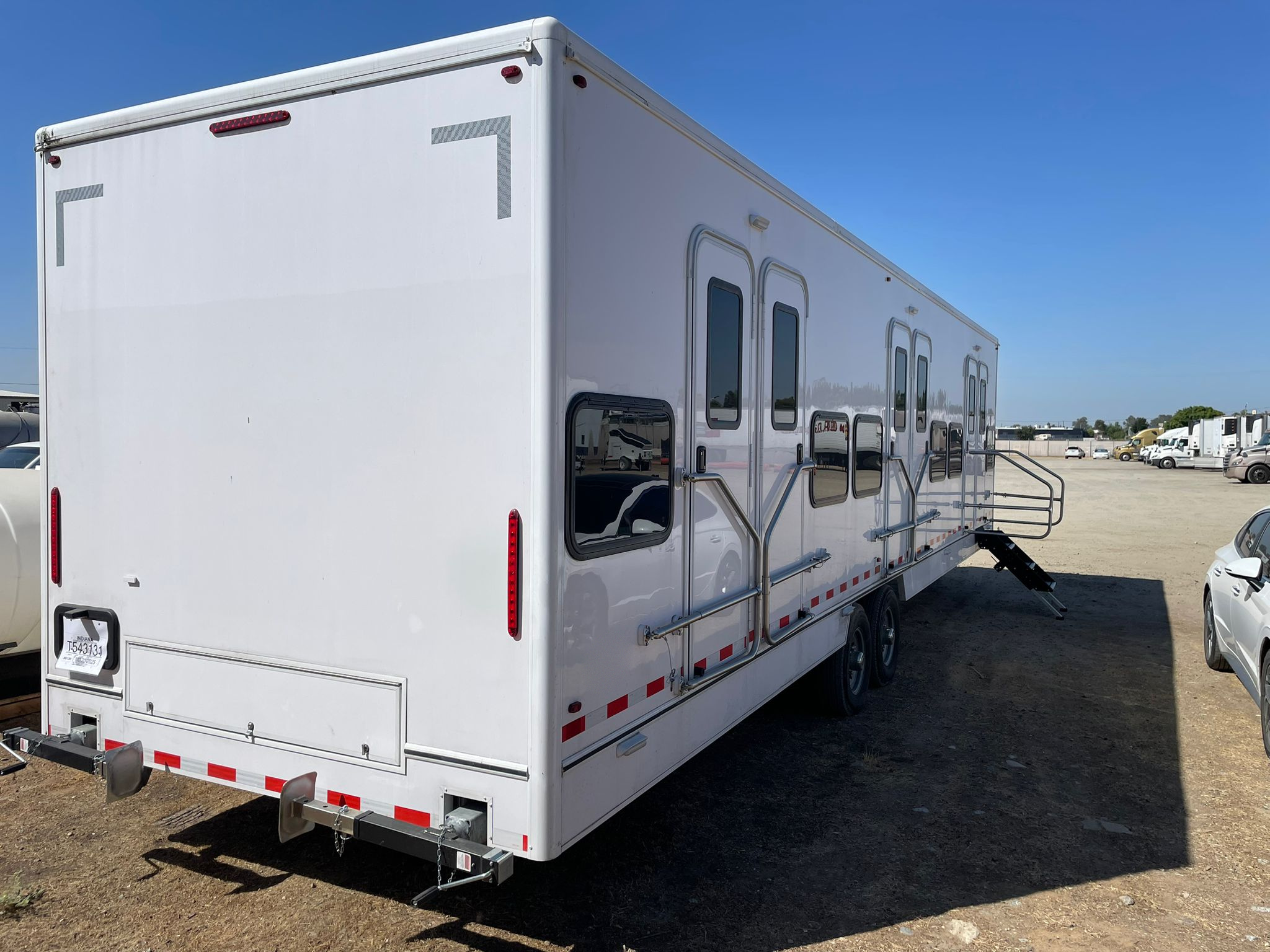
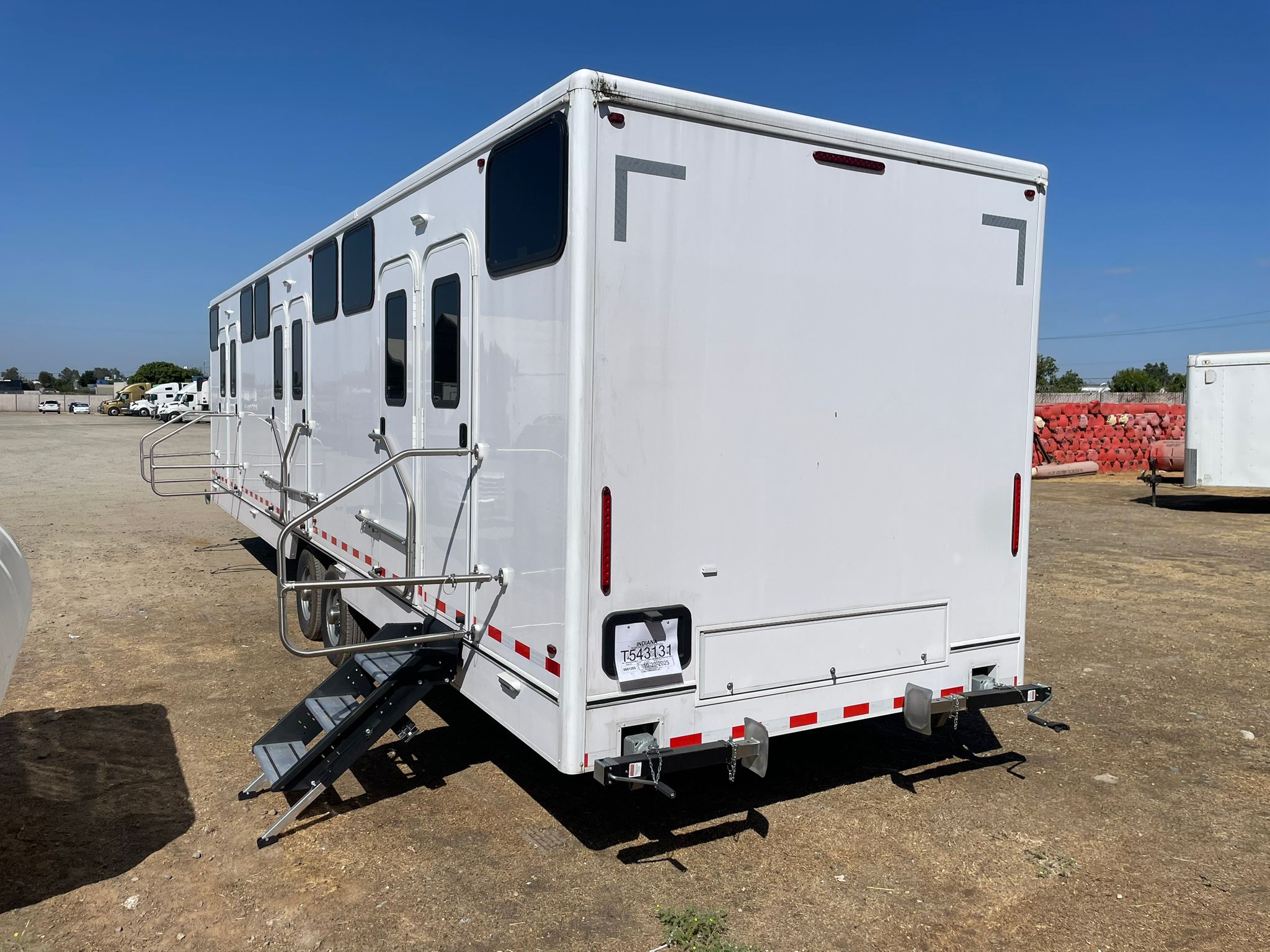
34 ft bunkhouse sleeper trailer with three bunk entry doors and built-in steps
  • Sleeps 12 34 ft, 6 upper and 6 lower bunks
  • 3 AC units heat and cooling on a smart thermostat
  • All 50 states delivered and set up on your site
  • 24/7 dispatch at (888) 828-7765
  • 12,000+Trailer deliveries across our network
  • 50Delivery to all 50 states
  • 24/7Dispatch answers day and night
  • 12Private bunks in every trailer

Built for construction crews, fire camps, pipeline spreads and utility contractors.

Solar and wind crew housing

We put climate-controlled bunk trailers on solar and wind job sites

A utility-scale solar or wind project puts hundreds of workers on land that was chosen because almost nobody lives nearby. That is good for the project and hard on the crew. Many of them drive an hour each way on top of a 10-hour shift, and that commute wears down the whole crew by the second week. Our network has completed over 12,000 successful trailer deliveries. A 34 ft sleeper trailer with 12 bunks can be level and cooling before your first crew arrives. Solar and wind construction sits alongside the other industries we serve with crew housing, and it rewards early planning because nearby rooms disappear quickly. Call (888) 828-7765 when your start date is set, or get a quote with your crew count and site address.

The 12-Station Bunkhouse Sleeper Trailer is a 34 ft crew sleeper trailer with 12 bunks arranged in 2 banks of 6. On a solar or wind project, that means 1 trailer for every 12 workers, with heating for cold nights and cooling for hot afternoons.

What comes with every rental

  • Delivery, leveling and setup by our driver
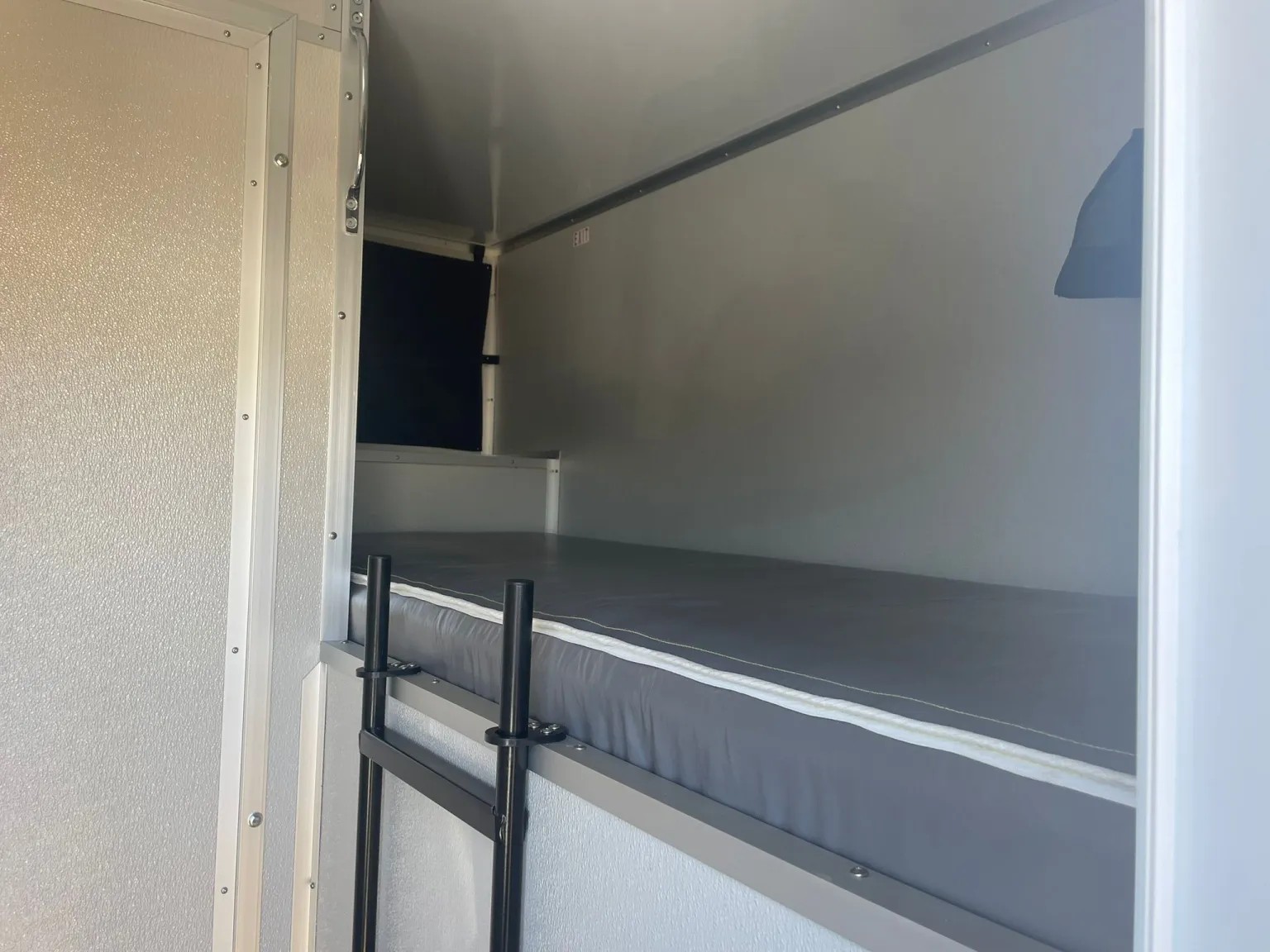
  • Twelve private bunks, each with a light, USB outlet and storage
  • Three AC units with heat and a smart thermostat
  • Built-in steps at every bunk bank
  • Pickup when the job wraps

Day one

The sleeper trailer crews book most, start to finish

Every rental is the same proven unit, so your crew knows exactly what they are walking into.

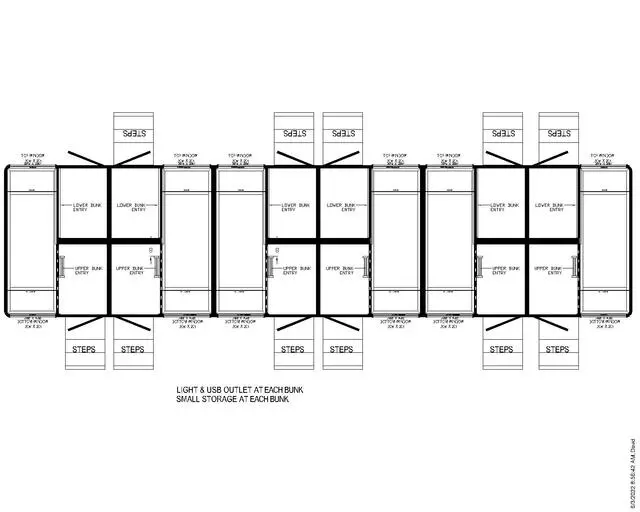
Here is what an electrician or turbine technician finds after a 10-hour shift. There are 6 lower bunks and 6 upper bunks, and built-in steps at each bunk bank make the top row easy to reach in heavy work boots. Every bunk has its own LED light and USB outlet, so phones and radio batteries charge overnight without extension cords running across the floor. Each bunk also has a storage compartment for personal items.

Solar and wind projects sit at opposite ends of the weather. A desert solar farm can bake through July, while a wind project near the Continental Divide in Wyoming sees cold nights well into spring. The 3 AC units with heat cover that range, and the smart thermostat with digital touch control lets the crew choose 1 temperature and leave it alone. Night crews benefit the most. An air-conditioned sleeper trailer gives a crew that works after dark a cool, comfortable room for sleeping through a bright afternoon.

The trailer travels on its own wheels over the same gravel roads that bring in solar panels and turbine components. We handle the towing and the setup, so your site team only marks the location and names a contact at the gate. Every measurement and feature appears on the full sleeper trailer spec sheet, including the bunk layout. Crews in other industries use the same 34 ft unit, and you can see how they use it on our main bunkhouse sleeper trailer rentals page.

Spec plate

12-bunk sleeper
Bunks6 upper + 6 lower = 12 total
Sleeps12 people
Length34'
Per-BunkLED light, USB outlet, storage compartment
AccessBuilt-in steps at each bunk bank
AC Units3 (HVAC, smart thermostat)
ClimateAC & Heat, digital touch control

Need beds on site this week?

(888) 828-7765

A real dispatcher answers 24/7. Tell us where the crew is and when they start.

Under the hood

What crews say after a night inside, step by step

"The closest hotel was 50 minutes away and already booked by workers from another project down the highway. Three trailers arrived leveled and cooling the day before our electricians showed up. We recovered close to 2 hours of every workday that used to disappear into driving."

C. T.Site superintendent

"Our crane crew worked overnight whenever the wind settled down, so they had to sleep through the hottest part of the afternoon. The air conditioning kept those bunks cool and dark enough that everyone actually rested. Two trailers covered all 24 of them for the entire turbine installation phase."

N. S.Wind project manager

"We arrived right after the solar crew finished, with a tight schedule and 20 people who needed beds on the first day. Two sleeper trailers were positioned beside our site office before the first battery containers arrived. Housing was one thing we never had to worry about during the move-in."

E. B.Construction manager
Delivering to all 50 states

How it works

Our routes reach the remote sites: what to expect

From a pipeline yard in West Texas to a fire camp in the Oregon Cascades, we route a trailer and a driver to where your crew is working, remote and off-grid sites included.

On our end

Where crews book us most, explained

What to expect

Built for real sleep, run by people who answer, in plain terms

  • Twelve private bunks

    Six upper and six lower, each its own space. No cots, no shared air mattresses.

  • Heat and air, three units

    Three AC units with heat and a smart thermostat keep the trailer comfortable in July and January.

  • Light and USB at every bunk

    Each bunk has an LED reading light, a USB outlet and a storage compartment for phones and gear.

  • Delivered and set up

    Our driver hauls it in, levels it and walks your lead through it. You do not need a truck or a hitch.

  • All 50 states

    We plan routes to remote yards, fire camps and storm zones anywhere in the country.

  • 24/7 dispatch

    Call at any hour and a person picks up. Crews change plans at night, and so do we.

In plain terms

From your call to lights out, explained

  1. Call or send a quote request

    Tell us the site, the crew size and your start date. We answer 24/7.

  2. Plan the drop

    We confirm site access and power, then lock in a delivery window.

  3. Delivery and setup

    Our driver places the trailer, levels it and hands your lead the keys and a walkthrough.

  4. Pickup when you wrap

    Extend as long as you need. When the job ends, we haul it out.

Solar farm builds

Portable bunk trailers for large solar farm builds

A large solar farm is a field of panel rows that can stretch across thousands of acres. The Ivanpah plant in the Mojave Desert covers about 3,500 acres, and Topaz Solar Farms in San Luis Obispo County spreads across about 4,700. Developers choose locations like these for strong sunshine and inexpensive land. That usually means very few neighbors, and even fewer hotel rooms within a reasonable drive of the entrance.

The construction crews are large, too. Ivanpah reached about 1,000 construction workers at its peak, compared with about 60 permanent jobs once the plant was running. Copper Mountain Solar near Boulder City peaked at more than 350 workers installing 775,000 panels across a 380-acre site. When a crew that large arrives in a small community, the local hotels are usually full by the end of the first week. Anyone hired later ends up an hour or more down the highway.

Most solar crews work a daytime shift and start early to avoid the worst of the afternoon heat. A crew that starts at 5 in the morning and drives 60 minutes each way has to wake up around 3:30. The same drive is waiting again at the end of a 10-hour shift in the sun. A portable bunk trailer placed near the site office turns that commute into a 5-minute walk. Your crew gets roughly 2 hours back every day for sleep and a decent meal.

On a solar project, 2 questions come before anything else. Where is the site office located, and where do the panel delivery trucks turn around? We position trailers close enough to walk to work and far enough from the delivery route that nobody sleeps beside backup alarms. Some solar installations sit inside military bases, like the 14 MW array at Nellis Air Force Base. We also provide sleeper trailers for military and government teams, and those sites usually come with security and gate rules of their own.

  • Desert solar farms
  • Farmland solar sites
  • Military base arrays
  • Site office yards
  • Substation build areas
  • Access road lots
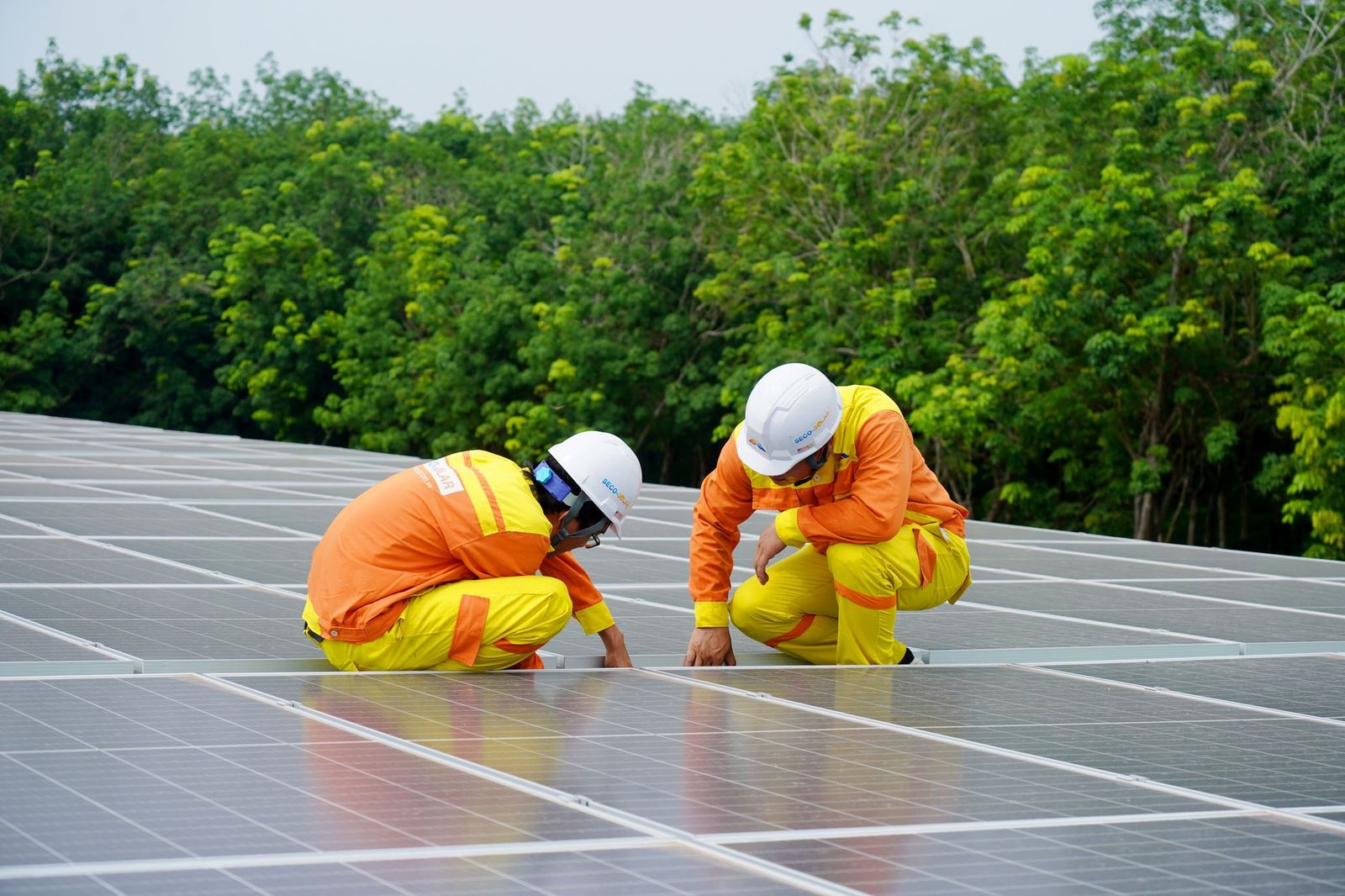
Solar panel installation crew at work

Wind farm builds

Heated sleeper trailers for wind farm crews on open ranch land

A wind farm is a long string of turbines, sometimes stretching for miles across leased ranch land. The Chokecherry and Sierra Madre project near Rawlins sits on the 320,000-acre Overland Trail Ranch. Its 1,000 planned turbines occupy about half of 1 percent of that property. Crews never work in one spot. They work along a corridor, so crew housing belongs at a central location where every section of the project stays within a reasonable drive.

The workforce numbers on that Wyoming project show the housing problem clearly. Construction planning assumed an average of 400 workers and a peak of 900, compared with only 114 permanent positions after completion. Carbon County, where the ranch is located, counted 14,537 residents in the 2020 census, spread across 7,964 square miles of mostly open country. That peak crew would equal about 6 percent of the entire county's population, arriving within a few months.

Wind crews also keep unusual hours. Turbine components are difficult to lift safely in strong daytime wind, so that project planned to raise turbines at night whenever conditions settled down. A night crane crew has to sleep from late morning into the afternoon, usually while temperatures are climbing. A heated sleeper trailer with working air conditioning handles both the freezing nights and the warm afternoons of a high plains autumn. Solid walls and a closed door block most of the daytime noise and light.

On wind projects, we look for the central yard where cranes and turbine components are staged, not the far end of a 20-mile turbine road. We also turn the doors away from the prevailing wind whenever the ground allows it. Here is why. A door that catches a 40 mph gust becomes a real hazard at 2 in the morning. When construction moves to a new section of the ranch, we relocate the trailers with it, usually between rotations so nobody loses a night of sleep.

  • Ranch land wind farms
  • Ridge line turbines
  • Crane and parts yards
  • High plains projects
  • Mountain pass sites
  • Turbine road staging
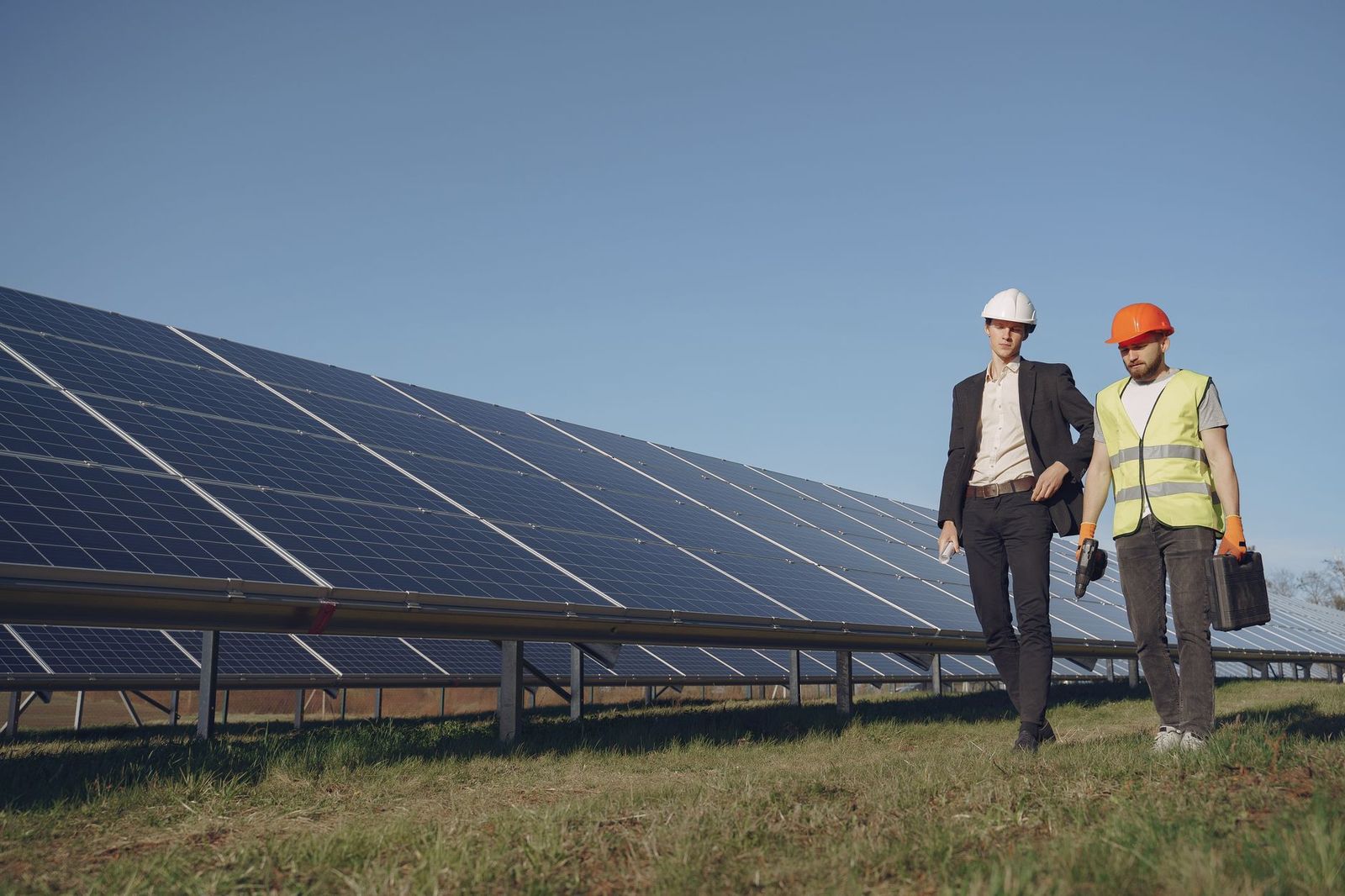
Solar farm engineer walking a panel array

Battery storage builds

Crew housing trailers for battery storage yards

Battery storage is growing quickly as a share of renewable construction. The United States had about 59 MW of grid battery storage in 2010, and installed capacity climbed past 12,000 MW by 2024. These systems usually go in at or near an existing power plant, because sharing its grid connection and its land simplifies the entire project. As a result, the battery crew often arrives on a site that a solar or wind crew just finished.

That second crew is usually smaller and working on a tighter schedule. Electricians and startup technicians arrive to set the battery containers and bring the entire system online. A typical battery crew runs 20 to 40 people rather than several hundred. With a short schedule, every hour lost to a long commute shows up quickly on the project calendar. It adds up fast.

Battery yards are compact and busy. Containers arrive on large trucks, and cranes set them on concrete pads while the available space around them disappears quickly. We place crew quarters trailers outside the fenced equipment area, close to the site office, with a clear walking path that stays well away from crane activity. Your safety lead approves the location before our driver leaves.

Because these crews often follow a solar project, we sometimes keep trailers on the same site through the handoff. The solar crew can move out on a Friday and the battery crew can move in on Monday, after we service the trailers over the weekend. That saves a round trip for the equipment and gives the incoming crew a comfortable bed from the very first night. Just tell us about both phases on the first call.

  • Solar plant storage
  • Wind farm storage
  • Older power plants
  • Substation expansions
  • Container pads
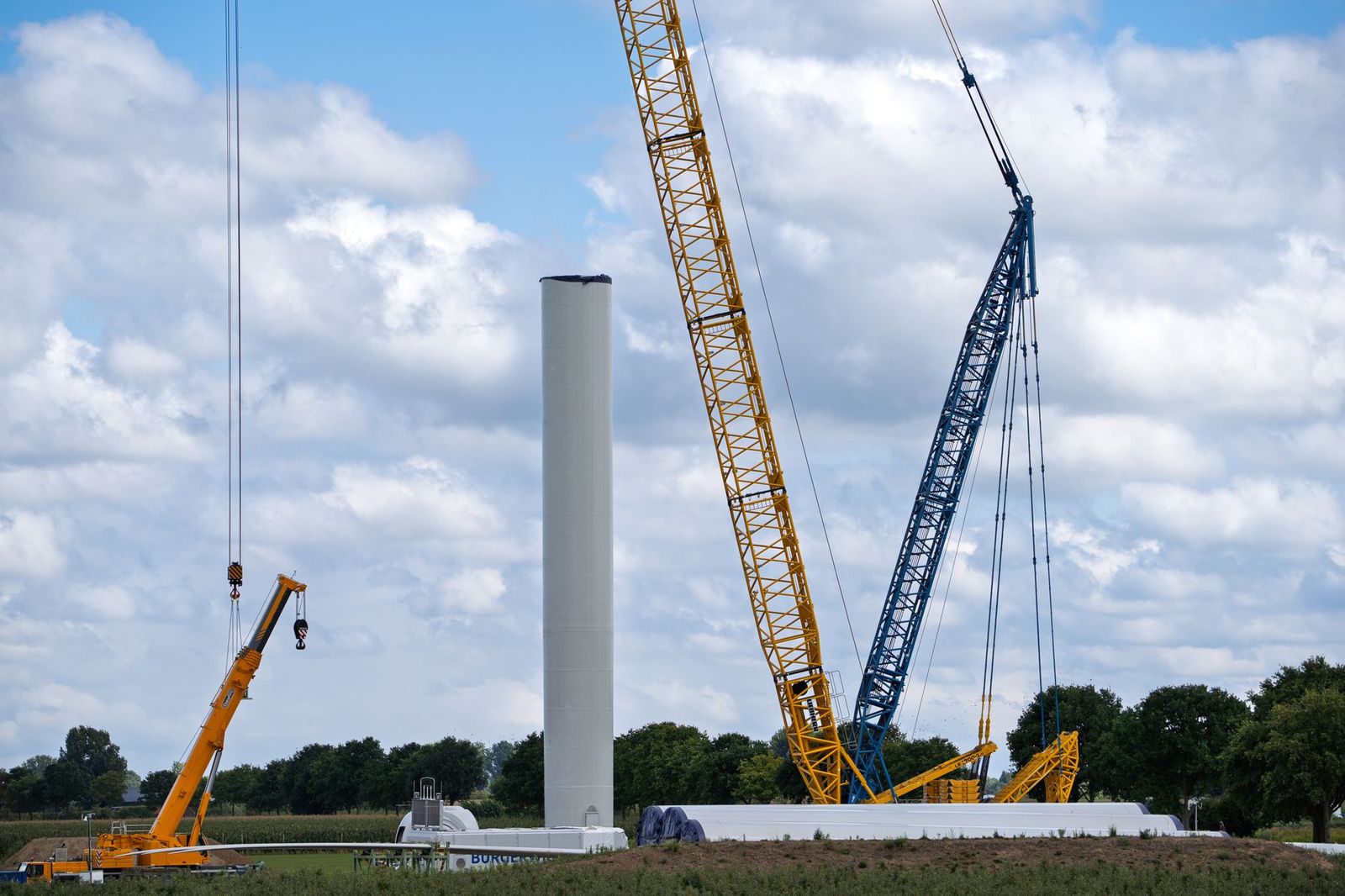
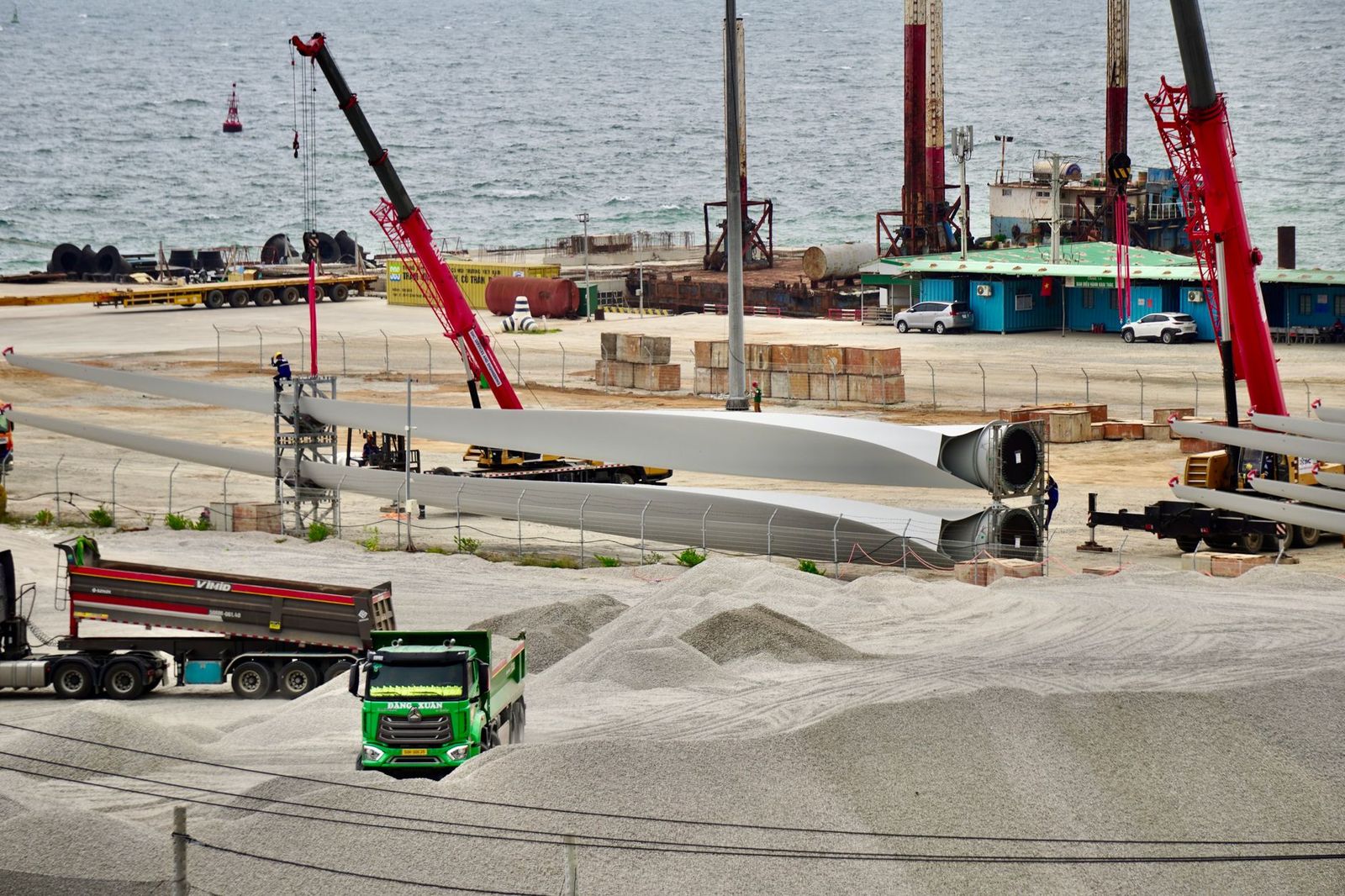
Wind turbine blade on a transport trailer at a construction yard

Transmission and substation crews

Mobile bunkhouse trailers for transmission line and substation crews

Every new solar or wind project needs a path to the grid, and that often means a new transmission line or a larger substation. The SunZia project in central New Mexico pairs 916 wind turbines and 3,500 MW of capacity with a 550-mile high-voltage line to Arizona. Construction started in September 2023, with completion targeted for 2026. Line crews on a project like that work a moving front instead of a fixed pad.

New power lines can take 10 years from early planning to finished construction. Many utilities now rebuild existing lines with larger wire instead, and one Texas project did exactly that along 240 miles of an older route. In both cases, the crew works a long rural stretch where the nearest town may be 60 miles from the day's work. A mobile bunkhouse trailer can move down the route every few weeks and keep the crew within a short drive of the front.

Transmission and substation crews work much like the crews we house through our utility line crew sleeper trailers. These are experienced traveling crews who work long days on tight outage windows. We usually plan placement at staging yards along the route, often at a county road crossing or a substation property with enough room to turn a truck around. Send us the route map. Include the dates you expect to move, and we will plan each relocation ahead of time.

Substation work is more compact. A crew of 12 to 24 may spend several months inside one fenced yard while transformers and switchgear are installed. For that kind of assignment, 1 or 2 trailers just outside the fence line can house the entire crew until the substation goes into service. When the same crew moves to the next substation down the line, the trailers can travel with them.

  • Line staging yards
  • Substation sites
  • Line rebuild routes
  • Road crossing yards
  • Switchyard expansions
  • Right-of-way yards
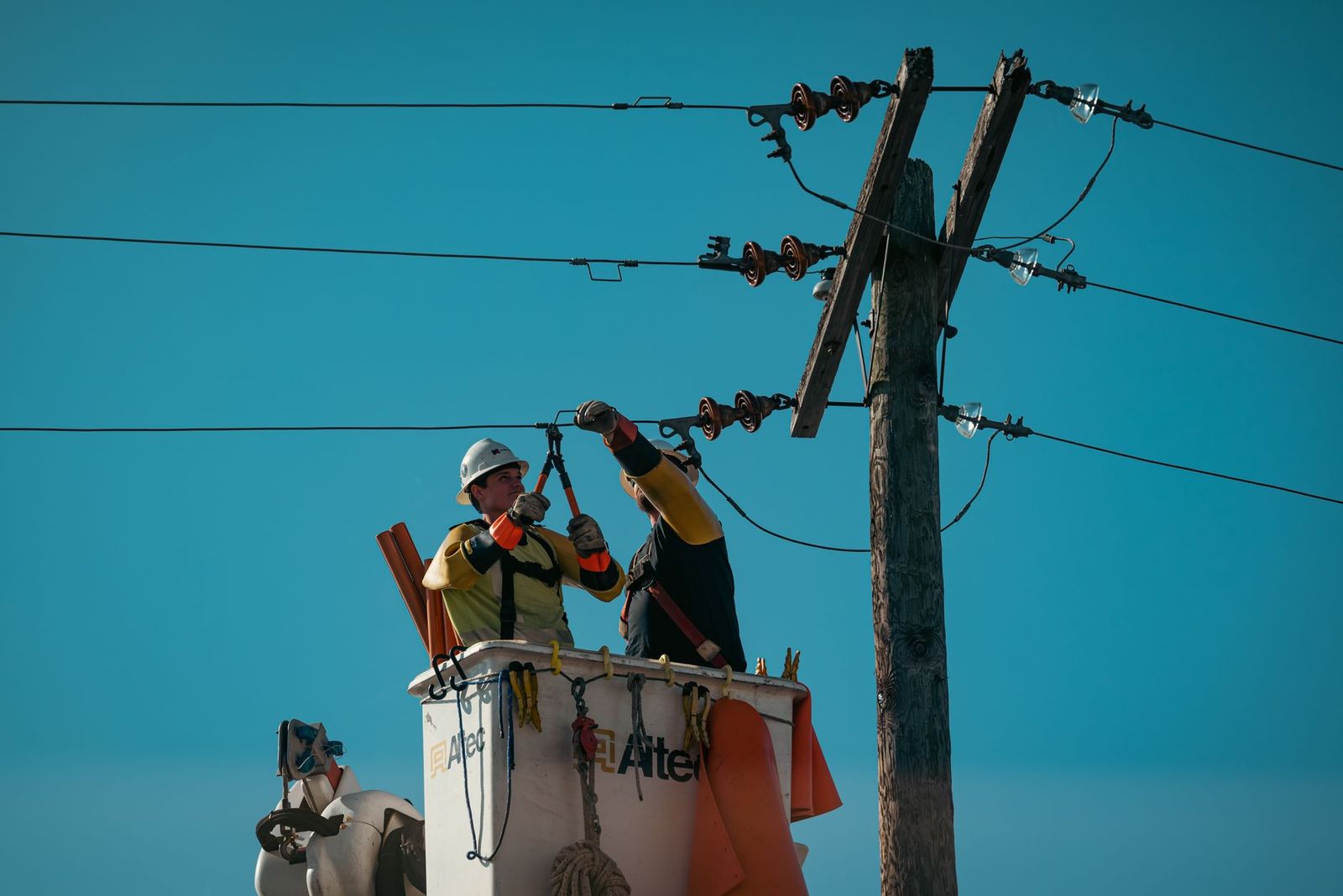
Utility linemen working a distribution pole

How to Plan Crew Housing for This Work

Planning housing for solar and Wind Farm Construction Crews comes down to four questions: the headcount sleeping on site, the expected length of the assignment, the electrical capacity available at the pad, and delivery access for a truck and trailer. The sections below work through each question in order.

How we deliver and set up bunk trailers on a solar or wind project

We prefer to deliver 1 or 2 days before the crew arrives, so the trailers are level and cooling when the first truck pulls in. On a large project, workers often arrive in waves over 4 to 8 weeks as each trade package begins. We deliver in waves to match. We add trailers as the headcount climbs, and we remove them as it falls. Call (888) 828-7765 with your staffing plan, and we will match our delivery dates to it.

Placement comes next, and a few simple rules cover most sites. Level, firm ground comes first. A graded pad beside the site office is usually a good location on the property. We keep trailers out of the path of turbine haulers and panel trucks. We also leave room for separate restroom and shower trailers nearby, because the sleeper trailer is designed for sleeping and has no bathroom. Power gets confirmed before delivery, whether it comes from a temporary electrical service or a generator your electrical contractor already runs.

On these sites, delivery problems usually happen in the last 500 feet. Leased farmland turns soft after a spring rain, and a pasture gate that fits a pickup can be too narrow for a 34 ft trailer. Wind projects add their own challenges. A ridge top pad that looks level on a drawing may actually slope several inches across the length of a trailer. You notice that in a bunk. We review the route and the pad with your site contact before the truck leaves our yard.

When construction wraps up, we schedule pickup around your demobilization plan. Crews usually shrink over the final month, so we remove trailers in roughly the order they arrived. If the schedule slips, we extend the rental instead of forcing an early move. When your next project starts across the state or across the country, the same climate-controlled trailers can follow the crew there.

  • Level, firm ground with enough room for a 34 ft trailer and its open doors
  • A delivery route with gates wide enough for a long trailer to swing through
  • Electrical power confirmed with our team before delivery day
  • A named contact at the entrance gate or in the site office
  • A location away from haul roads and crane activity
  • Available space nearby for separate restroom and shower trailers
  • A pickup window that lines up with your demobilization schedule
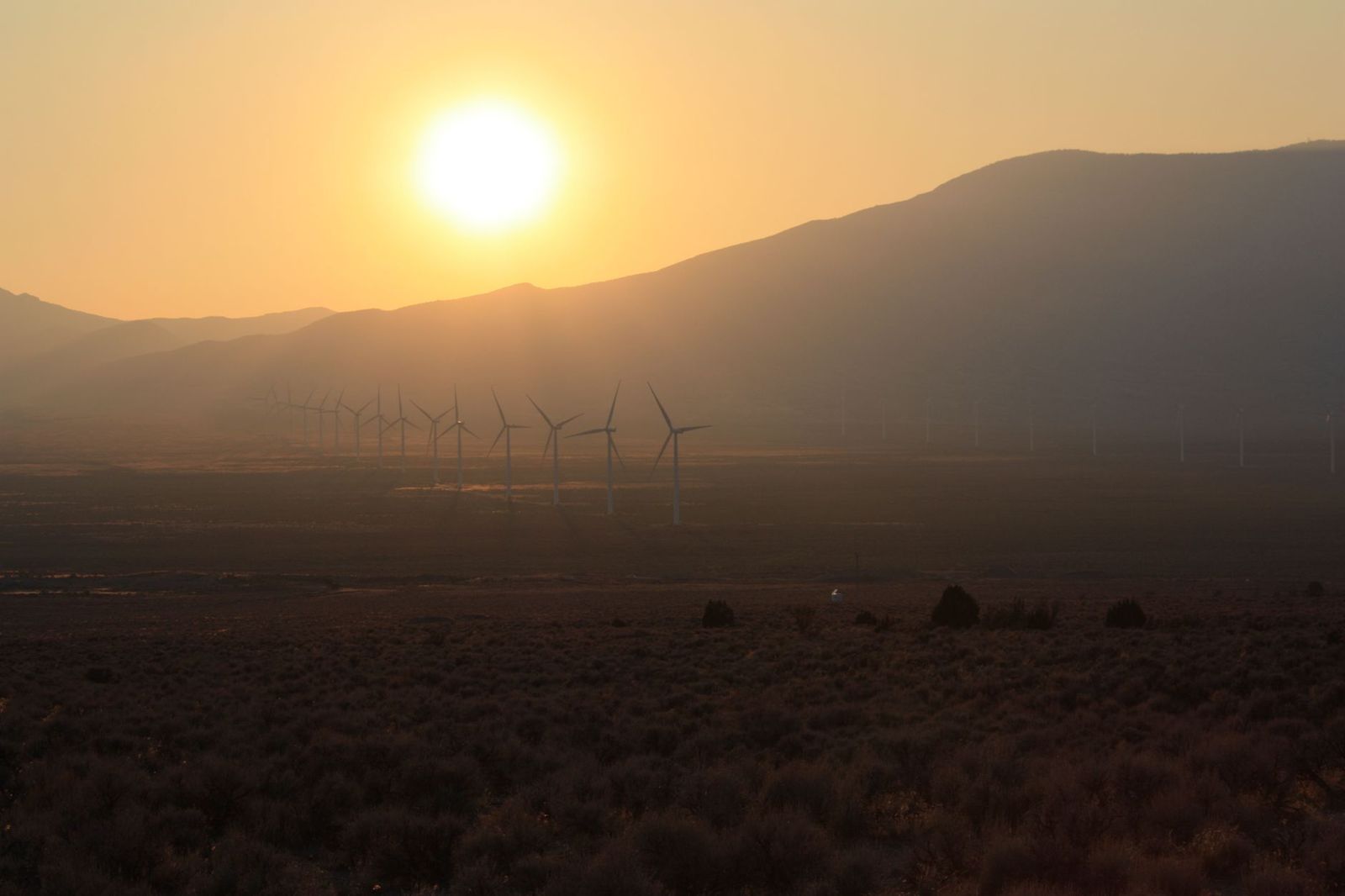
Wind turbines in the Nevada desert at dusk

How many crew sleeper trailers a solar or wind crew needs

ScenarioCrew sizeTrailers
Startup crewUp to 121 trailer
Electrical crew20 workers2, 4 spare
Turbine setup crew24 workers2 trailers
Two trade crews36 workers3 trailers
Electrical package60 workers5 trailers
Shared day/night bunks24, two shifts1 trailer
Peak project section120 workers10 trailers

The arithmetic is simple. Each trailer sleeps 12 workers, so a 24-person crew needs 2 trailers and a 60-person crew needs 5. A crew of 20 fits in 2 trailers with 4 spare bunks. Those spare bunks rarely stay empty for long, because a foreman or a late hire usually claims them by the second week of construction. Always round up.

Hot-bunking means 2 shifts share the same bunks, with the day crew sleeping at night and the night crew sleeping during the day. Most solar and battery crews work 1 shift, so the arrangement rarely fits those projects. Wind projects with a night crane crew and a daytime civil crew are the exception, and there 12 bunks can cover 24 people. Even so, most superintendents prefer 1 bunk per person on a long project, because every worker keeps a personal storage compartment and charging outlet.

Our honest recommendation is 1 bunk per person, rounded up to the next full trailer. On a large project, plan housing for each trade package separately, because the electrical crew and the turbine crew rarely reach their peak in the same month. Rotations like 14 days on and 14 days off are common on remote energy work. Ask whether the incoming crew overlaps the outgoing one. If it does, you need beds for both groups on changeover day.

Heat and rest rules behind solar and wind crew quarters

Heat is a serious weather hazard on an open solar farm or a summer wind project. OSHA proposed a federal heat injury and illness prevention rule in 2024. Today the agency enforces heat hazards through its National Emphasis Program on outdoor and indoor heat, Directive CPL 03-00-024. It also relies on the General Duty Clause in Section 5(a)(1) of the OSH Act, and several states, including California, enforce additional heat regulations of their own.

OSHA's heat guidance focuses on drinking water and regular rest in the shade. It also recommends a gradual start for new workers during their first few days in the heat. Rest after the shift matters too. A crew sleeping in an air-conditioned trailer 5 minutes from the work starts the morning better rested than one that spent an hour in a hot truck.

Housing rules for crews living on a project site vary by state, by county and by program, and some counties can treat a group of sleeper trailers as a temporary camp that needs its own permit. Your safety team decides how those rules apply to your particular camp. We make no compliance claims for your site, and we gladly send the trailer details your safety manager needs for that review.

Drivers are the other half of the rest picture. Truck drivers hauling turbine blades and solar panels follow Federal Motor Carrier Safety Administration hours of service regulations, which limit driving time and require time off duty. OSHA also holds host employers and staffing agencies jointly responsible for temporary workers, and many traveling crews on these projects arrive through staffing companies. A clear housing and rest plan helps both employers meet that shared responsibility.

  • OSHA National Emphasis Program on heat, CPL 03-00-024: Targets outdoor and indoor heat hazards through inspections and outreach, alongside the General Duty Clause.
  • County land use and temporary housing permits: Local rules that can govern where temporary crew housing sits on a project site and for how long. They vary by county.
  • OSH Act Section 5(a)(1), the General Duty Clause: Employers must keep workplaces free from recognized hazards likely to cause serious harm.
  • FMCSA hours of service for property carriers: Up to 11 hours of driving after 10 hours off duty, with a 30-minute break within the first 8 hours.
  • OSHA guidance on temporary workers: Host employers and staffing agencies share responsibility for the safety of temporary workers.
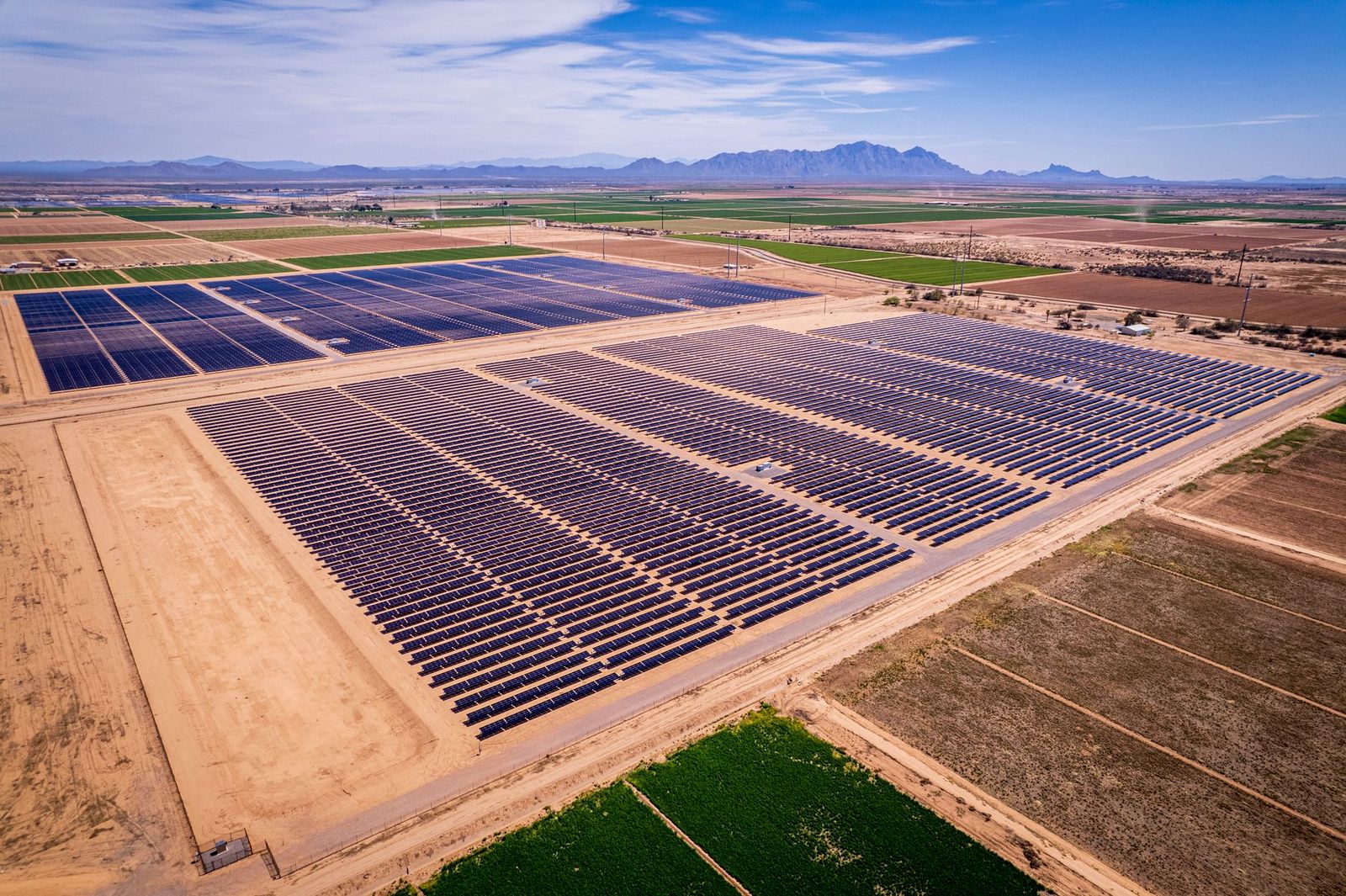
Aerial view of an Arizona solar farm

What solar and wind crew housing looks like without bunk trailers

Most renewable crews still stay in hotels and short-term rentals in the nearest town, with lodging covered through per diem. That works for 15 workers. It breaks down once a project needs 50 to 100 rooms. According to a workforce lodging guide from LodgeLink, a block that size can use up a small town's entire supply. Most utility-scale projects pass that number early in construction.

Sweetwater shows how quickly that happens. The town has about 10,622 residents and sits at the center of the Nolan County wind region, where more than 1,500 MW of capacity is installed. Wind construction created about 1,330 direct jobs in Nolan County in 2009 alone. A community that size cannot add hundreds of hotel rooms in a single season. Crews then spread out to towns 45 minutes or an hour away.

Then the drive starts eating the day. An hour each way on top of a 10-hour shift leaves about 12 hours for sleep and everything else. Superintendents notice it in late starts and tired crews by the third week. Large workforce camps can solve the problem for crews in the thousands, but they take months to permit and construct. A group of temporary crew housing trailers fits the middle ground, which is exactly where most solar and wind crews fall.

  • 2 hrs lost each workday when the nearest room is an hour away
  • 10 hrs of driving per worker in a 5-day week
  • 437,000+ Americans working directly in clean power, per the American Clean Power Association
  • 280,000+ Americans employed in solar in 2023
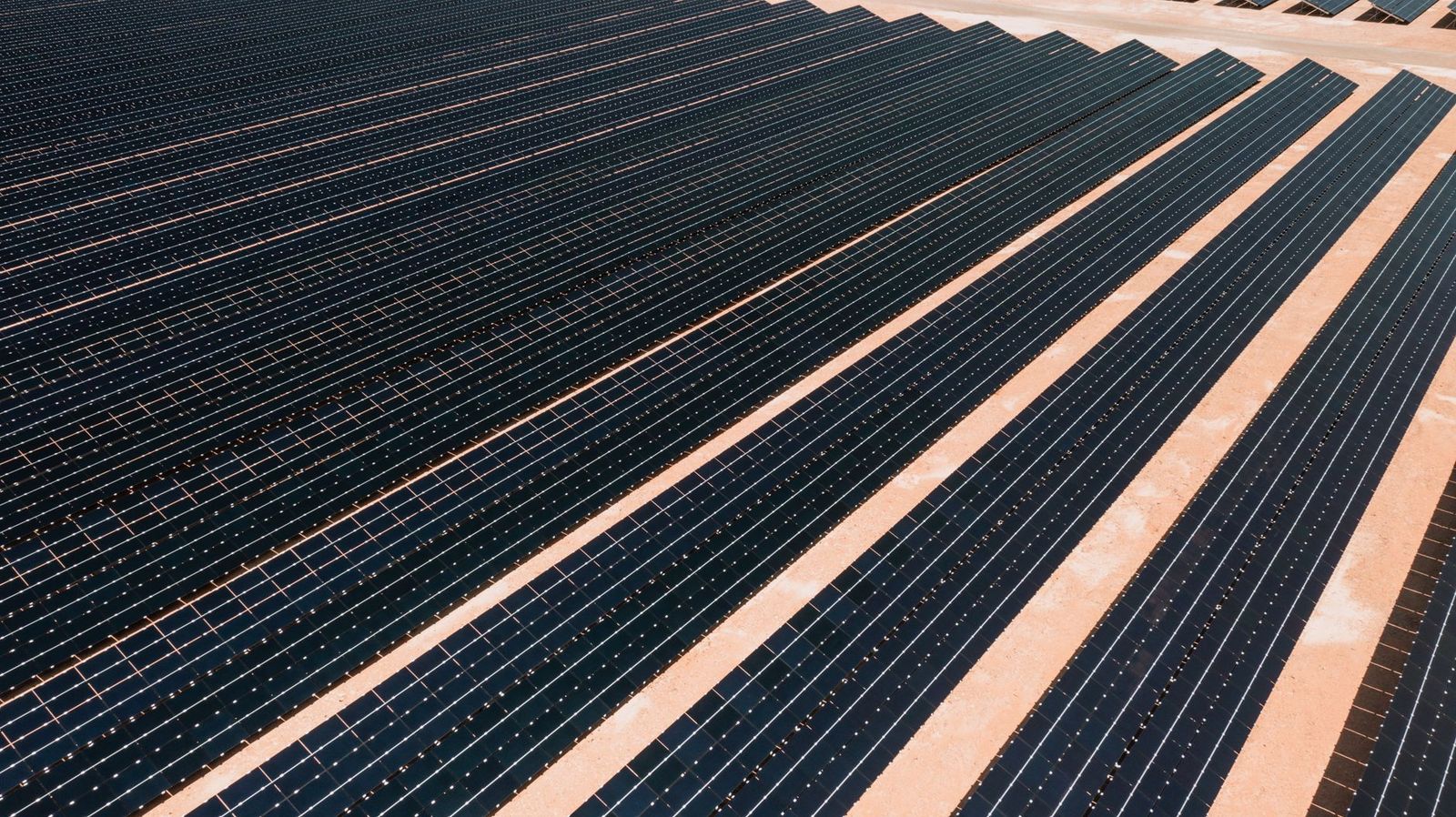
Rows of solar panels in Arizona

Three sites and how a setup usually runs, the short version

Typical setup: desert solar farm, 36-person electrical crew, late June

A typical job like this starts with a call about 3 weeks before the electrical crew is due. The call often comes after the site team learns the nearest hotels are booked by another project. Three trailers cover 36 people, set on a graded pad beside the site office. Afternoons on a desert site in late June can pass 110 degrees, so the thermostats are set before the crew arrives and checked again on day 2. The crew then walks to the morning safety meeting instead of driving 50 minutes to reach it. When the next group of electricians is scheduled, a fourth trailer can be added on the same pad.

Typical setup: ridge line wind farm, 24-person night crane crew, October

A night crane crew of 24 fits in 2 heated trailers set at the central crane yard, with the doors turned away from the prevailing wind. On a schedule like this, the crew sleeps from late morning into the afternoon. The air conditioning runs during warm October days, and the heat runs after sunset. When turbine installation moves several miles along the access road, the trailers can be relocated on a day off between shifts. Planned that way, the move costs the crew no sleep.

Typical setup: battery storage yard beside a working solar plant, 20-person crew, February

A battery storage crew of 20 electricians and startup technicians on a 10-week schedule needs 2 trailers. Yards like this are tight, with containers staged on nearly every open pad inside the fence. The trailers sit outside the fence line beside the site office, with a clear walking path that stays away from crane activity. February mornings on an open site can be cold, so the heating does most of the work in the first month. If the crew finishes early, pickup can be scheduled shortly after the last worker leaves.
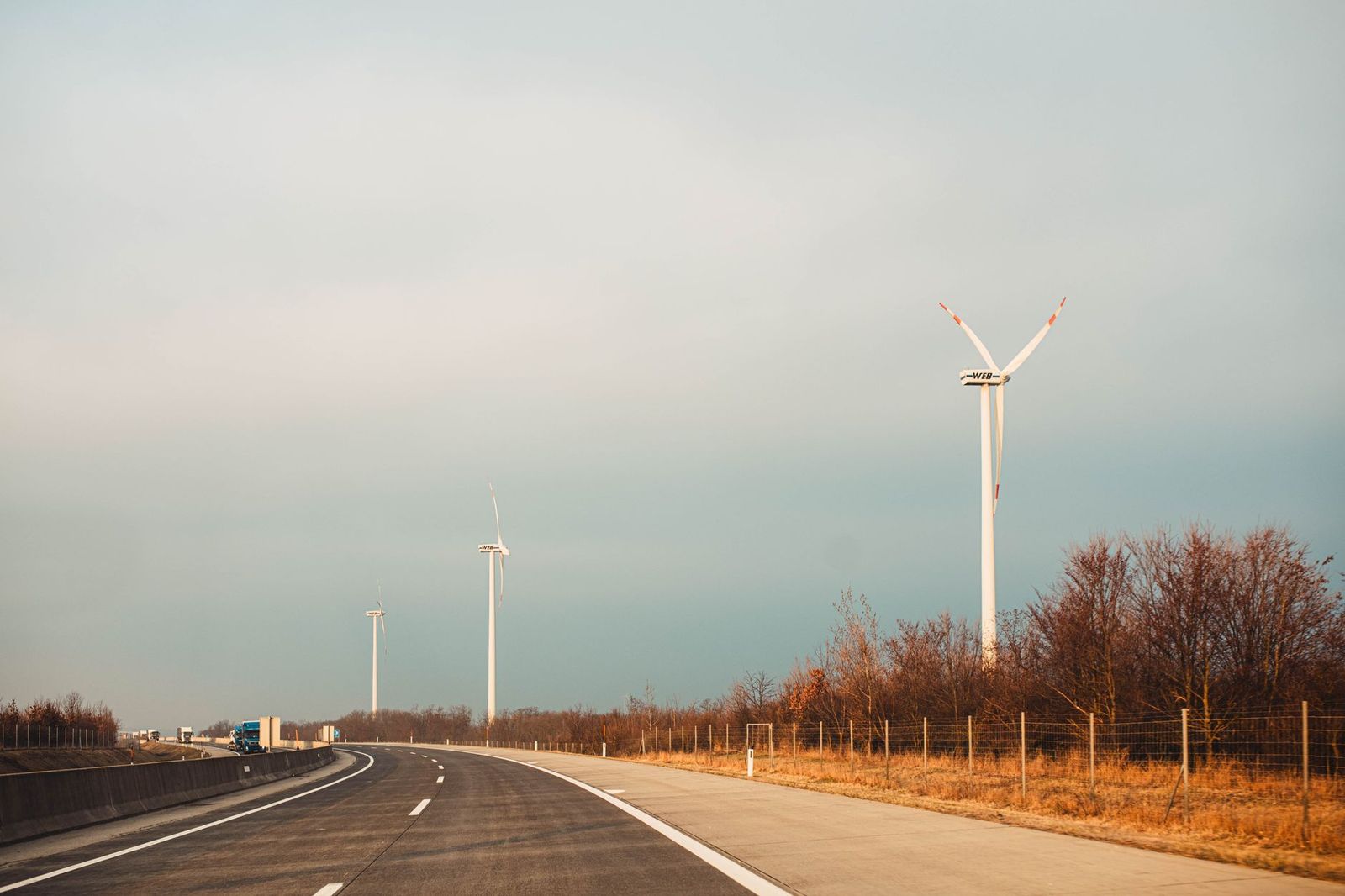
Wind turbines along a coastal highway

Before the truck comes

Here is how bunkhouse trailer rental questions works

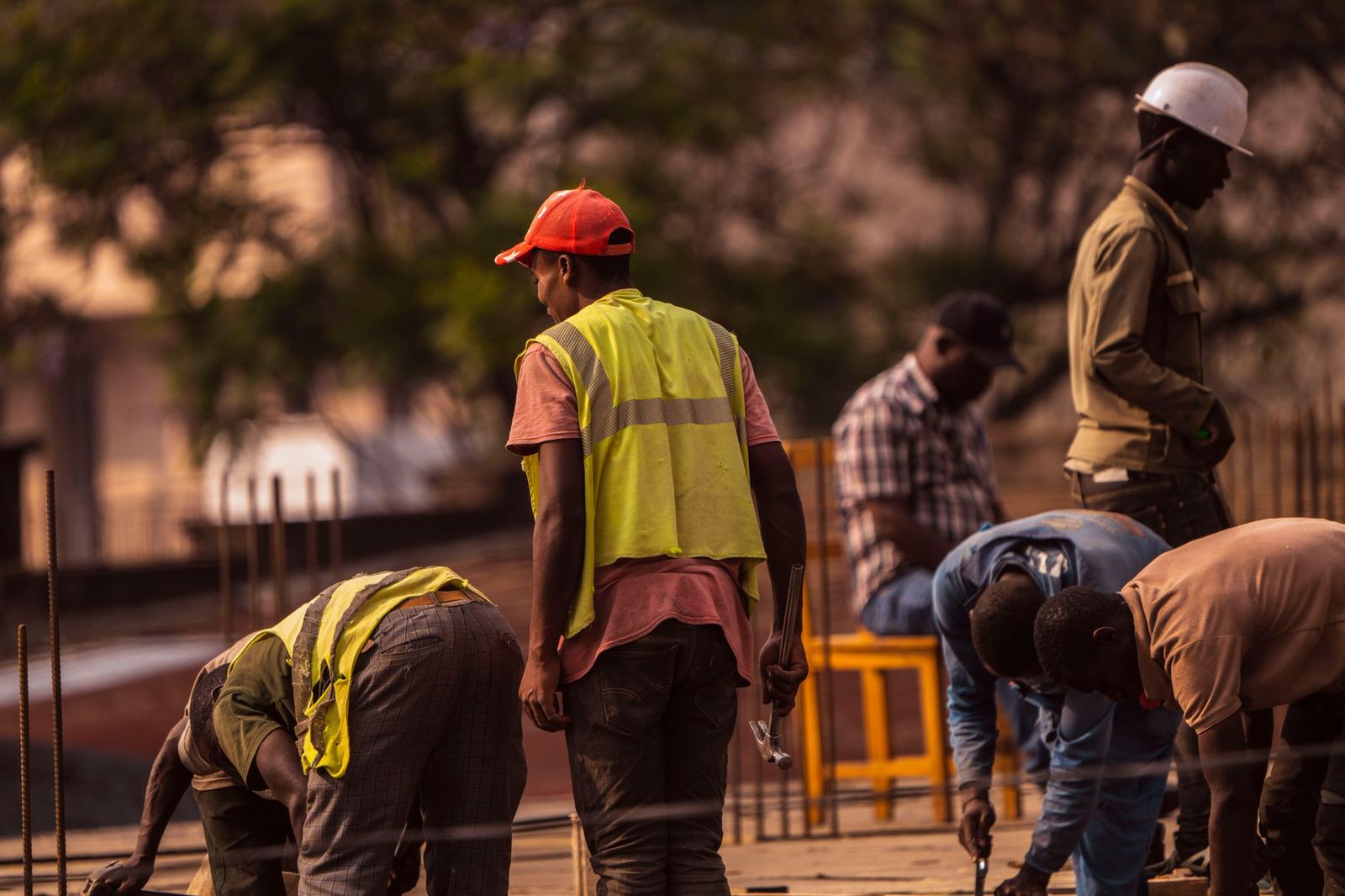
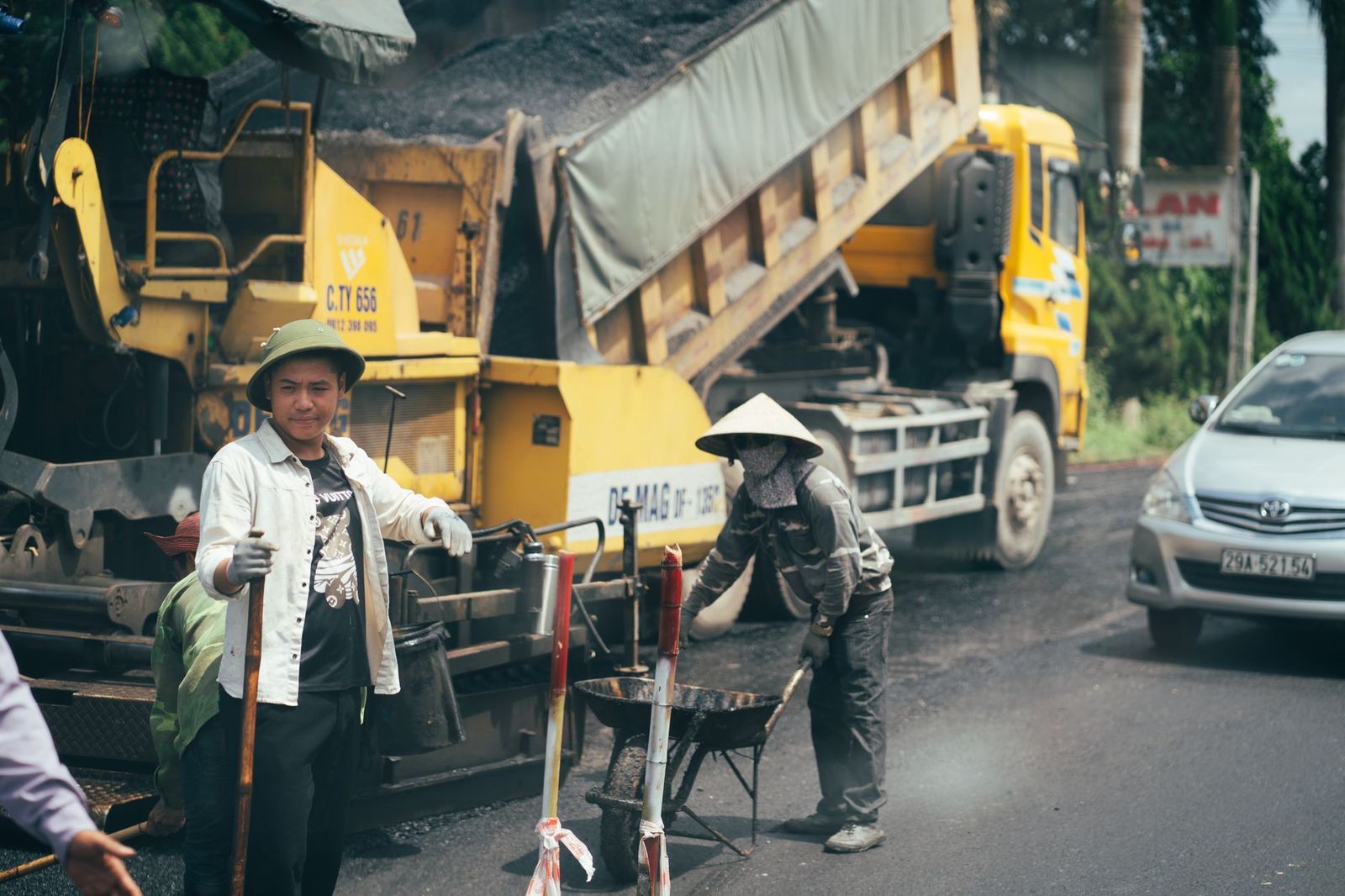
Highway road construction crew

What is crew housing for a solar or wind construction site?

Crew housing is temporary sleeping space for workers, located on or near the project site during construction. On solar and wind projects, it usually means bunk trailers positioned near the site office, so crews walk to work instead of commuting from a distant town. Our trailers sleep 12 workers each inside 34 ft of space with heating and air conditioning. Everything is delivered and set up before the crew arrives.

How many workers does a utility-scale solar farm need during construction?

It depends on the size of the project, but large solar farms frequently peak in the hundreds. Topaz Solar Farms in San Luis Obispo County created approximately 400 construction jobs over a 3-year construction period. Most of those workers are on site simultaneously only during the busiest months. Plan your housing around that peak month instead of the average.

How many workers does a wind farm project employ at its peak?

Large wind projects can reach several hundred workers on site during the busiest months. The Alta Wind Energy Center in the Tehachapi Pass was expected to create more than 3,000 jobs across its multi-phase buildout between 2010 and 2014. Smaller wind farms may peak at 100 to 200 people. The turbine installation phase is usually the busiest stretch of the entire project.

Why don't hotels work well for renewable construction crews?

Solar and wind projects are built where land is open and inexpensive, which usually means small communities with limited hotel availability. A large crew can fill every available room in town within the first week of construction. Workers then commute an hour or more in each direction, which reduces sleep and adds miles to company vehicles. Trailers on site eliminate that commute entirely.

What is a man camp, and do solar and wind projects use them?

A man camp is a temporary workforce camp that houses crews on or near a remote project. Large ones accommodate hundreds or thousands of workers, and they developed around oil and gas booms where companies avoided building permanent housing. Solar and wind projects apply the same idea on a smaller scale. A group of sleeper trailers near the site office is essentially a camp sized for one or two crews.

How far from town are most solar and wind farms built?

Many are built well outside town, where open land is available and neighbors are few. Desert Sunlight, for example, is located about 6 miles north of Desert Center, a very small community with almost no lodging. Mojave Solar is located about 20 miles northwest of Barstow. Wind farms spread out even farther, since a single turbine string can continue for miles.

Do wind turbines get installed at night?

Sometimes they do. Turbine components are difficult to lift safely in strong wind, and on some high plains locations the wind calms down after dark. Crews on those projects may raise turbines overnight and sleep during the afternoon. That schedule requires a cool, dark room in the middle of the day, which is exactly where an air-conditioned trailer helps.

How many bunkhouse trailers do I need for a 24, 36 or 60-person crew?

Each trailer sleeps 12, so divide your crew count by 12 and round up. That works out to 2 trailers for 24 people and 5 trailers for 60 people. A 36-person crew fits exactly in 3 trailers. If your count falls between those numbers, round up to the next full trailer so an additional hire still has a bunk.

Is there a federal heat rule for outdoor construction workers?

OSHA proposed a federal heat injury and illness prevention rule in 2024. Today, OSHA enforces heat hazards through a National Emphasis Program on outdoor and indoor heat and through the General Duty Clause. Some states, including California, have their own heat regulations for outdoor work. Your safety team should confirm which requirements apply to your particular site.

Does the sleeper trailer have a bathroom or shower?

No, the trailer is designed specifically for sleeping. It has 12 bunks and 3 AC units with heat, plus a light and a USB outlet at every bunk. Crews use separate restroom and shower trailers positioned nearby. We leave room for them when we plan the layout of your site.

Can you deliver a sleeper trailer to a rural ranch or farmland site?

Yes, in most cases. Most solar and wind sites already have graded roads built for panel trucks and turbine haulers, and our trailers travel those same roads. We confirm the gate width and the ground conditions before delivery day. Soft farmland after rain is a common difficulty, so a gravel pad near the site office makes delivery considerably easier.

What happens to our crew housing if the project schedule slips?

You extend the rental. Permit and grid connection delays are common on renewable projects, and they can postpone a start date by several months. We can reschedule a delivery or keep trailers on site longer without another setup. Call (888) 828-7765 as soon as your schedule changes.

How is battery storage construction different for crew housing?

Battery storage crews are usually smaller and on a shorter schedule than solar or wind crews. They often arrive immediately after the solar or wind crew leaves the same site. We can keep trailers in position through that handoff, so the incoming crew has beds on its first night. Mention both phases on your first call.

How long does a utility-scale wind farm take to build?

Large projects can take 3 to 4 years from the beginning of construction to full operation. Smaller wind farms may finish in a single construction season. Crew size rises and falls across that period, so housing requirements change from month to month. We add and remove trailers as your headcount changes.

Simply this

What to know before you book, step by step

  • Work crew reviewing site plans at a jobsite

    Planning crew housing when permits and grid connections keep moving your start date

    Renewable projects rarely start on the date in the first schedule. The biggest reason is the grid connection. At last count, more than 10,000 power plant and energy storage projects were waiting for permission to connect to the American grid. About 95 percent of them were zero-carbon, and each one waits in line until the regional grid authority approves it.

    Read the full note

    Permits add their own delays. The Chokecherry and Sierra Madre wind project in Wyoming originally targeted 2020 for completion. That date moved to 2026 and then to June 2029 because of permit and construction delays. A housing plan built around one fixed window would have been wrong several times over.

    That changes how crew housing should be planned. A hotel block reserved a year ahead can fall apart when the start date moves. A permanent camp locks in a large expense before the first crew arrives. Rented sleeper trailers can move with the schedule instead. You hold a date, postpone it when the notice to proceed slips, and extend the rental if the work runs long.

    We suggest a first conversation as soon as your project has a target start month, even if it is 6 months away. We record the site location and the expected crew size for each trade package. Then we check in again when the schedule becomes definite. The actual order usually arrives 3 to 4 weeks before mobilization, and by then the route and the pad plan are already finished.

    Queue delays also create a second problem. When a batch of projects receives approval at the same time, several projects in the same region can mobilize together. That is when local rooms disappear quickly and when trailer demand in that area climbs. Call early. An early conversation puts your project on our calendar before that rush begins.

    Plan for the final stretch too. Punch list and startup crews often remain 4 to 8 weeks after the main crew leaves. Keep 1 or 2 trailers on site for them instead of sending a small crew back to distant hotels at the end of the project.

    The simple lesson is to treat housing like a schedule item, not a fixed reservation. Call (888) 828-7765 once the target month is set, and we will keep your dates moving with the project.

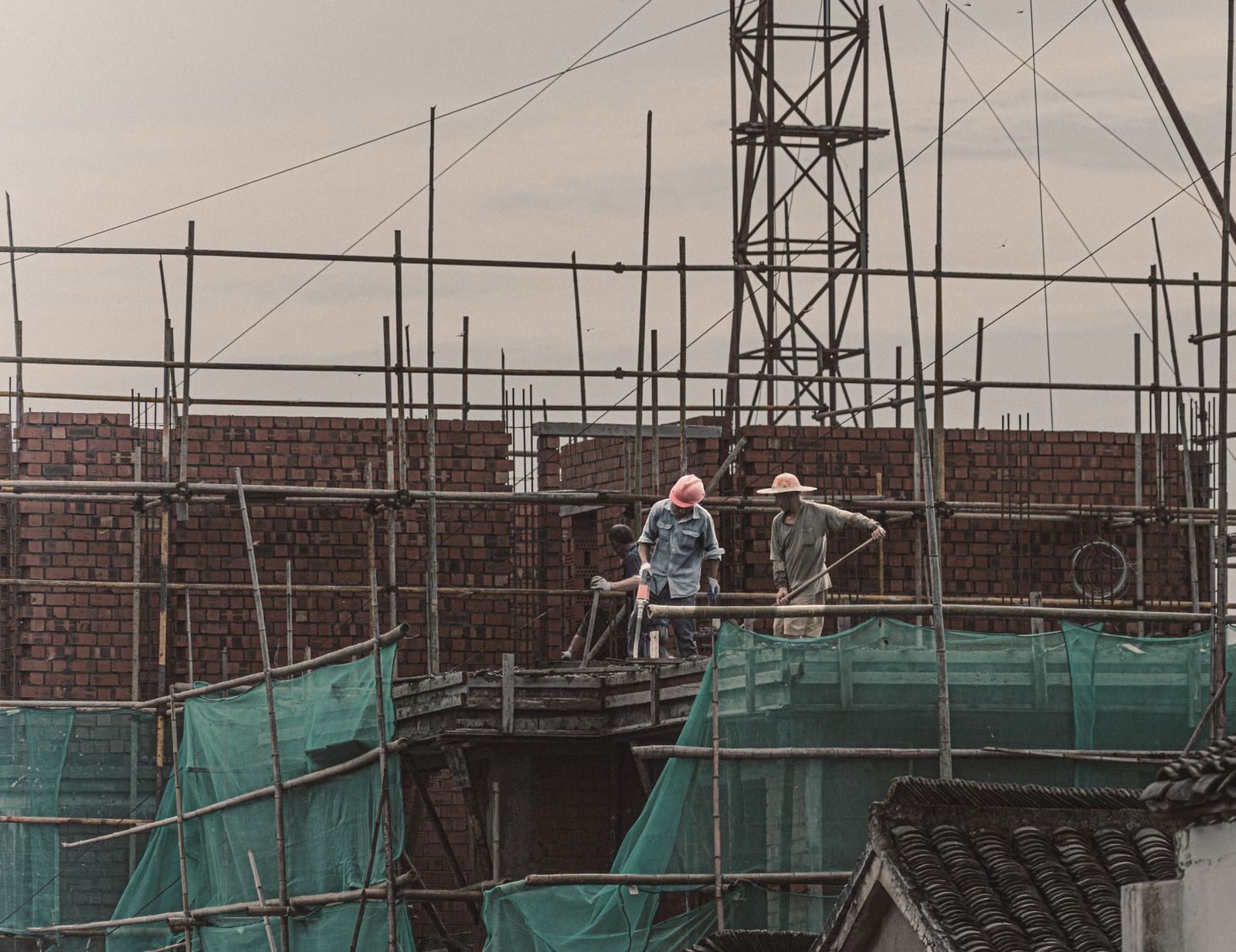
  • Construction crew on scaffolding

    Setting up crew housing for summer heat on solar sites and cold nights on wind sites

    Solar and wind crews face opposite weather problems, sometimes in the same month. A desert solar crew battles afternoon temperatures from May through September. A wind crew on a high ridge can face freezing nights in spring and autumn. The housing setup should match the location instead of following a single plan for both.

    Read the full note

    Heat is the bigger danger. Between 1992 and 2006, 423 American workers died from heat illness, and in one set of reports, 33 of 37 heat deaths happened between June and September. Construction is among the higher-risk trades. Kansas has the highest rate of work-related heat injuries, while Texas reports the most total cases because of its sheer volume of outdoor work.

    For a summer solar project, we set the thermostats before the crew arrives, so the bunks are already cool on the first night. We position trailers where they receive afternoon shade whenever the site allows it, such as beside a taller site office or equipment building. The AC units carry the load, while shade reduces the work they have to do on a 105-degree afternoon.

    New workers need extra attention during their first week on a hot site. Schedule their arrival so they get a full night in a cool bunk before the first shift, instead of driving in from the airport and starting at dawn. It is a small planning step, and it gives every new hire a better first morning on the job.

    Wind sites reverse the problem. Nights on a high plains ridge can drop below freezing, and the wind makes the temperature feel even colder. The same 3 units provide heat, and the smart thermostat maintains a steady setting through the night. We turn the doors away from the prevailing wind, so warm air stays inside when crew members come and go at shift change.

    Spring and autumn need both. A wind site in October can run the air conditioning at 3 in the afternoon and the heat at 3 in the morning. The digital touch control makes that adjustment simple, and the crew never has to guess at the settings.

    Tell us the site elevation and the months you expect to work when you call. We will prepare the trailers for the weather your crew will actually experience.

  • Industrial workforce crew at a jobsite

    Questions to ask before you order sleeper trailers for a renewable energy project

    Most crew housing problems on renewable projects trace back to a question nobody asked early. These are the questions we walk through during the first conversation. Having the answers ready reduces the planning time to about 15 minutes.

    Read the full note

    First, how many people sleep on site on your busiest night? Count the peak month for each trade package, not the full roster. Second, do any crews work nights? A night crane crew changes how many bunks you need and where the trailers should be positioned.

    Third, which road will the delivery truck use? A 34 ft trailer needs a gate wide enough to swing through and firm ground all the way to the pad. Fourth, where is the site office, and where do the haul trucks turn around? We place trailers close to the first and far from the second.

    Fifth, what power is available on site? A temporary electrical service or a generator will both work, but we confirm the details before delivery. Sixth, where will the restroom and shower trailers go? The sleeper trailer has no bathroom, so we plan those locations together.

    Seventh, how are your crews paid for lodging? Many traveling crews receive per diem, and GSA rules base the reimbursement on the location of the work, not the location of the room. When the only available rooms are in a town an hour away, that difference lands on your crew or your budget. The current rates appear on the GSA per diem rates page.

    Eighth, what happens if the schedule slips? Ask how extensions and date changes work before you sign anything. With us, you extend the rental or reschedule the delivery with one phone call.

    Bring your crew counts by trade and your target start date to the conversation. Call (888) 828-7765 any hour, and we will build the delivery plan around your schedule.

    Source: GSA per diem rates page

Get a quote

Tell Us Where Your Crew Needs Beds

Send the basics and a dispatcher will call you back with availability and a delivery window. In a hurry? Call now.

  1. We confirm the site, dates and crew size.
  2. We lock in a delivery window and power plan.
  3. The trailer arrives, gets leveled and is ready for the first night.
(888) 828-7765

Request a quote

Takes about a minute. Fields marked * are required.

We only use your details to answer this request.