





How to Plan Crew Housing for This Work
Planning housing for film and TV Production comes down to four questions: the headcount sleeping on site, the expected length of the assignment, the electrical capacity available at the pad, and delivery access for a truck and trailer. The sections below work through each question in order.
How we deliver and set up crew sleeper trailers at a film base camp
Most film bookings arrive a few weeks before the first shoot day, once the start date and the location are both locked. Some come with only 2 or 3 days of notice, usually after a location falls through late in preparation. Late calls happen. Our dispatch line at (888) 828-7765 is open 24/7 for exactly that reason, and you reach a person who can route a truck immediately. Send the base camp address with your crew count, and we begin organizing the delivery.
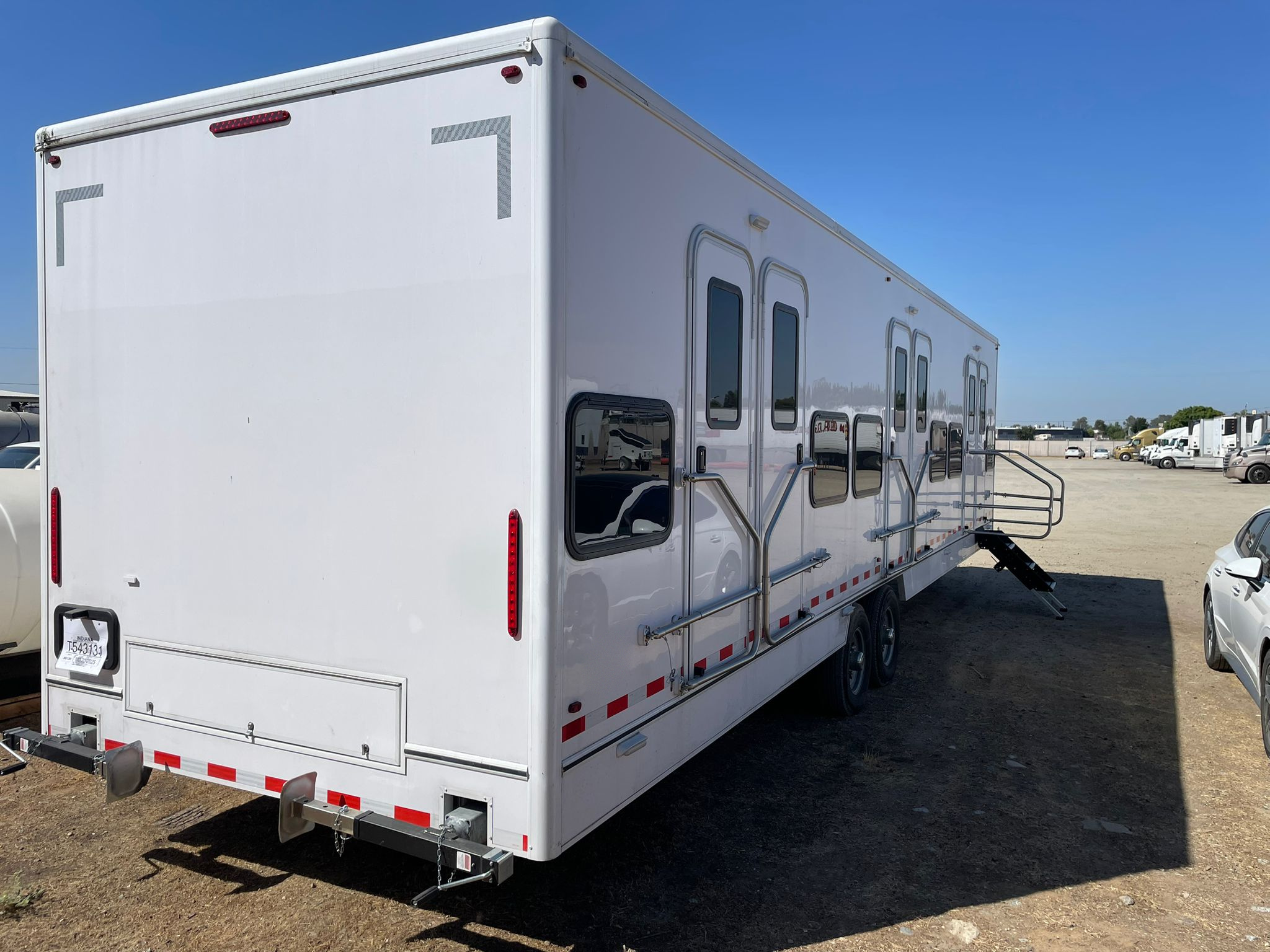
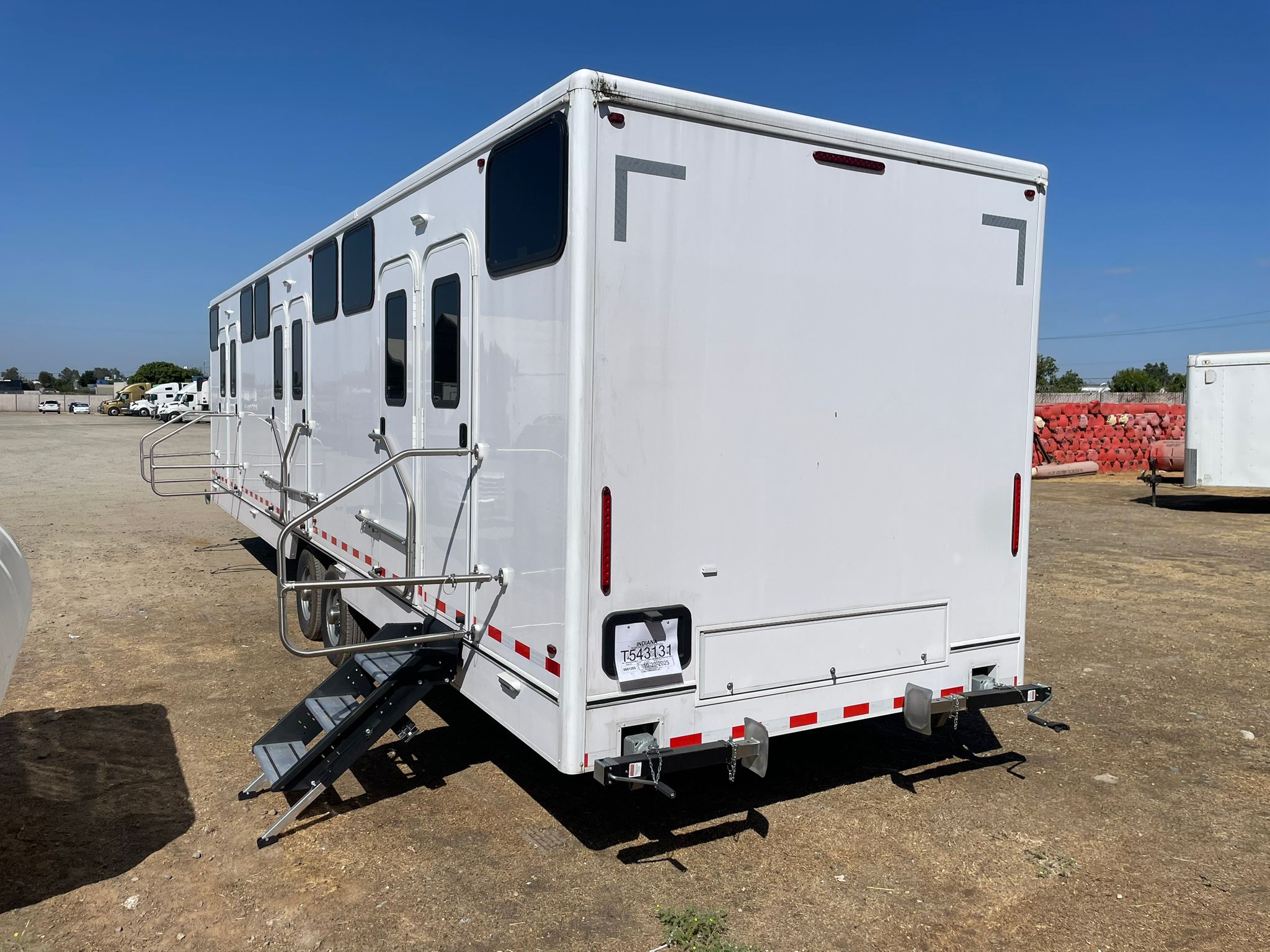
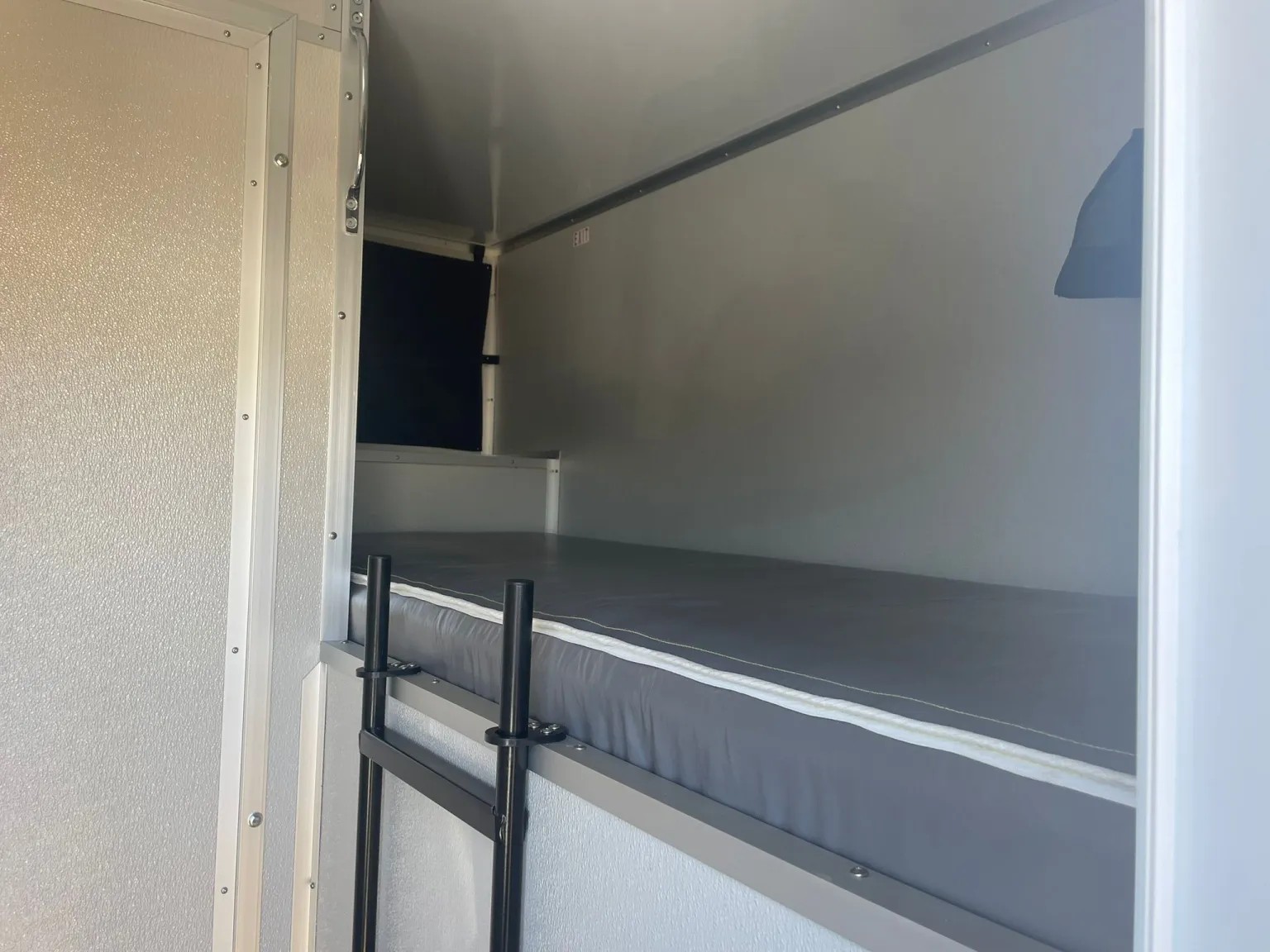
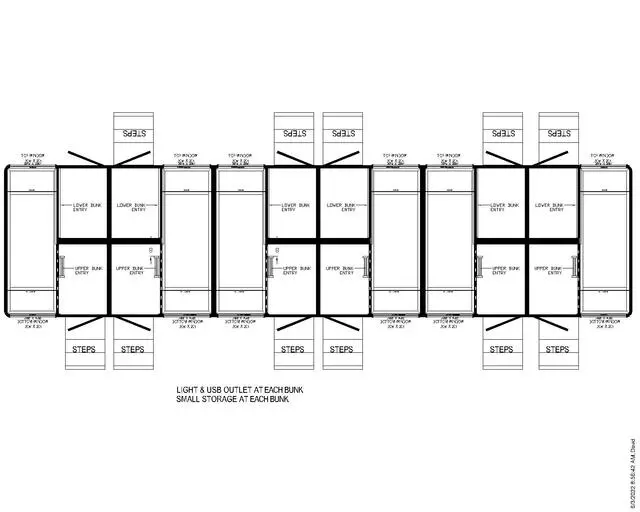
We deliver a day before the company arrives whenever the production schedule allows, especially on remote locations. That gives your transportation captain time to walk the layout before the grip and electric trucks stack up at the gate. Every trailer is set level on stable ground and connected to your electrical supply. Then we run all 3 AC units before we leave, so the first person through the door finds a trailer ready for 12 people.
Electrical capacity is the question we ask most often on film projects, right after the address. Most remote locations run on the production's generator, and every trailer's 3 AC units add significant electrical load to that generator. We confirm the hookup with your best boy electric or your generator technician before delivery, so the trailers are part of the electrical plan from day one. Nobody patches them in later.
What usually causes problems on these locations is the ground itself. Soft sand and wet clay after heavy rain both delay a delivery, and a steep ranch road can stop one completely. Photographs help. We request a photograph of the approach and the final 100 feet before we dispatch a truck. We follow the same routine for oil and gas field crews on remote drilling pads in the Permian Basin. It works equally well for a film production pickup the morning after wrap.
- A firm, flat spot a few feet longer than 34 ft for each trailer
- A truck path to that spot with room to turn around
- Power from your generator or a shore power tie-in, with the trailers in the power plan
- Restroom and shower trailers placed nearby, since the sleeper trailer has neither on board
- A named site contact with a phone that works at the location
- Gate codes or landowner access for delivery and pickup days
- Your pickup date, plus any company move dates

Crew sleeper trailer counts for film crews from 18 to 100 people
| Scenario | Crew size | Trailers |
|---|---|---|
| Stunt unit or small second unit | 18 people | 2 trailers, 6 spare bunks |
| Small feature unit or one department | 20 people | 2 trailers, 4 spare bunks |
| Lean episodic unit | 24 people | 2 trailers |
| Mid-size unit on a remote location | 36 people | 3 trailers |
| Single-camera episodic unit | 48 people | 4 trailers |
| Full shooting crew at base camp | 60 people | 5 trailers |
| Two units sharing base camp during a company move | 100 people | 9 trailers, 8 spare bunks |
The arithmetic is simple on paper. Divide the number of people sleeping on location by 12, then round up to the next whole trailer. A 60-person crew needs 5 trailers, and a 100-person company needs 9, with 8 bunks left over. Always round up. Being one trailer short means sending as many as 12 people back to the nearest hotel every evening, which defeats the purpose of housing everybody at base camp.
Hot bunking changes the calculation only for crews on genuinely separate shifts. Few productions qualify. If a day unit and a night unit never sleep at the same time, they can share the same bunks across a 24-hour cycle. A 36-person crew running two 18-person shifts fits in 2 trailers instead of 3. Most film schedules put everybody on the same clock, though, so we recommend dedicated bunks unless you tell us the shifts truly split.
Size the order for your baseline crew rather than your busiest day of principal photography. Extras or a visiting unit may swell the headcount for 1 or 2 days, and a few hotel rooms usually cover that more easily than changing the trailer order. We also suggest keeping 1 or 2 bunks open as a sick bay. On a closed location where 48 people share catering for 6 weeks, a flu can spread quickly. A spare bunk lets someone recover apart from everybody else.
Union rest rules and camp standards that shape film crew housing
Turnaround is the rest period between wrap and the next call time, and it shapes every production schedule. During the 2021 Basic Agreement negotiations, IATSE members pushed hard for a guaranteed minimum, and they voted almost 99 percent in favor of strike authorization. Turnout was nearly 90 percent. The agreement reached on October 16, 2021 set a 10-hour turnaround between shifts, plus weekend turnarounds of 54 hours and 32 hours.
The contract sets the length of the rest window, but the production determines where the crew spends it. A 45-minute commute each way turns a 10-hour turnaround into less than 9 hours, and meals and showers still come out of whatever is left. Your UPM and first AD, both represented by the Directors Guild of America, build the call sheet around those hours. A bunk near set protects more of those hours for actual, uninterrupted sleep.
Where a production films also determines who pays for housing. The Hollywood Studio Zone is a 30-mile radius centered at Beverly Boulevard and La Cienega Boulevard in Los Angeles. Inside it, a shoot is local. Outside it, the shoot becomes a distant location, and the production covers lodging and per diem. Teamsters Local 399, which represents drivers and location staff in Hollywood and New Mexico, keeps a separate rate schedule for distant location work.
For the camp itself, rules for employer-provided crew lodging vary by state and by program. Careful location teams check them early and plan a short, well-lit walk from the bunks to the restrooms. Our trailers are built for sleeping only, so we position them with your restroom and shower trailers in mind. Your location manager and safety lead decide how every standard applies to your particular camp.
- IATSE Basic Agreement, 2021: A 10-hour turnaround between shifts, with 54-hour and 32-hour weekend turnarounds.
- Hollywood Studio Zone: A 30-mile radius in Los Angeles. Shoots outside it are distant locations with lodging paid by the production.
- Teamsters Local 399 distant location rates: A separate pay schedule for drivers and location staff working outside the zone.
- State and local crew lodging rules: Vary by state and by program, so your safety lead confirms which ones apply to your job.
- GSA per diem rates: Sets federal lodging and meal allowances by where the work happens, updated each year.
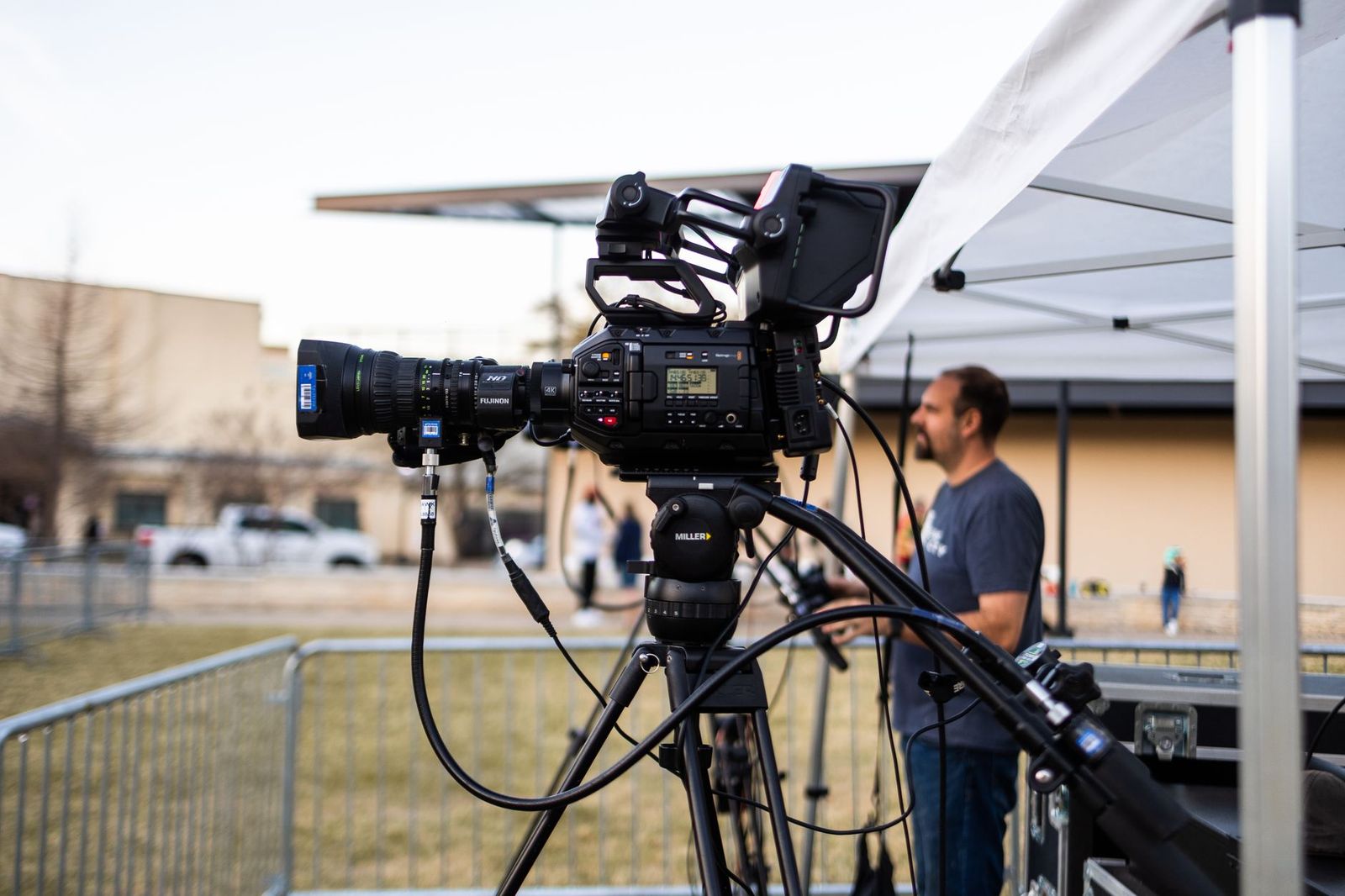
What film crew housing looks like without a sleeper trailer on site
Most distant location productions put the crew in hotels on per diem, which works when a town has enough rooms. Many communities do not. Productions following film incentives often land in communities with 2 or 3 small hotels and 60 people to house. When 2 productions film in the same region during the same month, they compete for the same limited supply of rooms.
The per diem math has its own gap, because federal GSA rates are set by where the work happens, not by what is actually available to book. The rates update every August, and roughly 300 higher-cost areas receive their own individual rates, but hotel prices in a busy community do not follow that number. When rooms cost more than the allowance or sit an hour away, the production covers the difference, either in money or in drive time.
The alternative is worse. Crew on tight productions sometimes sleep in truck cabs or in their personal vehicles on a gravel lot between calls. Research on worker camps from the Bakken oil boom in North Dakota found that informal housing on vacant land strains local services and brings genuine safety risks. A 12-bunk trailer with heating and cooling, set level at base camp, takes that option off the table entirely.
- 90 min of driving a day for each person when the crew hotel sits 45 minutes from set
- 90 hours of crew drive time a day for 60 people at that distance
- 60 rooms a small town must have open on the same nights for a 60-person crew
- 5 trailers to bunk that same 60-person crew at base camp
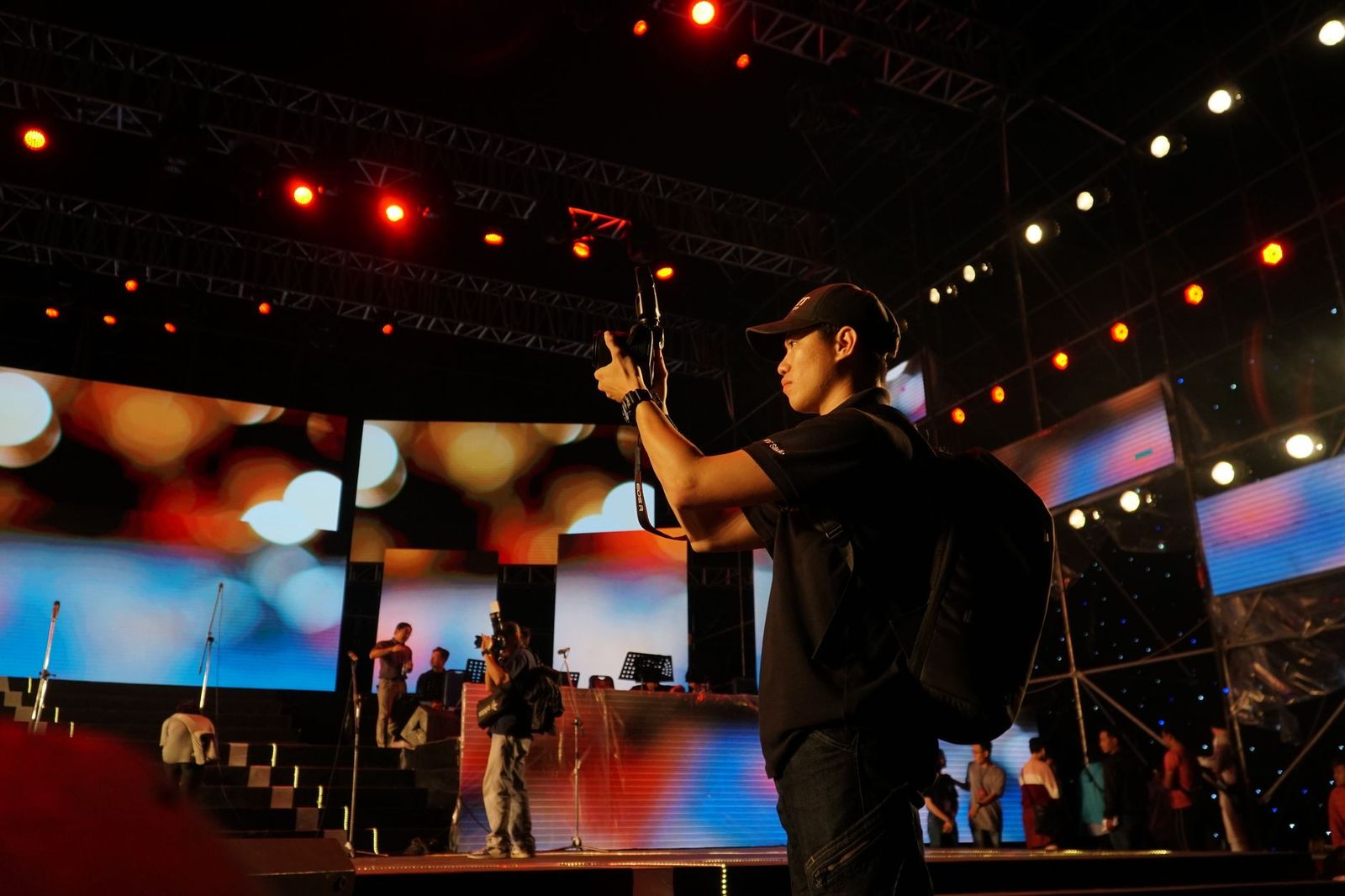
Here is how three job types, three typical trailer plans works
Typical setup: canyon feature, 60-person unit, four weeks in October
A typical job like this starts with a call from a unit production manager about 5 weeks out, with a canyon location 90 minutes from the nearest community with enough rooms. Five trailers cover 60 people, and photographs of the base camp pad come in before delivery. If the pad is hard-packed dirt with one soft corner, the trailers go along the firm side, about 150 feet from catering. Temperatures can drop close to freezing by the second week, and the heat holds its set point until sunrise. The crew stays on location for all 24 shoot days, and nobody makes the commute.
Typical setup: episodic unit with two company moves, 48 people, late spring
On an episodic schedule like this, a transportation coordinator books 4 trailers for 2 company moves in 9 days. Every move is scheduled as one continuous job, with pickup and setup on the same day. If a ranch road at the second location is too narrow for the delivery truck to turn, the trailers stage on a flat pasture 200 yards inside the gate. The trailers are level and cooling before the 7 o'clock crew van arrives, and the same plan carries over to the following 3 moves of the season.
Typical setup: small-town staging yard, 100-person unit, seven weeks
A setup like this fits when a second production books most of the available rooms in town and the location manager needs beds fast. Nine trailers cover the 100 people who need beds, arranged in 2 rows in a gravel yard at the edge of town. Paths run between the doors, and the restroom and shower trailers sit at the end of every row. The production keeps the entire company in one location for 7 weeks, and its morning shuttle goes from 4 hotel stops to 1.