



Skip to content
Delivered to all 50 states 24/7 dispatch: (888) 828-7765

Oil and Gas Field Crews

Portable Crew Housing Sleeper Trailer Rentals for Oilfield Crews

Put your rig crew to bed a short walk from the location instead of an hour away down a lease road after every 12-hour shift. We deliver the 12-Station Bunkhouse Sleeper Trailer to drilling and completion locations in all 50 states, then level it and set it up for your crew. Call (888) 828-7765 any hour, day or night, for immediate confirmation, or send the location and your dates to request a quote built around your crew.

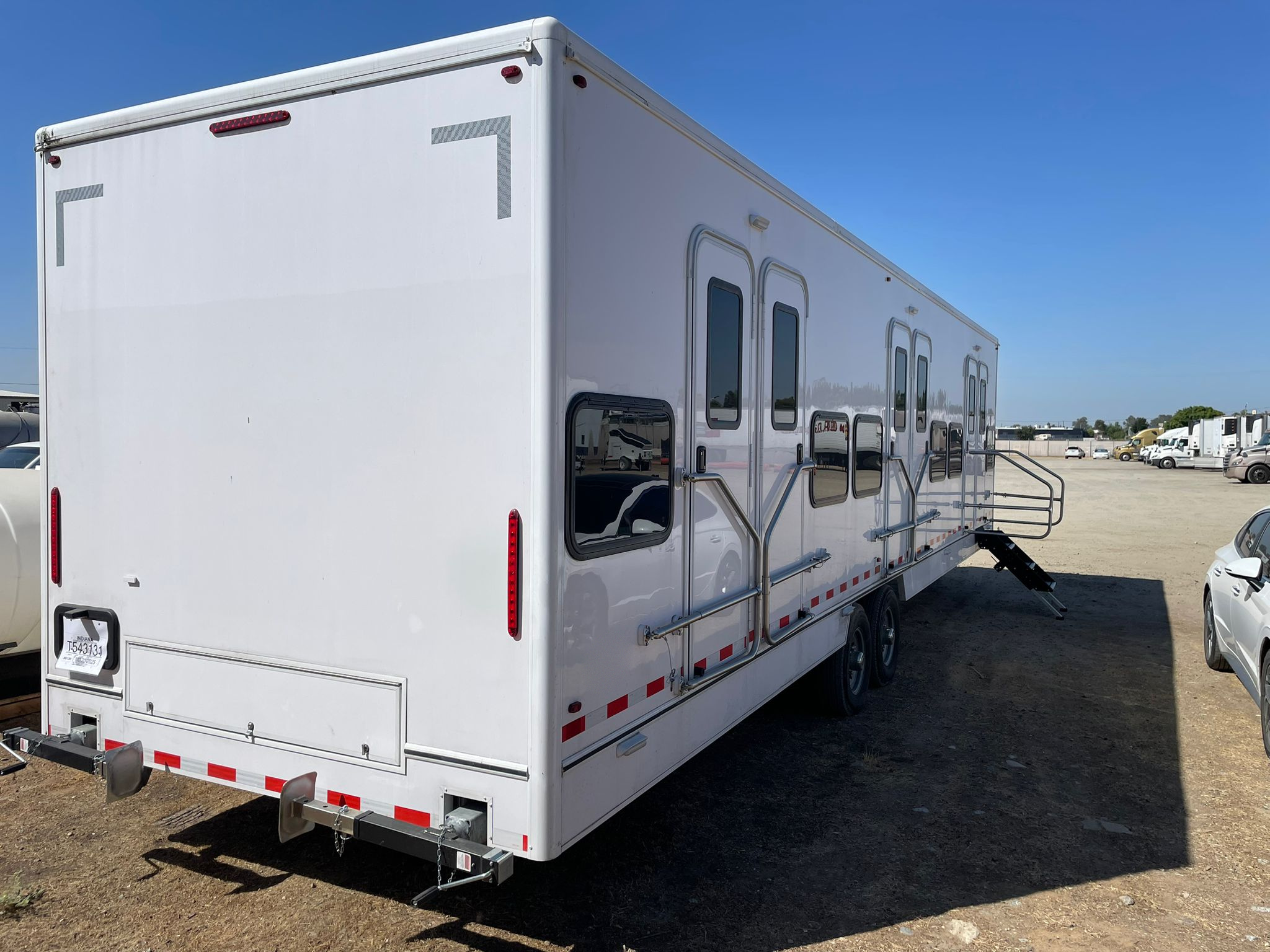
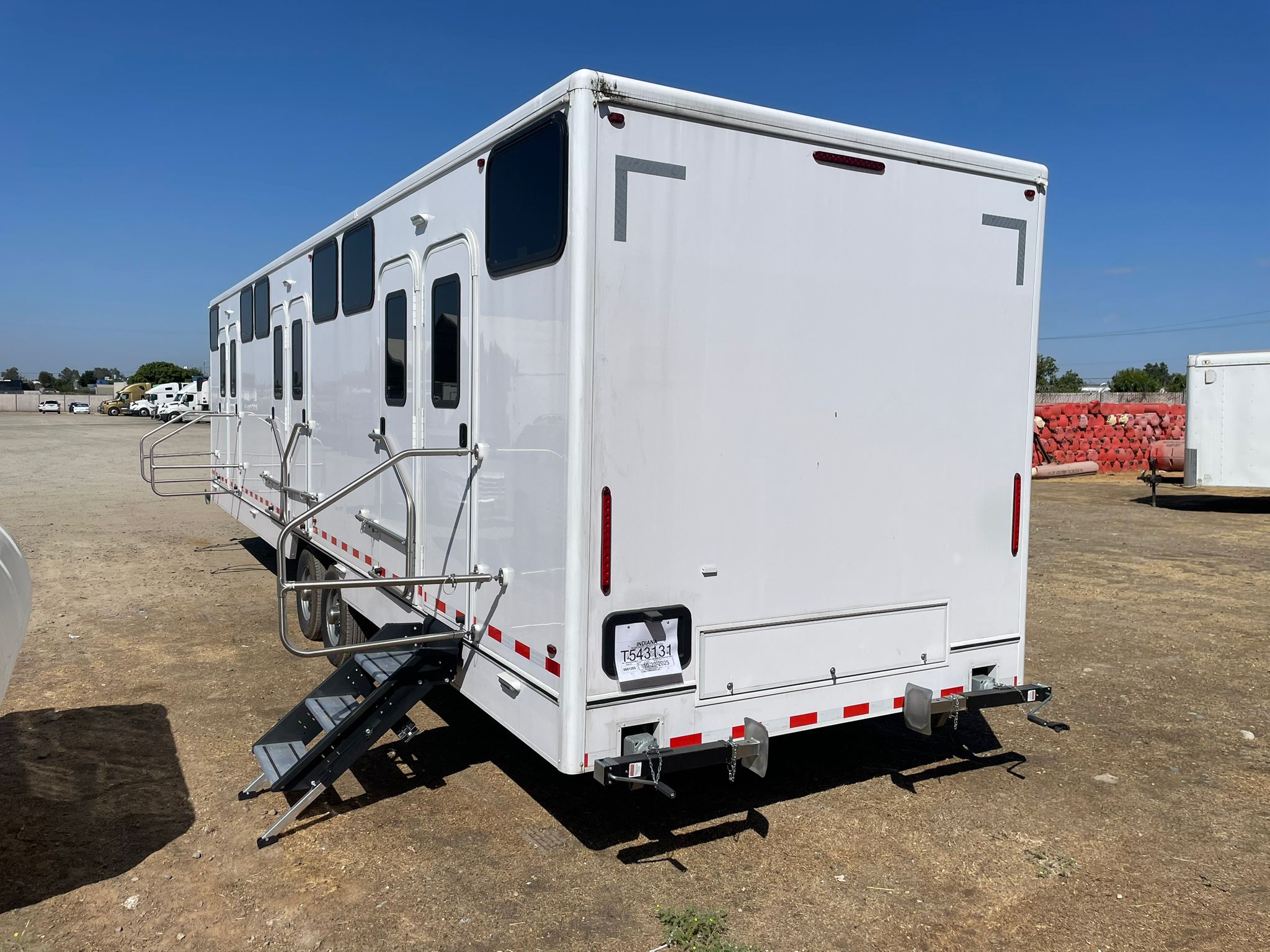
34 ft bunkhouse sleeper trailer with three bunk entry doors and built-in steps
  • Sleeps 12 6 upper and 6 lower bunks in a 34 ft trailer
  • 3 AC units with heat for Permian summers and Bakken winters
  • All 50 states delivered and set up on the pad
  • 24/7 dispatch at (888) 828-7765
  • 12,000+Trailer deliveries across our network
  • 50Delivery to all 50 states
  • 24/7Dispatch answers day and night
  • 12Private bunks in every trailer

Built for construction crews, fire camps, pipeline spreads and utility contractors.

Oilfield crew housing

Crew housing trailers that fit oilfield shifts and hitches

Rig crews can't wait for a motel room to open up somewhere near the location. Drilling crews work 12-hour shifts around the clock, and every mile between the bunk and the rig comes straight out of their sleep before the next shift. We set a heated, air-conditioned sleeper trailer on your location, and our dispatch team answers the phone at 3 in the morning when a start date slides. Our network has handled over 12,000 successful trailer deliveries, so our dispatchers plan every route around rough lease roads and narrow gates. Each trailer sleeps 12, and we deliver that same setup to all 50 states. Call (888) 828-7765 to talk through your crew count, or request a quote with your location and dates for a detailed answer.

The 12-Station Bunkhouse Sleeper Trailer is a 34 ft unit with 6 upper and 6 lower bunks. On an oil and gas lease, that gives the people who are off shift 12 comfortable beds, with the temperature controlled from a digital touch thermostat.

What comes with every rental

  • Delivery, leveling and setup by our driver
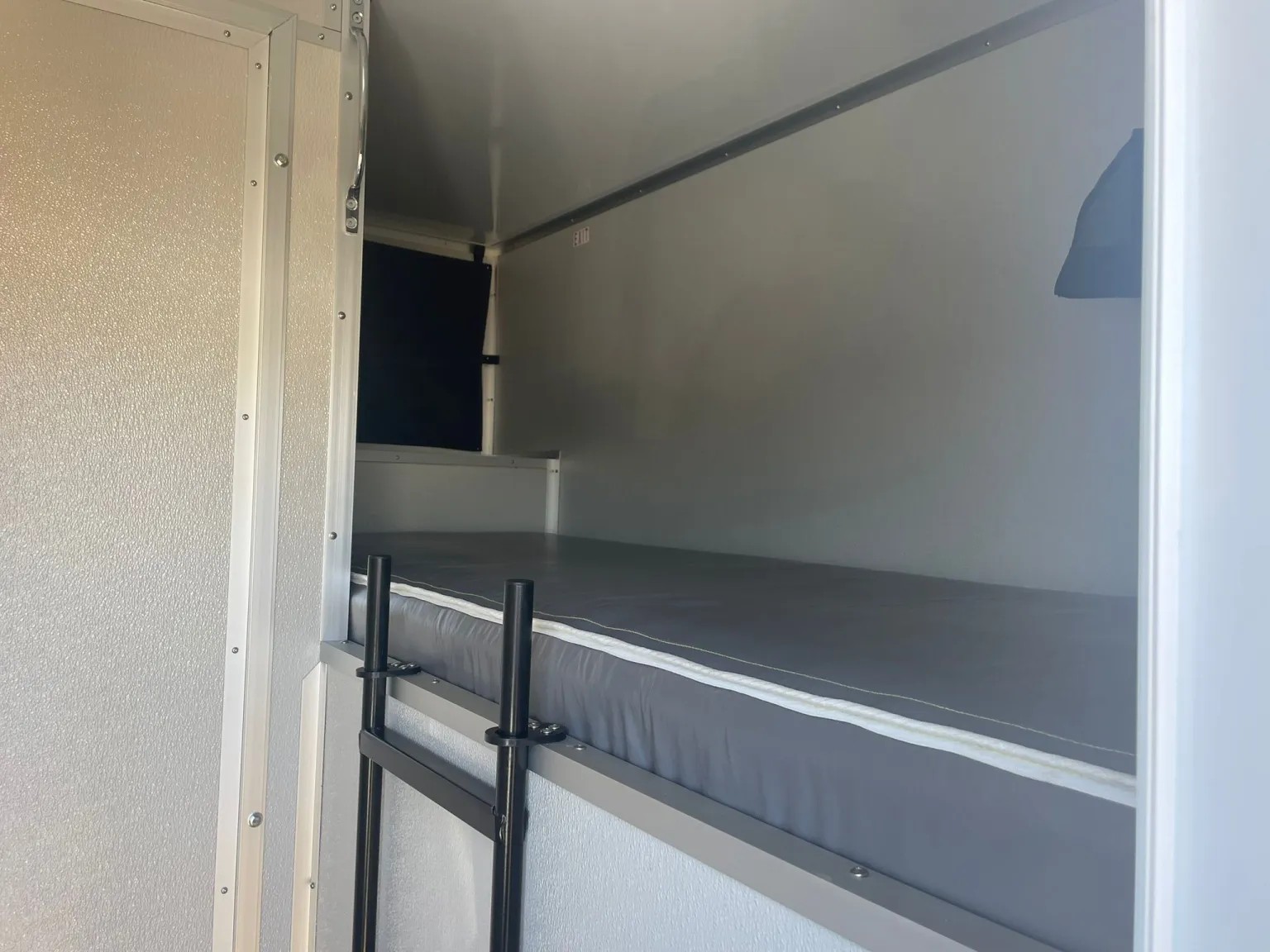
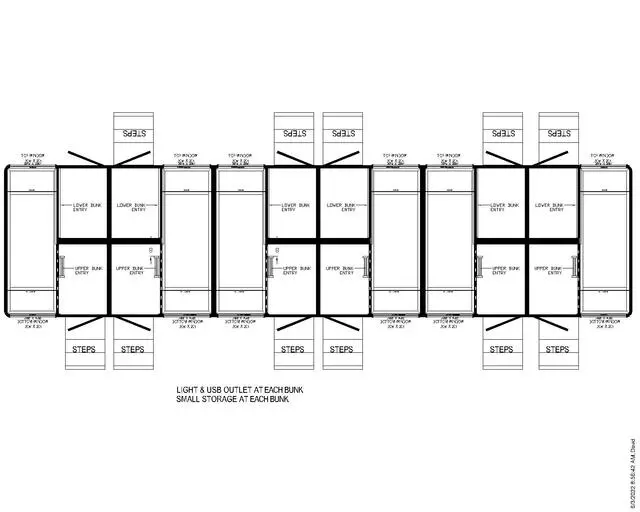
  • Twelve private bunks, each with a light, USB outlet and storage
  • Three AC units with heat and a smart thermostat
  • Built-in steps at every bunk bank
  • Pickup when the job wraps

On the ground

The sleeper trailer crews book most, in plain terms

Every rental is the same proven unit, so your crew knows exactly what they are walking into.

Picture a crew coming off a 12-hour night shift at 6 in the morning and heading straight for a bunk. Every person gets a bunk with an individual LED light and USB outlet, plus a storage compartment that keeps phones and keys off the floor. Built-in steps at each bunk bank mean nobody has to climb to an upper bunk on a boot heel in the dark. 12 people means 12 beds, and with an outlet at every bunk, nobody ever fights over a charger.

West Texas afternoons in July get very hot, and North Dakota nights in January drop far below freezing, sometimes for weeks at a time. Three AC units with heat keep this climate-controlled trailer at an even temperature from one end to the other, day and night. A smart thermostat with digital touch control lets your crew lead set one temperature and leave it there for the entire hitch. Night crews benefit the most. They have to sleep through the hottest hours of the day, when the sun is beating on the roof.

The trailer travels over the same gravel lease roads your rig equipment already uses, so the approach your trucks handle is usually the approach we handle. Our driver sets it level and shows your crew lead the controls before leaving the location. For the floor plan and every measurement, see the sleeper trailer spec sheet. If your crew works outside oil and gas, our main page on bunkhouse sleeper trailer rentals covers every other kind of job we support.

Spec plate

12-bunk sleeper
Bunks6 upper + 6 lower = 12 total
Sleeps12 people
Length34'
Per-BunkLED light, USB outlet, storage compartment
AccessBuilt-in steps at each bunk bank
AC Units3 (HVAC, smart thermostat)
ClimateAC & Heat, digital touch control

Need beds on site this week?

(888) 828-7765

A real dispatcher answers 24/7. Tell us where the crew is and when they start.

Short version

What to know about reviews from the crews who slept in it

"Our rig was 70 minutes from the closest available motel room, and the crew was making that drive after every 12-hour shift. The trailers were level and cool when the crew walked in, and every bunk had its own light and charger. The crew finally slept close to the rig instead of out on the highway."

C. W.Drilling superintendent

"Frac crews sleep in shifts, so somebody is always in a bunk trying to get real rest in the middle of the afternoon. The air conditioning held a steady temperature through every August afternoon, and the day crew actually slept. The built-in steps made the upper bunks easy to reach, even for the guys coming off nights."

D. R.Completions superintendent

"We had a seven-person well service crew out there in January, with temperatures well below zero most mornings. The heat was already running when they walked in, and every bunk had its own light and charger. Nobody asked to go back to the motel."

J. L.Well service supervisor
Delivering to all 50 states

Right now

Delivered to any job site in the country, step by step

From a pipeline yard in West Texas to a fire camp in the Oregon Cascades, we route a trailer and a driver to where your crew is working, remote and off-grid sites included.

For context

Where crews book us most: what to expect

Real numbers

What sets our bunkhouse trailers apart, explained

  • Twelve private bunks

    Six upper and six lower, each its own space. No cots, no shared air mattresses.

  • Heat and air, three units

    Three AC units with heat and a smart thermostat keep the trailer comfortable in July and January.

  • Light and USB at every bunk

    Each bunk has an LED reading light, a USB outlet and a storage compartment for phones and gear.

  • Delivered and set up

    Our driver hauls it in, levels it and walks your lead through it. You do not need a truck or a hitch.

  • All 50 states

    We plan routes to remote yards, fire camps and storm zones anywhere in the country.

  • 24/7 dispatch

    Call at any hour and a person picks up. Crews change plans at night, and so do we.

After hours

How a bunkhouse rental actually runs: what to expect

  1. Call or send a quote request

    Tell us the site, the crew size and your start date. We answer 24/7.

  2. Plan the drop

    We confirm site access and power, then lock in a delivery window.

  3. Delivery and setup

    Our driver places the trailer, levels it and hands your lead the keys and a walkthrough.

  4. Pickup when you wrap

    Extend as long as you need. When the job ends, we haul it out.

Drilling rigs

Portable bunkhouse trailers for land drilling rig crews

A land drilling rig in the Permian or the Bakken runs around the clock, every day of the week, until the well reaches its target depth. Floor crews work 8-hour or 12-hour shifts, so two or three separate crews cycle through the same location every single day. The rig manager often stays on location for days or even weeks at a time, which means beds never sit empty during a normal rotation.

Many drilling locations sit far from any town with available rooms, especially during a busy stretch for the local industry. When the nearest motel is 60 minutes away, a 12-hour shift quickly turns into a 14-hour day before anyone eats dinner. The Permian Basin alone covers more than 86,000 square miles, so that kind of drive is ordinary there. We hear it on almost every first call. The superintendent usually isn't asking about bunks yet, because the real question is how to stop losing 2 hours a day to the road. Positioning matters immediately.

Rigs relocate when a well is finished, and your crew housing should relocate right along with them. We plan the trailer for the next location before the rig trucks roll, using the move date your superintendent gives us. Tell us the next pad and the timing, and our 24/7 dispatch team will schedule the pickup and delivery to match. The crew keeps the same 12 bunks at every pad. Consistency helps everyone. Nobody has to hunt for another motel room.

The company man and the rig manager need to be close by when something goes wrong at 2 in the morning. Some crews keep a portable sleeper trailer near the rig office just for supervisors and visiting service technicians. A bunk 200 feet from the office beats a motel bed 40 miles away. It also keeps your most experienced people rested for the decisions that carry the most risk and the most responsibility on the location.

  • Horizontal land drilling rigs
  • Multi-well pad drilling
  • Remote exploration wells
  • Rig moves between leases
  • Company man and rig manager quarters
  • Night shift floor crews
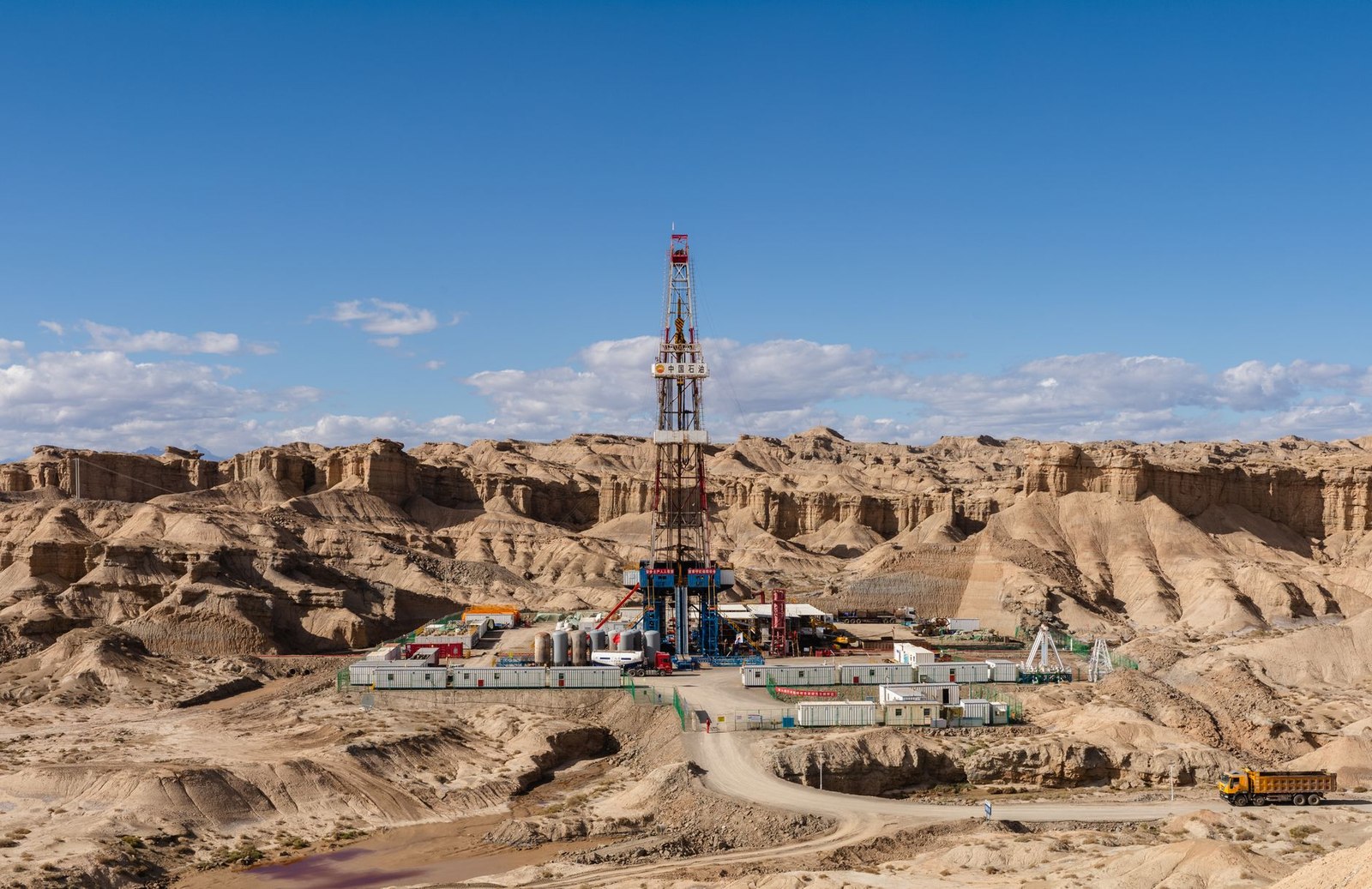
Daytime land oil drilling rig in a desert canyon setting

Frac and completion crews

Air-conditioned crew sleeper trailers for frac and completion work

After the drilling rig leaves, the hydraulic fracturing crew moves in with an entirely different set of equipment. A fracturing location holds high-pressure pump trucks and sand storage on the same cleared ground, with steel treating lines running between them, and available space gets tight almost immediately, so we usually set sleeper trailers at the edge of the location or along a nearby lease road, away from the pump line and heavy traffic.

Completion crews in the Permian and the Eagle Ford often run two 12-hour shifts to keep the pumps operating through the day and the night. That means half the crew has to sleep while the sun is up and the temperature is climbing. A Permian afternoon in August can climb past 100 degrees, and that kind of heat wakes sleepers almost instantly. The 3 AC units keep an air-conditioned sleeper trailer comfortably cool for those daytime sleepers, and the individual bunk light lets one person read without disturbing the bunk below.

Completion dates slide whenever drilling runs long, and that's completely normal in this industry. Call as soon as your date firms up, and call again the minute it moves, because completion dates slip constantly in this industry. Our dispatch line is staffed 24/7, so a Sunday night schedule change still gets a real answer from a real person on our team. We would rather adjust a delivery over the phone than have 24 tired people arrive at an empty location with nowhere to sleep.

In the Eagle Ford, oil production climbed from 211,000 barrels a day in 2011 to 1,376,000 by 2014, and crews arrived from every corner of the country. Local rooms filled almost immediately. Then the rig count fell from 200 to 76 in a single year, and many of those same rooms emptied out. Rented crew quarters trailers can follow that kind of swing in either direction, which is exactly why flexible housing fits completion work.

  • Hydraulic fracturing pads
  • Multi-well completion pads
  • Wireline and plug crews
  • Coiled tubing units
  • Sand and water hauling crews
  • Completion staging yards
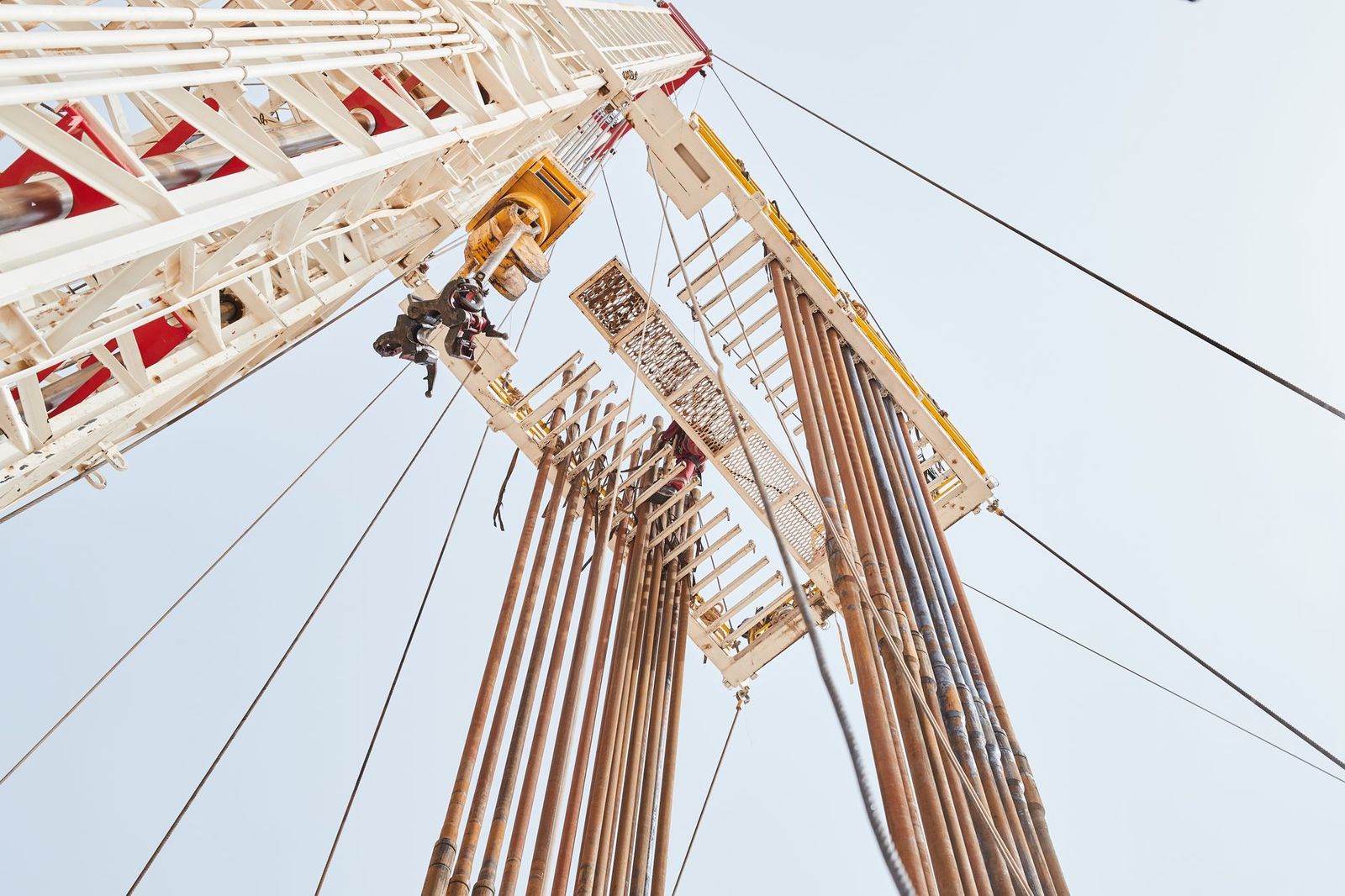
Oilfield drilling rig tower against the sky

Workover and flowback

Mobile bunk trailers for well service and flowback crews

Well service crews are usually smaller than drilling or completion crews, and their jobs are typically shorter than a drilling job. They clean out wells, test them and bring them into production after the completion equipment leaves the location. Many of these crews fit inside a 12-bunk trailer with room to spare. Those spares rarely stay empty. A pump technician or another service hand who stays a night or two will usually fill them before the week is over.

Flowback watch runs 24 hours a day while a new well is tested and brought under control. Someone is always on shift, and someone else is always trying to sleep. A mobile bunk trailer on the location puts the off-shift crew 100 feet from the well instead of 45 minutes down the highway. When the well needs attention at 3 in the morning, the relief crew is already there and already rested, which improves safety and performance during a genuinely dangerous operation.

Winter is the hardest season for this work in the northern basins, where the temperature can stay below freezing for weeks. The Bakken passed 1 million barrels of oil a day by April 2014. Williston, the hub city for that activity, nearly doubled from 14,716 people in 2010 to 29,160 in 2020, and its rooms filled quickly through those years. A heated bunkhouse trailer with the thermostat already set means your crew walks into a warm room after a freezing shift, and that kind of preparation and consistent temperature control genuinely improves morale during winter operations.

Well service crews typically move from location to location across a field as each well is finished. Tell us how long the job should run and where the crew is heading next, and we'll plan around both dates. We'll schedule the pickup around your release date, or we'll relocate the trailer to the next location if the crew is staying together. Same beds, whole string of wells.

  • Workover rigs and pulling units
  • Flowback and well testing
  • Coiled tubing and wireline jobs
  • Plug and abandonment work
  • Artificial lift installs
  • Remote production sites
Pipe stacked at an oilfield frac site pipe yard

Rotations and hitches

Temporary crew housing trailers for 14 on, 14 off rotations

Many oilfield crews work a hitch, such as 14 days on location followed by 14 days at home with their families. One crew lodging booking service describes the problem plainly: a 14-on, 14-off rotation needs housing that moves with the schedule instead of dozens of separate reservations. A temporary crew housing trailer on the location does exactly that. Availability stays constant.

When the second crew arrives on day 15, the same 12 bunks are waiting with the heating or air conditioning already running, with no front desk and no room keys to manage. Each worker gets a storage compartment for the full 14 days, and the outgoing crew hands the bunks straight to the incoming one. A 14-day setup like this is a common arrangement on long oilfield projects.

Oilfield service companies from Midland to Houston run the same kind of rotation. Gathering line and compressor station crews in the DJ Basin and the Permian run the same kind of rotation too. For crews building long-distance lines, see our pipeline crew bunkhouse trailers. For the complete list, browse the other crews and industries we serve. Options exist everywhere.

A full-service camp usually becomes the better choice once a crew grows past a certain size. That same booking service points to crews of 50 to 100 or more workers, located an hour or more from the nearest hotel, as the typical threshold. Below that line, 2 to 4 delivered trailers on your own lease are usually simpler to set up and easier to manage day to day, and your crew stays home on your own location instead of commuting to a shared camp.

  • 14 on, 14 off drilling hitches
  • 21 on, 7 off service rotations
  • Gathering line and compressor station crews
  • Oilfield service company crews
  • Saltwater disposal and water transfer crews
  • Long-term production support
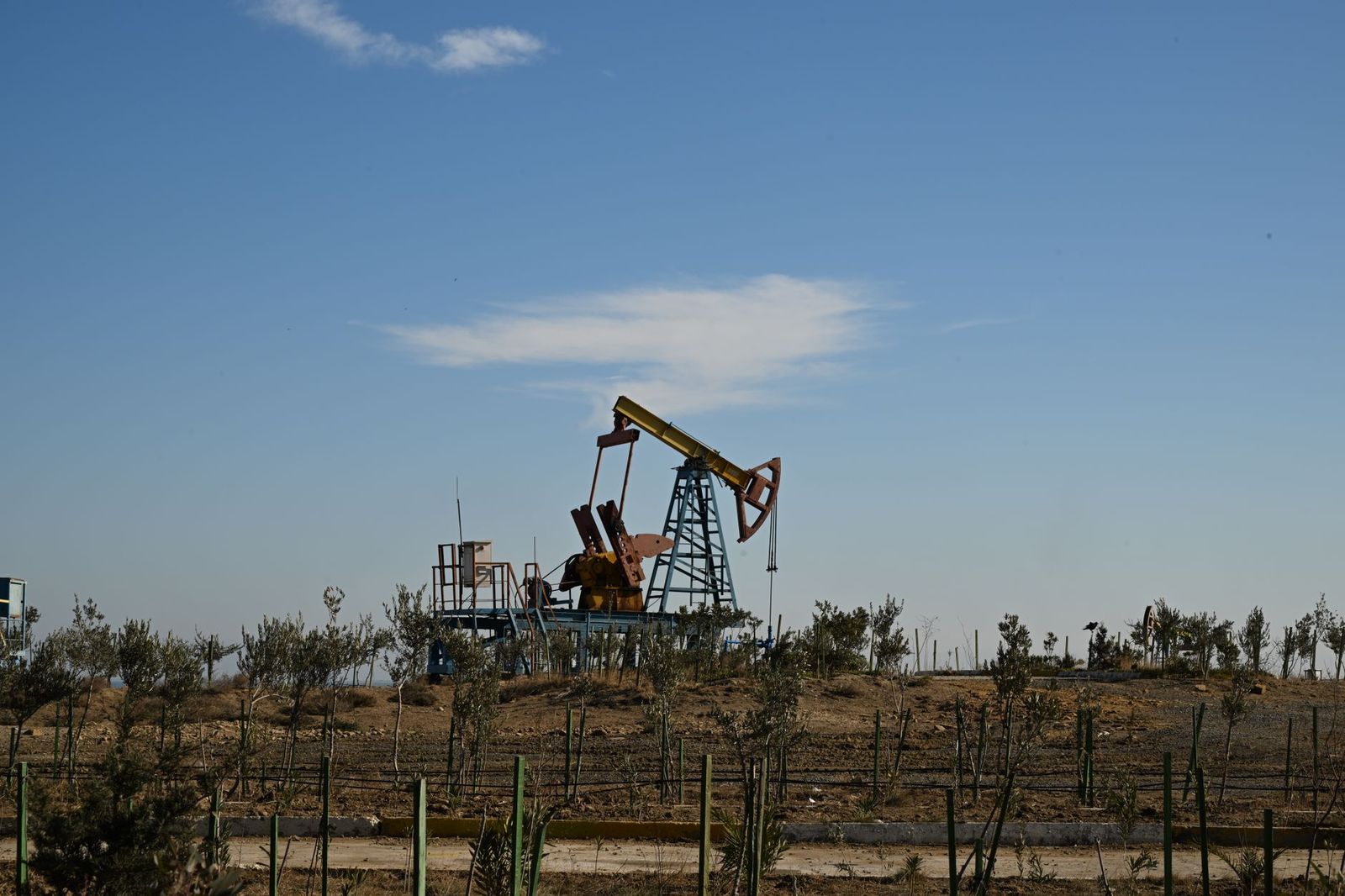
Oil pump jack in a field at dusk

How to Plan Crew Housing for This Work

Planning housing for oil and Gas Field Crews comes down to four questions: the headcount sleeping on site, the expected length of the assignment, the electrical capacity available at the pad, and delivery access for a truck and trailer. The sections below work through each question in order.

How we set a bunkhouse sleeper trailer on an oil and gas lease

We schedule every delivery so the 34 ft trailer is level and running before the first crew arrives, whether the crew shows up at noon or midnight. On a rig move, that often means dropping the trailer at the new location while the rig is still coming down at the old one. The crew finishes the last shift, drives 10 miles and walks into a comfortable room. That's the goal from the Permian to the Bakken, and it depends entirely on careful coordination and advance preparation.

Placement starts with the gas. OSHA warns that hydrogen sulfide is heavier than air, travels along the ground and collects in low spots, which changes where people should sleep. Before we choose a spot, we ask your safety lead where the H2S contingency plan allows sleeping quarters on the location. We favor higher ground on the side the wind usually comes from, based on documentation your safety team provides during the initial consultation. Your plan sets the distance, and we place the trailer exactly where it says, because consistent documentation of that placement protects everyone on location.

The most common delivery problem is the last mile of lease road into the location. Gravel roads in the Eagle Ford and the Permian rut after heavy rain. A cattle guard or a narrow gate can also stop a 34 ft trailer short of the location. Send us a Google Maps pin and a photo of the approach, and we'll plan the route before the truck ever leaves. Power comes next in the planning process, because the trailer runs 3 AC units, so it needs line power or a generator sized for that electrical load. We confirm the electrical hookup with your team ahead of time.

The trailer is for sleeping only. It has no bathroom or shower, so plan separate restroom and shower trailers within a short, well-lit walk of the 12 bunks. When the job wraps up, call (888) 828-7765 with your release date and we'll pick up the trailer on your schedule. Night crews in other industries use the same setup, from wildfire fire camp housing trailers to film and TV production crews who sleep during the day.

  • A map pin for the pad and a photo of the approach road
  • Gate width, cattle guards and any low wires on the way in
  • A flat, firm spot on higher ground, clear of the pump line and truck traffic
  • Line power, or a generator sized for 3 AC units
  • Your H2S plan and where it allows sleeping quarters
  • A site contact with a cell number for delivery day
  • Your release date and the next pad, if the rig is moving

Oilfield drilling rig night

How many crew quarters trailers your oilfield crew needs

ScenarioCrew sizeTrailers
Workover or flowback crewup to 10 people1 trailer, with spare bunks
Supervisors and visiting service hands4 to 8 people1 trailer near the rig office
Drilling crew, one bunk each20 people2 trailers, 4 spare bunks
Two 12-hour shifts, one bunk each24 people2 trailers
Two 12-hour shifts, shared bunks24 people1 trailer (12 shared bunks)
Completion crew, one bunk each36 people3 trailers
Large completions job60 people5 trailers

The math starts with the bunk count. Each trailer sleeps 12, so divide the number of people on location by 12 and round up to the next whole trailer. A 20-person drilling crew needs 2 trailers, and the 4 additional bunks fill quickly with a mud engineer or a visiting technician who stays several days. A 36-person completion crew with a dedicated bunk for everyone needs 3, and that kind of advance calculation prevents a scramble later in the project.

Some crews share bunks across shifts, which many people call a hot-bunk setup. Submarine crews call it hot racking, and oilfield crews use it for exactly the same reason: limited space. An off-shift worker climbs into a bunk the on-shift worker just left, so 12 bunks can serve 24 people on two 12-hour shifts. It can work on a short job. Across a 14-day hitch, however, most superintendents choose one bunk per person, so every worker keeps a personal storage compartment and charger, which keeps morale and organization steady across a long, demanding hitch.

Our honest default is one bunk per person on location, rounded up to the next full trailer. Then look ahead at the next 30 days, not just the first week of the job. A second completion crew or a delayed schedule can add people quickly, especially during a busy year in the Permian or the Eagle Ford, so plan for that possibility in advance. It's always easier to release a trailer early than to find another one on the day your headcount jumps.

Safety rules that shape where a crew housing trailer can go on a lease

The safety rules on an oil and gas lease belong to the company directing the job and to its safety program. Crew housing sits inside that program, so we work to your site safety plan and your H2S plan on every delivery. Your safety lead picks the spot. When those plans change during the project, we relocate the trailer to match the updated layout, because consistent communication with your safety team prevents costly delays.

OSHA sets a 20 ppm ceiling for hydrogen sulfide exposure at work, with a 50 ppm peak allowed only for short periods. At 100 ppm, the gas is officially rated immediately dangerous to life or health. Between 100 and 150 ppm, it can completely disable a person's sense of smell. Sleeping crews won't notice it. That's why the H2S contingency plan determines the location of the bunks instead of the nearest flat patch of ground, and that kind of documentation and preparation genuinely saves lives.

Federal hours-of-service rules cap truck drivers at 11 hours of driving inside a 14-hour on-duty window, after 10 consecutive hours off duty. Weekly limits run 60 hours in 7 days or 70 hours in 8 days. Drivers in oilfield work get a 24-hour restart instead of the usual 34 hours. FMCSA names the hours between midnight and 6 in the morning as the highest fatigue risk of the day. Those are the same hours a night shift starts or ends, and the same hours a tired crew drives back to a motel, and that overlap is no coincidence at all.

NIOSH runs a dedicated Oil and Gas Extraction Program because this industry carries a high fatal injury rate compared with other kinds of work. The program works through an Oil and Gas Extraction Sector Council under the National Occupational Research Agenda. Rules for employer-provided crew lodging vary by state and by program. Your safety lead decides which ones apply to your job, based on documentation specific to your operation.

  • OSHA hydrogen sulfide hazards: Sets a 20 ppm ceiling and a 50 ppm short peak for H2S exposure at work.
  • NIOSH Oil and Gas Extraction Program: Research and field guidance aimed at the high fatal injury rate in oil and gas extraction.
  • FMCSA hours of service, 49 CFR Part 395: Caps driving at 11 hours inside a 14-hour window, with a 24-hour restart for oilfield drivers.
  • State and local crew lodging rules: Vary by state and by program, so your safety lead confirms which ones apply to your job.
  • GSA per diem rates: Sets federal lodging and meal rates by work location, with new rates each October 1.

Oilfield rig night lights

Motel rooms versus a bunk trailer on the pad for oilfield crews

Most oilfield crews today sleep in motel rooms or in a large camp, and both options work until the local market gets tight. In 2006, the Midland chamber counted almost 2,000 more open jobs in the Permian Basin than workers available to fill them, and in a market like that, available rooms disappear first. Large camps help on large projects, and one national camp company lists more than 5,000 beds across 16 properties. Even so, a camp can sit across the county from your lease, and your crew shares it with every other company's people.

Per diem is how most companies cover those rooms. GSA sets federal rates by the location of the work rather than the motel, and many oilfield per diem deals get measured against them. Federal rates for fiscal 2026 stayed frozen at fiscal 2025 levels. Hotel taxes of 11 to 15 percent in some cities sit outside the GSA lodging cap entirely, so a rate that looks fine on paper often comes up short at the front desk. That shortfall adds up quickly over a long rotation.

The daily commute is the other hidden expense. A crew staying 60 minutes from the location spends 2 hours a day in trucks on top of a 12-hour shift, every day of the hitch. That drive usually lands at the start or end of a night shift, when people are most tired and least alert behind the wheel. A bunk on the location eliminates the commute entirely and gives those 2 hours back to sleep. Recovery matters enormously.

  • 720 motel room nights for 24 people, 2 to a room, over a 60-night job
  • 2 trailers sleep the same 24 people on your own pad, 1 bunk each
  • 14 hrs a 12-hour shift plus a 1-hour drive each way
  • 11 to 15% hotel tax in some cities, outside the GSA lodging cap
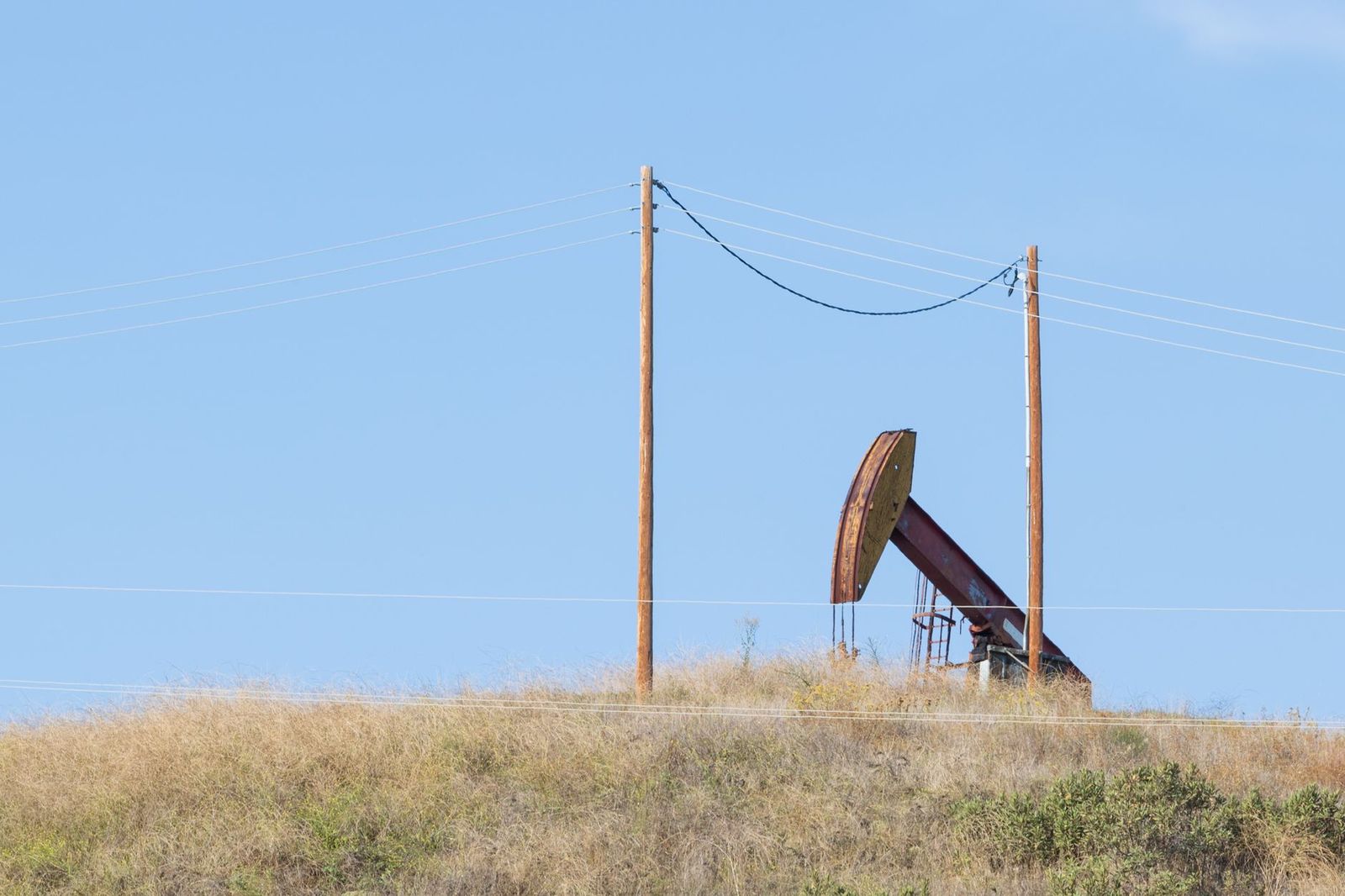
Oilfield pump jacks in a field

Here is how three typical setups, worked out plainly works

Typical setup: Permian Basin drilling rig, 24-person crew, July

A typical job like this starts with a call from a drilling superintendent about a horizontal well on a lease south of Midland in the middle of summer. The crews are driving 70 minutes each way after 12-hour shifts, and a single late start can cost a full morning of drilling. Two trailers go on a gravel pad at the edge of the location, on the side the H2S plan picks. The night crew sleeps through 100-degree afternoons without interruption. When the rig moves 9 miles to the next lease, the trailers can move the same day, with no downtime for the crew.

Typical setup: Eagle Ford frac job, 36-person crew on two shifts, August

On a frac job like this, a completion superintendent has 36 people working a multi-well job across a 4-well pad, split between day and night shifts. The location is packed with pump trucks and sand storage, so 3 trailers go on the lease road about 300 feet out. Everybody has a dedicated bunk. If the job runs 9 days long, the rental can be extended with one phone call to our dispatch team.

Typical setup: North Dakota well service crew, 7 people, January

On a job like this, a well service supervisor needs beds for a 7-person crew outside Williston in the middle of a hard winter. The nearest available rooms can be 45 minutes away on icy roads, and the crew loses sleep to the commute. A heated bunk trailer goes on the location the day before the rig arrives, with the thermostat already set. It holds 68 degrees all week. The 5 spare bunks can go to a service crew that comes in for 2 nights.

Refinery towers at dusk, where turnaround crews need beds close to the plant gate

Actual timelines

Bunkhouse trailer rental questions, explained

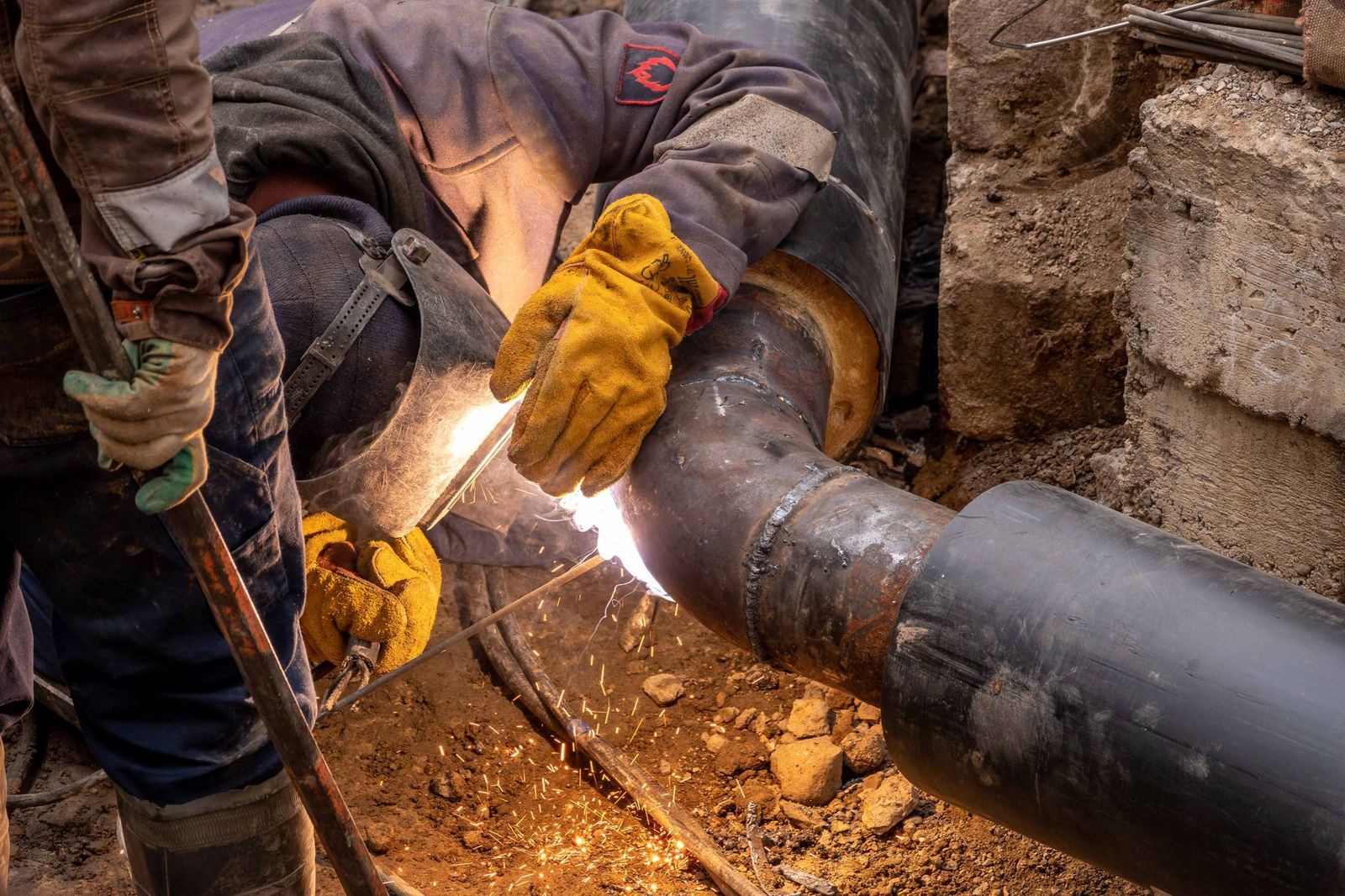
Pipeline welding crew joining pipe outdoors

How many bunkhouse trailers do I need for a 24-man frac crew?

Two trailers give every one of your 24 people a dedicated bunk with personal storage and a charging outlet. If your crew shares bunks across two 12-hour shifts, 12 bunks can technically cover all 24 people. Most superintendents choose the 2-trailer setup on a full 14-day hitch, so nobody shares a storage compartment with a stranger. Call (888) 828-7765 with your shift pattern and we'll size the order with you on the phone.

Can a bunkhouse trailer run off the rig's generator?

It can, as long as the generator has enough capacity for 3 AC units operating at the same time on a hot Permian afternoon. Line power works too, wherever the location already has it available. Tell us what power is on site, and our dispatch team will confirm the hookup with you before delivery day. If the rig generator is already close to its limit, plan a separate generator dedicated to the trailer. Ask us first.

Is a sleeper trailer cheaper than putting the crew up in motels on per diem?

The answer depends on the size of your crew and the expected length of the job. Start by counting the room nights your crew would need, then compare that total with the number of 12-bunk trailers the same crew needs on location. Remember to include the daily driving time you recover when the beds sit right next to the work, since that recovered time affects productivity and safety across the entire operation. Call (888) 828-7765 for a quote, and you'll have both sides of the comparison in front of you.

How far from a sour gas well should crew sleeping quarters go?

Your H2S contingency plan sets that distance, and we place the trailer exactly where it says. We generally favor higher ground, and we check the direction the prevailing wind usually blows before we set the trailer down. We never choose a distance on our own.

Do you deliver to a remote pad with no paved road?

Yes. Gravel lease roads make up most of the driving we do on oilfield deliveries, so a dirt approach is completely normal for our drivers. Send us a map pin and a photo of the approach, and mention any gates or cattle guards on the way in. Heavy rain can rut a lease road quickly, so tell us if the location had a wet week before delivery.

What's the difference between a man camp and a bunkhouse trailer?

A man camp is a shared compound with dozens to thousands of beds, and it usually includes meals and security for every resident. A bunkhouse trailer puts 12 beds on your own lease for your own crew and nobody else, a different tool for a different job. Camps make sense for very large crews on long projects. For a rig crew or a completion crew, 2 or 3 trailers on the location keep your people close to the work and on your own schedule.

How fast can you get a bunkhouse trailer on site once we call?

That depends on the distance between your location and the nearest available trailer. Call our dispatch team at (888) 828-7765 any hour with your map pin and your start date, and we'll give you a delivery window on that call. The earlier you call before a rig move, the more options you'll have.

Will the trailer handle Permian heat and Bakken cold?

Yes. It has 3 AC units with heat and a smart thermostat with digital touch control. Your crew sets one temperature, and the system holds it through a 100-degree afternoon in Midland or a January night far below zero in Williston. Day sleepers on night shift get the most out of the cooling, while winter crews in the Bakken depend on the heat.

Can our crew share bunks in a 12-bunk trailer, or does everyone need their own bed?

Sharing bunks works, and it lets 12 bunks serve 24 people on two 12-hour shifts. It works well on short jobs, when nobody is living out of the trailer for 2 full weeks. On a longer hitch, one bunk per person lets every worker keep a personal storage compartment and a charger. Many crews share bunks for the first few days, then add another trailer once the job settles into a steady schedule.

Can crew housing sit on the well pad, or does it have to go off the lease?

That decision belongs to the company running the job and to its safety program. Some crews set trailers at the edge of the location, while others prefer a nearby lease road or a separate staging yard. We place the trailer wherever your safety lead and your H2S contingency plan say it should go. Plans change. If yours does, we move it.

What happens to per diem taxes if our job runs past 12 months?

Per diem guides for field crews note that assignments crossing the one-year mark can turn tax-free per diem into taxable wages. Your payroll department or tax adviser should review your own crew's situation well before that point. On a long project, put that review on the calendar around month 10 so nobody gets surprised at month 12.

Does the bunkhouse trailer have a bathroom or shower?

No. It's sleeping quarters only, with 12 bunks in a climate-controlled space. Crews use separate restroom and shower trailers positioned close by on the same location. Keep that walk short and well lit, since people make it at every hour of the day and night.

Is a 12-bunk trailer too much for a small workover crew?

Not usually. A 6 to 8 person well service crew fits comfortably with several spare bunks left over. Those spares typically fill with a pump technician or another service hand who stays a night or two, so the additional room gets used far more often than most supervisors expect when they first call.

What's included with the rental?

The trailer comes with 3 AC units with heat and a smart touch thermostat. Every bunk has its own LED light and USB outlet, plus a storage compartment for personal items. Built-in steps at each bunk bank make the upper bunks easy to reach, even in heavy work boots. We deliver the trailer and set it up on your location, and our dispatch team answers the phone 24/7.

Do you deliver to the Bakken and the DJ Basin, or only Texas?

We deliver to all 50 states, including every major oil and gas region in the country. That covers the Permian and the Eagle Ford, along with the Bakken and the DJ Basin farther north. Kern County fields in the San Joaquin Valley are on the delivery map as well. Call with your lease location, and our dispatch team will plan the route from there.

In real terms

What to know about reading for the person planning crew housing

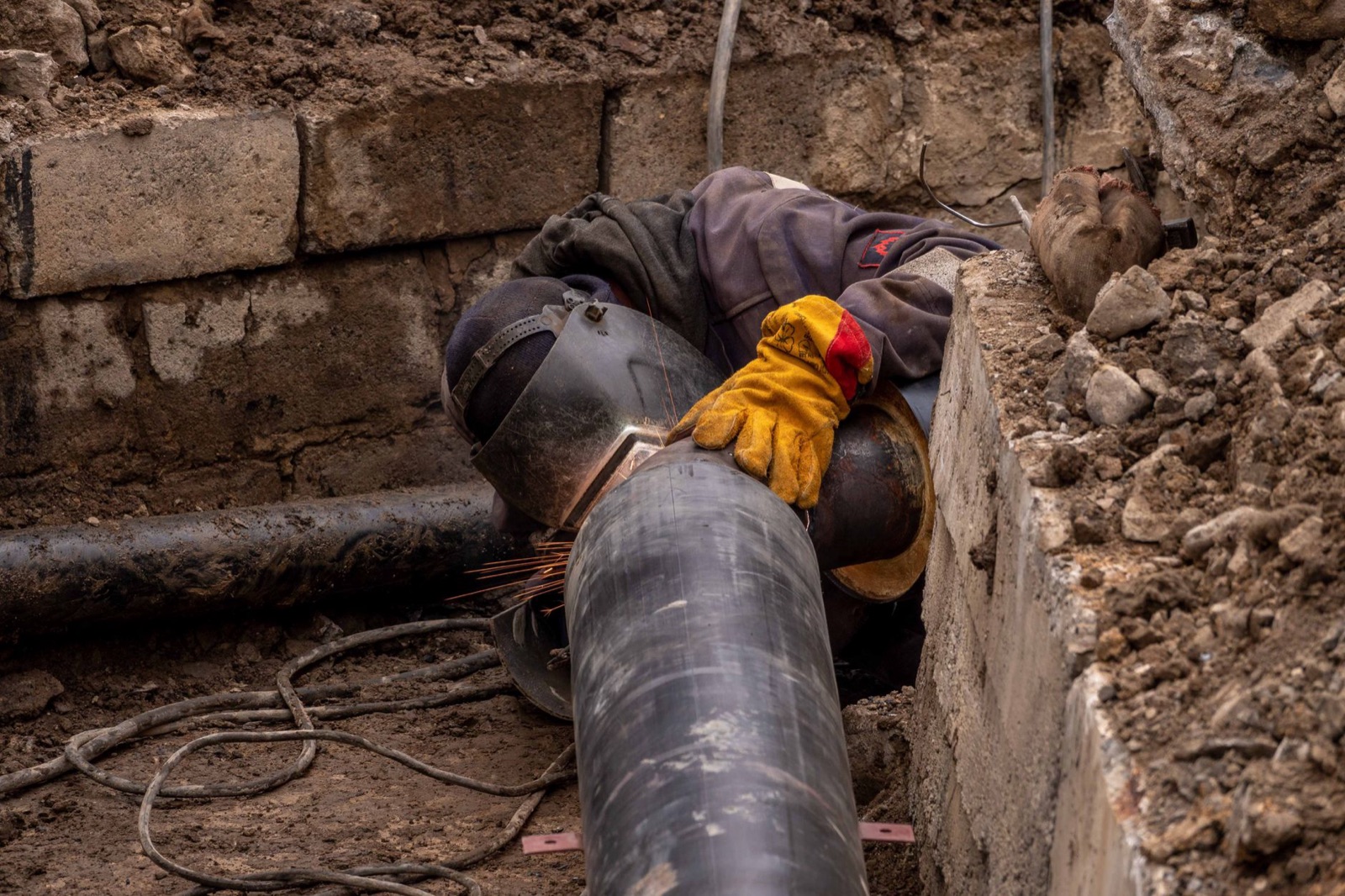
  • Welder in a trench joining coated steel pipe

    Renting crew housing through an oil boom and bust

    Oil towns grow quickly, and they can shrink just as quickly when prices fall and rigs go quiet. Odessa went from 750 residents in 1925 to about 5,000 by 1929, and the same pattern has repeated in every boom since. Growth came again from the 1930s through the 1950s, again in the 1970s and again in the 2010s. Cycles repeat constantly. Plan around it. For a superintendent booking beds, that history says the local housing market will swing, and it won't warn anybody first.

    Read the full note

    The swings show up in both directions, sometimes within a single decade. In 2020, Odessa had 114,428 residents and a rental vacancy rate of 21.3 percent, which sounds like plenty of room. Just a few years earlier, in February 2014, at the height of the Bakken boom, Williston had the highest apartment rents in the United States. A crew that arrives at the wrong point in the cycle pays for it in lost hours and lost sleep, not just in rent.

    Midland, the administrative hub of the Permian Basin, reached 132,524 residents by 2020 after decades of boom-driven growth spurts. Every surge brought the same squeeze on motel rooms and apartments, and every slowdown left vacancies behind. A crew that rents its beds never has to guess which half of the cycle comes next.

    Researchers at the University of Denver describe three ways boom towns come under strain during a surge in activity. First, growth can move faster than local housing and services can follow. Second, worker turnover can drag down productivity on every job in the area. Third, local businesses may never invest, because everyone expects the boom to end eventually. Your crew feels all three. They show up as longer drives and worse sleep.

    Mining companies have developed their own practical answer to this cycle. Some now build temporary factory-built communities near a mine and take them down once the resource runs out, instead of building permanent housing. Oilfield crews can use the same idea at a much smaller scale. A rented trailer on your lease is housing you can add when a crew arrives and send home when the job ends.

    Plan crew housing the same way you plan rig contracts and service agreements. Rent for the project in front of you instead of guessing about the next five years. Stay flexible. Add another trailer when a second crew comes in, and release what you don't need when the rig count drops and a job ends early.

    This cycle repeats in every basin as activity rises and falls. The first call in a rising market is about finding beds at all, anywhere within a reasonable drive. A few months later, the same superintendent often calls to add 2 more trailers. When prices drop, the call is about releasing one early, and a rental can follow every one of those calls in a way a building never can.

    If activity in your basin is picking up, call (888) 828-7765 before the local motel rooms disappear. Tell us about the location and the expected crew size, and we'll help you plan flexible housing that can expand or contract with the work.

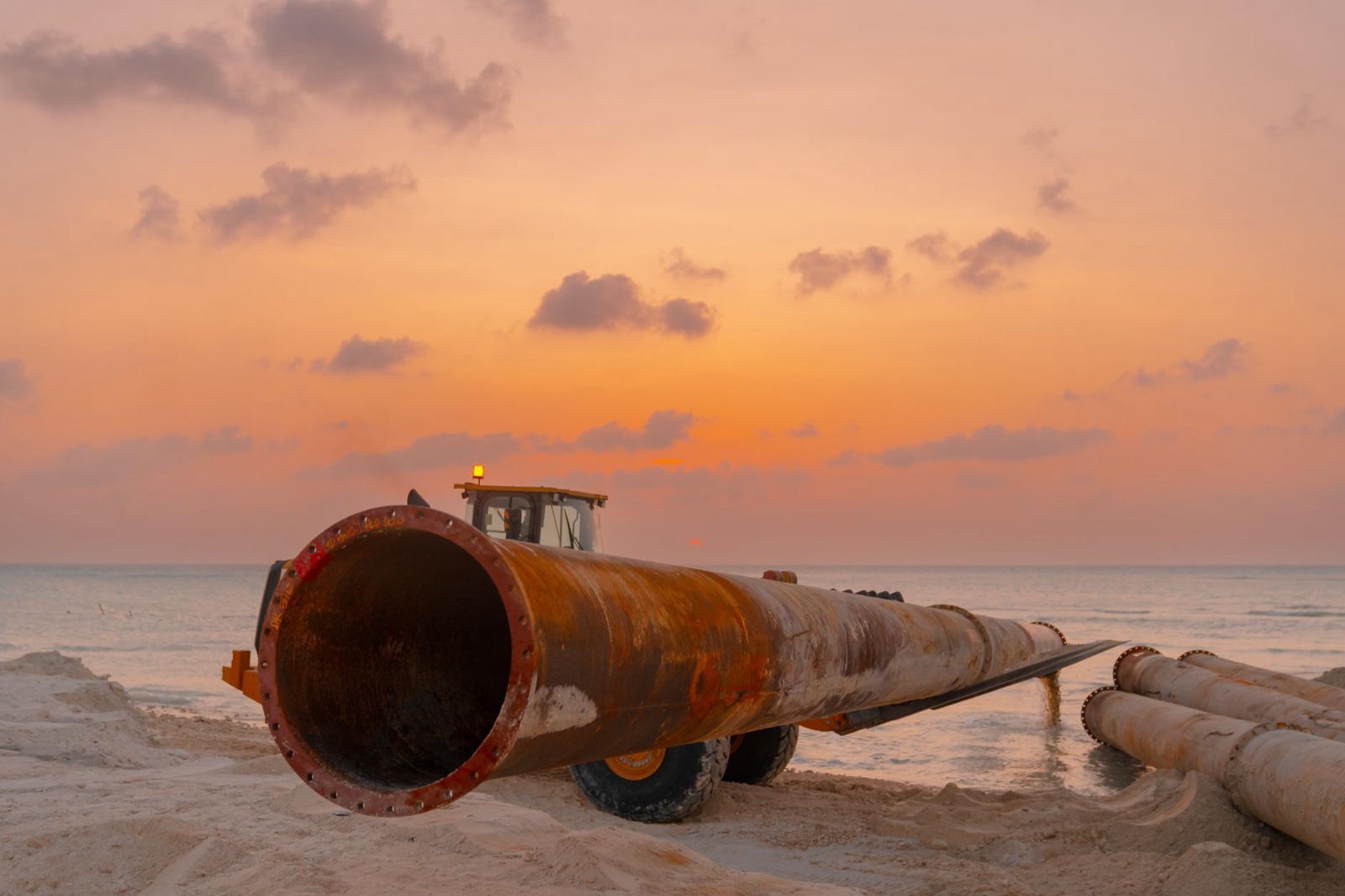
  • Steel pipe sections laid out beside a loader on a sandy pipeline worksite at sunset

    Sleeping through the day: night shift crews in Permian heat and Bakken cold

    Night shift is the hardest part of oilfield housing to get right. A rig hand working from 6 in the evening until 6 in the morning has to sleep through the brightest and often hottest hours of the day. Federal fatigue guidance for truck drivers calls for 7 to 8 hours of sleep in every 24 hours. Most experienced hands would say the same number applies on the rig floor, where alertness is just as important.

    Read the full note

    Sleep debt compounds. FMCSA names accumulated sleep debt as a major fatigue factor, since a short night on day 1 carries into day 2 and day 3. It also names industrial fatigue, the plain physical wear that comes from long work periods, regardless of the time of day. A 14-day hitch has both kinds, so every hour of real sleep on the location pays off by the end of the rotation.

    Heat is the biggest obstacle in the southern basins, especially from June through September. A day sleeper in an overheated room usually wakes up by noon and never really gets back to sleep before the next shift. The 3 AC units in each trailer keep the space cool at 3 in the afternoon, not just after dark. Set the smart thermostat once at a comfortable sleeping temperature, and let the system hold it. Keep the door closed as much as possible, since every trip in and out lets the afternoon heat back inside.

    Cold is the opposite problem up north. The Wattenberg field in the DJ Basin sits just north of Denver, with more than 14,000 wells drilled there by 2007. January nights there regularly drop below freezing, and North Dakota winters run far colder than that for weeks at a time. The same 3 units supply heat, so your crew walks into a warm trailer instead of a cold one after a winter shift. Ask us to set the thermostat before your crew arrives on the first day.

    Placement matters for daytime sleep as well. Set the trailer away from the generator and the main truck route whenever the H2S contingency plan allows it. Point the door away from the location lights if you can, so the day sleepers aren't staring into bright lights at dusk. A quiet corner of the location can mean an extra hour of sleep for every person working nights.

    Rotating crews also need a routine that protects both shifts. When the crew count allows it, keep the day shift and the night shift in separate trailers. That way one group isn't coming and going while the other sleeps. On a 24-person, two-shift job, that means 12 day workers in one 12-bunk trailer and 12 night workers in the other.

    Small details add up at each bunk. The individual LED light at every bunk lets one person read or get dressed without lighting up the entire room for everybody else. The USB outlet keeps a phone charged for the morning alarm, and the storage compartment keeps keys and wallets exactly where they belong. No digging in the dark.

    If you're managing night crews in the Permian or the Bakken, call (888) 828-7765 and ask for our dispatch team. We'll talk through placement and thermostat settings with you before the trailer ever leaves our yard.

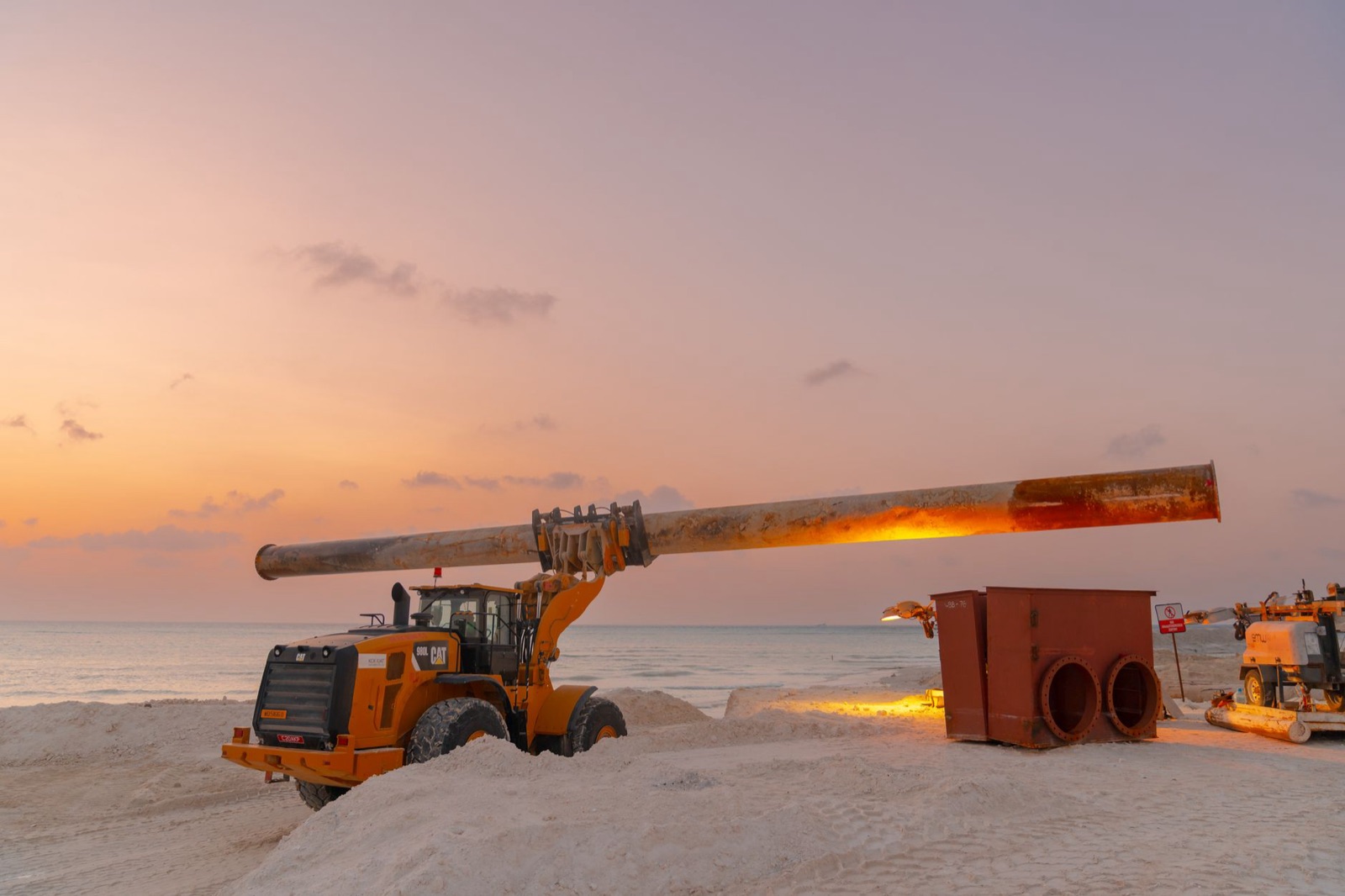
  • Loader carrying a long section of steel pipe at a coastal worksite at dusk

    Questions to ask before booking crew housing for your next hitch

    A good crew housing booking starts with 7 plain questions, and most of them concern your job and your location rather than the trailer itself. Walk through this checklist before you call, and the quote will come back faster and closer to what your superintendent actually expected.

    Read the full note

    First, how many people will actually sleep on location at the same time? Count everyone on location this week instead of the full roster, and use the crew math above to turn that number into trailers at 12 bunks apiece. Then decide whether shared bunks make sense for a short job of 5 to 7 days. Write down the rotation as well, such as 14 on and 14 off, because it changes how often the bunks turn over.

    Second, what does the location actually look like? Know where the pump line and the truck route run, and get a copy of the H2S contingency plan from your safety lead before you call. A photo of the approach road, with its gates and cattle guards, saves a lot of back and forth with our dispatch team and our drivers. Photos help.

    Third, where will the power and the restroom trailers go? The bunkhouse needs enough power for 3 AC units, and the restroom and shower trailers need a spot within a short walk. Both are much easier to plan before delivery day than after the crew arrives.

    Fourth, how long will the job last, and where does the crew go next? A drilling rig relocating 9 miles to the next lease can take its trailers along, and so can a well service crew moving between neighboring wells. Give us the release date and the next location as soon as your company man confirms them.

    Fifth, when does your budget reset? If your per diem budget tracks federal numbers, the GSA per diem rates page explains that new rates are usually announced in mid-August. They take effect on October 1, and the page also lists about 300 non-standard areas with rates of their own. Watch that date. Check both fiscal years before you compare motel expenses with trailers.

    Sixth, which crew leaves first? Oilfield jobs rarely end all at once. The completion crew rigs down while the flowback crew stays for testing, and a supervisor or two may remain for cleanup. Tell us that order up front, and we'll schedule the pickups trailer by trailer instead of pulling everything on one day.

    Last, who is the designated site contact on delivery day? A name and a cell number keep the driver from waiting at a locked gate with a trailer in tow. Share a backup contact as well, since a night supervisor may be asleep when our driver arrives at noon. Once you have these answers, call (888) 828-7765. Whether your lease is in the Midway-Sunset field in Kern County or on a Permian location south of Midland, we'll plan the delivery around your crew.

    Source: GSA per diem rates

Get a quote

Tell Us Where Your Crew Needs Beds

Send the basics and a dispatcher will call you back with availability and a delivery window. In a hurry? Call now.

  1. We confirm the site, dates and crew size.
  2. We lock in a delivery window and power plan.
  3. The trailer arrives, gets leveled and is ready for the first night.
(888) 828-7765

Request a quote

Takes about a minute. Fields marked * are required.

We only use your details to answer this request.