
Skip to content
Delivered to all 50 states 24/7 dispatch: (888) 828-7765

Military and Government Crews

Rugged Bunkhouse Trailer Rentals for Military and Government Crews

Your Guard unit or agency field team sleeps next to the work when a 34 ft bunkhouse trailer with 12 bunks is parked at the staging area. We deliver it and set it up level, so the heat or air conditioning is running before the first shift walks in. The same trailer fits a 15-day training period or a months-long agency deployment in all 50 states. Call (888) 828-7765 at any hour, or request a quote with your site location and head count, and we will plan the delivery around your report date.

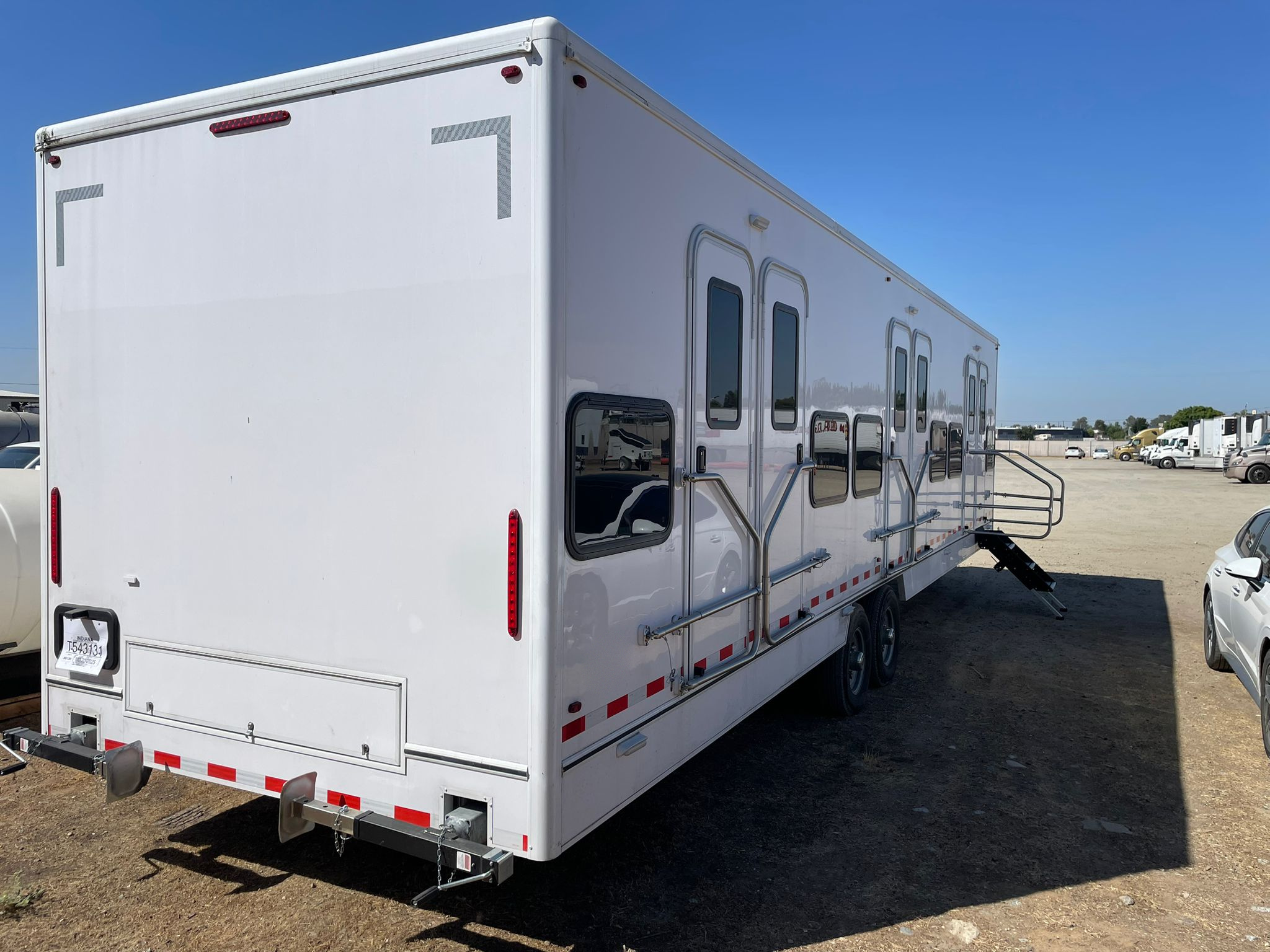
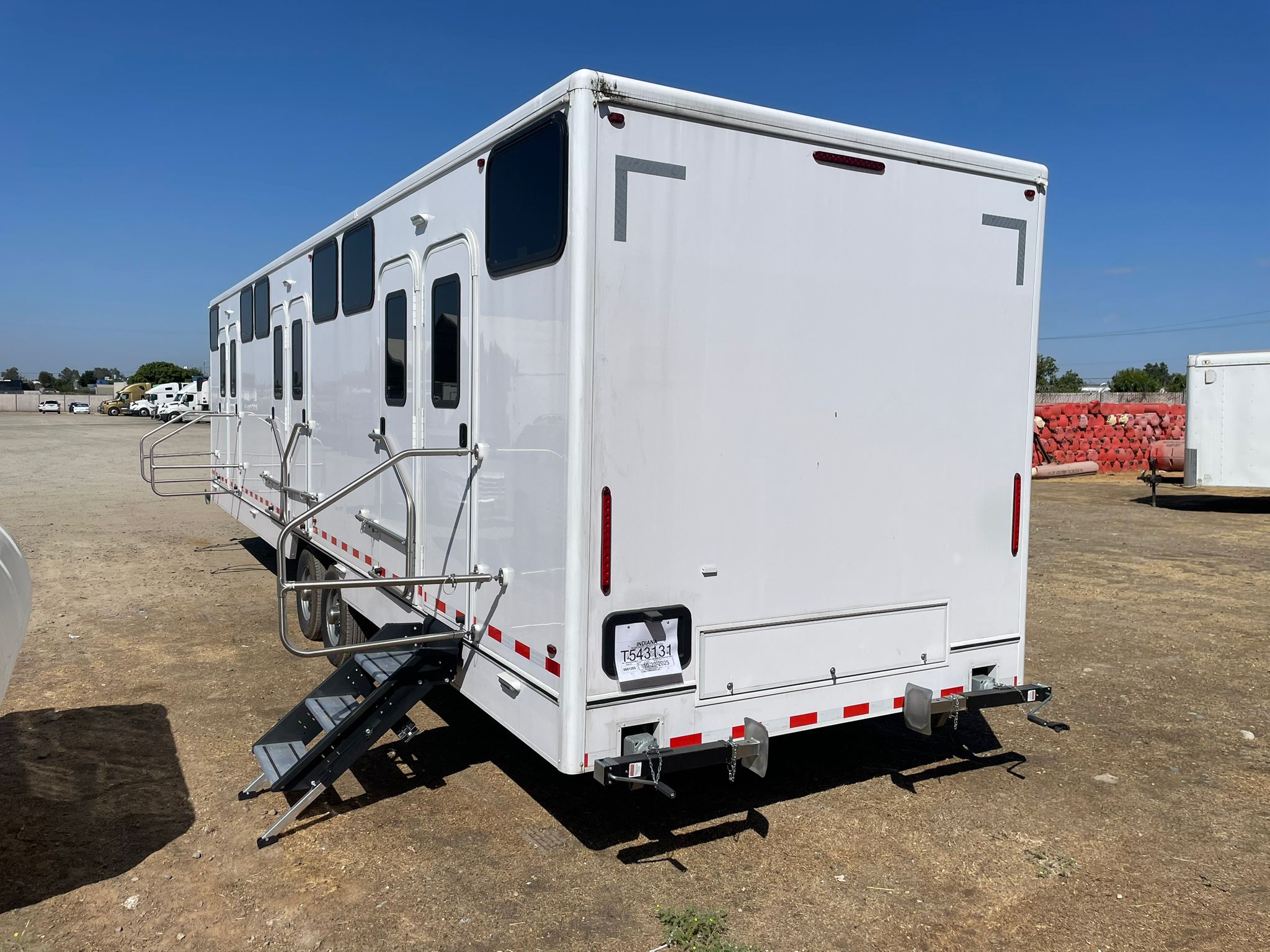
34 ft bunkhouse sleeper trailer with three bunk entry doors and built-in steps
  • Sleeps 12 6 upper and 6 lower bunks per trailer
  • 3 AC units with heat and a smart touch thermostat
  • All 50 states delivered and set up level at your site
  • 24/7 dispatch at (888) 828-7765
  • 12,000+Trailer deliveries across our network
  • 50Delivery to all 50 states
  • 24/7Dispatch answers day and night
  • 12Private bunks in every trailer

Built for construction crews, fire camps, pipeline spreads and utility contractors.

Military and agency crew housing

Crew quarters trailers that put your team's bunks next to the mission

Base housing and nearby hotels fill fast when a unit surges for a training period or a storm call-up. In 2020, the National Guard logged about 11 million activation days, the most since World War II. Our 12-bunk sleeper trailers put soldiers and agency staff in real beds on site, so a 12-hour shift ends with a short walk, not a long drive. Our network has completed over 12,000 trailer deliveries, and each military setup gets planned around your report date and your site. Call (888) 828-7765 to talk with a real dispatcher, or send a quote request with your head count and start date. Delivery reaches all 50 states, and dispatch answers around the clock.

The 12-Station Bunkhouse Sleeper Trailer is a 34 ft crew housing trailer that sleeps 12 people. Its heating and air conditioning keep the bunks comfortable from a Texas summer to a January storm call-up.

What comes with every rental

  • Delivery, leveling and setup by our driver
  • Twelve private bunks, each with a light, USB outlet and storage
  • Three AC units with heat and a smart thermostat
  • Built-in steps at every bunk bank
  • Pickup when the job wraps

Our take

A bunkhouse trailer built around a working crew, start to finish

Every rental is the same proven unit, so your crew knows exactly what they are walking into.

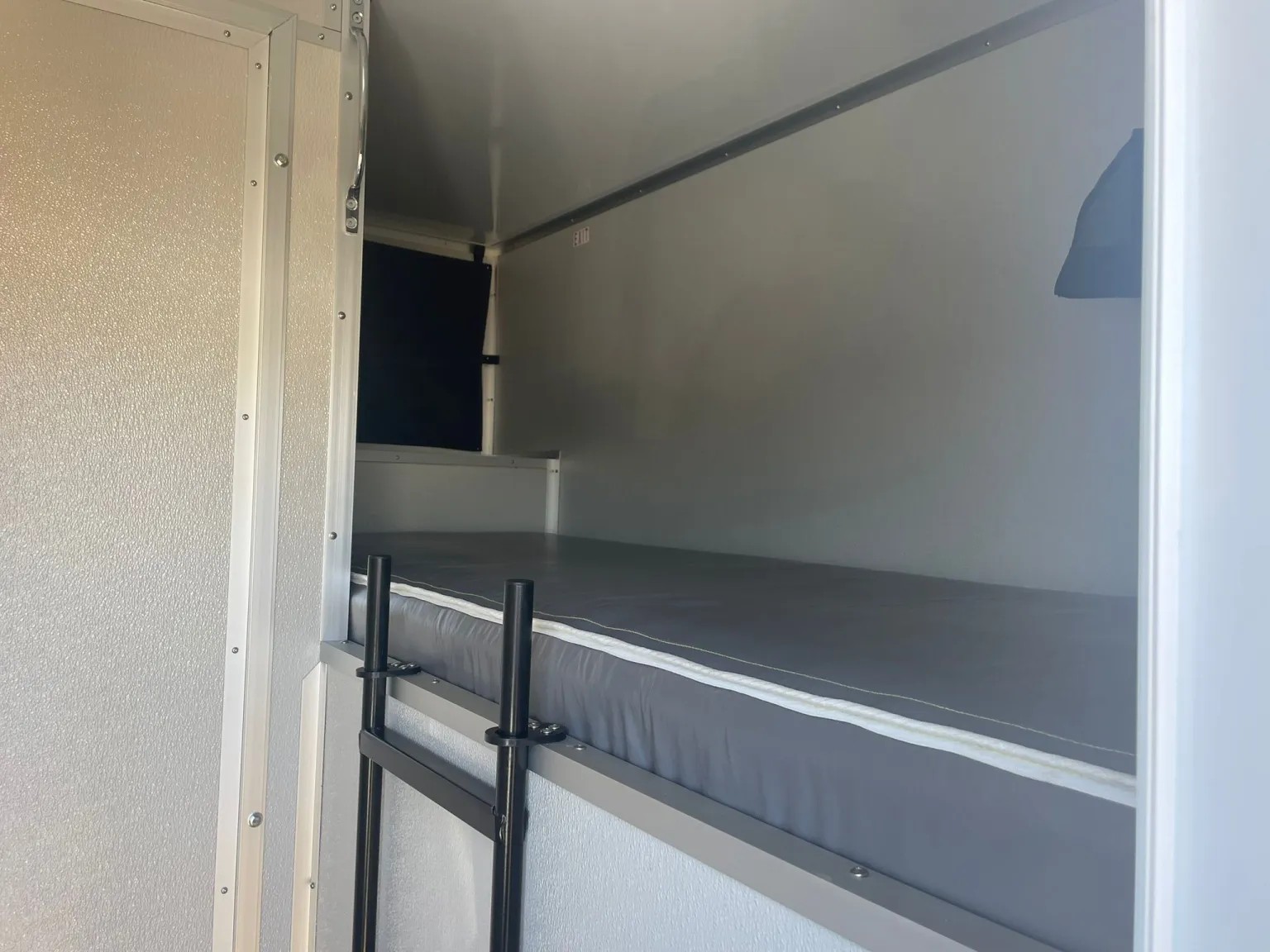
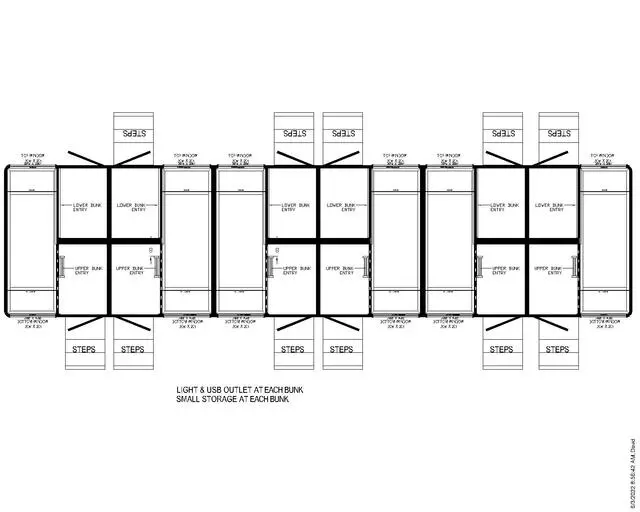
Each trailer holds 6 upper and 6 lower bunks, with built-in steps at every bunk bank for a safe climb after a long shift. Every bunk has its own LED light and USB outlet, so each soldier can charge a phone without waking the next bunk. A small storage compartment at each bunk keeps keys and a wallet off the floor. Three AC units with heat run from one smart thermostat with a digital touch control. That matters on a night rotation, when half the team sleeps through the hottest part of the afternoon.

The trailer is 34 ft long and rolls in on its own wheels, so it parks on any level spot a truck can reach. We set it level and get it ready, so the air or heat is running when your team arrives. It is sleeping space only, with no bathroom or shower on board, so crews use separate restroom and shower trailers set nearby. Compare it with our full range of bunkhouse sleeper trailer rentals nationwide, or add the 12-bunk trailer spec sheet to your contracting file.

Soldiers and agency staff on rotating shifts need dark, air-conditioned rooms at odd hours. With a light at every bunk, a soldier coming off a 0600 shift change can turn in without switching on the overhead lights for everyone else. The upper bunks are reached by the built-in steps at each bunk bank, which keeps the climb easy in the dark. LED lighting runs throughout the trailer, which keeps the aisle visible at night without flooding the bunks.

Spec plate

12-bunk sleeper
Bunks6 upper + 6 lower = 12 total
Sleeps12 people
Length34'
Per-BunkLED light, USB outlet, storage compartment
AccessBuilt-in steps at each bunk bank
AC Units3 (HVAC, smart thermostat)
ClimateAC & Heat, digital touch control

Your crew's beds are one call away.

(888) 828-7765

Tell us the headcount and the start date. We take it from there.

Count on it

Reviews from the people who used the bunks, step by step

"Our armory had floor space for about half the soldiers we called up for the storm. Three trailers were set up and cooling the evening before the rest of the detachment reported. Everyone had a real bunk with a light and an outlet, and the complaints about sleep were gone by the second night."

E. K.Guard logistics officer

"The closest hotel with open rooms was more than an hour from our project site, and my field staff were driving it after 12-hour days. Two sleeper trailers put all 24 of them a short walk from the work. The dispatcher answered on a Sunday night when our end date moved, and the pickup shifted without any trouble."

B. R.Agency project lead

"We had a 20-person civilian crew on a barracks renovation that ran most of the year. Getting the trailers through the gate took one email with the driver and truck details. The heat kept everyone comfortable through January, and the air handled the summer finish just as well."

N. K.Contractor site superintendent
Delivering to all 50 states

Before the truck comes

A bunkhouse trailer, wherever the crew is: what to expect

From a pipeline yard in West Texas to a fire camp in the Oregon Cascades, we route a trailer and a driver to where your crew is working, remote and off-grid sites included.

Fair warning

Where crews book us most, explained

Simply this

The reasons one trailer design fits so many crews, in plain terms

  • Twelve private bunks

    Six upper and six lower, each its own space. No cots, no shared air mattresses.

  • Heat and air, three units

    Three AC units with heat and a smart thermostat keep the trailer comfortable in July and January.

  • Light and USB at every bunk

    Each bunk has an LED reading light, a USB outlet and a storage compartment for phones and gear.

  • Delivered and set up

    Our driver hauls it in, levels it and walks your lead through it. You do not need a truck or a hitch.

  • All 50 states

    We plan routes to remote yards, fire camps and storm zones anywhere in the country.

  • 24/7 dispatch

    Call at any hour and a person picks up. Crews change plans at night, and so do we.

Across the board

How a bunkhouse rental actually runs, explained

  1. Call or send a quote request

    Tell us the site, the crew size and your start date. We answer 24/7.

  2. Plan the drop

    We confirm site access and power, then lock in a delivery window.

  3. Delivery and setup

    Our driver places the trailer, levels it and hands your lead the keys and a walkthrough.

  4. Pickup when you wrap

    Extend as long as you need. When the job ends, we haul it out.

Training and annual drills

Bunk trailers for training exercises and annual training periods

Most Guard training runs on a calendar you can see months ahead. The 1916 National Defense Act set the baseline many units still plan around, with 15 annual training days and 48 drills each year. When a whole battalion reports to a state training site for those 15 days, the barracks can fill before the last company arrives. A heated and cooled sleeper trailer adds 12 bunks at a time, parked a short walk from the training area.

Active duty training follows the same pattern at a larger scale. The Army's National Training Center in the Mojave Desert hosts about 15 brigade rotations a year. Each rotation brings a brigade-sized force into the field for a fixed window of several weeks. Support teams working a rotation like that may need beds closer than the nearest town.

Because training dates are known early, this is the easiest military housing to plan well. Book the trailers once the training schedule is set, and give us the report date along with a site contact. We confirm the delivery window ahead of time and set every trailer level before the advance party shows up. The trailers stay for the full training period and leave after the last formation.

A training head count also moves during the 15 days, since an advance party may arrive early and a few soldiers may leave for school or civilian jobs. Plan the bunk count around the peak night, not the average. For a 36-person detachment, that usually means 3 trailers and a plan for visiting evaluators.

  • Annual training at a state training site
  • Drill weekend overflow near an armory
  • Brigade rotations at a national training center
  • Joint exercises with visiting units
  • Range support crews and evaluators
  • Reserve unit field training
Military field training exercise with vehicles

Storm and emergency call-ups

Sleeper trailers for National Guard storm and emergency call-ups

Emergency call-ups do not follow a training calendar, and the housing plan has to move as fast as the orders do. Ahead of Hurricane Ian in 2022, Florida mobilized 5,000 National Guard troops, with another 2,000 on standby in neighboring states. That is a 7,000-person housing question answered in a matter of days. At 12 bunks per trailer, the mobilized force alone equals about 417 trailers of sleeping space.

Governors call Guard members to State Active Duty for disasters inside their own state. An armory usually has power and water, but its floor space suits drill weekends, not 100 to 250 soldiers sleeping there for weeks. A temporary bunkhouse trailer parked in the armory lot adds 12 real bunks with heat and air conditioning. Ten trailers bunk a 120-person company with one soldier per bunk.

Large storms also pull in help from other states through the Emergency Management Assistance Compact, known as EMAC. After Katrina and Rita in 2005, EMAC moved more than 65,000 personnel into the affected states. Those responders arrived with orders and reimbursement terms, yet they had no local home or barracks to sleep in. Every bed they used had to be set up near the incident.

The call-up timeline is short, so the real planning happens before the season. A state that sets up a standing rental agreement before June avoids bidding housing from scratch in the middle of a storm. Tell us your likely staging areas in the spring, and we can map delivery routes ahead of the first named storm. When the call comes, dispatch at (888) 828-7765 picks up at any hour.

  • Armory parking lots and drill halls
  • Storm staging areas inland from the coast
  • State emergency operations sites
  • Mutual-aid reception points
  • Flood and winter storm response bases
  • Public health response sites
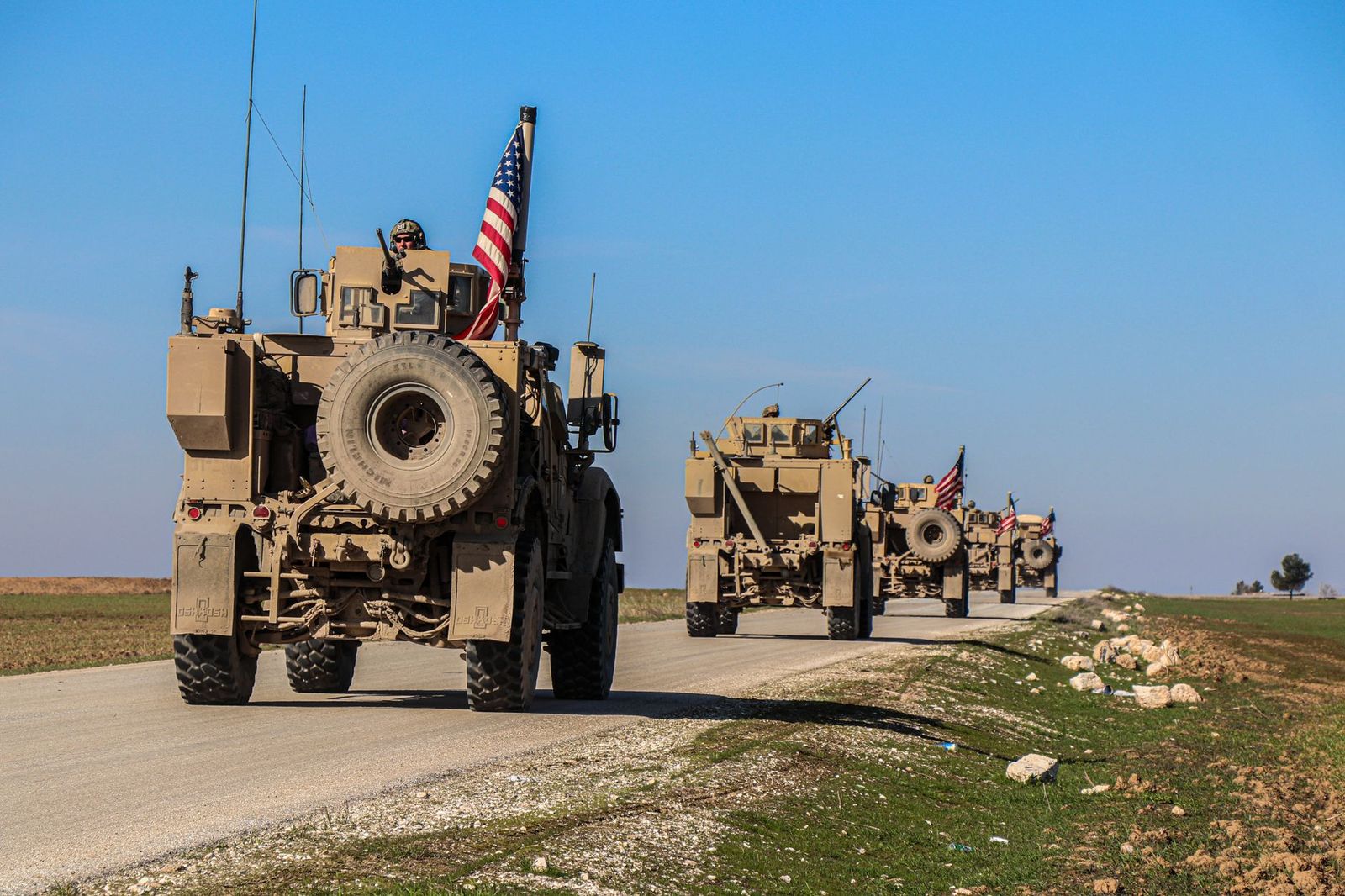
Military convoy on a desert field operation

Agency teams and incident camps

Crew sleeper trailers for federal and state agency field teams

Federal and state land agencies send crews to places with no town nearby. The National Wildfire Coordinating Group, formed in 1976, sets shared training and qualification standards for fire crews from federal land agencies and state forestry departments. Interagency Hotshot Crews run 20 to 30 members, which works out to 2 or 3 crew sleeper trailers per crew. Engine crews and incident management teams add their own head counts on top.

The Incident Command System splits incident housing into two kinds of sites. A base is the one location where an incident's logistics and admin work gets coordinated. A camp is a separate temporary site that gives crews sleeping space and meals when they work too far from the base. An incident can run several camps at once, often named by place or by number, and each one needs its beds brought in.

FEMA's National Response Framework treats housing as a named job within the federal response. Emergency Support Function #6 is the part of that plan that covers temporary housing and mass care. Agency field staff working a declared disaster still need somewhere to sleep themselves. A mobile crew quarters trailer, 34 ft long, gives 12 of them a bunk at the staging area, with heat and air sized for a long stay.

Agency travel usually runs on per diem, with lodging paid at a rate tied to the work location. GSA publishes those rates for the continental United States, with about 300 non-standard areas set separately around key cities and counties. When a storm or a fire has filled every room within an hour of the site, the rate stops mattering. There is nothing left to rent, and the team has to bring its beds along.

  • Fire camps and spike camps
  • Incident bases on public land
  • Disaster field office staging areas
  • Remote survey and project stations
  • Levee and dam repair sites
  • Federal land project yards
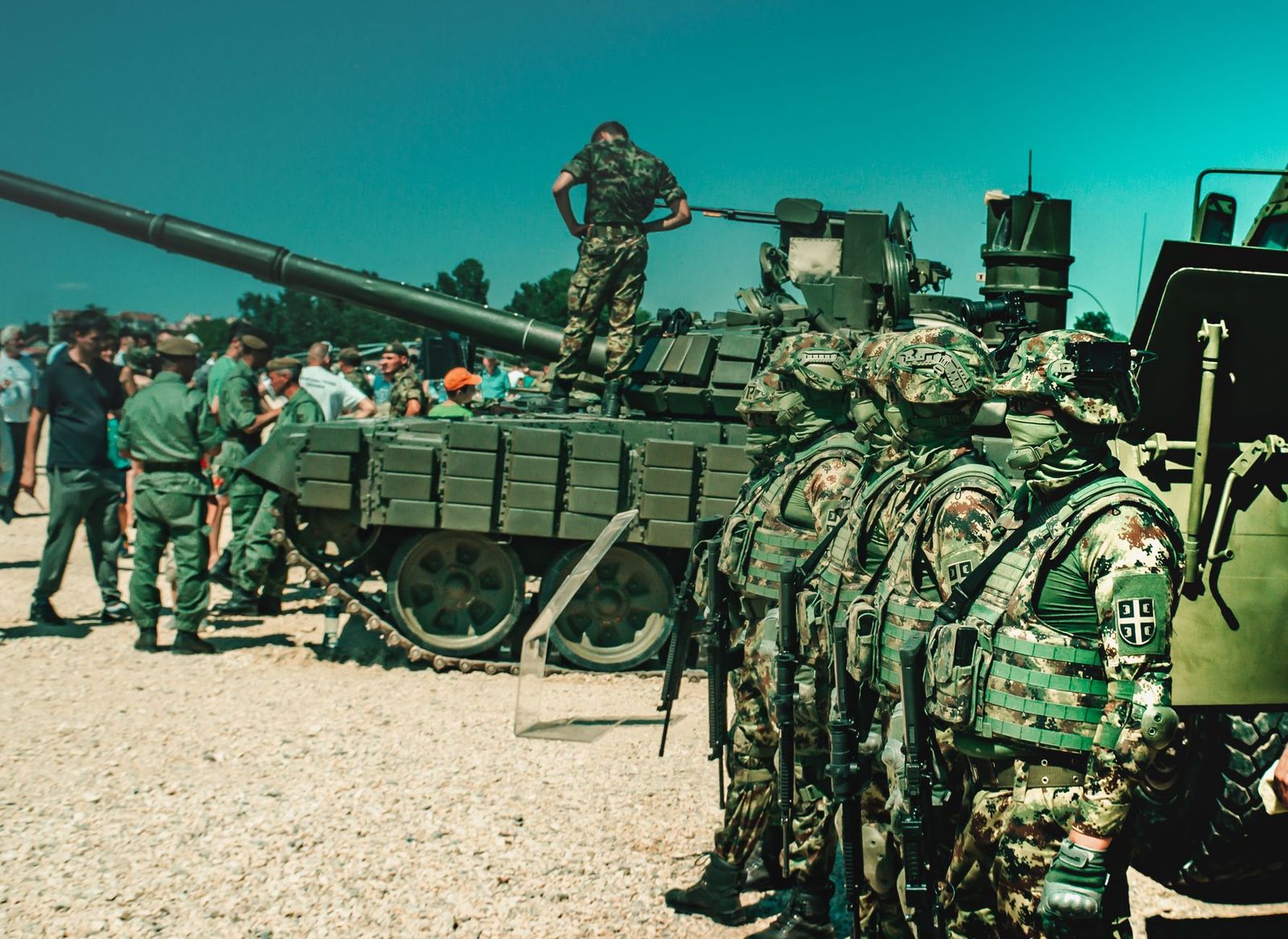
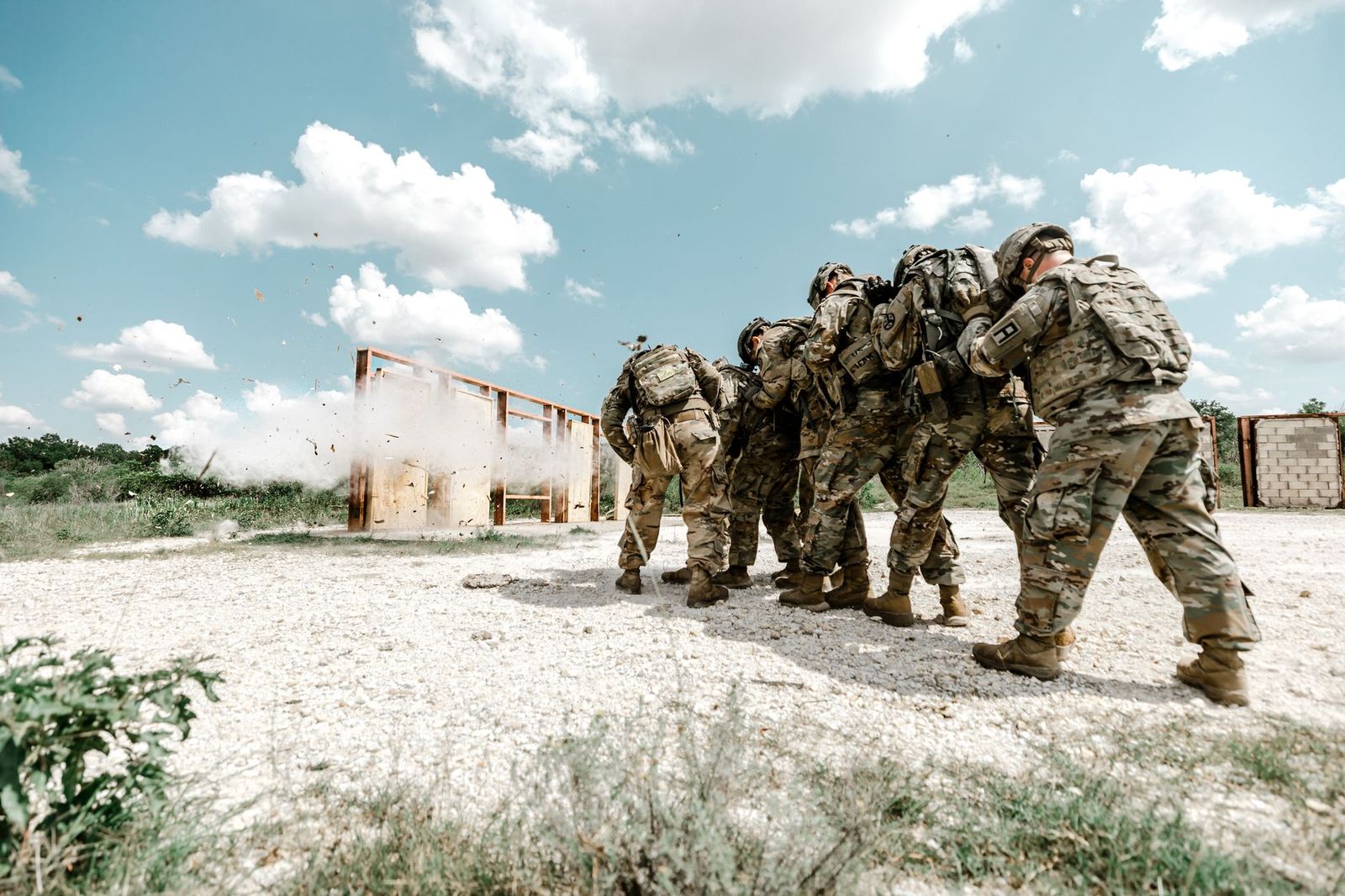
Soldiers moving in formation during a field exercise

Base projects and support contractors

Portable bunkhouse trailers for base projects and support contractors

Military construction and barracks renovation projects can push people out of on-post housing for months. When a barracks building closes for a year of work, the soldiers who lived there still need beds. Civilian contractor crews working on the same installation need somewhere to sleep as well, sometimes 40 minutes or more from the nearest open hotel.

A portable bunkhouse trailer handles both needs from the same delivery. It gives 12 people a bunk with its own light and outlet, plus heat for a winter start and air for a summer finish. Contractor superintendents can compare the same setup with our bunkhouse trailers for construction crews, which covers commercial projects outside the gate. The trailer stays for the length of the project and moves when the work moves.

Installation gates set their own visitor and vehicle rules, so send us the gate requirements early, including any vehicle pass or escort needs. Placement on post follows your facilities office's direction on where temporary units can sit. We set the trailer level on the spot they approve and leave it ready for move-in.

Crew housing shows up at bid time, when a prime contractor planning a 9-month base renovation can list it in the proposal as its own line item. A dedicated line item keeps the crew on site instead of relying on per diem when the nearest town is a long drive away. For other project types, look through our crew housing for other industries.

  • Barracks renovation overflow
  • Military construction projects
  • Base utility and road upgrades
  • Hangar and range rebuilds
  • Contractor laydown yards
  • Temporary duty surges on post
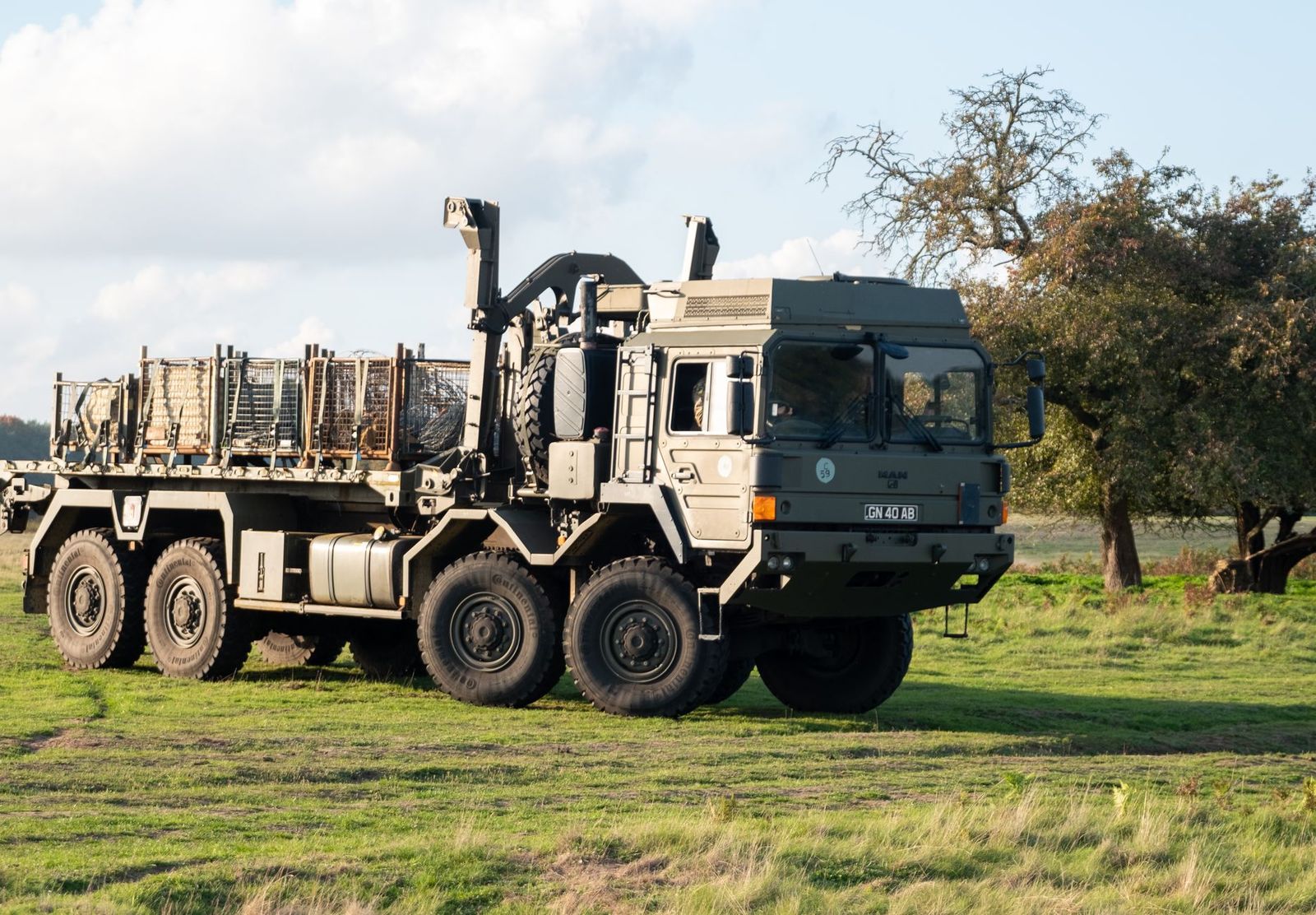
Army engineering vehicle on a rural road near a field camp

How to Plan Crew Housing for This Work

Planning housing for military and Government Crews comes down to four questions: the headcount sleeping on site, the expected length of the assignment, the electrical capacity available at the pad, and delivery access for a truck and trailer. The sections below work through each question in order.

How a bunk trailer delivery works at a military or agency site

Planning starts with the site location and the report date, then moves to the peak head count and the power plan. An established base or armory usually has grid power close to the pad, while a camp built from nothing runs on generators. We confirm what the site has before the truck leaves, since the 3 AC units with heat need a steady supply around the clock.

For placement, the trailer needs a level or gently graded spot longer than 34 ft, with room for the truck to back in and pull out. At a busy staging area, set the sleeping trailers away from generator rows and vehicle lanes so crews can rest through the night. We set each trailer level and walk the site contact through the smart thermostat before we leave.

Sleeping trailers are one piece of a larger camp, and since the bunk trailer has no bathroom or shower, plan restroom and shower trailers close by. Wildland fire dispatch lists mobile shower units as their own resource type, right beside crews and engines, which shows how often these pieces travel together. A lit path between the trailers helps crews coming off a night shift.

Pickup follows the end of the mission, not a fixed date on a form. Call dispatch when your end date moves, and we adjust the pickup window to match. On a drawdown, the mobile bunk trailers can leave in stages as the head count falls, 12 bunks at a time. The last trailer goes when the last shift clears the site.

  • A level spot longer than the 34 ft trailer, with room for the truck to turn
  • Gate and vehicle pass requirements sent ahead of the delivery date
  • A power plan, either a grid hookup or a generator sized for 3 AC units
  • A named site contact who can meet the driver on arrival
  • Restroom and shower trailers placed within a short walk
  • Placement approval from the facilities office or the incident logistics lead
  • A pickup contact and an early heads-up when the end date moves
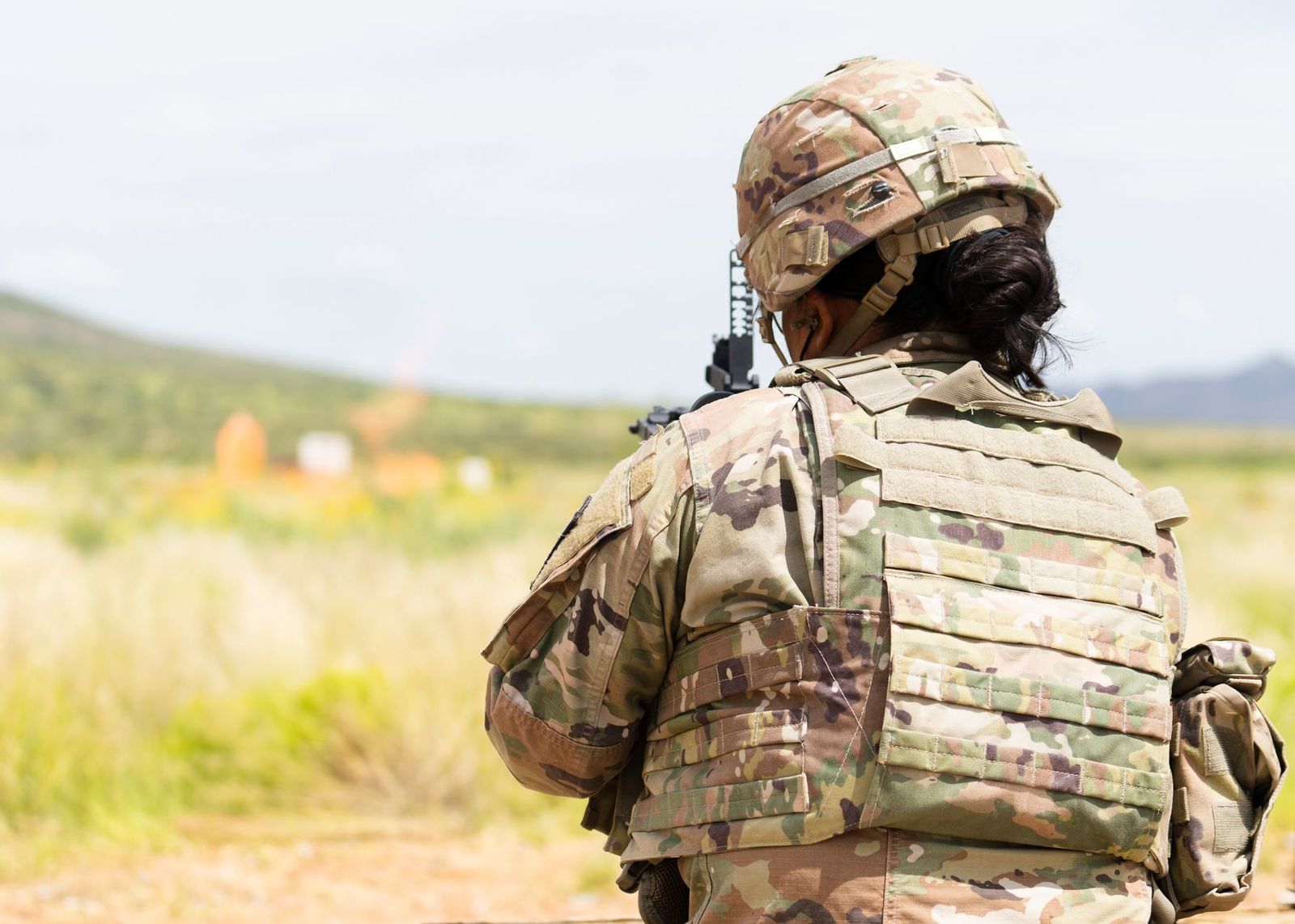
National Guard field operation

How many sleeper trailers a military or agency team needs

ScenarioCrew sizeTrailers
Squad or small field team5 to 12 people1 trailer
Hotshot-size fire crew, one bunk each20 people2 trailers
Platoon element, one bunk each24 people2 trailers
Detachment at annual training36 people3 trailers
Mutual-aid team, one bunk each60 people5 trailers
Mutual-aid team, 2 shifts sharing bunks60 people3 trailers
Company at full call-up120 people10 trailers

Military units come in sizes that map cleanly to 12 bunks. A squad-sized team of up to 12 fits in one trailer, and a 24-person platoon element fits in 2 with no bunks to spare. A company of 100 to 250 soldiers moves into double digits, with 10 trailers for 120 people and 20 trailers for 240.

When day and night shifts share bunks in relay, 3 trailers can sleep a 60-person team, 40 percent fewer than the 5 that dedicated bunks need. Shared bunks need fresh bedding and a firm shift change at every handoff. For anything longer than a few days, dedicated bunks are the simpler plan to manage.

Big responses show why planning ahead pays off. At its peak, Operation Lone Star in Texas had about 10,000 National Guard members deployed, and full dedicated bunking for that force would take roughly 830 trailers. Most missions are far smaller, like the 2004 hurricane season's EMAC response of more than 800 personnel, which maps to about 67 trailers. That is a number worth planning well before the season starts.

Federal frameworks that shape how agencies plan crew housing

Agencies plan field housing under a few national frameworks, and knowing them makes the rental request easier to write. FEMA's National Response Framework sets out the federal response roles, including Emergency Support Function #6 for temporary housing and mass care. The Incident Command System, part of the National Incident Management System, defines where sleeping space sits inside an incident's logistics plan.

Federal buying follows the Federal Acquisition Regulation, known as the FAR. Part 12 covers commercial items and services, while Part 16 covers indefinite delivery contracts that let an agency order again from one agreement. Blanket purchase agreements under Part 8.4 serve a similar purpose for repeat buys. Your contracting office picks the path, and we shape the quote to fit the paperwork it uses.

Fatigue is a planning concern for any team that drives to work after a long shift. Federal hours of service rules for commercial drivers exist to manage fatigue. Data cited alongside those rules shows fatigue crash risk peaking between midnight and 6 a.m. A crew bunked at the site skips the late drive back to a hotel after a night shift.

Site rules for a specific mission come from the agency that owns it. Your facilities office or your incident logistics lead sets the placement and spacing standards for the site. We follow their direction on where each trailer sits and how the trailers line up.

  • FEMA National Response Framework, ESF #6: Names temporary housing and mass care as a federal emergency support function.
  • Incident Command System, part of NIMS: Defines the incident base and the separate camps that give crews sleeping space and meals.
  • National Wildfire Coordinating Group: Sets shared training and qualification standards for wildland fire crews across agencies.
  • Federal Acquisition Regulation, Parts 12 and 16: Governs how federal agencies buy commercial services and set up repeat-order contracts.
  • Emergency Management Assistance Compact: Lets a state request personnel and equipment from other states in a declared emergency and repay them afterward.
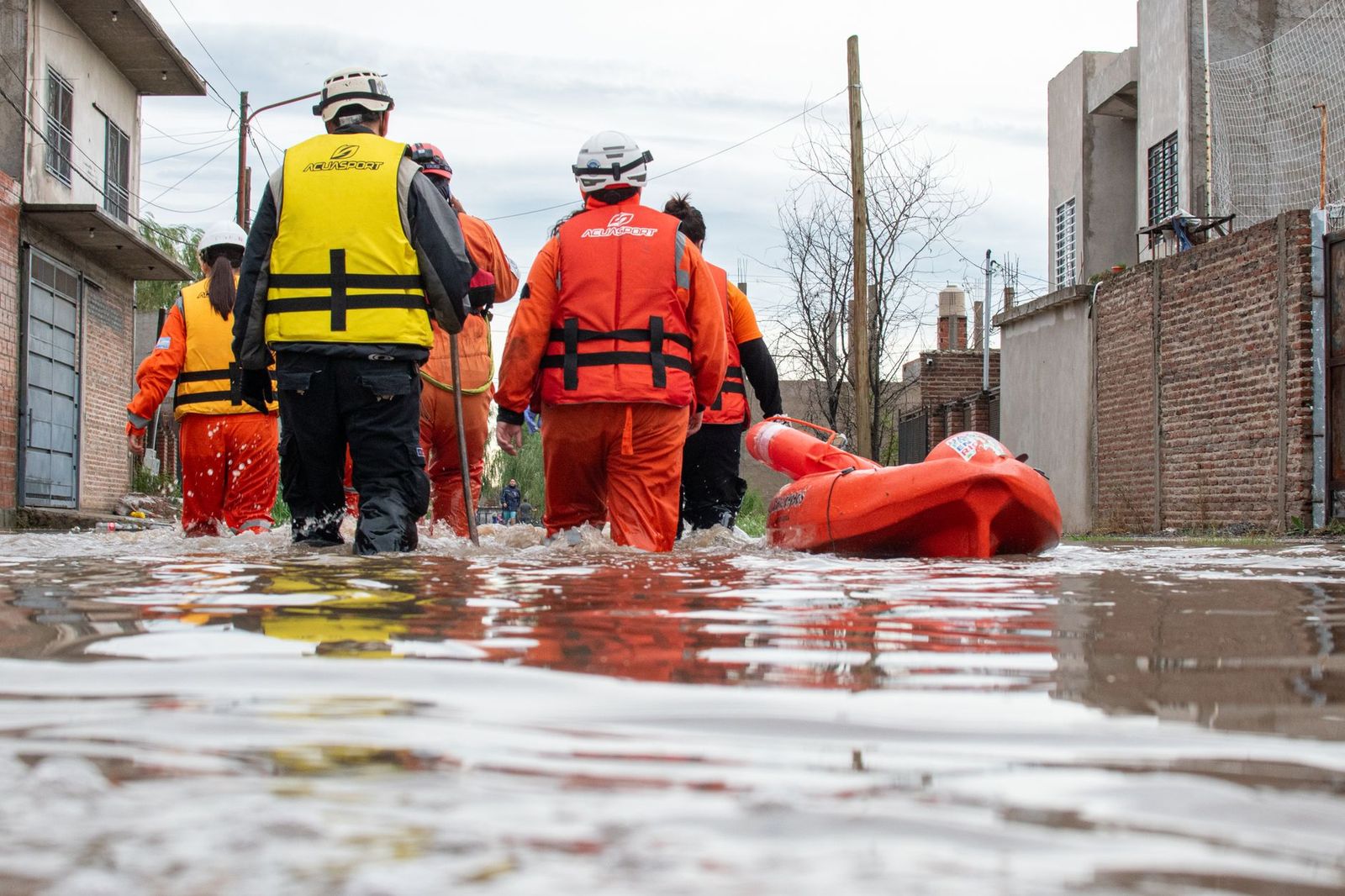
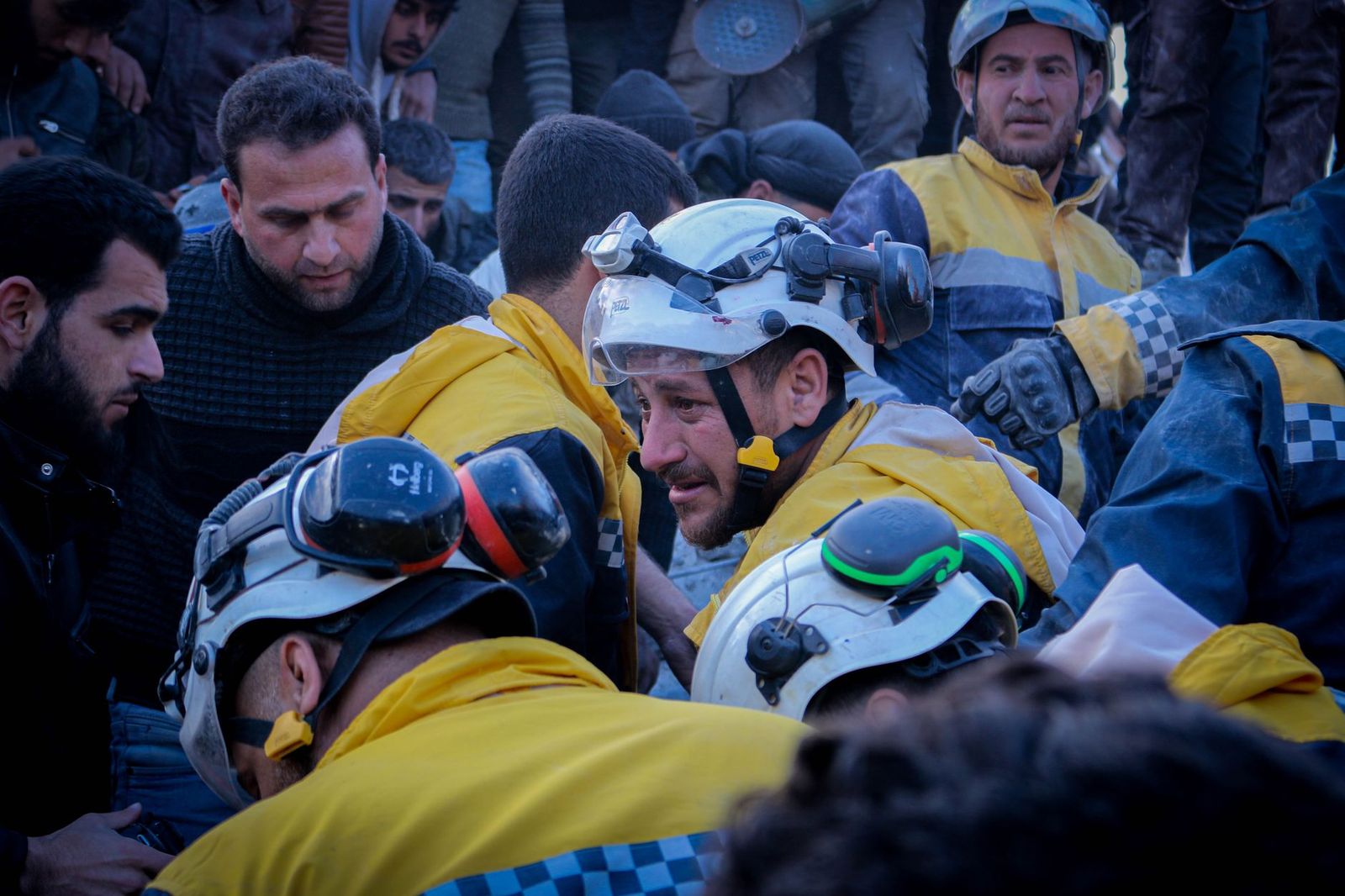
FEMA-style disaster relief rescue crew in the field

What hotel blocks and long drives cost a deployed team

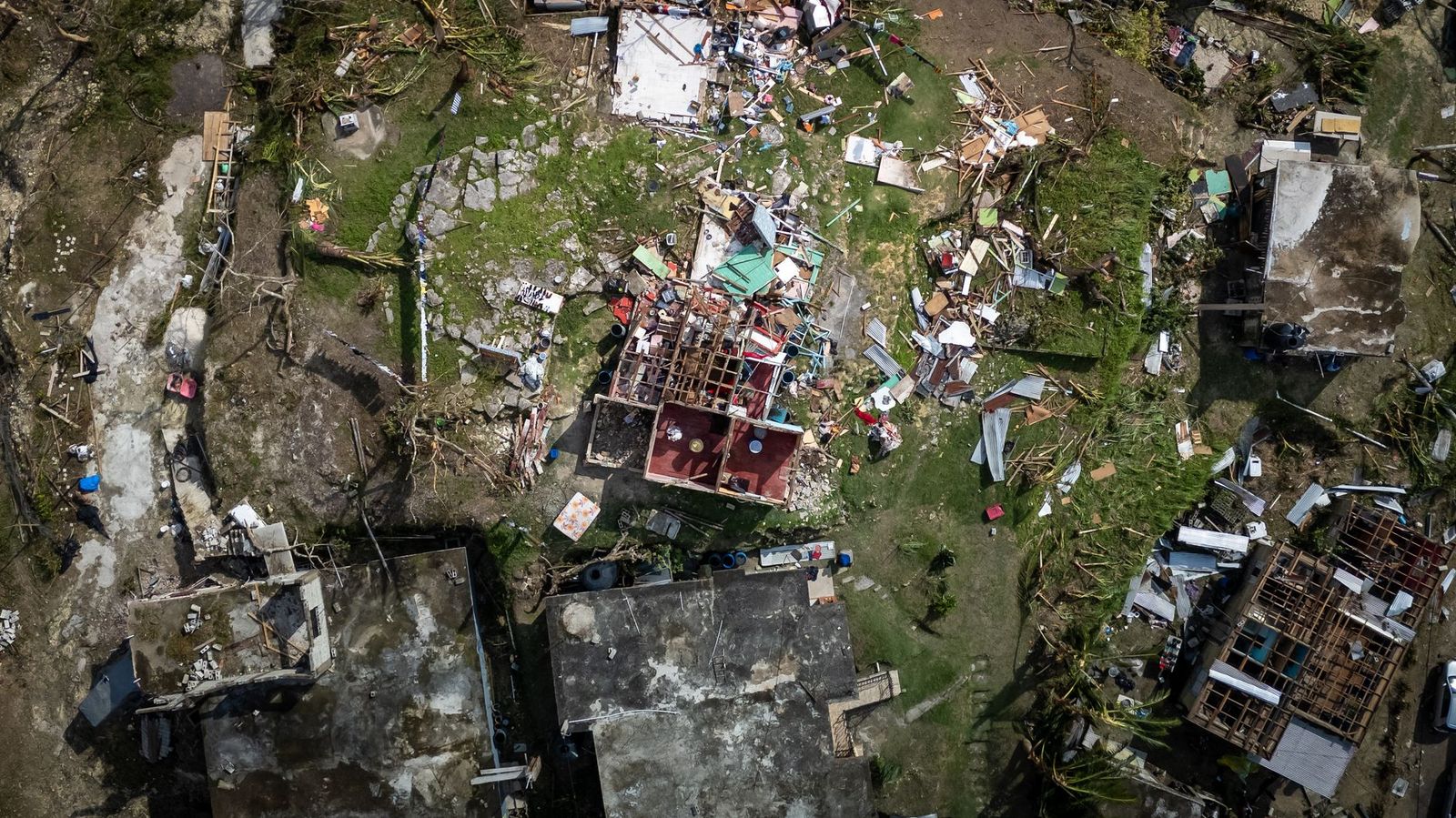
The default for a short mission is a hotel block and per diem. It works until a storm or a surge fills every room within an hour of the site. After Hurricane Maria in 2017, Puerto Rico's governor estimated more than 300,000 homes destroyed, and some shelters were still open nearly two years later. Response teams in a disaster like that compete with displaced families for every room left standing.

The drive is the hidden cost, because a team housed 45 minutes away spends 90 minutes a day on the road, and that time comes out of sleep. Most heat-related worker deaths happen from June through September, the same months as peak hurricane and fire response. Crews working through that heat need real rest in an air-conditioned room, not a late drive after a 12-hour shift.

Improvised housing is the other default, and it wears on a team over a long deployment. Guard members on Operation Lone Star were reported sleeping in cramped quarters inside converted semi-truck trailers, alongside a shortage of portable toilets. A climate-controlled bunk trailer with a light at every bunk is a clear step up from converted cargo space.

  • 270 hotel room nights for 36 people, 2 to a room, over 15 days of annual training
  • 3 trailers bunk the same 36 people at the training site, one bunk each
  • 90 min of daily driving on a 45-minute commute each way
  • 22.5 hrs of driving across 15 training days at that pace
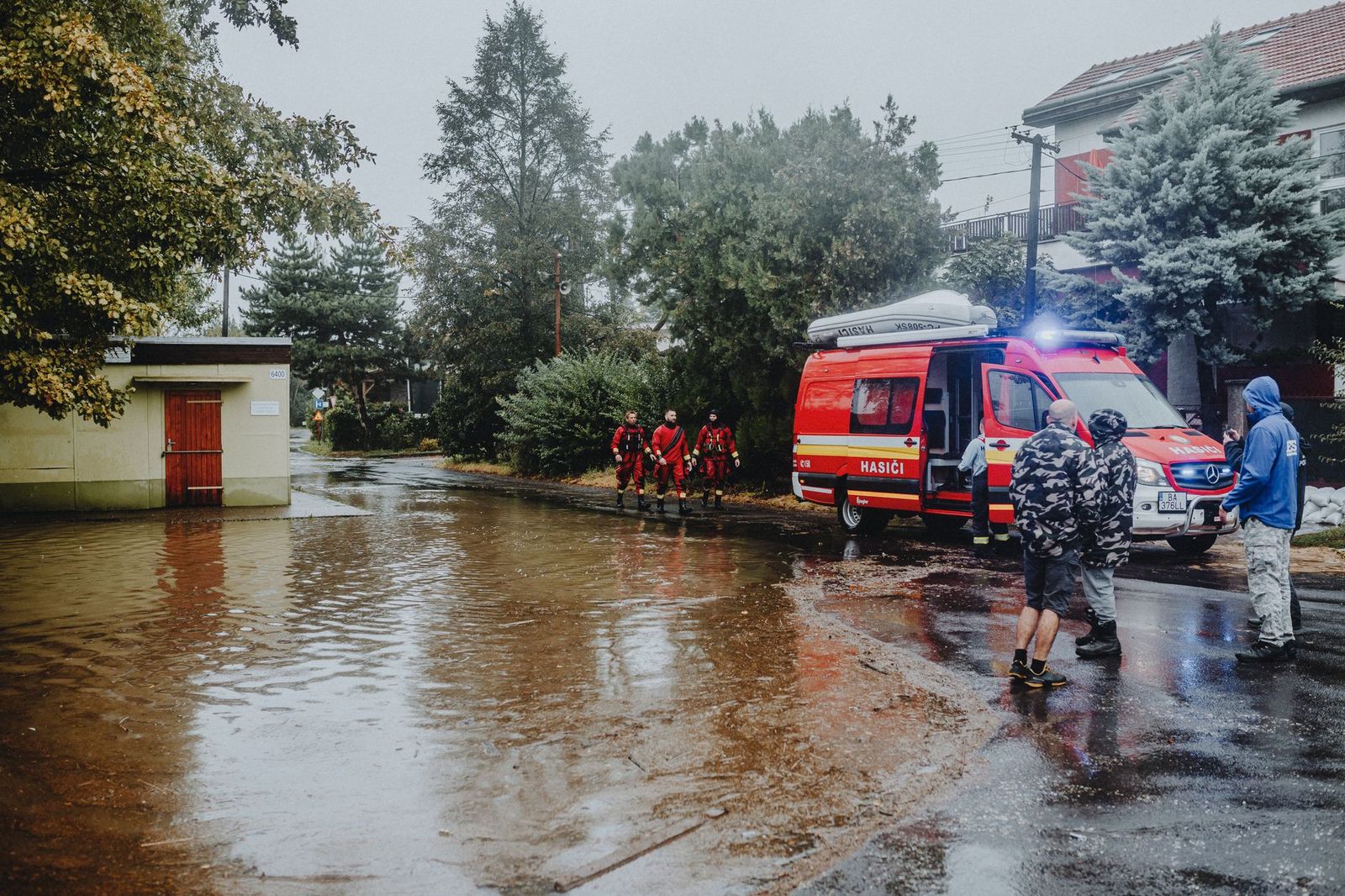
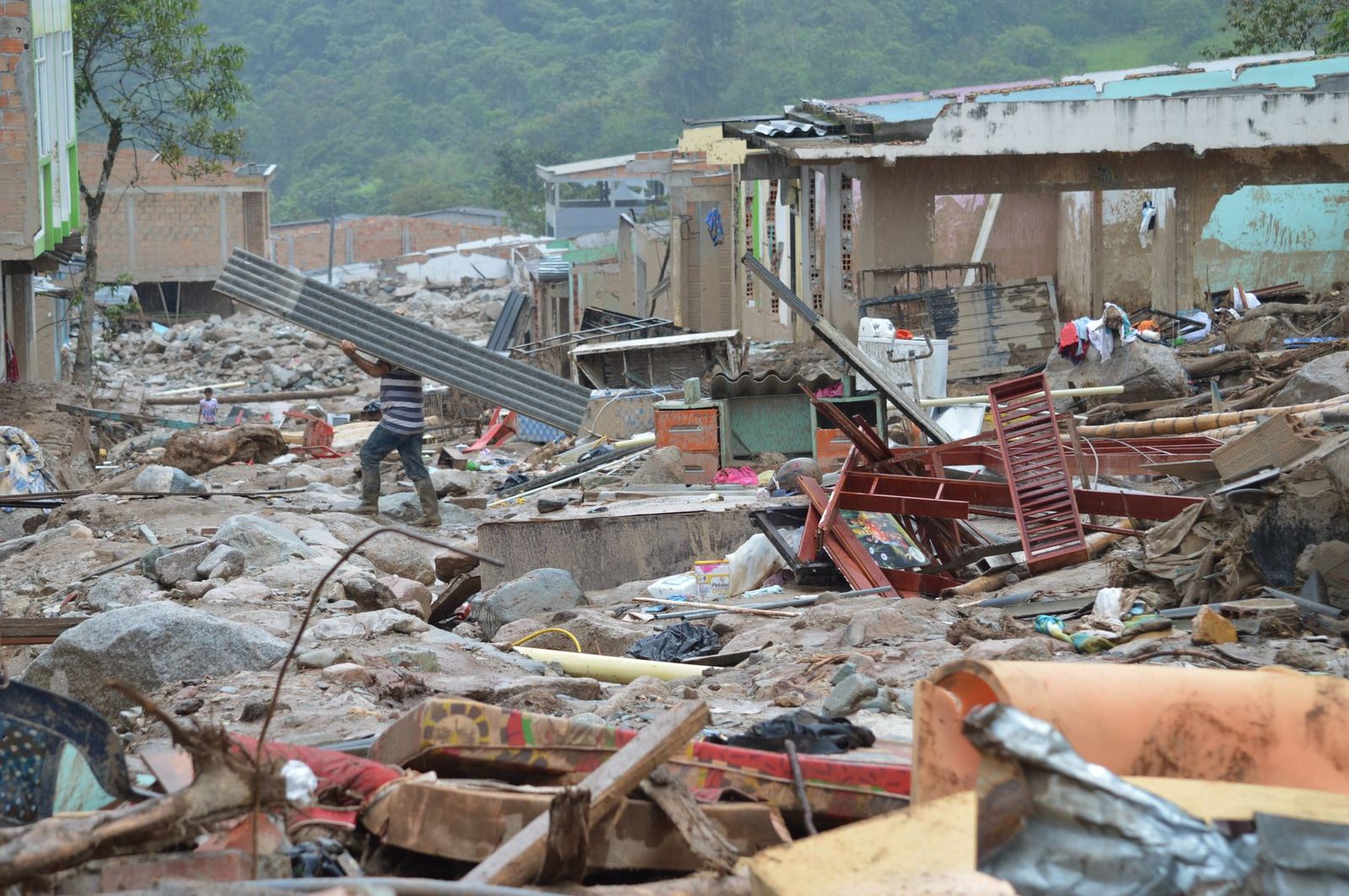
Flood disaster response crew on a flooded street

Three job types, three typical trailer plans, the short version

Typical setup: Guard engineer detachment, 36 soldiers, 15-day annual training

A typical job like this starts with a call from a unit logistics officer about 60 days before annual training. The state training site's barracks are booked by a larger battalion, and the nearest hotels sit 40 minutes away. Three trailers give each of the 36 soldiers a dedicated bunk on a gravel pad near the training area. Delivery lands before the advance party arrives, with the air already running. Pickup follows the day after the last formation, and nobody rides a hotel shuttle all week.

Typical setup: hurricane staging area, 60 mutual-aid responders, late August

A setup like this begins when a coastal state requests out-of-state crews through EMAC as a storm approaches. The receiving state has transport and reimbursement sorted out, yet beds for 60 people are still an open question. Five trailers give each responder a dedicated bunk, or 3 trailers cover the team if day and night shifts share bunks. The trailers go to an inland staging area on generator power, well back from the surge zone. They stay until the mutual-aid teams rotate home, then leave in stages as the head count drops.

Typical setup: barracks renovation, 20-person contractor crew, 9 months

On a base renovation job, a prime contractor might need beds for a 20-person civilian crew for most of a year. Two trailers cover the crew with 4 spare bunks for visiting inspectors or a surge week. Placement follows the facilities office's approval on a spot near the project laydown yard, and the delivery paperwork matches the gate's vehicle pass rules. The heat and air handle both a winter start and a summer finish on the same project.
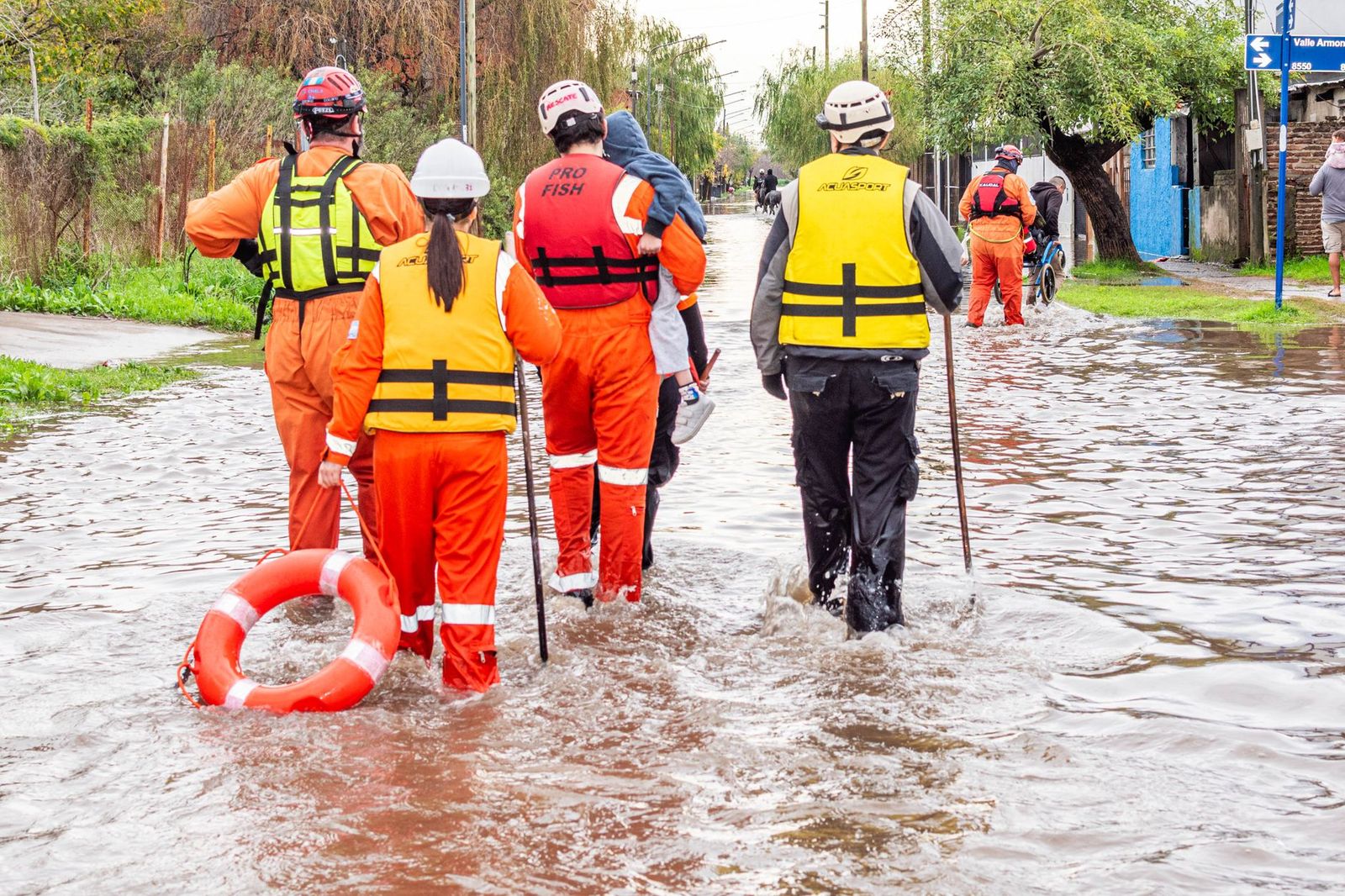
Flood disaster response crew wading through floodwater

What to expect

Here is how the questions dispatch hears most works

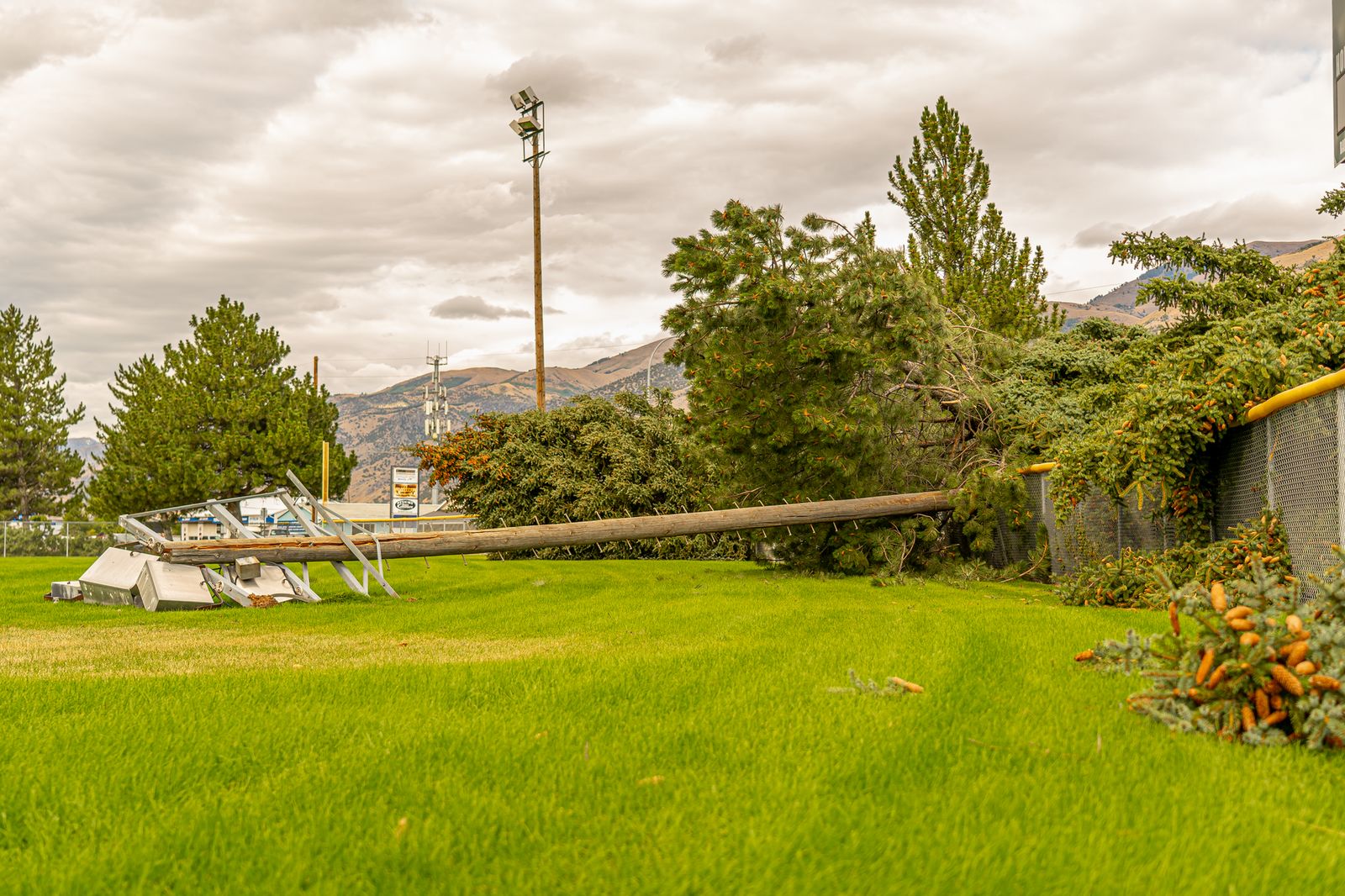
Storm damage with a fallen utility pole and power lines

How many people can sleep in one bunkhouse sleeper trailer?

Each trailer sleeps 12 people in 6 upper and 6 lower bunks. Every bunk has its own LED light and USB outlet, plus a small storage compartment. Built-in steps at each bunk bank make the upper bunks easy to reach, and bigger teams simply add trailers in 12-bunk steps.

How many sleeper trailers do we need for a 24-person crew or a 60-person crew?

A 24-person crew needs 2 trailers with one bunk per person, and a 60-person crew needs 5 trailers with dedicated bunks. If your day and night shifts share bunks, 3 trailers can cover the same 60 people. Tell us your shift pattern, and we size the order around your peak night.

Can hot bunking cut the number of trailers we need?

Yes, because when 2 shifts share bunks in relay, each 12-bunk trailer can serve up to 24 people across a full day. That cuts the trailer count by about 40 percent for a 60-person team. The tradeoff is fresh bedding and a strict shift change at every handoff.

Can a crew sleeper trailer run on generator power at a remote site?

Yes, as long as the generator is sized for the trailer's 3 AC units with heat. Established bases usually have grid power near the pad, while field camps usually run on generators. We confirm the power source with you before delivery, so the trailer runs the day it arrives.

How fast can bunk trailers reach a disaster staging area?

Dispatch answers 24/7 at (888) 828-7765, and delivery timing depends on the distance and the road access to your staging area. Agencies that set up a rental agreement before the season get moving sooner. That way the order only needs a date and a location when the call comes. Share your likely staging areas early, and we plan routes ahead of time.

Do crew quarters trailers include a bathroom or a shower?

No, the trailer is sleeping space only, with 12 bunks and heat and air conditioning. Crews use separate restroom and shower trailers set up within a short walk of the sleeping trailers. A lit path between the two helps anyone coming off a night shift.

Is there air conditioning, and can it handle summer heat?

Each trailer has 3 AC units with heat, run from a smart thermostat with a digital touch control. That gives day sleepers on night rotations a cool room during the hottest hours of the afternoon. The same units provide heat for winter storm call-ups and cold desert nights, and the thermostat holds whatever setting the crew picks.

Can a state agency or a Guard unit rent crew housing trailers through a government purchase?

Agencies buy temporary equipment through several paths, including commercial buys under Part 12 of the Federal Acquisition Regulation. Repeat needs often run through contracts under Part 16, while state agencies follow their own purchasing rules. Tell our team which path your contracting office uses, and we will shape the quote and paperwork to match.

What is the difference between a man camp and a bunkhouse trailer setup?

A man camp is temporary workforce housing built for resource booms, often large dormitory compounds that house hundreds to thousands of workers. A bunkhouse trailer setup is smaller and moves with the mission. Each trailer gives 12 people their own bunk with a light and an outlet instead of an open dorm room. It arrives and leaves without a permanent camp ever being built.

How long can a team stay in a rented sleeper trailer?

A team can stay as long as the mission runs, whether that is a 15-day training period or a base project lasting many months. Housing missions tend to run longer than planned, so build an easy extension into the rental. Call dispatch when your end date moves, and we adjust the pickup.

Can heated bunk trailers go to a remote or forward staging site?

Yes, if a truck can reach a level spot longer than 34 ft. Remote staging yards often lack grid power, so plan a generator and hauled water for the rest of the camp. Send us the road conditions and any gate or escort rules ahead of time. We deliver in all 50 states and set each trailer level on arrival.

Can bunkhouse sleeper trailers support a large annual training exercise?

Yes, and annual training is the easiest military housing to book early because its schedule is set months ahead. Give us the peak head count and the report date, and we plan delivery before the advance party arrives, adding a trailer for every 12 soldiers.

What is the difference between a base and a camp in the Incident Command System?

A base is the single location where an incident's logistics and admin work gets coordinated. Camps are separate temporary sites that give sleeping space and meals to crews working too far from the base. An incident can run several camps at once, and each one usually needs sleeping quarters brought in, which is where a crew sleeper trailer fits.

What should we have ready before we call for a quote?

Have your site location and report date ready, along with your peak head count. It also helps to know whether the site has grid power or needs a generator. Send any gate or vehicle pass rules as early as you can. With those details, dispatch at (888) 828-7765 can give you a clear delivery plan on the first call.

Bottom line

Notes for crew bosses and planners, step by step

  • Disaster relief workers on assignment

    Planning Guard crew housing before hurricane season starts

    Atlantic hurricane season runs from June through November, and the call-ups that come with it give little warning. A governor can move thousands of Guard members toward the coast within days of a storm forecast. Housing decisions made in those few days tend to be the hardest ones. The planning that holds up happens in the spring, well before the first named storm.

    Read the full note

    Start with the staging map by listing the armories and state-owned lots your office has used before, and mark which ones have grid power. A site with power and a paved lot can take trailers the day they arrive. A site without power needs generators in the same order, sized for 3 AC units per trailer. Keep the finished list where a night-shift planner can find it at 2 a.m.

    Next, write down head count bands for your likely call-up sizes, from a single squad to a full company. Put the trailer count beside each band so nobody does the math under pressure. A plan written this way turns the storm-week phone call into a confirmation. It also gives your contracting office a clear quantity range to put in a standing agreement.

    Heat shapes the plan as much as wind does, since hurricane recovery work falls in the hottest part of the year. Between 1992 and 2006, 423 US workers died from heat illness. Crews that sleep in a climate-controlled trailer start the next shift rested. Crews that sleep in a hot tent or a parked truck usually start it tired.

    Then plan for teams arriving from other states under the Emergency Management Assistance Compact, where a state asks for help and repays the sending state afterward. The compact covers orders and reimbursement, while the receiving state still has to find the beds. Put mutual-aid housing on the same checklist as your own Guard units.

    Last, settle the paperwork before June, because a standing rental agreement means nobody is writing a new purchase request while the storm is offshore. Call (888) 828-7765 in the spring and walk through your staging list with our team, so delivery options are ready before the season opens.

  • Disaster response worker clearing debris

    Questions contracting officers ask before renting crew sleeping quarters

    A rental request for crew sleeping quarters goes through the same review as any other service buy. Contracting officers want to know what arrives and where it sits, plus what happens when the dates change. Answering those points up front keeps a request from bouncing back to the program office. Here are the questions worth settling before the order is signed.

    Read the full note

    The first question is the unit itself. Write it in plain numbers: a 34 ft trailer that sleeps 12 in 6 upper and 6 lower bunks, with 3 AC units with heat. Add the per-bunk LED light and USB outlet, plus the storage compartment at every bunk. Clear numbers make the quote easy to compare against other offers.

    The second question is build quality. Past emergency housing programs have shown that materials and ventilation turn into a health issue once thousands of people live in the units. Ask any vendor how the sleeping space is heated and cooled, and how fresh air moves through it. The answer belongs in the file next to the delivery terms.

    The third question is duration, because housing missions often run far past their planned end dates after a major disaster. Write an extension clause into the rental so a longer mission does not need a brand new solicitation. Set a notice period for pickup so the drawdown stays orderly.

    The fourth question is how housing compares with per diem. Per diem assumes there are rooms to rent near the work, and GSA sets the rate by work location. When a disaster or a surge has filled those rooms, bringing beds to the site becomes the practical plan. The GSA per diem rates page shows the local rate for your comparison.

    The last question is the site, so confirm the power source and the gate rules before signing, along with who approves placement. Our team can walk through each of these on one call at (888) 828-7765. The quote will spell out every point in writing, ready for your file.

    Source: GSA per diem rates

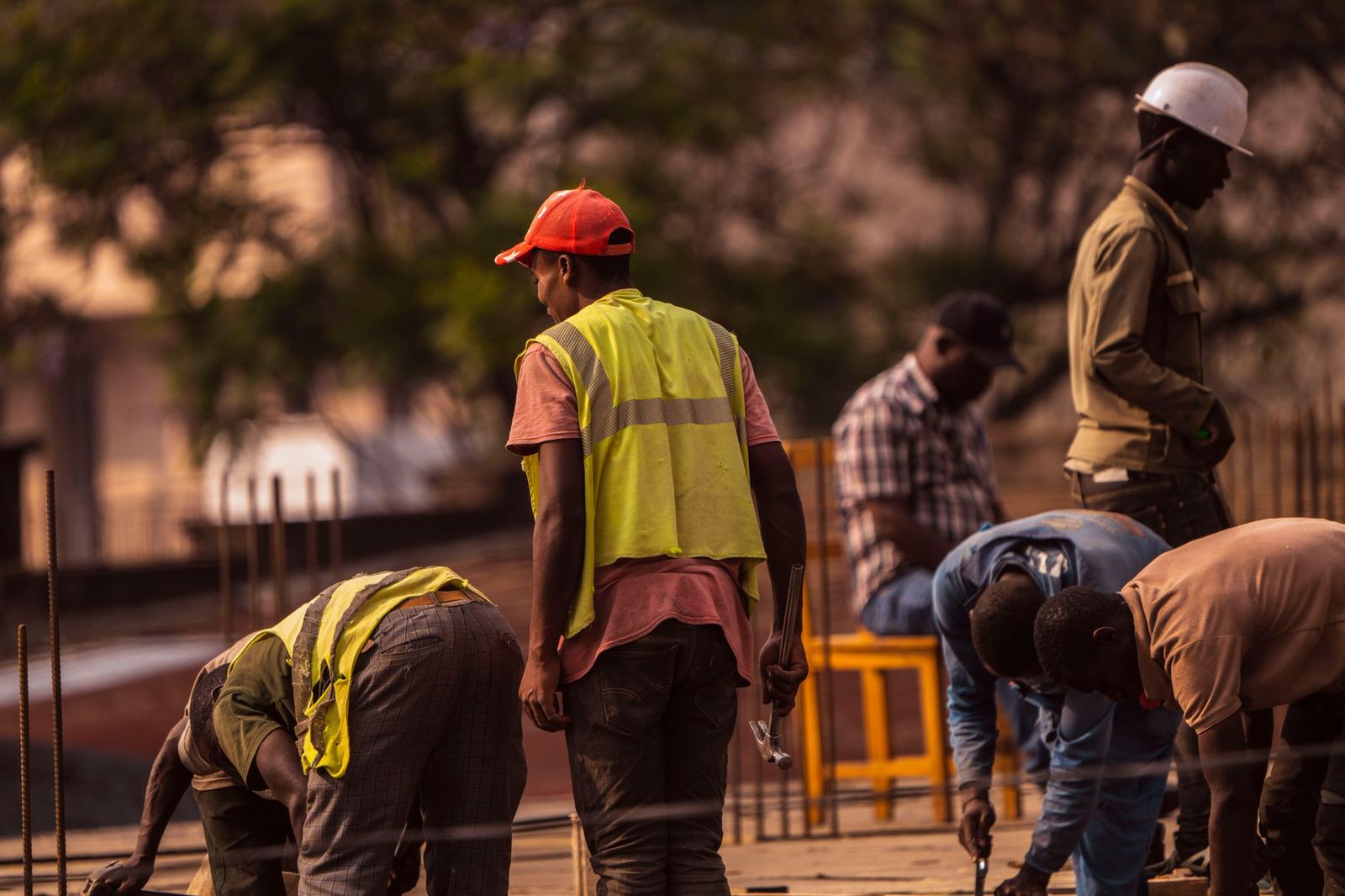
  • Work crew reviewing site plans at a jobsite

    What past emergency housing missions teach crew housing planners

    Large emergency housing missions leave a public record, and that record helps anyone sizing crew housing today. Two cases stand out for how quickly the need grew and how long it lasted. Both carry lessons that apply to a Guard call-up or an agency deployment of any size.

    Read the full note

    After Hurricanes Katrina and Rita, FEMA bought at least 145,000 trailers to house survivors. At the height of the response, it was moving about 500 trailers a day into New Orleans. Standard occupancy was meant to last 18 months, and deadlines were extended to allow stays of up to 45 months. Testing later found 83 percent of the trailers above the EPA's recommended indoor formaldehyde level.

    The lesson from that program is plain: emergency housing bought fast still has to be built well, and a stay planned in months can run for years. A crew housing plan should cover the quality question and the extension question from the first day.

    Man camps are the second case, a term for temporary workforce housing built for resource booms. The Bakken oil boom in North Dakota, which began in 2006 and peaked in 2012, is one well-documented example. The biggest camps are dormitory compounds that house hundreds to thousands of workers. Informal lots on vacant land sit at the other end of the scale, with little oversight.

    Dormitory housing at that scale brought real problems, including strain on local emergency services and a higher risk of illness spreading in shared rooms during COVID-19. A setup built from 12-bunk trailers keeps each group in a smaller space with its own thermostat. It also leaves when the mission ends, instead of staying behind as a half-empty compound.

    Across both cases, housing got planned late and then stayed longer than planned. Crews and residents paid for that with poor sleep and poor conditions. Settling the bunk count and the extension terms before the call-up is the practical fix, and a call to (888) 828-7765 starts that plan with our team.

Get a quote

Tell Us Where Your Crew Needs Beds

Send the basics and a dispatcher will call you back with availability and a delivery window. In a hurry? Call now.

  1. We confirm the site, dates and crew size.
  2. We lock in a delivery window and power plan.
  3. The trailer arrives, gets leveled and is ready for the first night.
(888) 828-7765

Request a quote

Takes about a minute. Fields marked * are required.

We only use your details to answer this request.