
How to Plan Crew Housing for This Work
Planning housing for harvest and Farm Labor Crews comes down to four questions: the headcount sleeping on site, the expected length of the assignment, the electrical capacity available at the pad, and delivery access for a truck and trailer. The sections below work through each question in order.
How a sleeper trailer delivery works on a farm or packing site
Planning starts with the field or plant location and the date your crew arrives, then moves to the peak head count and the power plan. A packing-house property usually has grid power available close to where the trailers will sit, which simplifies the electrical hookup. A field edge or a remote farm block usually has no power at all, so plan a generator sized for 3 AC units per trailer. We confirm what the site has before the truck leaves the yard, so the first night does not start with a power surprise.
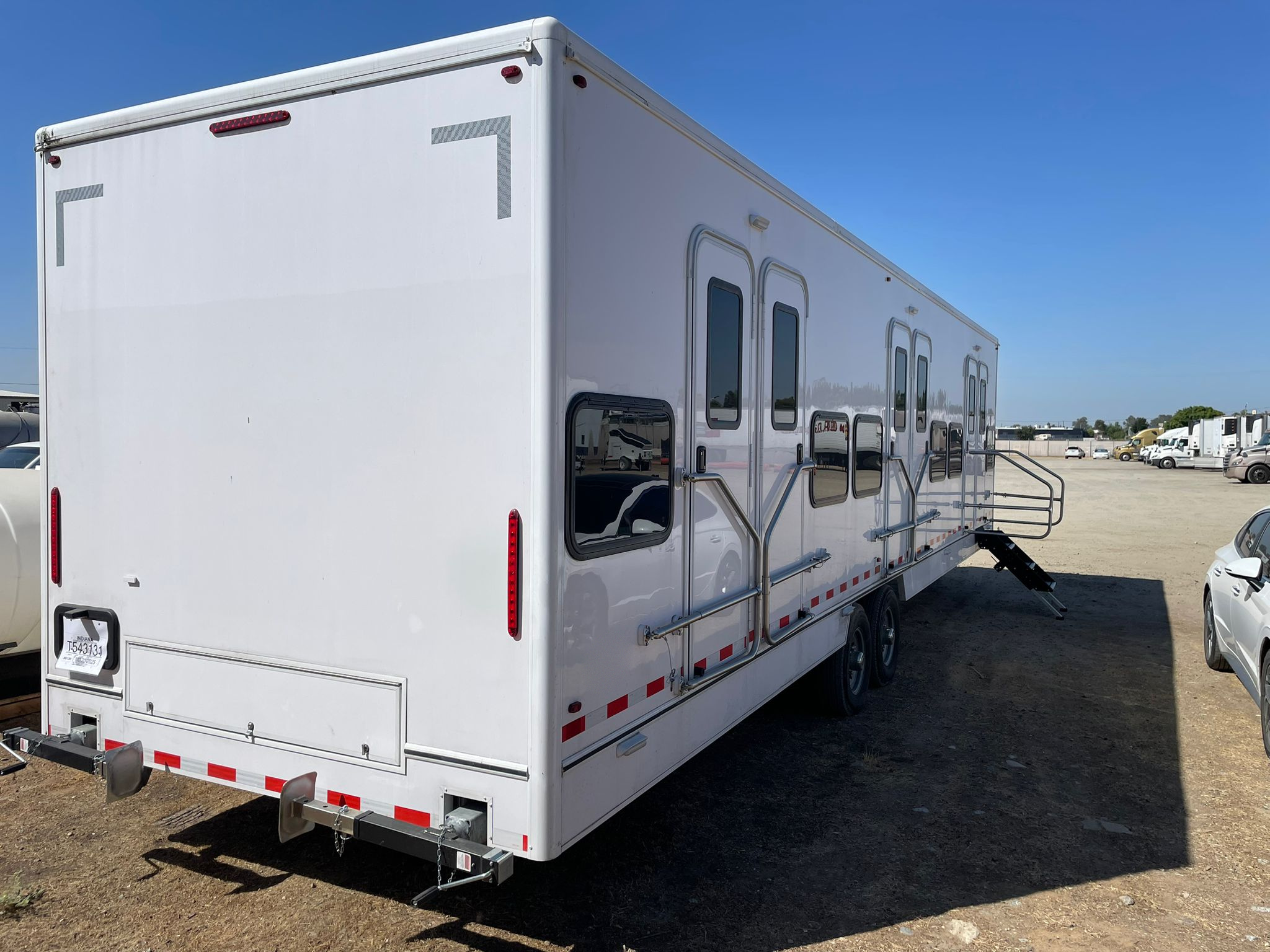
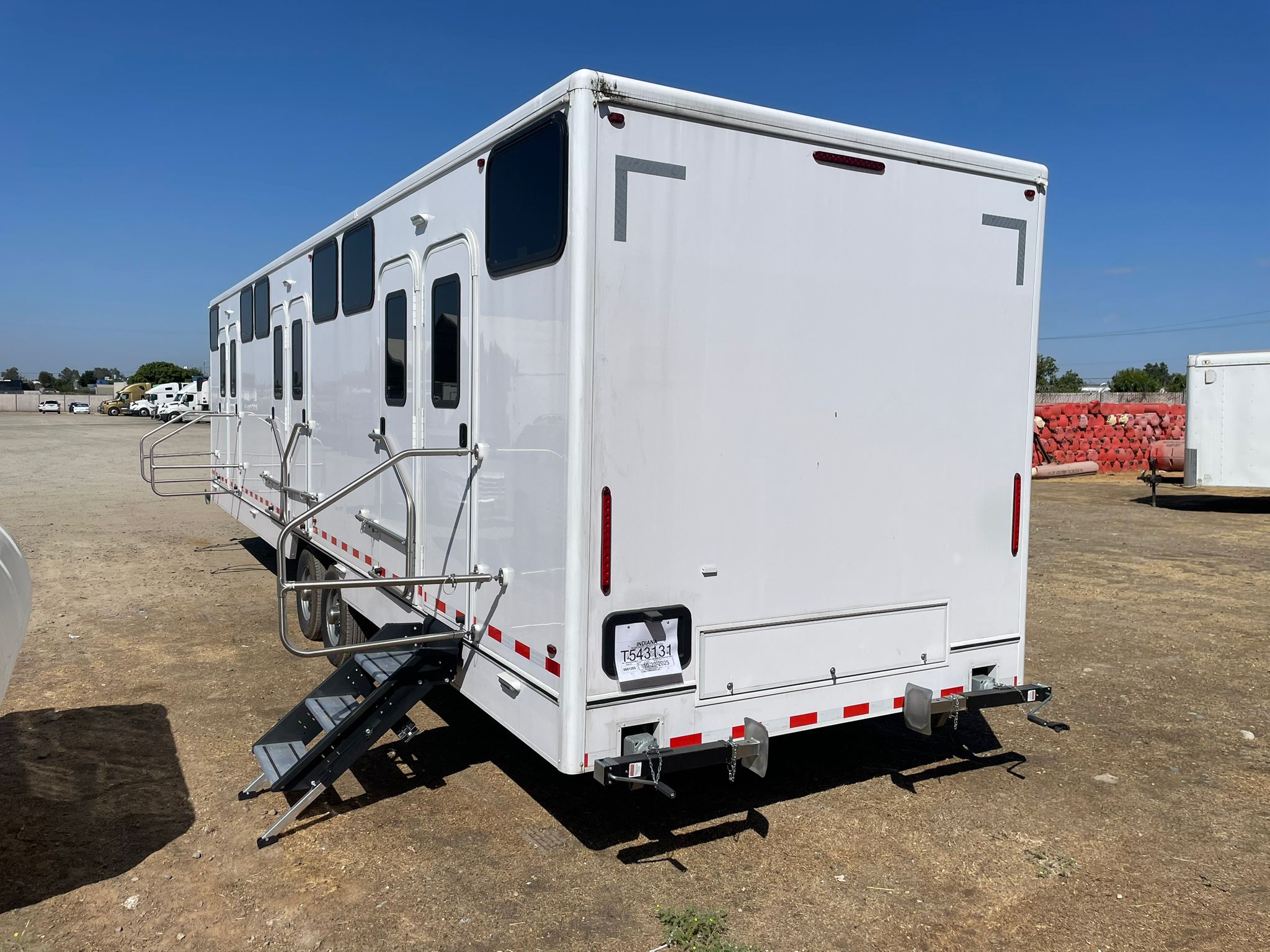
Farm access roads are often dirt or gravel, so the first questions are truck access and ground firmness, and a level spot comes after that. The trailer needs firm ground longer than 34 ft, with room for the truck to back in and pull out. After a heavy rain, a soft field road can stop a delivery truck, so a gravel pad near the farmyard is the safer choice. We set each trailer level and walk your crew lead through the smart thermostat before we leave.
Beds are one piece of a working farm camp, and the bunk trailer has no bathroom or shower on board. Place restroom and shower trailers within a short walk of the sleeping area, on the same firm ground as the bunks. Keep the trailers away from grain truck lanes and generator rows so crews can rest while the yard stays busy. A lit path between the trailers helps workers coming off a night shift find their bunks without a flashlight.
Pickup follows the actual end of the crop rather than a fixed date written on a rental form months earlier. When rain stalls the cutting or the fruit comes in early, call dispatch and the pickup window shifts to match. At the end of a packing run, the trailers can leave in stages as the lines slow down, until the last trailer goes with the last crew.
- Firm, level ground longer than the 34 ft trailer, with room for the delivery truck to turn around
- A truck route on farm roads that holds up after rain, plus a named crew lead or grower contact who can meet the driver
- A power plan, either a grid hookup or a generator sized for 3 AC units per trailer
- Restroom and shower trailers placed within a short walk of the bunks, away from grain truck lanes and loading docks
- An early call to dispatch whenever the harvest end date moves, so the pickup window can shift with it
How many bunk trailers a harvest crew needs
| Scenario | Crew size | Trailers |
|---|---|---|
| Small custom crew | 5 to 9 | 1 trailer |
| Family custom crew | 9 to 12 | 1 trailer |
| Picking crew | 20 people | 2 trailers |
| Large custom outfit | 22 to 24 | 2 trailers |
| Orchard crew | 36 people | 3 trailers |
| Surge, dedicated bunks | 60 people | 5 trailers |
| Surge, shared bunks | 60 people | 3 trailers |
Most custom harvest crews are small, and a 1971 USDA study counted 16,414 workers across 3,431 interstate custom combine crews, or just under 5 people per crew. A crew that size fits in a 12-bunk trailer with room left for a cook or a mechanic. Today, US Custom Harvesters, the industry's trade association, reports more than 450 member crews working across the country.
Picking crews and packing crews run larger, so a 36-person orchard crew needs 3 trailers and a 60-person surge crew needs 5. When day and night shifts share bunks on offset 12-hour schedules, 3 trailers can sleep that same 60-person crew. Shared bunks need fresh bedding and a firm handoff at every shift change, which adds work for the crew lead.
For a harvest that lasts more than a few days, dedicated bunks are the simpler plan to run. Hold 2 or 3 spare bunks for drivers and visiting mechanics during the busiest week. Count the peak night rather than the average, because harvest head counts climb fast when the crop comes in all at once.
Farm labor rules to check before you rent crew housing trailers
Growers and labor contractors who bring in H-2A workers carry a housing duty under federal rules. The H-2A housing rule in 20 CFR Part 655 says an employer must provide housing at no cost to workers who cannot reasonably return home the same day. These duties belong to the employer, and the details change from one program to the next. Planning the housing early leaves enough time to ask the right agency the right questions before the first workers arrive.
Migrant worker housing also falls under the Migrant and Seasonal Agricultural Worker Protection Act, known as MSPA, enforced by the Labor Department's Wage and Hour Division. Individual states then add their own housing requirements on top of the federal ones, and those requirements differ considerably. Washington and California, two major fruit states, each run a detailed program of their own for worker housing.
A bunkhouse trailer is sleeping space for your crew, and whether a housing plan fits a given program is decided by the agency that runs it. Housing rules vary by state and by program, so call your State Workforce Agency or your state housing office before you book. Tell us what they need to see, and we will send the trailer specs for your file.
OSHA's field sanitation standard, a separate rule many growers already follow, calls for a toilet and a place to wash hands for every 20 field workers. The standard places them within a quarter-mile walk of the work, so the fields may already have part of the setup. Restroom trailers placed near the bunks carry that same idea over to the sleeping area.
- H-2A housing rule, 20 CFR Part 655: Requires H-2A employers to provide housing at no cost to workers who cannot reasonably return home the same day.
- State Workforce Agencies: Inspect and approve employer-provided H-2A housing before workers move in.
- Migrant and Seasonal Agricultural Worker Protection Act: Sets safety and health duties for housing provided to migrant farmworkers.
- OSHA field sanitation standard, 29 CFR Part 1928: Covers field toilets and hand washing for employers of 11 or more hand laborers.
- Washington temporary worker housing rules: WAC 296-307 and Chapter 246-358 WAC set Washington's rules for temporary worker housing, including cherry harvest housing.
- California Employee Housing Act: Covers employee housing in California, with inspections run by the Department of Housing and Community Development.
Where harvest crews sleep without a bunk trailer on site
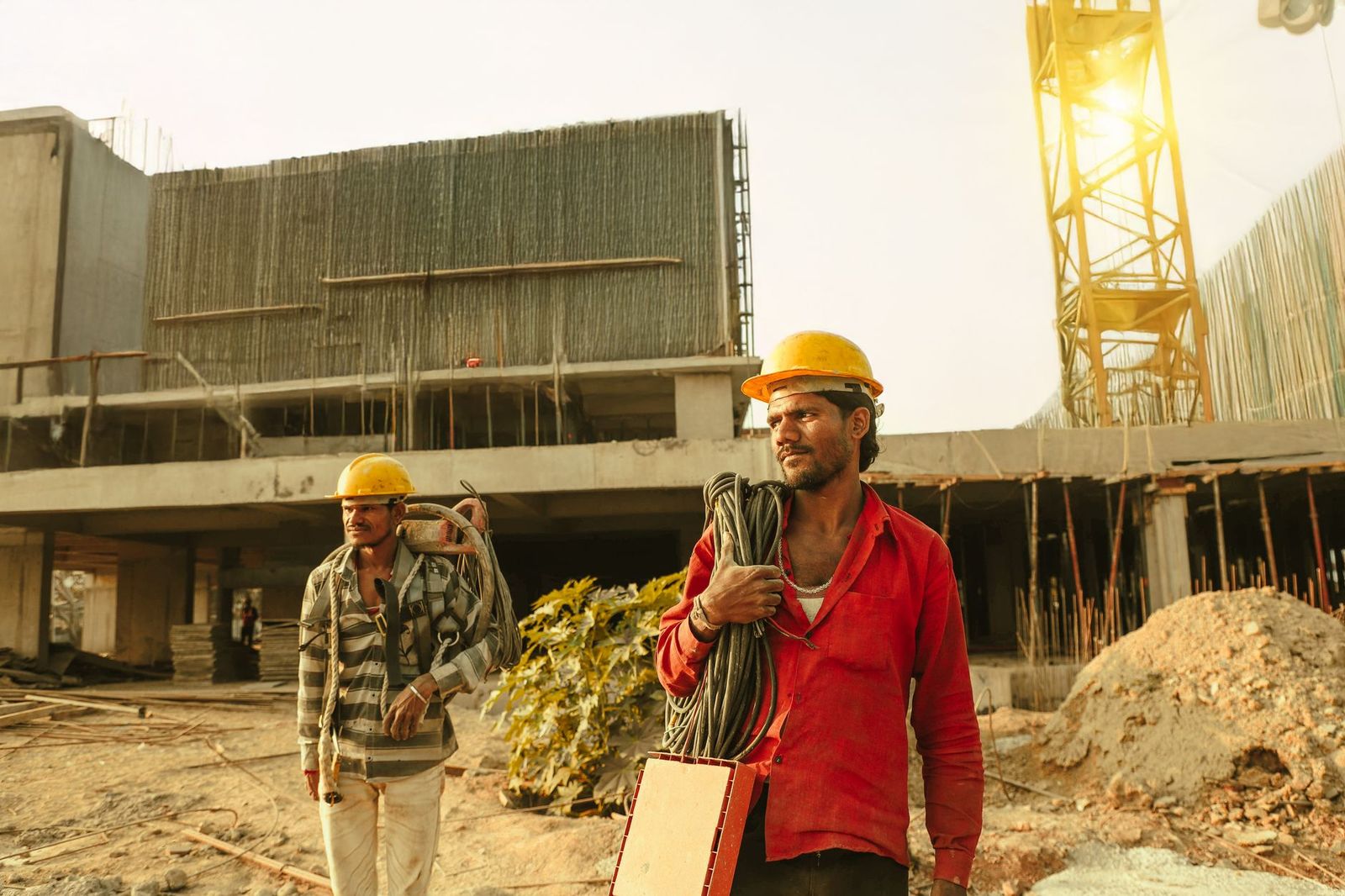
On-farm housing has been shrinking for decades, and California went from roughly 5,000 farm labor camps in 1968 to about 1,000 by 1998. In Washington, the number of farms with on-farm camps fell from 697 in 1969 to 182 in 1996. Crews that once slept on the farm now compete for motel rooms and rentals in town.
Demand kept rising while that housing disappeared, as California's H-2A worker count grew from 11,106 in 2016 to 18,908 in 2017. Reporting from California found that motels and rental homes near agricultural towns were already occupied during the season. Surveys in small Yakima Valley towns found overcrowding in as many as 94 percent of farmworker households. Growers planning around this housing shortage in the Central Valley can start with our bunkhouse trailer rentals in California.
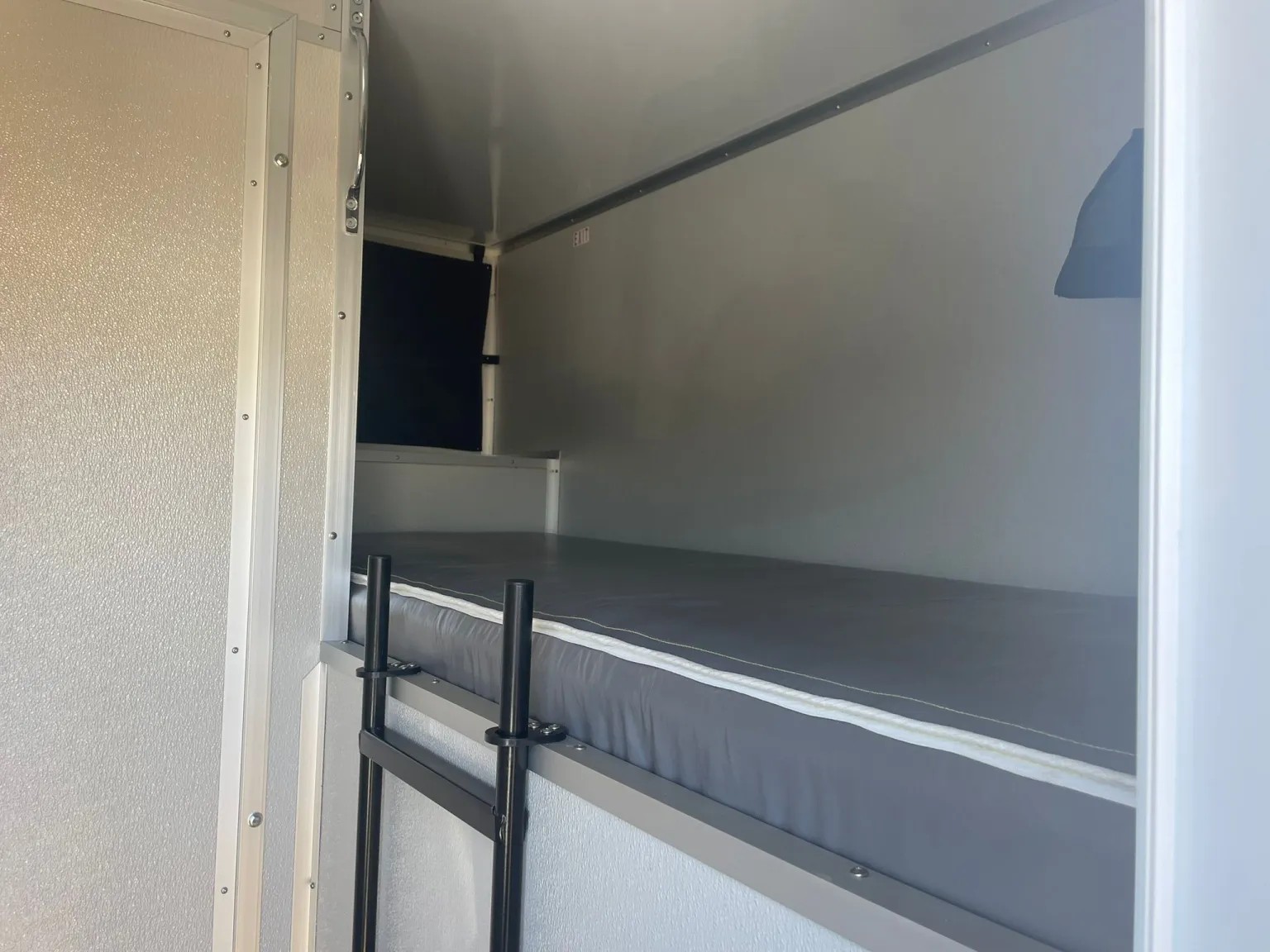
Crews that cannot find rooms improvise, and custom cutters often live in small towed trailers at about 4 people to a unit. Some build living space inside old semi vans, while others drive long distances each morning after a short night. A climate-controlled bunkhouse trailer on the farm gives each worker a real bed with a light and an outlet, without the commute.
- 80% fewer California farm labor camps in 1998 than in 1968
- 74% drop in Washington farms with on-farm camps from 1969 to 1996
- 70% growth in California H-2A workers from 2016 to 2017
- 25,500 affordable housing units short for farmworkers in Washington's Yakima County
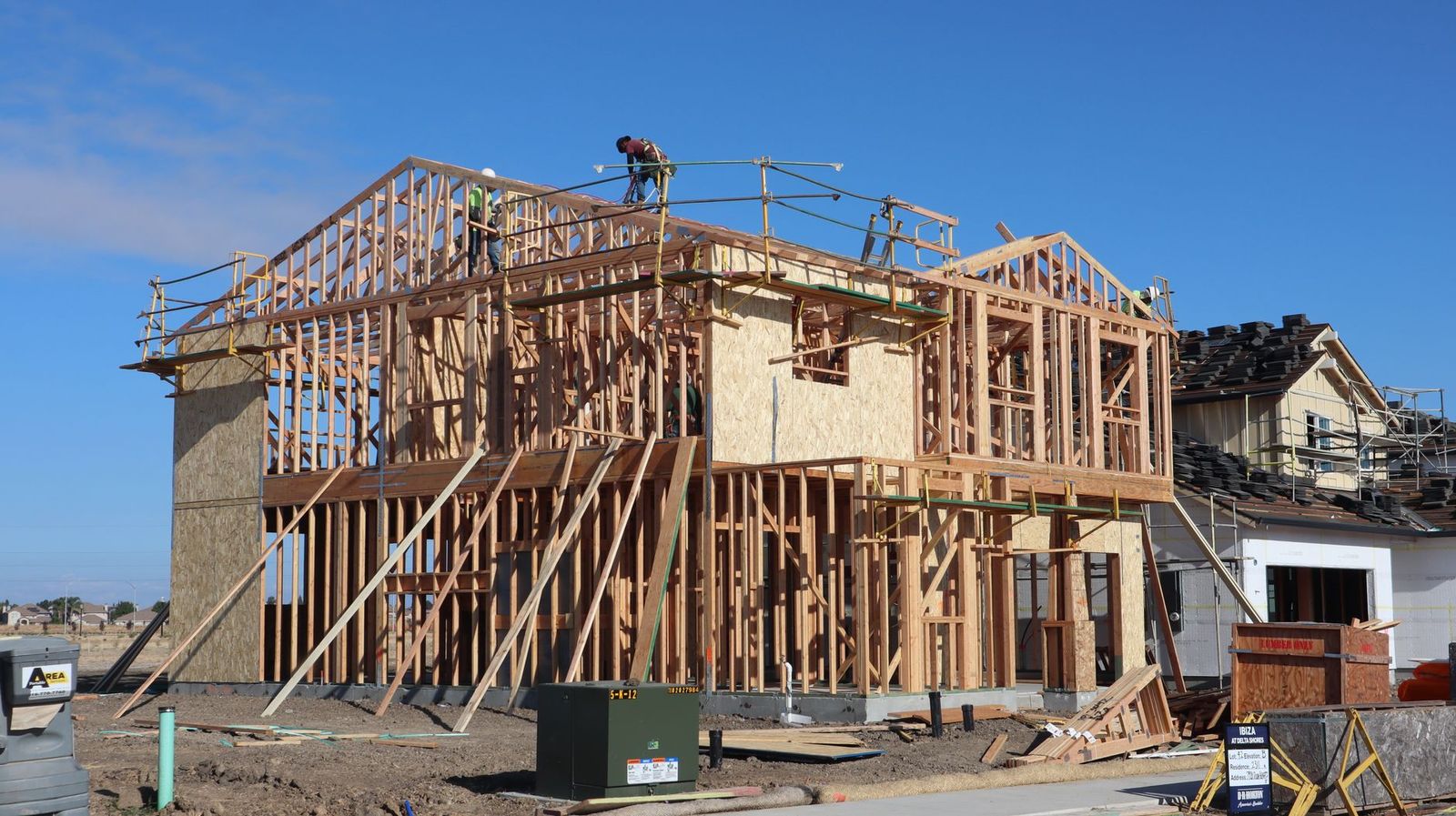
Three typical setups, worked out plainly, the short version
Typical setup: custom wheat crew, 9 people, May through August
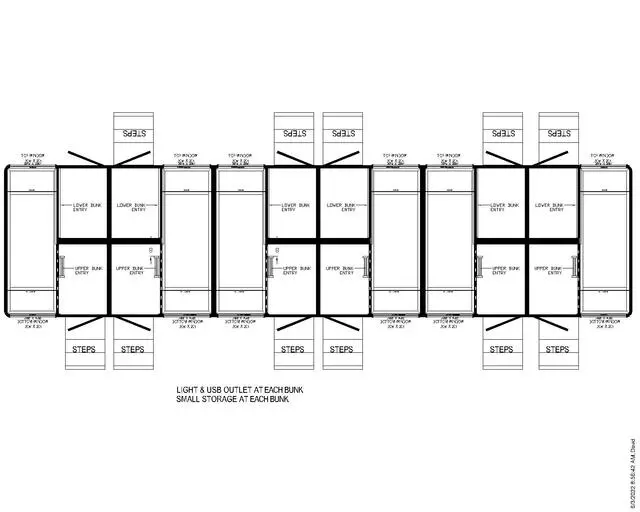
A setup like this starts with a call from a crew owner before the first stop in Oklahoma. The crew runs 4 combines with 3 family members and 6 hired hands, and the towns along the route fill fast in June. A 12-bunk trailer gives all 9 a dedicated bunk with 3 to spare for a mechanic or a cook. Dispatch moves the trailer to the next stop each time the crew heads north, and pickup happens after the last field is cut in North Dakota.
Typical setup: cherry packing plant, 60-person night crew, 3 weeks
A plant manager calls once the growers set their first pick dates, often with only days of notice. The plant adds a night crew of 60 for the cherry run, and five trailers give each worker a dedicated bunk on the fenced yard. The trailers connect to grid power near the loading docks, which keeps the electrical setup simple for the plant's maintenance staff. The night crew sleeps through the afternoon heat with all 3 AC units running in each trailer, and pickup follows the last shipping day of the run.
Typical setup: labor contractor, 36-person apple crew, 8 weeks in the fall
A labor contractor places a 36-person picking crew with an apple grower from late August into October. Nearby rentals are full, and the grower has open ground near the packing shed with power close by. Three trailers give every worker a bunk, set on a gravel pad a short walk from the rows. Restroom and shower trailers sit alongside, and the heat takes over on cold October nights until the contractor calls dispatch after the last block is picked.