
Skip to content
Delivered to all 50 states 24/7 dispatch: (888) 828-7765

Serving Austin

Reserve Bunkhouse Sleeper Trailer Rentals Anywhere in Austin

Superintendents on chip plant builds in Taylor and highway crews on the downtown I-35 rebuild call us when their people need beds close to the gate. We bring a 34 ft air-conditioned sleeper trailer with 12 bunks to your site, then level it and set it up before the first shift arrives. Phone (888) 828-7765 day or night to lock in your dates, or ask for a free quote with the site address and your headcount.

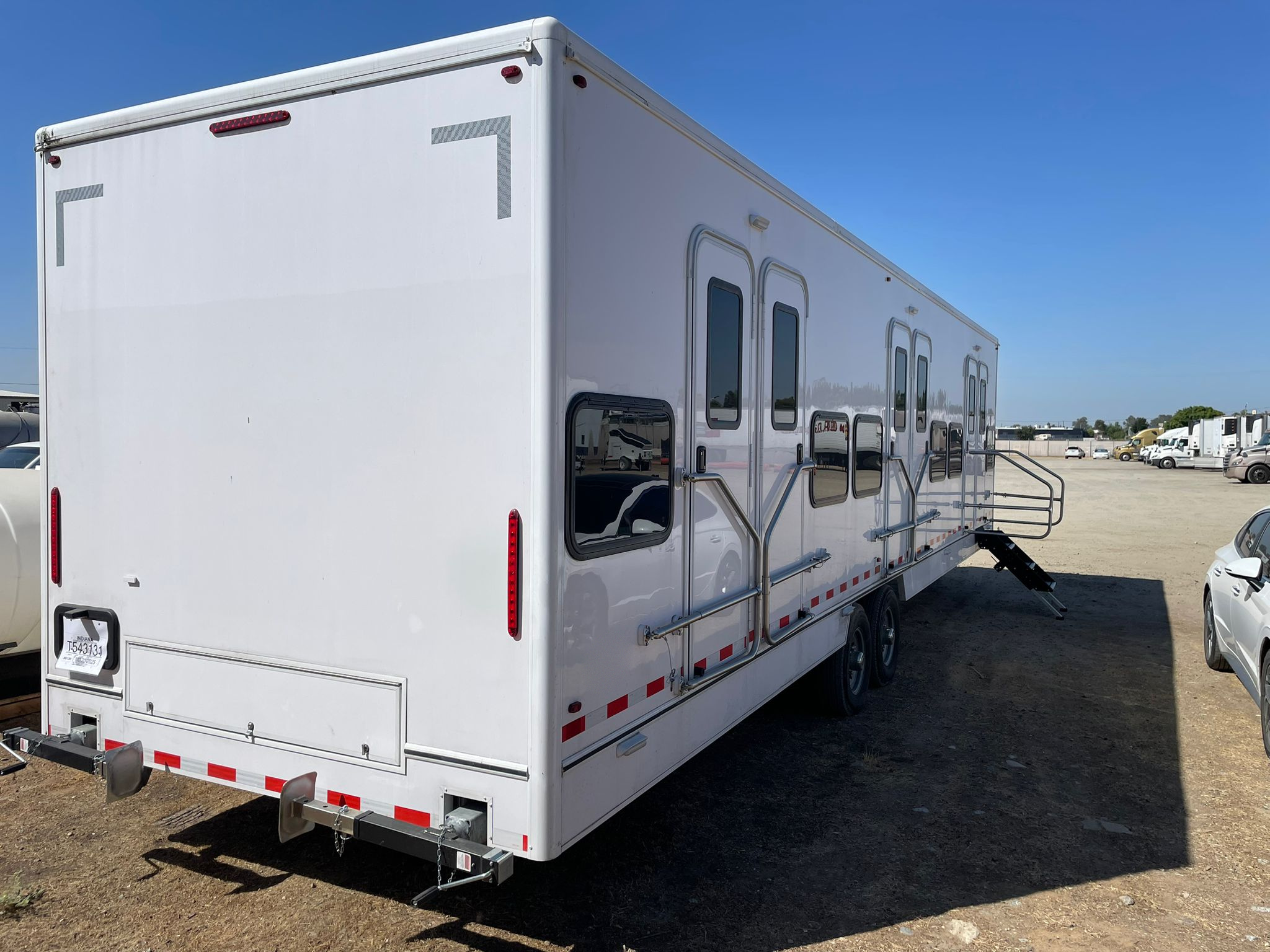
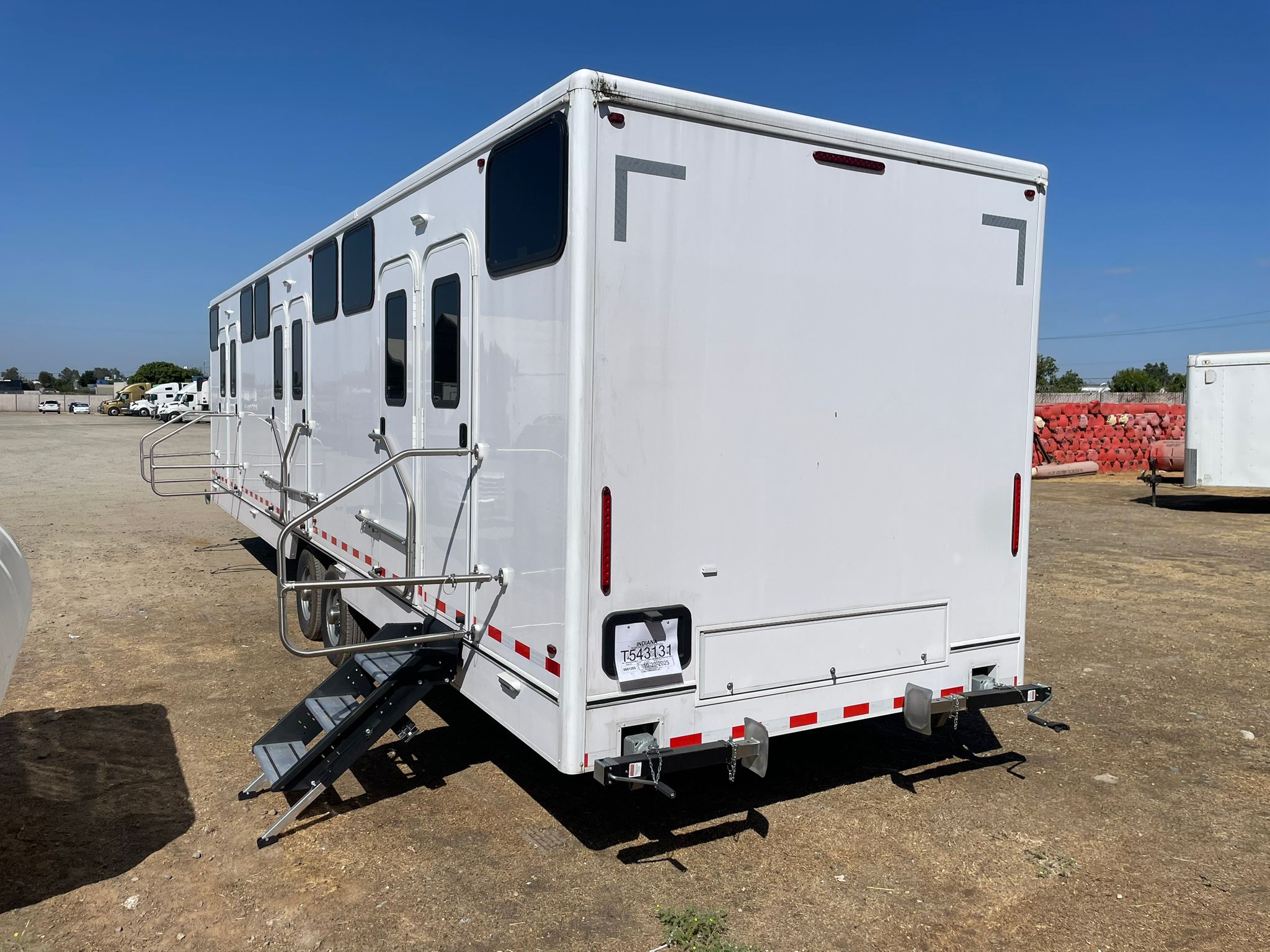
34 ft bunkhouse sleeper trailer with three bunk entry doors and built-in steps
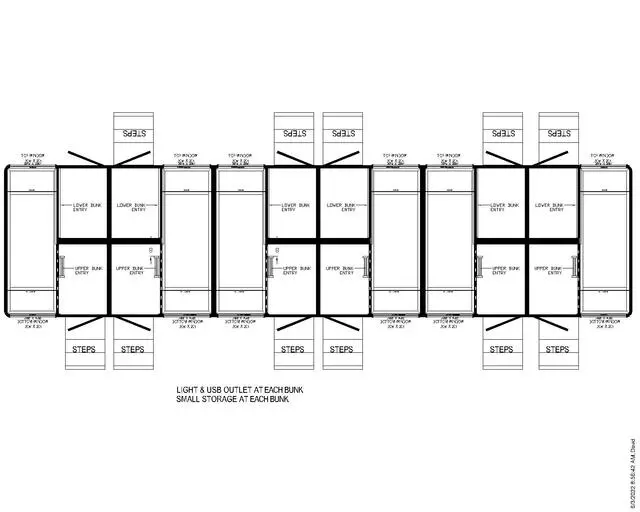
  • 34 ft 6 upper and 6 lower bunks
  • 3 AC units heat included, smart thermostat
  • 24/7 dispatch line (888) 828-7765
  • All 50 states delivered and set up on site
  • 12,000+Trailer deliveries across our network
  • 50Delivery to all 50 states
  • 24/7Dispatch answers day and night
  • 12Private bunks in every trailer

Built for construction crews, fire camps, pipeline spreads and utility contractors.

Austin crew housing

Portable Bunk Trailers Parked Beside Central Texas Job Sites

When a factory build in Del Valle or a bridge segment on I-35 adds 40 workers from out of town, rooms near the work disappear quickly. A portable bunk trailer arrives on your yard with 12 beds and 3 AC units with heat, all controlled from one smart thermostat with a digital touch panel. Every bunk has its own LED light and USB outlet. A storage compartment beside each bed holds a phone and work gloves. Our network has completed over 12,000 trailer deliveries, and the same planning stands behind our bunkhouse sleeper trailer rentals nationwide. Call (888) 828-7765 to check open dates this week, or send a quote request with your yard address and crew size.

In Austin, the cooling side of the system works hardest from June into September, when afternoon heat builds inside any parked truck or tent. Check the sleeper trailer measurements on the spec sheet against your yard layout, or call dispatch and we will talk through the fit with you.

What comes with every rental

  • Delivery, leveling and setup by our driver
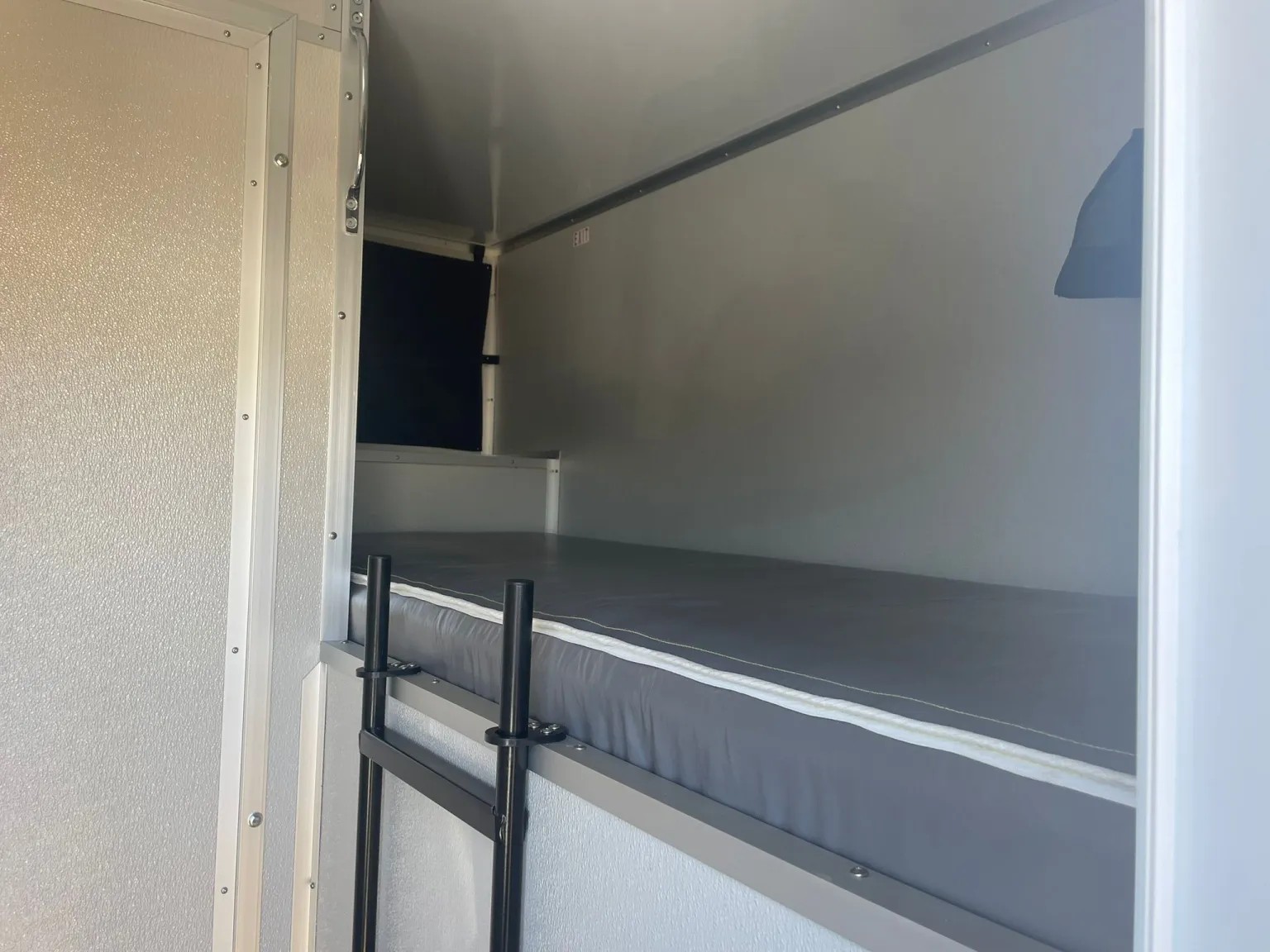
  • Twelve private bunks, each with a light, USB outlet and storage
  • Three AC units with heat and a smart thermostat
  • Built-in steps at every bunk bank
  • Pickup when the job wraps

Worth a minute

The sleeper trailer crews book most for Austin crews

Every rental is the same proven unit, so your crew knows exactly what they are walking into.

Spec plate

12-bunk sleeper
Bunks6 upper + 6 lower = 12 total
Sleeps12 people
Length34'
Per-BunkLED light, USB outlet, storage compartment
AccessBuilt-in steps at each bunk bank
AC Units3 (HVAC, smart thermostat)
ClimateAC & Heat, digital touch control

Need beds on site this week?

(888) 828-7765

A real dispatcher answers 24/7. Tell us where the crew is and when they start.

The part that matters

Reviews from the crews who slept in it near Austin

"Our night crew needed daytime sleep close to the lane closures, and hotels downtown were not an option. Two trailers went onto our contractor yard and were cool inside before the first shift ended. The guys stopped complaining about the drive within a week."

J. K.Bridge superintendent, I-35 segment in central Austin, 24-person crew

"Rooms in Taylor were gone before our phase even started. Three trailers on the laydown yard covered the whole crew, and dispatch added a fourth when we grew. Every bunk has its own light and outlet, which ended the fight over chargers."

A. T.Project manager, chip fab build in Taylor, 36-person electrical crew

"Half my crew was driving in from Bastrop and Lockhart every day. Once the trailers were set up near the site, that commute was gone and people showed up rested. The storage at each bunk kept boots and bags off the floor."

T. F.Site manager, factory project in Del Valle, 24-person crew

"Our site had no grid power, and the trailer ran fine on a generator. The air conditioning kept the bunks cool in the August heat, and my crew slept well between long shifts."

R. L.Construction lead, data center site in Williamson County, 12-person crew

"We moved four trailers twice as the line went east, and each move was set up a few days ahead. Nobody lost a night of sleep during a relocation, which mattered more than anything else on a long rural transmission job."

T. R.Line crew foreman, transmission work in the Hill Country, 48-person crew

"The staging lot had nothing but gravel and a power drop. Three trailers gave our crew warm beds during a cold week when every hotel was full of local families. Dispatch answered at two in the morning when our plans changed."

K. H.Restoration lead, storm staging lot east of Austin, 36-person crew

"Our grip and electric crew had early calls and long days on a ranch location. A trailer at base camp let them sleep an extra hour instead of driving back to town. The built-in steps made the upper bunks easy to reach."

K. M.Production coordinator, location shoot outside Austin, 12-person crew

"Cutting the daily drive through the I-35 work zone was the main reason we tried bunk trailers. Fewer miles in that traffic made the safety case easy. The delivery crew placed both units exactly where we marked."

E. P.Safety manager, highway contractor near Kyle, 24-person crew

"Our steel crew came in from out of state for a three-month job. One trailer held all twelve of them, and the smart thermostat settled the temperature debate on the first night. Pickup at the end of the project went just as smoothly as the original delivery."

N. D.Superintendent, warehouse build near San Marcos, 12-person crew
Delivering to all 50 states

Daily reality

Crew Sleeper Trailer Delivery Across the Austin Metro

We deliver to job sites in all five counties of the Austin metro, and we deliver to all 50 states. Send dispatch your site address and start date, and we will confirm a delivery window. Jobs farther out are covered on our page for bunkhouse sleeper trailer rentals across Texas. You can also see every location we serve with crew sleeper trailers on one page.

The honest answer

Austin Suburbs and Nearby Towns Where We Deliver Bunk Trailers

At a glance

What sets our bunkhouse trailers apart near Austin

  • Twelve private bunks

    Six upper and six lower, each its own space. No cots, no shared air mattresses.

  • Heat and air, three units

    Three AC units with heat and a smart thermostat keep the trailer comfortable in July and January.

  • Light and USB at every bunk

    Each bunk has an LED reading light, a USB outlet and a storage compartment for phones and gear.

  • Delivered and set up

    Our driver hauls it in, levels it and walks your lead through it. You do not need a truck or a hitch.

  • All 50 states

    We plan routes to remote yards, fire camps and storm zones anywhere in the country.

  • 24/7 dispatch

    Call at any hour and a person picks up. Crews change plans at night, and so do we.

Who rents them

Crews Around Austin That Book Climate-Controlled Bunk Trailers

Built for crews like these:

  • Highway and bridge contractors
  • Chip plant and data center builders
  • Utility line and storm response crews
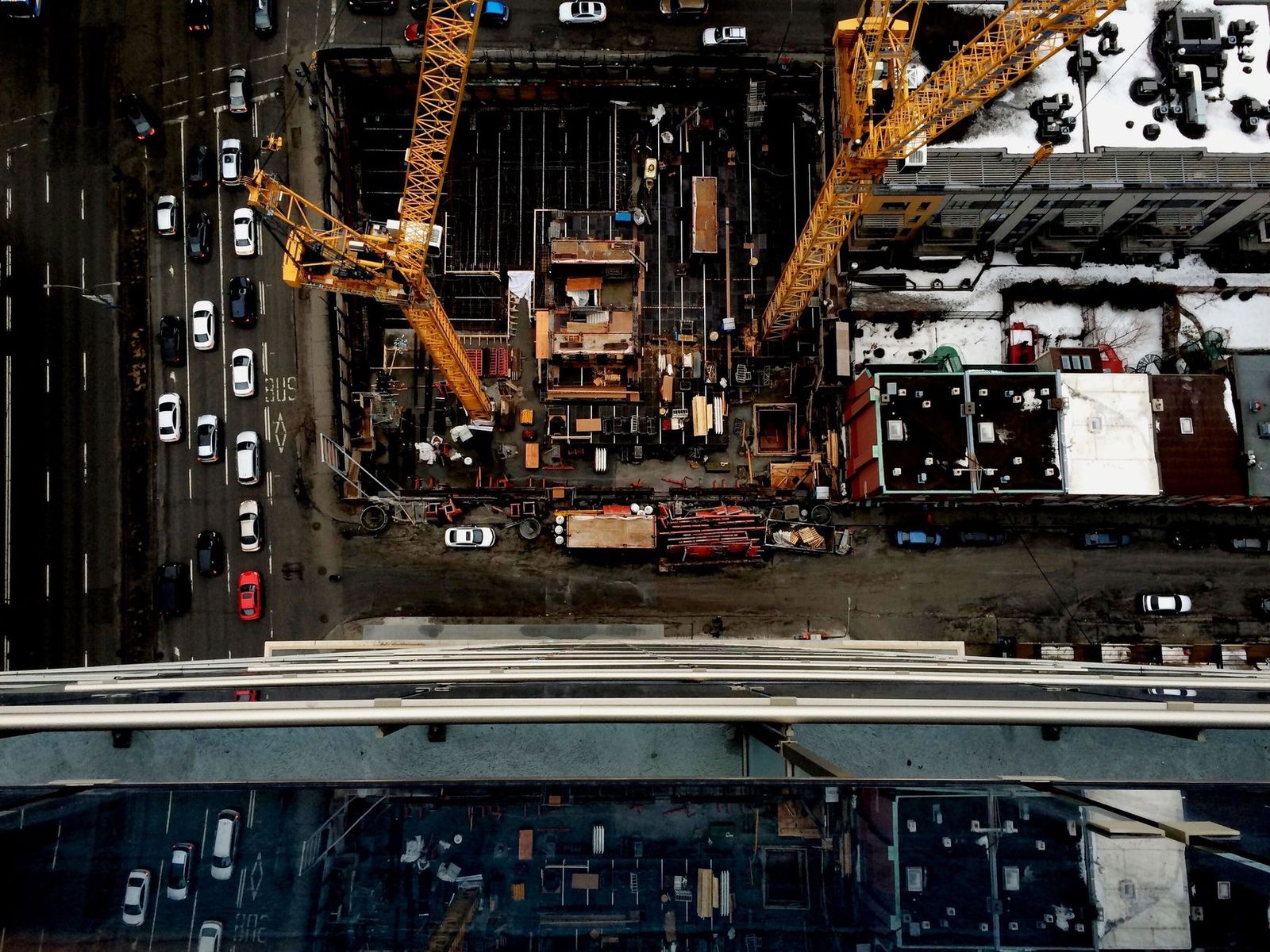
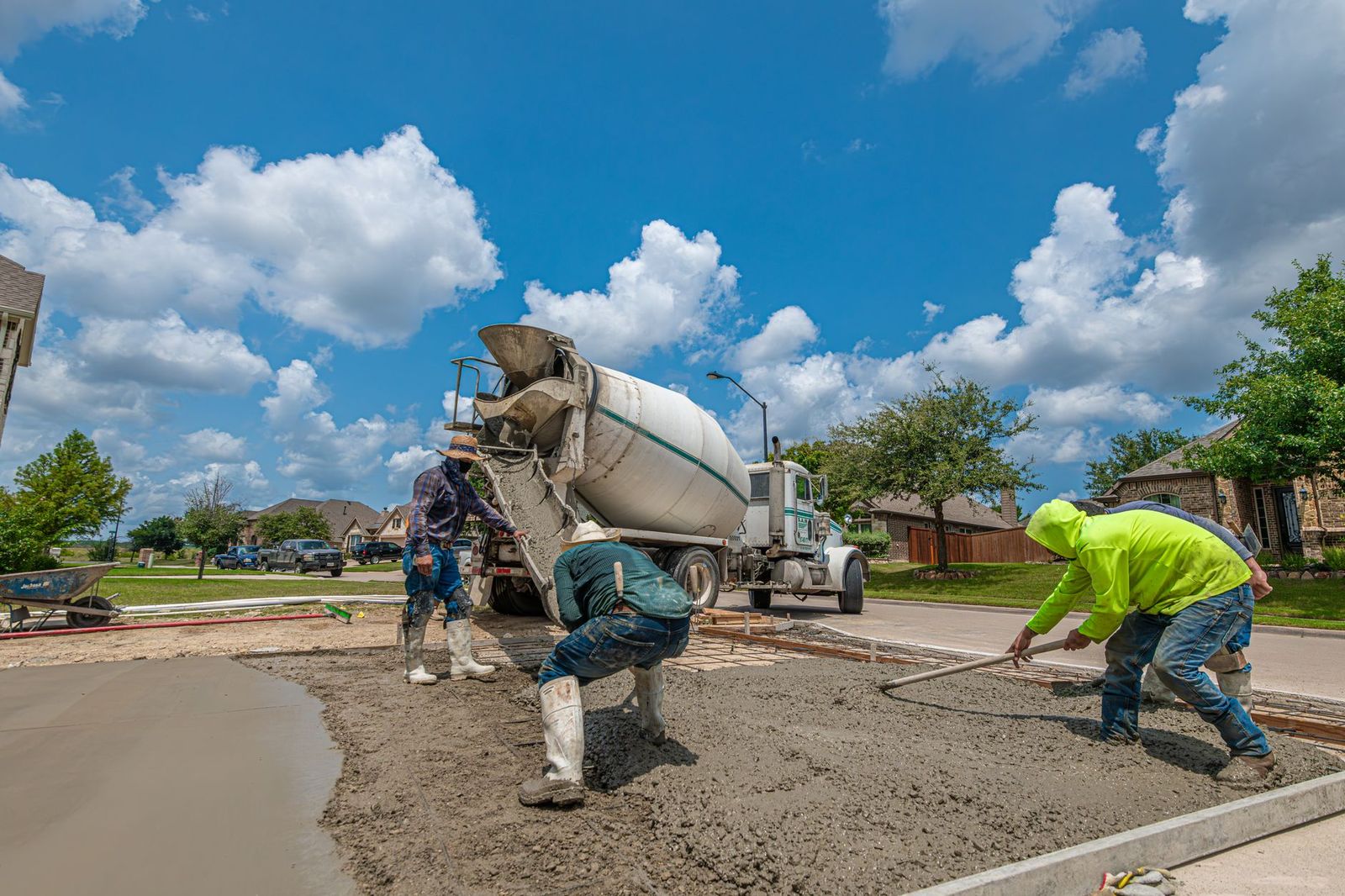
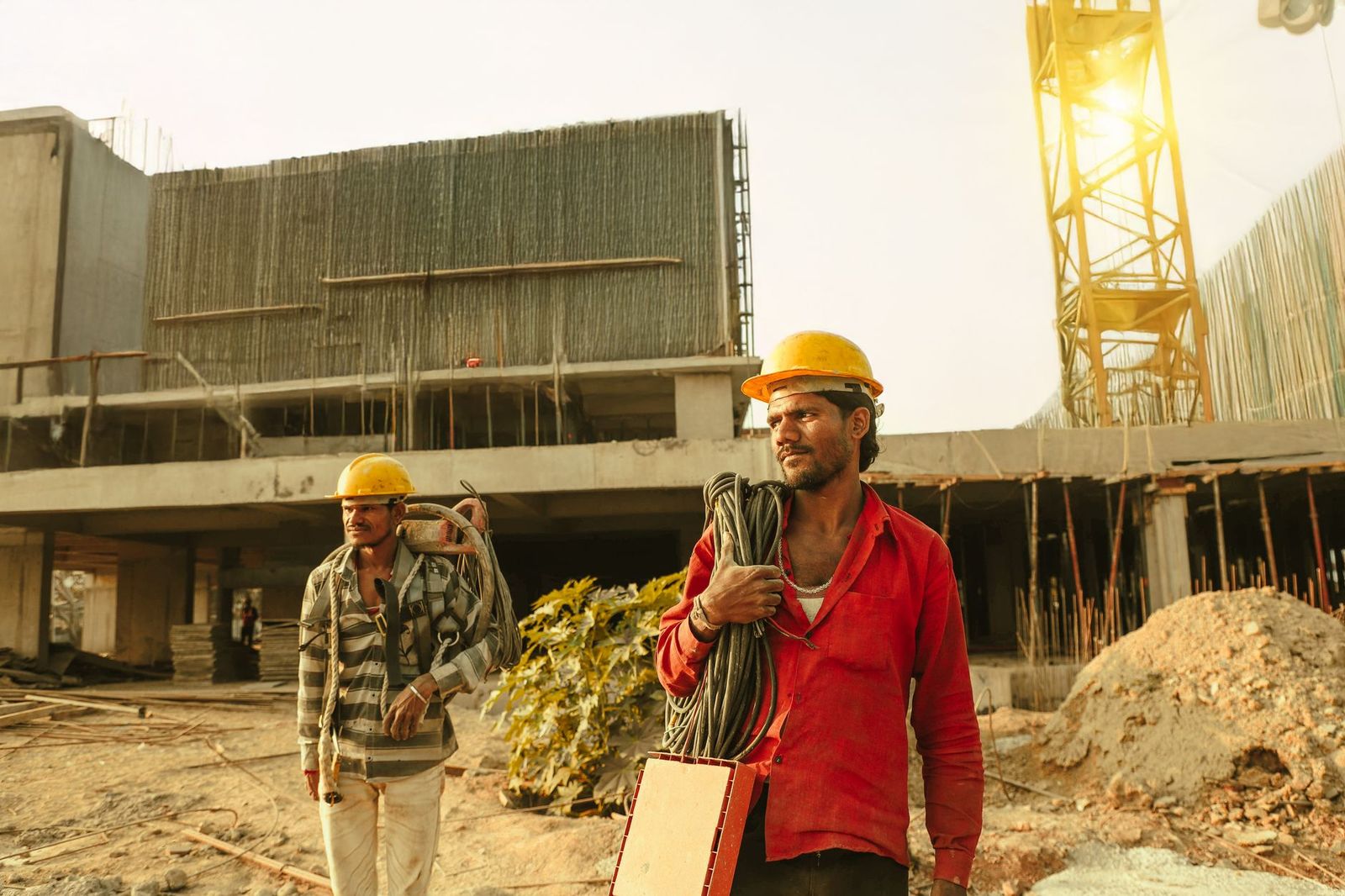
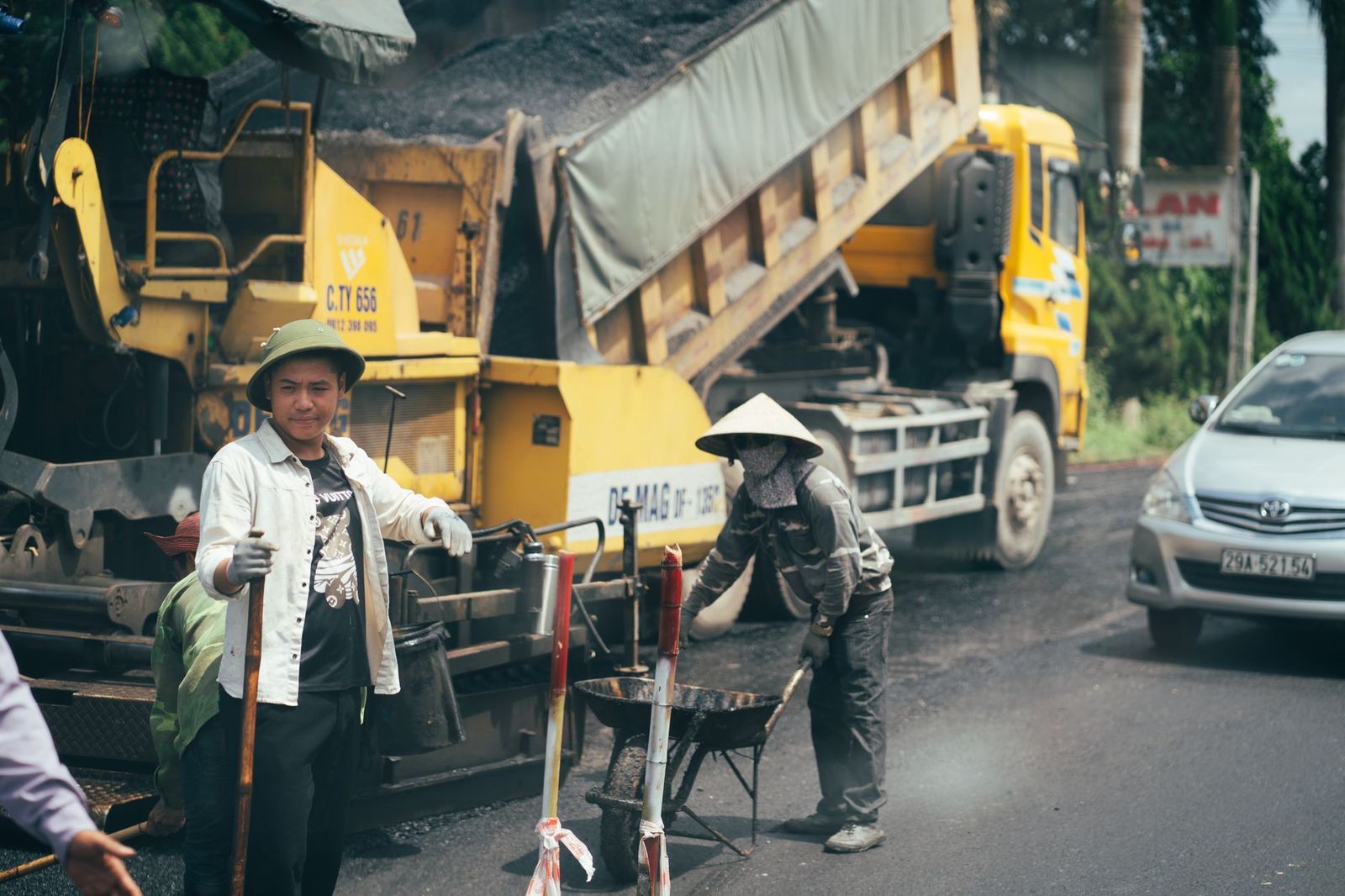
  • Highway road construction crew

    I-35 bridge and paving contractors

    Segment crews on the downtown rebuild often work overnight lane closures. Trailers on a nearby contractor yard give the night shift a cool, dark room for daytime sleep. The trailers stay for as long as each segment lasts.

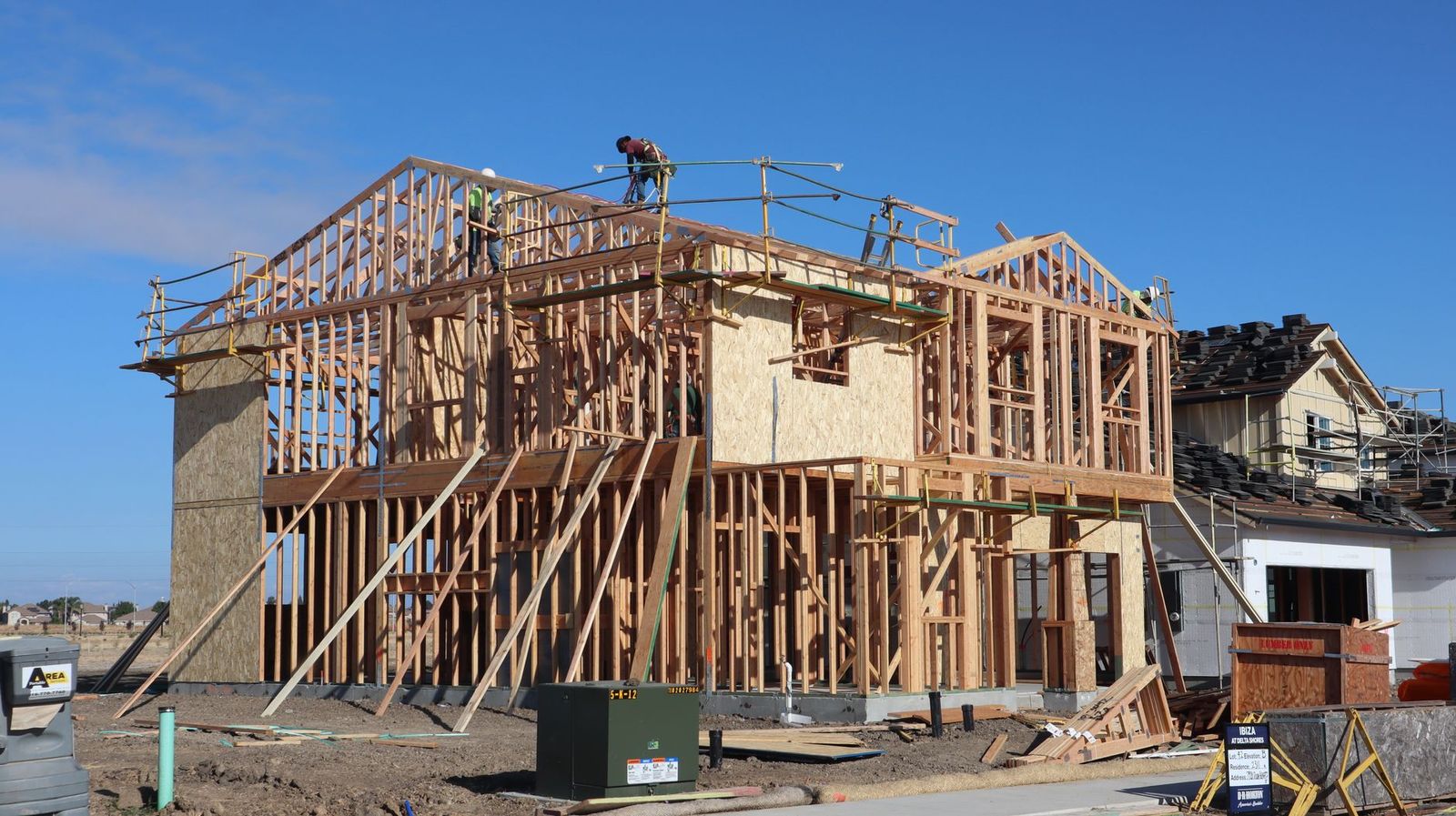
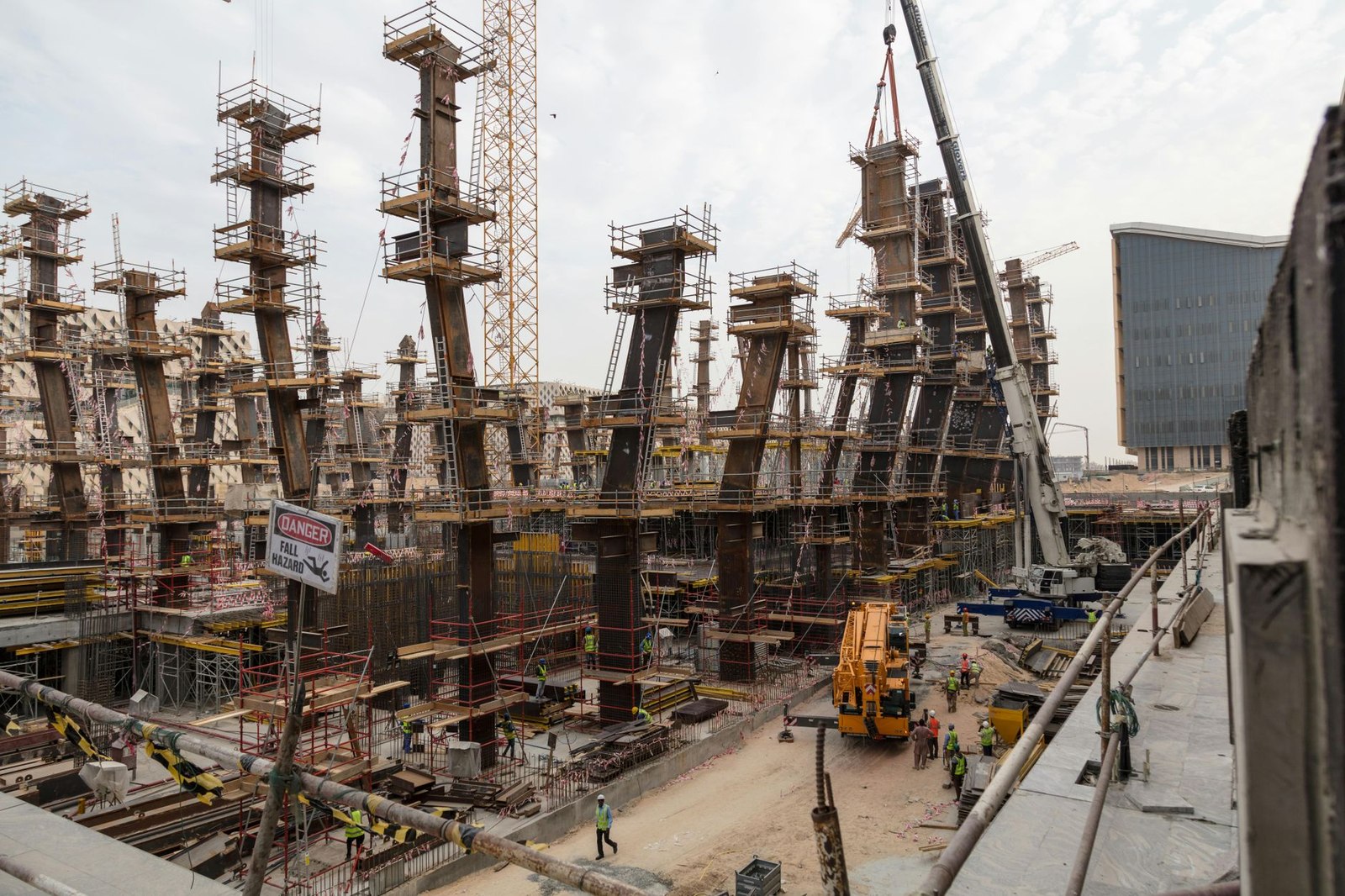
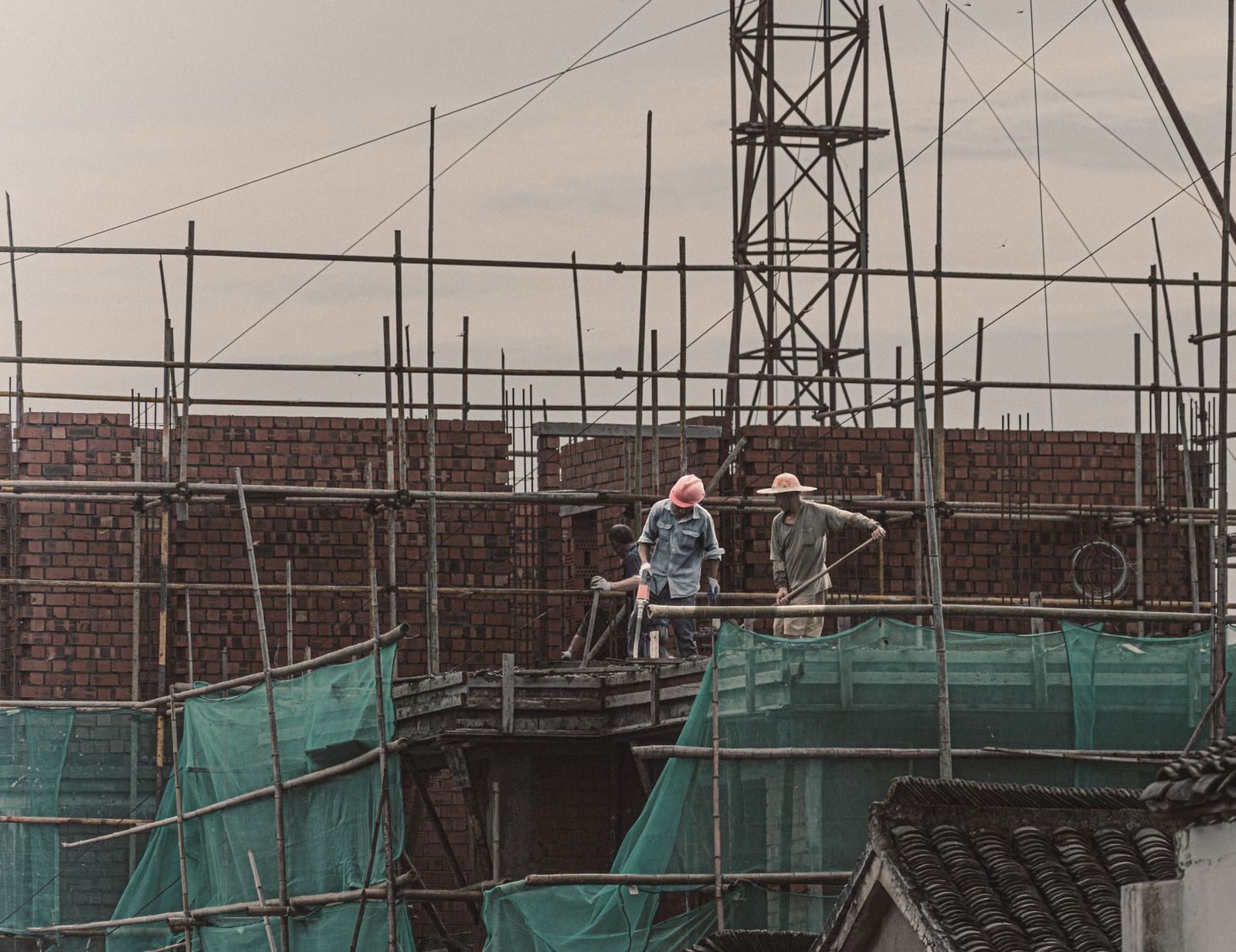
  • Construction crew on scaffolding

    Chip fab mechanical and electrical subcontractors

    Fab builds in Taylor and northeast Austin add workers phase by phase. More trailers can join the laydown yard as headcount rises, with 12 beds in each unit. That keeps bunk planning simple from the first phase to the last.

  • Construction site at sunset after the day shift wraps

    Data center builders in Williamson and Bell counties

    Many of these sites start as bare farmland without power or nearby rooms. A generator-powered trailer gives the crew beds on the parcel from the first week. Restroom and shower units can sit on the same pad.

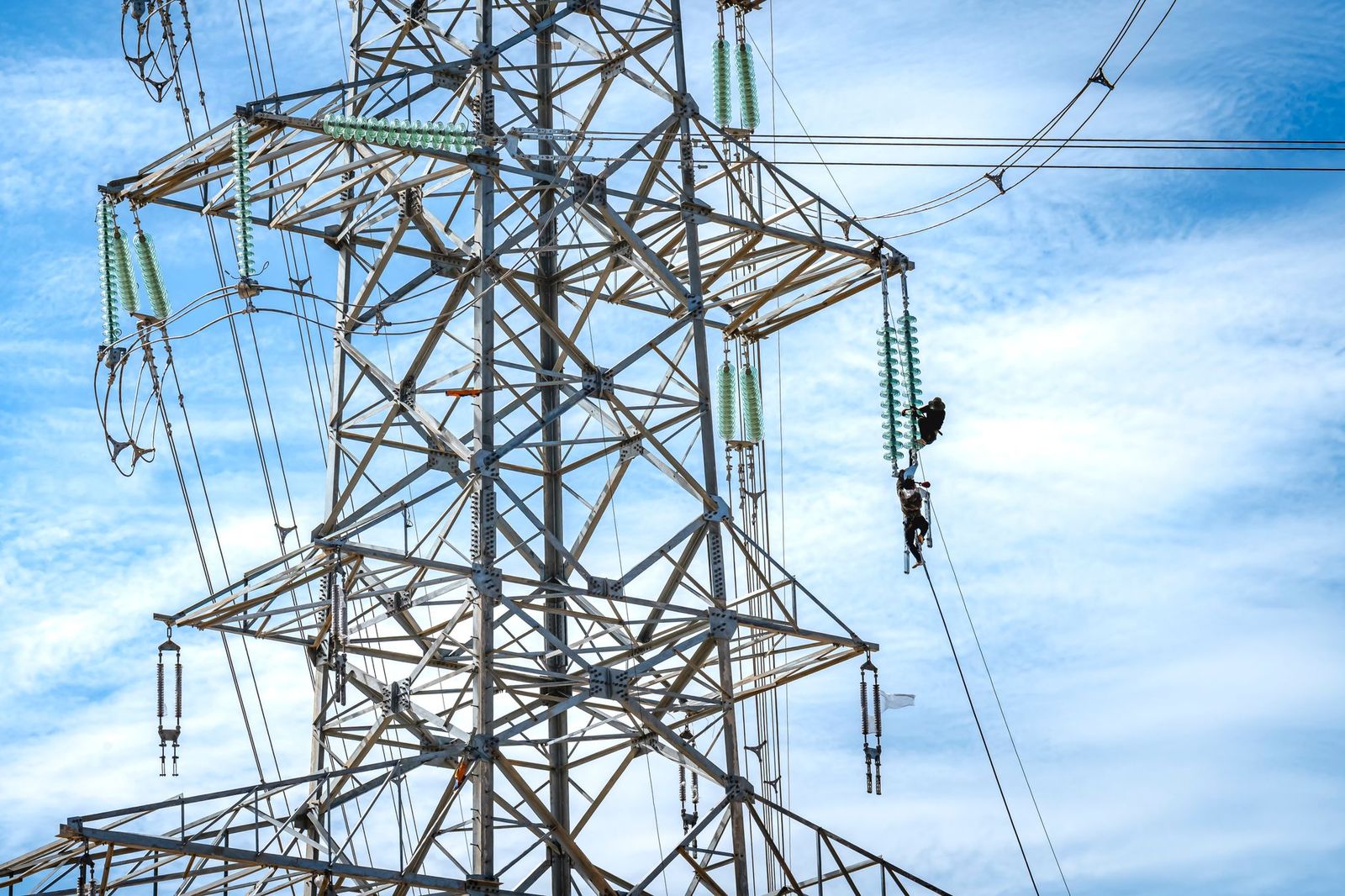
  • Linemen climbing a high-voltage transmission tower on a power line build

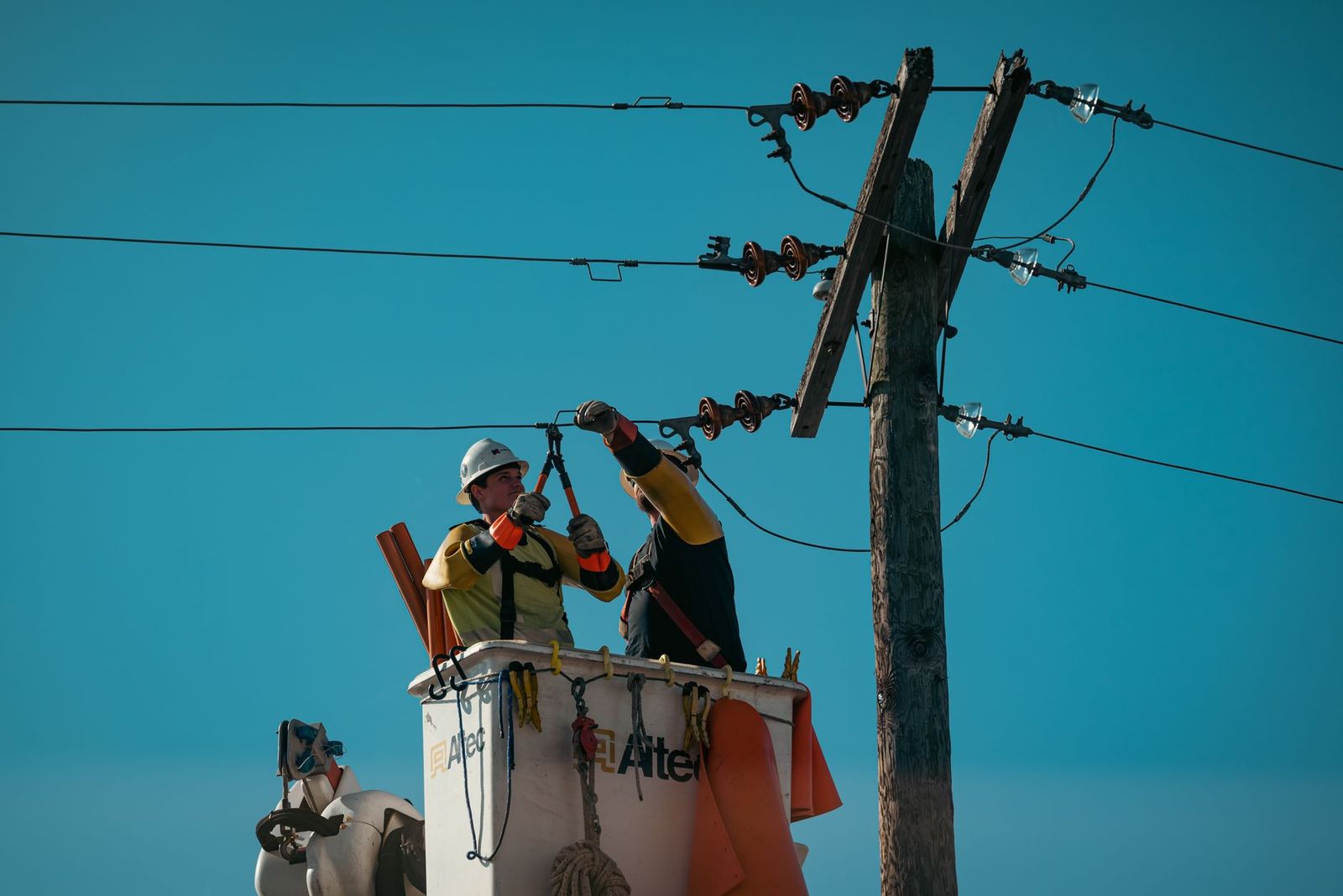
    Transmission line crews in the Hill Country

    Line crews on long rural routes move every few weeks as the towers go up. Trailers can relocate with them to the next yard along the right-of-way. Dispatch schedules each relocation a few days ahead of the crew's move.

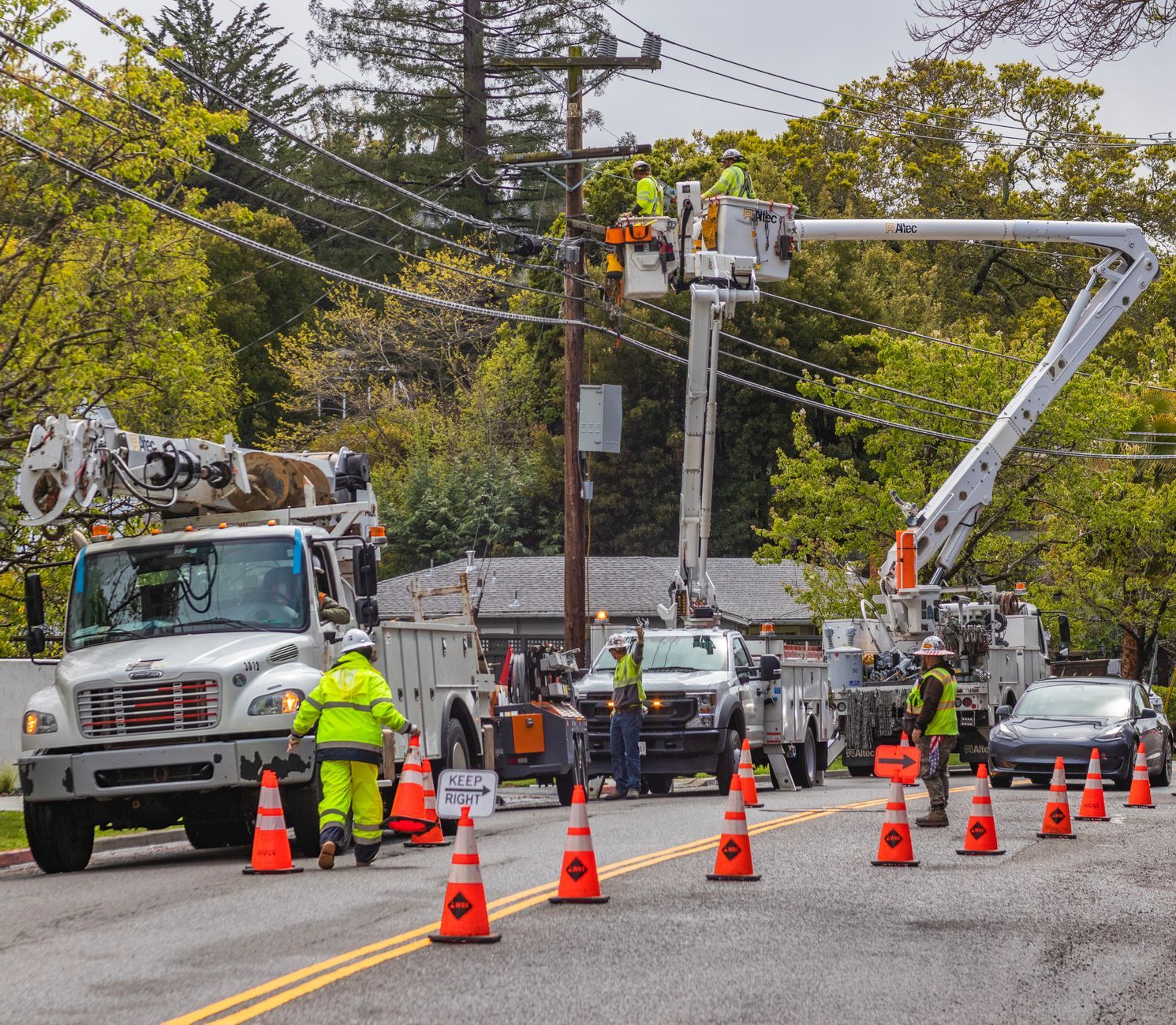
  • Storm restoration utility crew working a residential street

    Storm and flood season response crews

    Utility restoration and relief crews often stage on fairgrounds or county lots with no beds. Heated and air-conditioned trailers give each shift a real place to rest. The trailers remain on the staging lot until the restoration work is finished.

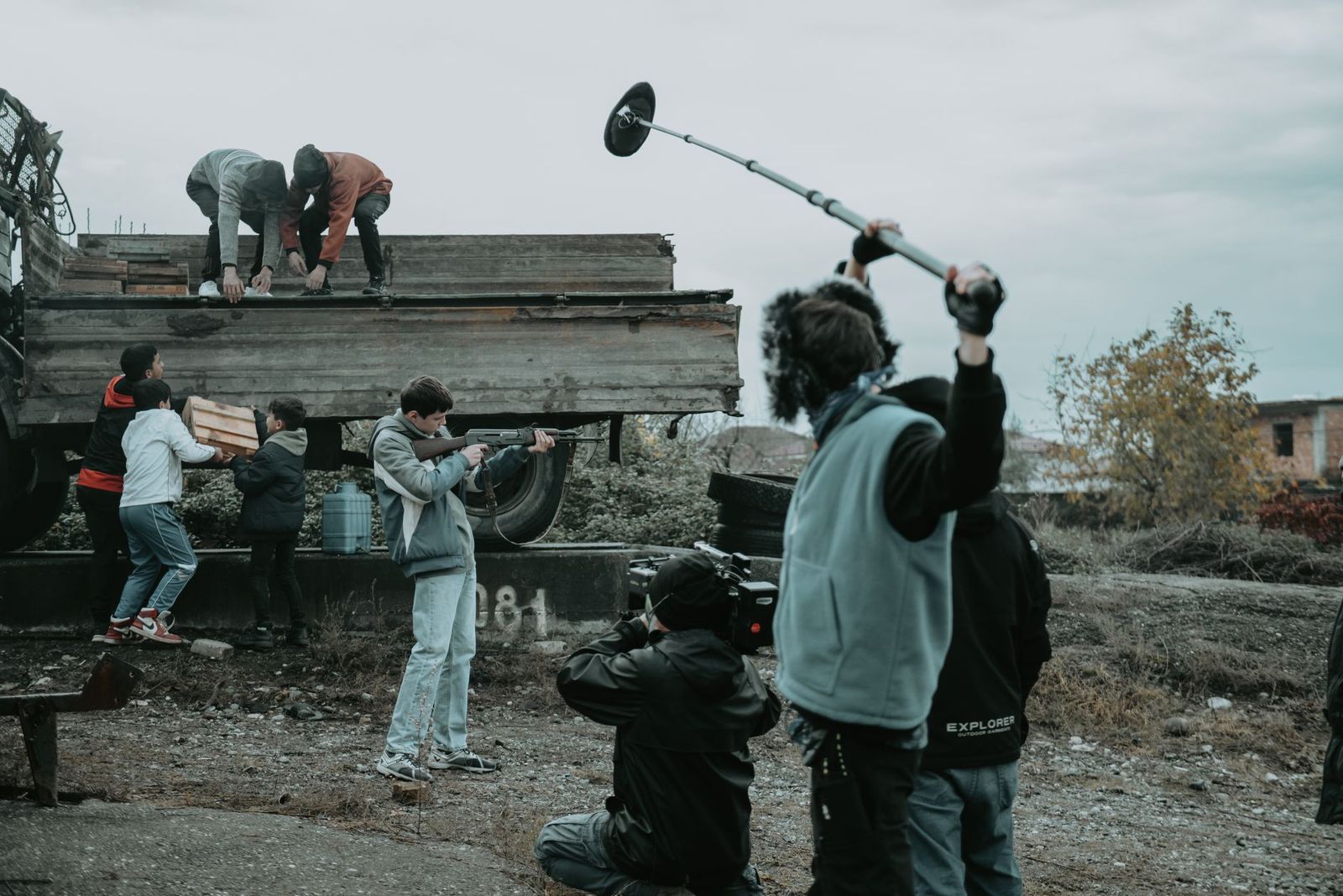
  • Film crew filming on location

    Film and TV production crews

    Austin Studios sets aside base camp parking beside its sound stages at the former Mueller airport site. A trailer for crew rest can park alongside the wardrobe and production office units. Location shoots outside the city can use the same setup.

Week one

From your call to lights out near Austin

  1. Call or send a quote request

    Tell us the site, the crew size and your start date. We answer 24/7.

  2. Plan the drop

    We confirm site access and power, then lock in a delivery window.

  3. Delivery and setup

    Our driver places the trailer, levels it and hands your lead the keys and a walkthrough.

  4. Pickup when you wrap

    Extend as long as you need. When the job ends, we haul it out.

How to Plan Crew Housing in Austin

Temporary Crew Housing for the I-35 Rebuild Through Downtown

TxDOT's I-35 Capital Express Central project rebuilds about eight miles of the interstate through the middle of Austin. The work zone stretches from US 290 East down to SH 71 and Ben White Boulevard. It is split into several separate contracts instead of one big start, so new crews keep arriving on different dates.

The MLK Jr. Boulevard bridge work began in October 2024, and the Lady Bird Lake segment started in early 2025 with a finish planned for 2033. Work on the CapMetro bridges was expected to start in 2026, along with the University and Downtown segments. That schedule puts several bridge and paving crews inside city limits at the same time for most of a decade.

Space is the hard part downtown, because a work zone in a dense city leaves little open ground for anything besides equipment. A temporary bunk trailer usually sits on a contractor yard just outside the zone, where a crew can walk or ride a short shuttle to the work. A 24-person bridge crew fits in 2 trailers with a dedicated bed for every worker.

Night work is common on a project like this, because lane closures often happen after the evening rush. A night shift that sleeps through the afternoon needs a dark, cool room, not a hotel booked across town. The 3 AC units hold one steady setting while the crew sleeps, even when the afternoon outside reaches 100 degrees.

Bunk Trailers for the Taylor Chip Fab and Austin Plant Expansions

Samsung's new chip fab in Taylor sits about 30 miles northeast of downtown in Williamson County. The Center for American Progress projects 6,500 to 10,000 construction jobs during the build, and it counted more than 14,200 direct and indirect jobs tied to the site in 2025. A workforce that size draws crews from across the state and beyond, and many of them need a bed for months.

Taylor is a small city next to a very large project, so local rooms fill long before peak construction. Press coverage of an 82-unit condo project near the plant tied its early sales directly to the housing squeeze around the fab. Crews that cannot find a room in Taylor often end up driving in from Round Rock or north Austin every morning.

The Taylor build is not the only chip work in the region. Samsung opened its first United States fab in northeast Austin in 1997, and that campus keeps expanding alongside the new site. NXP runs two fabs in Austin and has announced a four-story fab building as part of a planned expansion. Together they mean two separate chip construction programs pull from the same labor pool at once.

Fab builds bring large mechanical and electrical crews in waves as each phase opens. A 120-person subcontractor crew needs 10 trailers, while a 36-person specialty crew needs 3. Our bunk trailers for construction crews can be added to a laydown yard as the headcount grows, then removed in stages as the build winds down.

Crew Sleeper Trailers for Del Valle Factory Work and Data Center Sites

Tesla's Gigafactory Texas sits in Del Valle, about 8 miles southeast of downtown along the Colorado River. Reports put the site at roughly 2,100 acres, with between 5,000 and 7,000 construction workers on site during peak construction. New production lines still bring in contract crews for weeks or months at a time.

Automotive News has reported on Austin's need for lower-cost housing as the factory grew. Many workers commute from cheaper outlying counties such as Bastrop and Caldwell, which adds an hour or more of driving to a long shift. A crew sleeper trailer on a contractor yard near the site puts that time back into rest.

Data center construction adds a second wave of demand across the metro. The Texas Tribune counted at least 248 planned data center projects statewide, and about 13 data center sites were reported under construction in the Austin area. Meta's campus near Temple, roughly 70 miles northeast of downtown, has a completion target in late 2027.

Many data center parcels in Williamson and Bell counties were farmland until recently. Permanent power often arrives late, once the site's own substation is energized. A generator-powered trailer works on a bare parcel from day one, and a restroom and shower setup can sit beside it on the same pad.

Mobile Bunkhouse Trailers for Central Texas Transmission Line Crews

Oncor and LCRA Transmission Services have proposed a new 765-kV transmission line running roughly 214 to 244 miles from Schleicher County through the Hill Country to Bell County. Utility Dive reported that a Public Utility Commission of Texas decision was expected in July 2026. If approved, the line would be energized by the winter of 2030.

A line of that length moves across dozens of rural miles at a time. Crews work a stretch of right-of-way, then shift to the next one, often far from any town with open rooms. Mobile sleeper trailers for utility line crews can follow that progress, relocating to a new yard every few weeks.

A crew of 48 linemen and support staff needs 4 trailers with a dedicated bed for each worker. Give dispatch the next yard address a few days before the move, and the relocation fits between shifts. Generator power is the usual choice on a rural right-of-way, since shore power is rarely close by.

Distribution crews working the growing suburbs face a different routine. Service extensions in Leander and Hutto follow new subdivisions, so crews move often inside the metro. A trailer on a central yard can serve those crews for a full season without a daily hotel search.

Heated and Air-Conditioned Bunk Trailers for Response Crews

Austin sits inside the part of Central Texas that forecasters call Flash Flood Alley, a band running roughly from Dallas to San Antonio. Thin soil over limestone sends heavy rain into creeks quickly, and the busiest flood months are usually spring and late fall. Response agencies and utility contractors plan staging sites before those seasons begin.

Staging areas around Austin are often fairgrounds or county-owned lots, opened on short notice. Most of those lots have no beds, and many have no ready power or water. A group of 96 responders needs 8 trailers, set on the highest ground of the lot with a clear road in and out.

Winter weather can create the same kind of emergency housing demand. In February 2021, more than 300,000 metered customers in Austin lost power during a week of freezing temperatures. Restoration and plumbing crews worked long shifts while hotel rooms filled with residents whose homes had no heat.

Our disaster response sleeper trailers carry heat as well as cooling, since the same 3 units handle both. Call dispatch when a forecast turns serious, and share your likely staging lots and crew counts early. Trailers can be on the road toward Austin while routes are still open.

Why Climate-Controlled Bunk Rooms Matter on Austin Jobs

Austin has averaged about 37 days a year at 100 degrees or hotter since 2000, according to KXAN weather records. Daily highs average around 99 degrees during the first two weeks of August. A metal truck cab or a tent holds that heat through the afternoon, which leaves a night shift with nowhere cool to sleep.

Cold snaps are shorter, but they still matter for crew housing. The February 2021 freeze brought several days of temperatures below freezing and left many homes across the region without heat or water. The same 3 units that cool the trailer in August also heat it in February, and the smart thermostat holds one setting for the whole bunk room.

Heavy rainfall is the third factor that affects trailer placement. Heavy storms can drop several inches in a few hours over the Hill Country, and low spots near creeks flood first. Set trailers on higher, well-drained ground, and keep the access road clear so a truck can reach them after a storm.

Portable Crew Quarters Placed Around Tight Downtown Work Zones

Along the I-35 corridor, laydown space is scarce and noise rules are strict near homes and businesses. City of Austin Development Services handles local permitting, floodplain review and work-zone rules inside city limits. Ask your project team where temporary quarters may sit before we schedule the truck, and send us that approved spot. The trailer needs no permanent foundation, so it can move if the approved location changes later in the job.

Austin Corridors Where Crew Sleeper Trailers Get Delivered

  • SH 130 toll road east of the city: SH 130 bypasses downtown on the east side and reaches Del Valle and the Taylor area without the I-35 backups. Delivery trucks heading to large east side sites often use it for that reason. Trailers on a site near this road keep crews off the busiest interstate in town.
  • US 183 and SH 71 near the airport: US 183 and SH 71 meet near Austin-Bergstrom International Airport, just north of the Del Valle factory site. Construction traffic for the southeast industrial area shares these roads with airport traffic. A contractor yard nearby can hold trailers within a short drive of the gate.
  • I-35 north toward Round Rock and Georgetown: North of the city, I-35 links Austin to Round Rock and Georgetown in Williamson County. Many chip and data center crews stay along this stretch while working in Taylor or north Austin. Trailers on a yard here cut the morning drive in both directions.
  • I-35 south toward Kyle and San Marcos: South of Ben White Boulevard, I-35 passes Buda and Kyle on its way to San Marcos. New subdivisions and warehouses keep crews busy along this route for years at a time. A trailer on the job site replaces a daily trip through the downtown work zone.
  • MoPac and the west side Hill Country: MoPac, also called Loop 1, carries traffic along the west side toward the Hill Country and Dripping Springs. Ground on this side is often uneven limestone, so leveling needs a firm pad. Tell dispatch about slopes and gates before the delivery day.

Safety and Permit Rules That Shape Trailer Placement Around Austin

Federal OSHA covers workplace safety on Austin construction and highway sites. The agency has been working on a heat injury and illness prevention rule for outdoor and indoor work settings. With about 37 triple-digit days a year, heat planning belongs in every summer crew plan, including where the crew sleeps between shifts.

TxDOT sets the construction schedule and the work-zone rules for the I-35 Capital Express Central project. Contractors on each segment work under those rules, which affect delivery times near the corridor. Plan trailer deliveries around lane closures, and confirm the route with your traffic control lead before the truck leaves.

Inside city limits, City of Austin Development Services handles permits and floodplain review for temporary structures, especially near Onion Creek's mapped floodplain. On a fenced factory or fab campus, the owner's site team decides where a temporary structure may sit. Ask your safety lead which housing and sanitation rules apply to your crew site, and write the housing plan into your bid.

What a Typical Setup Looks Like

Bridge superintendent, 24-person night crew, I-35 contractor yard

When a bridge segment closes lanes overnight, a typical plan places 2 trailers on the contractor yard beside the work zone. Every worker keeps a dedicated bunk, and the room stays cool through the afternoon while the night shift sleeps. Pickup happens once the segment wraps up.

Project manager, 36-person electrical crew, Taylor laydown yard

When a fab phase opens and the electrical crew grows, a common setup starts with 3 trailers on the laydown yard. More trailers join as the headcount climbs past 36. The crew walks to the gate each morning instead of driving in from Round Rock.

Line crew foreman, 48-person transmission crew, Hill Country right-of-way

When a transmission crew works a rural stretch far from town, a typical plan uses 4 trailers on a generator. Dispatch moves them to the next yard every few weeks as the line advances. Each move is scheduled a few days ahead so no shift loses sleep.

Working knowledge

Bunkhouse trailer rental questions across Austin

How many workers can one sleeper trailer hold on an Austin job site?

Each 34 ft trailer sleeps 12, with 6 upper and 6 lower bunks. Built-in steps at each bunk bank make the upper beds easy to reach after a 12-hour shift. Every bunk also has an LED light and a USB outlet. A storage compartment at each bed gives every worker a personal spot, even when the trailer is full.

Can a bunkhouse trailer go near the I-35 construction zone downtown?

Trailers usually sit on a contractor yard just outside the active work zone, not inside the lanes themselves. TxDOT and the segment contractor decide what can go inside the zone. Send us the approved yard location and the hours when trucks may enter, and the driver will plan the route around lane closures.

Where do crews sleep near the Samsung fab in Taylor when rooms are full?

Many crews drive in from Round Rock or Georgetown, which adds a long commute to each shift. Sleeper trailers on a contractor yard near the fab put beds within walking distance of the gate. The site owner's team decides where temporary quarters may go, so confirm the spot before delivery.

Can subcontractors place crew housing on a large factory campus like Giga Texas?

That depends on the site owner, who controls every structure inside the fence. Many subcontractors place trailers on their own yard near the campus instead of inside it. Ask your site contact what the rules allow, then tell dispatch where the trailers should go.

How far is Gigafactory Texas from downtown Austin?

The factory sits in Del Valle, about 8 miles southeast of downtown along the Colorado River. That sounds close, but traffic near the airport and on SH 71 can stretch the drive during shift changes. Crews living in outlying counties often drive an hour or more each way.

How do data center crews find housing near rural Williamson and Bell county sites?

Many of those parcels sit far from hotel clusters, and some towns nearby have very few rooms. A sleeper trailer on the parcel itself solves that problem from the first week. Generator power covers the trailer until the site's permanent power arrives.

Do the trailers need shore power, or can they run on a generator?

Either power source works for this trailer. Sites with temporary electrical service can connect the trailer directly, while rural right-of-way and bare data center parcels usually use a generator. The 3 AC units draw most of the power, so size the supply for the hottest afternoon. Tell dispatch which source you have, and we will confirm the hookup.

Can a sleeper trailer be paired with restroom and shower trailers?

Yes, and most Austin sites without permanent buildings set restroom and shower units beside the sleeper on the same pad. Plan a short, well-lit walking path between them for the night shift. Tell dispatch what facilities your site already has, and we will plan the layout around it.

How do SXSW and race weekends affect hotel rooms for crews?

SXSW in March and the Formula 1 race weekend in October fill a large share of Austin hotel rooms. The Austin City Limits Festival adds two more busy weekends in early October. Crews that need rooms during those weeks compete with visitors, while a trailer on your yard does not depend on the event calendar.

What lead time should a transmission crew allow before it mobilizes?

Call dispatch as soon as the crew size and the first construction yard location are confirmed. Utility Dive reported a state decision on the 765-kV line was expected in July 2026, with the line energized by the winter of 2030 if approved. Line work on that schedule gives crews months to plan, so reserve trailers early and adjust dates later.

How many trailers does a 24-person highway crew need?

A 24-person crew needs 2 trailers if every worker keeps a dedicated bunk. If the crew splits into day and night shifts and shares bunks, a 12-bunk trailer can serve up to 24 people. Most crews on long jobs prefer dedicated bunks, because a bed that belongs to one person stays cleaner and quieter.

Can a film production base camp include sleeper trailers for crew?

Yes, and Austin Studios sets aside parking for base camp, the group of support trailers that every shoot parks on site. A sleeper trailer can join the wardrobe and production office units there or on a location lot. A 30-person grip and electric crew needs 3 trailers.

Which agencies coordinate housing after a Central Texas flood?

The Texas Division of Emergency Management coordinates statewide disaster response and short-term housing missions during declared disasters. It works with FEMA and the Texas General Land Office. Those missions focus on displaced residents, so contractors and response crews usually plan their own sleeping quarters.

Does the Austin labor shortage increase the need for traveling crews?

Central Texas contractors have reported construction unemployment near 3 percent, which means skilled trades are hard to hire locally. Contractors fill the gap with traveling crews, and every traveler needs a bed. On-site trailers help a contractor bring in outside crews without searching for rooms each week.

Do the trailers keep crews warm during a winter freeze?

Yes, because the same 3 units that cool the trailer in summer also provide heat, and the smart thermostat holds one setting for the whole room. In February 2021 more than 300,000 metered Austin customers lost power, so keep a generator plan for any winter job that depends on grid power.

Start here

What to know before you book in Austin

  • Booking Crew Beds Around Austin's Festival and Race Calendar

    Most crew housing problems in Austin come from scheduling overlap, because a construction calendar that looks simple on paper can land on the same week as a major festival. When that happens, every nearby room is already spoken for. Planning around the city's event calendar is one of the easiest ways to avoid a housing crunch.

    Read the full note

    SXSW comes first in the year, with film and music programming through much of March. The Austin American-Statesman reported that some South Austin hotels sold out completely during the festival. Citywide occupancy during SXSW has ranged from about 77 percent to 86.5 percent, depending on how many new hotels opened that year.

    October brings a second and heavier wave. The Austin City Limits Festival runs across two weekends early in the month, and the Formula 1 U.S. Grand Prix lands in October as well. KXAN reported that race weekend occupancy ran about 27 percent higher than comparable weekends when it lined up with a major college football game.

    Construction crews feel those occupancy spikes directly, especially during mobilization. A mechanical crew arriving for a fab phase in early October may find rooms booked for weeks around the race. A crew that already has trailers on its yard never has to compete with visitors for a bed.

    Labor conditions add pressure too. Central Texas contractors reported construction unemployment near 3 percent, which is effectively full employment for skilled trades. Specialty contractors often lock in crews months before they start, and those crews still need somewhere to sleep once they arrive.

    The simplest fix is to set the housing plan at the same time as the crew plan. When you know the start date and the headcount, reserve trailers for the full job. Dispatch can shift a delivery window by a few days much more easily than it can find open beds during race week.

    Plan the demobilization and pickup with the same care as the original delivery. Fab phases and bridge segments sometimes run long, and a trailer that leaves too early puts the crew back into the hotel search. Confirm the end date with dispatch a week before the crew demobilizes.

  • Moving Sleeper Trailers Along a Central Texas Transmission Route

    Transmission construction presents a difficult housing problem, since the work zone keeps moving across rural counties. The proposed Oncor and LCRA 765-kV line would stretch roughly 214 to 244 miles from Schleicher County to Bell County. Crews on a project that long rarely stay near one town for more than a few weeks.

    Read the full note

    Utility Dive reported that the line exists because data center and industrial demand across Central Texas has outgrown the current grid. Lines rated at 765 kV carry far more power than the 345-kV and 138-kV lines common across Texas today. Building them takes large crews working long days in open country.

    Start by mapping every construction yard along the planned route. Every few weeks the crew needs a new spot with firm ground and good truck access. Line up the next two or three yards before work starts, so each move is a known step instead of a scramble.

    Next, calculate the crew arithmetic for each stage of the transmission project. A 48-person crew of linemen and support staff needs 4 trailers with a dedicated bunk for each worker. If the crew adds a second shift, add trailers in steps of 12 beds as the headcount grows.

    Electrical power is the next decision, and it deserves careful attention on remote yards. Rural yards along a right-of-way almost never have a power drop ready for a crew. Plan a generator sized for 3 AC units running through a hot afternoon, and plan fuel deliveries on the same schedule as the crew's other supplies.

    Worker fatigue is the underlying reason all of this planning matters. OSHA has documented how long work hours and extended shifts add to worker fatigue, and a long drive at the end of a shift adds to that load. Beds near the yard cut the drive and give the crew more time to rest.

    Finally, give dispatch the move schedule as early as you can. A few days of notice lets us relocate trailers between shifts, so nobody loses a night of sleep. Call (888) 828-7765 when the next yard is set, and we will plan the move around your crew.

    Source: OSHA, Long Work Hours, Extended or Irregular Shifts, and Worker Fatigue

  • Placing Crew Housing Safely in Austin's Flood and Fire Country

    Crew housing around Austin has to account for weather that changes quickly. The region sits inside Flash Flood Alley, and drought seasons raise wildfire risk in the pine and cedar country east and west of the city. A good site plan handles both before the first trailer arrives.

    Read the full note

    Start with the official floodplain map for the property. City of Austin Development Services reviews floodplain issues inside city limits, and Onion Creek in southeast Austin has a mapped floodplain on the city's flood maps. Keep sleeping trailers out of mapped floodplains, and pick high, well-drained ground on the lot.

    Plan the access road next, since delivery trucks and emergency vehicles both depend on it. Low water crossings on Hill Country roads can close within an hour of heavy rain. Make sure a truck can reach the trailers by at least one route that stays dry, and keep that route clear of parked equipment.

    Watch the seasonal calendar as well, because different months carry different risks. Spring and late fall bring many of the heaviest rains, while late summer drought and wind raise fire danger. In 2011, a wildfire in Bastrop County burned for 55 days, and response crews stayed in the area for weeks. Long deployments like that need real beds, not truck cabs.

    Keep a relocation plan ready for every site. A trailer needs no permanent foundation, so it can move to higher ground or a safer lot when a forecast turns serious. Share a backup location with dispatch at the start of the job, so a move takes a phone call instead of a search.

    Pair the sleeping area with restrooms and showers on the same high ground. Keep a lit walking path between them, since response crews often come off shift after dark. Confirm where water and power come from, because staging lots often have neither ready.

    Finally, stage equipment early whenever the forecast warns of severe weather. Call dispatch while roads are still open and share likely staging lots and crew counts. Trailers that are already on the road can reach Austin before closures begin.

Get a quote

Tell Us Where Your Crew Needs Beds

Send the basics and a dispatcher will call you back with availability and a delivery window. In a hurry? Call now.

  1. We confirm the site, dates and crew size.
  2. We lock in a delivery window and power plan.
  3. The trailer arrives, gets leveled and is ready for the first night.
(888) 828-7765

Request a quote

Takes about a minute. Fields marked * are required.

We only use your details to answer this request.