
How to Plan Crew Housing in El Paso
Temporary Crew Housing Trailers for El Paso Warehouse Crews
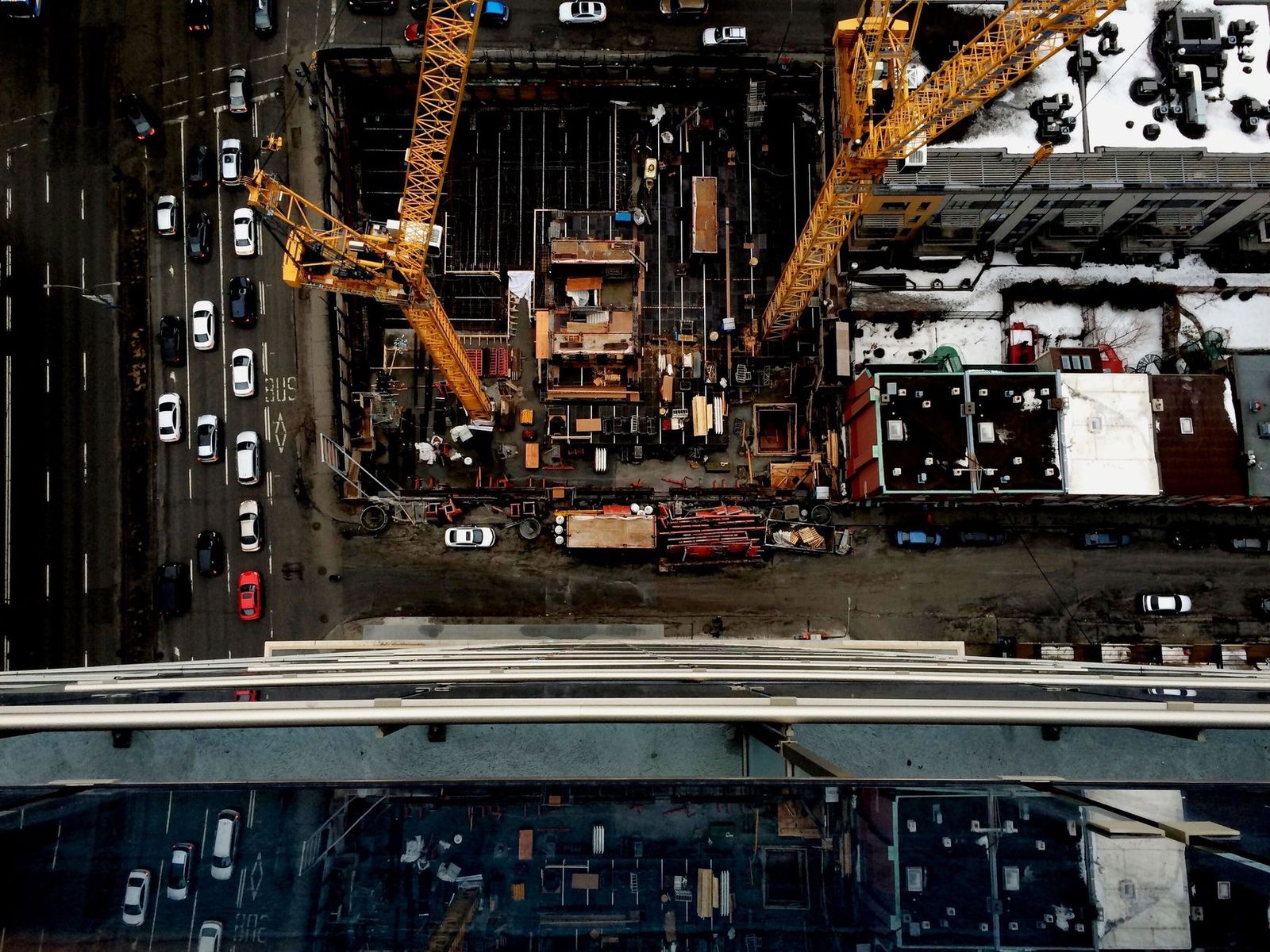
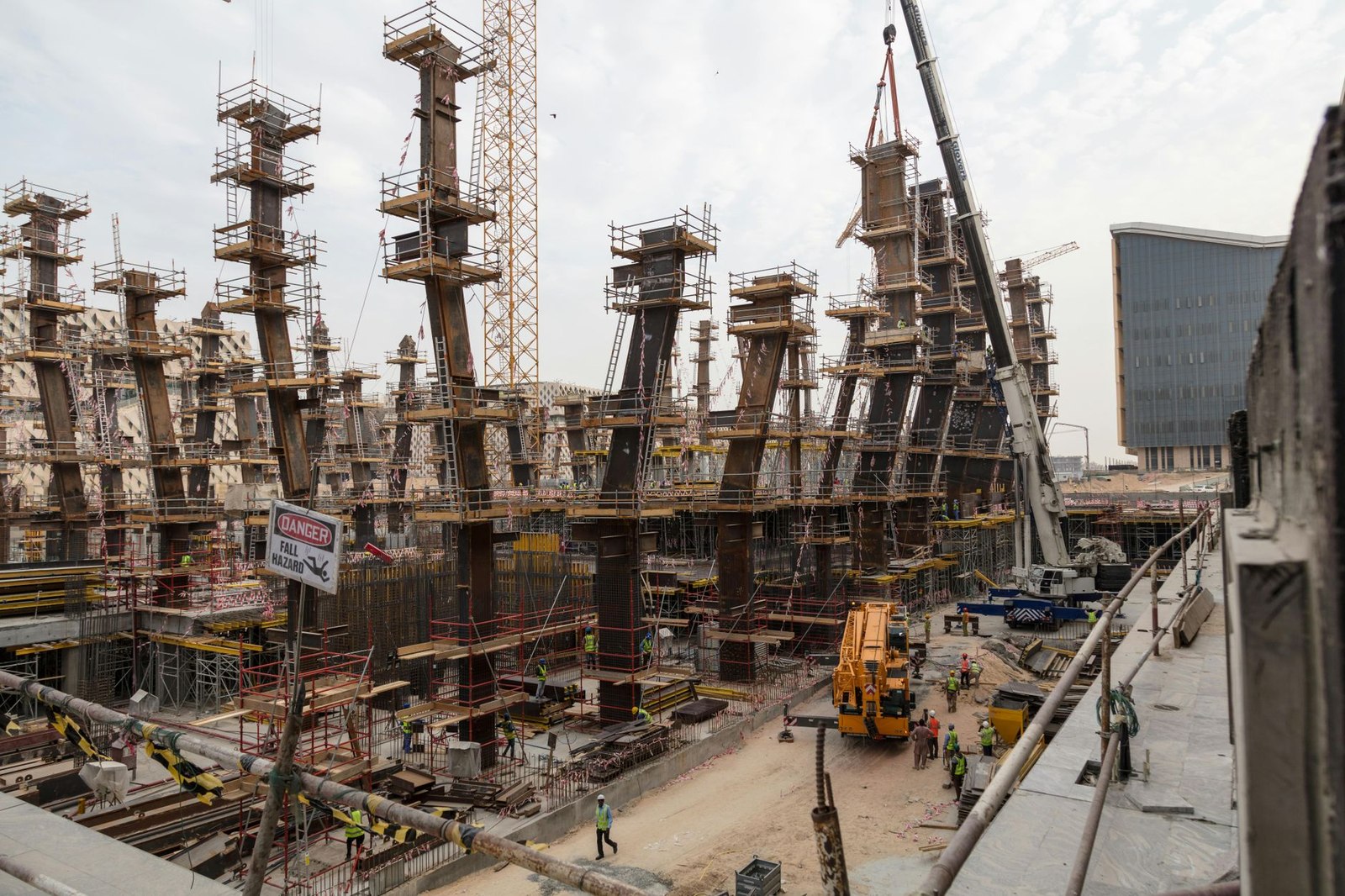
Mid-2025 reporting counted a record 20 industrial projects under construction in El Paso, totaling 6.3 million square feet. The same market absorbed more than 2 million square feet of space by the third quarter of 2025. Most of the new buildings sit on large sites near the edges of the city. Each of those sites keeps a general contractor crew busy for many months.
Several named developments show the scale of this construction activity, starting with FORM375 at Paso Del Norte is an 800,000-square-foot industrial park going up beside the Ysleta-Zaragoza port of entry. Rancho Del Rey Logistics Park is planned at nearly 4 million square feet, with a first phase of about 1.4 million square feet in three buildings. A 200-acre park from Green Point Property Company and Silverado Interests adds two more buildings totaling 636,000 square feet.
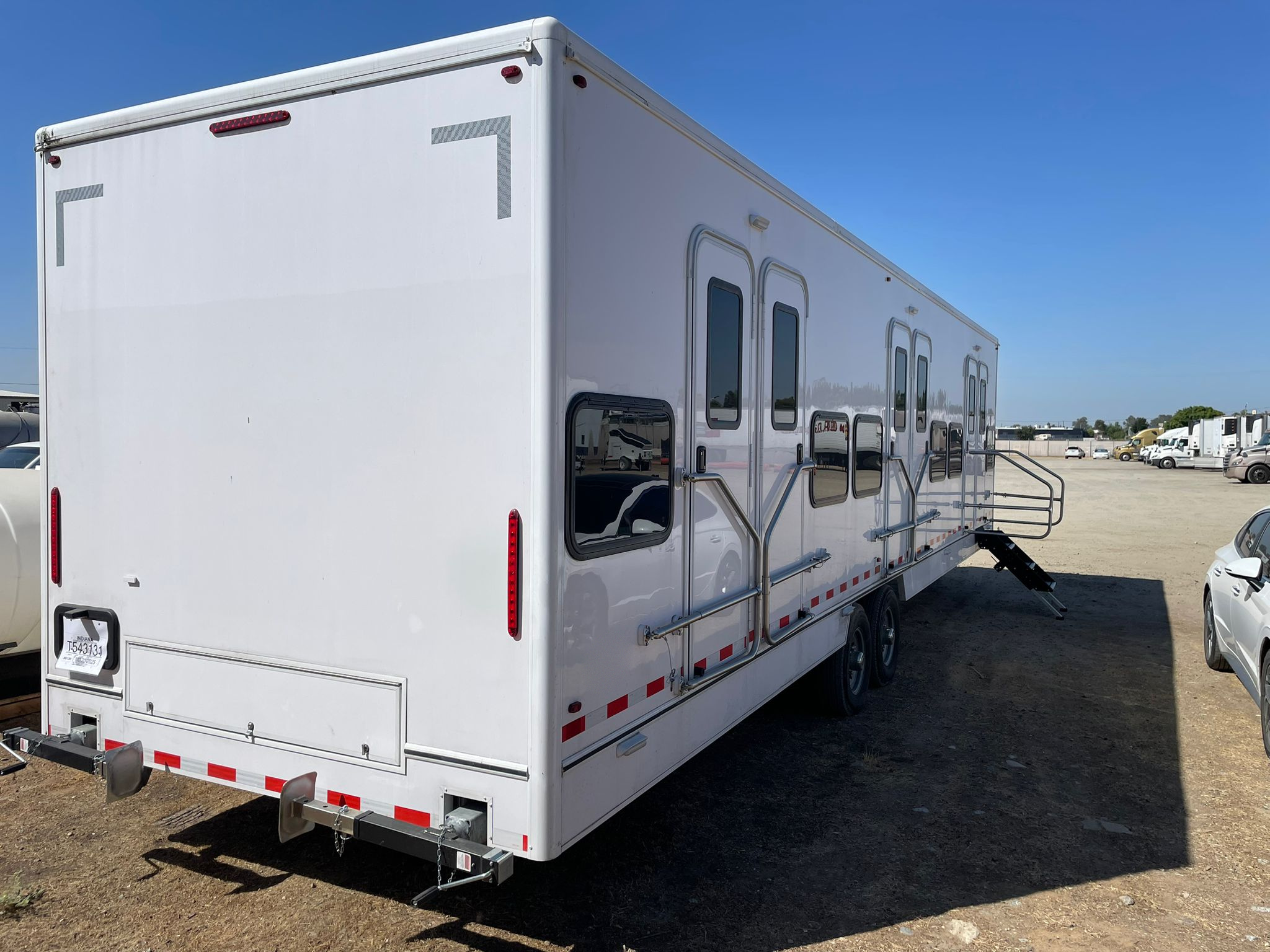
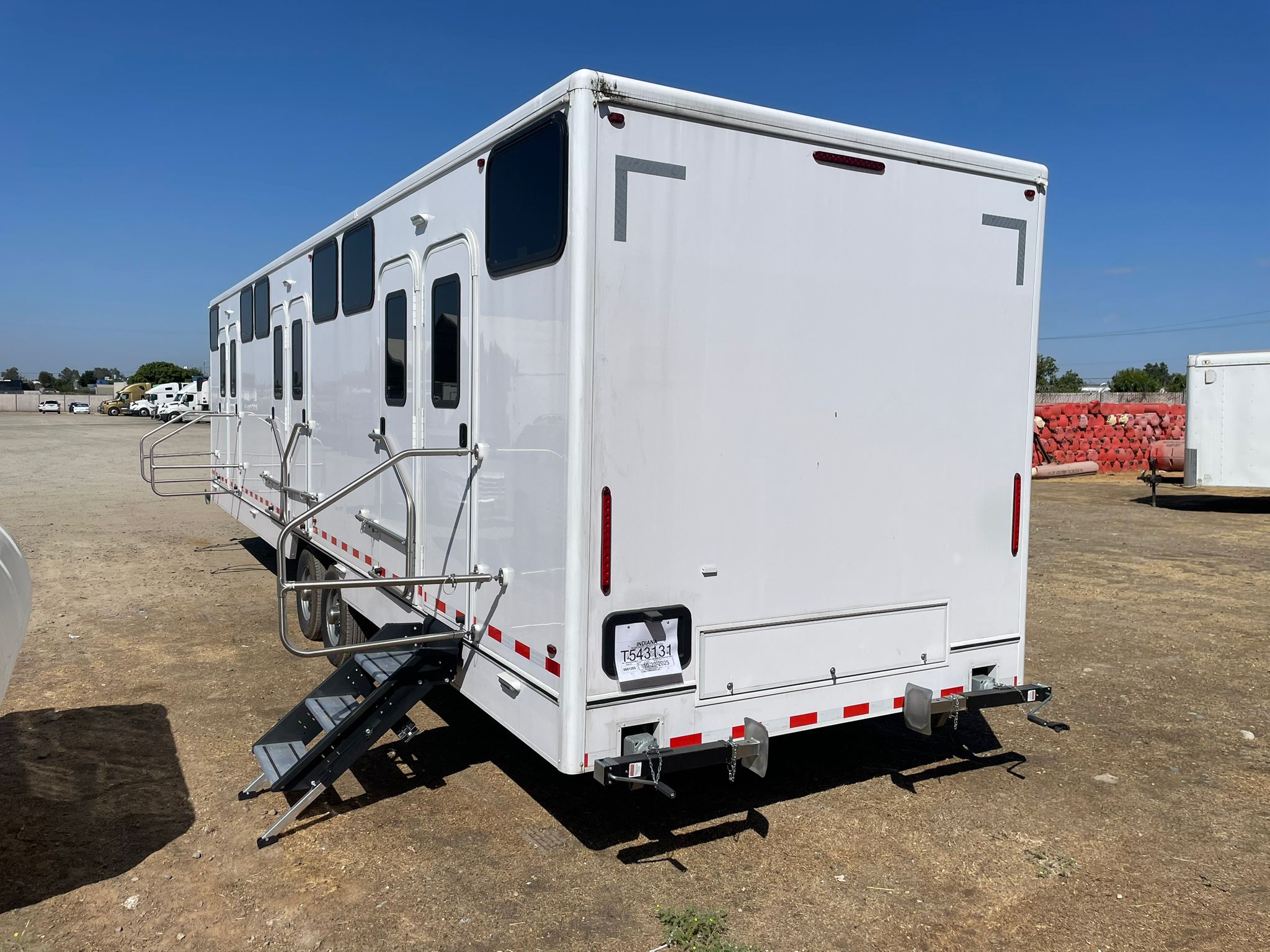
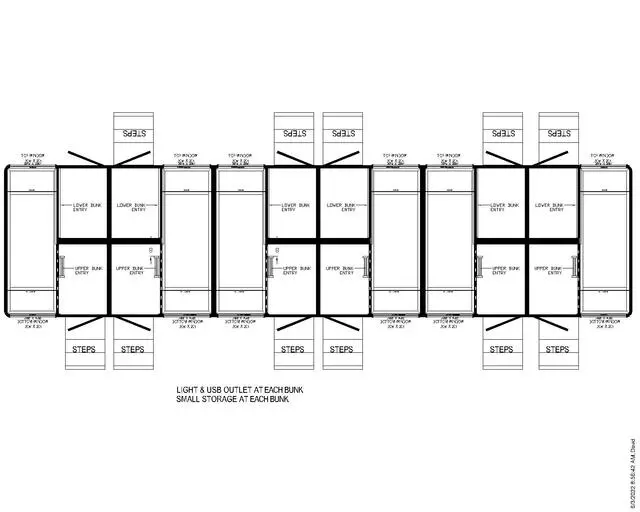
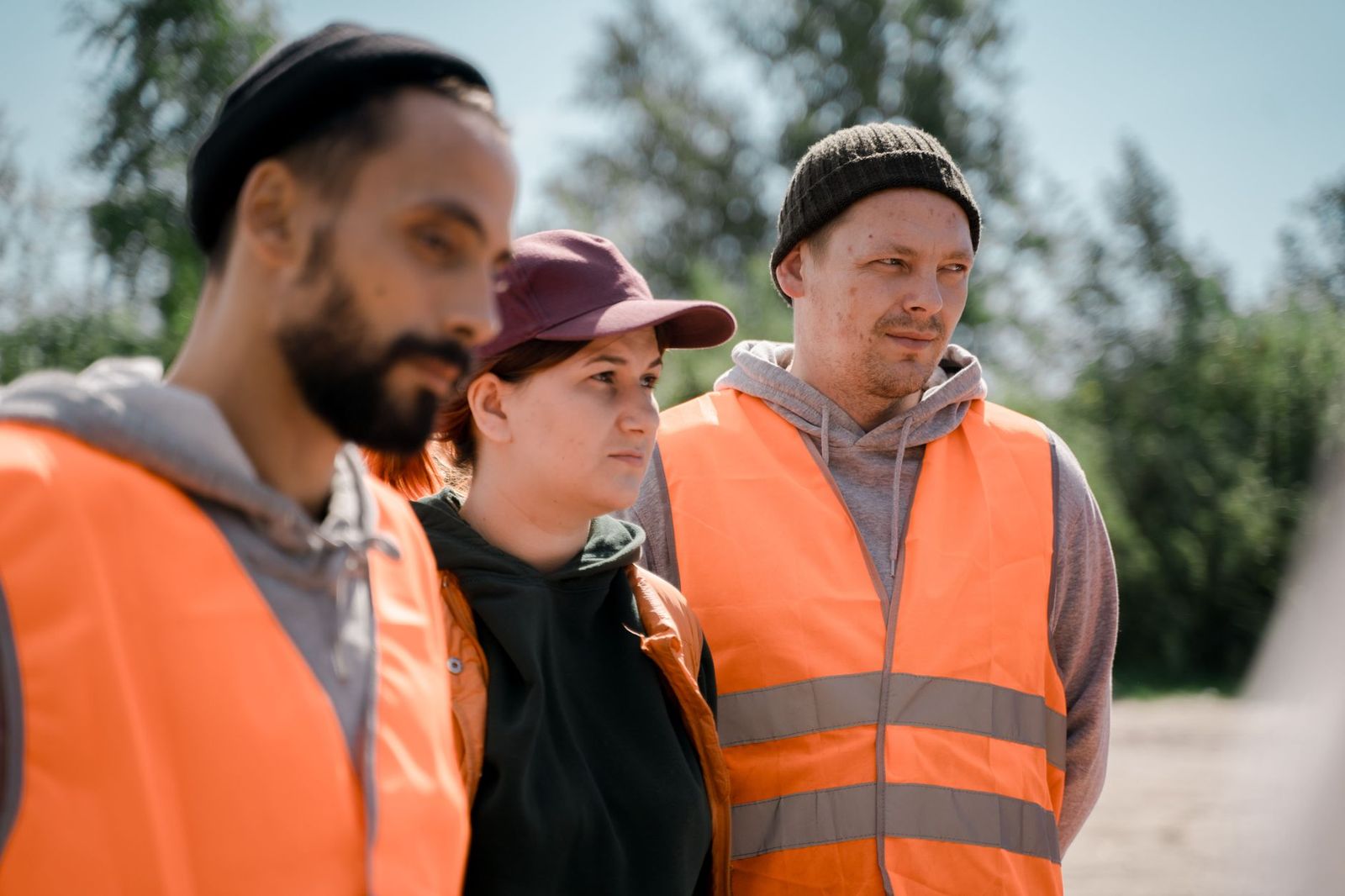
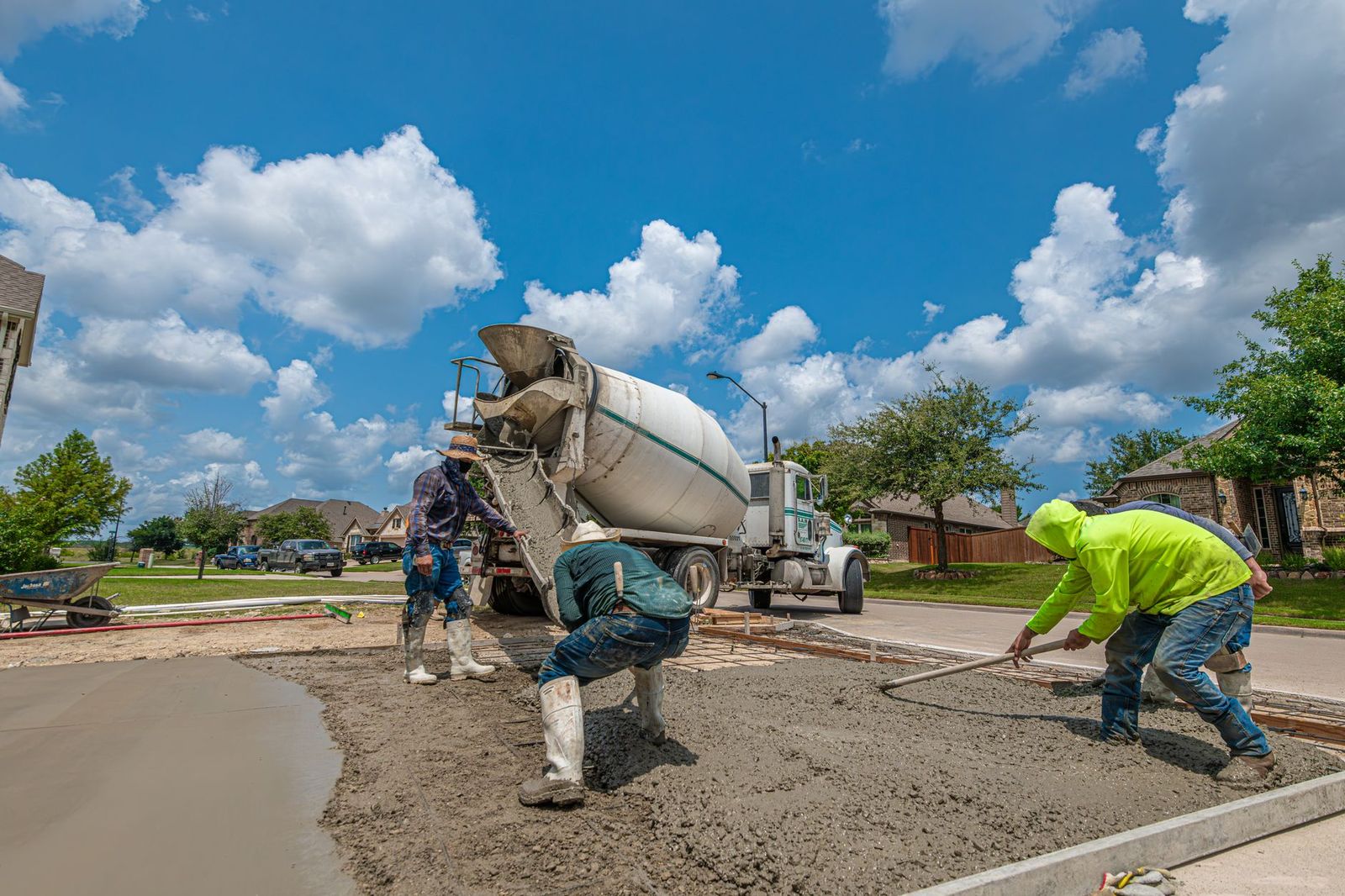
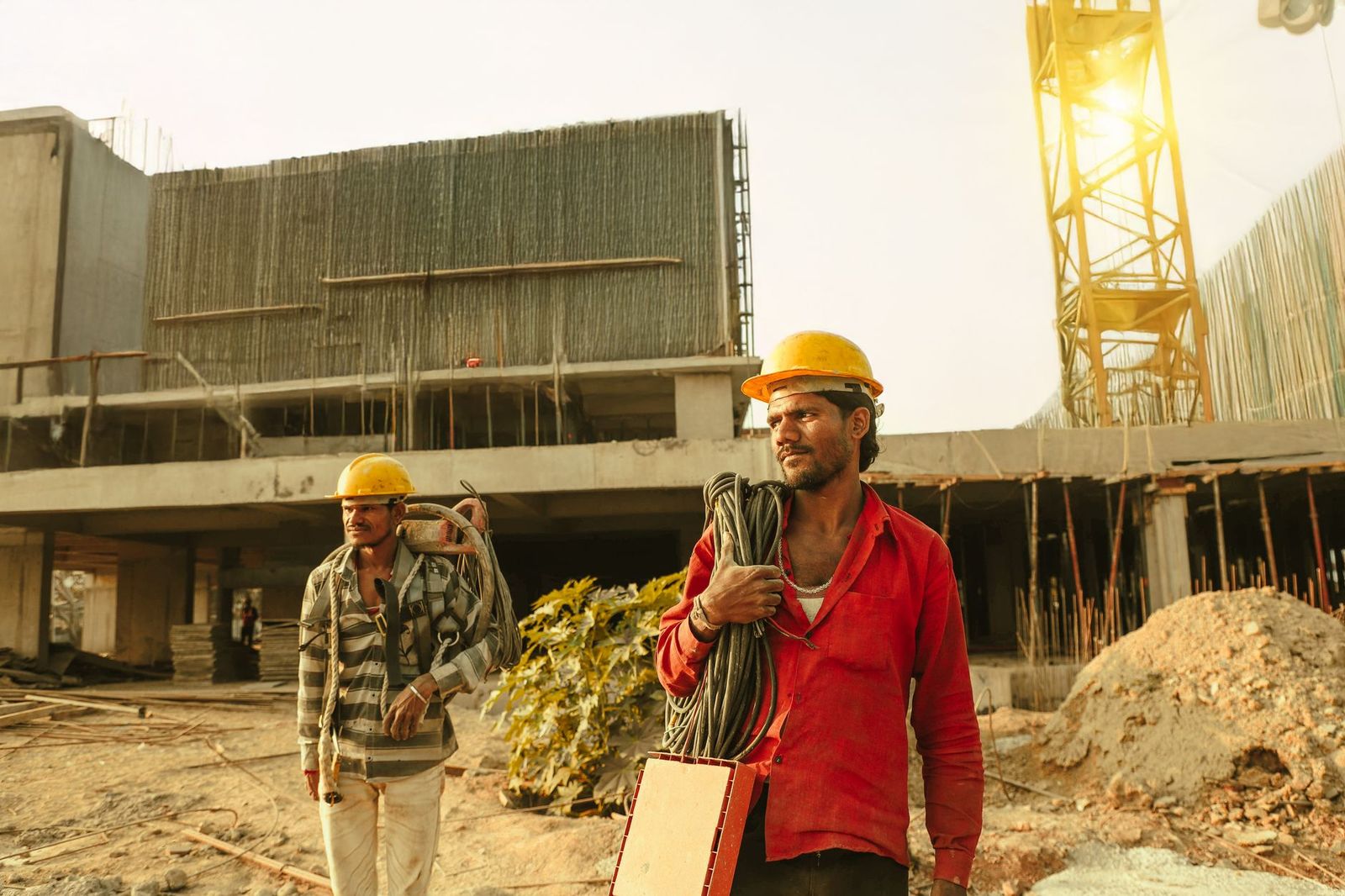
Coverage of these projects ties the surge to nearshoring, as manufacturers move production out of Asia and into northern Mexico. El Paso sits on the American side of that manufacturing shift, directly across the Rio Grande from Ciudad Juárez. New parks here are laid out for heavy truck traffic and short trips to the customs lots. That kind of build keeps concrete crews and electrical crews on site from ground work through final inspection. Local hiring cannot cover every trade on industrial jobs this size, and one El Paso contractor told KTSM it needs at least 50 more workers just to keep pace, and some local tradespeople leave for oilfield pay in Midland. Out-of-town crews fill that gap, and each of those workers needs a bed near the job. Our construction crew bunkhouse trailers put 12 of them on site in each 34 ft unit.
Portable Sleeper Trailers for Oilfield Crews Staging From El Paso
The Delaware Basin is the western and deepest part of the Permian Basin, covering roughly 6.4 million acres. It stretches from Eddy and Lea counties in southeastern New Mexico down into far West Texas. Culberson County is the Texas portion closest to El Paso, while Reeves and Loving counties, farther east, rank among the most actively drilled counties in the United States.
Culberson County sits about 110 miles east of El Paso on Interstate 10, by way of Van Horn. That puts El Paso closer to the western side of the play than any other metro area of real size. Crews and equipment routinely stage out of El Paso for that work instead of Midland and Odessa, which sit much farther east. The city offers the fuel and parts suppliers a remote job depends on.
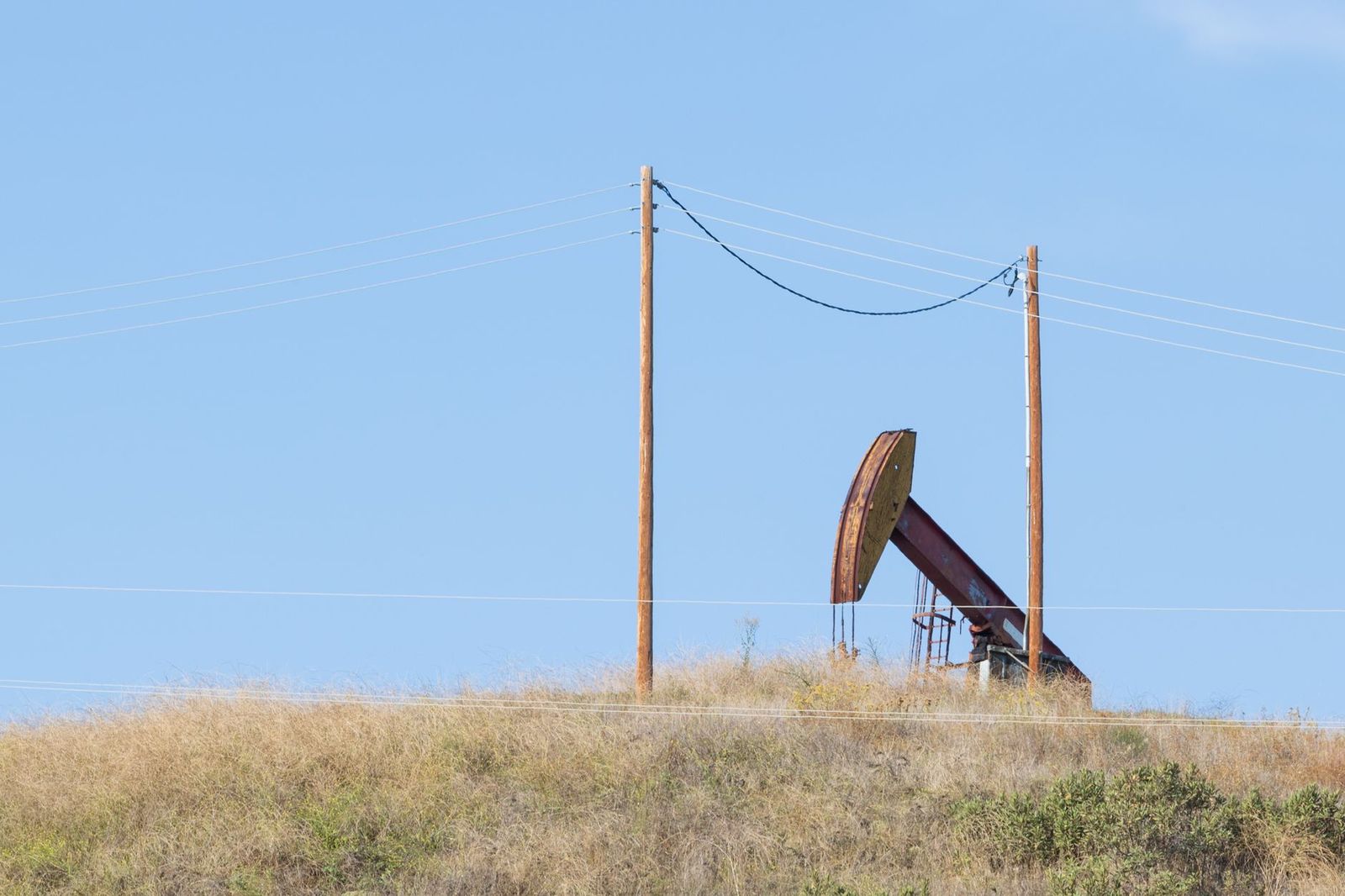
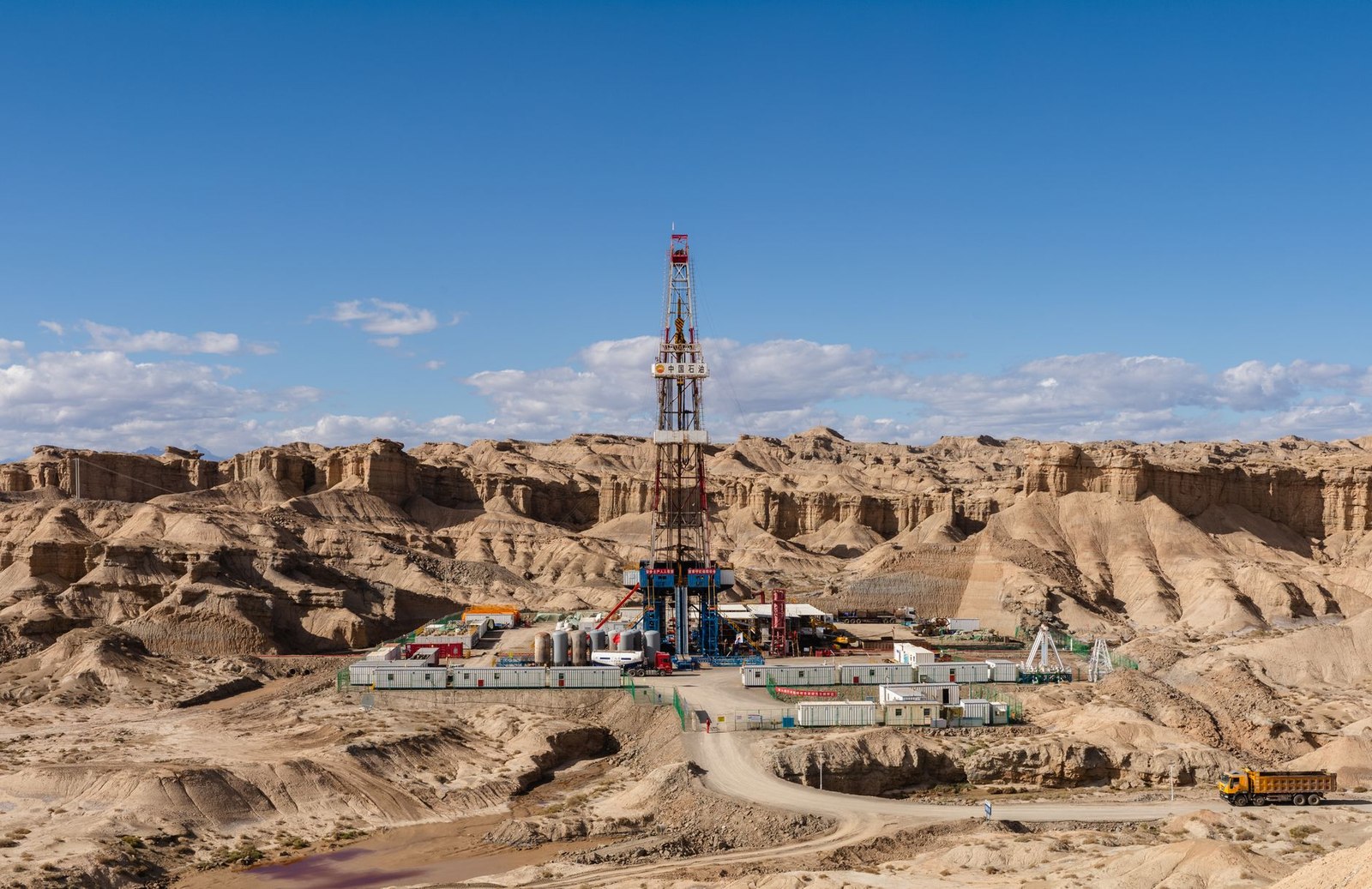
Wells here target the Wolfcamp and Bone Spring formations with long horizontal laterals. The Wolfcamp alone is 3,000 to 4,000 feet thick, and it tops 6,000 feet in parts of Reeves and Loving counties. Drilling and completion work continues around the clock on 12-hour shifts, and many crews follow a 14-7 hitch, meaning 14 days on the job and 7 days at home. A rig crew of 12 to 24 people fits in 1 or 2 trailers, depending on whether each shift keeps its own bunks. Putting those bunks at the pad removes a drive of close to 2 hours each way from an El Paso hotel. Our oilfield crew housing trailer rentals reach pads on the Texas and New Mexico sides of the basin. Gathering lines and compressor stations follow the wells, which keeps midstream crews in the area too.
Crew Sleeper Trailers for Highway and Rail Work on the I-10 Freight Corridor
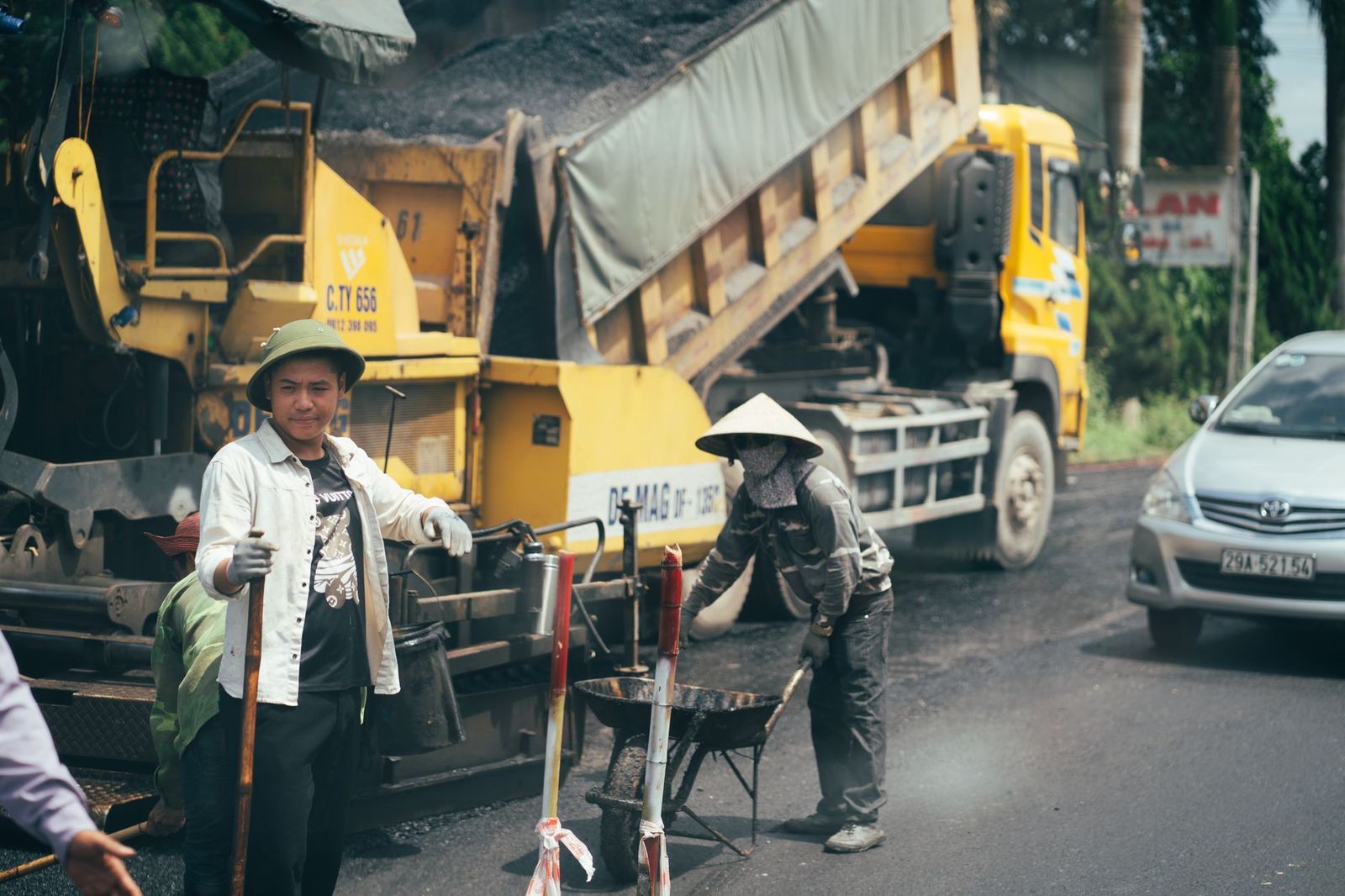
More than 800,000 commercial trucks a year cross at the Bridge of the Americas and Ysleta-Zaragoza, together with the Santa Teresa crossing in New Mexico. That works out to roughly 2,192 trucks a day, and TxDOT projects more than 4,300 trucks a day across the region's five ports of entry by 2045. Growth on that scale keeps road and rail crews working around the city for years.
The TxDOT Reimagine I-10 study covers 55 miles of highway, from the New Mexico state line to FM 3380, and its study area takes in all five of the area's international bridges. Any widening that comes out of the study means long-running road crews on the corridor, many of them from out of town. Night paving crews on a job like that need dark, quiet bunks during the day.
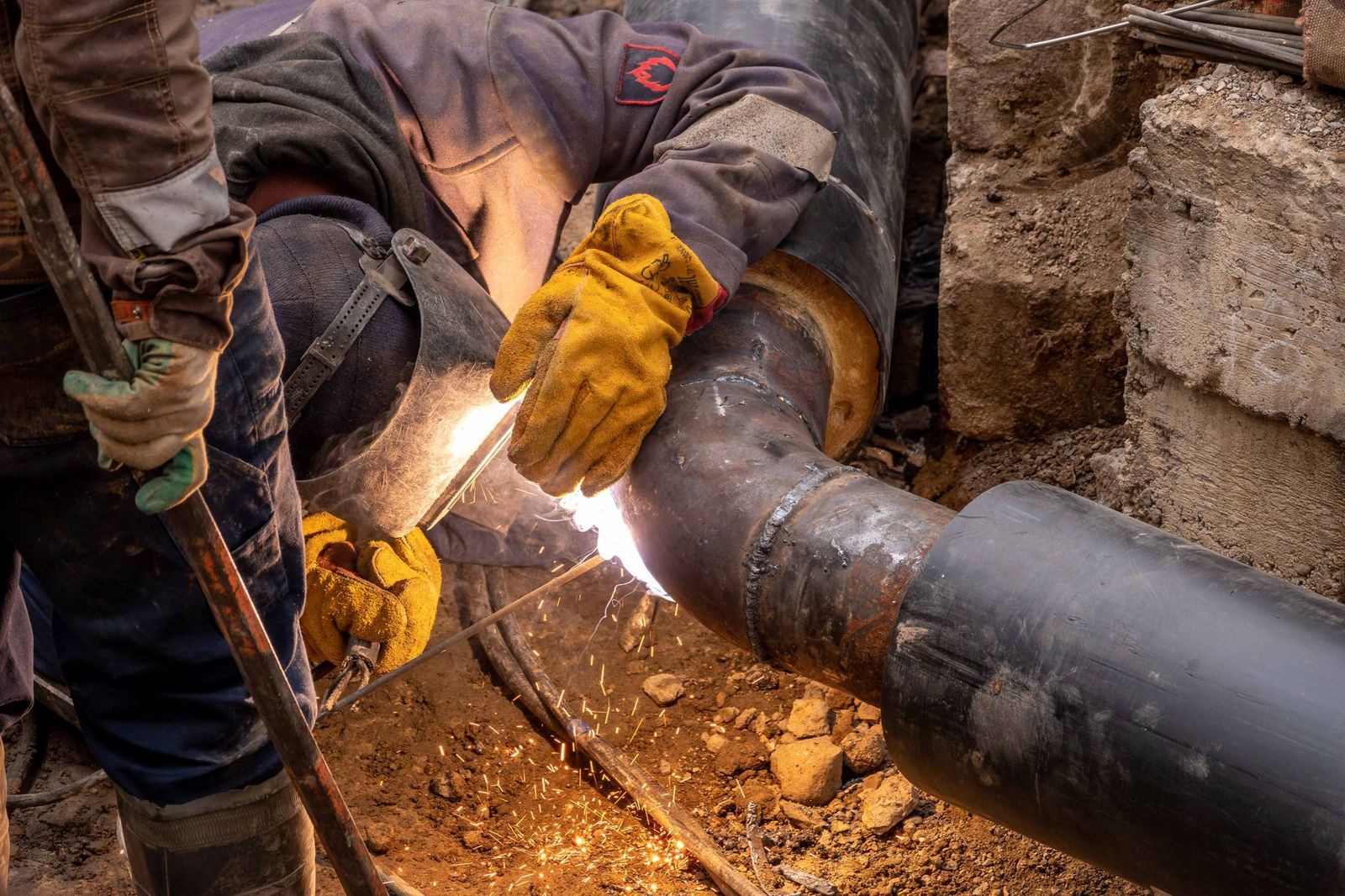
Rail construction adds its own workload, since the Union Pacific Sunset Route and the BNSF main line both pass through El Paso, feeding intermodal yards that handle freight from the crossings. Across the state line, the Union Pacific intermodal complex in Santa Teresa covers nearly 2,200 acres along four miles, with 74,000 feet of track and room to grow. Track crews and yard crews on expansions there often work long shifts far from open hotel rooms. Santa Teresa sits about 13 miles from El Paso and about 42 miles from Las Cruces. Most people who live there work at the Border Industrial Complex or for the railroad. A crew sleeper trailer can move from an El Paso yard to a Santa Teresa site with the same crew inside it. Dispatch handles the move and sets the trailer up again at the new address.
Bunk Trailers for Framing Crews on El Paso County Subdivisions
El Paso County reached an estimated 877,858 residents in 2025, while the city itself counted roughly 680,000. Census figures show the city total edging down as the county around it keeps growing. Local reporting ties that shift to a lack of suitable housing inside city limits. The metro area, including Santa Teresa and Sunland Park, reached about 1,006,000 people.
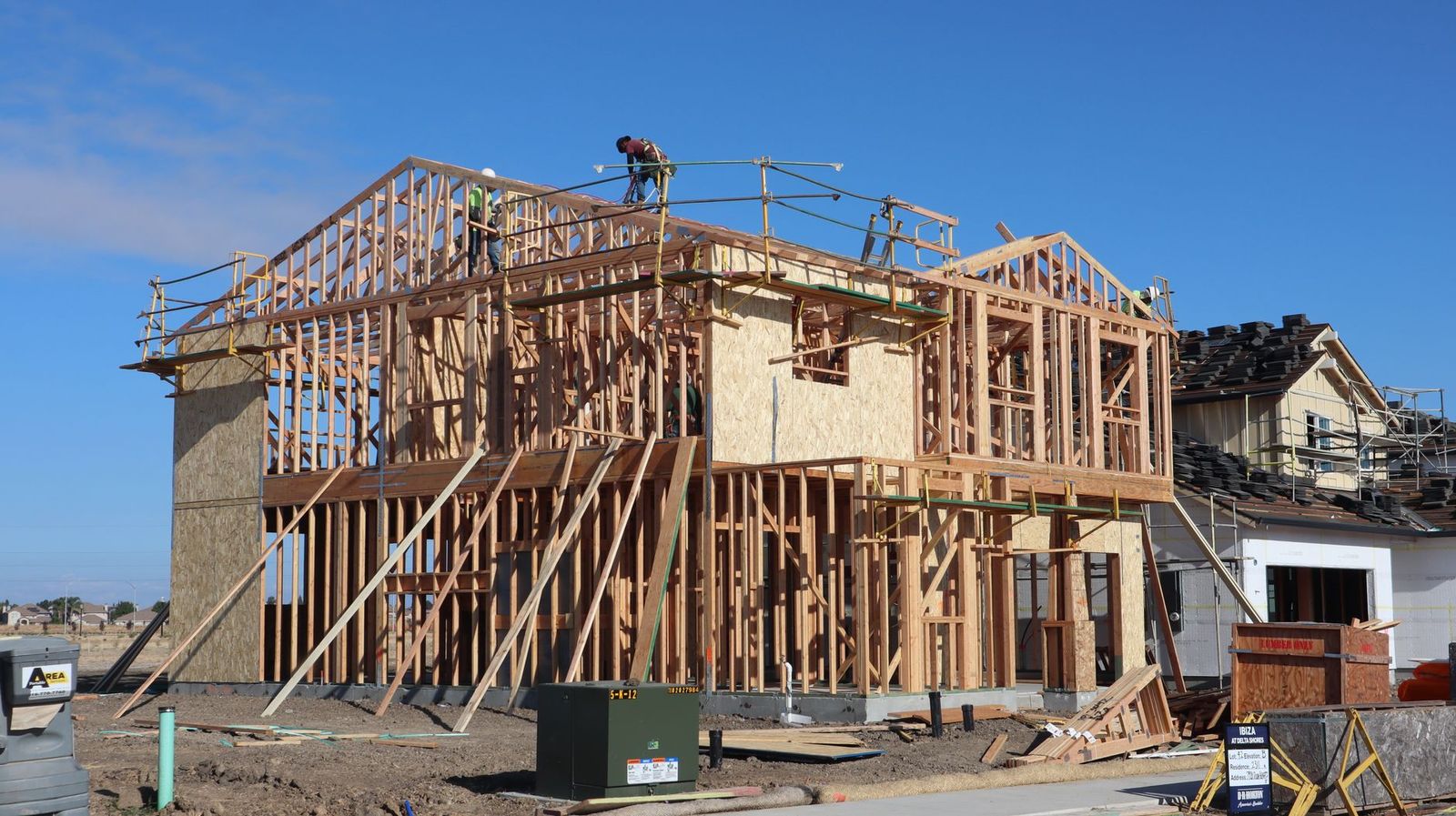
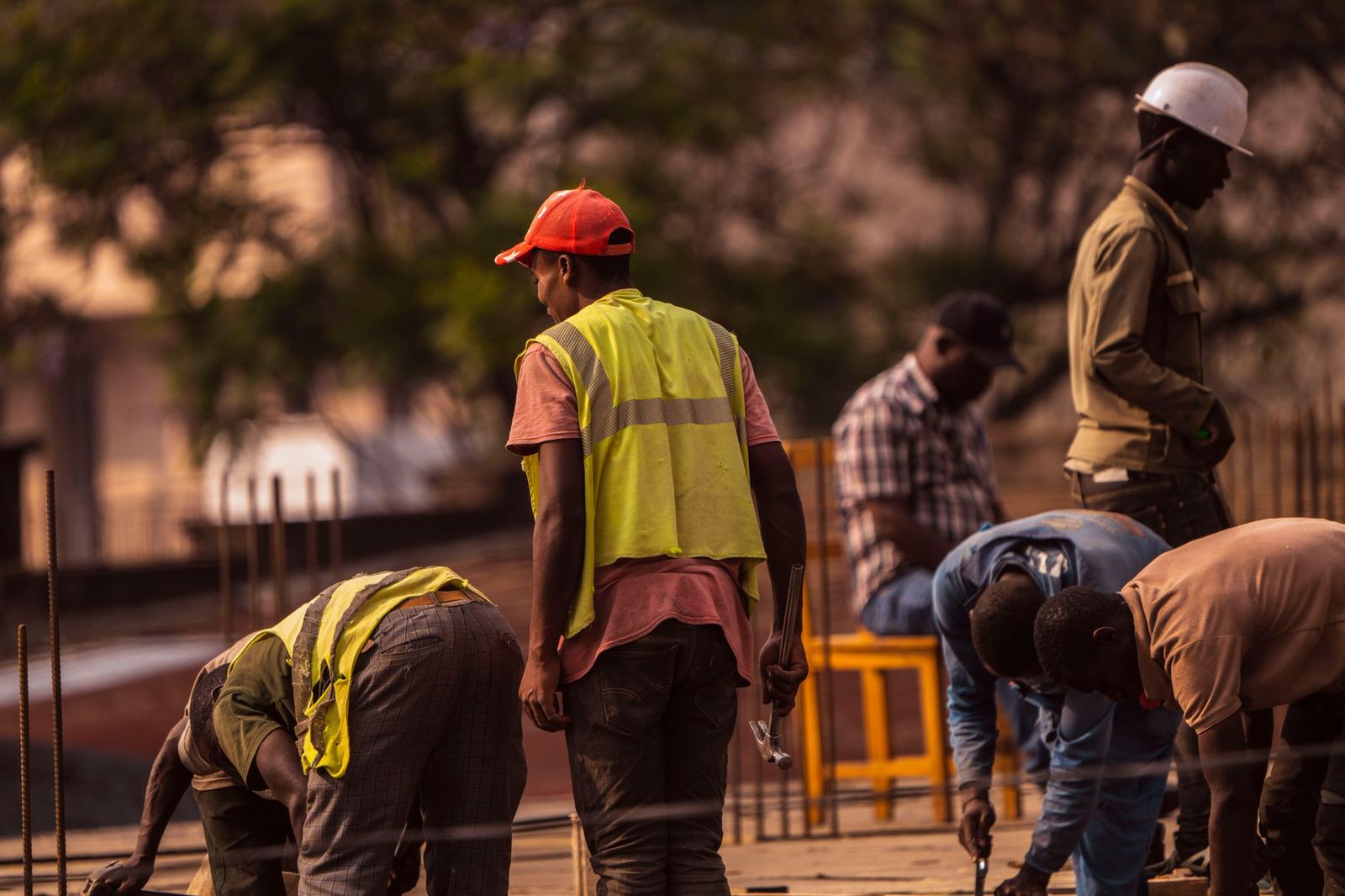
Home builders say they cannot build enough single-family homes to meet demand, and local reporting describes that shortage as decades old. As newer subdivisions push out into open desert around Horizon City and Socorro, builders in those areas compete for the same small pool of framing and finish workers, and crews brought in from outside the region help close the gap.
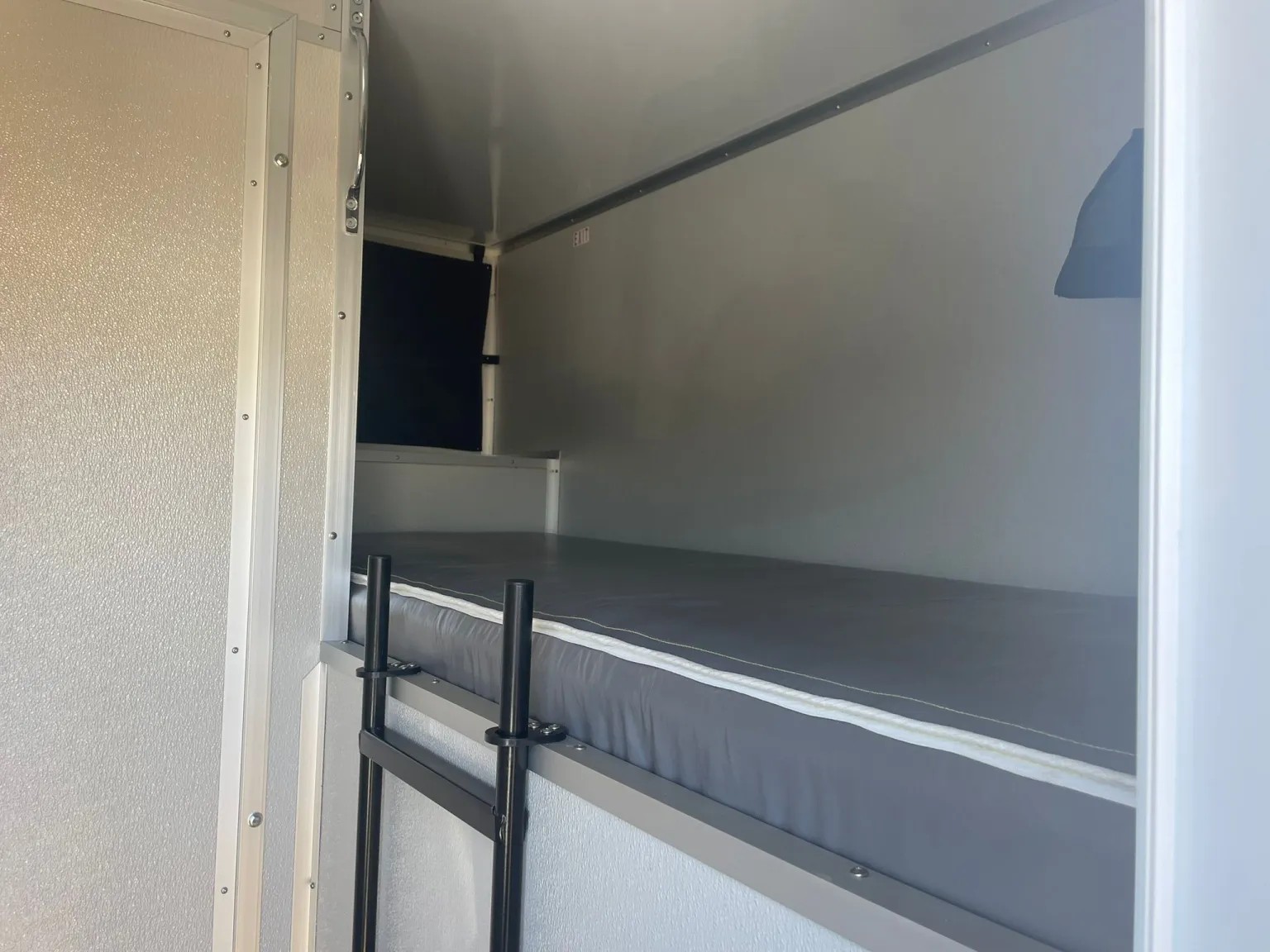
A 2026 affordability report found El Paso County home prices still out of reach for most local workers. Rentals are tight as well, since workers tied to the Juárez manufacturing surge are filling units on the El Paso side. A traveling crew of 12 rarely finds enough short-term rentals near one subdivision, and hotel rooms on the east side of the county are limited too. A bunk trailer parked in the builder's staging lot keeps a framing crew next to the lots it is working. The trailer can move to the next phase once the streets and pads there are ready. Heat and air conditioning cover both summer afternoons and cold desert mornings before an early start. Each worker keeps gear in the storage compartment at the bunk, so nothing gets left in the truck overnight.
Why Climate-Controlled Crew Quarters Matter in El Paso
El Paso sits in the Chihuahuan Desert, with a hot, dry climate for most of the year. The city's 2024 average temperature of 69.9 degrees ran 3.7 degrees above the 1991 to 2020 normal and set an annual record. Summer 2025 was about 2 degrees cooler, yet it still beat all but seven summers in almost 140 years of records. A night crew trying to sleep through that afternoon heat needs a cool bunk room with steady air conditioning.
Windy season lasts from late winter into spring, and 2025 set a new mark for it. El Paso logged 12 dust storms that year, with more hours of near-zero visibility than the whole period from 2000 through 2021 combined. A haboob pushes a wall of dust ahead of thunderstorm winds, with gusts of 30 to 45 mph. Visibility can drop under a mile within minutes, which makes a long commute on Interstate 10 a real hazard.
Desert nights turn cold in winter, even after a mild afternoon, so the 3 AC units in each climate-controlled bunkhouse trailer also carry heat, and the smart thermostat can hold one steady setting all night. Crews coming off a long shift in either season walk into a room that is already comfortable. That steady room helps each worker get real sleep before the next 12 hours on site.
One Crew Housing Plan for Both Sides of the State Line
Santa Teresa sits about 13 miles from El Paso, and Anthony straddles the Texas and New Mexico line. A job that starts at an El Paso yard and moves to a Santa Teresa rail site can keep the same trailers. We deliver to all 50 states, so dispatch schedules the move and sets the trailers up again at the new address. Call (888) 828-7765 a few days before the crew moves so the new spot is ready.
El Paso Crossings and Project Districts Shaping Crew Housing Demand
- Bridge of the Americas: The Bridge of the Americas is the only toll-free crossing in El Paso, and the federal government owns it. GSA issued its request for proposals for design and construction on January 26, 2026, noting that much of the port has reached the end of its life cycle. A multi-year rebuild at a live crossing leaves very little room on site for anything but the work itself.
- Ysleta-Zaragoza crossing: Built in 1938, this far southeast crossing now carries far more truck and car traffic than it was designed for. The City of El Paso is funding a feasibility and design study through its TED Fund. The study looks at a possible third bridge and redesigned cargo lots for customs inspection.
- Tornillo port of entry: The Fabens port of entry closed in November 2014, and its traffic moved to the Tornillo crossing and its bridge to Guadalupe, Chihuahua. Tornillo counted only 1,432 residents in 2020, so any crew working near that crossing is far from the nearest block of hotel rooms.
- Santa Teresa industrial land: A Texas developer recently closed on 272 acres of industrial land four miles north of the Santa Teresa port of entry for a planned industrial park. A separate connector road between Santa Teresa and Sunland Park is moving forward to ease border traffic. Both projects will need construction crews on the New Mexico side of the metro area.
- Downtown El Paso bridges: Downtown El Paso connects to Ciudad Juárez through several pedestrian and vehicle bridges, separate from the freight crossings. Because lots in the central city are tight, a crew on a downtown project may need its bunk trailers at a contractor yard a short drive away.
Work Rules and Placement Checks for El Paso Crew Housing
Job sites in El Paso answer to federal OSHA, which covers every private worksite in Texas. For heat, OSHA currently enforces through its General Duty Clause while a heat injury and illness rule sits in the proposal stage. The proposal, published August 30, 2024, would trigger protections at 80 degrees and call for rest breaks once the heat index tops 90, as the OSHA heat rulemaking page explains. A cool bunk room gives a crew a real place to recover between summer shifts.
Temporary power at a remote pad or a new industrial lot must meet the ground-fault rule in OSHA standard 29 CFR 1926.404, section (b)(1). That rule calls for GFCI protection or an assured equipment grounding conductor program. Temporary wiring also follows Article 590 of the National Electrical Code as the local jurisdiction adopts it. Utility service at a new site takes permits and lead time, so many remote jobs start on a towable generator.
Federal trucking rules give drivers who work only for oil and gas well sites a 24-hour restart of their duty clock, instead of the usual 34 hours. Time spent waiting at a well site can also count as off duty. For a crew staged near Van Horn, a bunk at the pad lets those drivers spend the restart asleep instead of driving to El Paso and back, so confirm placement with the lease owner before the trailers roll.
What a Typical Setup Looks Like
Warehouse superintendent, 48-person crew, East El Paso logistics park
When a tilt-wall building reaches peak buildout, a typical plan puts 4 trailers in the contractor's laydown area near the site entrance. Each worker keeps the same bunk for the whole push, and the thermostats are set before the first crew arrives. The trailers stay until the finish trades wrap up, then move to the next building on the same site.
Completions supervisor, 24-person crew, Culberson County pad
When a completion job goes day and night east of Van Horn, the plan usually calls for 2 trailers at the edge of the pad. Day shift and night shift each keep 12 dedicated bunks, so nobody shares a bed between shifts. Parts and supplies come out from El Paso on the same trucks that bring the crew.
Rail yard project manager, 36-person crew, Santa Teresa
When a track and yard expansion starts in Santa Teresa, a common setup places 3 trailers on firm, level ground at the edge of the work area. For a spring start, the site plan accounts for tie-downs and keeps the trailers clear of loose fill piles that blow in strong wind. The trailers can shift to the far end of the yard as the work moves.