

How to Plan Crew Housing in Bakersfield
Mobile Bunkhouse Trailers for Oil Lease Crews Around Bakersfield
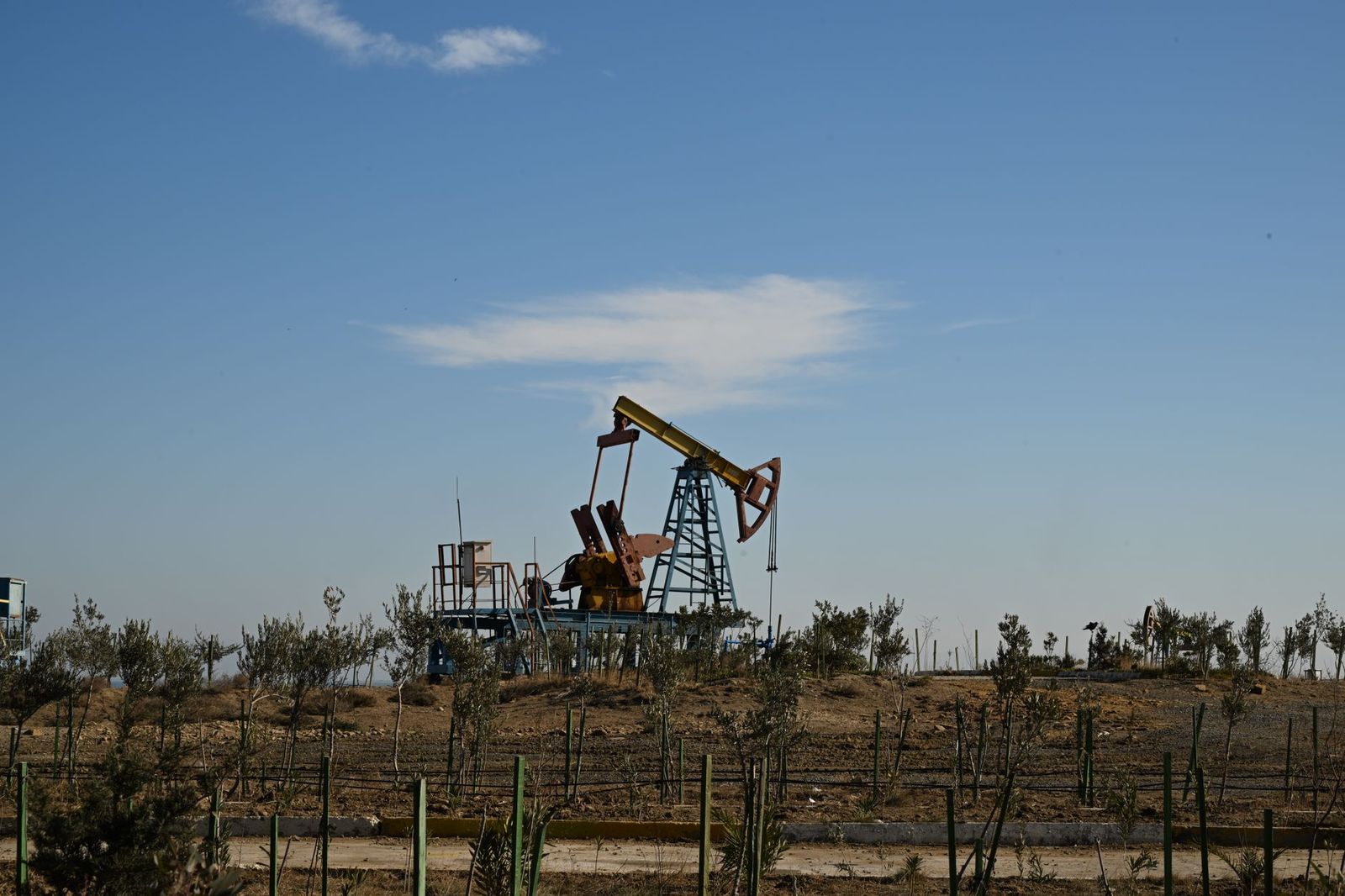
Oil production surrounds Bakersfield on almost every side. The Kern River Oil Field alone covers 10,750 acres of low hills north and northeast of downtown, ranking third in California by size. Much of the Oildale community sits right on top of it, with the Kern Front field next door. Crews servicing wells there can reach the job from anywhere in the city. Several companies still run crews on overlapping schedules across the same field, which keeps steady demand for rooms on the north side all year.
The commute gets longer toward the west, where Elk Hills sits about 20 miles from town. California Resources Corporation now works that field following its 2024 merger with Aera Energy. Taft is about 37 miles southwest, in the middle of the Midway-Sunset field, which was discovered in 1894. The Buena Vista field sits close by toward McKittrick, and the Belridge fields reach farther northwest near Lost Hills.
Kern County wells produce about 66 percent of the crude oil pumped in California. More than 13,000 county residents work in oil and gas, and close to 7 percent of all jobs in the Bakersfield area tie back to petroleum. When a drilling push or a round of well repairs brings in an outside crew, those workers compete for the same hotel rooms as everyone else in town. A mobile sleeper trailer on the lease or a nearby yard takes that crew out of the hotel hunt completely.
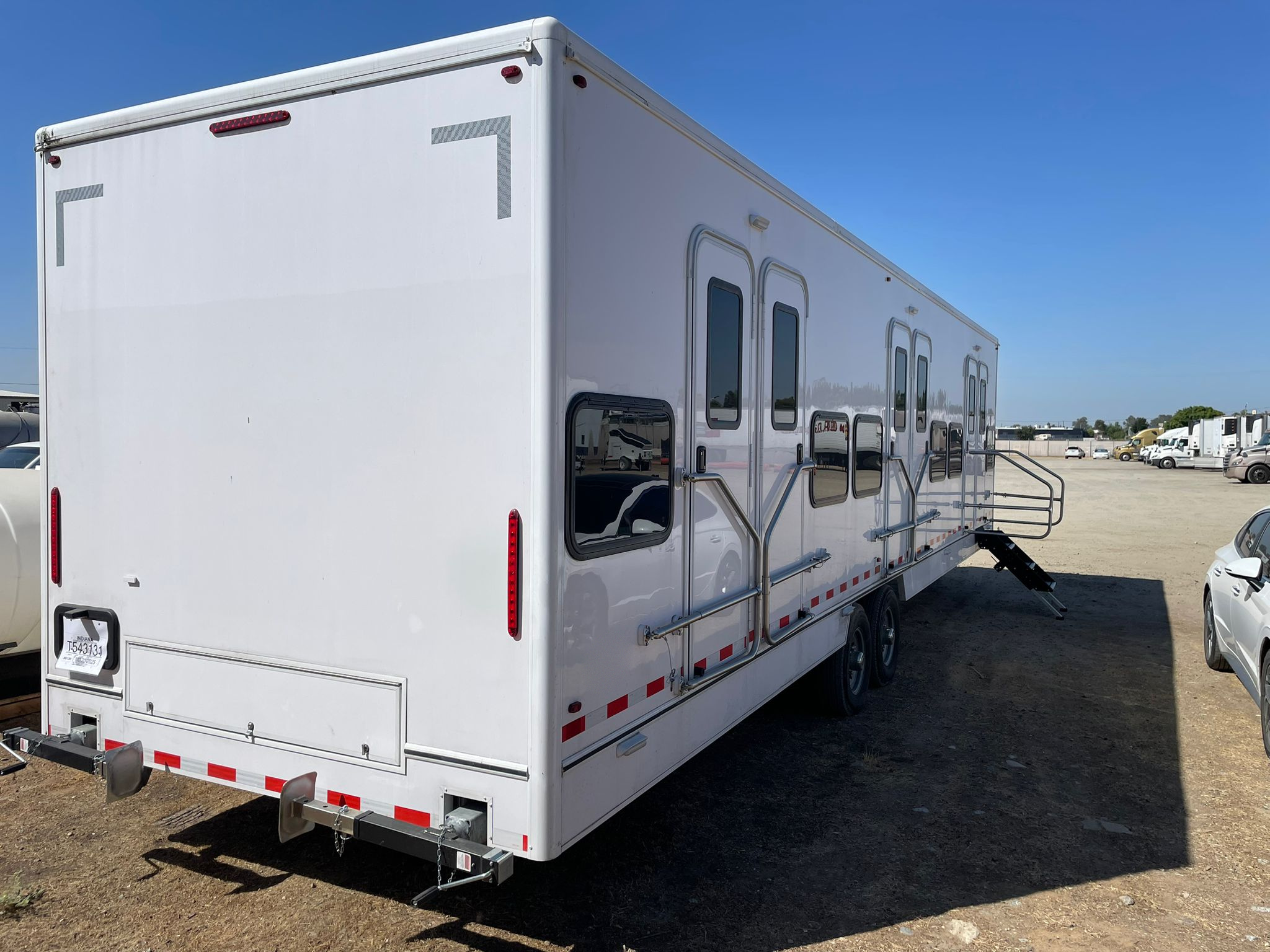
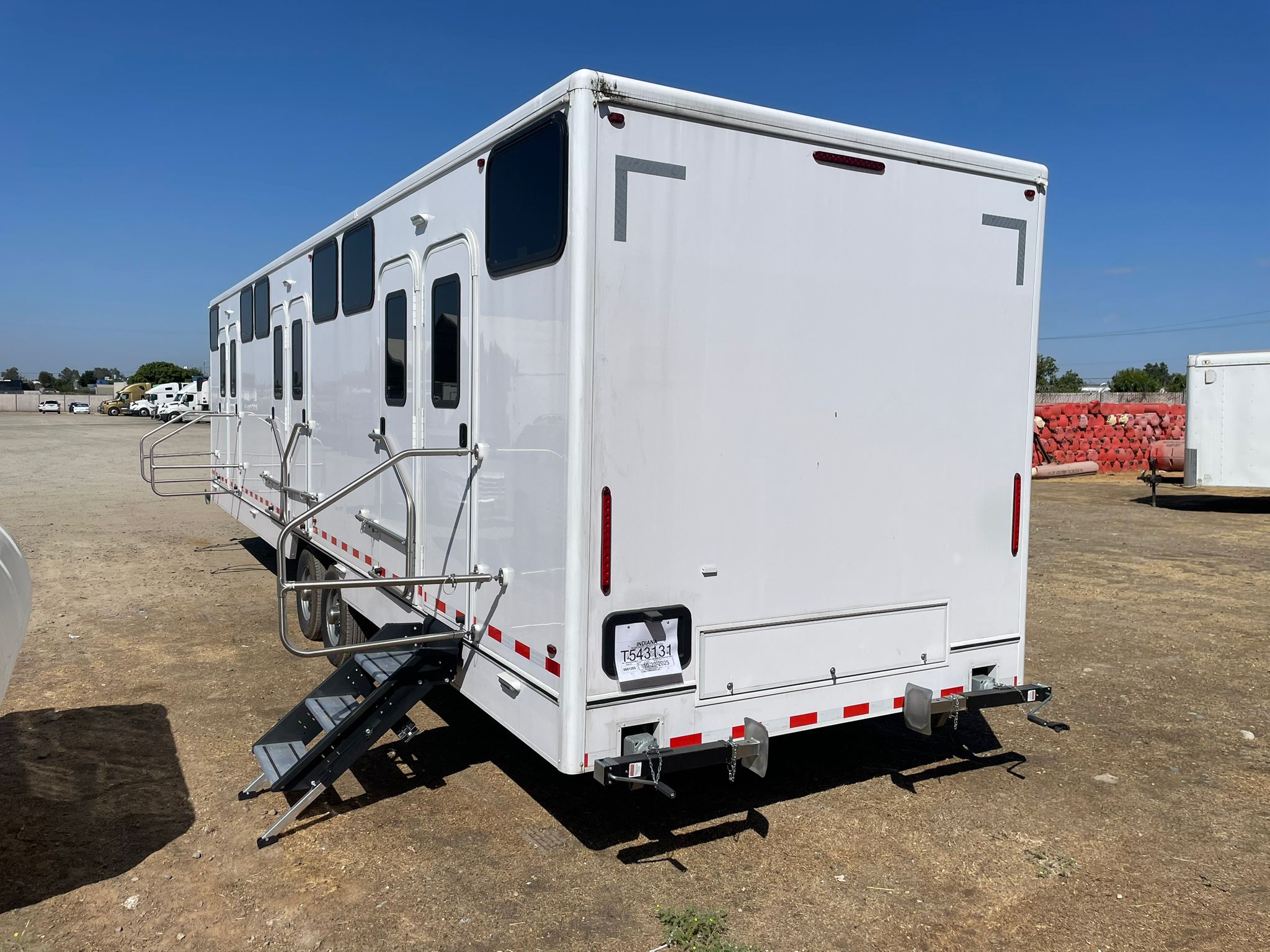
Lease roads around Elk Hills and Taft are often dirt, and summer afternoons out there are hot and dry. We deliver down the lease road, level the trailer on the pad and connect it to lease power or a generator. A 24-person crew fits in 2 trailers with a dedicated bunk for each worker. Our page on oilfield crew housing trailers explains rotation planning for longer jobs on the lease.
Temporary Crew Housing for the High-Speed Rail Build North of Bakersfield
Bakersfield marks the southern end of the active Central Valley construction segment of the California High-Speed Rail Authority. The Authority first planned a downtown station near F Street and Golden State Avenue. Its 2026 business plan moves that to a temporary station about five miles north, near 7th Standard Road, while permanent station work continues. That change pushes much of the local construction toward the north edge of the metro.
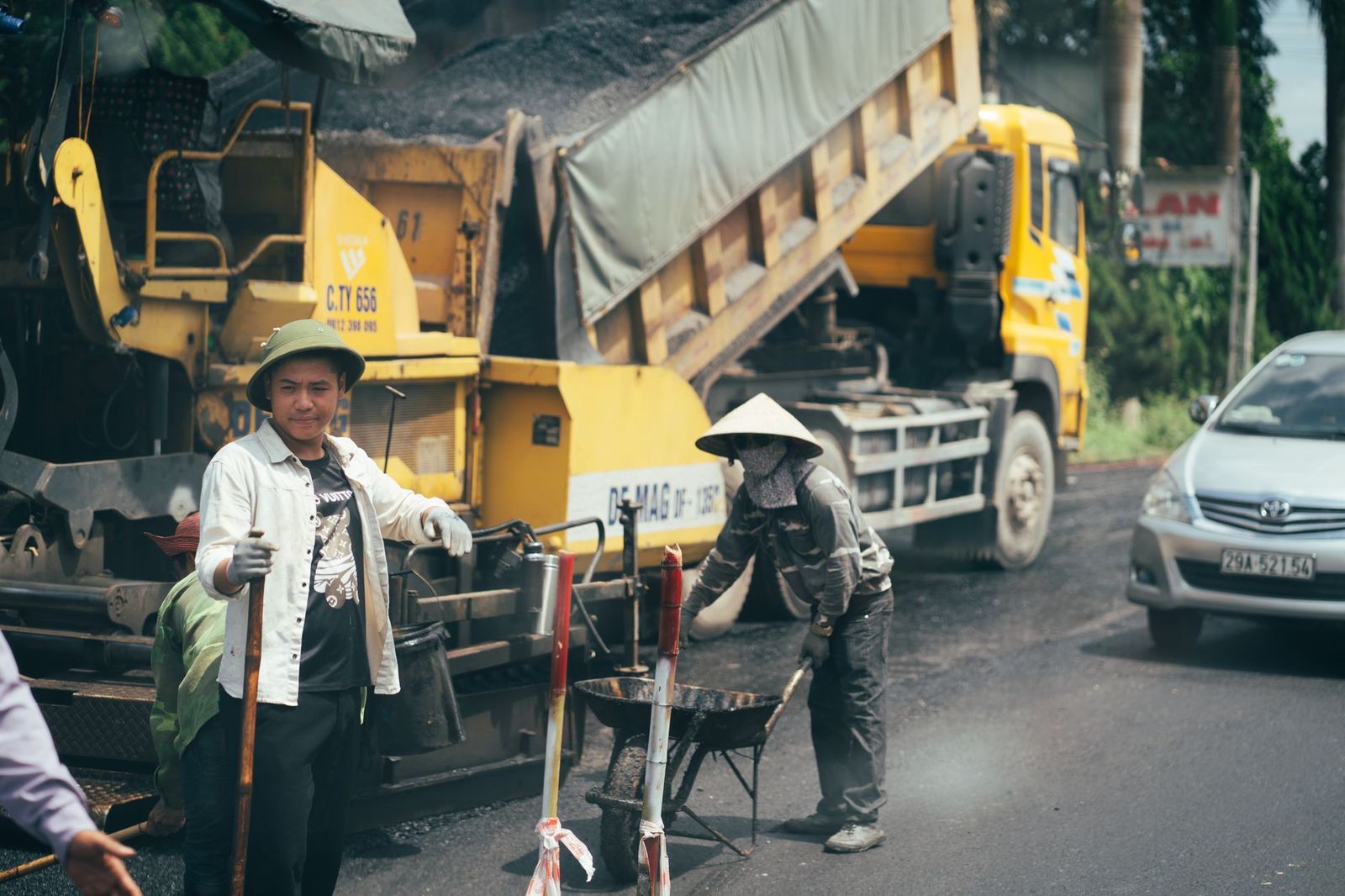
In February 2026 the Authority finished a 150-acre Southern Railhead Facility in Kern County. The site stages track materials and equipment for the 119-mile Central Valley build, which has more than 25 active work sites. Trenching and viaduct crews arrive in phases that can last for months. Each new phase brings another group of workers who need beds close to the yard.
The communities along this stretch are small, and Delano and McFarland sit directly in the path of the rail line along Highway 99. Neither town has hotel inventory built for a construction project that lasts years. Crews can stay in Bakersfield, yet a daily drive up Highway 99 eats into the shift on every day of a long phase. A temporary crew housing trailer on the staging yard puts the crew a short walk from the work.
Rail construction phases also change size quickly, and a structures crew of 60 fits in 5 trailers with a dedicated bunk for each worker. When the phase grows, a sixth trailer adds 12 more beds with the same layout. When the phase winds down, dispatch picks up the extra trailers and leaves the rest in place for the finish work.
Heated Sleeper Trailers for Fire Camps in the Kern River Valley
The Kern River Valley sits about 40 to 50 miles northeast of Bakersfield, reached by State Route 178 through Kern Canyon. Kernville and Lake Isabella sit in this valley below the southern Sierra, along with smaller places such as Wofford Heights. The canyon road is narrow and slow, and fire season in these mountains lasts for months.
The Borel Fire started on July 24, 2024, and burned about 59,300 acres, a Kern County record at the time. Evacuation orders reached Kernville and Wofford Heights, and Highway 178 closed through the canyon. Sequoia National Forest managed the fire under Unified Command with CAL FIRE and the Kern County Fire Department. A later River Fire in the same area burned 2,331 acres in remote country with difficult access.
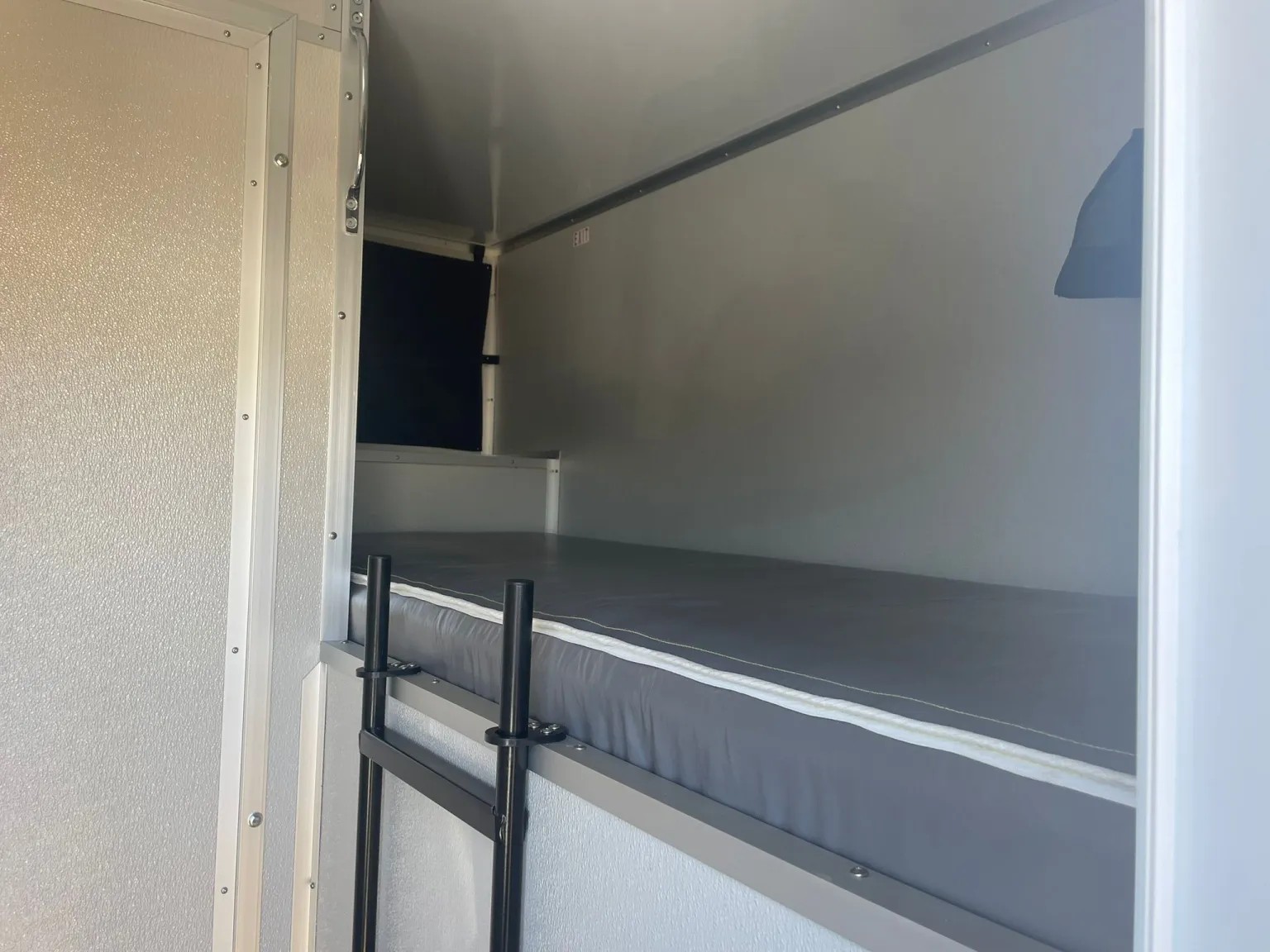
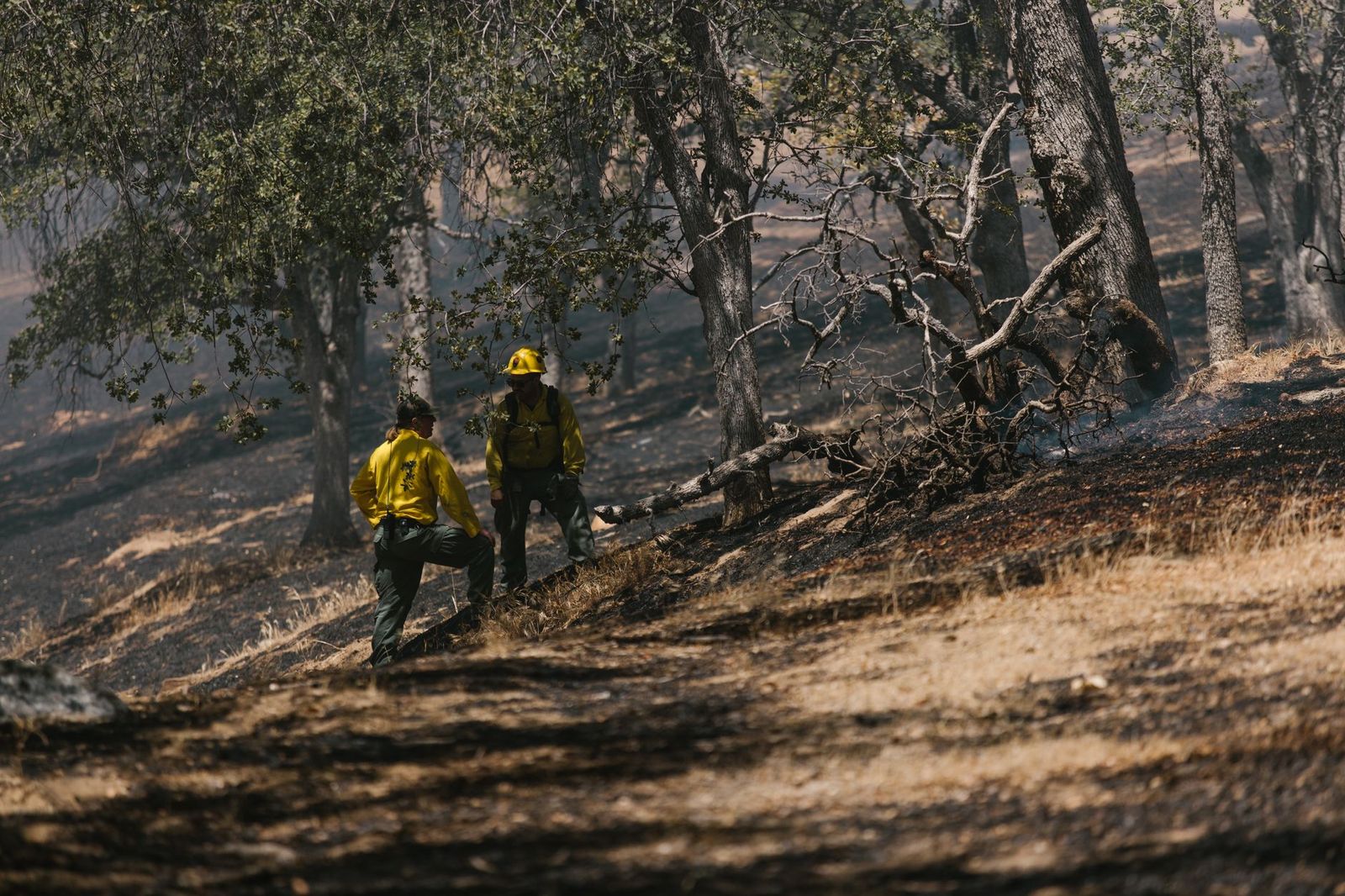
A fire camp in this valley faces a practical problem. The closest city with real hotel capacity is Bakersfield, at least 40 minutes away on a canyon road that may be closed. A crew finishing a shift at midnight should not face that drive. A heated sleeper trailer at the camp gives each firefighter a real bunk with a light and a charging outlet beside it.
A standard hand crew of 18 to 20 people fits in 2 trailers with a few bunks to spare. Three crews of 12 fit in 3 trailers, and each crew can sleep together on its own schedule. Our fire camp bunkhouse trailers page covers camp layouts and crew counts in more detail.
Portable Bunk Trailers for Wind and Solar Crews East of Bakersfield
Tehachapi sits about 35 miles east-southeast of Bakersfield, roughly an hour up Highway 58. The Tehachapi Pass wind farm went up starting in the early 1980s and holds about 3,400 turbines with roughly 710 MW of capacity. The Alta Wind Energy Center next door adds another 1,550 MW. Kern County has also been reviewing proposed wind projects that total 4,600 MW more.
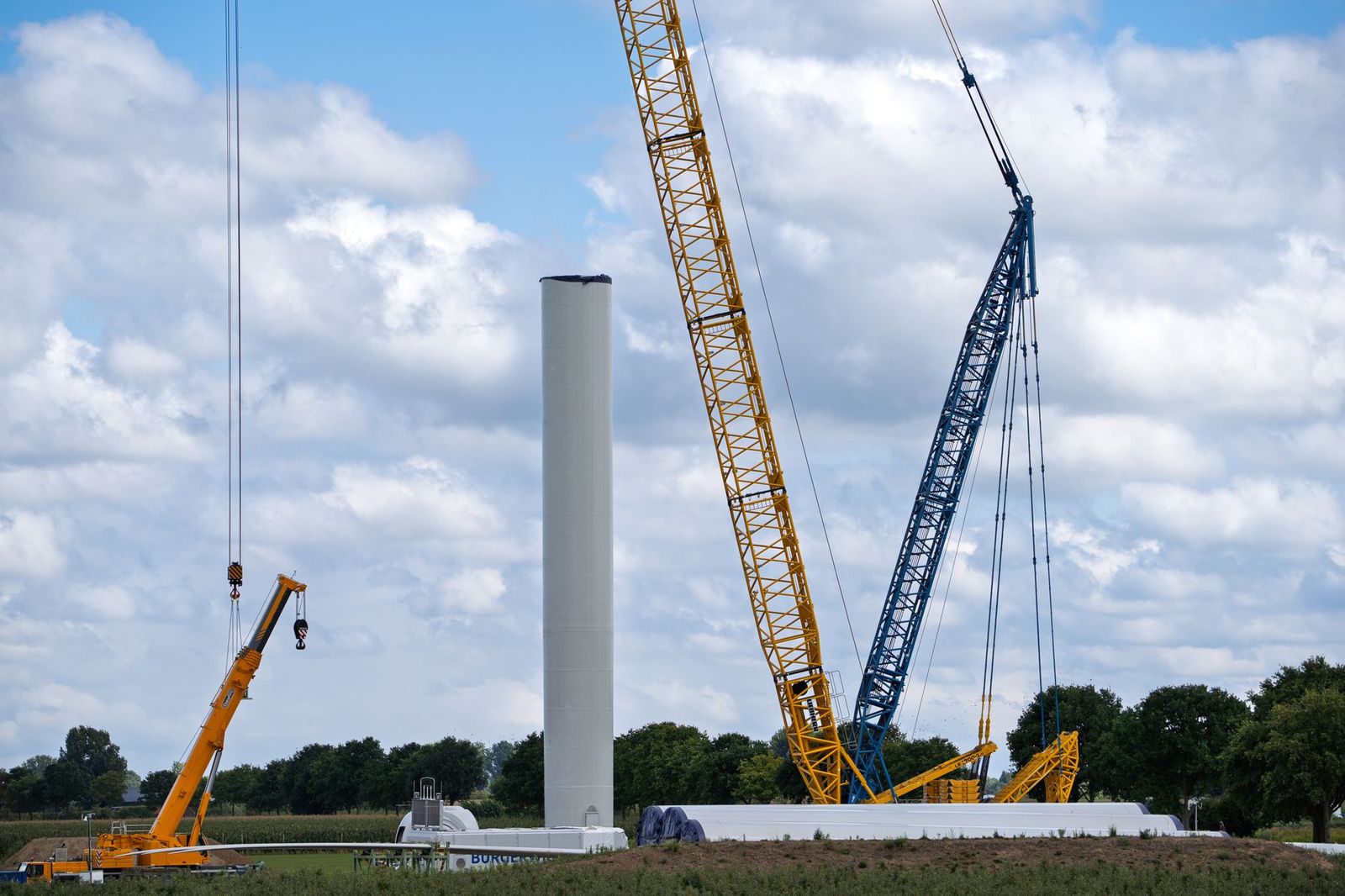
Turbine maintenance keeps the pass busy with crew work all year, since repowering jobs replace old turbines with new ones. Major repairs bring in crane crews and blade teams for weeks at a time. A mid-size crew of 30 to 40 people fits in 3 or 4 trailers without sharing bunks. Wind sites on the ridges often have no town beside them, so the trailer goes on a graded pad near the laydown yard.
Farther out, Mojave sits about 50 miles southeast of the city. Kern County planners have reviewed a 3,500-acre solar array near Mojave rated at about 600 MW. Ridgecrest is more than two hours away by road. Desert solar builds like these draw large crews to ground with almost no lodging nearby, so Bakersfield remains the closest full-service city for parts and fuel.
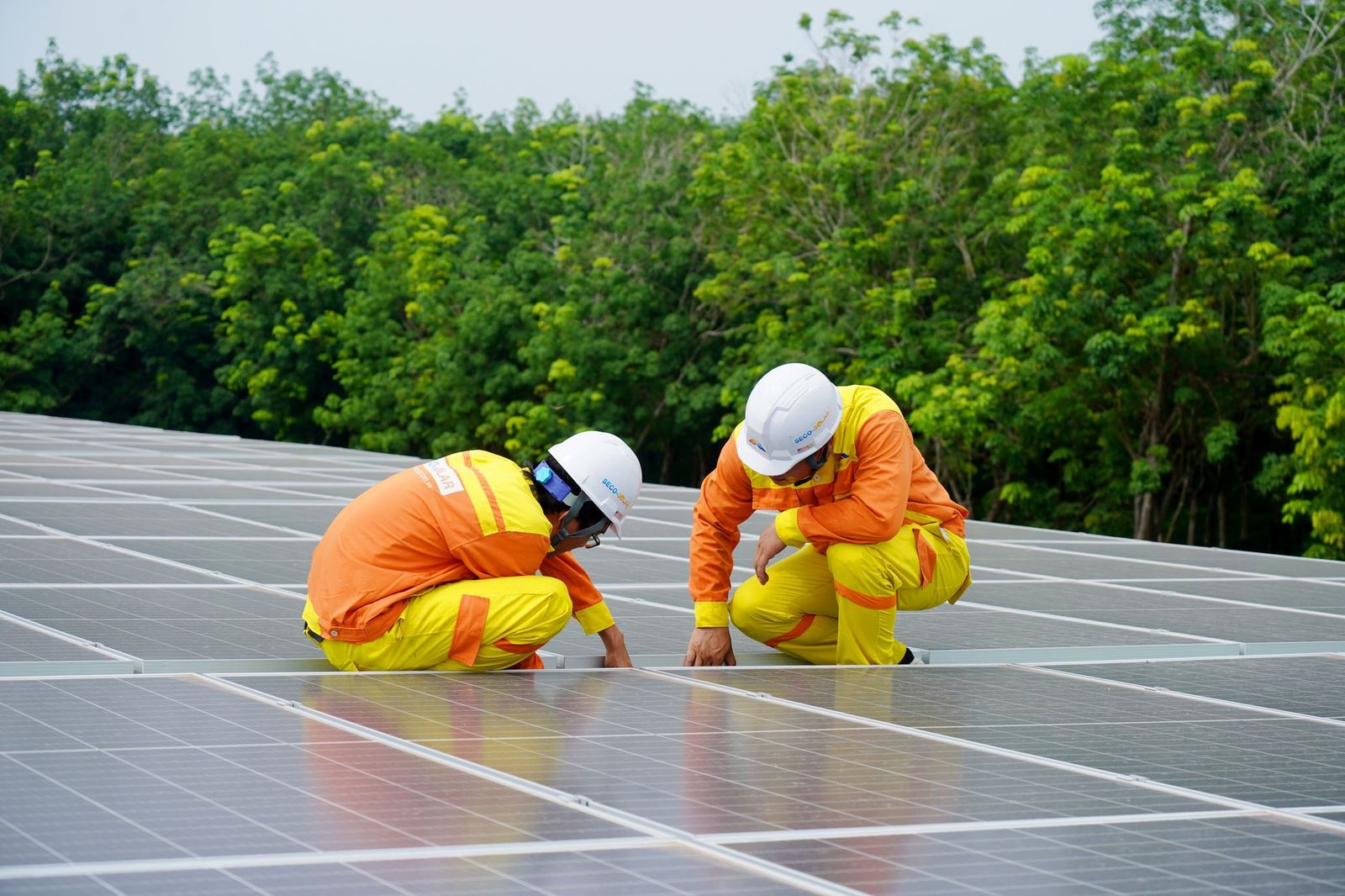
A portable bunk trailer lets a solar crew sleep at the array instead of making that long drive twice a day. We set the trailer on firm, level ground near the site power and point the door away from the afternoon wind when the pad allows it. A 60-person install crew fits in 5 trailers with a dedicated bunk for each worker.
Climate-Controlled Crew Sleeper Trailers for Bakersfield Heat
Bakersfield has a hot, dry climate with clear summers and very little rain. Average daily highs climb from 89 to 96 degrees through the summer months, and July nights only drop to about 69 degrees. The city recorded an all-time high of 114.6 degrees in September 2022. A crew coming off a 12-hour shift on an oil pad walks straight out of that heat, so the sleeping room has to cool down quickly.
All 3 AC units in the trailer switch over to heat, and the smart thermostat holds one setting for the whole room. Winter nights in town rarely fall below 33 degrees, although a job in Tehachapi Pass or the Kern River Valley can still see real snow. The same climate-controlled trailer covers the valley floor in August and the mountain pass in January without a swap.
Heat also shapes the booking calendar, because oil and rail crews keep working through the summer while fire season builds in the same hot months. Harvest crews add to that demand across the agricultural valley. Crew bosses planning summer work around Bakersfield should call in spring, before those needs stack up in the same weeks.
Crew Quarters Trailers That Move Between Bakersfield Jobs
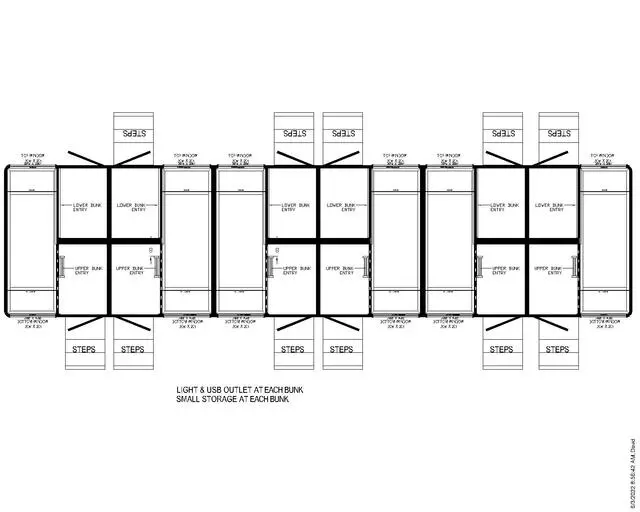
Bakersfield crews often switch jobs inside the same year, from a lease near Taft in spring to a rail yard near Delano by fall. Each trailer we send has the same 34 ft layout with 6 upper and 6 lower bunks and built-in steps at each bunk bank. A superintendent who adds a trailer for a new phase gets 12 more beds that match the first ones. Nobody on the crew has to learn a new floor plan or hunt for a different light switch at 4 a.m.
Bakersfield Districts and What Each Crew Needs There
- Oildale: Oildale sits north of downtown across the Kern River, right on top of the Kern River Oil Field. Well crews here can reach work quickly from almost anywhere in town. Crews on long pushes still save time with a trailer parked on a lease yard at the edge of the field.
- North Bakersfield near 7th Standard Road: The high-speed rail plan now places a temporary station about five miles north of downtown near 7th Standard Road. Construction staging is gradually shifting toward this edge of the metro, and a crew yard here makes a practical base for rail crews working north along Highway 99.
- Rosedale: Rosedale is a newer, family residential district on the northwest edge of the city along Rosedale Highway, which carries State Route 58 west. It sits on the route crews take toward the Elk Hills leases and Interstate 5. Rooms along this corridor can fill up when a big westside job starts.
- East Bakersfield and Old Town Kern: East Bakersfield was once the separate town of Sumner, and Old Town Kern was its business district. The district mixes homes with older commercial blocks, plus a well-known cluster of Basque restaurants. Crews staged east of downtown sit close to Highway 178 and the road into Kern Canyon.
- Rio Bravo: Rio Bravo lies in northeast Bakersfield along the Kern River, east of Morning Drive. It is the last part of the city before Highway 178 enters Kern Canyon. Fire support crews and river valley contractors can stage here when canyon traffic slows down.
- Meadows Field: Meadows Field Airport sits three miles northwest of downtown, with American and United flights connecting through Dallas/Fort Worth and Denver. Crews rotating in from out of state often fly here on crew change days. A trailer yard close to the job shortens the van ride from the terminal to the bunks.
Heat and Driving Rules That Shape Crew Housing Near Bakersfield
Cal/OSHA enforces the California Heat Illness Prevention Standard, found in Title 8, sections 3395 and 3396. For outdoor work, employers must provide shade once the temperature reaches 80 degrees, with added protections at 95 degrees for certain industries. Cal/OSHA inspectors have visited at least one Kern County oil rig after a heat illness case, checking whether supervisors watched and documented crews during a hot shift. The Cal/OSHA outdoor heat illness page lays out the full standard. Those rules cover the workday, and an air-conditioned bunk covers the hours after it.
Fire crews follow safety guidance from the National Wildfire Coordinating Group. NWCG tells crews to avoid driving between 10 p.m. and 6 a.m. and to take a 10 to 15 minute break every two hours on the road. The NWCG driving safety guidance also names fatigue as a major factor behind the inattentive driving that causes vehicle accidents. A canyon drive from Kernville back to Bakersfield after a midnight shift runs straight into those limits. Beds at the camp take that late-night drive off the schedule entirely.
Camp layout on a large fire belongs to the incident team under Unified Command. In this area, that usually pairs Sequoia National Forest with CAL FIRE and Kern County Fire. On rail work, the High-Speed Rail Authority and its contractors control access to each staging yard. Caltrans maintains the state highways into the metro, including Highway 58 and the Grapevine approach on Interstate 5. Confirm the trailer spot with whoever controls the site before delivery, and dispatch will plan the route around their requirements.
What a Typical Setup Looks Like
Well service superintendent, 24-person crew, Elk Hills lease
When a 24-person crew starts a repair push on a westside lease, a typical plan sets 2 trailers on a graded spot near the lease gate. Each worker keeps a dedicated bunk, and lease power or a generator carries the load. The trailers stay for the length of the push and leave when the rig moves on. Nobody burns shift time driving back to a hotel on Stockdale Highway.
Camp logistics lead, 36 firefighters, Kern River Valley fire camp
When three 12-person crews reach a camp near Lake Isabella while Highway 178 is slowed or closed, a typical plan calls for 3 trailers. Each crew sleeps together in its own trailer and wakes on the same schedule. Camp logistics picks the spot, and we level the trailers there. A restroom trailer and a water supply usually join the same camp order.
Structures foreman, 48-person rotating crew, rail staging yard north of Bakersfield
When a 48-person crew works a 14 and 7 rotation, about 24 people sleep on site at any one time. A typical plan uses 2 trailers with a dedicated bunk for each worker on shift. The outgoing half clears its bunks and storage before the incoming half arrives. The same 2 trailers carry the whole rotation for the length of the phase.