








Skip to content
Delivered to all 50 states 24/7 dispatch: (888) 828-7765

Serving Houston

Heated Sleeper Trailer Rentals in Houston, Texas

Project managers along the Houston Ship Channel and out on the Grand Parkway call us when a crew needs beds close to the gate. Your crew gets a 34 ft air-conditioned sleeper trailer with 12 bunks, delivered and set up before the first shift clocks in. Call (888) 828-7765 at any hour to hold your dates, or request a free quote with your site address and crew size.

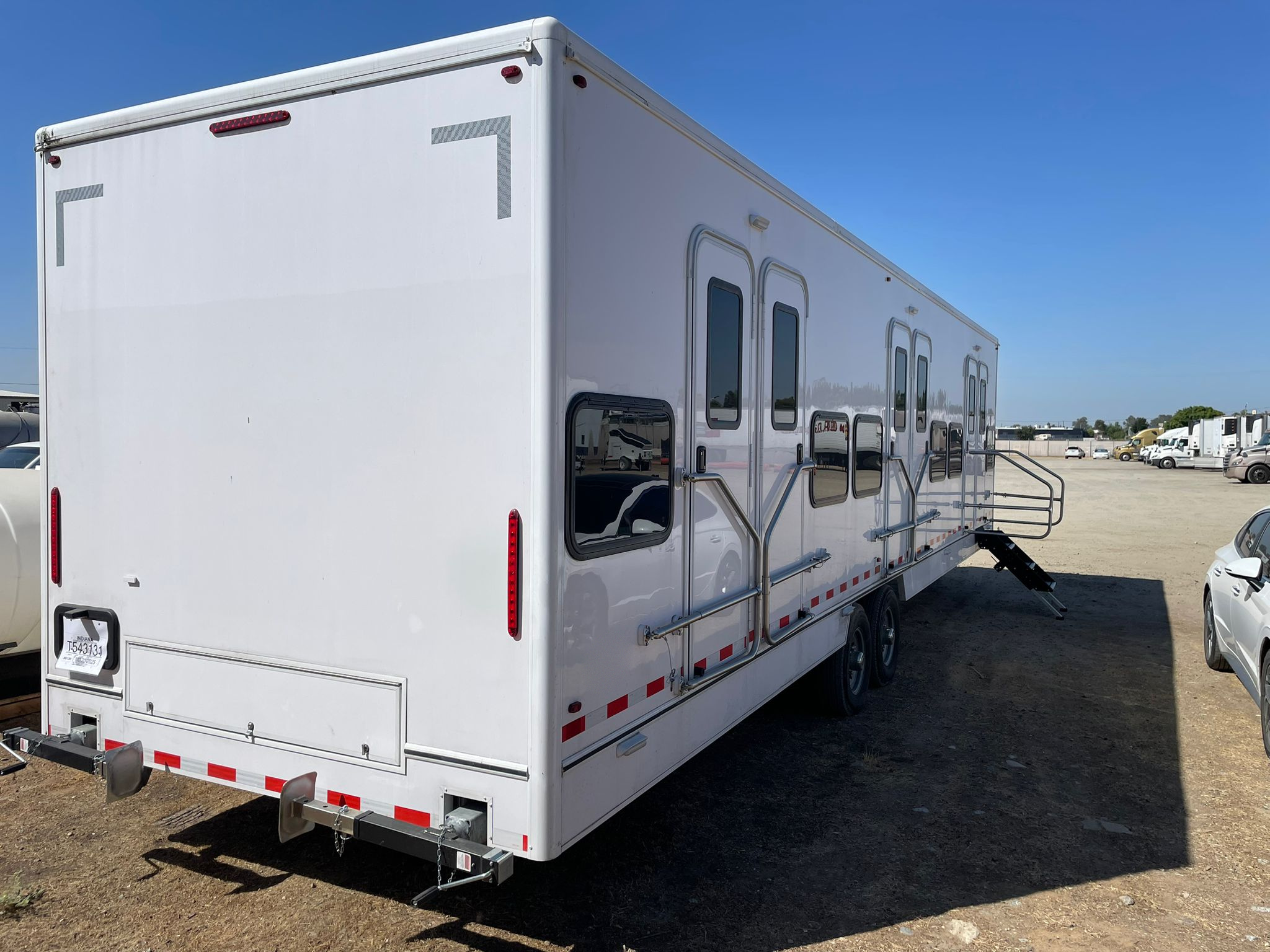
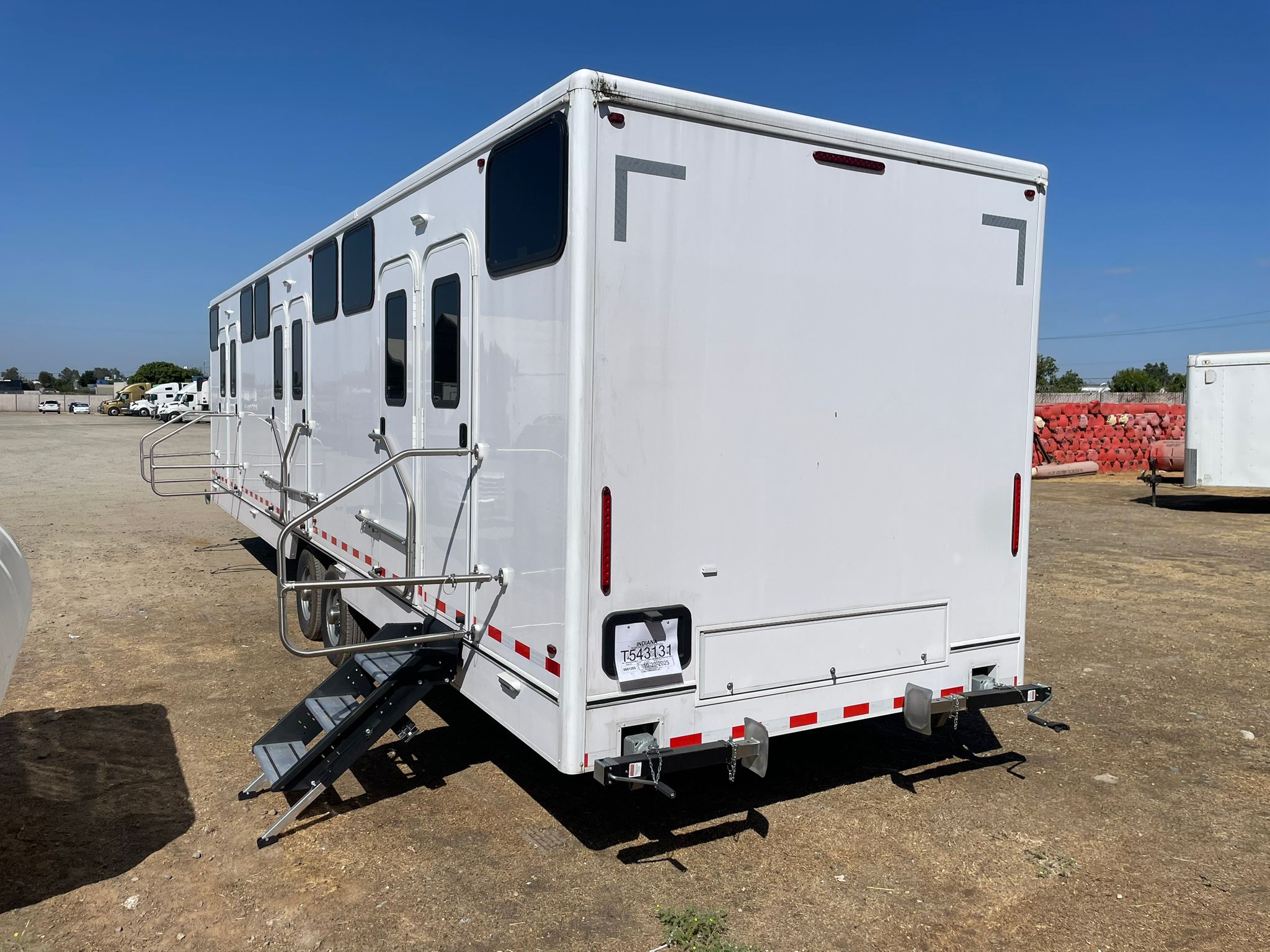
34 ft bunkhouse sleeper trailer with three bunk entry doors and built-in steps
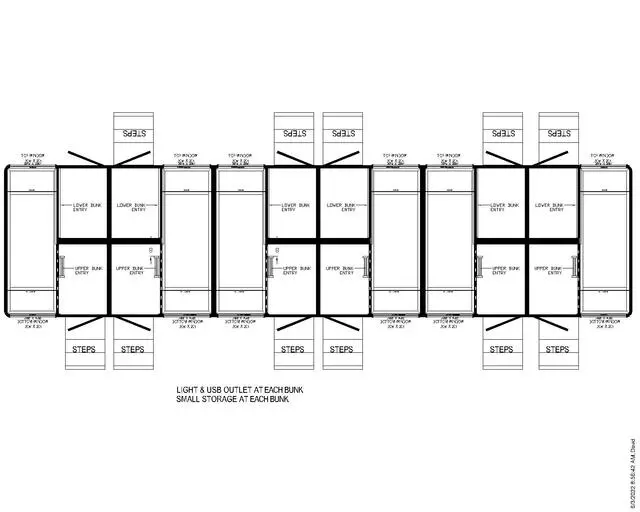
  • 34 ft 12 bunks, 6 upper and 6 lower
  • 3 AC units with heat and a smart thermostat
  • 24/7 dispatch at (888) 828-7765
  • All 50 states delivered and set up on site
  • 12,000+Trailer deliveries across our network
  • 50Delivery to all 50 states
  • 24/7Dispatch answers day and night
  • 12Private bunks in every trailer

Built for construction crews, fire camps, pipeline spreads and utility contractors.

Houston crew housing

Portable Crew Quarters Trailers Set Up Inside Houston Plant Yards

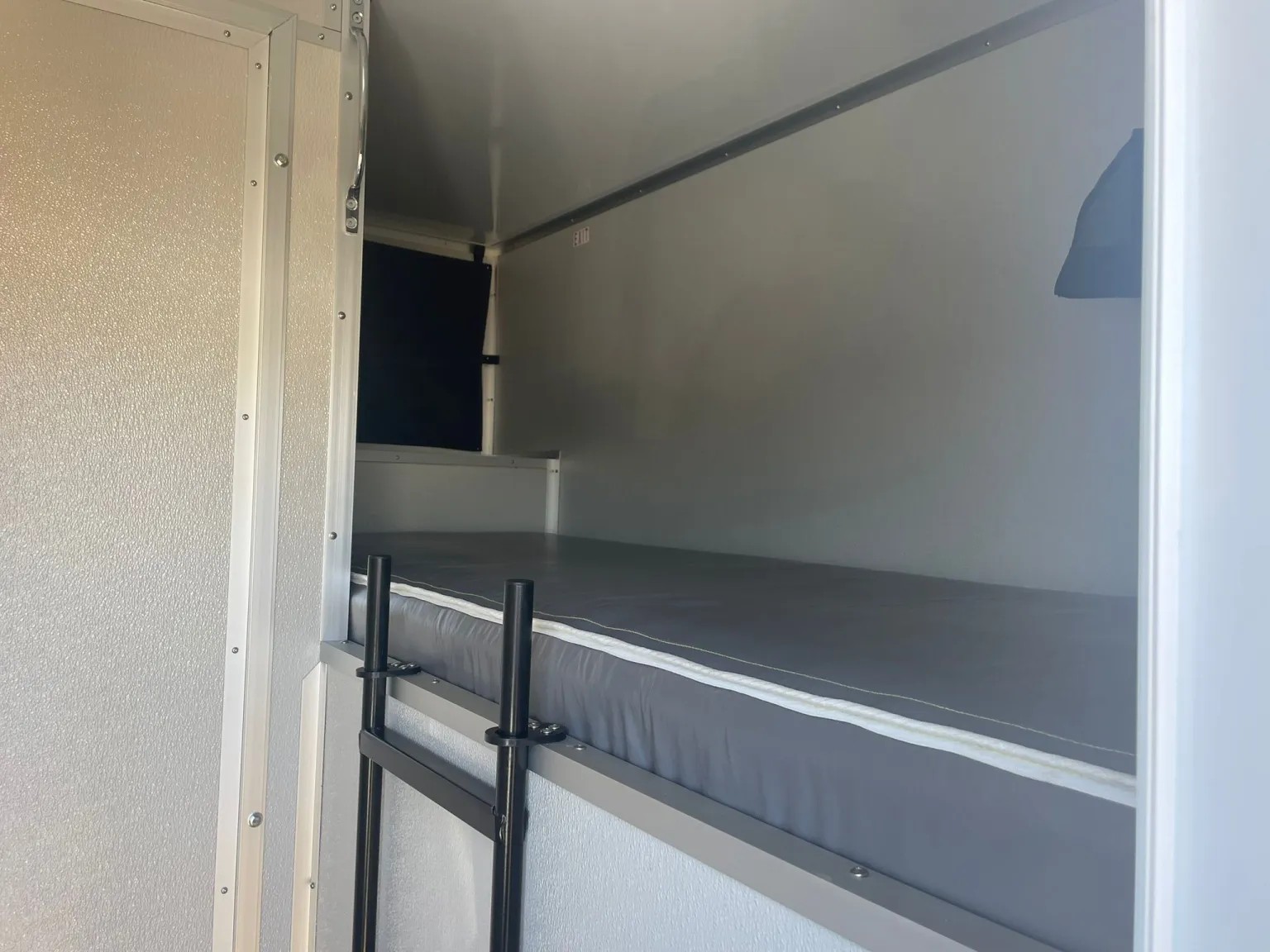
A plant shutdown on the Ship Channel or a warehouse build in Katy can bring in crews from out of town faster than nearby hotels can take them. Your team gets a portable crew quarters trailer with 12 bunks, plus 3 AC units with heat that a smart thermostat controls from one digital touch panel. Each bunk comes with an LED reading light and a USB outlet, and a small storage compartment keeps hard hats and phones off the floor. Our network has completed over 12,000 trailer deliveries, and that same planning backs our bunkhouse sleeper trailer rentals across the country. Call (888) 828-7765 to check open dates this week, or send a quote request with your plant or yard address and headcount.

Around Houston, the air conditioning carries most of the load from late spring into fall, when humid nights leave a truck cab far too warm for sleep. Compare every measurement on the full bunkhouse trailer spec sheet with your yard layout, or call dispatch and we will talk through the fit.

What comes with every rental

  • Delivery, leveling and setup by our driver
  • Twelve private bunks, each with a light, USB outlet and storage
  • Three AC units with heat and a smart thermostat
  • Built-in steps at every bunk bank
  • Pickup when the job wraps

The honest answer

One 34 ft bunkhouse with twelve real beds for Houston crews

Every rental is the same proven unit, so your crew knows exactly what they are walking into.

Spec plate

12-bunk sleeper
Bunks6 upper + 6 lower = 12 total
Sleeps12 people
Length34'
Per-BunkLED light, USB outlet, storage compartment
AccessBuilt-in steps at each bunk bank
AC Units3 (HVAC, smart thermostat)
ClimateAC & Heat, digital touch control

Need beds on site this week?

(888) 828-7765

A real dispatcher answers 24/7. Tell us where the crew is and when they start.

First hour

What crews say after a night inside near Houston

"Hotels near the plant were full the week our shutdown started. Two trailers were set up and level in the contractor yard before our first shift, and the bunk rooms were already cool. Our night crew finally slept through the afternoon without interruption."

J. L.Turnaround coordinator, chemical plant in Deer Park, 24-person crew

"We added a third trailer when the pipe crew grew, and dispatch had it on the yard two days later. Every bunk has its own light and charging outlet, so nobody fights over plugs at five in the morning. The crew stopped asking about hotel rooms after the first week."

N. W.Construction superintendent, Baytown plant expansion, 36-person crew

"After the storm, every room within an hour was gone. Three trailers in our staging yard gave the whole crew cold air and a real bed between shifts. That made an enormous difference during a humid Houston July."

N. P.Utility crew lead, storm staging yard east of Houston, 36-person crew

"Our steel crew came in from out of state for a long job off the Grand Parkway. One trailer on the lot held all twelve of them, and the drive from town went away. The smart thermostat also ended the daily arguments about temperature."

S. N.Project manager, warehouse build near Katy, 12-person steel crew

"We moved the trailers once as the line went east, and dispatch set the move up a few days ahead. The storage at each bunk kept boots and bags off the floor. Nobody missed the long drive back to a hotel after a full day on the right of way."

S. C.Pipeline foreman, spread near Mont Belvieu, 24-person crew

"We had the plant's approved spot and distance ready, and the delivery crew placed the trailers right where our safety team marked. Cutting the commute on Highway 225 was the main reason we tried bunk trailers. Fewer miles in that traffic is an easy safety case to make."

A. W.Safety manager, refinery contractor in Pasadena, 24-person crew

"Rentals near our jobs were booked for months after the flooding. A trailer on our yard gave the framing crew a dry, cool place to sleep. The built-in steps made the upper bunks easy to reach after long days."

C. H.Rebuild contractor, flood repair south of Houston, 12-person crew

"Our dock crew worked around tides and ship traffic, so the hours were all over the place. Having beds on a yard near the terminal meant people could rest whenever their shift ended. Dispatch answered late at night when our start date moved."

N. S.Terminal project lead, dock repair in La Porte, 12-person crew

"Rooms near the coast filled early once the big build ramped up. Three trailers on our yard covered the crew with bunks to spare for new hires. The heat and air kept the rooms comfortable through the whole job."

A. F.Construction manager, LNG terminal work in Brazoria County, 36-person crew
Delivering to all 50 states

After hours

Crew Sleeper Trailer Delivery Across Greater Houston

We deliver to plants and job sites across Harris County and the counties around it, and we deliver to all 50 states. Send dispatch the site address along with your start date, and we will confirm a delivery window. For jobs elsewhere in the state, visit our page on bunkhouse sleeper trailer rentals in Texas. You can also browse every city we deliver bunkhouse trailers to on one page.

Daily reality

Ship Channel Cities and Suburbs Where We Deliver Bunk Trailers

Week one

Built for real sleep, run by people who answer near Houston

  • Twelve private bunks

    Six upper and six lower, each its own space. No cots, no shared air mattresses.

  • Heat and air, three units

    Three AC units with heat and a smart thermostat keep the trailer comfortable in July and January.

  • Light and USB at every bunk

    Each bunk has an LED reading light, a USB outlet and a storage compartment for phones and gear.

  • Delivered and set up

    Our driver hauls it in, levels it and walks your lead through it. You do not need a truck or a hitch.

  • All 50 states

    We plan routes to remote yards, fire camps and storm zones anywhere in the country.

  • 24/7 dispatch

    Call at any hour and a person picks up. Crews change plans at night, and so do we.

Who rents them

Crews Around Houston That Book Heated Bunk Trailers

Built for crews like these:

  • Refinery and chemical plant shutdown contractors
  • Industrial and warehouse construction contractors
  • Utility and storm restoration contractors
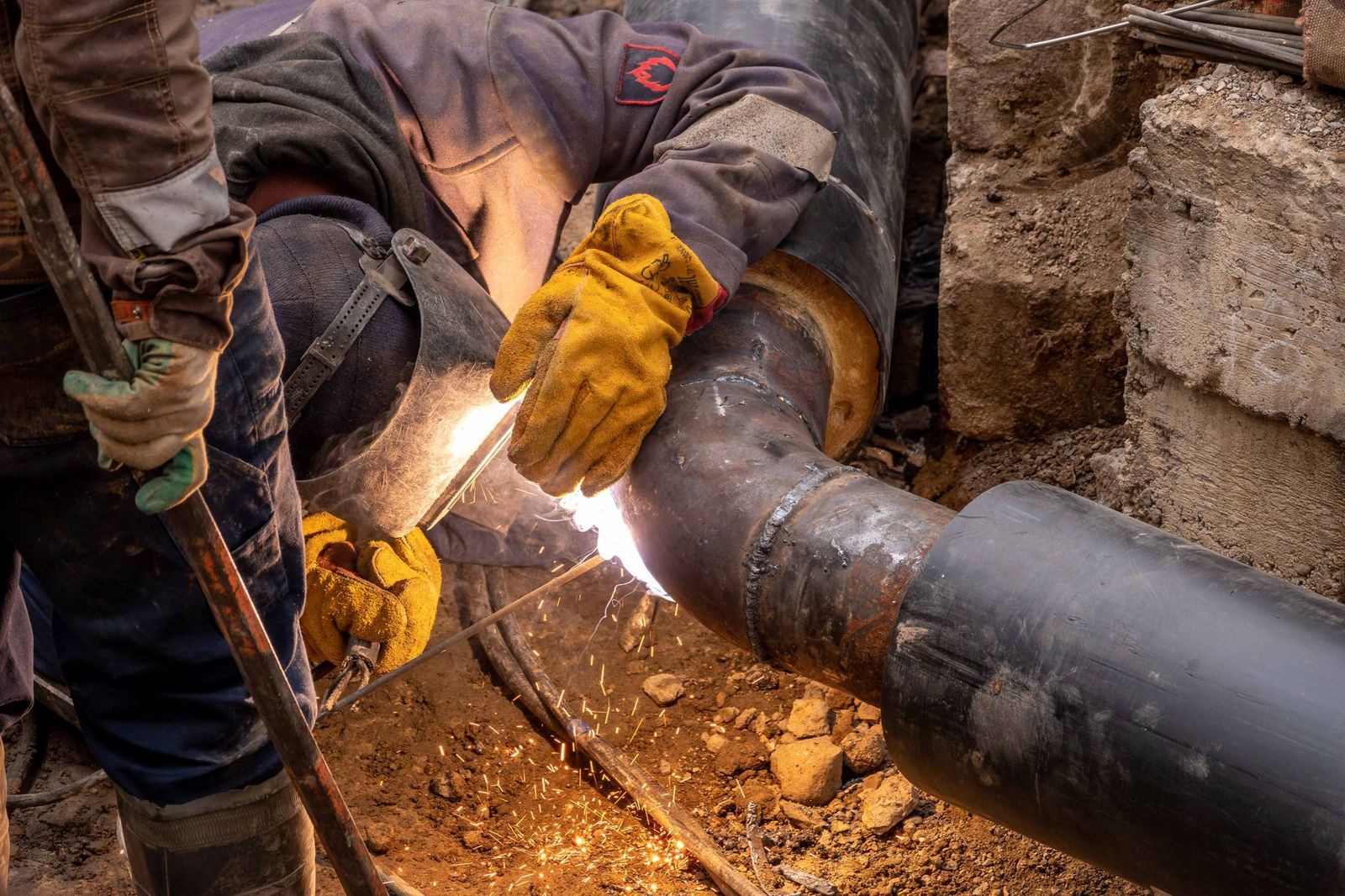
  • Pipeline welder joining pipe with sparks flying

    Ship Channel turnaround contractors

    Shutdown crews arrive for a few intense weeks and work around the clock at plants from Pasadena to Baytown. Trailers in the contractor yard give each shift a dedicated bunk for the whole job. The trailers leave as soon as the unit is back online.

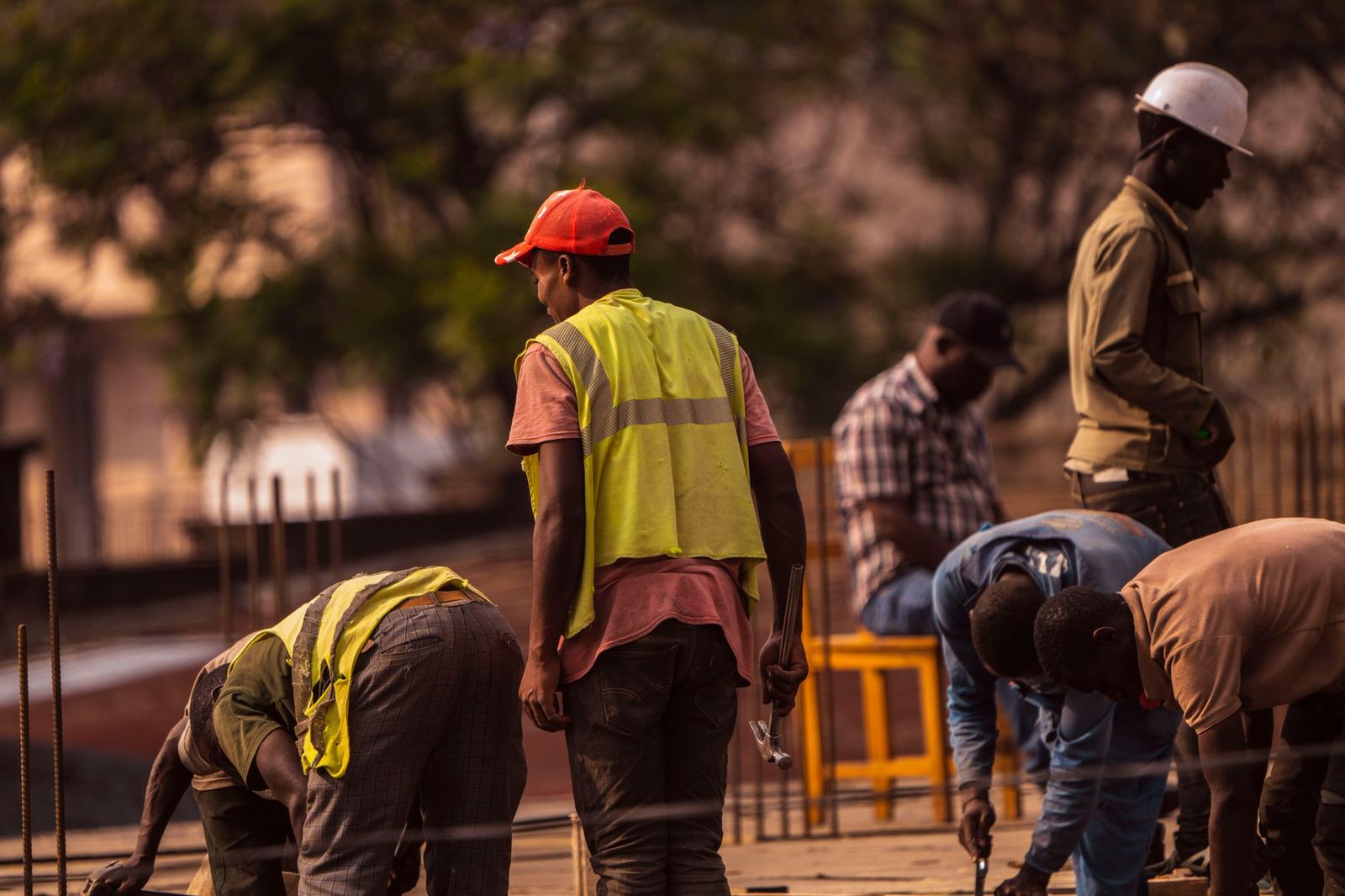
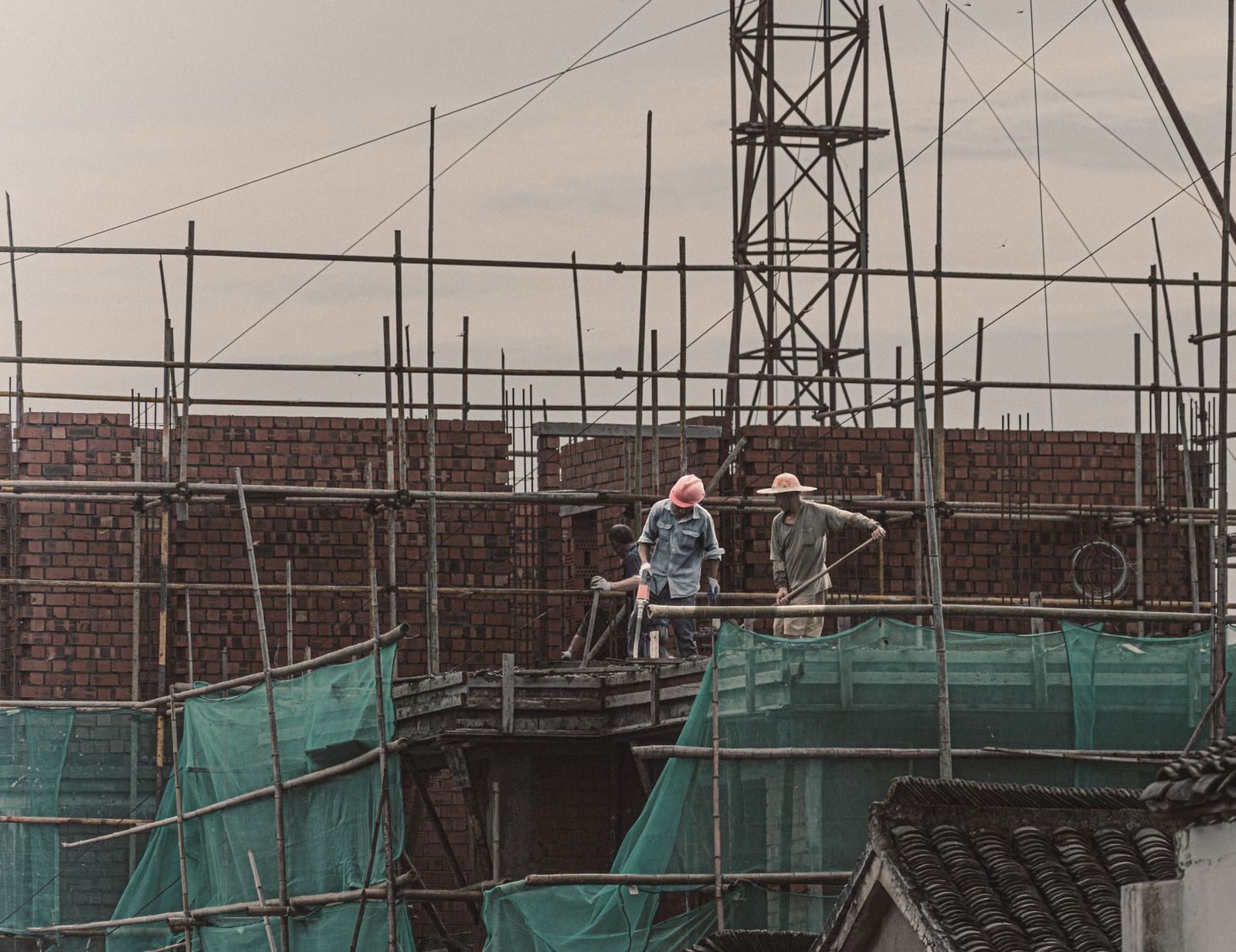
  • Construction crew on scaffolding

    Cedar Bayou and Freeport LNG construction crews

    Plant builds on this scale add workers in waves as each phase starts. More trailers can join the laydown yard as the headcount climbs, and they leave in stages as the build winds down. Each trailer sleeps 12, which keeps bunk planning simple for every construction phase.

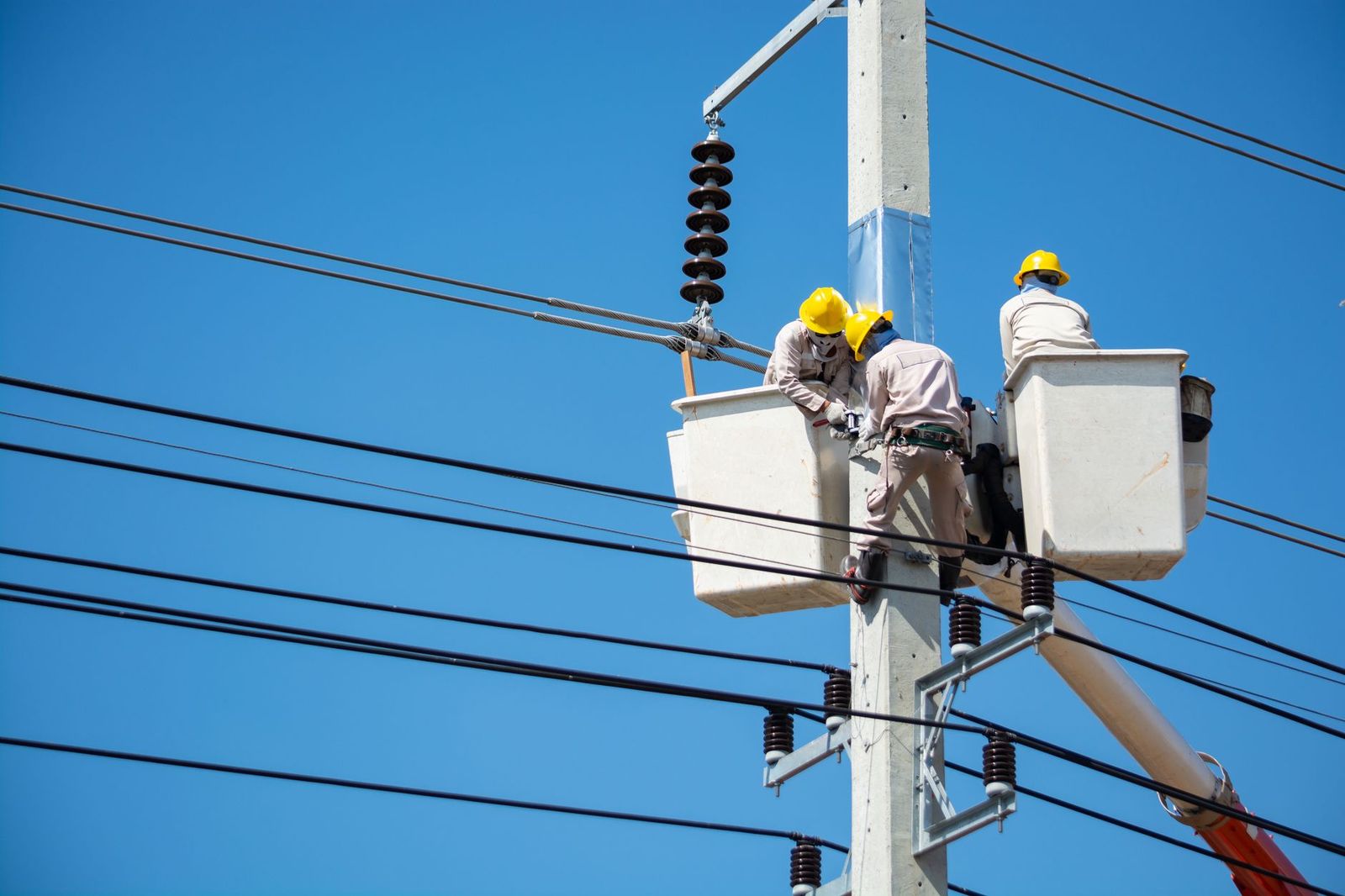
  • Utility linemen repairing power lines from a bucket truck

    Line crews staging after Gulf storms

    Restoration crews reach Houston staging yards within days of landfall and work long shifts in summer heat. Air-conditioned trailers near the trucks give each shift a real bed instead of a truck cab. Crews can stay until the last circuits are restored and the mutual aid convoys head home.

  • Aerial view of hurricane damage debris

    Flood rebuild and roofing contractors

    Rebuild crews often come from out of town after a flood, and local rentals stay tight for months. A trailer on a cleared lot or a contractor yard gives framers and roofers a steady base for the whole rebuild.

  • Construction site at sunset after the day shift wraps

    Grand Parkway warehouse builders

    Steel and concrete crews building distribution centers near Katy work far from the hotel clusters in town. Bunk trailers on the lot cut the daily commute and keep the crew on schedule. A generator hookup covers power until the building is tied in.

  • Steel pipe sections laid out beside a loader on a sandy pipeline worksite at sunset

    Pipeline crews between Mont Belvieu and Freeport

    Line crews move every few weeks as the pipe goes in, so their beds need to move too. Trailers on a central yard can shift to a new yard closer to the work with a few days of notice.

The morning after

The path from quote to pickup across Houston

  1. Call or send a quote request

    Tell us the site, the crew size and your start date. We answer 24/7.

  2. Plan the drop

    We confirm site access and power, then lock in a delivery window.

  3. Delivery and setup

    Our driver places the trailer, levels it and hands your lead the keys and a walkthrough.

  4. Pickup when you wrap

    Extend as long as you need. When the job ends, we haul it out.

How to Plan Crew Housing in Houston

Mobile Crew Quarters for Refinery and Chemical Plant Shutdowns

The Houston Ship Channel stretches about 52 miles from the Gulf of Mexico to the Turning Basin, roughly four miles east of downtown. More than 200 private plants and terminals line its banks, working beside eight public terminals run by Port Houston. Eight refiners had already built along the channel by 1930. On any given week, some plant along that stretch is planning a shutdown or an expansion.

Plants schedule these shutdowns, which the industry calls turnarounds, twice a year to inspect equipment and replace worn parts. The dates are set months ahead, so the same few weeks can bring thousands of contract workers to plant gates in Deer Park and Baytown. Hotels closest to those gates fill first, and crews that book late often end up commuting from the far side of the metro.

A shutdown crew usually splits into day and night shifts of about 12 hours each. With a crew sleeper trailer inside the contractor yard, the night shift walks to a cool, dark bunk room instead of driving across town at dawn. A 24-person crew fits in 2 trailers with a dedicated bunk for every worker.

Plant safety teams decide exactly where a temporary structure may sit inside the fence. We plan each placement with your site contact before the truck leaves, so the trailer lands on the pad your safety team approved. Badge rules and gate hours go into the delivery plan ahead of time.

Bunk Trailers for Baytown Plant Builds and Katy Warehouse Crews

Chevron Phillips Chemical's ethane cracker at the Cedar Bayou plant in Baytown supported more than 10,000 construction jobs at its peak, according to a Fluor project summary. After startup, the plant keeps about 800 employees and roughly 1,200 contractors on site. That leaves thousands of peak-season workers who had no home near the plant gate. Temporary crew housing on the laydown yard closes that gap for the months the build is at full strength.

About an hour south, Freeport LNG is adding a fourth processing train at its Brazoria County terminal. A federal environmental review by the Department of Energy estimates roughly 1,000 workers at peak construction and 55 permanent jobs once the train enters service. The company also started its own Crafts Academy to train pipefitters and welders. That kind of program shows how hard skilled trades are to hire close to the coast.

On the west side of the metro, warehouse construction along the Grand Parkway follows a calendar of its own. One distribution complex near Katy covers ground equal to about 14 football fields, with a second phase adding two more buildings. Avera has also assembled 40 acres near FM 1405 for a planned logistics building. Each of those shells is a multi-month job for trades who often live across town.

Trades on these suburban jobs commonly face a drive of 30 to 45 minutes each way from hotels closer to the city. Our construction crew bunkhouse trailers put the beds on the lot, so that commute drops out of the workday. Generator power and a water and restroom package usually come with the setup on a bare lot, because permanent utilities arrive late in the build.

Air-Conditioned Sleeper Trailers for Line Crews After Gulf Storms

Hurricane Beryl came ashore on the upper Texas coast as a Category 1 storm on July 8, 2024. Winds near 80 miles per hour brought down trees across the region. Houston Public Media reported that more than 2.2 million customers lost power that Monday afternoon.

CenterPoint Energy brought in about 11,500 extra linemen and support workers and set up roughly a dozen staging sites around the region. Line crews from 17 states were reported sleeping in trucks and tents near those sites, because nearby rooms were already taken. Displaced residents were competing for the same extended-stay rooms during the heat that followed.

A staging yard with climate-controlled bunk trailers gives each restoration shift a real bed between long days on the poles. The 3 AC units in every trailer keep the bunk room cool while the crew sleeps through a July afternoon. Our disaster response sleeper trailers are set up for exactly this kind of short-notice work, and dispatch answers around the clock.

Rebuilding brings a second housing crunch after the power comes back. Following Hurricane Harvey in 2017, contractors reported about a 75 percent shortage of carpentry labor and subcontractors, according to the Houston Chronicle. Framers and roofers who travel in for a rebuild still need a place to sleep while local rooms stay booked by insurance adjusters and displaced families.

Temporary Bunkhouse Trailers for Port Terminal and Pipeline Crews

Port Houston handled 220.1 million short tons of cargo in 2024, and tonnage through July 2026 ran 15 percent ahead of the same period a year earlier. Its own economic studies tie about 1.89 million Texas jobs to the port. Dock repairs and terminal expansions follow that growth up and down the lower channel.

Marine and terminal jobs add limits a plant yard does not have. Tides and ship traffic shape where crews can stage equipment near the water. A sleeper trailer on a nearby upland yard keeps the crew close without crowding the working dock.

Pipeline spreads link the Ship Channel plants to the storage hub at Mont Belvieu and to terminals down the coast toward Freeport. These crews move every few weeks as the line advances, so their housing has to move with them. A bunk trailer can be relocated and leveled again at the next yard along the route.

Tell dispatch the next yard address a few days before the spread moves, and the relocation fits between shifts. A welding crew of 12 fits one trailer exactly, while larger spreads add a trailer for every 12 workers who need a dedicated bed.

Why Heated and Air-Conditioned Bunk Rooms Matter on Houston Jobs

Houston has a humid subtropical climate, and the normal daily high peaks near 95 degrees in early August. The area sees roughly 102 days a year at 90 degrees or hotter. The National Weather Service has recorded 109 degrees at George Bush Intercontinental Airport on four separate days, most recently in August 2023.

Humidity makes that heat considerably harder on a sleeping crew. Morning humidity averages above 90 percent, and afternoon readings still sit near 60 percent at the peak of summer. A truck cab or a tent holds that damp heat all day, which leaves a night shift with a poor place to rest. The 3 AC units and smart thermostat in each trailer hold one steady setting for the whole bunk room.

Heavy rain is the other half of Houston weather. Tropical Storm Allison dropped up to 37 inches of rain on parts of the city in 2001, without ever reaching hurricane strength. Place trailers on higher, well-drained ground inside the yard, and keep the access road clear so a truck can reach them after a heavy storm.

Sleeper Trailer Placement Planned With Your Plant Safety Team

Inside a refinery or chemical plant fence, the safety team decides how far a sleeping trailer must sit from process units. We ask for that distance and the approved pad location before we schedule the truck. Share badge rules and escort needs with dispatch too, so the driver clears the gate on the first try. The trailer needs no permanent foundation, which means it can move if the plant changes the approved spot.

Houston Corridors Where Crew Sleeper Trailers Get Delivered

  • SH 225 and Beltway 8 freight corridor: This 22-mile truck route links the Ship Channel plants and the Barbours Cut terminal to the interstate system. About three quarters of the port's truck freight moves along it, so traffic is heavy at every shift change. Beds inside the plant yard keep a crew off this road during the busiest hours.
  • Interstate 10 east toward Baytown: I-10 is the main east-west route from downtown to the Baytown plants and on toward Beaumont. Delivery trucks bound for Channelview and Mont Belvieu use it too. A trailer at the job site trades that daily drive for a short walk to work.
  • The Energy Corridor and Sugar Land: West Houston's Energy Corridor sits between Beltway 8 and the Grand Parkway, with Sugar Land to the southwest in Fort Bend County. Work here leans toward office campuses and tenant build-outs instead of plant shutdowns. Traveling finish crews on longer build-outs can still keep a bunk trailer on the lot.
  • Spring and The Woodlands: ExxonMobil opened its Spring campus north of the city in 2015, built to hold 10,000 employees. The Woodlands nearby holds two large office towers first built for an oil company headquarters. Campus upgrades and new construction in this area still bring in traveling trades.
  • Hobby Airport and Clear Creek: Hobby Airport on the south side logged 35.6 inches of rain over four days during Hurricane Harvey, and a gauge on Clear Creek near I-45 recorded 48.20 inches. Staging yards on this side of town need a flood plan before storm season starts. Trailers can sit on raised, paved lots and move if water rises.

Safety Rules That Shape Sleeper Trailer Placement at Houston Plants

OSHA's Houston Area Office handles enforcement at the refineries and chemical plants along the Ship Channel. Since June 2007 the agency has run a Petroleum Refinery Process Safety Management National Emphasis Program, and the channel holds a dense cluster of the refineries it covers. Plants working under that program keep tight control over where any temporary building may go.

The U.S. Chemical Safety Board investigated the 2005 BP Texas City refinery explosion, about 40 miles southeast of downtown. The CSB investigation found that contractor trailers had been placed as close as 121 feet from the unit involved. Since then, plant siting reviews have treated trailer location as a safety question, and your site team sets the distance before delivery.

Outside a plant fence, the details depend on the site. A warehouse lot in Katy or a storm staging yard usually has no manned gate, so ask who controls access and power before delivery. Ask your safety lead which OSHA housing and sanitation rules apply to your crew camp, and write your housing plan into the bid.

What a Typical Setup Looks Like

Turnaround coordinator, 24-person crew, Deer Park chemical plant

When a plant shutdown runs day and night for several weeks, a typical plan puts 2 trailers in the contractor yard on the pad the safety team approves. Each shift keeps its own 12 bunks, so nobody shares a bed between shifts. We deliver ahead of the first shift and pick up once the unit restarts.

Restoration lead, 36-person line crew, staging yard east of Houston

When a Gulf storm knocks out power, a typical response stages 3 trailers at the yard where the bucket trucks park. The air conditioning is already running when the first crew comes off the poles. Dispatch adds trailers if more out-of-state crews arrive later in the week.

Project manager, 12-person steel crew, Katy warehouse site

When an out-of-town steel crew erects a warehouse shell off the Grand Parkway, one trailer on the lot usually covers all 12 workers. A generator and a separate restroom setup keep the site self-contained. The crew walks to the slab each morning instead of driving in from a hotel in the Energy Corridor.

In practice

What crews ask before they book for Houston crews

How many workers can sleep in one sleeper trailer on a Houston job?

Each 34 ft trailer sleeps 12, with 6 upper and 6 lower bunks along the walls. Built-in steps at each bunk bank make the upper beds easy to reach after a 12-hour shift. Every bunk also has its own LED light and USB outlet, so a full trailer still gives each worker a personal spot.

How many trailers does a 60-person turnaround crew need?

A 60-person crew needs 5 trailers if every worker keeps a dedicated bunk for the whole job. If the crew works two 12-hour shifts and shares bunks across shifts, 3 trailers can cover the same group with a few bunks to spare. Most shutdown crews prefer dedicated bunks on longer jobs, because a bed that belongs to one person stays cleaner and quieter. Call dispatch with your shift plan, and we will match the trailer count to it.

What is a man camp, and how is a bunkhouse trailer different?

A man camp is a larger lodging setup, often with a kitchen and dozens of sleeping units on one site. A bunkhouse trailer is one piece of that picture, a 12-bunk sleeper delivered wherever your crew needs beds. Smaller Houston crews often need only a few trailers inside a plant yard, not a full camp. Larger jobs can group several trailers in one laydown area and add other services around them.

How far are the Ship Channel plants from hotels in downtown Houston?

Plants in Baytown and Texas City sit roughly 25 to 50 miles from the main hotel areas near downtown and the Energy Corridor. That often means a 30 to 60 minute drive each way through heavy truck traffic on I-10 and SH 225. Texas City alone is about 37 miles southeast of downtown. A trailer inside the contractor yard replaces that drive with a short walk.

Do the trailers have enough air conditioning for Houston summers?

Each trailer has 3 AC units with heat, controlled by a smart thermostat with a digital touch panel. Three separate units share the load, so the bunk room stays cool on a humid August afternoon while a night crew sleeps. The same units also provide heat when a cold front moves through in winter. Set the thermostat once, and it holds that temperature for the whole shift.

How fast can sleeper trailers reach a staging yard after a hurricane?

Restoration planners typically want beds in place within 48 to 72 hours of landfall. The surest way to meet that window is to call dispatch before the storm arrives, while the track still points at the upper coast. Share your likely staging yards and crew counts early, and we can plan routes into Houston before roads close. Dispatch answers at (888) 828-7765 around the clock during storm season.

Can a bunkhouse trailer go inside a refinery or chemical plant fence?

Yes, as long as the plant's safety team approves the location. Most plants set a stand-off distance between temporary structures and process units, and they may name a specific pad. Send us that approved spot and the gate hours before delivery. The driver then places the trailer exactly where the plant wants it.

What approvals should we get before placing sleeper trailers on a site?

On a plant site, the owner's safety and siting review comes first, along with any gate and escort rules. On a warehouse lot or a staging yard, confirm the property owner's permission and who supplies power and water. A city inspector may also want to know about a trailer outside an industrial zone, so check with the local permit office early. Write the housing plan into your bid so the approvals are not a surprise.

How does hot-bunking work on a 24-hour schedule?

Hot-bunking means the day shift and the night shift use the same beds at different hours. While one shift works, the other sleeps, so 12 bunks can serve up to 24 people. It stretches trailer capacity during a short, intense push like a storm response. Many crews still give each worker a dedicated bunk on longer jobs, and the choice is yours.

Can a sleeper trailer be paired with restrooms and showers on the same site?

Yes, and most Houston sites without plant facilities do exactly that. A laydown yard or a staging lot usually needs separate restroom and shower units beside the sleeper, along with power and water. Plant yards often already have washrooms the crew can use. Tell dispatch what the site has, and we will plan the trailer layout around it.

Are there enough hotel rooms near the Ship Channel during turnaround season?

Rooms near the plant gates fill quickly when several plants schedule shutdowns during the same weeks. Crews that book late often stay far away and commute across the metro every day. A regional labor shortage adds pressure, because contractors bring in more travelers when local hiring runs short. Beds on site remove the room hunt from the job plan.

Can FEMA or the state cover hotel rooms for recovery workers?

FEMA's Transitional Sheltering Assistance program is built for displaced residents, not for contractor crews. After Harvey, that program placed 59,103 people in hotel rooms across Texas, and those families were competing for the same rooms as recovery crews. Contractors usually plan their own crew housing for storm work. A few sleeper trailers at a staging yard keep your crew out of that competition.

Do the trailers need power and water hookups?

The trailer needs power for its bunk lights and its 3 AC units. Many Ship Channel plants have a metered power tie-in near the contractor yard. Construction laydown yards and storm staging lots usually use a generator until permanent power is available. Tell dispatch which source you have, and we will confirm the hookup before delivery.

How long can a sleeper trailer stay on one Houston job?

Rentals can run from a short storm response to a construction build that lasts many months. Plant builds like the Freeport LNG expansion follow a multi-year construction schedule, and trailers can stay for any phase that needs beds. Shutdown crews usually keep trailers for the length of the turnaround. Call dispatch when your end date changes, and we will adjust the pickup.

Field notes

Notes for crew bosses and planners in Houston

  • Timing Sleeper Trailer Bookings Around Ship Channel Turnaround Seasons

    Plants along the Houston Ship Channel run two main turnaround seasons each year. Spring work usually runs from February through May, and a second season picks up again in September and October. Plants set these dates months or even years ahead, so turnaround demand is the most predictable kind of crew housing work in the region.

    Read the full note

    Predictable timing does not guarantee easy booking, because when several plants shut down during the same weeks, they compete for the same pool of contractors and nearby rooms. A crew coordinator who waits for the final shutdown schedule often finds the closest hotels already committed to other contractors.

    Start the housing plan when the plant releases its preliminary dates. At that stage you usually know the rough crew size and the contractor yard location. That is enough information to reserve trailers, even if the exact start date shifts by a few days later. Dispatch can move a delivery window more easily than it can find trailers during the busiest week of the season.

    The fall season deserves extra care, because September and October fall inside hurricane season, which runs from June through November. A storm on the upper coast can pull restoration crews into the region during a planned shutdown. Available rooms and trailers both become scarce when that happens. Booking fall turnaround housing early protects the shutdown schedule from a surprise storm.

    Labor availability shapes the housing count too. In a 2026 workforce survey by AGC and NCCER, 82 percent of construction firms reported trouble filling hourly craft jobs. Electricians were the hardest trade to hire, with 81 percent of firms reporting difficulty. When local hiring falls short, contractors bring in more travelers, and every traveler needs a bed.

    Build a small cushion into the bunk count for that reason. A crew planned at 30 people often grows once the work opens up and the plant finds more to repair. Three trailers give a 30-person crew 36 bunks, which leaves room for a late welding crew or a relief supervisor.

    Plan the pickup as carefully as the delivery, because shutdowns sometimes end early, and sometimes they stretch when inspectors find more work. Give dispatch a rough end date, then confirm it a few days before the unit restarts. A clean handoff at the gate makes it easier to book the same trailers for the next season.

  • A Hurricane Season Staging Plan for Crew Housing Around Houston

    Hurricane season on the Texas coast runs from June 1 through November 30. A storm offers much less warning than a scheduled plant shutdown, since restoration crews can need beds within days of the first forecast. Utilities and restoration contractors that plan housing before June move faster when a storm does arrive.

    Read the full note

    Start with the staging yards, because most restoration work in the Houston area stages from parking lots and open industrial yards that were never built to house anyone. Visit each likely yard before the season and note where trailers could sit on firm, level ground. Check where power and water would come from, because most staging yards have neither ready for a crew.

    Flooding changes the choice of yard considerably. According to a NOAA review of Harvey rainfall, roughly 70 percent of Harris County flooded to a depth of at least 1.5 feet during that storm. A low yard can be under water just when crews need it most. Favor raised, paved lots, and keep a second yard in mind if the first one floods.

    Next, work out the crew arithmetic for each yard. Large mobilizations in the Houston region spread thousands of workers across a dozen or more staging sites. A yard holding 960 workers would need about 80 trailers with dedicated bunks, or about 40 trailers if the crew shares bunks across two shifts. Real deployments never split evenly, but the numbers show why storm housing is planned in fleets, not one trailer at a time.

    Summer heat makes the housing itself a safety issue. A worker who sleeps in a truck cab after a double shift in July returns to the poles tired. Climate-controlled trailers give each shift a cool, quiet place to rest near the trucks. The 3 AC units in each trailer are sized to handle a humid Houston afternoon.

    Security needs a separate plan as well, because a refinery has a manned gate and badge access, while a fairground staging yard usually does not. Decide who controls access to the sleeping area and how the site is lit at night. Tell dispatch those details so trailers go where the walk from the trucks is short and well lit.

    Finally, make the call to dispatch early in the season. Share likely staging yards and crew counts with dispatch before a storm reaches the Gulf. Once a track points at the upper coast, trailers can move toward Houston while the roads are still open. Waiting until after landfall leaves you competing with every other crew for the same trucks and routes.

    Source: NOAA Climate.gov, Reviewing Hurricane Harvey's Rain and Flooding

  • What to Ask Before a Sleeper Trailer Goes Inside a Houston Plant Fence

    Placing a sleeper trailer inside a refinery or chemical plant takes more planning than dropping one on a warehouse lot. Plants control every structure inside the fence, and a sleeping trailer gets extra attention because people rest inside it. A short list of questions, answered before delivery day, keeps the truck from waiting at the gate.

    Read the full note

    First, ask the plant safety team for the approved location. Most plants name a specific pad or a zone inside the contractor area, set at a safe distance from process units. Get that spot in writing, with a simple map if possible. Send it to dispatch so the driver knows exactly where the trailer goes.

    Second, confirm the gate rules, because many Ship Channel plants require a badge or an escort for any delivery driver. Ask which gate the truck should use and what hours it is open. A driver who arrives at the wrong gate during shift change can lose half a day.

    Third, check the ground conditions where the trailer will sit. Contractor yards inside a plant are often paved or covered with compacted gravel, which makes leveling simple. Soft ground after heavy rain can be a problem, especially in low spots near ditches. Ask the site team whether the pad drains well and whether the truck route crosses any weight-limited areas.

    Fourth, settle the power source, since many plants offer a metered power tie-in near the contractor yard, while a newer laydown area may still depend on generators. The 3 AC units draw most of the trailer's power, so the supply has to carry them through the hottest afternoon. Confirm the connection type with dispatch ahead of time.

    Fifth, plan for restrooms and showers near the sleeping area. Some plants let contract crews use existing washrooms, and others require separate units in the contractor area. Crews working 12-hour shifts need a clear walking path from the bunk trailer to those facilities and to the work area. Good lighting along that path matters for the night shift.

    Last, agree on the pickup procedure with the plant. Shutdowns change length, and a plant may want the contractor area cleared within days of restart. Tell dispatch who can release the trailer and how much notice the plant needs for an outgoing truck. Clear every storage compartment before the last shift leaves, so the trailer can roll out on schedule.

Get a quote

Tell Us Where Your Crew Needs Beds

Send the basics and a dispatcher will call you back with availability and a delivery window. In a hurry? Call now.

  1. We confirm the site, dates and crew size.
  2. We lock in a delivery window and power plan.
  3. The trailer arrives, gets leveled and is ready for the first night.
(888) 828-7765

Request a quote

Takes about a minute. Fields marked * are required.

We only use your details to answer this request.