






Skip to content
Delivered to all 50 states 24/7 dispatch: (888) 828-7765

Serving Midland

Bunkhouse Sleeper Trailer Rentals in Midland, Texas

Crew bosses running pads and plants around Midland call us for a 34 ft sleeper trailer that sleeps 12 and arrives set up before the first shift begins. Your crew sleeps beside the lease road or inside the contractor yard, instead of at a hotel across town on Interstate 20. Call (888) 828-7765 at any hour to hold your dates, or request a free quote with your start date and crew size.

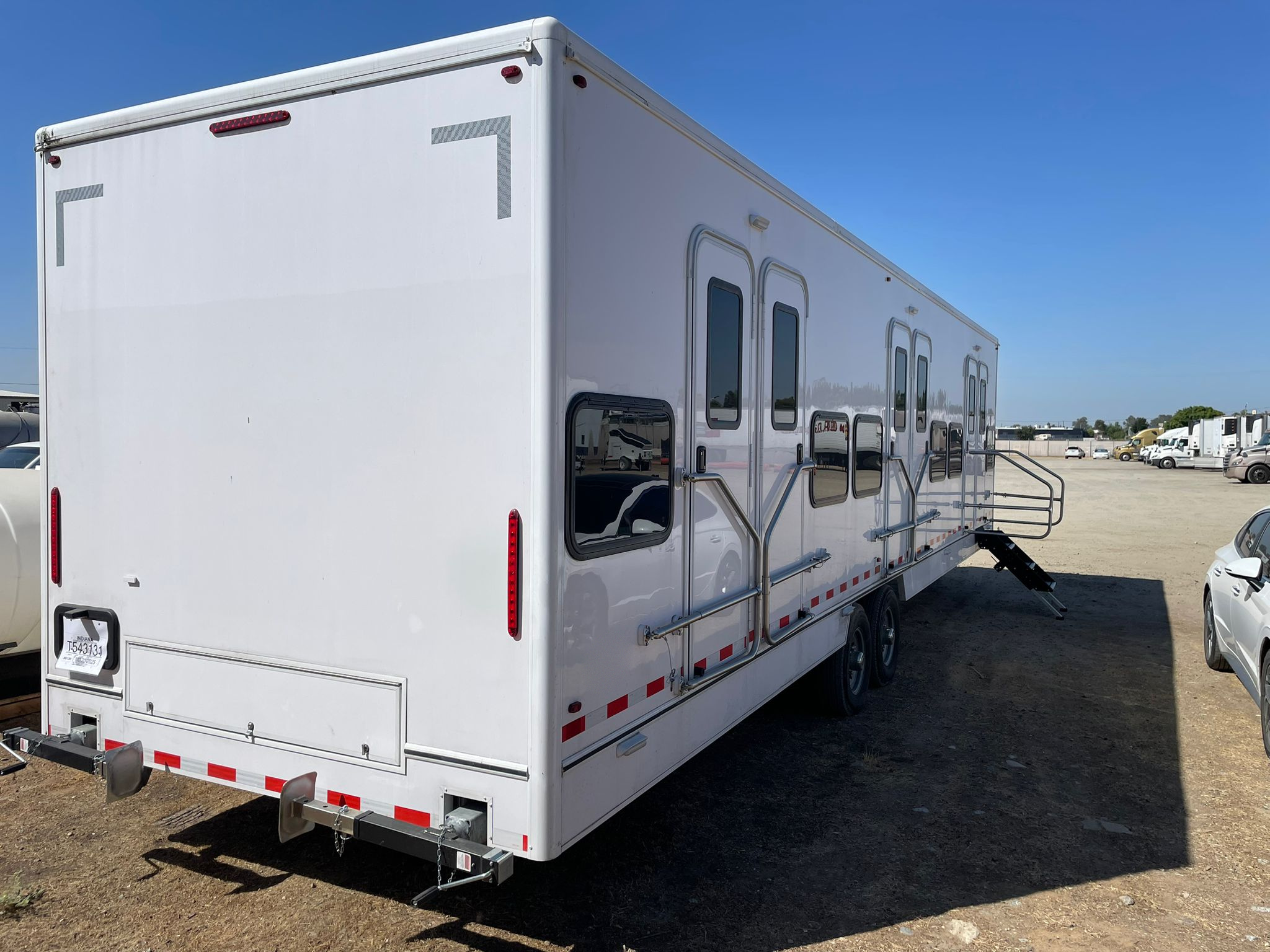
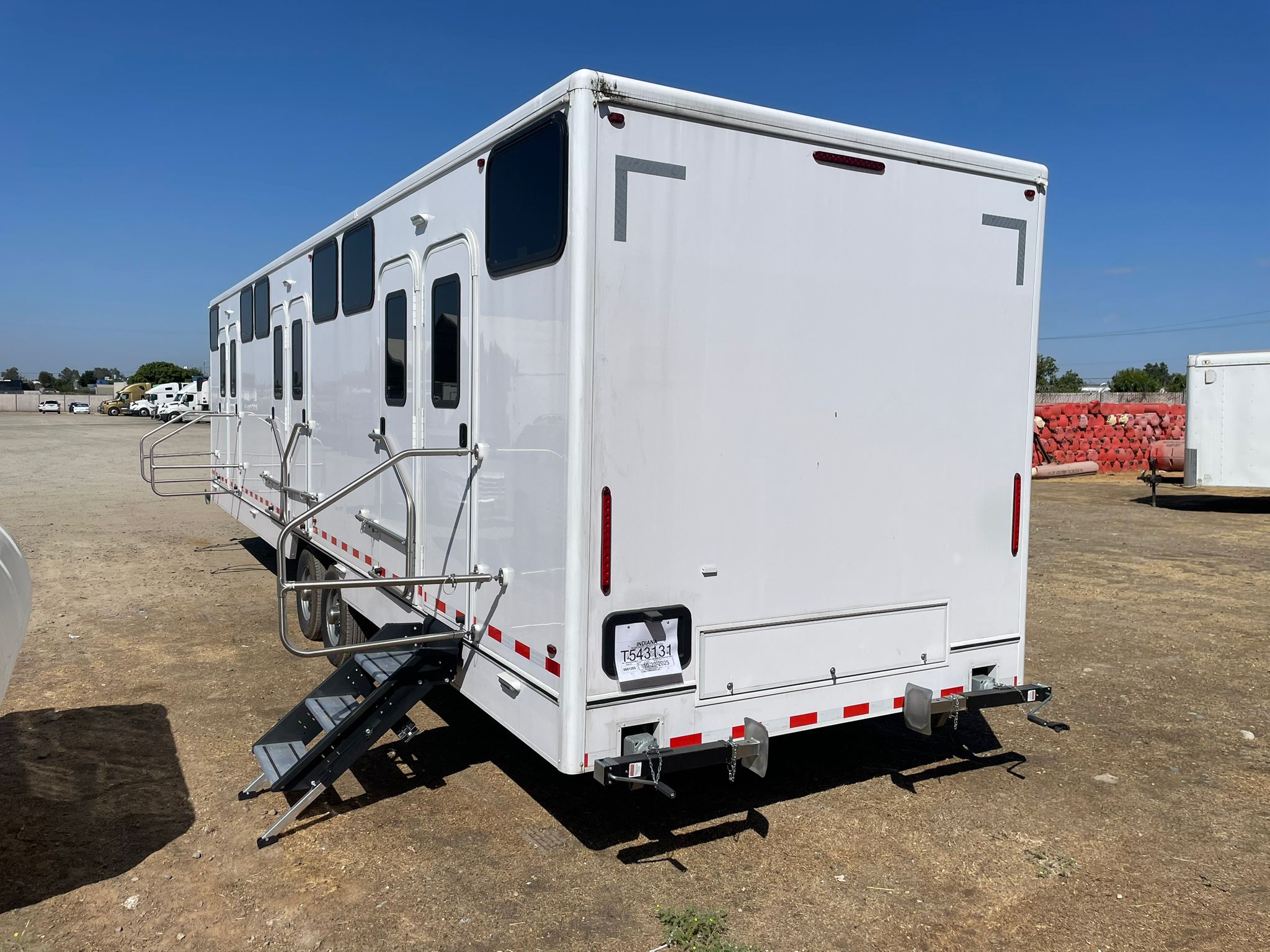
34 ft bunkhouse sleeper trailer with three bunk entry doors and built-in steps
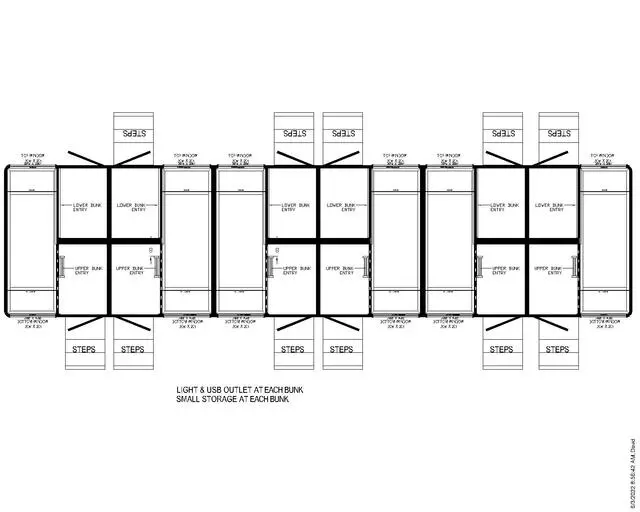
  • Sleeps 12 6 upper and 6 lower bunks
  • 3 AC units with heat for West Texas cold fronts
  • 24/7 dispatch at (888) 828-7765
  • All 50 states delivered and set up on site
  • 12,000+Trailer deliveries across our network
  • 50Delivery to all 50 states
  • 24/7Dispatch answers day and night
  • 12Private bunks in every trailer

Built for construction crews, fire camps, pipeline spreads and utility contractors.

Midland crew housing

Portable Crew Quarters Trailers Set Up on Midland Pads and Yards

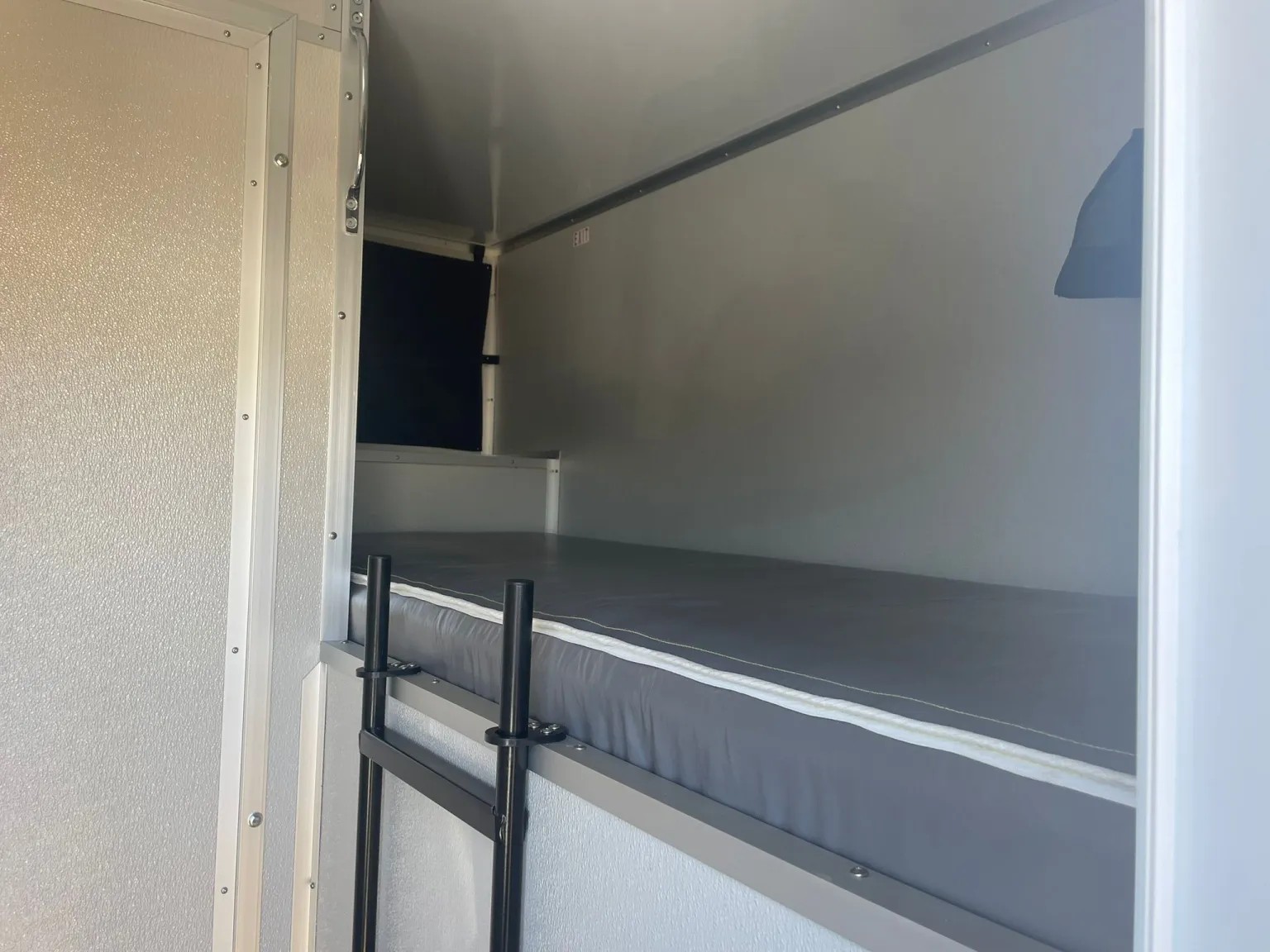
Midland crews work long rotations, and a bed close to the pad gives every worker more real rest between demanding twelve-hour shifts. Your crew gets a portable bunk trailer with 12 bunks, 3 AC units with heat and a smart thermostat controlled from a digital touch panel. Every bunk has its own LED light and USB outlet, plus a storage compartment that keeps boots and phones off the floor. Our network has completed over 12,000 trailer deliveries, and we bring that same planning to crew sleeper trailer rentals nationwide. Call (888) 828-7765 to check available dates this week, or send a quote request with your pad location and headcount.

Around Midland, a heated and air-conditioned bunk room earns its keep in every season, from a hot spring afternoon to a sudden winter freeze on the open plain. Before you book, compare every measurement on the 12-bunk sleeper trailer spec sheet with your pad layout, or call dispatch to talk through the fit.

What comes with every rental

  • Delivery, leveling and setup by our driver
  • Twelve private bunks, each with a light, USB outlet and storage
  • Three AC units with heat and a smart thermostat
  • Built-in steps at every bunk bank
  • Pickup when the job wraps

What we bring

A closer look at the bunkhouse we deliver in Midland

Every rental is the same proven unit, so your crew knows exactly what they are walking into.

Spec plate

12-bunk sleeper
Bunks6 upper + 6 lower = 12 total
Sleeps12 people
Length34'
Per-BunkLED light, USB outlet, storage compartment
AccessBuilt-in steps at each bunk bank
AC Units3 (HVAC, smart thermostat)
ClimateAC & Heat, digital touch control

Your crew's beds are one call away.

(888) 828-7765

Tell us the headcount and the start date. We take it from there.

The night it fails

What crews say after a night inside near Midland

"Every hotel between Stanton and Midland was booked solid the week our completion work started. Two trailers showed up set up and level at the edge of the pad, and the bunk rooms were already cool. Night shift slept through the afternoon without any trouble."

N. R.Drilling superintendent, Martin County pad, 24-person crew

"We relocated the trailers twice as the line went in, and dispatch scheduled each move a few days ahead of time. The crew appreciated having a reading light and a charging outlet at their own bunk. Nobody missed the long drive back to town after twelve hours on the right of way."

T. F.Pipeline foreman, gathering line south of Midland, 36-person crew

"Our framing crew came in from out of town when there was hardly an available apartment anywhere in Midland. One trailer on the construction lot handled all twelve of them for the entire build. The smart thermostat meant nobody argued over the temperature."

T. S.Project manager, apartment build in Midland, 12-person framing crew

"Our shutdown ran around the clock for three straight weeks. Two trailers in the contractor yard gave each shift its own dedicated bunks, so nobody woke up an exhausted coworker. Dispatch answered late at night when our start date slipped by two days."

G. F.Turnaround coordinator, contractor yard near Big Spring, 24-person crew

"After the wind took down our distribution lines, hotels in Odessa filled up within a day. Three heated trailers in our staging yard kept the whole restoration crew close to the equipment. The heat was already running when the first shift came in off the poles."

T. R.Utility crew lead, storm repair near Odessa, 36-person crew

"Our lease is a long way out past Andrews, and the daily drive was wearing the crew down. With one trailer on location, everybody walks to the rig at shift change. Storage at every bunk kept the floor clear of boots and duffel bags."

S. H.Well service rig manager, Andrews County lease, 12-person crew

"We got called out on short notice and needed beds for eighteen people at a gas plant. Two trailers covered everyone, with room for the additional hands who showed up later in the week. The built-in steps made the upper bunks easy to reach after a long day."

M. R.Gas plant maintenance lead, Monahans, 18-person crew

"Reducing the daily commute on Interstate 20 was the main reason our company tried bunk trailers. The crew now sleeps a short walk from the rig instead of forty minutes away. Fewer highway miles made an easy safety argument for our leadership team."

J. N.Safety manager, drilling contractor, Midland County, 24-person crew
Delivering to all 50 states

The working details

Crew Sleeper Trailer Delivery Across the Midland Area

We deliver to pads and job sites across Midland County and the counties around it, and we deliver to all 50 states. Tell dispatch the lease name or yard address along with your start date, and we will confirm a delivery window. For work elsewhere in the state, see our Texas bunkhouse sleeper trailer rentals page. You can also browse every bunkhouse trailer delivery location on one page.

Behind it

Towns Around Midland Where We Set Up Crew Sleeper Trailers

How it works

What sets our bunkhouse trailers apart near Midland

  • Twelve private bunks

    Six upper and six lower, each its own space. No cots, no shared air mattresses.

  • Heat and air, three units

    Three AC units with heat and a smart thermostat keep the trailer comfortable in July and January.

  • Light and USB at every bunk

    Each bunk has an LED reading light, a USB outlet and a storage compartment for phones and gear.

  • Delivered and set up

    Our driver hauls it in, levels it and walks your lead through it. You do not need a truck or a hitch.

  • All 50 states

    We plan routes to remote yards, fire camps and storm zones anywhere in the country.

  • 24/7 dispatch

    Call at any hour and a person picks up. Crews change plans at night, and so do we.

Who rents them

Who Books Temporary Sleeper Trailers Around Midland

Built for crews like these:

  • Oilfield drilling and well service contractors
  • Pipeline construction contractors
  • Utility and storm restoration crews
  • Refinery towers at dusk, where turnaround crews need beds close to the plant gate

    Oilfield drilling and well service contractors

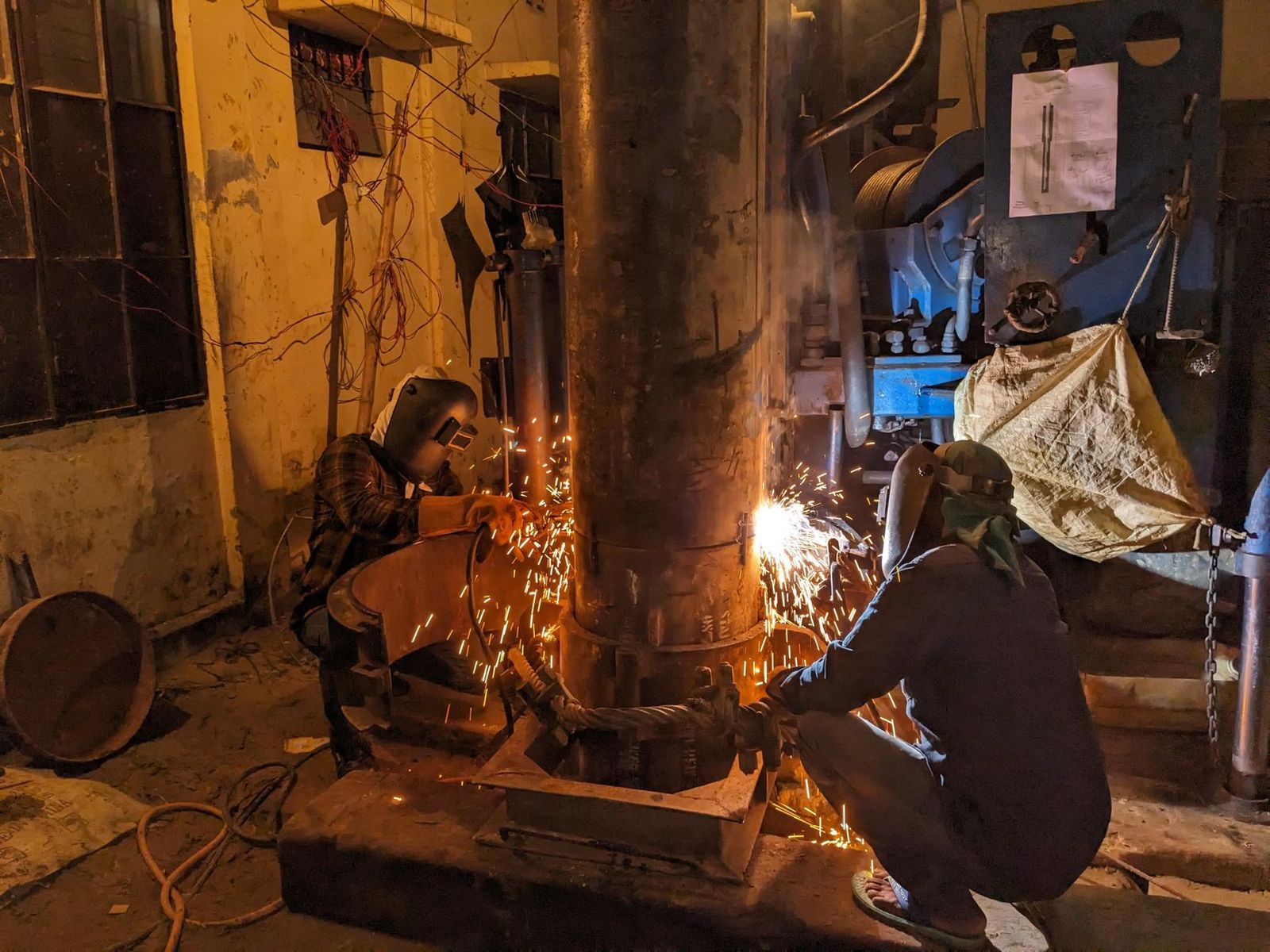
    These crews move from pad to pad around Midland County as each well is drilled and completed. A trailer positioned at the edge of each pad keeps the crew close to equipment that operates day and night. Dispatch can schedule each relocation a few days before the next pad is ready.

  • Pipeline welder joining pipe with sparks flying

    Pipeline and gathering line contractors

    Line crews often spread out across several counties at the same time, with work sites changing every week. A central yard with a few trailers gives the entire spread one dependable home base. Additional trailers can be delivered when a tie-in brings more people onto the route.

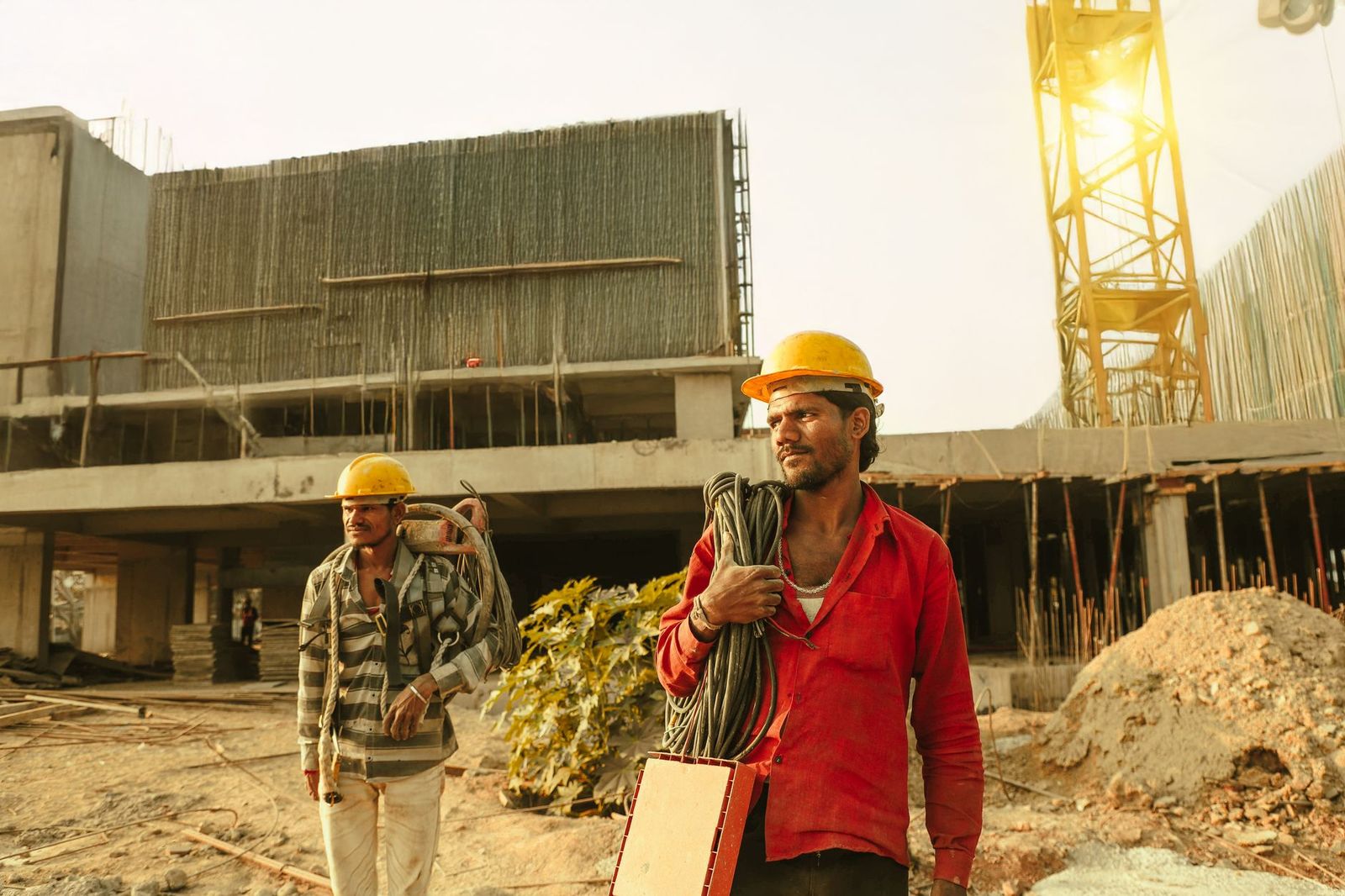
  • Construction worker in a hard hat at a jobsite

    Refinery and gas plant turnaround contractors

    Shutdown crews arrive for a few intense weeks and work around the clock. Trailers in the contractor yard let day and night shifts each keep a dedicated bunk for the whole job. The trailers leave as soon as the unit is back online.

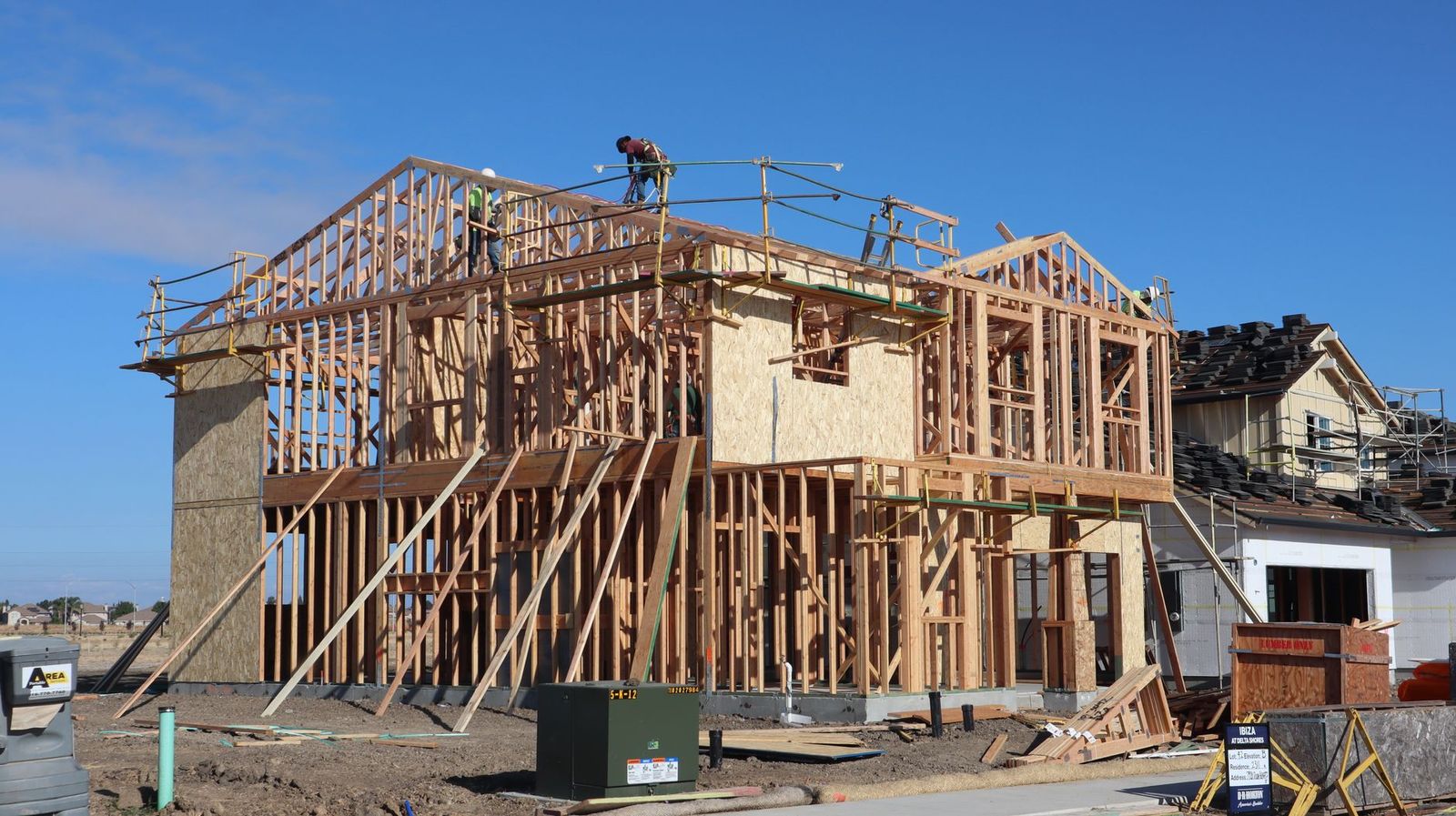
  • Aerial view of residential home framing construction

    Commercial and apartment builders

    General contractors building new units in Midland often bring skilled trades in from out of town. Bunk trailers on the lot keep those trades on the job without chasing scarce rentals across the city. Each trailer sleeps 12, which makes headcount planning simple.

  • Linemen climbing a high-voltage transmission tower on a power line build

    Utility and restoration contractors

    Line crews arrive after wind and ice events with very little notice and work long restoration shifts. Heated trailers in a staging yard give each shift a warm bed near the trucks and equipment. Crews can stay until the final repairs are complete.

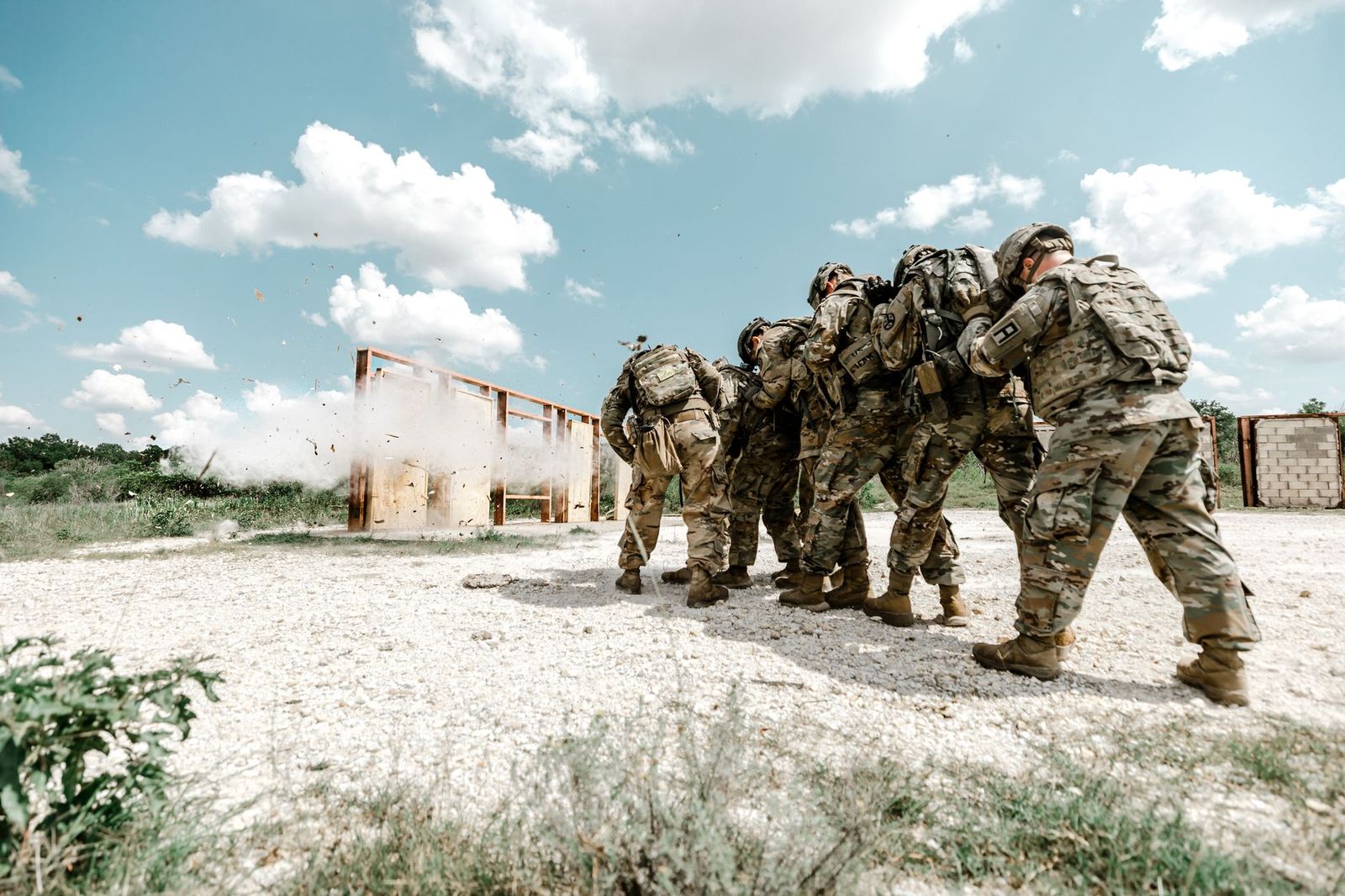
  • Soldiers moving in formation during a field exercise

    Government and agency response teams

    Public agencies can reserve climate-controlled trailers for field teams working anywhere near Midland. The 12-bunk layout makes it easy to organize teams in groups of 12 for each trailer. Dispatch answers at any hour when deployment plans change overnight.

Under the hood

Four steps between now and a delivered trailer for Midland crews

  1. Call or send a quote request

    Tell us the site, the crew size and your start date. We answer 24/7.

  2. Plan the drop

    We confirm site access and power, then lock in a delivery window.

  3. Delivery and setup

    Our driver places the trailer, levels it and hands your lead the keys and a walkthrough.

  4. Pickup when you wrap

    Extend as long as you need. When the job ends, we haul it out.

How to Plan Crew Housing in Midland

Temporary Bunkhouse Trailers for Oilfield Crews Around Midland

Midland County ranks first among Texas counties for total oil production and second for natural gas, according to county production records. The county recorded 6,602 producing wells in 2020, and most of them draw from the Spraberry Trend beneath the surrounding ranch land. Those wells sit on pads scattered across 902 square miles. A crew assigned to one of them can still face a long drive to the nearest available hotel room.

The Railroad Commission of Texas keeps its District 8 field office at 10 Desta Drive in Midland. That office handles drilling permits and production reports across most of the Texas side of the Permian Basin. The wider basin produces close to 40 percent of the oil pumped in the United States. Permit work for a new pad often moves through Midland, even when the pad itself sits two counties away.

Most field crews here work a 14-7 hitch, which means 14 days on the job followed by 7 days at home. Shifts usually last 12 hours, so the night crew sleeps through the afternoon while the day crew works. A well service crew of 12 to 24 people fits comfortably in one or two trailers. Our oilfield crew housing trailers let that crew sleep a short walk from the pad instead of a long drive away.

The Dallas Fed counted 244 working rigs in the region in its second quarter 2026 report, down from 301 a year earlier. Total nonfarm employment in Midland and Odessa still grew 3 percent from March through June 2026, because contractors keep bringing outside crews onto individual pads. That steady baseline of activity keeps crew housing near Midland in demand, even during a slower year for the industry.

Crew Housing Trailers for Construction Crews Building Midland

Midland passed 147,000 residents in recent Census Bureau estimates, up from 132,524 at the 2020 count. Builders are working quickly to add apartments and shops for that growth, yet housing remains tight for newcomers. A 2025 survey of 23 apartment properties found only 74 of 2,456 units sitting empty, which works out to a 97 percent occupancy rate. Crews arriving from outside the area end up competing for those same few open units.

Developers delivered 1,496 new apartment units in the year before that survey, and rental listings roughly doubled by February 2026. New supply certainly helps, although it often arrives after a project has already broken ground. A superintendent planning a six-month build cannot count on available apartments appearing right on schedule. Housing the framing crew in bunk trailers on the site removes that guesswork from the construction plan.

Midland has also posted the lowest unemployment rate in Texas, at 3.0 percent in June 2026, according to Texas Workforce Commission data. The local labor force grew to 106,200 people that month, which was 2.6 percent higher than a year earlier. With so few local workers looking for jobs, general contractors regularly bring in skilled trades from other parts of the state.

A mobile sleeper trailer fits on a laydown yard or a spare corner of a commercial lot in Midland. Each trailer holds 12 workers, so a crew of 30 carpenters and finishers needs three trailers, with six bunks to spare for late additions. The crew walks to the job at shift change, which eliminates a daily drive through city traffic. When the build wraps up, we pick the trailers up and the lot is clear for the next phase.

Sleeper Trailers for Pipeline and Midstream Crews Near Midland

Gathering lines and larger pipelines carry crude and gas from the producing fields around Midland toward the takeaway systems serving the basin. Midstream crews work along those rights of way and usually move a few miles down the line each week. A tie-in crew of 36 to 60 people on a 14-7 hitch needs three to five trailers, depending on how shifts are split. Our pipeline crew bunkhouse trailers can be moved and leveled again as the spread advances.

Many midstream routes run south toward Pecos on US-285 or north toward Andrews on US-385. Traffic on the northern part of US-285 grew 34.5 percent between 2016 and 2021, with 839 crashes recorded during that period. Crash studies describe US-385 as a road where shoulder width and sight distance change from one segment to the next. A bunk near the right of way keeps tired workers off both highways after a 12-hour shift.

East of Midland, the Big Spring refinery has operated since 1928 and can process 70,000 barrels of crude a day after its 2005 expansion. The plant employs about 170 people directly and ships gasoline and diesel across West Texas and neighboring states. Turnaround work at a plant this size brings in outside specialty crews for a few busy weeks. Bunk trailers staged in a nearby contractor yard give each shift a quiet, dark place to sleep.

Compressor stations and gas plants across the basin often need maintenance crews on short notice. A crew called out on a Thursday may need beds for 18 people by the weekend, long before any hotel block can be arranged. Two climate-controlled sleeper trailers cover that crew and leave six spare bunks for additional workers. Call dispatch with the site location, and we will confirm the earliest delivery window we can meet.

Bunk Trailers for Utility and Restoration Crews After West Texas Storms

West Texas weather can shut down travel with very little warning. On October 17, 2011, a dust storm pushed winds up to 75 miles per hour into the Midland area behind a dry cold front. The National Weather Service office in Midland counted 19 days with blowing dust during that same year. Poor visibility on Interstate 20 can leave a crew stranded halfway through a shift change, with nowhere nearby to rest.

Downed lines and damaged equipment after a wind event bring utility crews into the area for days or even weeks. Winter storms can load ice onto the same power lines a few months later, which starts the repair cycle over again. Restoration crews usually stage at a yard near the damage and work outward in long shifts. A heated sleeper trailer in that yard gives each worker a warm bunk a few steps from the trucks.

Hotel rooms near Midland fill quickly when many crews arrive at once, even in a softer year for the oil industry. CoStar figures cited by the Dallas Fed showed Midland and Odessa hotel occupancy down 5.6 percent year over year in mid-2026. Rooms still disappear quickly when a storm response and an oil project overlap in the same week. Staging your own trailers keeps the response from depending on whoever booked rooms first.

State agencies and government contractors can rent these trailers for response teams of any size, starting with a group of 12. A 24-person team fills two trailers with one dedicated bunk per person. Every trailer arrives with heat and air conditioning already running, so the first crew off shift can sleep right away. Give dispatch the staging location and the expected length of the response, and we will plan the delivery around it.

Why Heated and Air-Conditioned Bunks Matter in Midland

Midland has a semi-arid climate with about 13.5 inches of rain in a typical year. Summer highs regularly climb above 90 degrees, and the heat can arrive early in the season. The Midland weather office has logged a record high of 97 degrees in April. A night crew trying to sleep through a warm afternoon needs a cool, dark bunk room with steady air conditioning.

Winter brings the opposite problem, because brief hard freezes do reach Midland most years. A cold front can turn a mild afternoon into a freezing night within a few hours, especially on the open plain outside town. The three AC units in each trailer also provide heat, so the same bunk room stays comfortable through a cold snap. The smart thermostat lets the crew set one temperature and leave it there for the whole shift.

Blowing dust is the other factor on the open plain around Midland. A closed, climate-controlled room gives the crew a cleaner place to sleep than a tent or a truck cab on a windy night. Crews who sleep well through rough weather come back to the pad rested and ready to work.

Foundation-Free Crew Quarters for Shifting West Texas Ground

Satellite radar work led by SMU researchers found up to 40 inches of ground movement over about two and a half years across 4,000 square miles. That area covers parts of Winkler, Ward, Reeves and Pecos counties, west and southwest of Midland. A portable bunk trailer needs no permanent foundation, so it can be leveled again or relocated if the pad settles. Call dispatch whenever you need the trailer moved to firmer ground.

Midland Corridors and Yards Where Crews Park Sleeper Trailers

  • Interstate 20 between Midland and Odessa: TxDOT runs its Basin 20 safety program on about 40 miles of I-20 between FM 1936 in Ector County and FM 1208 in Midland County. Heavy truck traffic on that stretch turns every extra commute into added risk. Bunks at the pad cut the number of trips a crew makes on it during each hitch.
  • US-87 toward Stanton: Crews working Martin County pads often commute from Midland hotels along US-87 every morning and evening. Stanton has a much smaller supply of rooms than Midland, so available beds there disappear quickly. A trailer positioned on or near the lease removes that commute from the daily schedule.
  • Midland International Air and Space Port: The airport sits on 1,600 acres about halfway between downtown Midland and Odessa. Service yards and freight shops around it make a handy staging point for crews flying in for a hitch. A trailer on a nearby yard puts the crew a short drive from the terminal on rotation day.
  • Downtown Midland: Corporate offices and the District 8 field office sit downtown, and most office employees need no crew housing at all. Field crews supporting those companies still work far out on remote pads across several counties. Planning happens downtown, while the beds belong close to the actual work.
  • Contractor yards on the edges of Midland and Odessa: Service companies and midstream contractors keep laydown yards along the edges of both cities. These yards usually have the level ground and truck access a trailer needs. Crews moving between several pads can use one yard as a home base for the whole hitch.

Midland and Texas Rules That Shape Sleeper Trailer Placement

Texas law names this kind of equipment directly. Tax Code section 152.001 defines an oilfield portable unit as a self-contained transportable structure on a permanent chassis, and the definition includes bunkhouses. The unit must sit on or next to an oil, gas, water-disposal or injection well site. It must also be used only for sleeping space or temporary offices for workers at that well site.

The Texas Comptroller taxes these units under limited sales and use tax instead of motor vehicle tax, as its motor vehicle tax guidance explains. An owner titling one files Form 130-U with Oilfield Portable Unit entered in the exemption box. City of Midland ordinance language points back to the same state definition where it covers bunkhouse placement. The city also keeps an Oil and Gas Services permitting desk that is separate from general building permits.

The District 8 office in Midland handles well permits for most of the pads that need crew housing, as the Railroad Commission of Texas office list shows. Since January 1, 2018, the separate District 8A area has been overseen from the Abilene office. Temporary wiring on a job site falls under OSHA rule 29 CFR 1926.404(b)(1) and Article 590 of the National Electrical Code. Confirm placement and power plans with the lease owner and the city before the trailers arrive.

What a Typical Setup Looks Like

Drilling superintendent, 24-person crew, Martin County pad

When a completion job runs around the clock for three weeks, a typical plan puts 2 trailers at the edge of the pad, away from the busiest equipment. Day shift and night shift each keep their own 12 bunks, so nobody shares a bed between shifts. The trailers arrive ahead of the heavy equipment and leave once the crew packs up.

Midstream project manager, 60-person tie-in crew, south of Midland

When a tie-in crew of 60 works a 14-7 hitch, the plan usually calls for 5 trailers on a contractor yard near the line. The yard stays in place while the crew travels along the route each day. If the spread moves too far from the yard, the trailers can be relocated and leveled at a new site closer to the work.

Utility restoration lead, 36-person crew, Odessa staging yard

When a winter storm or a wind event takes down lines around Odessa, a typical response stages 3 trailers in a yard near the damage. The heat is already running before the crew arrives, so the first shift back can sleep right away. The trailers stay until the last circuits are restored and then head out the same week.

Our take

The questions dispatch hears most near Midland

How many workers fit in one bunkhouse trailer on a Midland oilfield pad?

Each 34 ft trailer has 12 bunks, with 6 upper and 6 lower beds arranged along the walls. Built-in steps at each bunk bank make the upper beds easy to reach after a 12-hour shift on the pad. Most Midland crews give every worker a dedicated bunk for the full hitch, because shared beds tend to wear on people over two weeks.

Does Texas law treat a bunkhouse trailer differently from other trailers?

Texas Tax Code section 152.001 creates a category called the oilfield portable unit, and bunkhouses used for sleeping space at a well site fit inside that definition. The Comptroller taxes these units under limited sales and use tax instead of motor vehicle tax. The category applies only when the unit sits on or next to an oil, gas, water-disposal or injection well site. Ask your tax advisor how it applies to your particular job.

Can a sleeper trailer work on a remote Permian Basin pad without utility hookups?

Most remote pads around Midland have no utility power, so crews usually run towable or trailer-mounted generators to supply the site. The trailer needs a steady power source for the AC units and the bunk outlets throughout the day and night. Tell dispatch what power is available on the pad when you call. We will walk through the setup, so the bunk room is ready when the crew arrives.

How does the tight Midland rental market affect crew housing right now?

A 2025 survey found Midland apartments at 97 percent occupancy, even after a large wave of new units opened across the city. Rental listings have grown since then, although a crew of 24 still cannot count on finding enough short-term units near the job. Hotels also fill quickly when several projects start at once, and bunk trailers on the site take that uncertainty out of the plan.

How far is a typical drive from a Midland hotel to pads in outlying counties?

Stanton sits about 18 miles northeast and Andrews about 35 miles northwest, before any lease road miles are added to the trip. Monahans is roughly 55 miles southwest, and Pecos is about 90 miles away by highway. A crew driving those distances twice a day loses valuable rest time on every shift, while on-site bunks turn that drive into a short walk.

How is a company bunkhouse trailer different from a man camp near Midland?

A man camp is a large shared compound that rents beds to workers from many different companies at once. Several commercial camps already serve the corridor between Midland and Pecos, and they work well for some crews. A company bunkhouse trailer houses only your crew, parked on your own pad or yard. You control where the trailer sits and when it moves.

How quickly can a bunkhouse trailer reach a pad near Midland?

Delivery timing depends on the site location and on the number of trailers the job needs. Call (888) 828-7765 as soon as the rig or project date is set, since pad schedules around Midland can shift within days. Dispatch will confirm the earliest delivery window we can meet for your location, and earlier calls give you more choice of dates.

What is a 14-7 hitch, and how does it change the bunk count?

A 14-7 hitch means 14 days on the job followed by 7 days off, usually with 12-hour shifts throughout the working stretch. During those two weeks, each person needs a bunk every single day. Crews that swap halves on rotation day can reuse the same bunks for the incoming group. Plan the bunk count around the peak headcount on site at any one time.

Do bunkhouse trailers need a City of Midland permit to sit on a well site?

The City of Midland runs an Oil and Gas Services permitting function that is separate from general building permits. City ordinance language also refers back to the state definition of an oilfield portable unit when it addresses bunkhouse placement. Requirements can depend on the exact location and use, so check with the city and the lease owner early. Many pads also sit outside city limits in the surrounding counties.

How many trailers does a 36-person or 60-person Permian Basin crew need?

Divide the crew size by 12, since each trailer sleeps 12 people. A 36-person crew needs 3 trailers, and a 60-person crew needs 5 trailers when every worker keeps a dedicated bunk. Add another trailer if supervisors or late arrivals need their own beds, and dispatch can help you plan trailer placement on the pad or yard.

Can the trailers be leveled again or moved if the ground shifts near Wink or Monahans?

Yes, because a bunkhouse trailer sits on its own chassis with no permanent foundation. Research led by SMU measured ground uplift near injection wells west of Wink and southwest of Monahans. If the pad settles or heaves, call dispatch to arrange leveling or relocation to firmer ground, which also helps when the pad itself changes shape during a job.

Are the trailers heated and air-conditioned for West Texas weather?

Each trailer has 3 AC units with heat, controlled by a smart thermostat with a digital touch panel. That setup handles a hot afternoon in May as well as a freezing night in January without any extra equipment. The crew sets one temperature, and the system holds it through the shift while every worker has a personal LED light and USB outlet.

Can bunk trailers be paired with restroom and shower facilities on the same site?

Many remote sites around Midland set up restroom and shower units near the crew housing, along with laundry when the job runs long. Plan space for those units on your site layout before delivery day, with clear truck access so service vehicles never block the bunk trailers. Dispatch can help you think through placement for the sleeper trailers themselves.

Count on it

What to know before you book across Midland

  • Planning Bunk Counts for a 14-7 Hitch on a Midland Pad

    Bunk planning for a Midland pad starts with one number, which is the peak group of people who need to sleep on site at the same time. That number is rarely the full roster, because office staff and local drivers usually sleep at home. Write down only the people who will actually use a bed on the busiest day of the job.

    Read the full note

    Next, sort that group by shift. A pad running day and night crews has two groups sleeping at different hours, and each group needs quiet while the other works. Most crews give every worker a dedicated bunk, since a bed that belongs to one person stays cleaner and more restful. Sharing beds between shifts can stretch capacity, although it tends to wear on a crew over a long hitch.

    Here is how the arithmetic usually works on a Midland job. An 18-person crew needs two trailers, which leaves six open bunks for late arrivals or a relief supervisor. A 30-person crew needs three trailers with the same kind of cushion, while a 48-person crew fits exactly into four trailers. Many planners add a fifth trailer to that last group for flexibility.

    Rotation day needs its own plan. On a 14-7 schedule, outgoing and incoming crews can overlap for a few hours on the same afternoon. If both groups need to rest at once, the bunk count briefly rises above the normal level. Stagger arrival times or hold a few spare bunks, so nobody ends up sleeping in a pickup.

    Placement on the pad also affects how well the crew sleeps. Set the trailers away from generator exhaust when possible, and keep them clear of the busiest truck lanes. Leave a lighted walking path between the trailers and the work area for the night shift. Ask the lease owner where trailers can sit without blocking future equipment moves.

    Supervisors often want a little distance from the rest of the crew for phone calls and paperwork. Some planners give leads their own trailer when the headcount allows it, while others keep leads beside their crew so questions get answered faster. Either approach works well, as long as the bunk count covers everyone on the busiest night.

    Jobs around Midland often grow after they start, because a completion schedule can add a second frac spread or a pipeline tie-in can bring in a welding crew. Tell dispatch early whenever the headcount is likely to rise. Adding a trailer to an existing site is usually simpler than moving the whole crew somewhere new.

    When the job ends, plan the pickup as carefully as the delivery. Clear personal items from every storage compartment before the last shift leaves the pad. Leave the site access open so the truck can reach the trailers without waiting on other equipment. A clean handoff makes the next booking easier for everyone involved.

  • A Site Prep Checklist for Sleeper Trailers on Permian Basin Pads

    Pads around Midland come in every shape, and the Railroad Commission notes in its Permian Basin guidance that pad sizes vary from well to well. Lease holders can use as much surface as they reasonably need for the well, so the space left for crew housing changes from one pad to the next. A short checklist before delivery day prevents most setup delays.

    Read the full note

    Start with the ground. A trailer needs a firm, fairly level spot that will not turn to mud after a rare hard rain on the pad. Gravel pads usually work well once they have been graded and packed by heavy equipment. Walk the site and mark the exact spot before the delivery truck leaves the yard.

    Check truck access next. The delivery truck needs a clear path from the county road to the trailer spot, with enough room to turn around afterward. Low power lines, narrow gates and soft shoulders on lease roads can all slow a delivery. Send dispatch a pin drop along with a short note describing the road into the site.

    Power comes third on the list. Most remote pads rely on towable or trailer-mounted generators rather than utility service from the local electric provider. Size the generator to carry the AC units and bunk outlets through the hottest part of the afternoon. Schedule fuel deliveries so the bunk room never loses power in the middle of a sleep cycle.

    Think carefully about noise and light. Crews sleeping during the day need the trailers placed away from the loudest equipment on the pad. Crews sleeping at night need them away from the brightest light towers. A little extra distance makes a real difference in how rested people feel at the start of a shift.

    Sanitation and water need their own spots on the site layout. Restroom and shower units should sit close enough for a short walk, yet far enough away that service trucks stay clear of the bunks. Mark those locations on the same sketch you send to dispatch, so every vendor arrives with the right plan.

    Check the trailer level again after the first week, since heavy trucks and rain can settle fresh pad material. A trailer without a permanent foundation can be leveled again quickly and without special equipment. Call dispatch if you notice doors sticking or floors starting to slope.

    Finally, share the plan with everyone who needs it. The lease owner and the site safety lead should both see the layout before delivery day, along with the crew boss. Confirm who will meet the truck and sign for the trailers when they arrive. A few minutes of coordination saves hours of waiting on the pad.

  • How the Midland Oil Cycle Shapes Crew Housing Lead Times

    Crew housing demand around Midland moves on two clocks at once. The slow clock is the regional rig count, which rises and falls over months and years as prices and budgets change. The fast clock is the schedule on each individual pad, which can change within days. Good planning means watching both of them at the same time.

    Read the full note

    The regional rig count today sits about 40 percent below the roughly 405 rigs working in late 2019. That lower count has not emptied the market for crew beds, since employment in Midland and Odessa kept growing through the first half of 2026. Contractors still bring outside crews onto specific pads, even while the industry as a whole moves more slowly.

    Pad schedules move much faster than the headline numbers suggest. Once a rig starts drilling, crews for completion work and well service can be called in on short notice. A contractor may receive a firm start date only a week or two ahead. That short runway is why many Midland crews call about housing the same day a job is confirmed.

    Local events can also squeeze hotel space for a few days at a time. The Permian Basin International Oil Show fills rooms in Midland and Odessa when it runs in odd-numbered years. The Commemorative Air Force also holds its annual air show at the Midland airport each September. Crews arriving during those weeks may find far fewer rooms than usual.

    Weather adds a third trigger that nobody can schedule in advance. Blowing dust can cut visibility on the interstate, and winter storms can bring ice to power lines across the region. The National Weather Service posts current warnings for the area on the website of its Midland forecast office. Crews already bedded down on site can wait out a storm without driving through it.

    The seasons shape the setup as well. Spring and summer jobs need strong air conditioning for crews sleeping through hot afternoons, while winter jobs need reliable heat for nights near freezing. Each trailer carries 3 AC units with heat, so the same unit covers the full calendar year.

    Given those clocks, the practical advice is simple. Call dispatch as soon as a job looks likely, even before every detail is final, and share the likely start window along with the expected crew size. Adjusting a tentative plan is much easier than finding beds at the last minute.

    Long jobs also benefit from a check-in partway through. A midpoint call lets you add a trailer or confirm the pickup date well ahead of time. Crews on long hitches notice when their housing stays steady from start to finish, and that steadiness shows up in cleaner, safer work on the pad.

    Source: National Weather Service, Midland forecast office

Get a quote

Tell Us Where Your Crew Needs Beds

Send the basics and a dispatcher will call you back with availability and a delivery window. In a hurry? Call now.

  1. We confirm the site, dates and crew size.
  2. We lock in a delivery window and power plan.
  3. The trailer arrives, gets leveled and is ready for the first night.
(888) 828-7765

Request a quote

Takes about a minute. Fields marked * are required.

We only use your details to answer this request.