


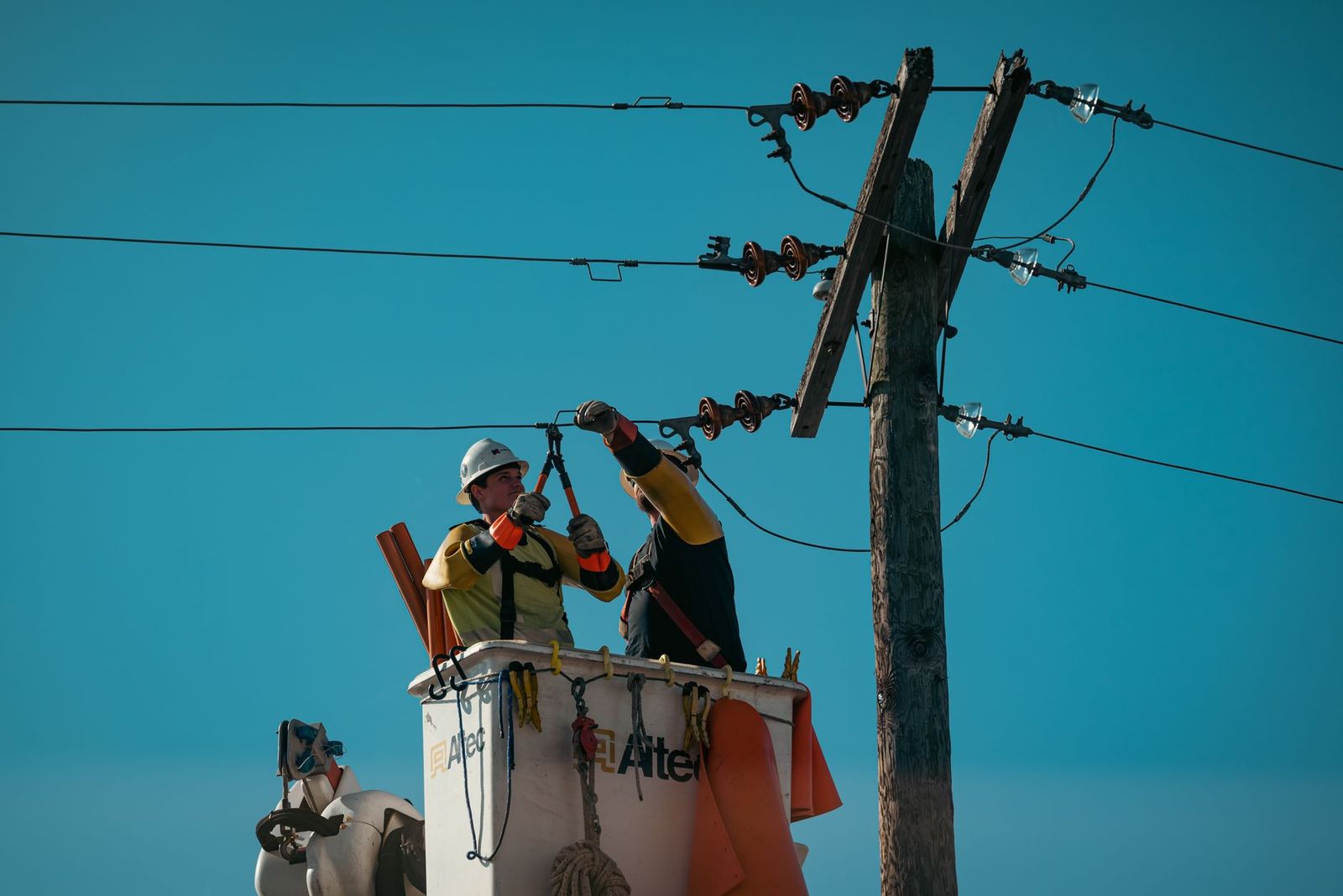
How to Plan Crew Housing in Texas
Bunkhouse Trailers for Oilfield Crews in the Permian Basin and Eagle Ford
The Permian Basin covers more than 86,000 square miles of West Texas and southeastern New Mexico. In 2024 the basin averaged 308 working drilling rigs, which was more than half of the national total. Midland and Odessa anchor the Texas side of the basin, yet most well pads sit a long way from either city. A crew working a pad in Ward or Winkler County can easily spend an hour each way on the road before any real work begins.
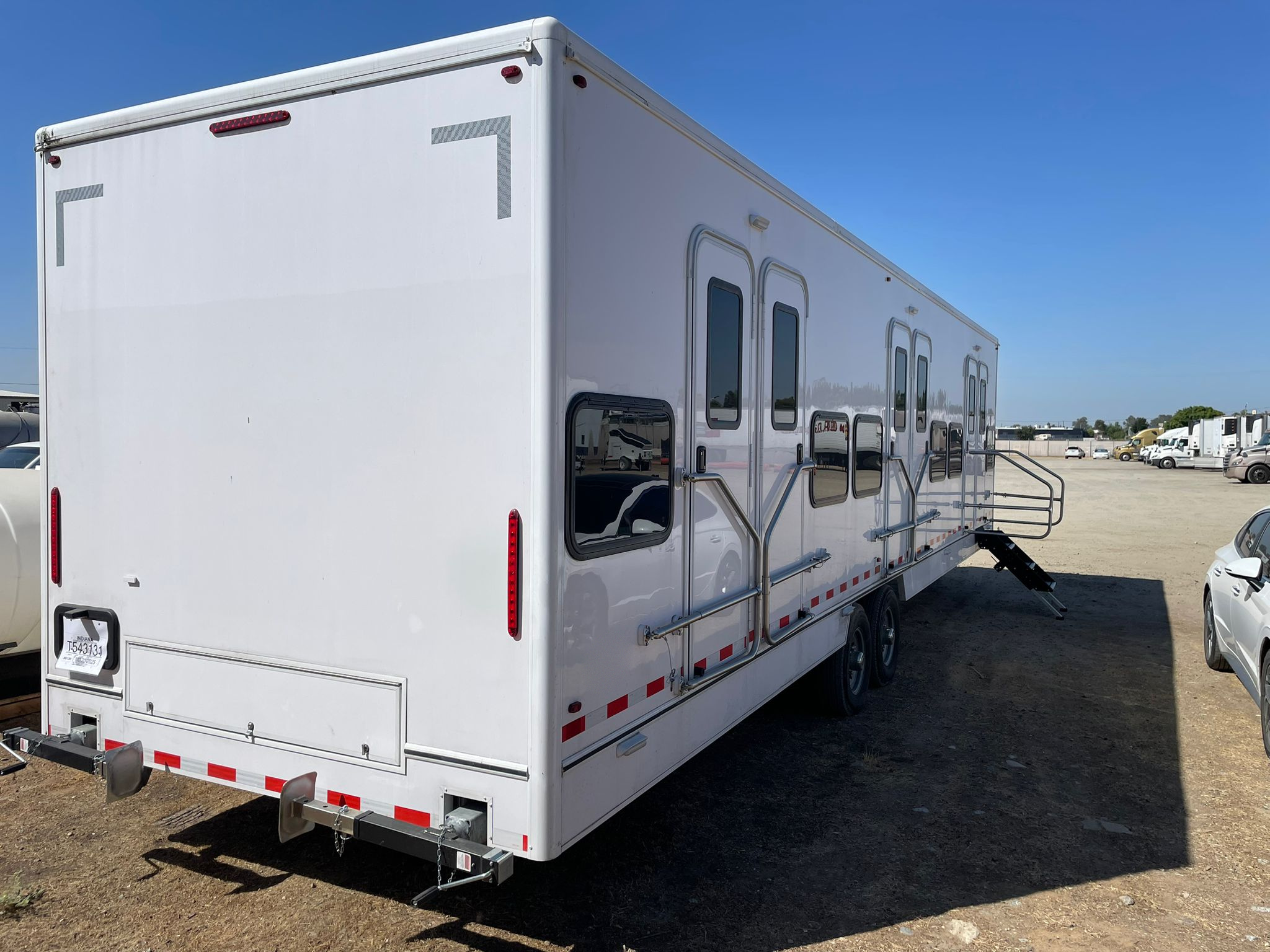
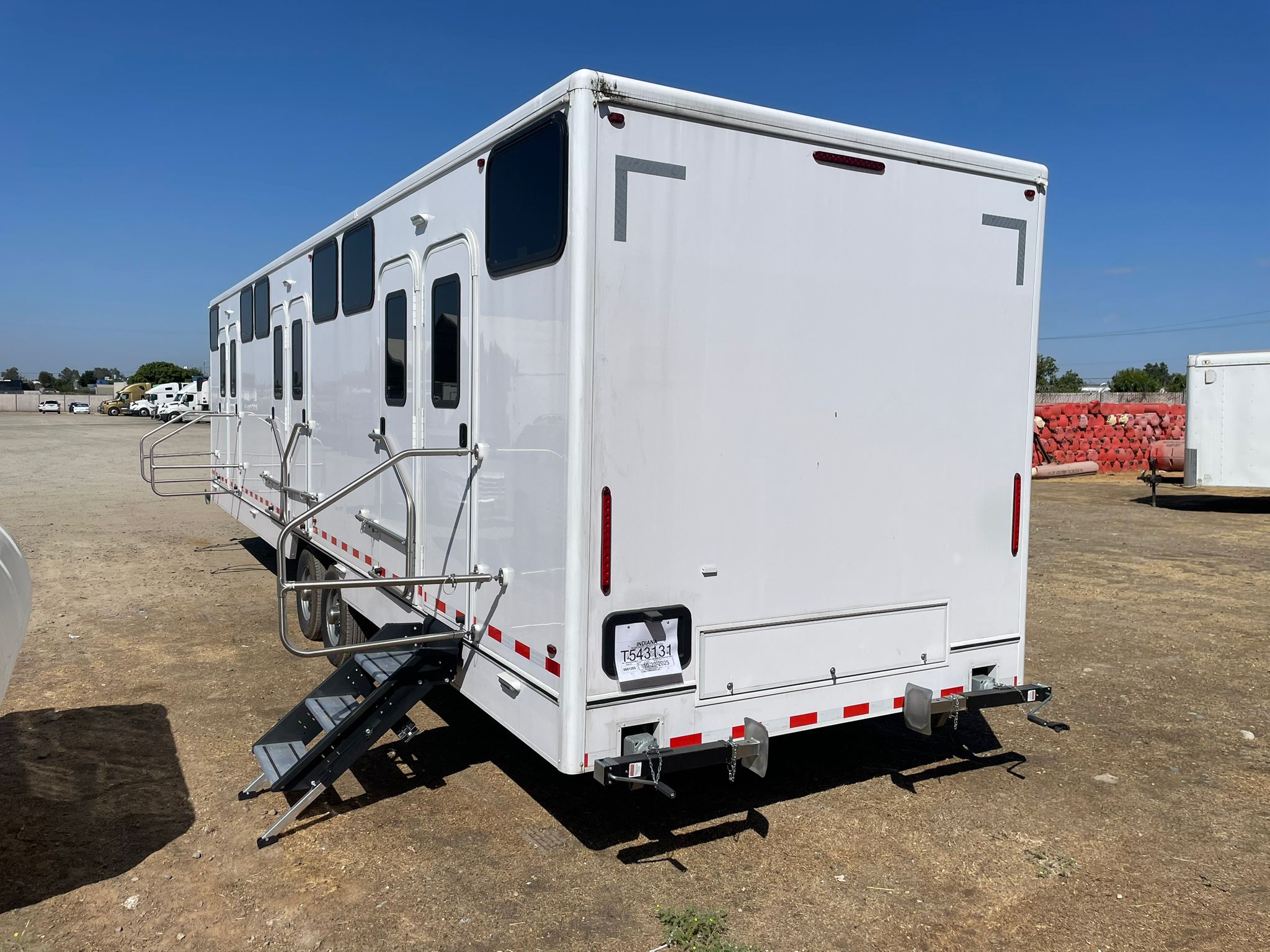
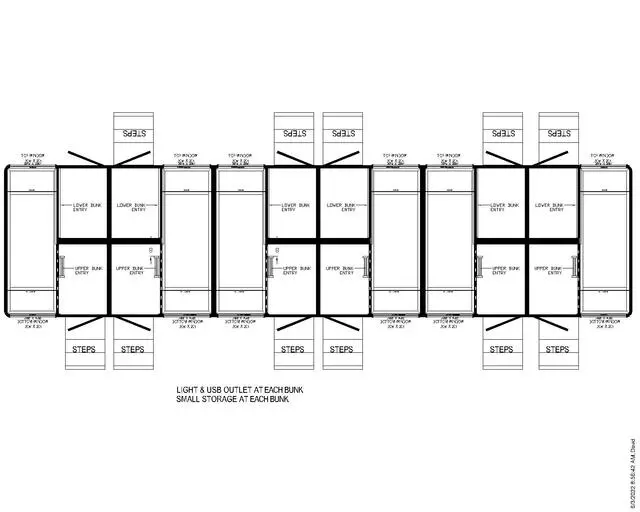
Most drilling and service crews in the basin work a hitch, and 14 days on followed by 7 days off is one of the most common schedules. Shifts during the hitch usually run 12 hours, which adds up to 168 working hours before the crew finally rotates home. That schedule leaves little room for a long commute at either end of the shift. Each 34 ft sleeper trailer gives 12 people a bunk that stays theirs for the full two weeks, with heating and air conditioning in the same unit.
Reeves County shows the housing gap more clearly than anywhere else in the basin, since it counted only 14,748 residents in the 2020 census. One recent count put 66 active rigs there, more than any other county in the nation. Local officials in Pecos believe the real working population runs about 50 percent above the official number. Those extra workers still need a place to sleep, and the town's housing was never built to hold them.
South Texas has the same problem along the Eagle Ford Shale, a band of drilling country about 50 miles wide and 400 miles long. It stretches from counties northeast of San Antonio down to Maverick and Webb counties on the border. Hotels in small towns like Three Rivers and Dilley fill up quickly whenever drilling picks up, and a long stay gets expensive. Our oilfield crew housing trailer rentals page covers pad setup and hitch planning in more detail.
Crew Sleeper Trailers for Gulf Coast Refinery Turnarounds and LNG Builds
The Golden Triangle is the Beaumont and Port Arthur metro, a three-county region of about 397,000 people along the upper Texas coast. Port Arthur was already the second biggest refining center in the country by 1914. According to the Dallas Fed, energy companies still employ just over 11 percent of the regional workforce. The same report connects a recent population dip to the end of several huge construction projects, which shows how much local work arrives in short, heavy waves.
Plant turnarounds are planned shutdowns for inspection and repair, and spring and fall are the two busy windows. Several Gulf Coast plants can be down during the same weeks, because the corridor from Baton Rouge to Houston holds more than 150 major chemical plants and refineries. When their shutdown dates overlap, outside contractor crews arrive by the hundreds, and the hotel rooms closest to the plant gates disappear first.
A turnaround contractor usually brings a specialty crew for a few weeks and then moves on to the next plant. That is short, dense demand, and it returns twice a year. A portable bunkhouse trailer parked in the contractor yard puts that crew a few minutes from the unit it is repairing. For a 24-person crew, 2 trailers give everyone a dedicated bunk.
LNG construction adds a much longer wave on top of the shutdown cycle. Port Arthur LNG expects about 5,000 workers at peak construction, with its first two export trains targeted for 2027 and 2028. Corpus Christi LNG in Gregory already operates three trains, and a federal approval for more export capacity points to more building ahead. The Corpus Christi area also trains far fewer marine electricians each year than local employers need, so contractors keep bringing in traveling crews.
Temporary Crew Housing for Texas Data Center and Chip Plant Projects
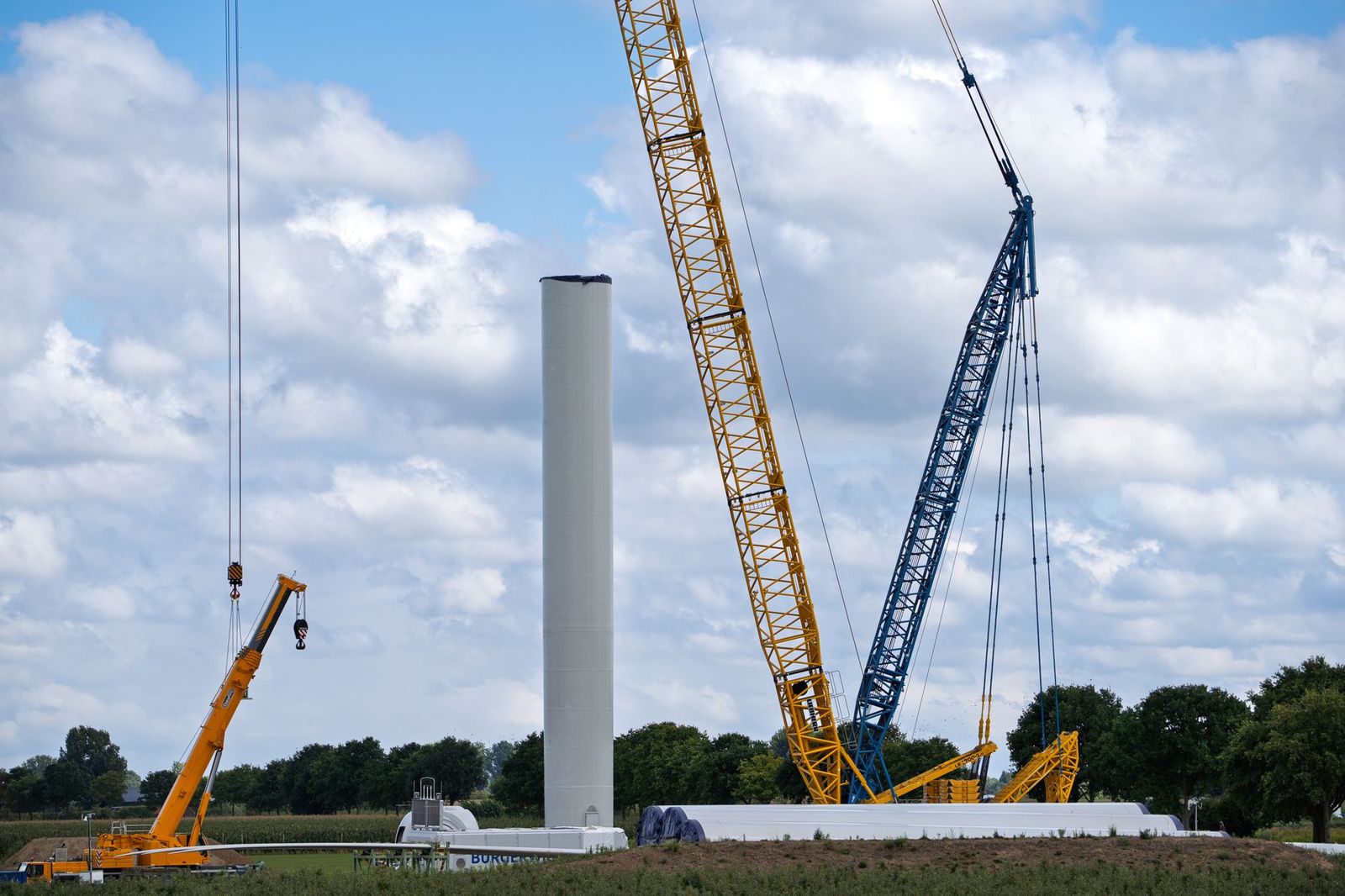
A Texas Tribune analysis identified at least 248 planned data center projects across the state. Data center construction spending in Texas is expected to jump 63 percent in 2026. Most of these campuses need large crews of electricians and other trades for two years or longer. Many of them sit in rural counties where the nearest hotel is small and already busy with other work.
The Stargate campus in Abilene covers just over a thousand acres, and 2026 reports put its workforce between 6,000 and 7,000 electricians and other skilled trades. Crews there have worked around the clock to hold the construction schedule. National press has connected that rush of workers to rising rents and a local housing crunch. A crew that brings its own heated and air-conditioned sleeper trailer onto the job does not compete with Abilene families for apartments.
Samsung's semiconductor plant in Taylor is another multi-year project, with a construction phase projected at 6,500 to 10,000 jobs. Building activity there supported more than 14,200 direct and indirect jobs during 2025. A new condo project near the plant presold 40 percent of its units, and news coverage linked those sales directly to the housing squeeze around the build.
Farther out, a 5,800-acre energy and data campus outside Amarillo started ground work in mid-2025. A separate data center project in Pecos County could someday draw more than 5,000 megawatts of power. That project stacks a second construction wave onto a county already full of oilfield crews. Crews of 24 or 36 people on these jobs typically book 2 or 3 trailers for a contractor yard next to the site.
Mobile Bunkhouse Trailers for Texas Storm and Wildfire Response
Hurricane season runs from June 1 through November 30 along the entire Texas coast. Hurricane Harvey stalled over Houston in 2017 and dropped nearly 50 inches of rain on the region. Rebuilding was harder because the Houston area was already short on housing before the storm arrived. Builders had estimated that the shortage added about a month and a half to new home schedules even before Harvey made landfall.
Hotel rooms were the first resource to run out after the storm. FEMA placed 59,103 people in hotel rooms after Harvey, which left repair crews competing with displaced families for any rooms still open. The Texas General Land Office later operated a short-term housing program, because hotel stays alone could not carry the recovery through to permanent housing.
A restoration crew that stages 60 to 90 minutes outside the damage zone loses that drive twice a day for the whole job. For a 60-person crew, 5 bunkhouse trailers on a staging lot keep everyone a short drive from the work. Our disaster response sleeper trailer rentals page covers base camp planning for storm and flood recovery in more depth.
Wildfire brings its own emergency call-outs across the Texas Panhandle. The Smokehouse Creek Fire started on February 26, 2024 and was fully contained on March 16, after close to three weeks of active response. Fire crews and support staff on a push that long need warm beds near the fire line, not in a town an hour away. A heated crew trailer staged near the work keeps them sleeping warm through cold late-winter nights.
Why Texas Crews Need Heat and Air in the Same Sleeper Trailer
South Texas and the Gulf Coast see daytime highs near 100 degrees for much of the year, usually with heavy humidity on top. A crew coming off a 12-hour shift in that heat needs a cool, quiet room to recover before the next one. The 3 AC units keep the bunk room cool enough for a night shift crew to sleep through a July afternoon.
The Panhandle swings hard in the other direction during the winter months. The National Weather Service office in Amarillo notes that temperature drops of 50 to 60 degrees within 12 hours are not unusual when a cold front arrives. The city's record low is 16 below zero, set in February 1899. Wind farm crews and pad crews working up there in winter need dependable heat, and every unit provides it.
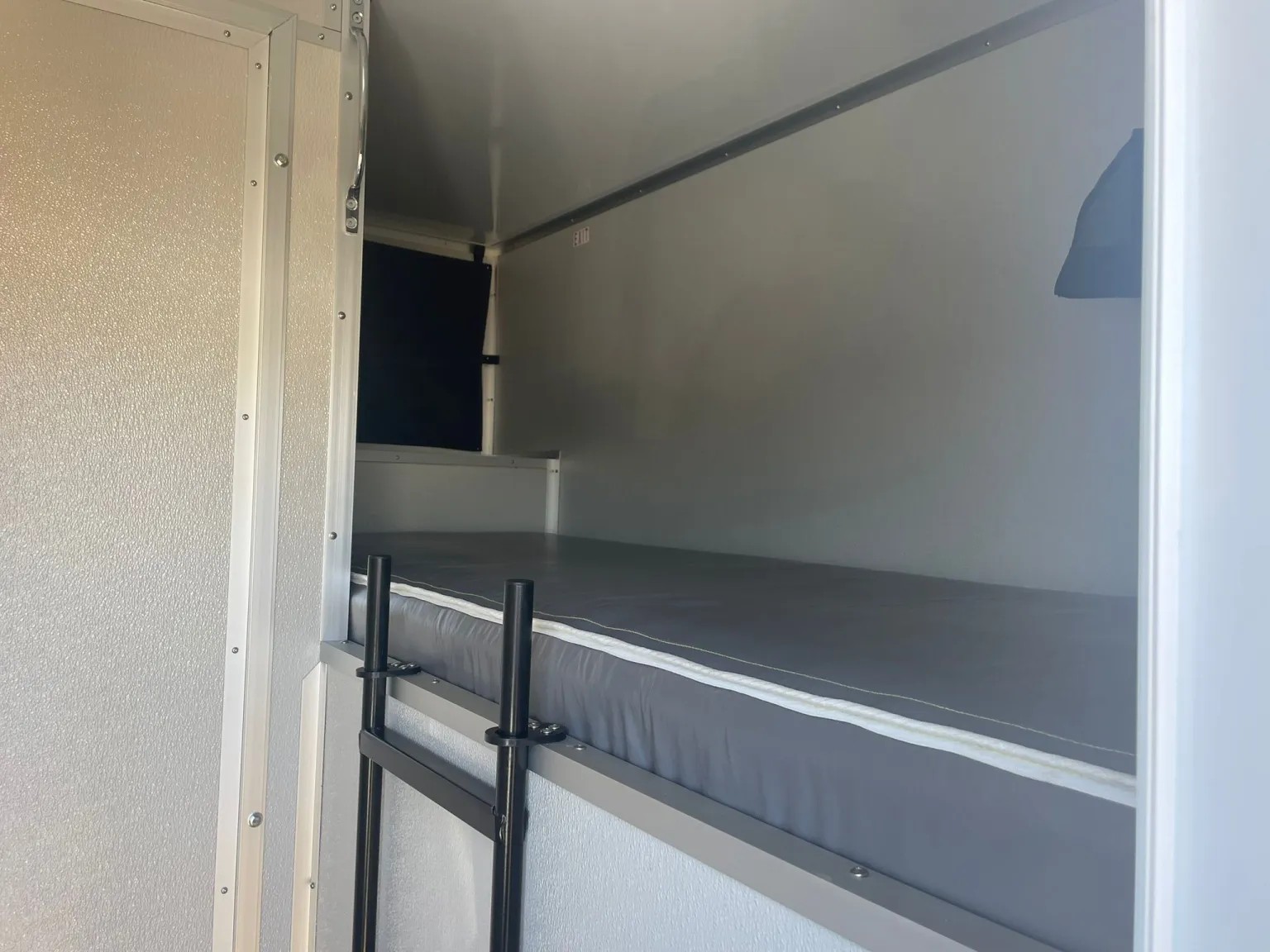
The smart thermostat lets the crew set one temperature and leave it there for the entire rotation. Night shift sleepers get a steady room during the day, and the day shift gets the same comfortable room at night. Nobody has to climb down from an upper bunk in the middle of the night to fight with a noisy window unit.
Portable Bunk Trailers That Move When the Pad Moves
Texas jobs rarely stay in one spot for long, since drilling crews move from pad to pad as wells are finished. Pipeline spreads also move down the line every few weeks as new pipe goes in the ground. A portable bunk trailer can be moved and leveled again at the next site. Your crew keeps the same bunks from the first week of the job to the last. Call dispatch a few days before each move, and we will schedule the new delivery window.
Texas Towns Where Crews Need Portable Sleeper Trailers
- Taylor: Semiconductor plant crews on a multi-year build compete with new residents for the same rental houses and apartments. Trailers on a contractor yard near the site give each shift a dedicated bunk without anyone signing a lease.
- Galveston Island and the Bolivar Peninsula: Storm damage here can close most of the few rooms left on the island within a day. Restoration crews often stage trailers on higher ground inland and drive a short distance to the work each morning.
- Van Horn: Border wall crews near Van Horn have worked out of man camps, because hotels are almost nonexistent in that stretch of Far West Texas. A 12-bunk trailer suits a smaller crew that wants its own quarters away from a big compound.
- Eagle Pass: Guard and state teams here have needed beds long before permanent barracks were ready. Trailers can fill that gap when a new mission starts and no base exists yet for the arriving crews.
- Quintana and Freeport: Freeport LNG in Quintana began as the first LNG import terminal in Texas in 2008 and later converted to export. Plant work there brings outside crews to a small coastal community with very few rooms to spare.
Texas Work Rules That Affect Crew Housing Trailer Plans
Federal trucking rules treat oilfield driving differently from ordinary freight. Drivers who only haul oilfield equipment can restart their 8-day clock after 24 hours off duty, instead of the 34 hours that other property carriers need. Time spent waiting at a well site can also be logged as off duty. A bunk near the pad lets those drivers use a 24-hour restart for genuine sleep, instead of a long drive back to town.
Texas worksites fall under federal OSHA, and the agency's General Duty Clause covers heat hazards on the job today. OSHA published a proposed heat rule on August 30, 2024. As proposed, it would start protections at 80 degrees and add required rest breaks once the heat index passes 90. OSHA's fatigue guidance also names commute time and irregular shifts as risks that employers should plan around.
Large wildfires follow planning terms from the National Wildfire Coordinating Group. Under those terms, a fire camp is one of five predesignated temporary incident facilities. It provides sleeping areas and sanitation for crews and support staff on large fires. Spike camps serve as sleeping sites for crews working too far out to return to the main camp each night. The Texas A&M Forest Service leads state wildfire response and publishes incident data during large fires.
What a Typical Setup Looks Like
Turnaround superintendent, 24-person specialty crew, Port Arthur
When a spring turnaround brings a 24-person crew in for three weeks, a typical plan places 2 trailers in the contractor yard beside the plant. Each worker keeps a dedicated bunk, since day shift and night shift both need to sleep at different hours during the job. The trailers arrive before the unit shuts down and leave when the crew heads home.
Restoration project manager, 60-person crew, upper Texas coast
When a hurricane crosses the coast, hotel rooms near the damage usually fill within days. A 60-person restoration crew typically needs 5 trailers staged on a lot outside the flood zone. Dispatch confirms the delivery window by phone, and the crew works from a base close to the job instead of a motel two counties away.
Drilling foreman, 12-person crew on a 14-7 hitch, Delaware Basin
A 12-person crew on a 14-7 hitch fits comfortably in a 12-bunk trailer, with a bunk held for each person. When the next crew rotates in, they take over the same bunks, so the trailer never sits empty between hitches. The smart thermostat holds one setting across both crews, and nobody has to reset the room.