

How to Plan Crew Housing in California
Temporary Crew Housing for High-Speed Rail and Valley Construction
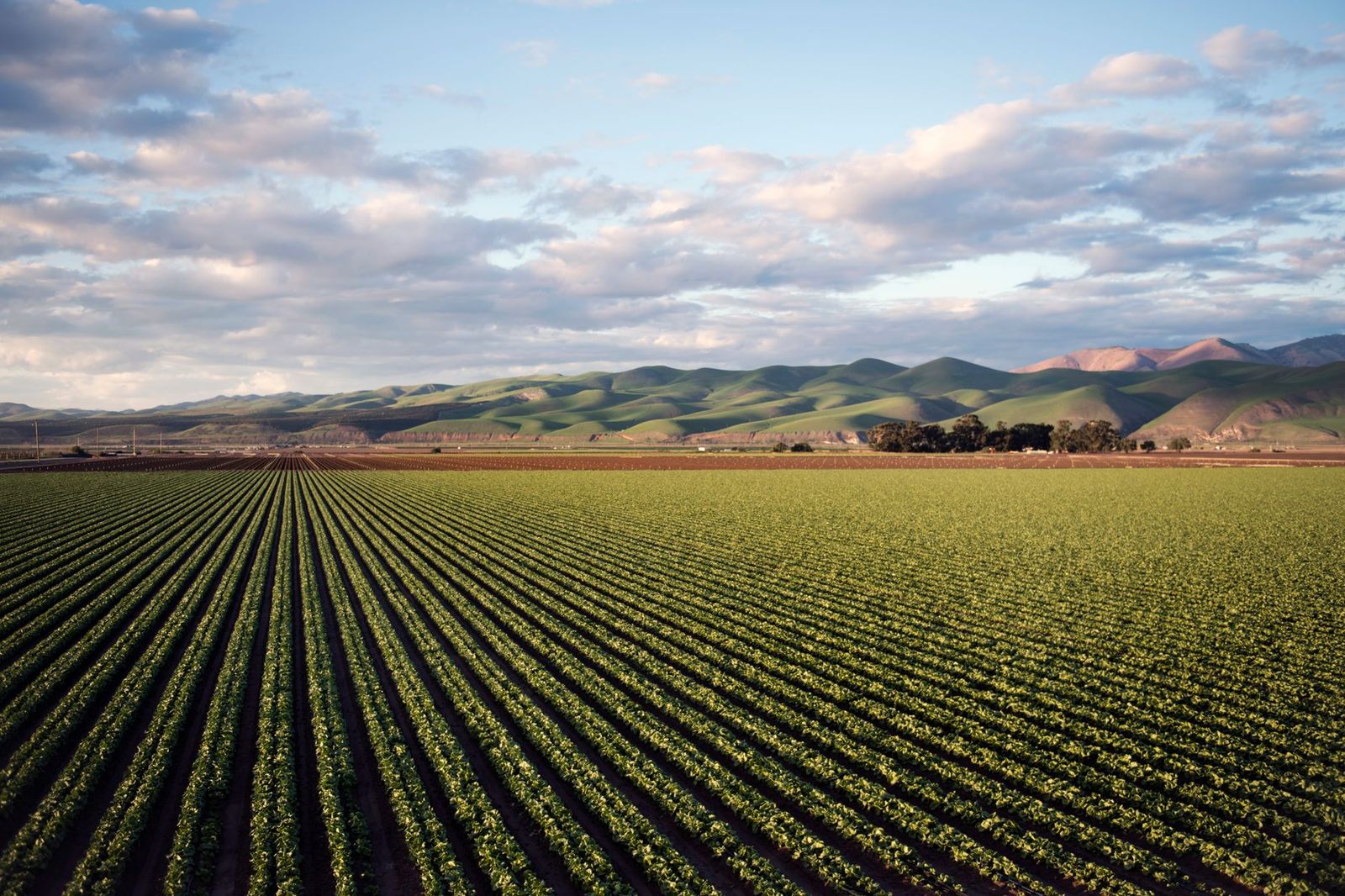
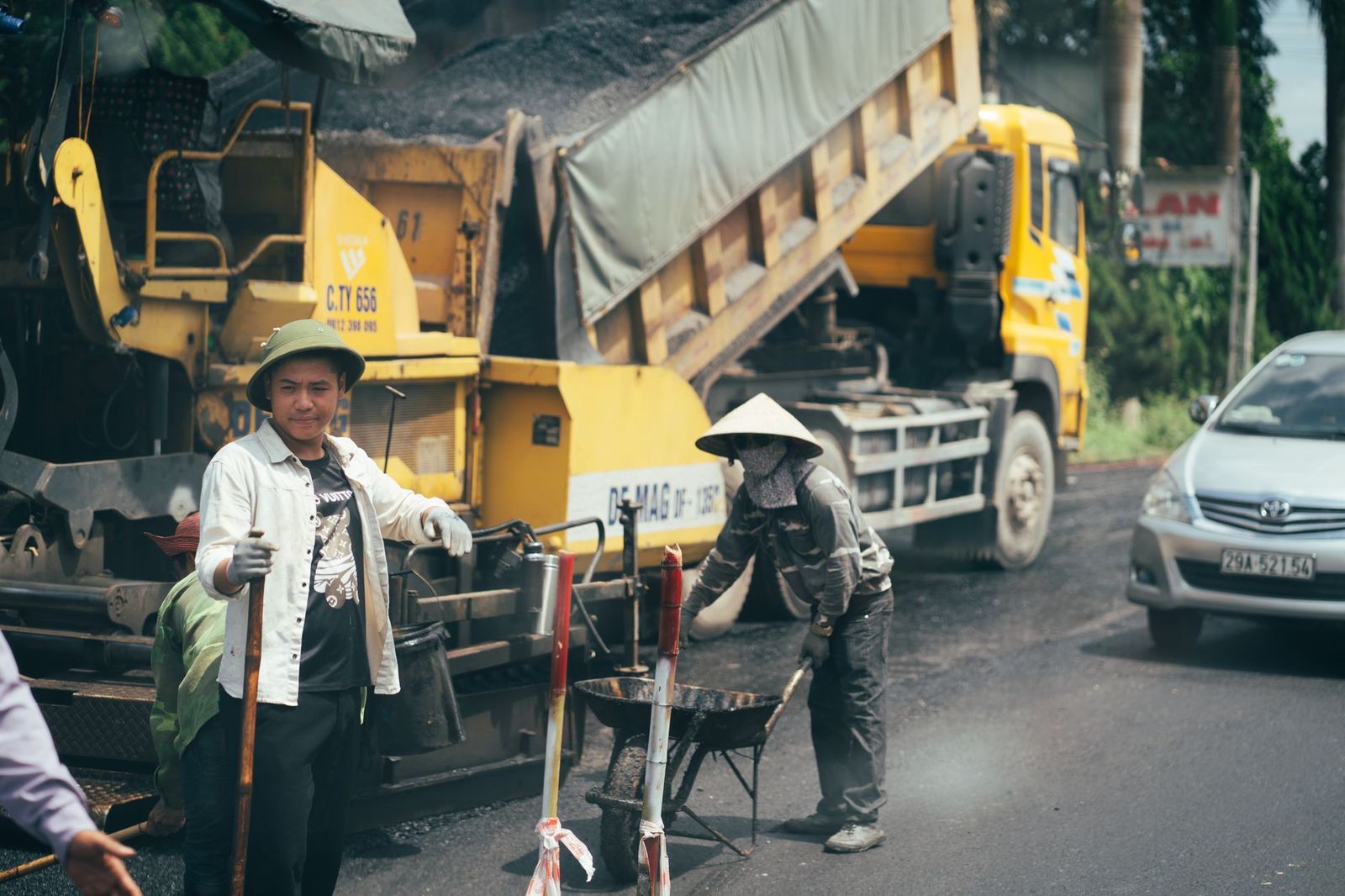
The California High-Speed Rail Authority lists more than 25 active construction sites along 119 miles of the Central Valley. The work crosses five counties, from Madera in the north to Kern in the south. Daily dispatch to those sites has run between 1,400 and 1,600 workers, and many of them travel in from outside the valley for construction phases that last several months.
Small towns along the corridor, such as Wasco and Corcoran, were never built for a construction surge of this size. Hanford and Madera have more rooms, although rail crews compete with harvest season and valley travelers for them. A crew that commutes 60 to 90 minutes each way loses 2 to 3 hours a day, which adds up to 28 hours or more of lost time per worker over a 14 day rotation.
A mobile sleeper trailer set on the staging yard puts the crew within minutes of the structure they are building. Most yards have a graded laydown area that works well for the trailer, and the crew can walk from there to the site office each morning. Shore power from the yard runs the unit when a service drop is close by, while a generator can carry the load on an early yard that has no service yet.
Rail phases also move from place to place, since a viaduct crew may finish in Fresno County and start the next structure in Tulare County a few weeks later. We move the trailer to the next yard and set it up again, so the crew keeps the same bunks. The Authority has also advanced procurement for the Merced to Madera civil works, which points to more northern valley work in the years ahead.
Heated Bunk Trailers for Fire Camps and Utility Line Crews
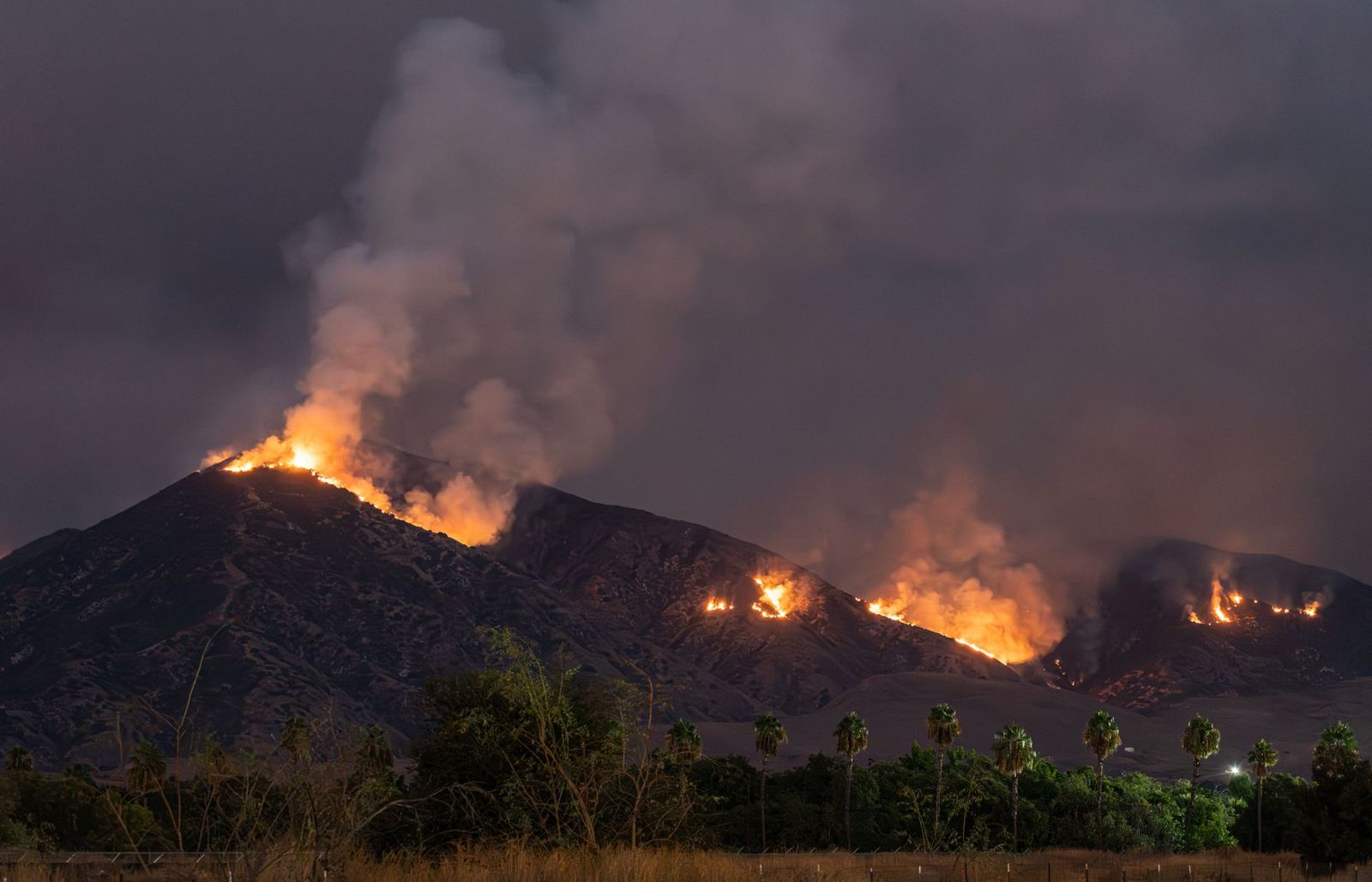
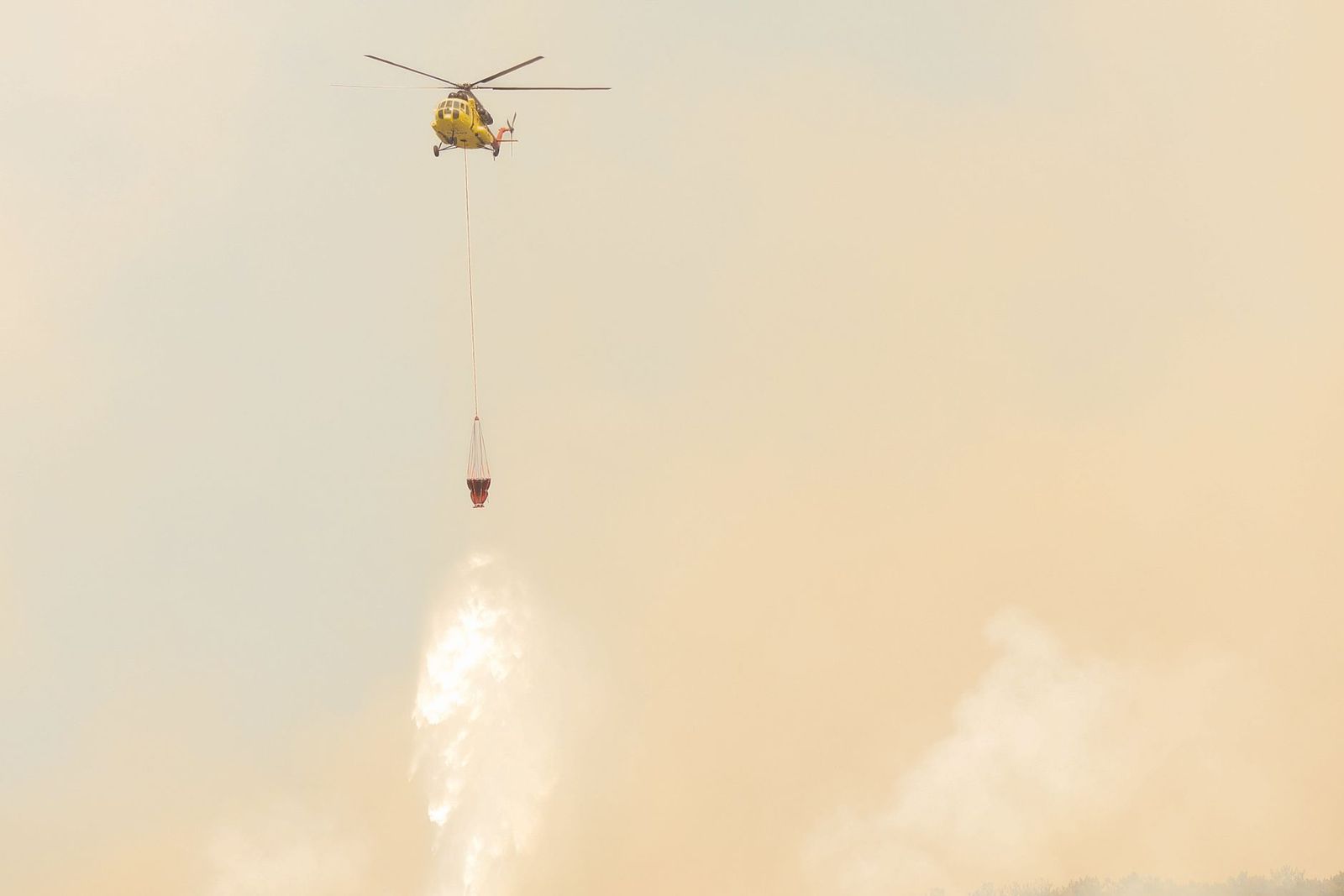
California recorded 8,036 wildfires in 2025, and those fires burned 525,223 acres across the state. The Madre Fire alone reached 80,786 acres before the Gifford Fire passed it two weeks later. Incident bases now stand up somewhere in the state in almost every month of the year. Our page on sleeper trailers for wildfire fire camps shows how a camp lays out bunks next to the incident base.
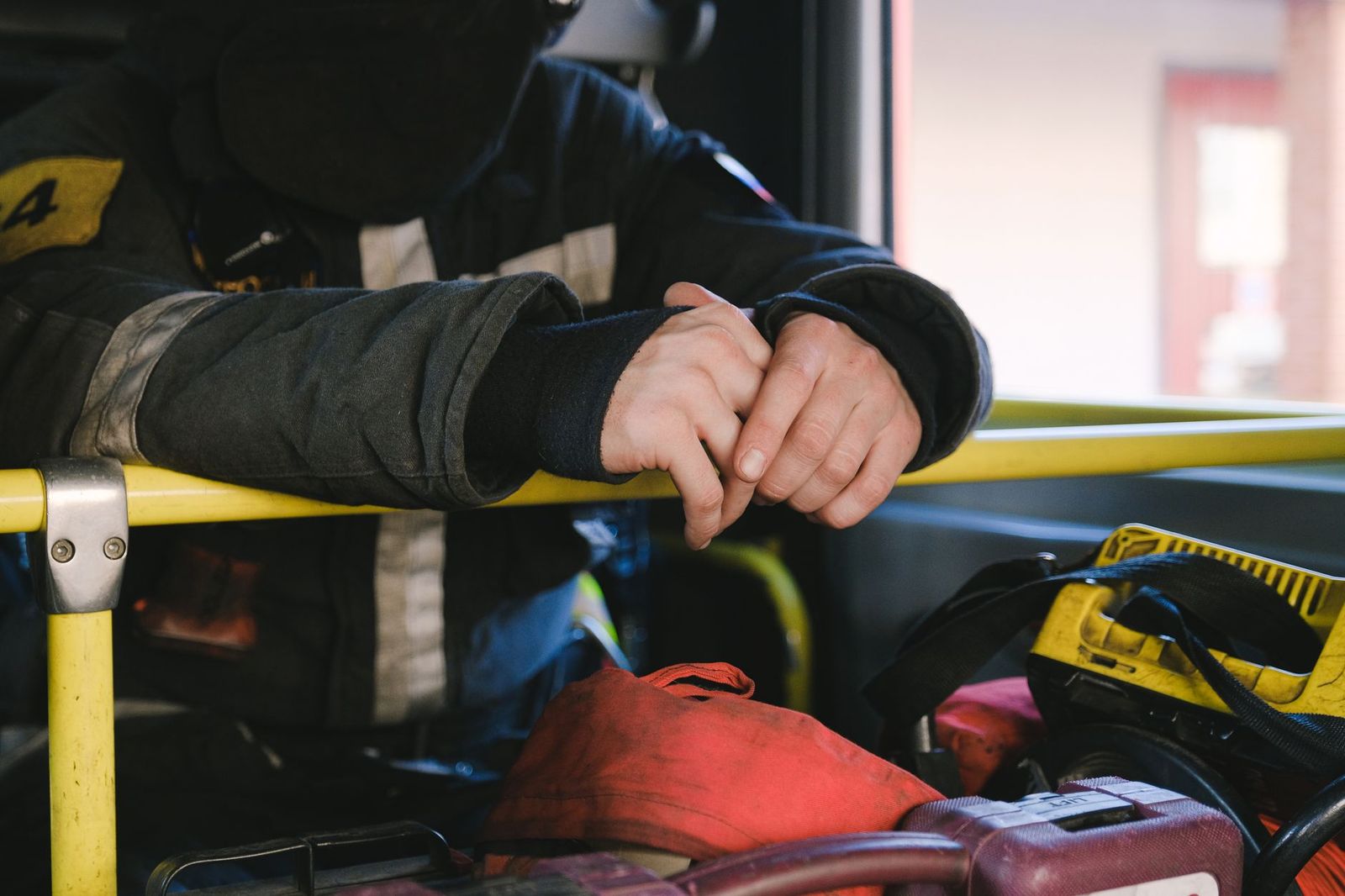
Tired driving is the bigger danger for many fire crews, because NWCG reports that vehicle accidents cause more deaths and serious injuries among wildland firefighters than the fire itself. Its driving guidance tells crews to stay off the road between 10 p.m. and 6 a.m. whenever they can. A crew that sleeps at the camp never faces a midnight drive to a motel 90 minutes away.
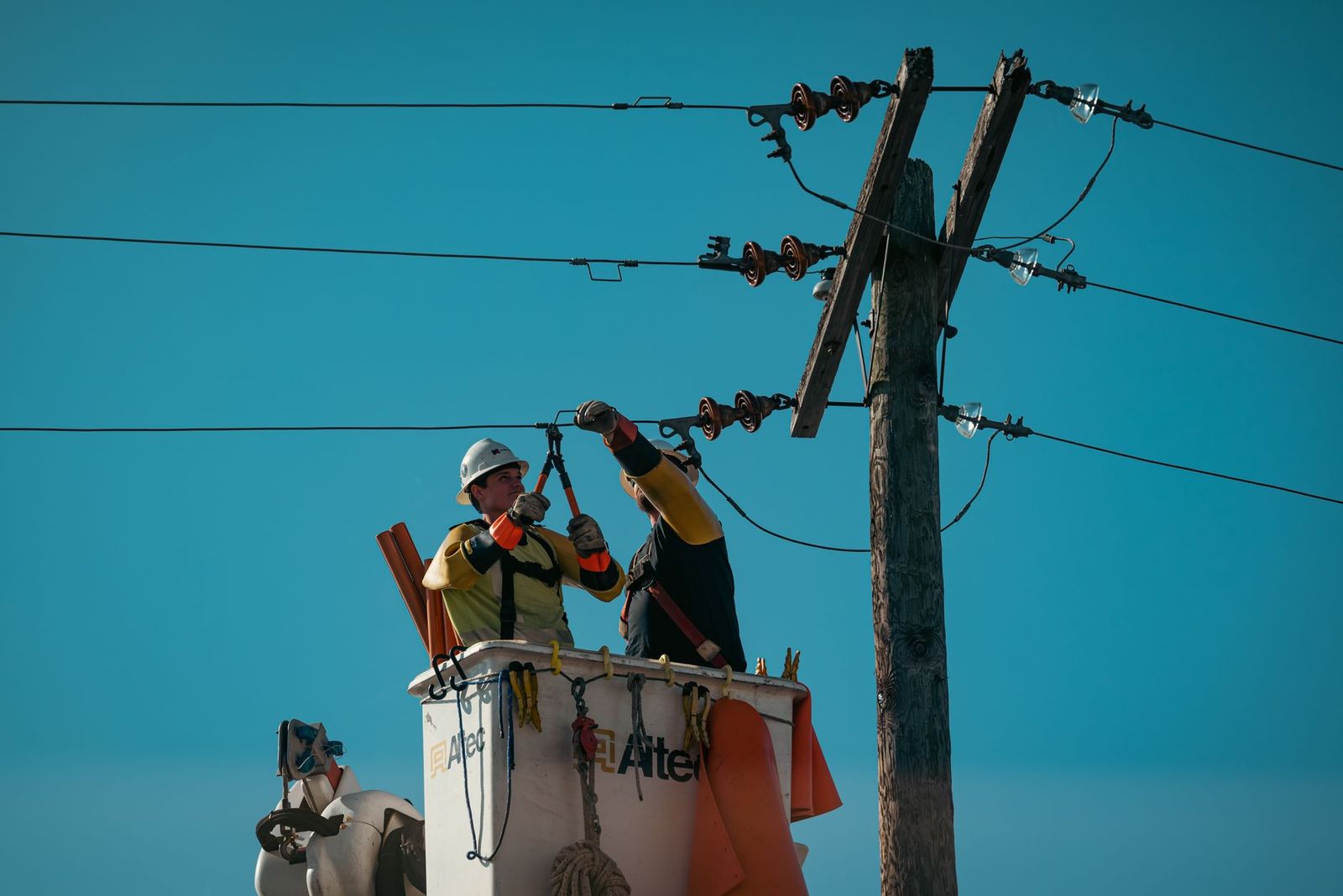
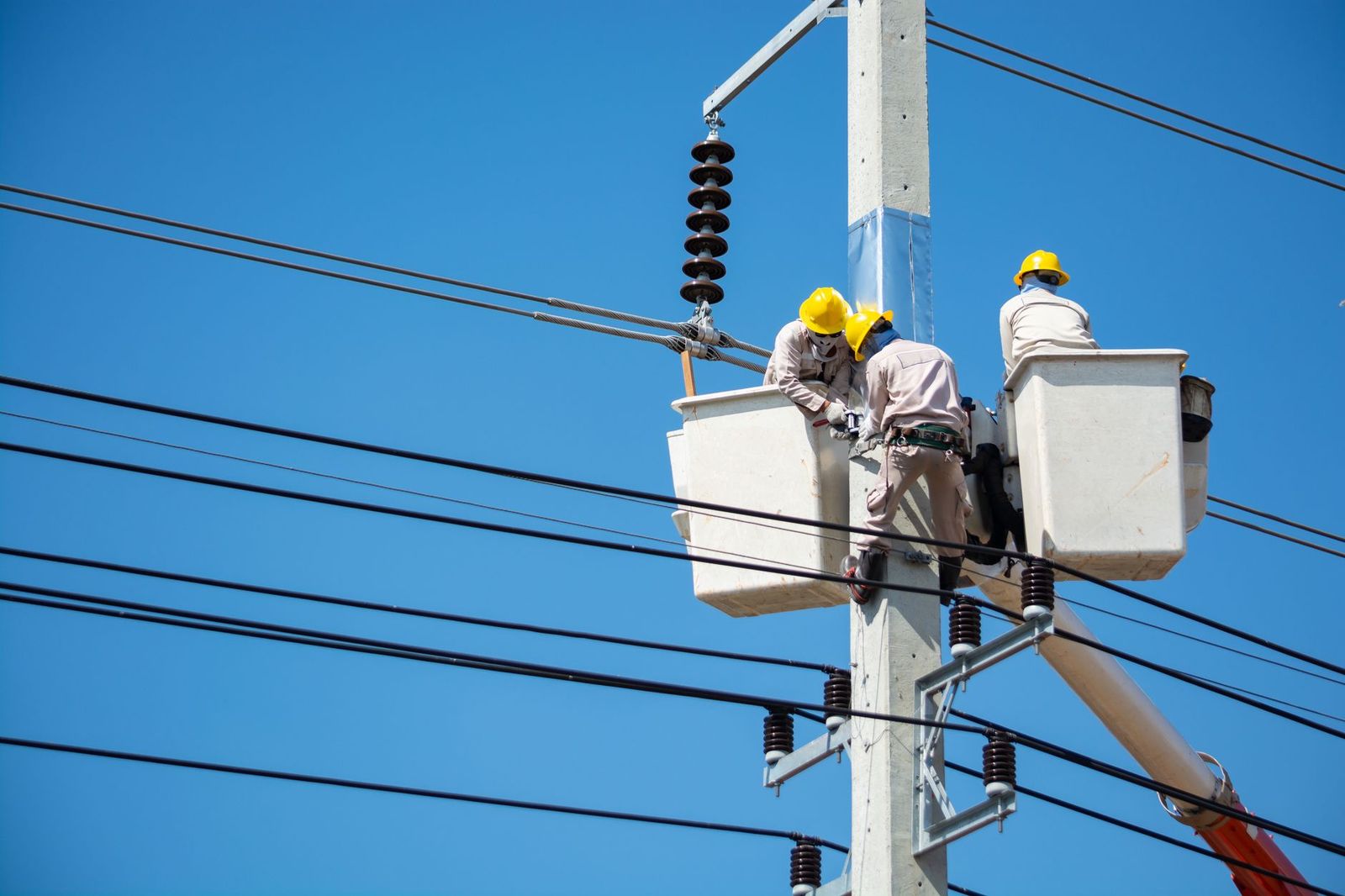
The same counties keep line crews busy between fire seasons, and PG&E's 2026 to 2028 Wildfire Mitigation Plan calls for nearly 1,100 more miles of underground power lines across 27 high fire risk counties. Butte County carries about 337 of those miles, and Shasta County carries about 119. Southern California Edison plans at least 260 more circuit miles underground, plus 440 miles of covered conductor.
That work moves along a trench line week by week, often down fire roads far from any hotel. A climate-controlled crew quarters trailer can follow the crew as the line advances. In San Diego County, SDG&E has replaced more than 2,100 wood poles with fire resistant steel poles in the backcountry, where rural roads sit far from city hotels. Our page about crew housing for utility line crews explains how often a trailer moves on a long job.
Air-Conditioned Crew Quarters for Kern Oil Leases and Desert Energy Sites
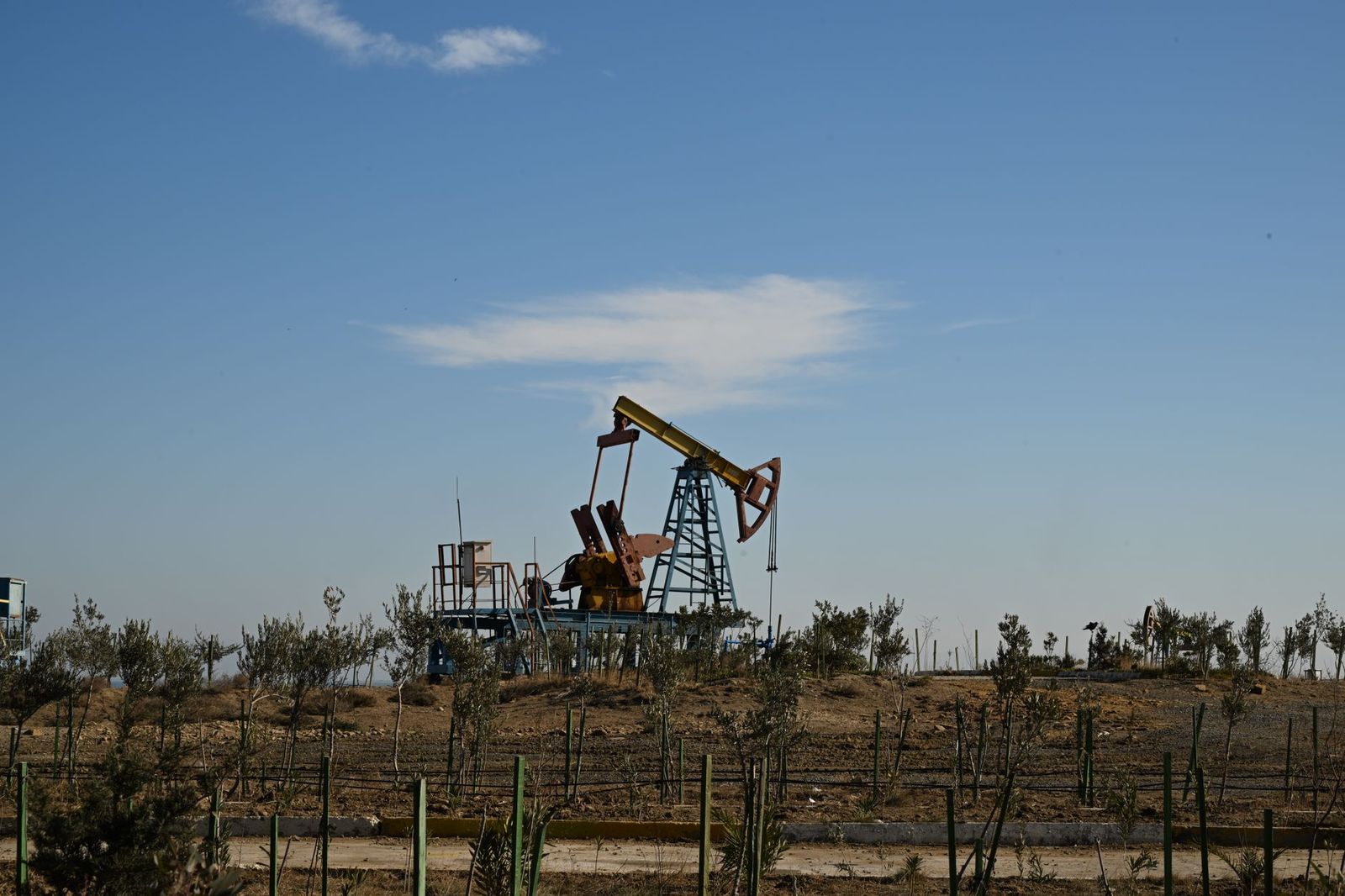
Kern County produces about 66 percent of California's crude oil and about 10 percent of the nation's. Named fields around Bakersfield include the Kern River field and the Fruitvale field. Well service crews often work two week rotations on leases reached by unpaved roads, so a 12-bunk trailer on the lease keeps the crew close to the rig for the whole rotation.
Summer heat in the southern valley stays above 95 degrees for long stretches. Cal/OSHA adds extra heat protections for some industries once a work site reaches 95 degrees. A trailer with 3 AC units lets a crew cool down and sleep after a hot shift, and that rest matters when the next shift starts at first light.
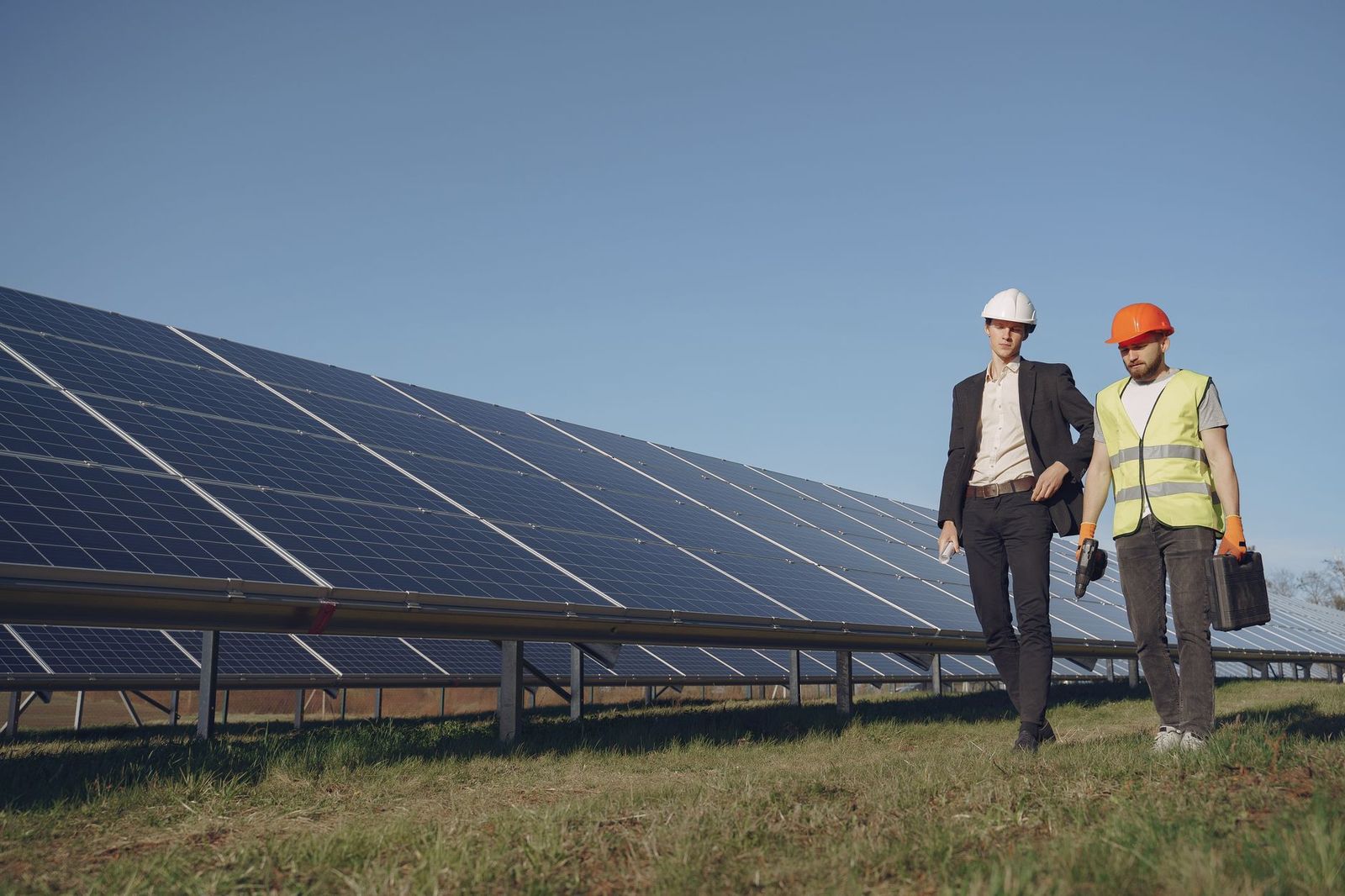
The Mojave Desert and the Antelope Valley host several of the state's big solar builds. Ivanpah, on about 3,500 acres of federal land, reached a peak construction crew of 1,200 workers. The Antelope Valley Solar Ranch near Lancaster, a 230 MW project on 2,100 acres, created about 350 construction jobs. Sites like these are flat and graded, and many of them have no town close by.
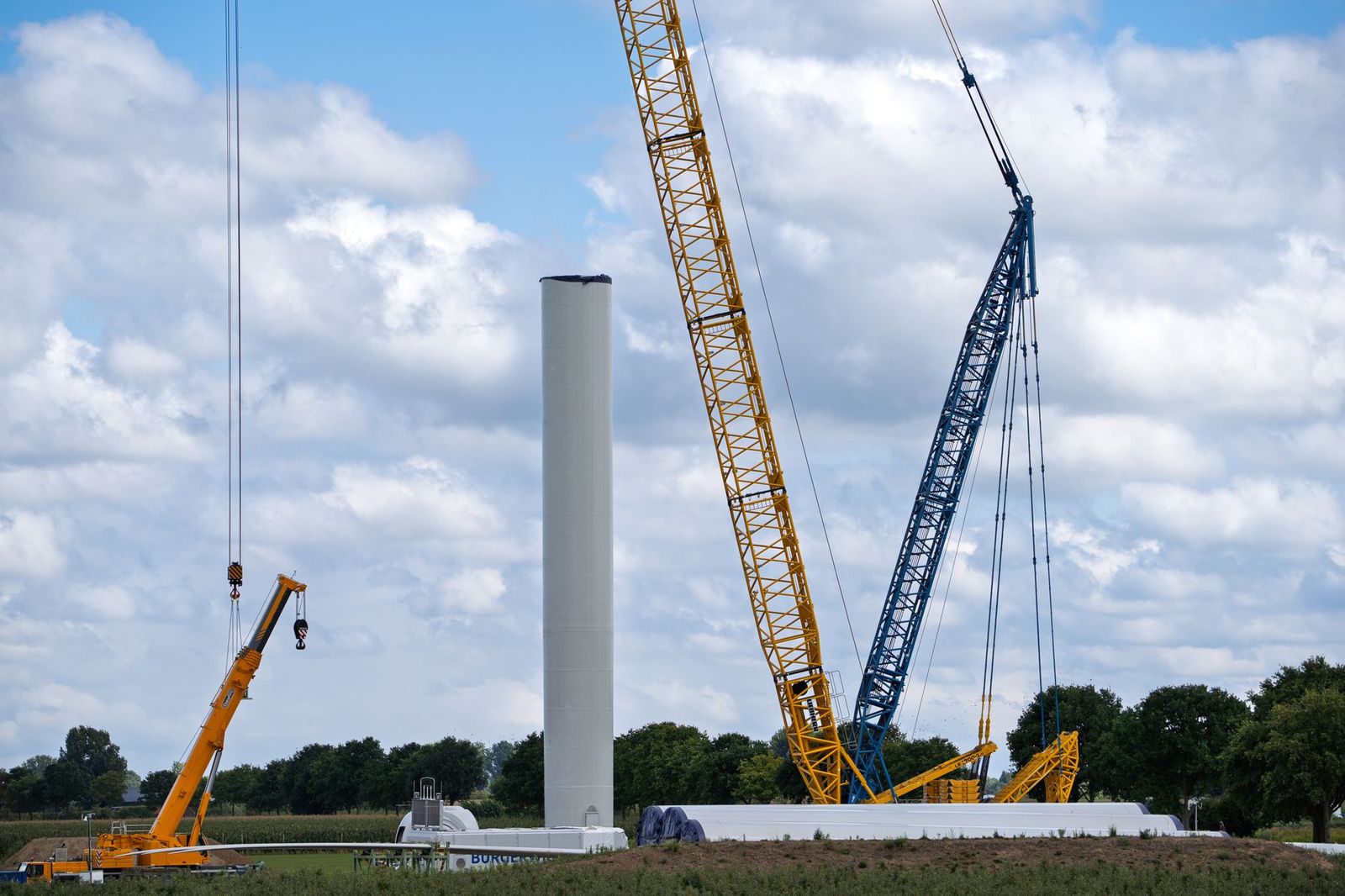
Tehachapi Pass has hosted wind turbines since the early 1980s, with about 3,400 turbines producing roughly 710 MW. Kern County has been reviewing new wind proposals that would add a combined 4,600 MW if approved. Energy crews that rotate out of California can find our pages for bunkhouse trailer rentals in Nevada and sleeper trailer rentals in Texas. The trailer, the bunks and the dispatch line stay the same.
Portable Sleeper Trailers for Productions Shooting Outside the Studio Zone
California raised its film and TV tax credit to a 35 percent base, with up to 40 percent for work filmed outside Los Angeles County. Half of the recently approved projects planned to shoot outside the 30-Mile Studio Zone. Those plans added up to 228 out-of-zone filming days, and many of those days fall in desert or mountain towns with few rooms for a working crew.
A company move to a dry lake bed or a forest trailhead often leaves the grip and electric crews driving back to a distant hotel. A bunk trailer staged near base camp lets the early call crew sleep a short walk from set. Location managers can place it outside the shot area, often beside the other production trailers.
Production schedules often shift by a day or two, and our dispatch line answers 24/7, so a location manager can move a delivery date late at night. We deliver and set up the trailer before the crew arrives, then pick it up when the company wraps. See our page on sleeper trailers for film and TV productions for a longer planning guide.
Permits drive timing on many locations, because some sites allow equipment only inside a set window, so we confirm the access road and the staging spot before booking a date. A 34 ft trailer needs a clear turn at the gate and a level spot long enough for the trailer and the truck that delivers it.
Desert Heat and Sierra Snow in the Same State
California work swings between two extremes, and Kern County oil leases and Mojave solar sites spend long summer stretches above 95 degrees. Crews on those jobs need a cool bunk to recover at night, since daytime shade breaks do nothing for sleep. Each trailer runs 3 AC units, controlled by a smart thermostat with a digital touch screen.
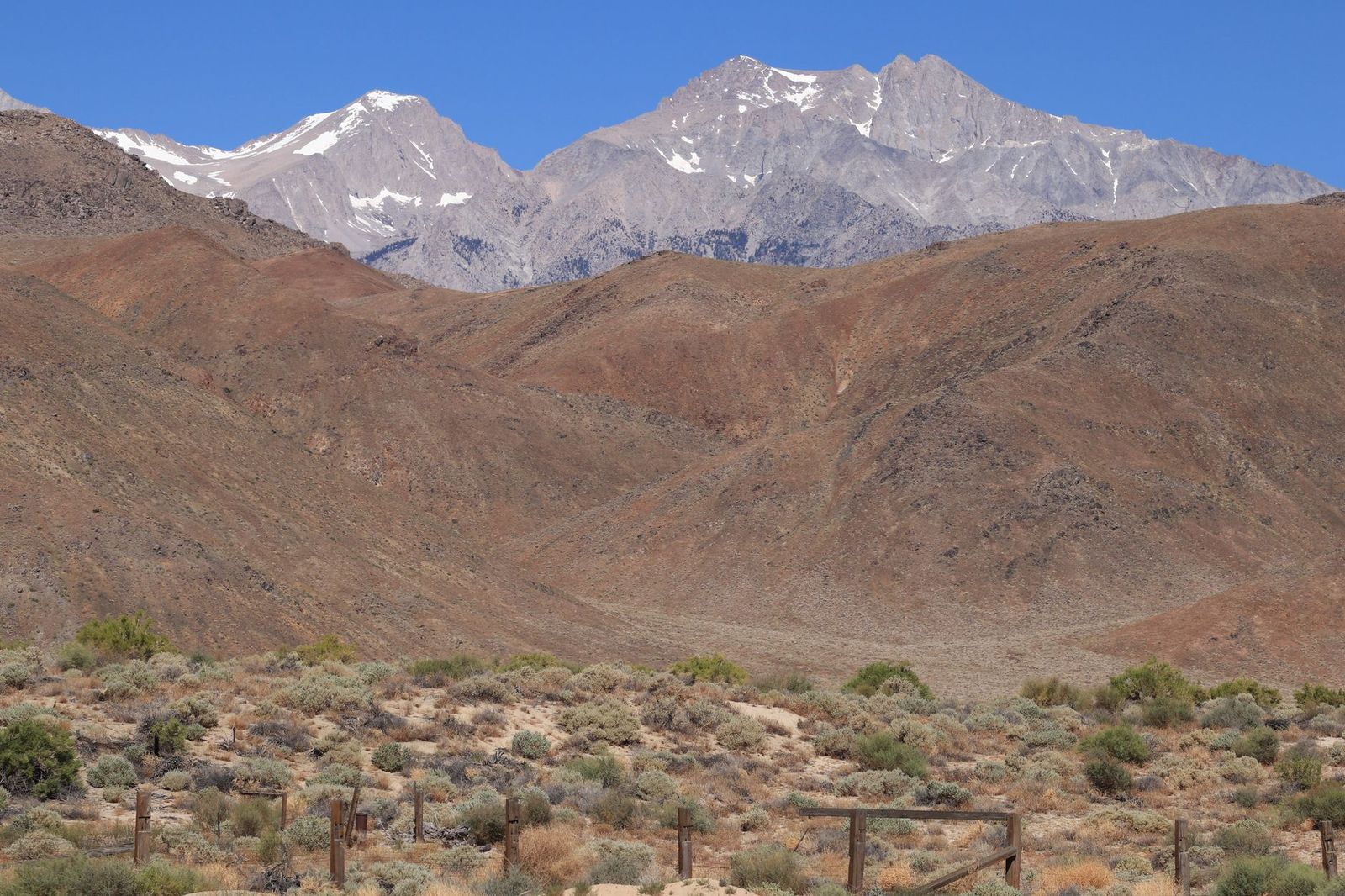
The Sierra Nevada is the other extreme, where Tioga Pass on State Route 120 sits at 9,945 feet, the highest highway pass in California. It closes after the first big snow, and Caltrans District 9 needs about two months each spring to clear it. Road crews working those passes need a heated bunk through freezing nights, and the same 3 units provide it.
Timing matters at both ends of the state, since snow can close a mountain road for months, so a trailer for a high site should arrive before the first storm and leave before the next closure. Desert jobs often push hard in spring and fall, when crews try to avoid the worst heat. Tell dispatch the elevation and the dates, and we will plan the delivery around them.
One Trailer Model for Every California Job
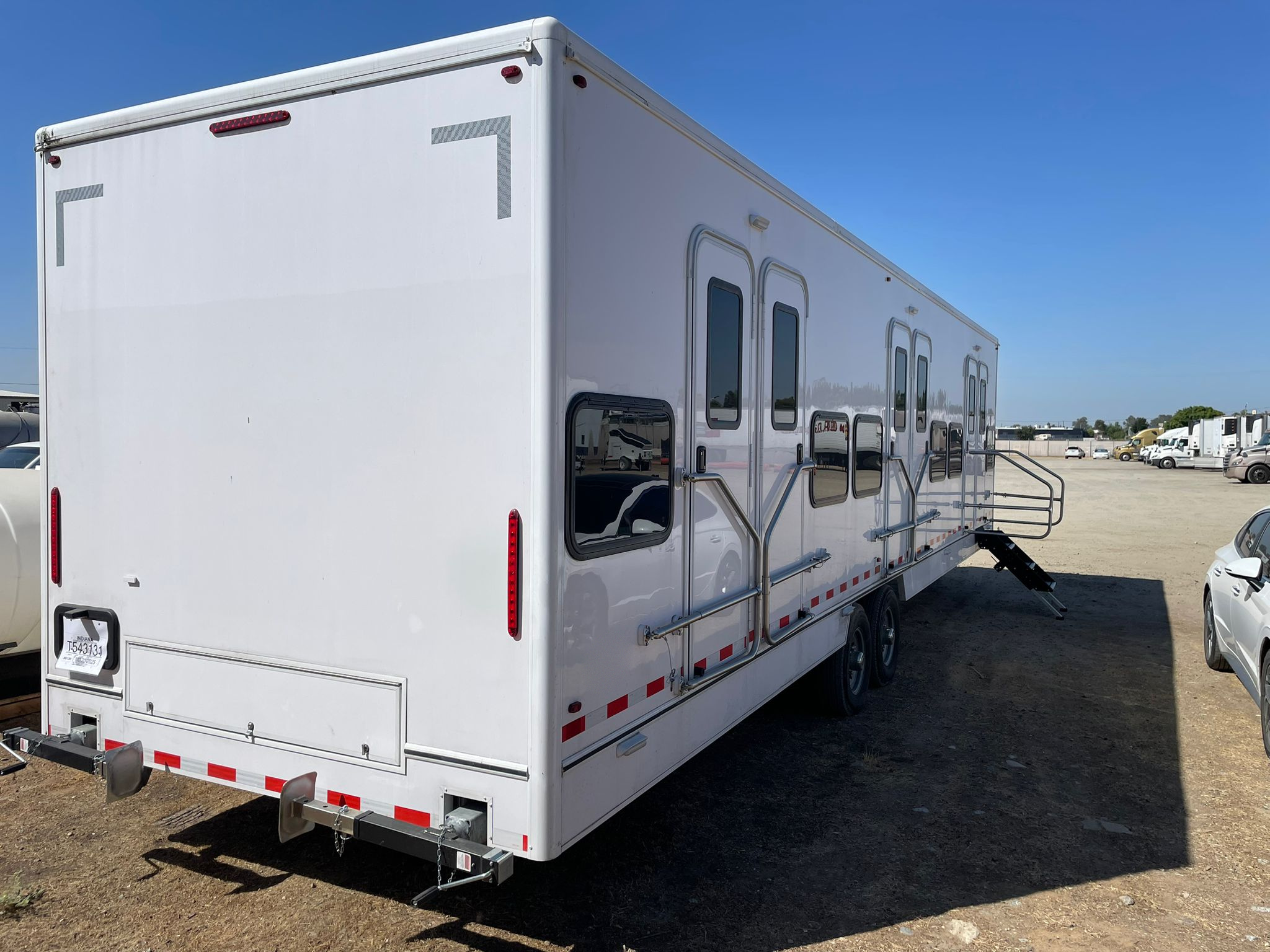
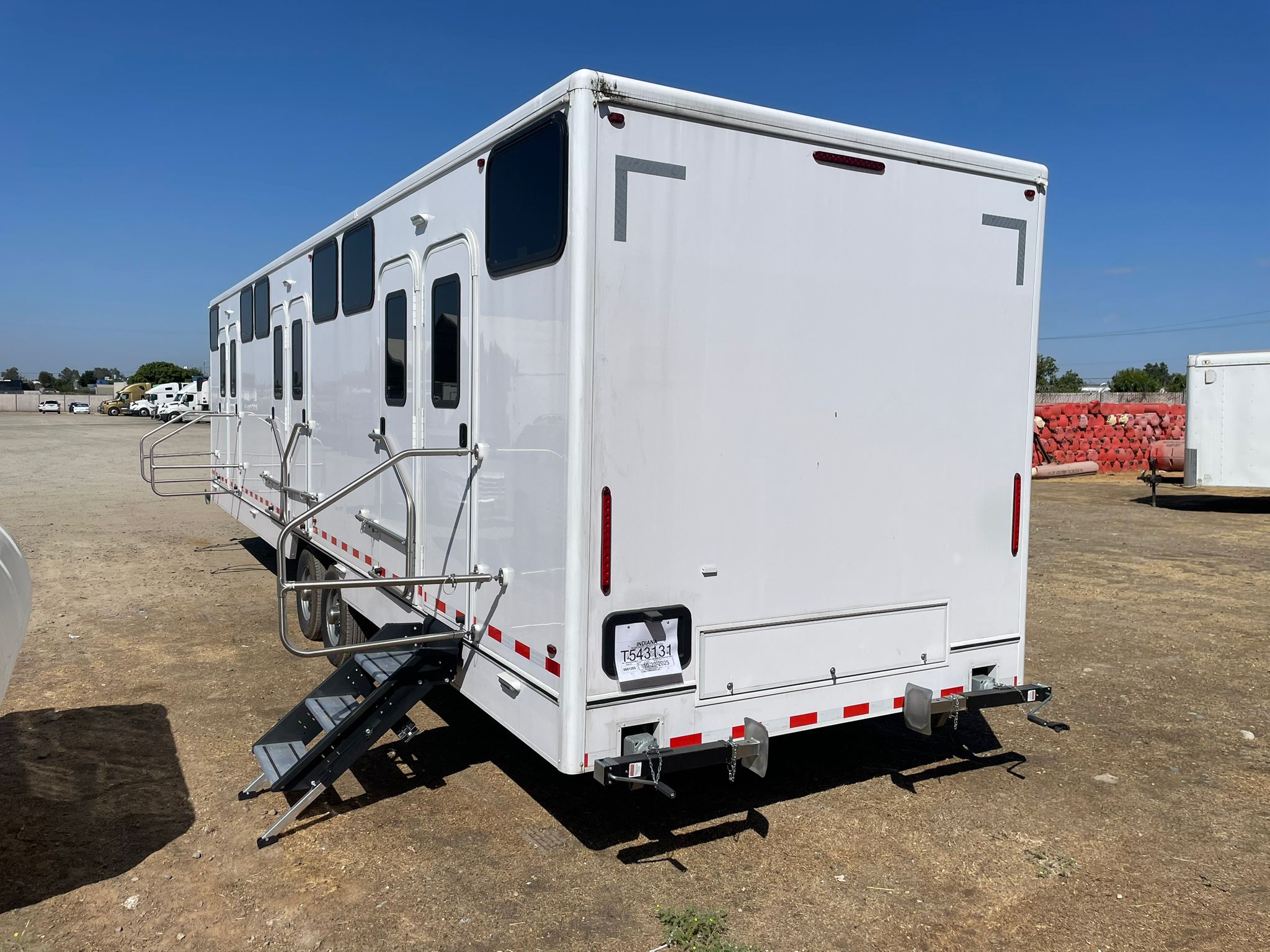
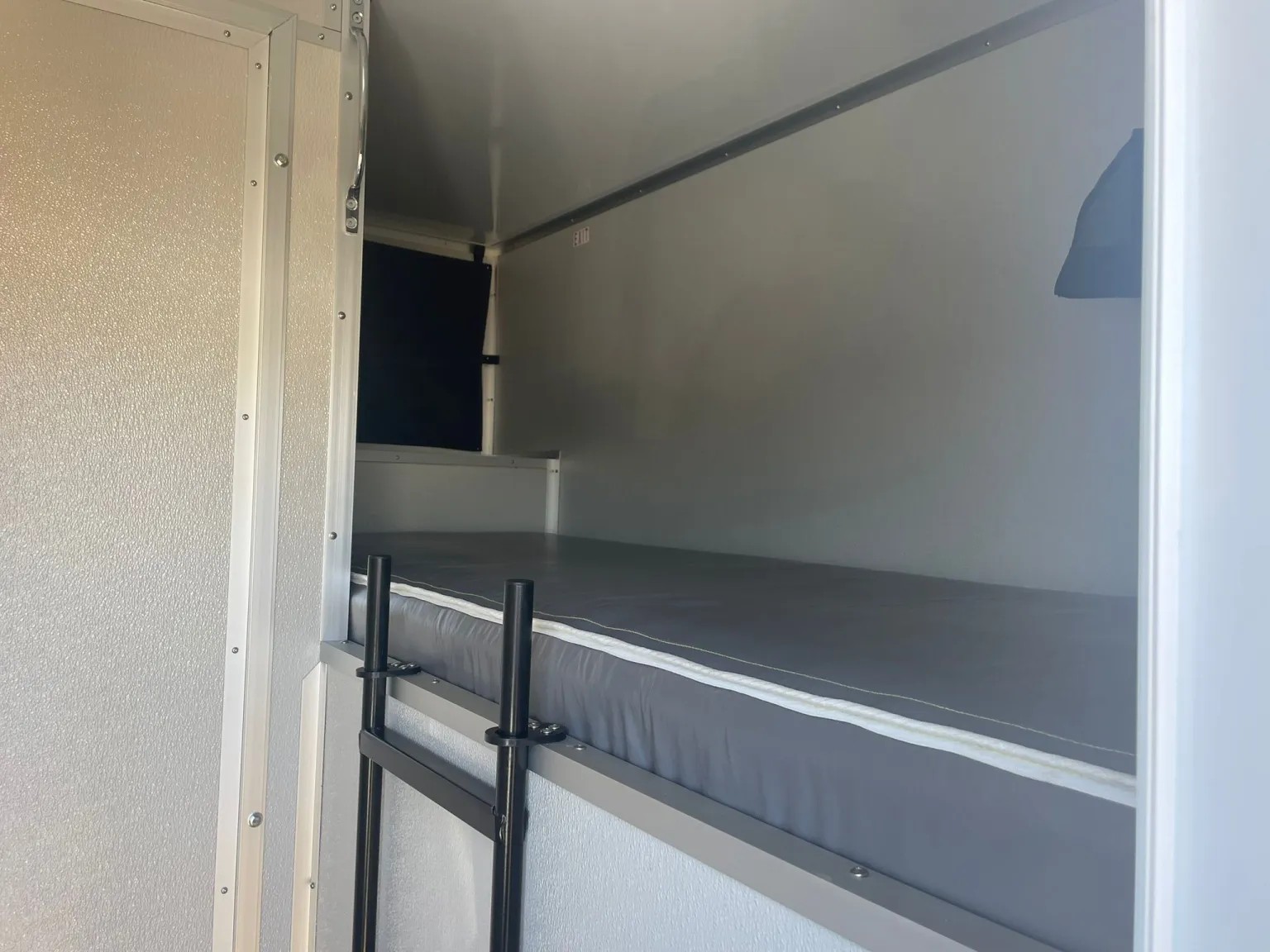
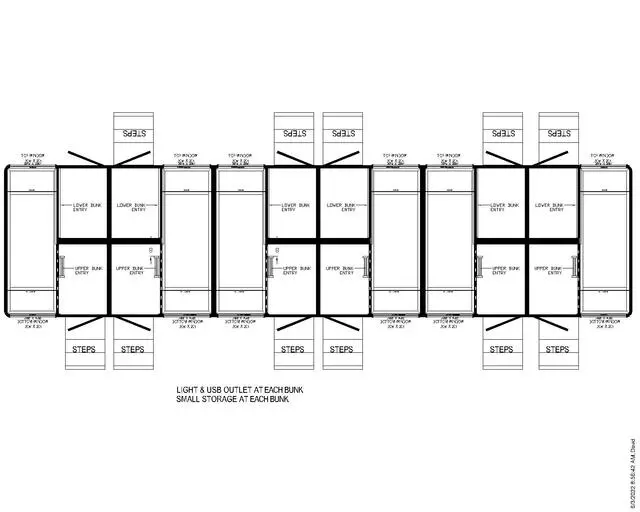
We rent one bunkhouse sleeper trailer model, so every California booking gets the same 34 ft layout. Six upper bunks and six lower bunks line the room, and built-in steps at each bunk bank make the top bunks easy to reach. Every bed has its own light and USB outlet, and a small storage compartment at each bunk holds a phone and personal gear. When a crew moves from a fire camp to a rail yard, the beds and the controls stay familiar.
Where California Crews Need Beds the Most
- Bakersfield and the Kern oil fields: Lease crews working the Kern River and Fruitvale fields often run long hitches on unpaved lease roads. A trailer on the lease removes the drive into Bakersfield after every shift, and the summer heat here makes the AC the hardest working part of the unit.
- Hanford, Wasco and the rail corridor: High-speed rail work spreads across more than 25 active sites in the valley. Staging yards near Hanford and Wasco sit close to the work but far from a large hotel supply. Yard power makes these some of the simplest setups in the state.
- Butte and Shasta counties: PG&E line crews expect years of work in these North State counties, with about 337 planned miles in Butte County alone. Small foothill towns fill quickly during fire season, so a temporary bunk trailer that moves with the trench line keeps the crew near the next day of work.
- Antelope Valley and the Mojave: Solar construction near Lancaster and out toward Ivanpah brings crews of hundreds during peak phases. Many of these sites have no town close by, which means a generator or temporary service powers the trailer until permanent power is built.
- Inland Empire and Cajon Pass: The 2016 Blue Cut Fire in the Cajon Pass burned about 37,000 acres and forced nearly 85,000 people to evacuate. Fire prevention and utility crews return to this corridor every year, and the California Conservation Corps runs eight day spike projects here when a job sits outside a reasonable commute.
- Eastern Sierra passes: Caltrans District 9 crews open Tioga Pass each spring after about two months of clearing. Maintenance yards sit well below the pass, where nights stay cold into late spring, so heat in the trailer matters as much here as the AC matters in Kern County.
California Heat and Fatigue Rules That Shape a Crew Camp
California adopted the country's first permanent outdoor heat illness standard in 2006, and it sits in Title 8 of the state code. It covers outdoor work in fields such as construction and agriculture. Employers must provide at least one quart of water per worker per hour and shade once temperatures reach 80 degrees. Extra protections begin at 95 degrees for some industries. The Cal/OSHA heat illness prevention page lists the full requirements.
These rules focus on the work shift itself, while a climate-controlled bunk adds rest time in cool air after the shift ends, which crews notice on a long summer hitch. A trailer does not replace an employer's heat plan, and crew leaders still keep their own written procedures. Careful teams plan night rest as part of the same heat strategy.
Fatigue guidance shapes fire camps too, and NWCG driving guidance tells crews to avoid the road between 10 p.m. and 6 a.m. and to take a 10 to 15 minute break every two hours of driving. Spike camps exist for the same reason, since they cut the commute that leads to tired driving. The NWCG driving safety guidance explains the full list.
What a Typical Setup Looks Like
Rail yard foreman, 24-person structures crew, Fresno County
When a structures crew of 24 lands on a new viaduct phase, a typical plan uses 2 trailers on the staging yard. Each crew member gets a dedicated bunk, so nobody shares a bed across shifts, and we set the trailers near yard power and the restroom trailer, and the crew walks to the morning safety meeting. When the phase ends, the same 2 trailers move to the next yard.
Line crew supervisor, 48-person trench crew on a 14/7 rotation, Butte County
When an underground line crew of 48 works a 14/7 rotation, about 24 people are on site at a time. A typical plan books 2 trailers for the on-shift half, so each bunk has one sleeper at a time. The trailers move down the corridor every few weeks as the trench advances, and dispatch schedules each move so the crew does not lose a night of rest.
Camp manager, two 20-person hand crews at a Sierra foothills incident base
When two 20-person hand crews arrive at an incident base, a typical request is 4 trailers with 48 bunks. That leaves 8 spare bunks for overhead staff and late arrivals, and the trailers sit together near the shower and restroom units, away from the engine staging lanes. Dispatch confirms the gate location and a delivery window by phone, day or night.