
How to Plan Crew Housing in Arizona
Temporary Crew Housing Near Arizona Copper Mines
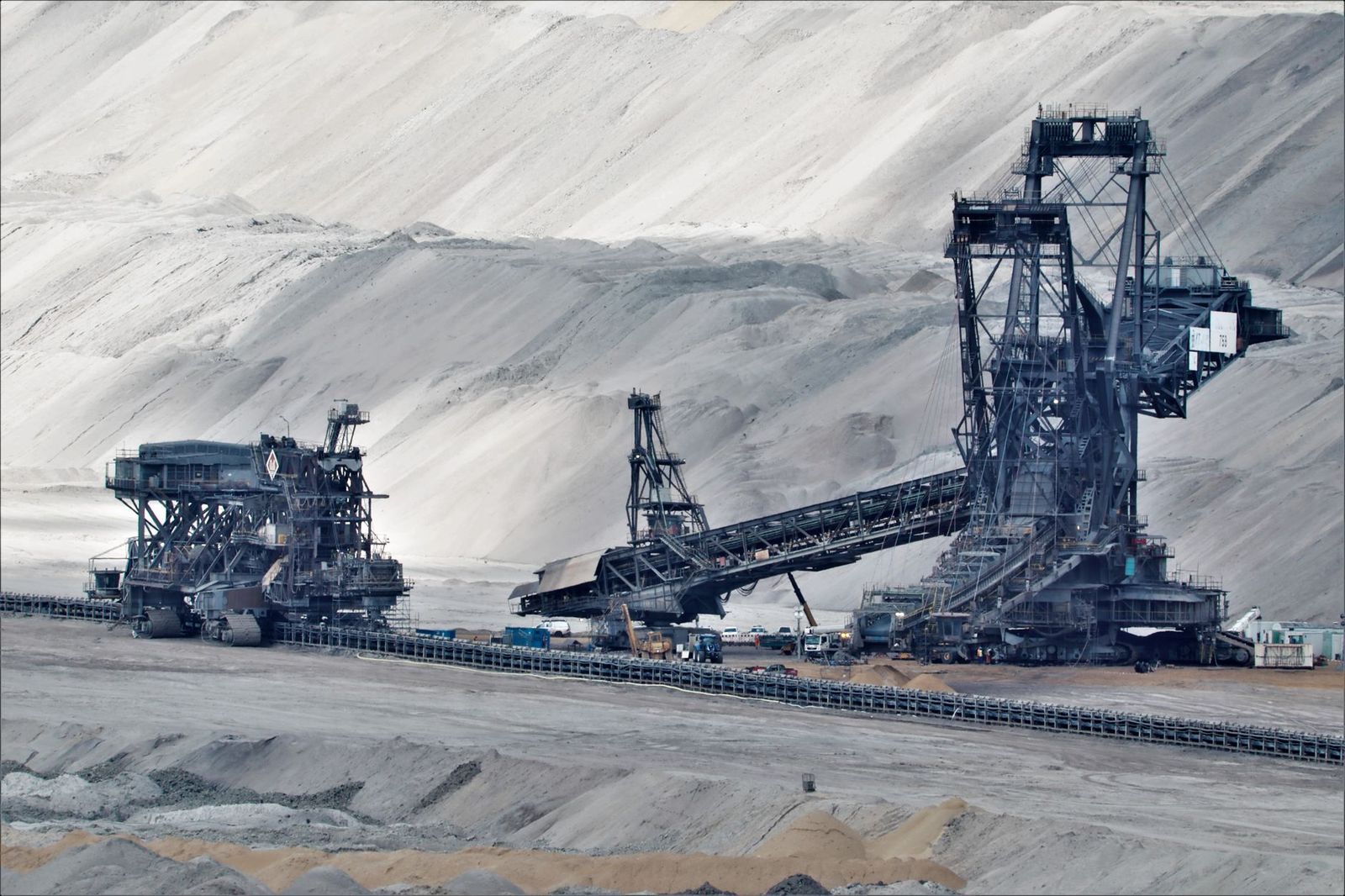
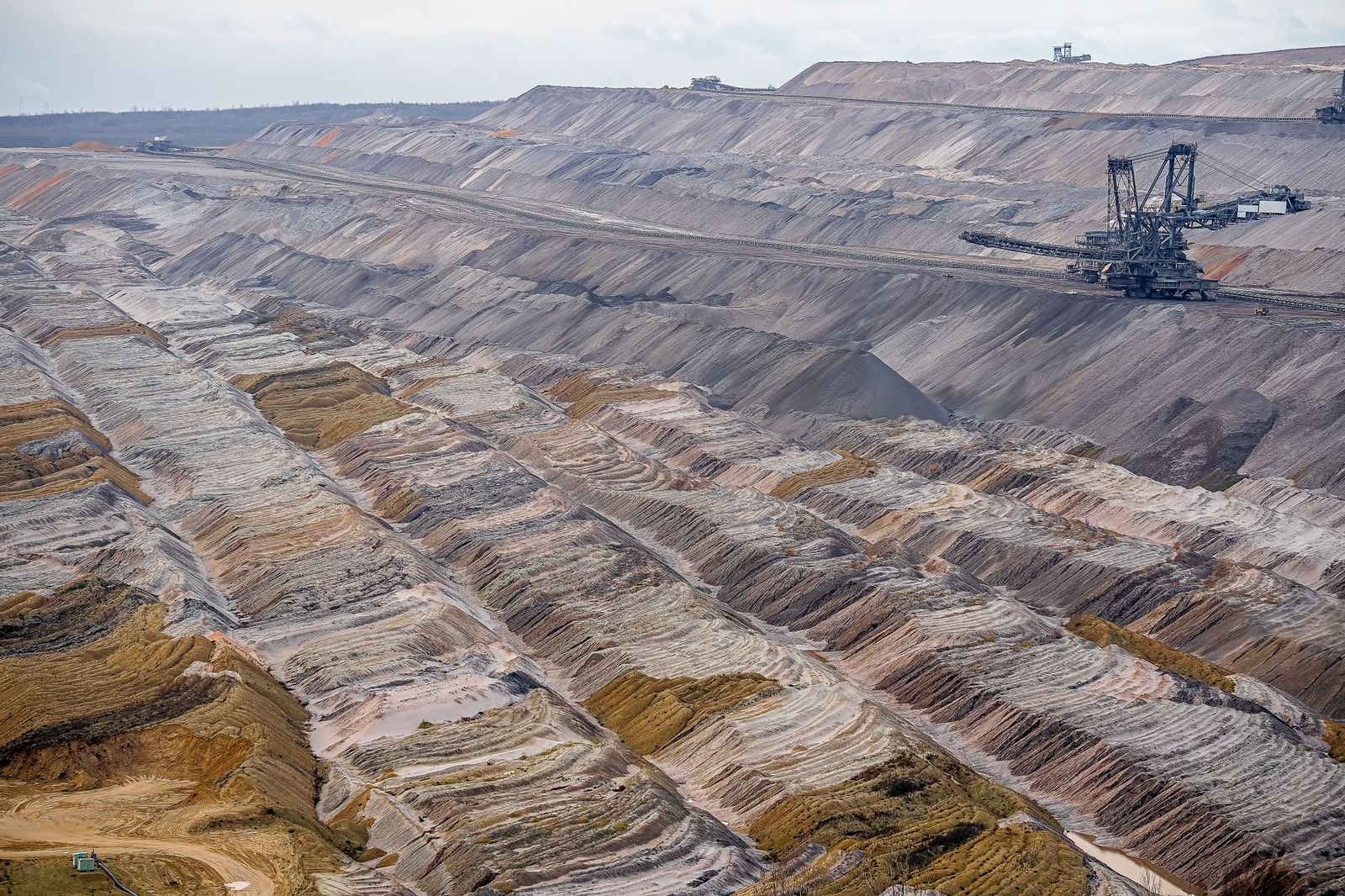
About 60 percent of all copper mined in the United States came from Arizona mines as of the mid-2010s. Producing mines such as Morenci and Bagdad have grid power and haul roads on site, yet most lack a nearby town with spare beds for visiting contractors.
Morenci and Bagdad are company towns, and Freeport-McMoRan owns nearly all of the housing in both. Morenci has roughly 1,500 residents, while the mine there has employed somewhere between 1,700 and 3,700 people depending on the year. Bagdad is even more remote, with Kingman about 60 miles away by state highway. A contract crew that is not on the company's own housing list has almost nowhere else to sleep in either place.
The next big ramp is the Resolution Copper project near Superior, about 60 miles east of Phoenix. The project expects to employ about 1,500 workers directly and to support roughly 3,700 jobs in total once it is built. Superior is a small former mining town that cannot absorb a multi-year construction workforce on its own. Mobile sleeper trailers can be delivered in phases as the head count climbs, well before any permanent camp is finished.
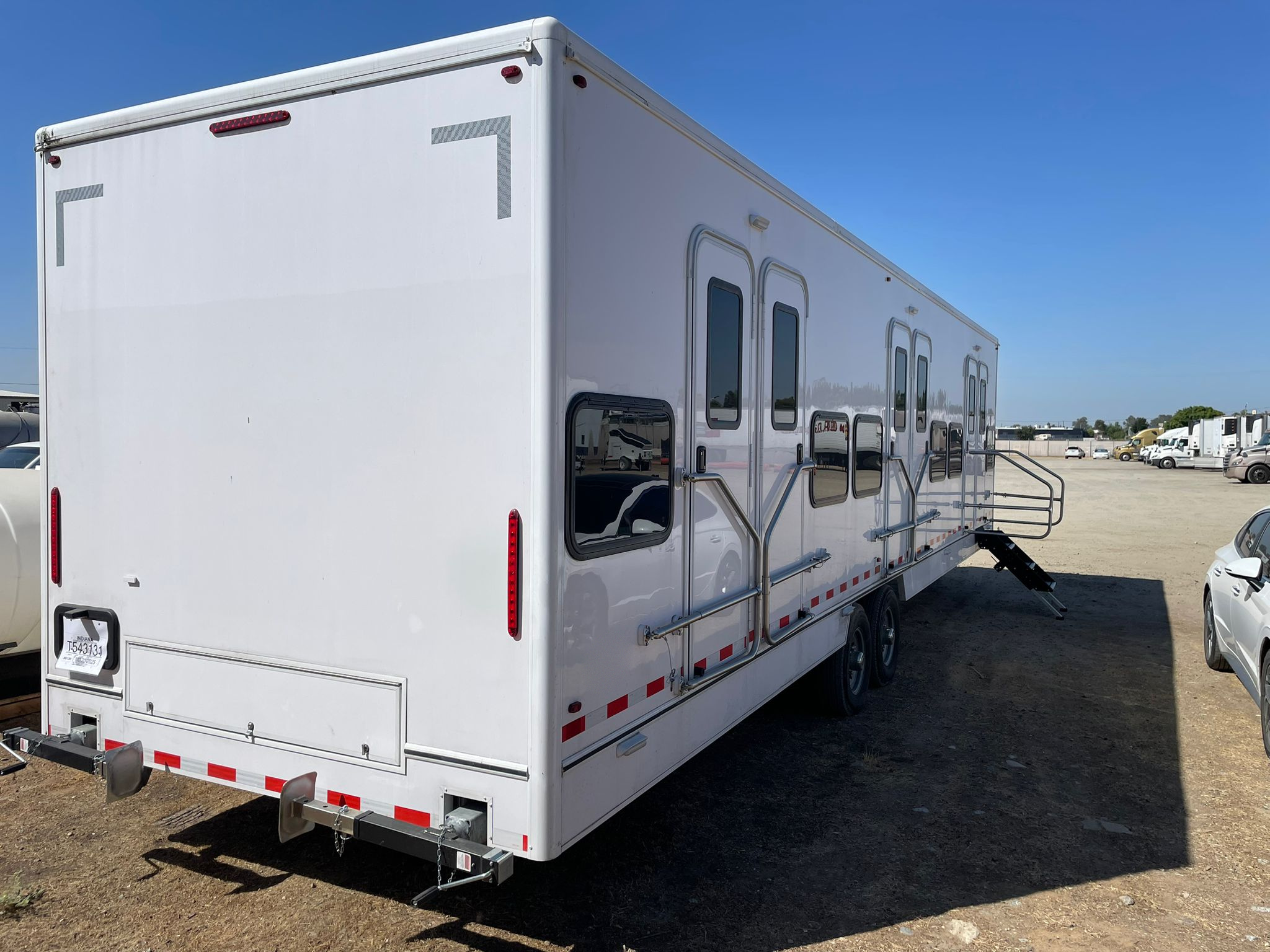
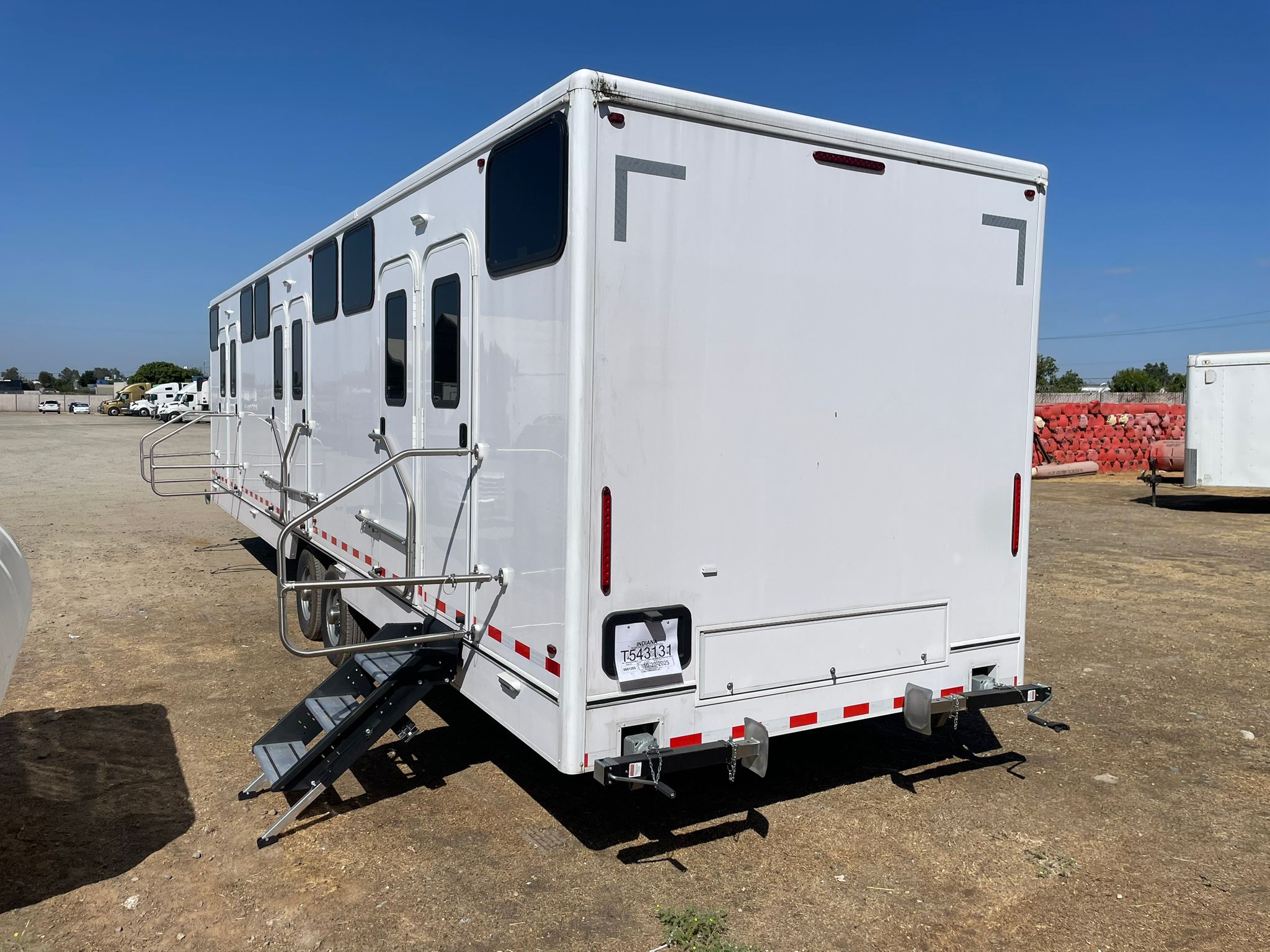
Mine sites set their own placement rules, so crew leads usually confirm an approved laydown area with the mine's safety staff before a delivery date is set. Pads near the plant are often graded already, and grid power sits close by at the older mines. Our page on sleeper trailer rentals for mining camps covers bunk layouts for long mine rotations. A 36-person expansion crew fits in 3 trailers with a dedicated bed for every worker.
Mobile Sleeper Trailers for Chip Plant and Data Center Builds Around Phoenix
The TSMC campus in north Phoenix has grown from one planned fab in 2020 into a campus planned for six fabs plus advanced packaging plants. Its latest investment round alone is projected to add 10,000 to 12,000 construction jobs. Intel's work in Chandler is drawing specialty trades from several other states at the same time. Many of those electricians and pipefitters arrive with a job offer and no place to stay.
The TSMC expansion faces a projected shortage of about 10,000 skilled workers in year one, growing to 20,000 in year two and 30,000 in year three. TSMC's own Halo Vista plan, a 3,500-acre housing and hotel project announced in October 2024, shows how short the local supply already is. Projects like that take years to finish, while the fab work that needs those workers is happening right now.
Data center campuses add a second wave of demand west and south of the city. The planned technology park in Buckeye could hold 40 buildings built out over as long as 15 years. The La Osa project on 3,300 acres south of Eloy is planned for up to 3 gigawatts. Public mapping shows roughly 162 data center sites in Arizona with nearly 13 gigawatts of capacity, and more move into construction every year.
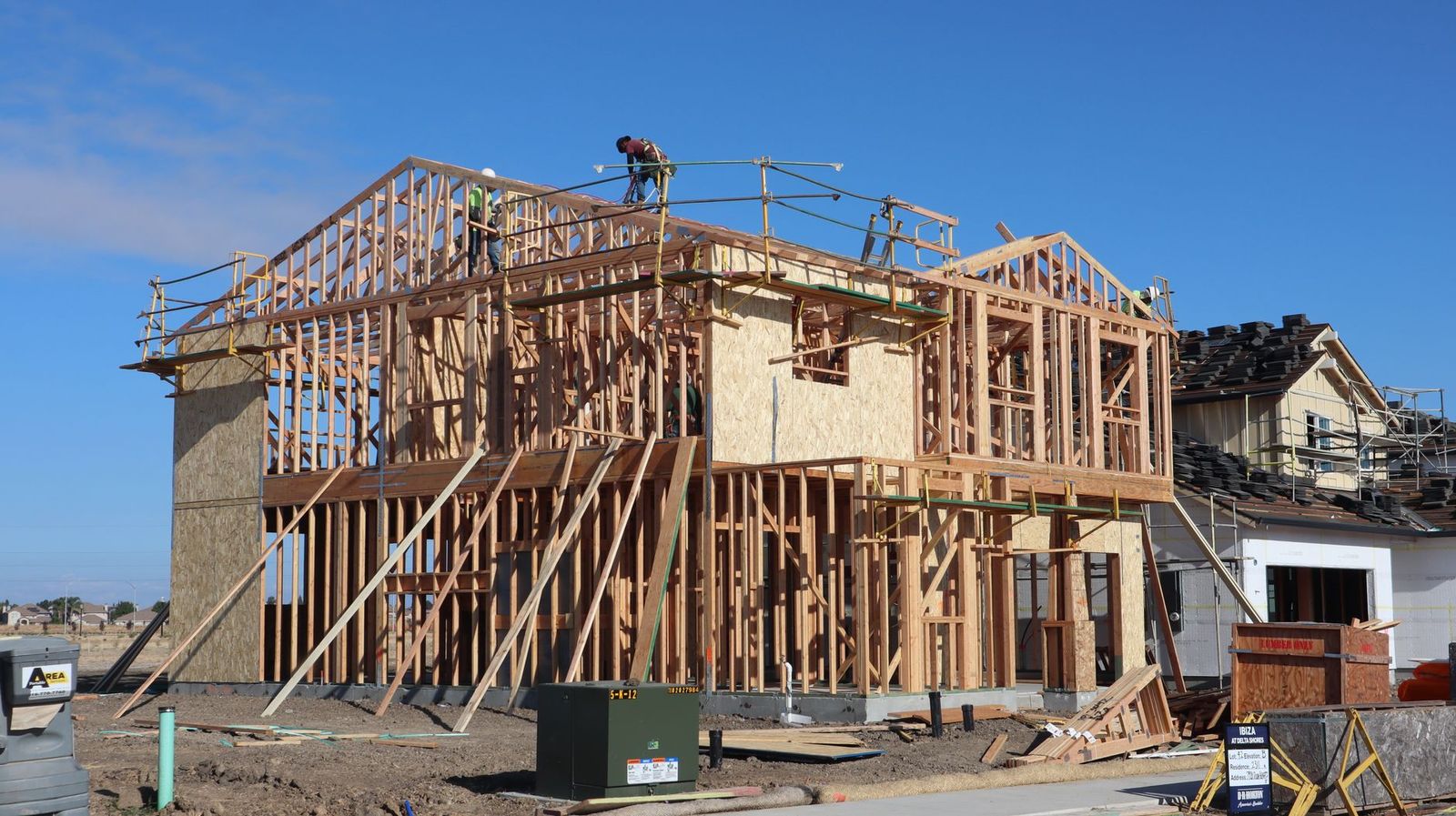
Reporting from West End Phoenix found construction workers sleeping in cars and even in a ravine because nothing closer was open. A portable bunk trailer on a laydown yard near the gate gives out-of-state trades a real bed. The air-conditioned room stays cool after a long shift in the low desert. Our page on bunkhouse trailers for construction crews explains how general contractors split bunks by trade and by shift. A 60-person electrical crew fits in 5 trailers with a dedicated bunk for each worker.
Air-Conditioned Sleeper Trailers for Arizona Wildfire Camps
The Dragon Bravo Fire started from a lightning strike on the Grand Canyon's North Rim on July 4, 2025. It burned 145,504 acres before containment on September 29 and destroyed 113 structures, including the historic Grand Canyon Lodge. Staffing peaked at roughly 1,343 firefighters and support staff, and every one of them needed a place to sleep within reach of the line.
The same season brought the White Sage Fire at 58,985 acres in Coconino County and the Greer Fire at 20,308 acres in the White Mountains. Gila County saw the Billy Fire and the Bronco Fire, both started by lightning. Fire camps go up on county fairgrounds or forest service yards, wherever the incident commander needs them, and spike camps go even closer to the work.
The NWCG driving safety guidance tells fire crews to avoid driving between 10 PM and 6 AM. It also calls for a 10 to 15 minute break every two hours behind the wheel. That advice is hard to follow when the nearest open room is 90 minutes from the line. Spike camps exist to cut that fatigue risk, and a temporary sleeper trailer at the base lets a crew come off shift and sleep right away.
The Arizona Department of Forestry and Fire Management fields twelve 20-person hand crews through a partnership with the Arizona Department of Corrections. It also runs its own Phoenix Crew for initial attack. A 24-person hand crew fits in 2 trailers with a bunk for every firefighter. Crews that follow the season north can also book bunkhouse trailer rentals in Utah through the same dispatch line.
Crew Quarters Trailers for Remote Solar and Border Projects
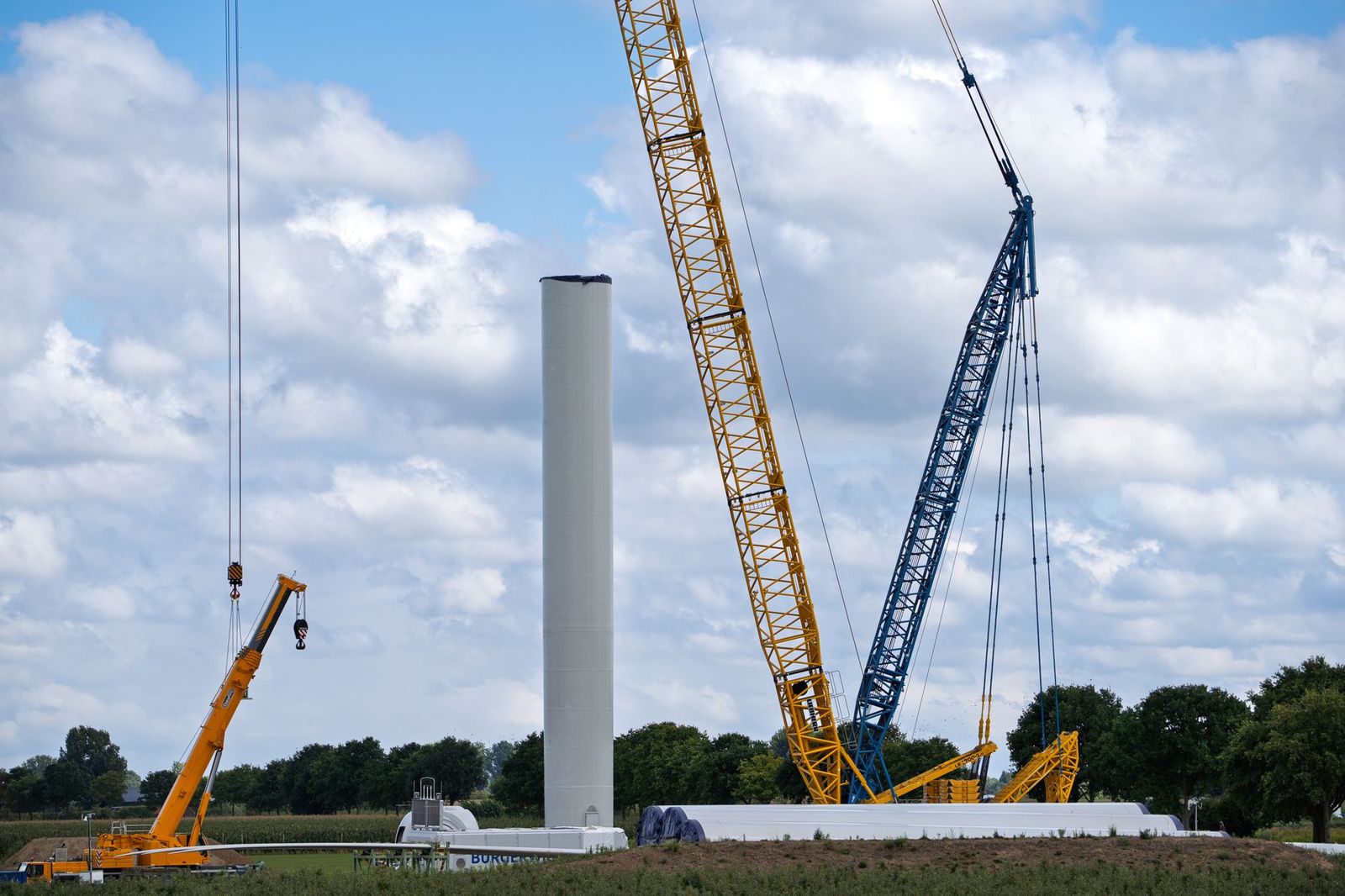
Solar and battery storage builds cover flat desert ground in Yuma County and Pinal County, often with no town nearby. The Agua Caliente Solar Project near Yuma covers 2,400 acres with more than 5 million panels, and it needed roughly 400 construction workers during its 2011 to 2013 build. Pinal County approved the Valley Farms Energy Center battery project near Coolidge on July 1, 2026, and the Ore Town Solar Project on August 5, 2026.
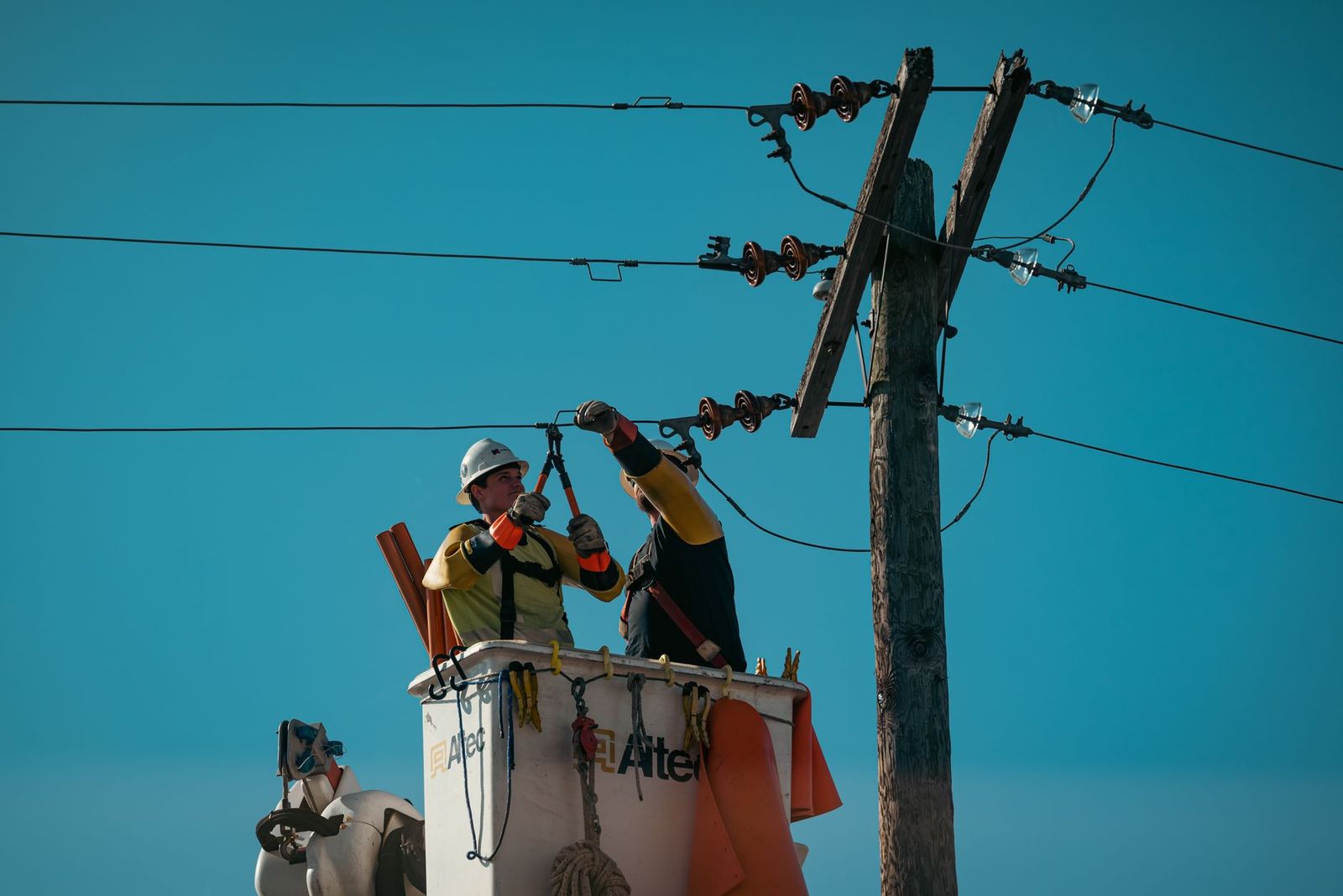
Power line work stretches even farther from services, and more than 75 percent of households in the United States without electricity are on the Navajo Nation. The Light Up Navajo program sends utility crews to string new lines to remote homes. One two-week SRP push to connect 13 homes took 3,753 crew-hours and 91,866 feet of wire. Since 2019 the program has brought power to more than 910 homes across the region.
Border barrier construction follows fixed federal schedules in some of the emptiest country in the state. CBP's Tucson Sector program covers about 19 miles of new primary barrier and 42 miles of secondary barrier. The separate Yuma 1 Project covers 60 miles of system work in the Yuma Sector. Panel crews that started there in March 2025 were working about 50 miles south of Wellton. Crews whose next segment lies farther east can look at our sleeper trailer rentals in Texas.
Most of these sites use a generator or temporary power until the permanent lines are in. The trailer's 3 AC units and bunk outlets draw from that same source. Restroom and shower units usually sit beside the bunks at camps with no plumbing. Our page on crew housing for solar and wind farm builds covers camp layouts for long energy projects. A 24-person install crew fits in 2 trailers, or in 1 trailer when two 12-hour shifts share bunks.
Climate-Controlled Bunks for Desert Heat and High Country Cold
Low desert job sites around Phoenix and Yuma are the hottest places Arizona crews work, and summer nights there often stay warm long after sunset. A worker who sleeps in a truck cab or a car seat never really cools down between shifts. The trailer's 3 AC units hold the bunk room at the setting on the smart thermostat, so workers wake up rested instead of worn out.
The north half of the state is different, since Flagstaff sits near 7,000 feet and gets real snow while the White Mountains around Greer see hard winter cold. Because the same 3 units switch to heat, a heated trailer works on a January highway job near Show Low as well as on a July solar build.
Monsoon season runs from June 15 through September 30, with the strongest storms in July and August. Flash floods in September 2025 killed three people in Globe. A flood through Bright Angel Canyon at the Grand Canyon forced dozens of people to be airlifted out. Tell dispatch where the washes run on your site, since a trailer belongs on high, well-drained ground during storm season.
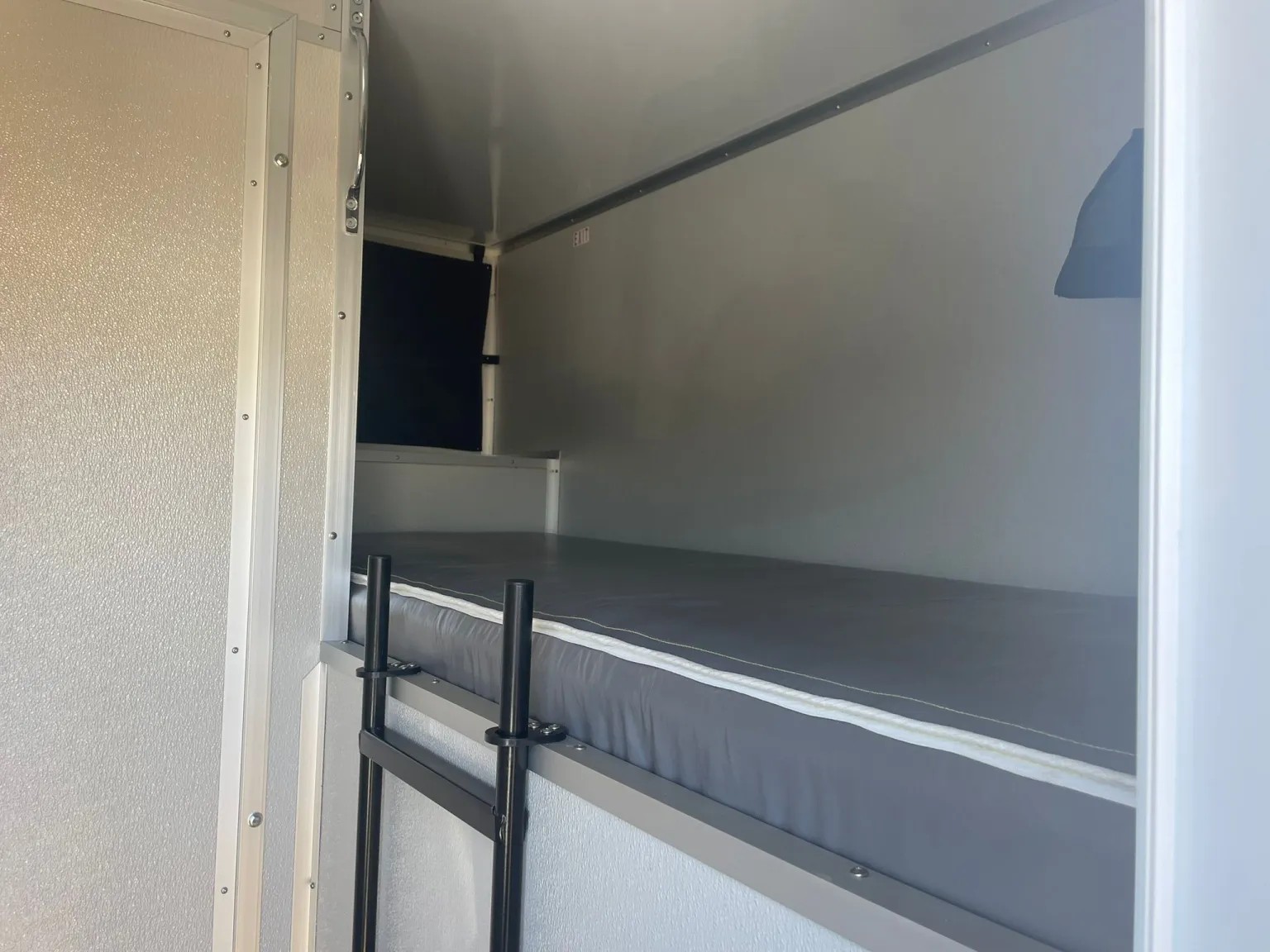
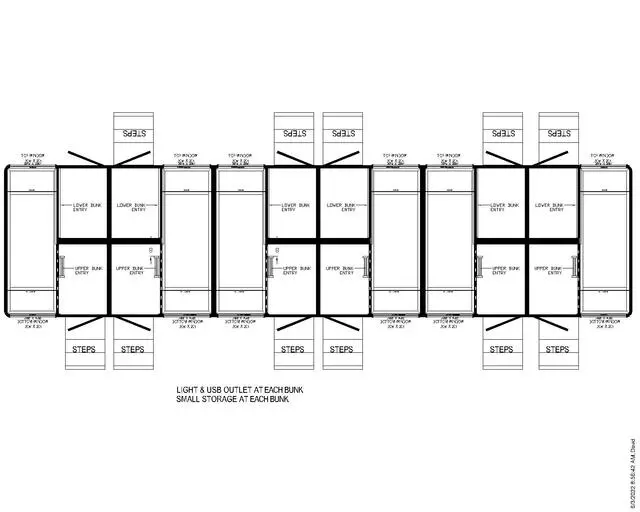
Trailers needed when every worker keeps a dedicated bunk
Bunk Trailer Delivery on Interstates and Two-Lane Mountain Roads
Delivery planning in Arizona splits the state in two. Sites in the south and center sit near I-10, I-17, I-8 or I-19. A delivery to a Buckeye data center or a Yuma solar field mostly comes down to gate hours. Sites up north, such as the North Rim or the Navajo Nation, depend on long two-lane roads and rough ground. We plan those routes with extra lead time and ask about the last few miles before we confirm a date.
Arizona Towns and Corridors Where Sleeper Trailers Fill a Housing Gap
- Salt River Canyon on US-60: ADOT counted 11 fatal and 34 serious-injury crashes over ten years between mileposts 292 and 340 on the road toward Show Low. A highway crew that sleeps near the work zone avoids driving that grade twice a day.
- Buckeye and Goodyear: Data center campuses west of Phoenix take years to build, and trades arrive from out of state in waves. A yard near the site keeps the crew off the long I-10 commute.
- Eloy and Coolidge: This Pinal County corridor mixes solar and battery storage builds with new data center campuses between Phoenix and Tucson. Paved county roads make delivery simple, and flat desert ground levels fast.
- Kingman and Mohave County: Solar crews work open desert in Mohave County, often far from the hotels in Kingman. A trailer on the project site turns a long morning drive into a short walk.
- Douglas and Bisbee: These small towns are the nearest services for border work in Cochise County. Crews working the open range between them face long drives on ranch roads, and a trailer set near the work removes that drive.
Arizona Mine Safety and Heat Rules That Shape a Crew Housing Camp
The Arizona State Mine Inspector is a constitutional office that inspects safety and health conditions at every active mine in the state. State law calls for an inspection at least every three months at underground mines with 50 or more workers, and at least once a year at other mines. The inspector's mining code also requires written permission for most buildings near a shaft head. The Arizona State Mine Inspector's office explains its role, and crew leads should confirm trailer placement with the mine's safety staff early.
On April 9, 2026, the Industrial Commission of Arizona approved the recommendations of a workplace heat task force created under Governor Katie Hobbs' Executive Order 2025-09. Staff then folded that guidance into an updated Heat State Emphasis Program, published as CPL 03-00-024. Local reporting describes it as the first statewide program of its kind, and it calls for water and shade on outdoor job sites along with time to rest.
Many contractors carry that planning past the end of the shift, since a crew that sleeps in a hot car starts the next day already behind. Placement rules for temporary trailers vary by county and by land owner. Check with the county planning office in Pinal or Yavapai before a delivery on private land. Crews on federal or mine land follow that owner's site plan, and we send the trailer size and setup details your permit desk may ask for.
What a Typical Setup Looks Like
Border barrier foreman, 24-person panel crew, Cochise County
When a 24-person panel crew starts a new segment east of Douglas, a typical plan uses 2 trailers on a graded pad beside the staging yard. Each worker keeps a dedicated bunk, and a generator powers the AC units and the bunk outlets. When the segment moves, both trailers move with the crew to the next staging area.
Mine contractor superintendent, 36-person shutdown crew, Yavapai County
When a 36-person crew comes in for a plant shutdown at a remote mine, a common plan uses 3 trailers in the laydown area the mine approves. Day shift takes 2 trailers and night shift takes the third, so nobody wakes up to a door opening in the middle of their sleep. Plant power usually feeds the trailers, and restroom units sit a short walk away.
Incident logistics lead, 60-person spike camp, Coconino National Forest
When a fire pushes crews far from the main base, a typical spike camp plan uses 5 trailers for 60 firefighters, one bunk each. The trailers go on a flat forest service yard or a cleared lot, with shower units close by. A heated trailer gets real use on high country nights, even in June.