
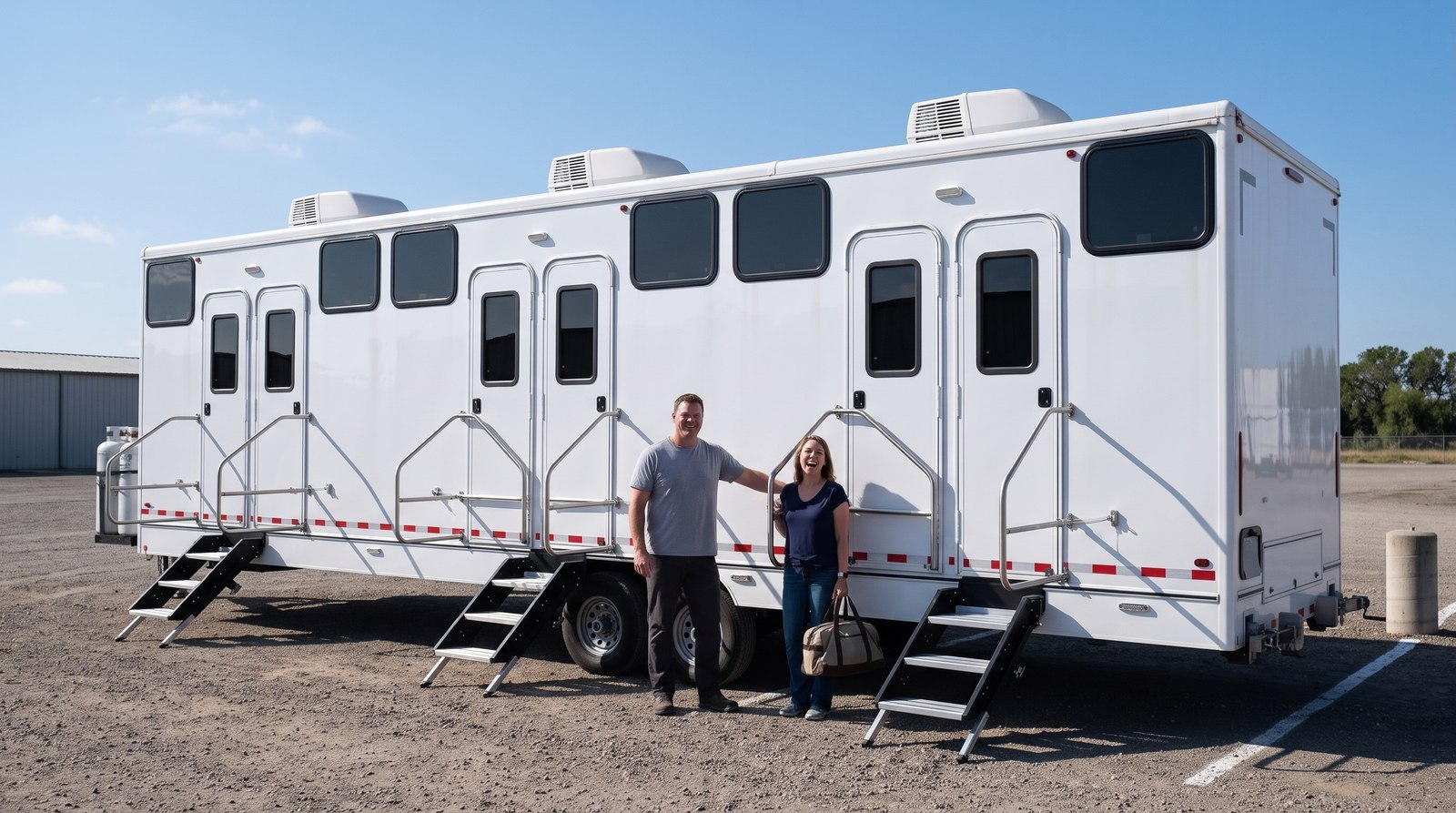
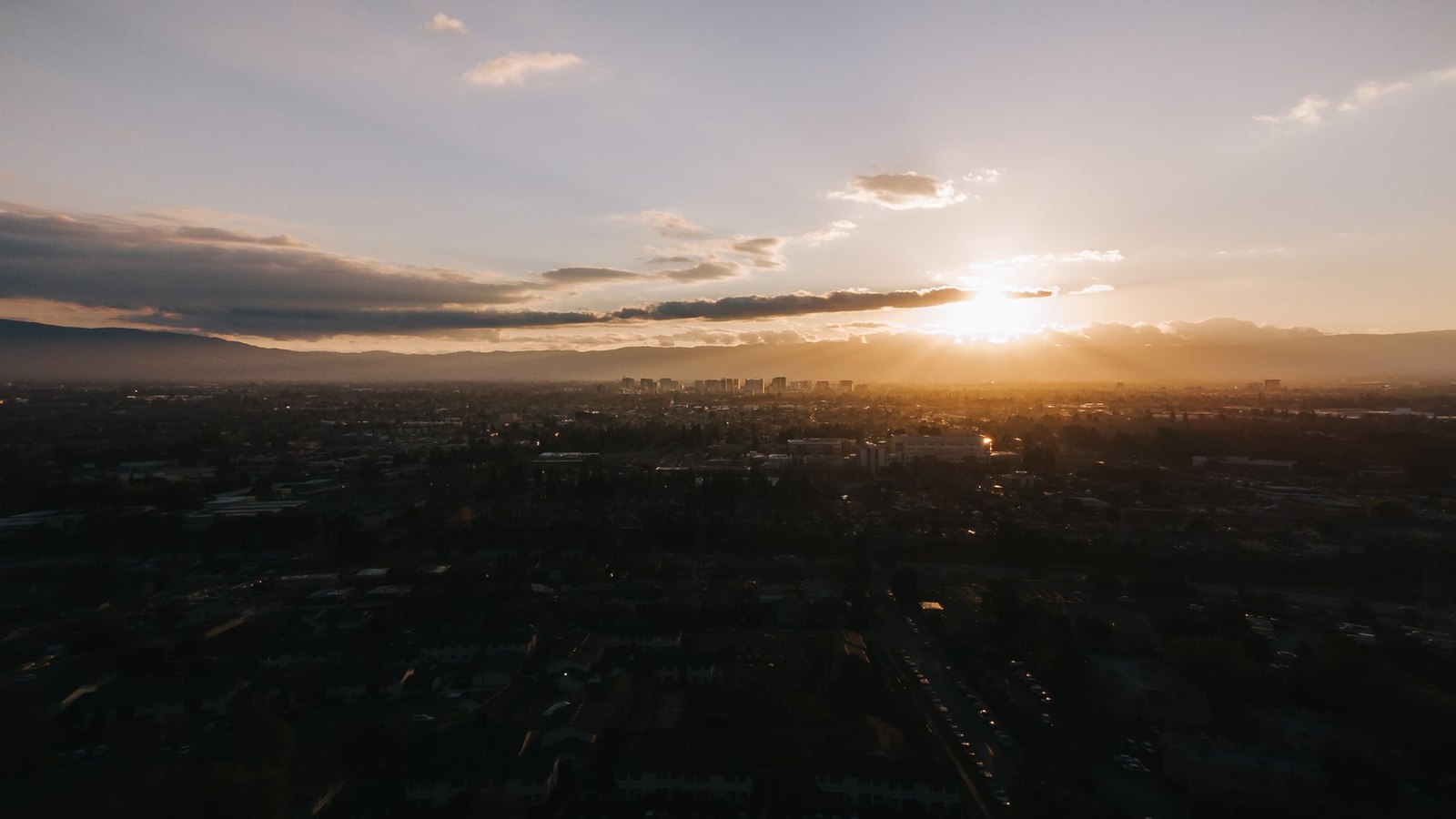
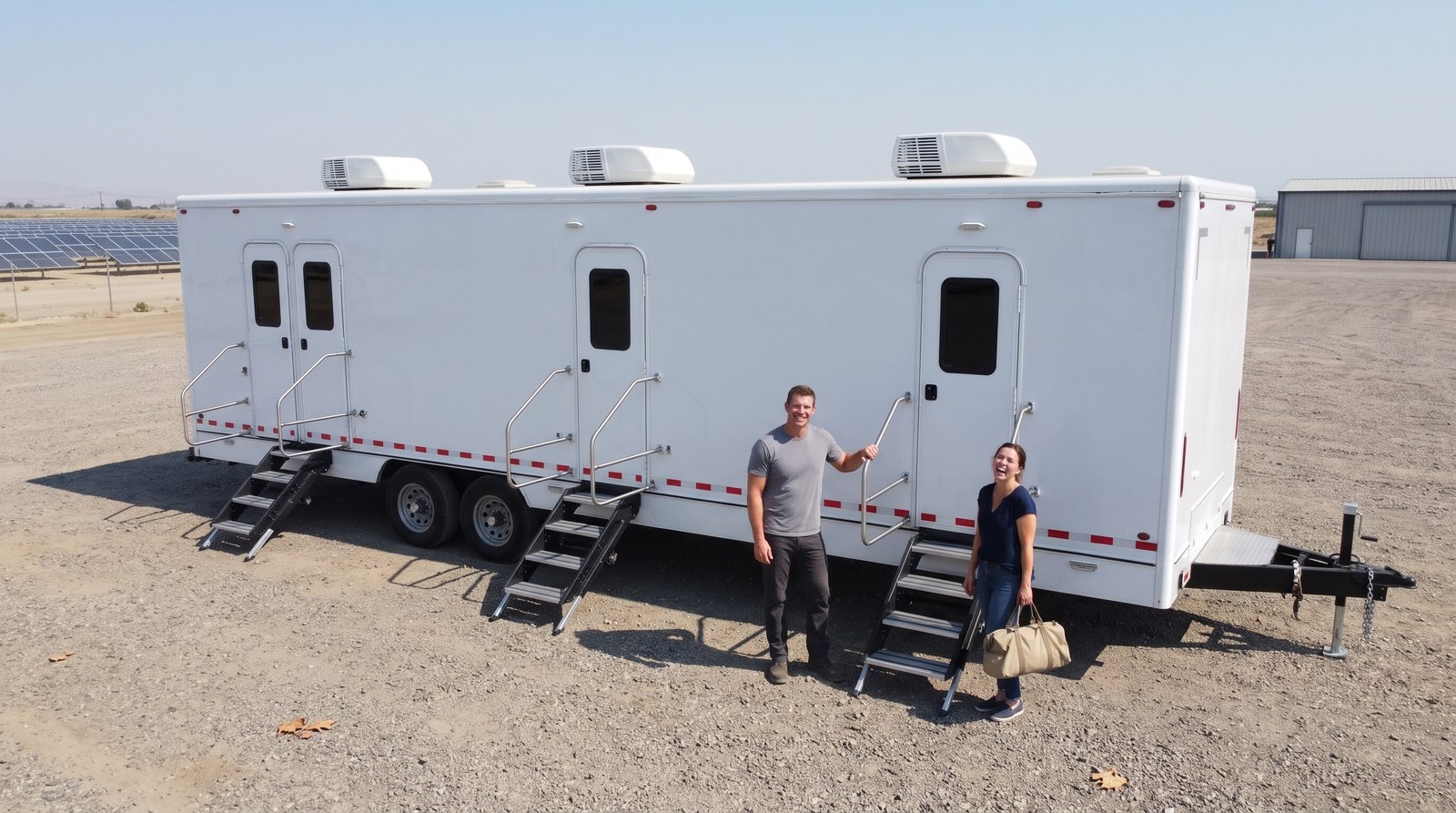












Sleeper bunkhouse trailer rentals for the jobs around San Jose
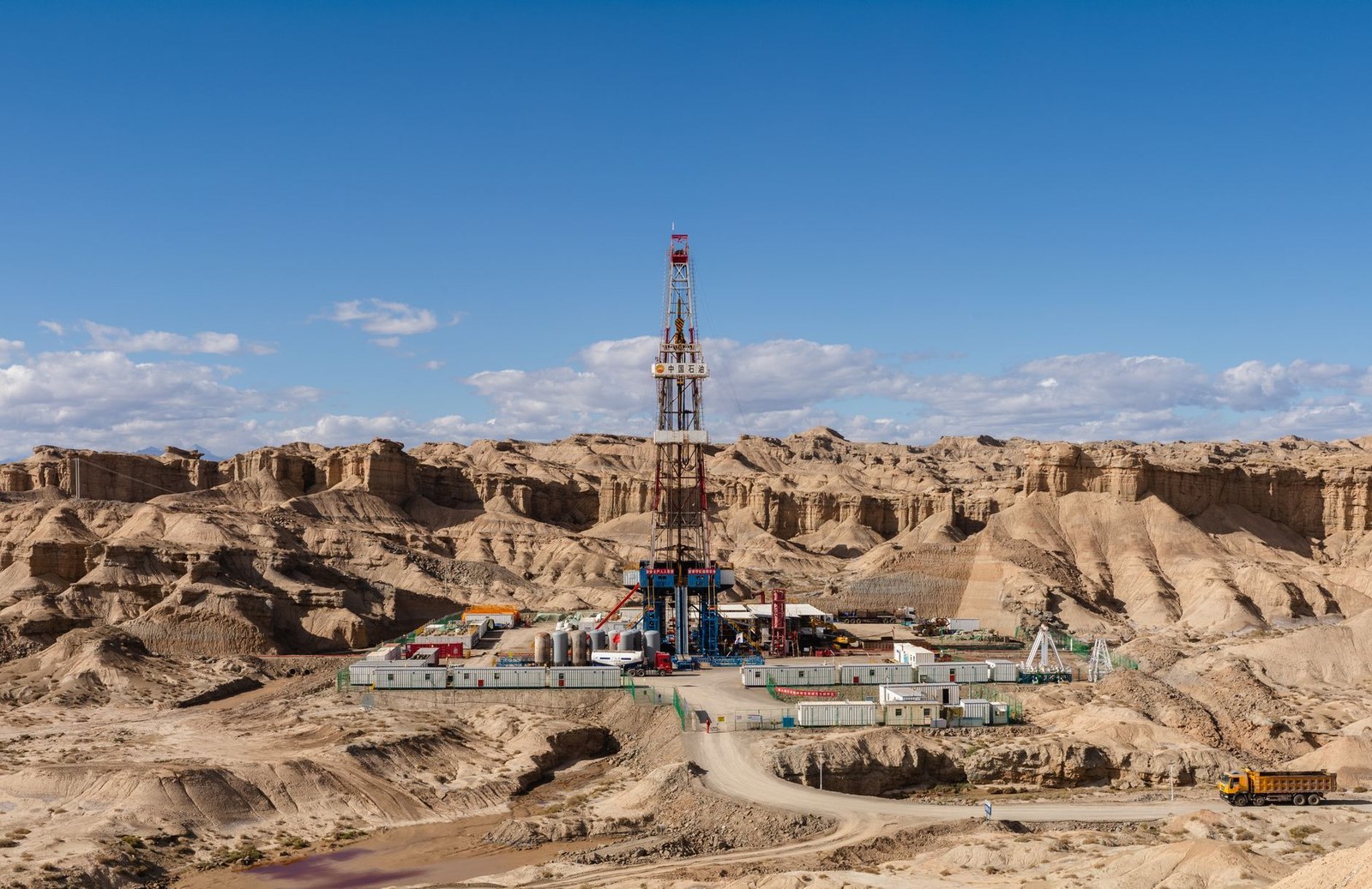
Job site bunkhouse trailer rentals for pipeline and utility work
Utility work in San Jose is dense and it does not stop. PG&E is rebuilding the Downtown Westbank substation to deliver about 200 megawatts to three data centers, with the first one expected late in 2027. Two LS Power high-voltage lines, one from Metcalf and one from Newark, are targeted for service in 2028. Valley Water has pipeline replacement work on its calendar in the Almaden Valley. Each of these keeps a crew in one corridor for months.
Gas line work is part of the picture too. Contractors in San Jose have struck shallow lines on Capitol Expressway and near Altino Boulevard, and each time the road closes and a crew stays on to repair and restart. Crews doing trench work like that stay close to the line, so a bunkhouse at the end of the corridor beats a long drive back to a hotel.
The way we plan these camps comes from what goes wrong on long linear jobs. The staging yard is often gravel with a narrow approach, and the crew count tends to grow by week three. We ask about the yard before the truck leaves, and we ask for the second unit before the first one fills.
If your spread runs along Capitol Expressway, through the Almaden Valley or up toward Alviso, drop us the address. California bunkhouse trailer rentals are our daily work, and a camp for a pipeline crew is simple, with the sleepers in one row and a clear path to the restroom trailer.
We also handle bunkhouse sleeper trailer rentals across California.
Bunk trailer rentals for dam, tunnel and flood-wall builds
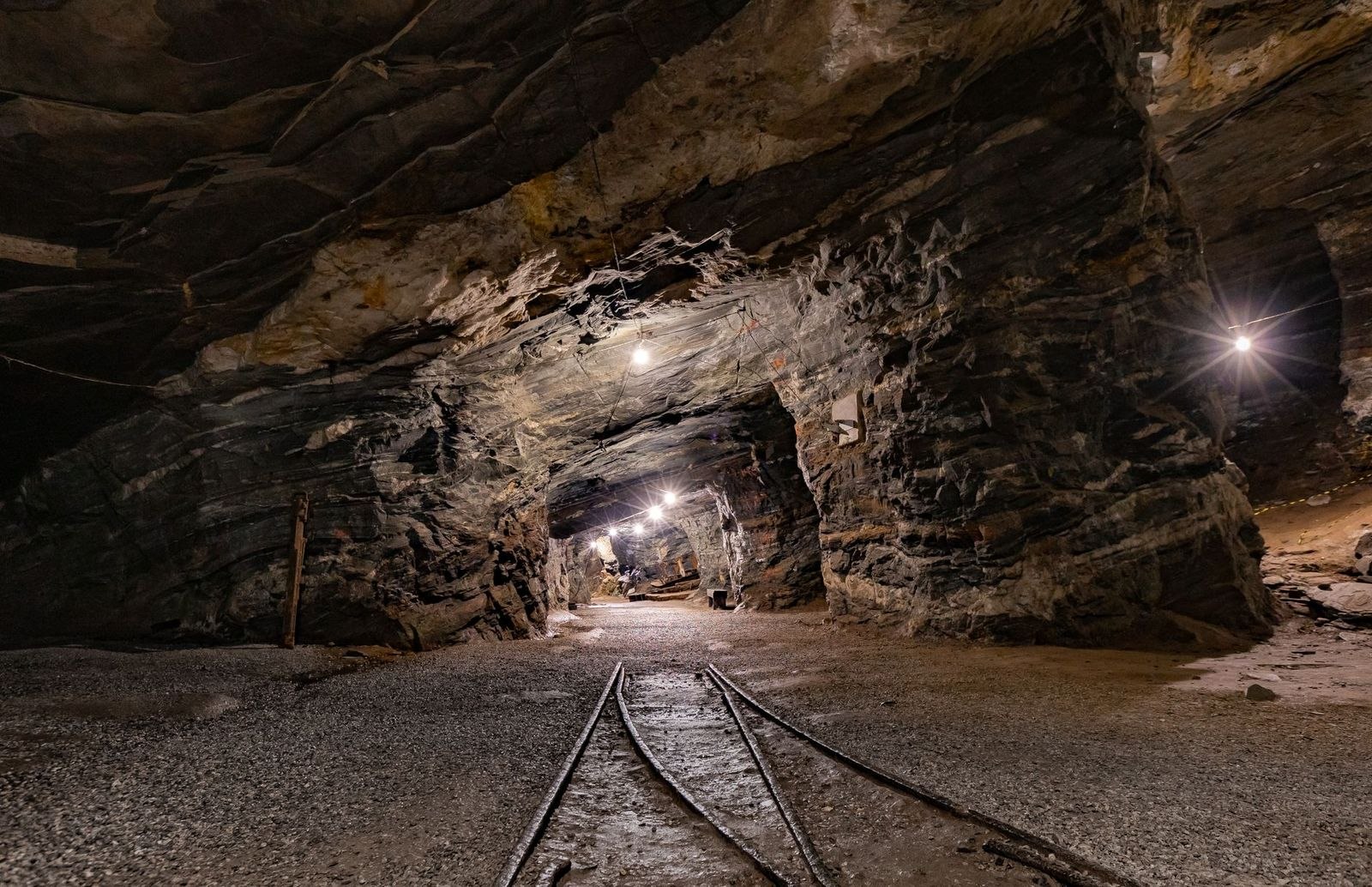
Some projects near San Jose are measured in years. Valley Water's Anderson Dam retrofit is a contract of about $1.88 billion with a seven-year schedule, starting in early 2027, near Morgan Hill. The BART Silicon Valley Phase II extension runs about six miles through Berryessa, Little Portugal, downtown and Diridon, with a 2037 target. Flood protection along nine miles of Coyote Creek between Montague Expressway and Tully Road is its own multi-year program.
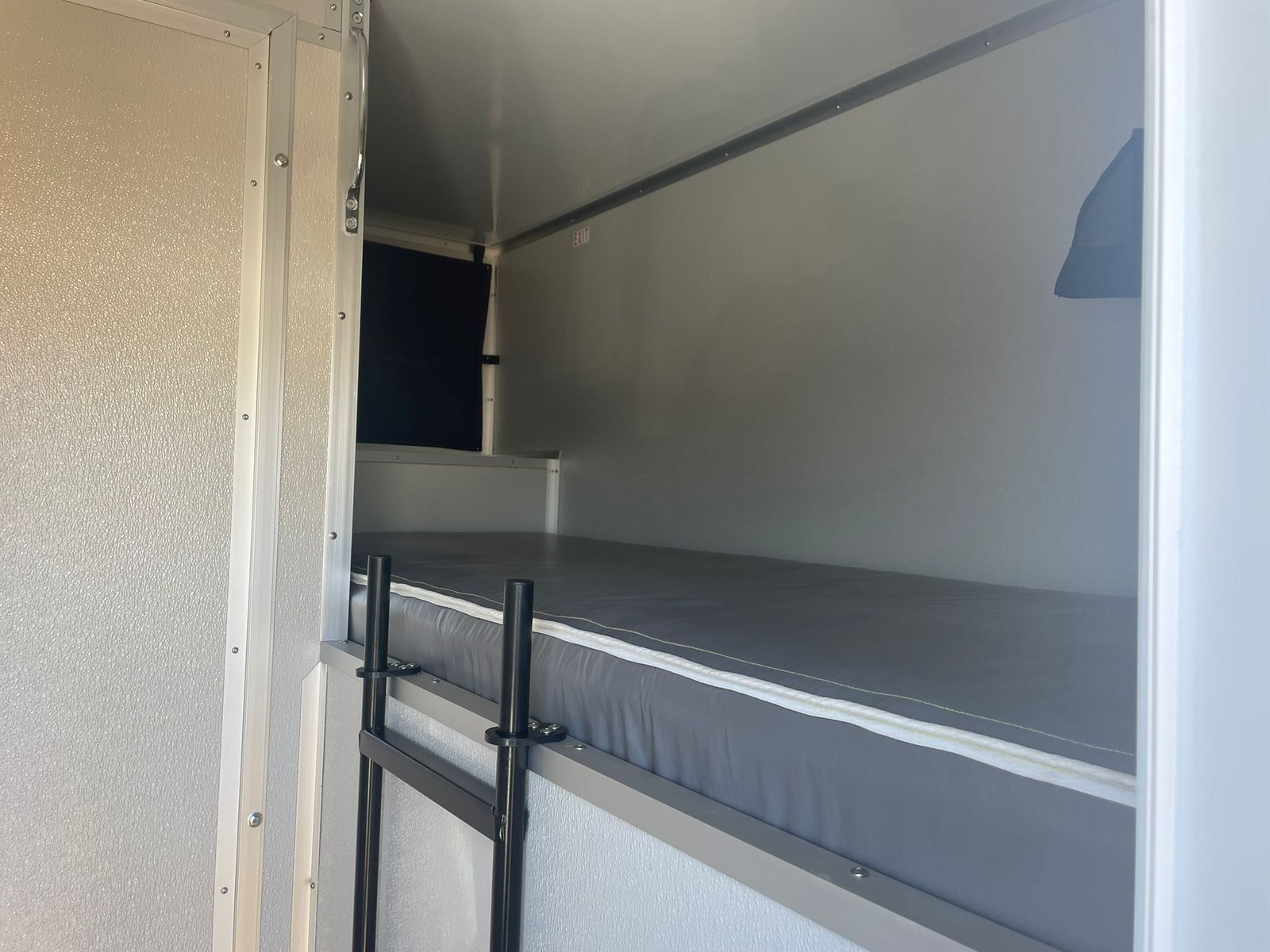
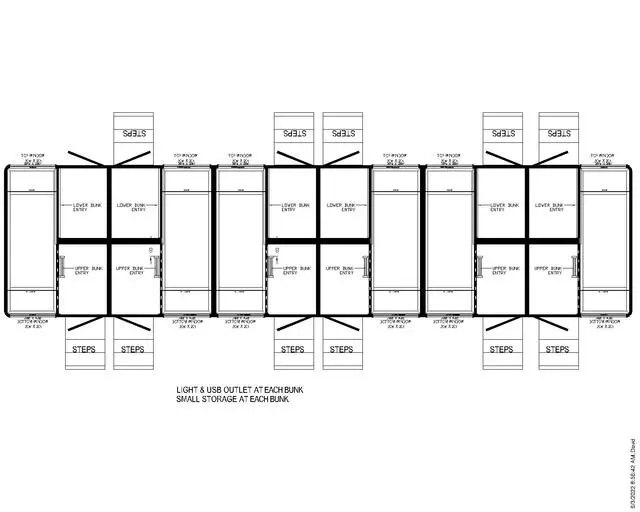
Subcontractors who bring people in from other regions plan their housing once and live with it. On a build that long, small things decide whether people stay rested: a light at the bunk, a place to plug in a phone, a thermostat that holds. Those are the details a 12-bunk sleeper trailer carries at every bed.
Crews rotate on jobs like these. A rotation is the day a bunkhouse gets tested, because bags come out, new people move in and settings get changed. We build a walk-through into the hand-off, and we schedule service around the rotation so the next crew finds a clean unit. That is how the trailer looks the same in week six.
Tight downtown and Diridon staging is a different problem from a South County dam road. We look at the approach for a 34 ft trailer, the overhead lines and the distance from active work before we confirm anything.
Bunkhouse trailer rentals for South County farms and harvest
South of the city, the valley turns to farms. Santa Clara County's 2022 crop report put total value near $359 million, with nursery crops at almost $115 million and mushrooms at almost $87 million. Christopher Ranch in Gilroy farms about 7,500 acres of garlic, and its harvest runs from June into July. Peppers and tomatoes follow in late summer.
The housing gap is documented. A new 65-home complex in Morgan Hill, the Magnolias, broke ground in February 2026, and its backers note that nearly 8,000 agricultural workers share about 1,800 homes. Many farms sit far from city water and sewer service, which makes new housing slow and costly to build.
A bunkhouse trailer gives a grower beds for the peak weeks without building anything. Harvest crews are on site long enough that bunks get used hard, which is why we keep a service visit on the calendar. A crew that doubles for the peak often needs a second unit by mid-season, so we plan for it up front.
Warn us if your pad is dirt, gravel or concrete, and how the gate and farm road look. A 34 ft trailer needs level ground and a clear approach, and a farm road after winter rain is the usual trouble spot.
Local jobs, local ground
We ask about your pad before the truck leaves, since San Jose sites range from downtown alleys to farm roads and creek banks.
Neighborhood notes for bunkhouse sleeper trailer placement in San Jose
- Downtown and Diridon: Transit, utility relocation and mixed-use building happen on tight sites, so staging lots are small and footprint and quiet nights come first.
- North San José and Alviso: Data center electrical work, PG&E substation upgrades and the wastewater plant keep many trades on long jobs. Multi-unit camps with a clear power layout fit here.
- Berryessa and East San José: The BART Phase II line starts at Berryessa, and the Alum Rock Avenue corridor runs up toward the foothills. Staging is mostly paved lots.
- Evergreen Valley: Hilly southeast edge of the city where hillside sites need a level pad before any trailer sits down.
- Almaden Valley: Pipeline, canal and dam work around Almaden and Calero sit here along the Guadalupe River. Crews need beds close to the corridor.
- Coyote Valley: Rural ground at the southern edge, with farm fields and the Coyote Creek corridor. It is the gateway to the South County farms and the dam.
Permits and site approvals for sleeper trailers around San Jose
California's Employee Housing Act, found in Health and Safety Code section 17000 and the Title 25 regulations that follow it, covers housing that employers provide to workers. A company that houses a crew should ask its own attorney or the state Department of Housing and Community Development whether a permit applies. Bunkhouse Trailers does not make compliance claims for your project, and the decision belongs to you and your permit office.
The land itself falls under a city or county. A site inside the city goes through the City of San José Planning, Building and Code Enforcement. A farm or dam site in unincorporated Santa Clara County goes to a different agency, so ask the one that covers your address before you book.
We supply the facts the office will ask about: a 34 ft trailer, 12 bunks, and the feature list on the spec sheet. Drop us the address and we confirm the footprint and approach.
Sample Site Plans
Subcontractor lead on a multi-year downtown transit job
When a tunnel crew from out of the area needs beds for months, we plan the camp around the longest shift overlap first, then add units so nobody shares a bunk. We check the alley approach for a 34 ft trailer before anyone books a truck.
Harvest foreman in South County
When a garlic or pepper crew doubles for the peak weeks, we plan a second unit before the first one fills. We also ask about the farm road, because a soft shoulder after winter rain is where trailers get stuck.
Utility lead on a substation or pipeline spread
When a crew moves along a corridor, we plan a staging-yard camp at the end of the line, with level ground and a clear approach. If the crew grows by half in week three, the camp already has room for another unit.