











Bunkhouse trailer rentals for the jobs around Denver
Sleeper trailer rentals for fire and flood recovery
Colorado's 2026 fire outlook put about 95 percent of the state in some level of drought for June and July. Front Range crews know what follows a bad season: the Quarry Fire in south Jefferson County forced about 575 homes to evacuate, and the Alexander Mountain Fire west of Loveland burned more than 5,000 acres, both in summer 2024. After the flames come debris haulers, utility repair crews and rebuild contractors.
This summer, Governor Polis asked for a federal major disaster declaration after the Aspen Acres and Gold Mountain fires and the flooding that followed, with an incident period of June 27 to July 29 in Pueblo, Custer and Ouray counties. Denver is the nearest big city to those counties, so recovery contractors gather here and then move south and west, and a trailer that sleeps 12 goes where the crew goes.
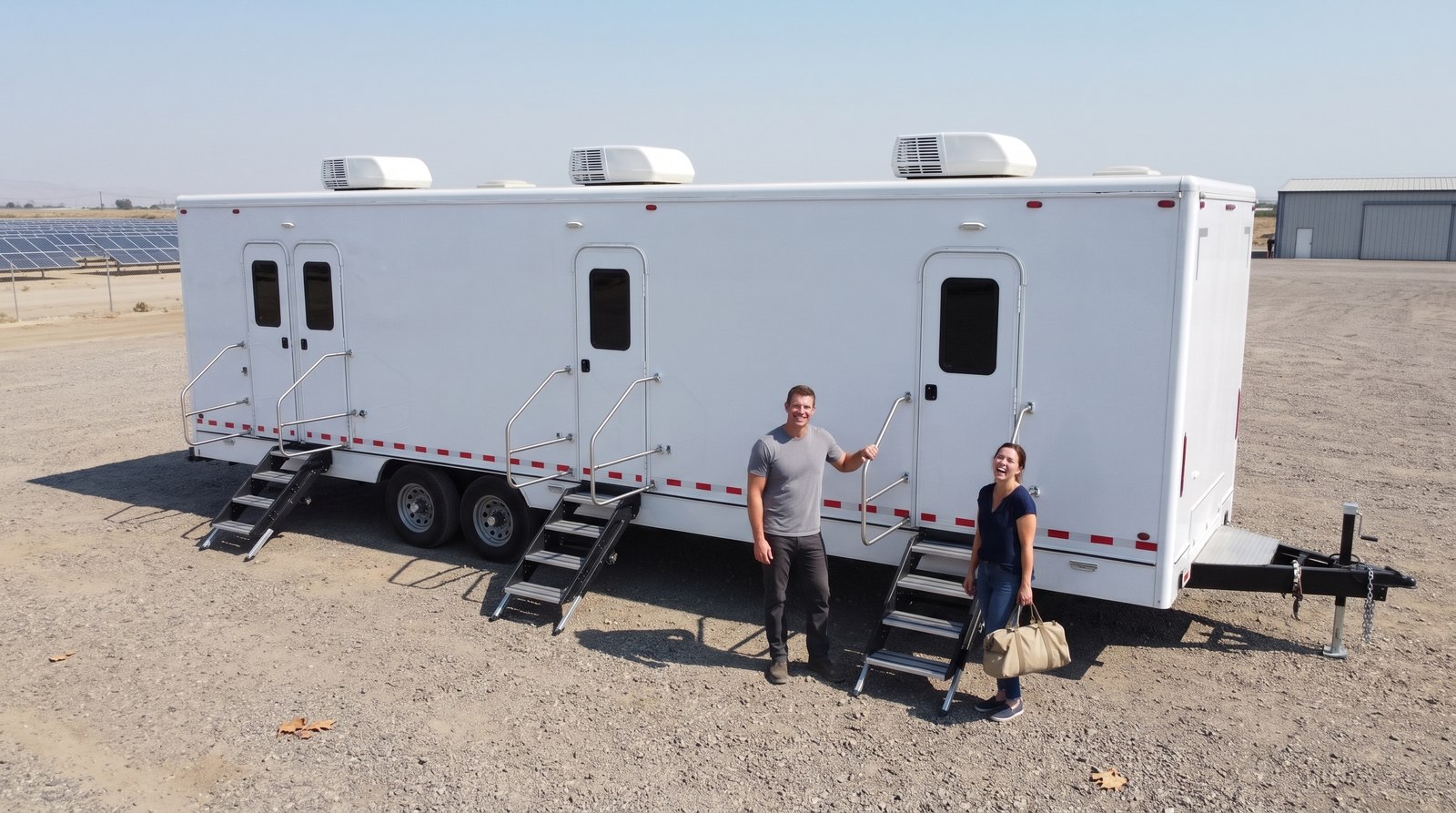
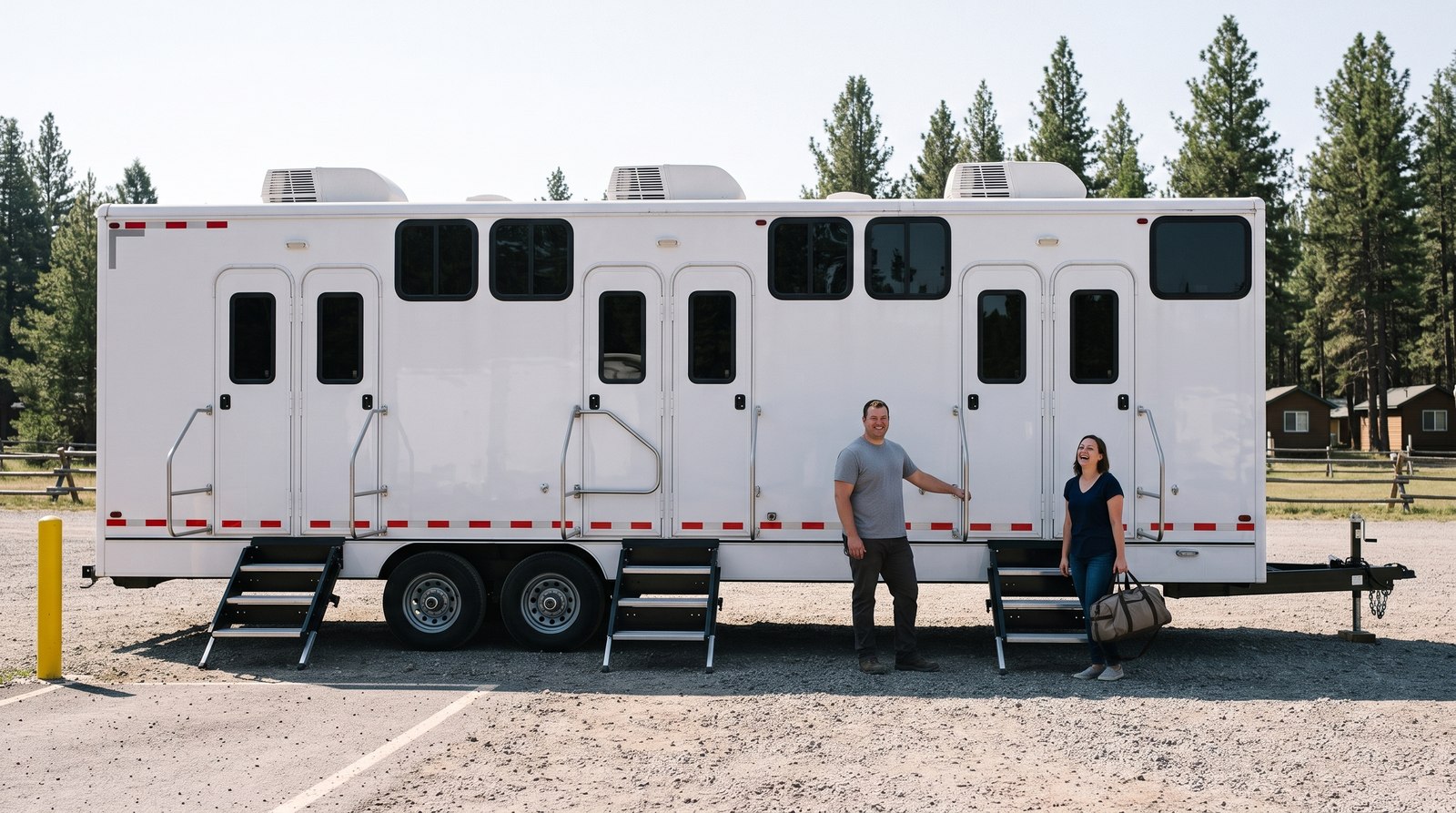
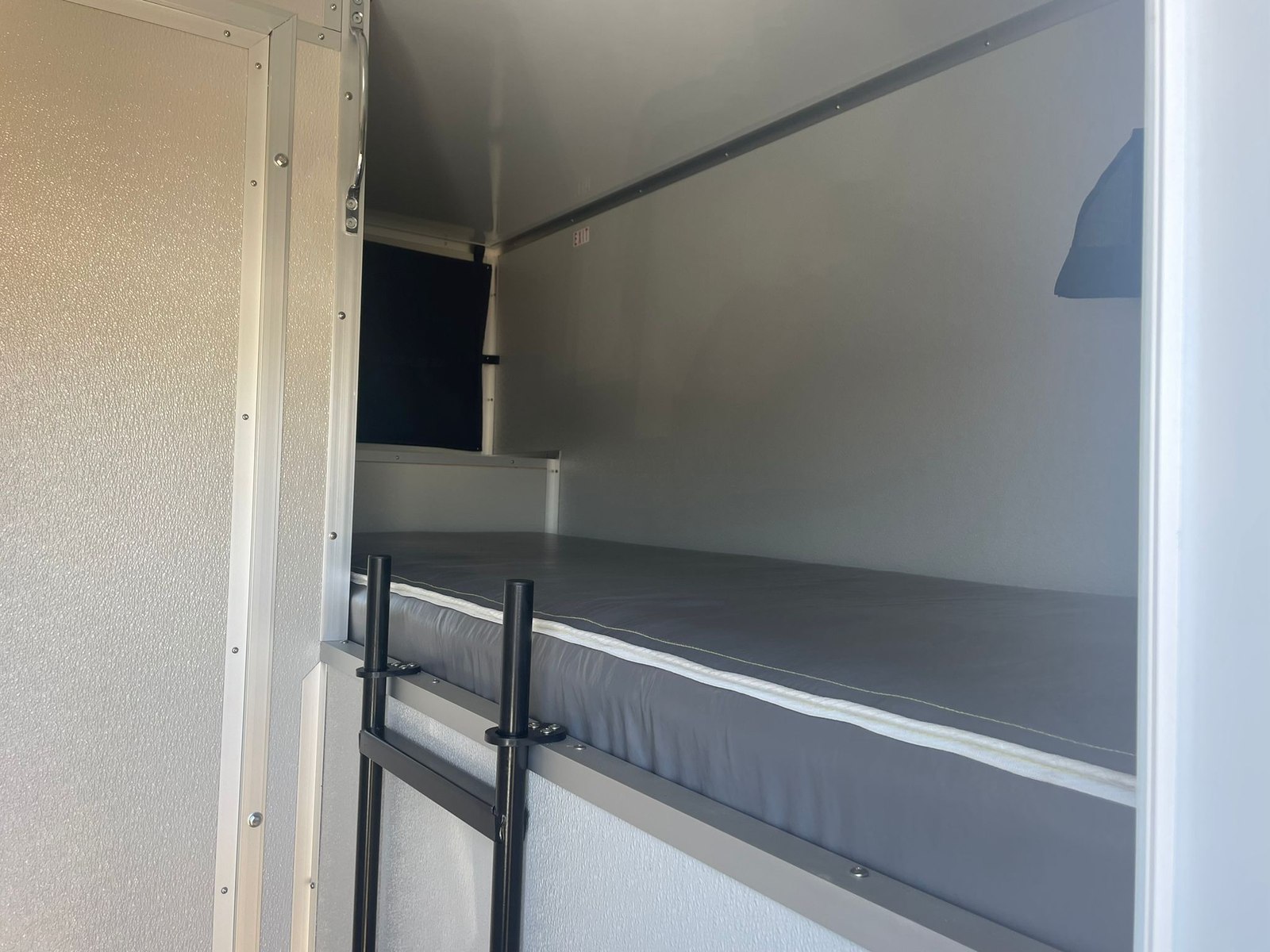
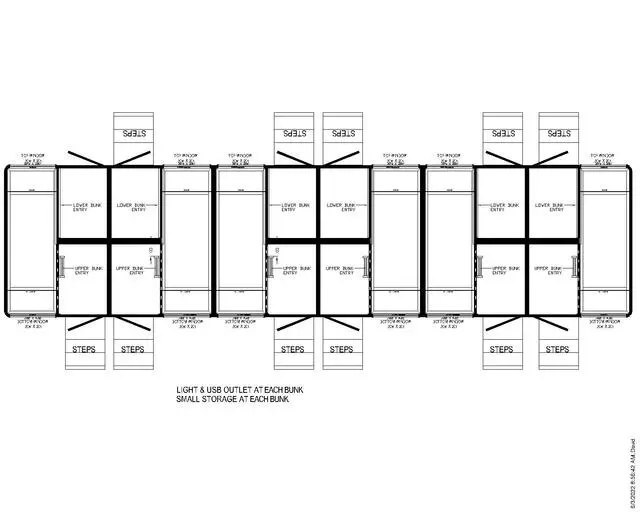
When people forced from their homes fill the hotels near a burn area, a crew with its own beds does not compete for rooms. One trailer covers 12 workers, and a camp grows by adding units in a row. We have seen the same pattern with the Marshall Fire rebuild in Boulder County, where contractors reported labor and material shortages that stretched jobs for months.
Recovery work runs longer than the news cycle, because funding and permits move slowly. Plan for a long stay from the first day, and ask the camp desk about the pad, the approach and how many trailers the crew needs.
Bunkhouse trailer rentals for pipeline and utility work
Xcel Energy's Power Pathway is a 345-kV transmission program of up to 610 miles, with Quanta Services as the contractor, and construction is underway along the Lincoln and El Paso county line on the eastern plains. Crews there work 60 to 150 miles from Denver, in rural counties with few hotels, and a 40-person line crew cannot find 40 rooms in a town of a few hundred.
Closer in, Denver Water is replacing nearly 8,000 feet of main on Sheridan Boulevard, mostly overnight Sunday through Thursday, plus more than 2,800 feet on Santa Fe Drive. We will be straight with you: crews like that go home at night, and a bunkhouse is not for them. It fits out-of-area crews on bigger jobs who rotate in for three weeks and out for one.
North of the metro, gas gathering and pipeline work in the DJ Basin has long used crew camps, and the logic has not changed. A spread moves along a right of way, so the camp moves too. The trailer arrives set up, stays until the crew shifts down the line, and goes out when the job ends.
Tie-ins and bores bring surges of 10 to 30 extra workers for a week or two, and two or three added trailers handle that. Drop us the site's power and access, and request a quote so the setup is right the first time.
Sleeper bunkhouse trailer rentals for festival and event builds
Denver's calendar is full of big builds. Cinco de Mayo at Civic Center Park draws about 400,000 people in a typical year, Cherry Creek Arts Festival runs July 3 to 5, and stadium shows at Empower Field at Mile High fill the summer. Each one has a load-in and a strike handled by people who do not live in Denver.
Red Rocks in Morrison celebrates its 85th anniversary this summer, and multi-night runs there mean production crews loading in late and leaving early. A small town does not have rooms for a rigging and audio team. Bunks with a light at each one let a night crew and a day crew share a trailer without waking each other.
In January, the National Western Center fills with stock show build crews, now working from the new livestock center. These are the people who build the show, and the trailers are for them, not the audience. Public parks need city permits for overnight parking, so we plan these camps on staging yards and private lots near the venue.
Send your dates and head count and we will tell you how many bunks to plan.
Quiet daytime sleeping for night crews
Denver's overnight work, from foothills bridge closures to airport shifts, means a lot of people sleep while the sun is up.
Denver metro areas we deliver bunkhouse trailers to
- Aurora: The east side is where large campus builds are proposed, including data center sites near E-470 and East 48th Avenue. Several are still in city review, so we plan trailers for projects once they break ground.
- Denver International Airport corridor: Airport work along Peña Boulevard includes a planned Concourse C West extension with 11 new gates, and shift work behind the secured perimeter means crews who sleep at odd hours.
- Commerce City and Brighton: Rail yards, refinery work and oil and gas service yards fill this northeast industrial belt, and contractors here often run long shutdown and turnaround jobs.
- Lakewood and Golden: The west metro has foothills builds and utility work, with Golden's steep terrain making pad choice a real planning question.
- Littleton and Englewood: The southwest suburbs are where Denver Water's main replacements are concentrated, though most of that work is done in short overnight segments.
- Broomfield and Boulder: North and northwest of Denver, the Marshall Fire burn area still has rebuilding work that draws trades from out of the area.
Permits, zoning and site rules for bunkhouse trailers in Denver
Rules for a sleeping trailer depend on the jurisdiction and the site. Denver's zoning code is run by Community Planning and Development, and Aurora, Lakewood, Arvada, Commerce City, Brighton and unincorporated Adams and Jefferson counties each have their own codes. On a job site, the property owner and the general contractor also set conditions, and HOA land needs written approval from the HOA before anything is delivered.
Ask three things before the trailer arrives: whether the site permit allows crew sleeping quarters, how long the trailer can stay, and what water, power or sanitation conditions apply. Colorado's direction is clear from the town of Buena Vista, which allowed temporary camping on certain business properties only with water, sewer and electric hookups and a cleaning plan. Parking on public streets or parks needs a city permit, and federal or state land follows the managing agency's rules.
We do not promise approval anywhere, and we do not tell you a site is exempt, so what we handle is our side: the trailer's specs, delivery and setup on site. Drop us the address and get a bunkhouse trailer quote in Denver, and we will help you build the list of questions for the zoning office.
How a Bunkhouse Site Often Comes Together
Night bridge crew in the I-70 foothills
When a bridge crew works overnight closures, we plan two trailers for 24 workers, set side by side on a flat pad near the staging area. Bunks go by shift so day sleepers sit together, and the thermostat gets set before the first crew arrives.
Transmission crew staging in Elbert County
When a line crew sets up on the plains, we plan a four-trailer camp on a gravel pad with room to turn. The pad is laid out so the whole camp can be picked up and set again when the spread moves down the corridor.
Load-in crew for an outdoor festival
When a production crew builds a stage over several days, we plan beds on a private staging lot near the venue. Trailers go in before the first truck arrives, so the rigging team sleeps within minutes of the work.