


How to Plan Crew Housing in Nevada
Mobile Bunkhouse Trailers for Carlin Trend and Thacker Pass Mine Crews
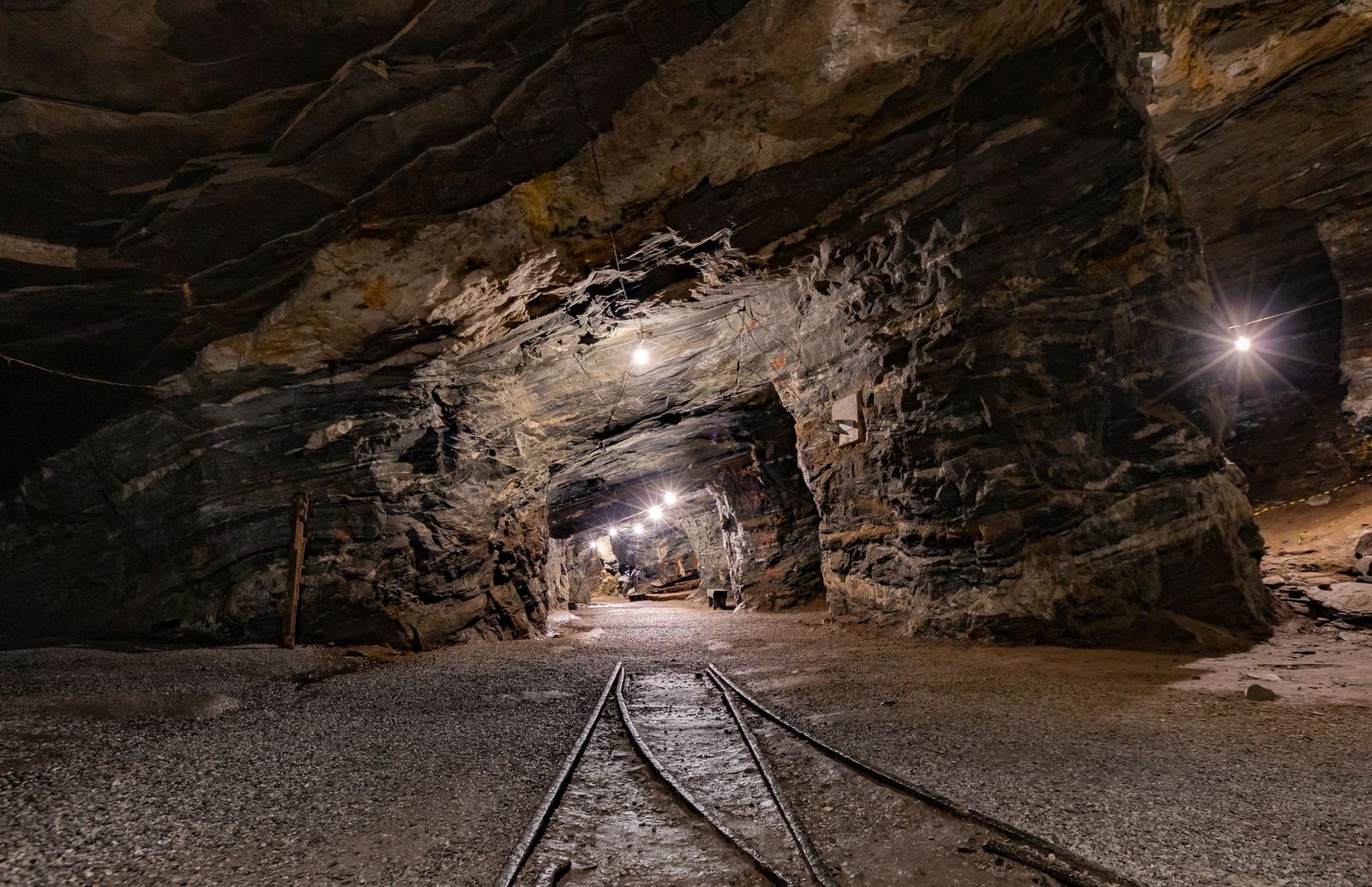
The Carlin Trend is a belt of gold deposits about 5 miles wide and 40 miles long, running north-northwest through the town of Carlin. Nevada Gold Mines, the joint venture that Barrick and Newmont formed on July 1, 2019, runs roughly 8 to 10 underground and open-pit mines across northern Nevada. Together those mines produce around 3.5 million ounces of gold every year. Properties like Goldstrike in Eureka County sit a long way from any town with available rooms.
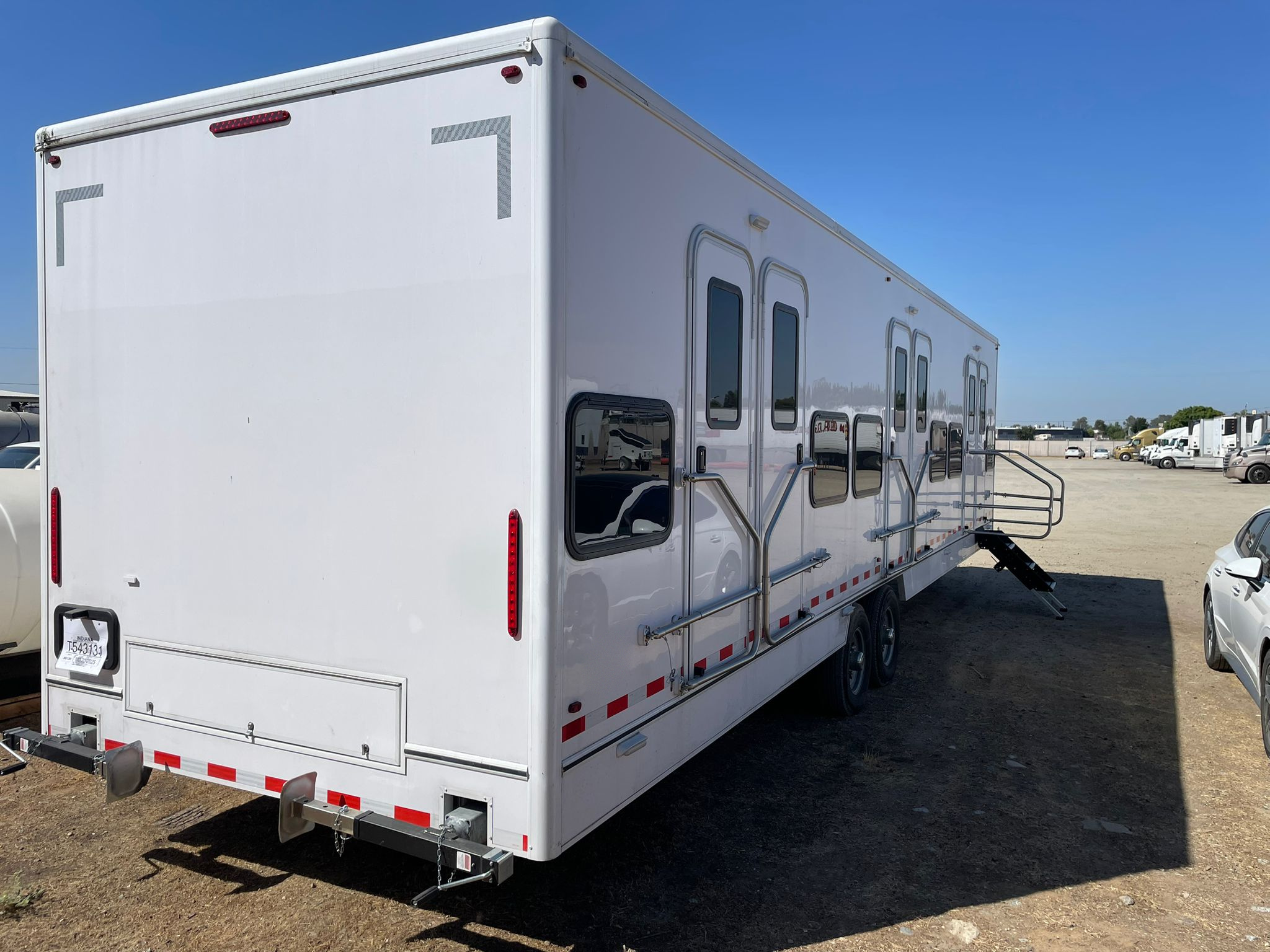
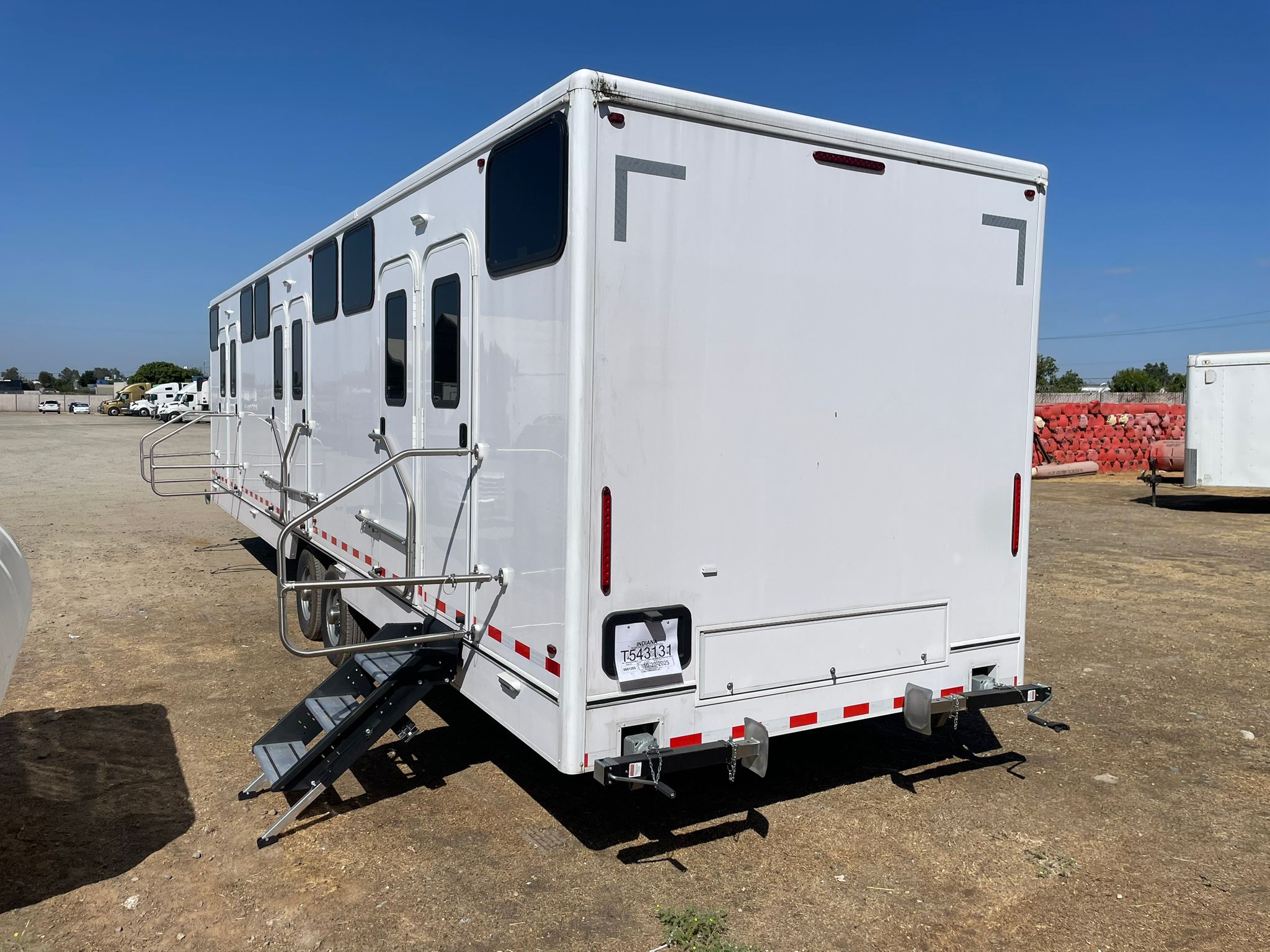
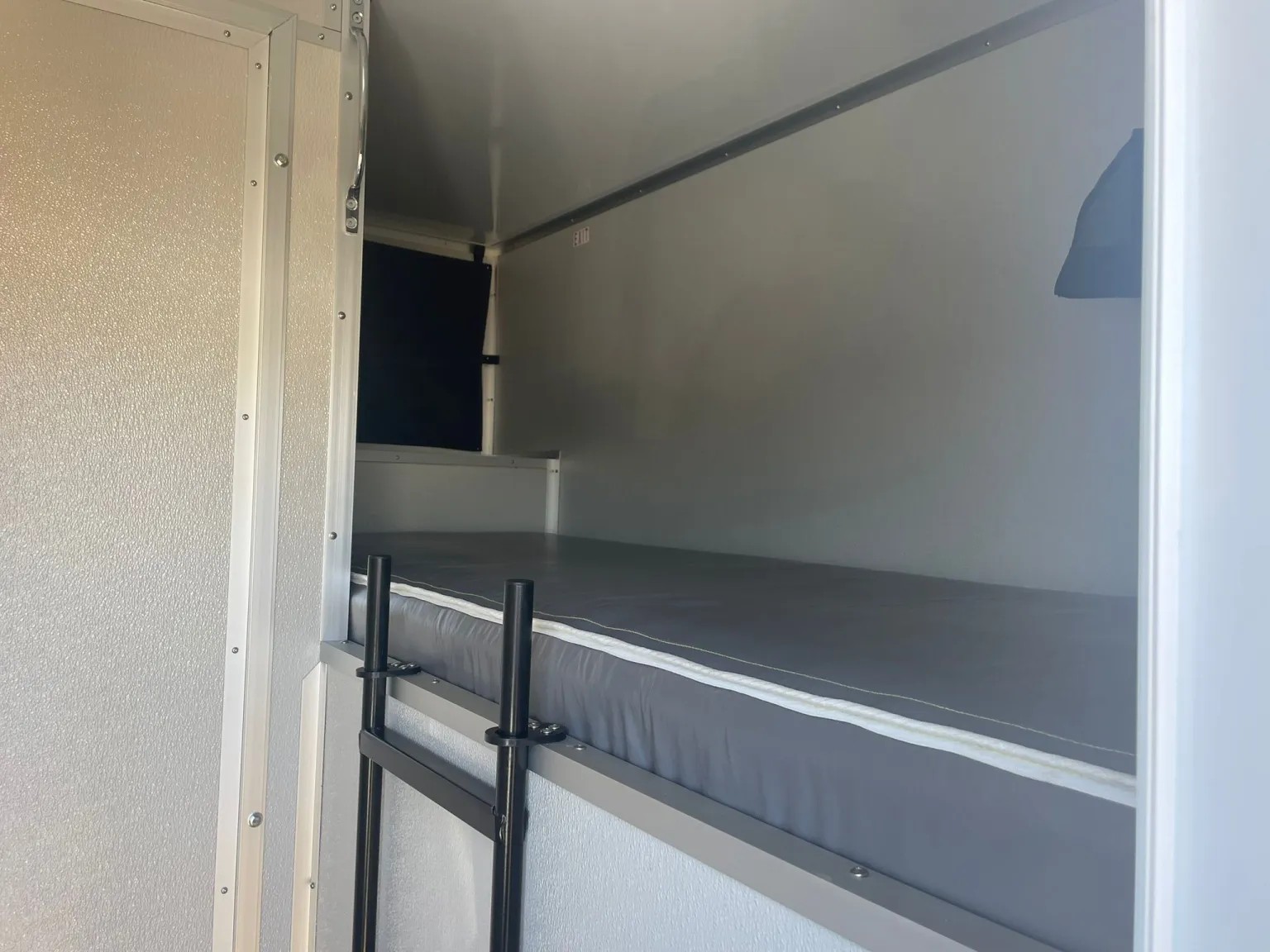
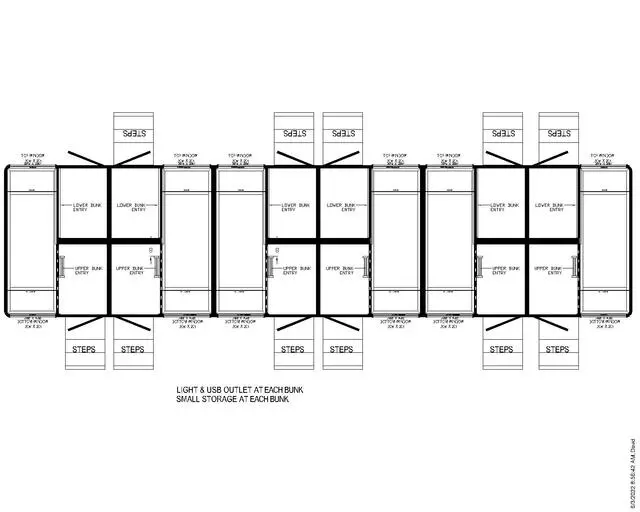
Housing has been the pinch point for these crews for years. The Elko Daily Free Press reported contractors living in Elko hotels and motels for up to two years while they worked the surrounding mines. Some miners aged 55 and older rented rooms at a retirement apartment complex because nothing else in town was available. A mobile sleeper trailer on the mine property gives a 12-person shift its own beds, with no hotel waiting list and no nightly drive back to town.
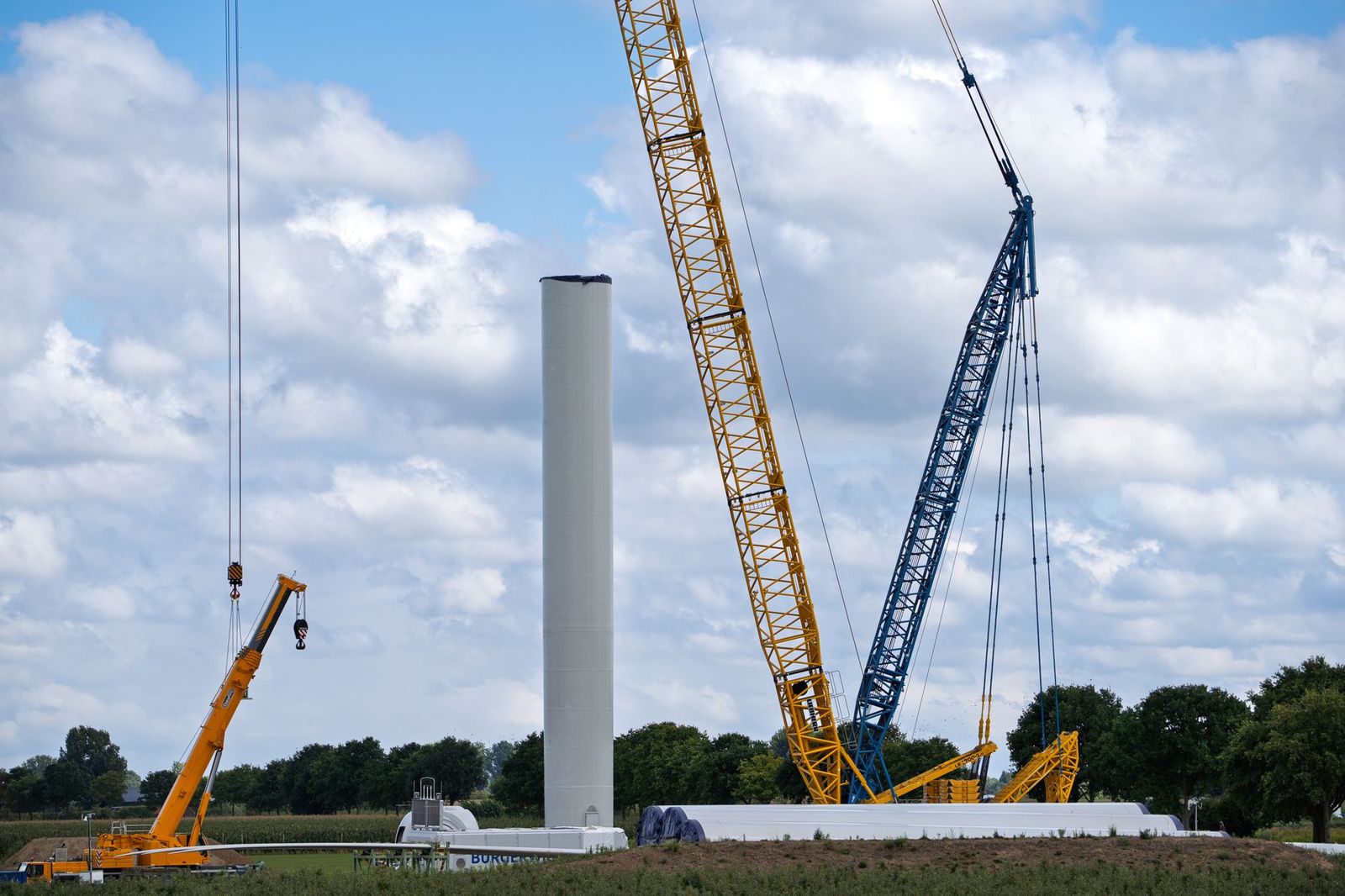
Lithium development at Thacker Pass adds a newer surge in Humboldt County, about 21 miles west-northwest of Orovada. Construction started in March 2023 on a mine planned to produce for 46 years, and the project expects roughly 300 long-term jobs once it reaches steady production. The construction workforce that builds it is much larger, and most of those workers come from outside the area. Winnemucca, the nearest town of any size, has about 8,431 residents, and local economic development officials say rising rents already make hiring more difficult.
Mine shifts commonly run 12 hours on a 14-days-on, 7-days-off rotation, which means a crew spends two weeks at a time close to the work. Across a large mine, a shift crew of 200 people would need 17 trailers at one bed per person. Our page on mining camp sleeper trailer rentals covers pad preparation and generator sizing in more detail. Call dispatch with your rotation schedule, and we will match the bunk count to your crew.
Crew Housing Trailers for Storey County Data Center Builds
The Tahoe Reno Industrial Center covers about 107,000 acres in Storey County, east of Reno, and hosts more than 170 companies. By 2018, total employment across the park had passed 18,000 people. A new wave of data center construction now sits on top of that industrial base, with Google and Switch among the companies building or expanding facilities there.
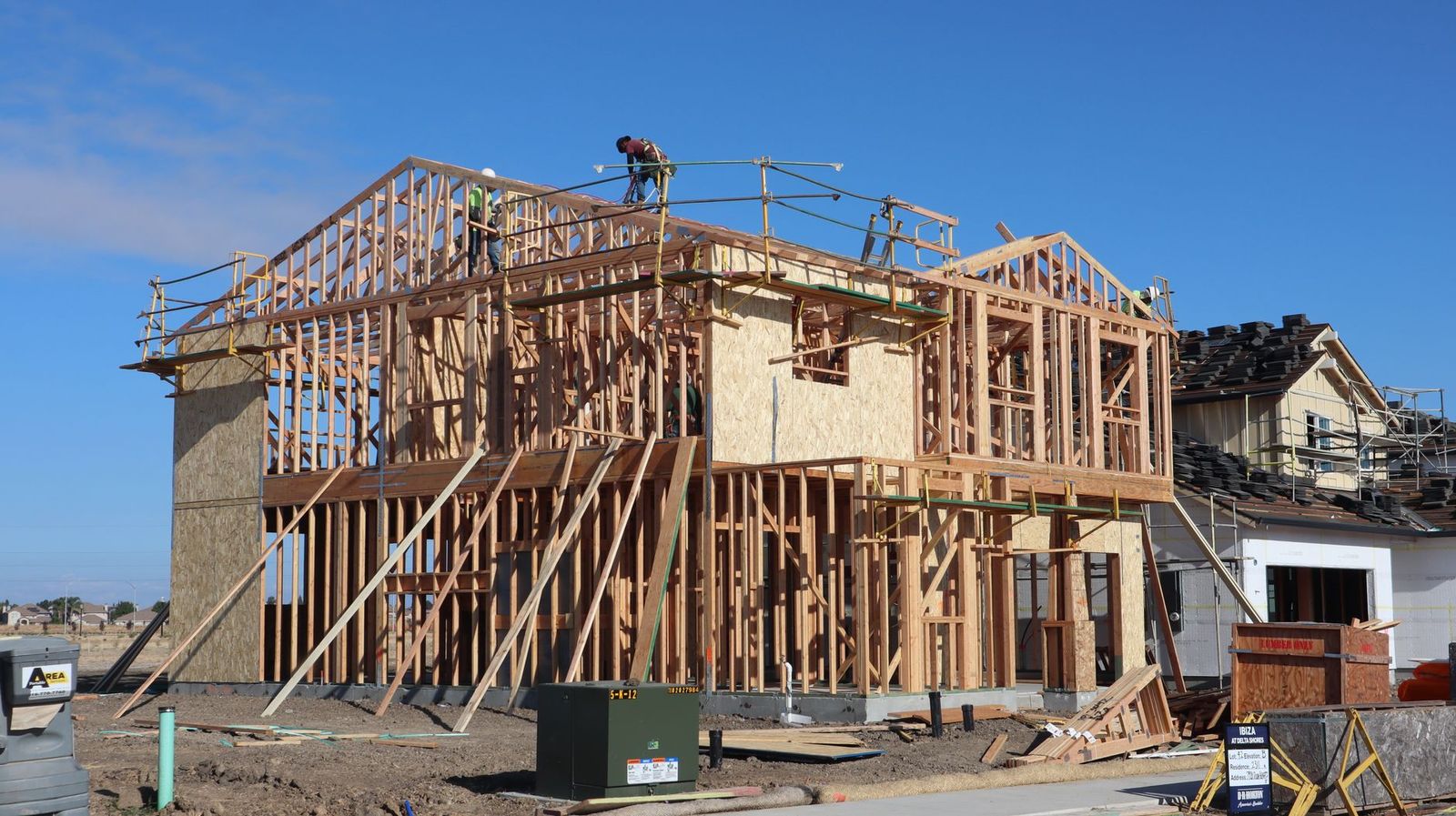
The electrical workforce behind these projects is enormous. MIT Technology Review reported in 2025 that about 80 percent of the roughly 4,000 union electricians in northern Nevada were working on data center projects. A large project can employ 1,000 to 1,500 trades workers at peak construction. The South Valley project, which broke ground in May 2026 along USA Parkway, expects 1,500 construction jobs compared with about 100 permanent positions after it opens.
The small towns of Storey County and neighboring Lyon County were never designed to house a construction surge of that size. Temporary sleeper trailers near the laydown yard let an electrical subcontractor keep its traveling crew close for a build lasting 1 to 3 years. At 12 bunks each, a 1,000-person peak would require 84 trailers, so a common plan houses the traveling portion of the crew while local hires commute from home.
Industrial park sites like TRIC usually have strong electrical service nearby, supported by five on-site power plants producing more than 900 MW. That makes the power connection easier than it is on a remote mine pad. Our guide to construction crew bunkhouse trailers explains yard layout and move-in timing for large projects. Tell us the phase dates, and we can deliver additional trailers as your headcount climbs.
Air-Conditioned Bunk Trailers for Las Vegas Stadium and Strip Builds
Clark County employed about 85,000 construction workers in 2026, an increase of 4.9 percent over the previous year. Industry reporting lists the Athletics ballpark at the former Tropicana site, along with a long series of Strip resort renovations, among the active projects. The ballpark construction is heading toward a peak workforce of about 2,200 people.
Allegiant Stadium offers a useful comparison for the scale of a project like that. More than 12,000 workers from over 200 trades contributed to the stadium at some point, and 2,400 people were on site during the busiest day. The building was completed in 31 months, and most of that workforce lived in the valley and commuted daily.
Traveling crews face a different situation, because they compete with visitors for hotel rooms in a market that is already short on housing. Data center construction adds more pressure, with Switch building in the Apex Industrial Park in North Las Vegas and Google operating a data center in Henderson. The Henderson city council has considered a 180-day pause on new data center permits, which could change a contractor's schedule on short notice. A mobile crew quarters trailer on a staging lot gives a traveling crew its own beds and a short walk to the gate.
Summer is the difficult season in southern Nevada, when afternoon temperatures regularly climb past 100 degrees. Crews working outdoors through July and August need real recovery time between shifts, and a hot truck cab does not provide it. An air-conditioned bunk room lets workers cool down and sleep properly before the next early start.
Portable Sleeper Trailers for Nevada Fire Camps and Desert Build Crews
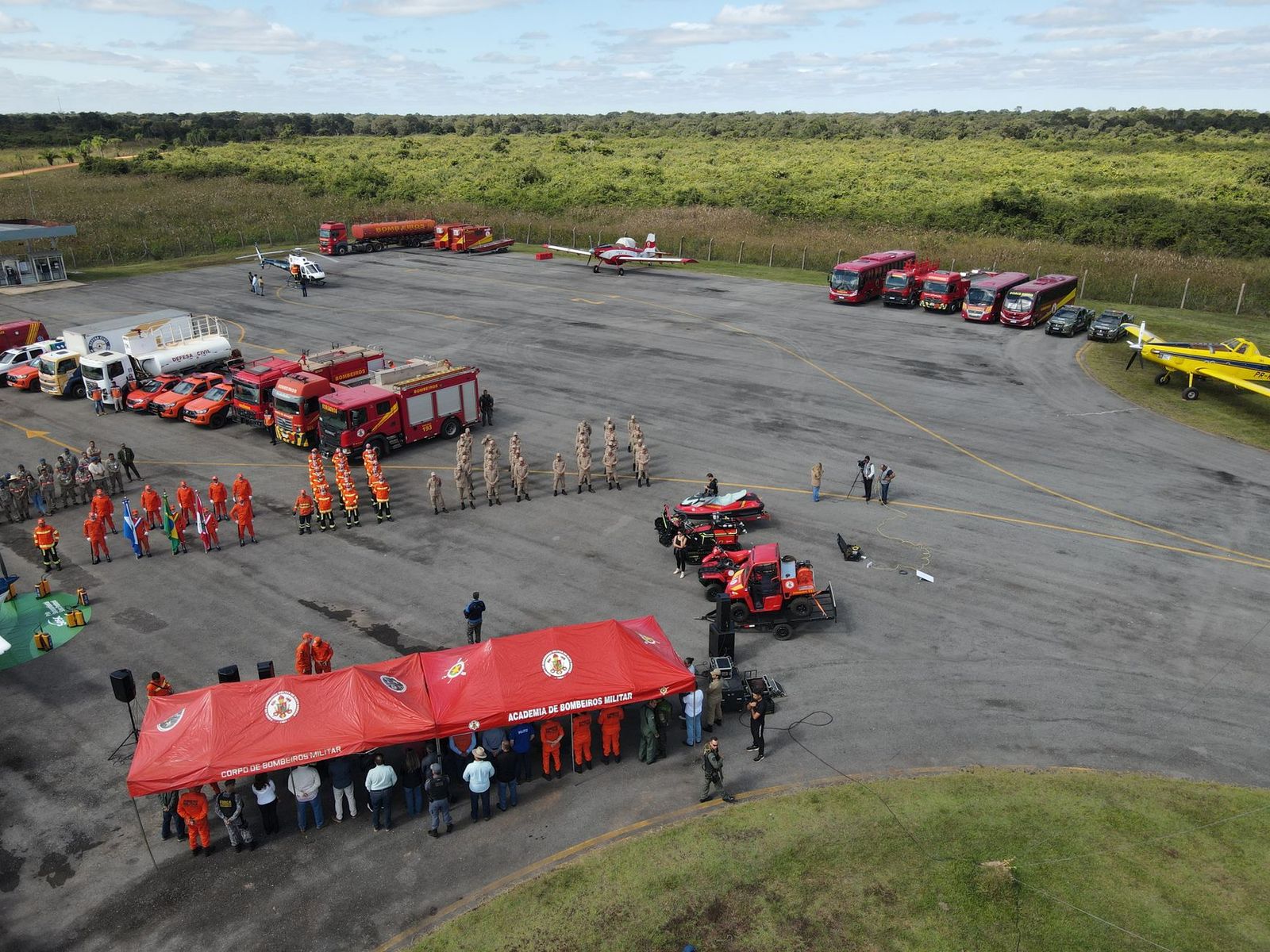
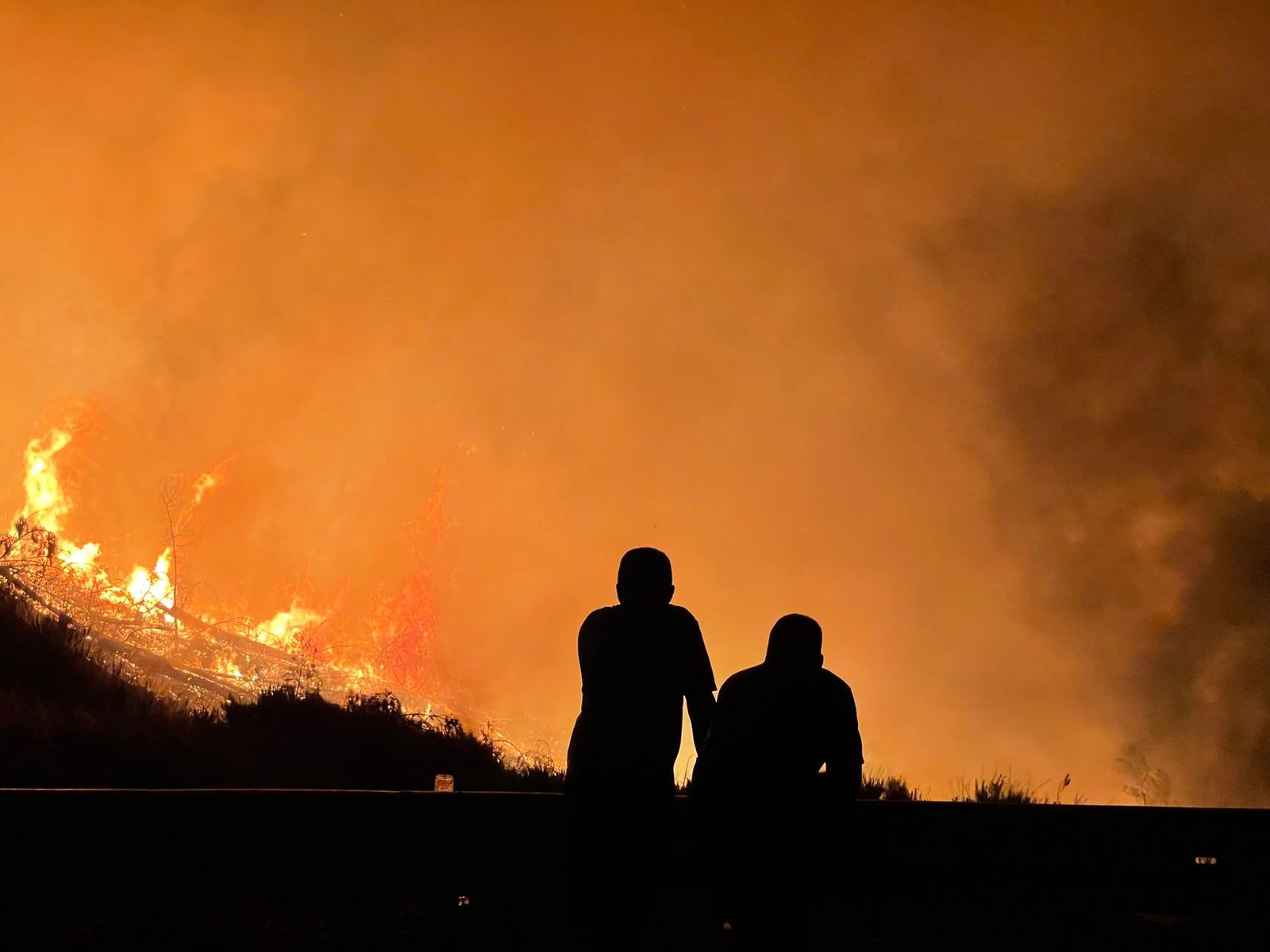
The Hawk Fire started on Peavine Peak in the Humboldt-Toiyabe National Forest outside Reno on August 22, 2026. It grew to 15,085 acres before full containment on September 9, and at its peak the incident drew up to 816 firefighting personnel. Another 60 Nevada National Guard troops were mobilized under a state emergency declaration.
Firefighting crews of that size need beds close to the incident, not an hour's drive away. Housing 816 people at one bed each would take 68 trailers. When two 12-hour shifts share the same bunks, a practice called hot-bunking, the count drops to 34 trailers because each bunk serves 2 people a day. Our heated sleeper trailers give the off-shift crew a dark, cool room for daytime sleep while the other shift is working.
The Black Rock Desert build is a completely different kind of remote project. Black Rock City is constructed on Bureau of Land Management property about 100 miles north-northeast of Reno for the nine days around Labor Day. Its organizers report 986 employees and about 10,000 volunteers, and the public works crews stay on the desert for several weeks before and after the event.
Weather is the main risk in that environment. In 2023, rain turned the dry lake bed into deep mud, and about 73,000 people sheltered in place while the gates and the temporary airport were closed. A weather-tight crew sleeper trailer with heat and air conditioning gives build staff a dry, comfortable bed when the roads shut down. Crews who travel between projects across state lines can also review our sleeper trailer rentals in California and our bunkhouse trailer rentals in Utah.
Heated and Air-Conditioned Sleeper Trailers for Nevada Temperature Swings
Few states place a desert heat record and a snowy mountain winter this close together. The state record high is 125 degrees, recorded at Laughlin on June 29, 1994. Reno, meanwhile, sits at about 4,500 feet of elevation and receives genuine winter storms from the Sierra Nevada.
The communities along I-80 sit in the Great Basin high desert, where Elko and Winnemucca experience hot, dry summers and cold, snowy winters. Seasonal temperature swings of 40 degrees or more are normal across the region, and a crew can see both extremes during a long project.
Each trailer carries 3 AC units with heat, all controlled from one smart thermostat with digital touch controls. A crew moving from a summer project near Pahrump to a fall drilling program near Ely keeps the same trailer and simply changes the temperature setting.
Trailers needed by crew size at 12 bunks each
Power Checked Before the Bunkhouse Sleeper Trailer Ships
Remote exploration pads in Nevada often draw power from generators until permanent lines arrive. Before a trailer leaves the yard, we confirm your generator can carry 3 AC units through a hot afternoon, and we ask whether the pad is level. A graded, level spot is often the biggest site-prep item on a Carlin Trend pad or open desert ground.
Nevada Towns Where Crews Stage Sleeper Trailers
- Elko: Elko had 20,564 residents in 2020 and calls itself the capital of the goldbelt. Its economy has swung with gold prices, booming in the 1980s and again from 2009. Hotel rooms fill fast when the mines hire, so Carlin Trend crews often do better with beds on the site.
- Battle Mountain: Battle Mountain is a Lander County town of 3,705 on I-80, and gold mining is its main economic base, with Newmont's Phoenix Mine nearby. Local rooms are limited, so traveling shutdown and expansion crews often need their own beds.
- Winnemucca and Orovada: Winnemucca is the supply town for the Thacker Pass build to the north. About 75 semi-trucks of molten sulfur roll from Winnemucca to the mine each day, and construction crews share that highway and a tight rental market.
- Fernley and Lyon County: The South Valley developers hold access to 12,000 acres across Storey and Lyon counties. Their president expects dozens of data centers over the next decade, which means years of rotating trades crews east of Reno.
- Pahrump and Nye County: Pahrump is the housing and supply base for contractor crews at the Nevada National Security Site, which covers 1,350 square miles about 65 miles northwest of Las Vegas. Site access rules vary, so trailer placement gets confirmed with the site first.
- Ely and White Pine County: Ely sits where US-50 meets US-93 and is the main city of eastern Nevada, and it grew up on copper mining in the early 1900s. US-50 from Ely west to Fernley runs 287 miles, and Life magazine called it the Loneliest Road in America in 1986.
Nevada Agencies That Shape Crew Housing Trailer Plans
For wildland fire, the Nevada Division of Forestry writes Emergency Equipment Rental Agreements, known as EERAs, for incidents inside the state. Its 2022 agreement lists Mobile Sleeper Trailer as a standing rate category, divided into a serviced tier with daily delivery or a service call and an unserviced tier. Because EERAs are written at the incident, orders tend to spike in the first days after a fire breaks out.
The Bureau of Land Management in Nevada manages nearly 48 million acres, about 63 percent of the state. BLM Nevada's fire and aviation program ranks second in the entire Bureau, behind Alaska. The same agency issued the Thacker Pass Record of Decision on January 15, 2021. It also permits the Black Rock City event, so one federal office affects both mining and wildfire crew housing across the state.
The Mine Safety and Health Administration covers all mining and mineral processing operations regardless of size, under the Federal Mine Safety and Health Act of 1977. For trailers on private or county property, ask the building department in Storey or Clark County whether a temporary sleeper trailer needs a permit before delivery. We send the spec sheet and trailer dimensions for your permit file.
What a Typical Setup Looks Like
Drill supervisor, 24-person exploration crew, Eureka County pad
A typical exploration setup on a Carlin Trend pad uses 2 trailers on a graded spot beside the core shed. Each driller and helper gets a dedicated bunk, and the trailers draw electricity from the site generator. When the drilling program moves to the next target, we pull the trailers, level them on the new pad and reconnect power.
Electrical foreman, 36-person traveling crew, Storey County data center
When an electrical subcontractor brings 36 traveling electricians to a TRIC build, the usual plan puts 3 trailers beside the laydown yard. Day and night crews each keep their own bunks, so nobody sleeps in a bed another worker just left. As the crew grows during rough-in, additional trailers arrive in sets of 12 bunks.
Incident logistics chief, fire camp near Reno, two shifts
A fire camp along the Sierra Front often sits on a county fairground or a flat parking area, with power and water trucked in for the incident. With day and night shifts sharing bunks, each trailer accommodates 24 people a day. The trailers go on the quiet side of camp, away from generators and the food line, so off-shift crews can rest.