
Skip to content
Delivered to all 50 states 24/7 dispatch: (888) 828-7765

Serving Colorado

Colorado: Remote Site Bunkhouse Sleeper Trailer Rentals

Crews working in Colorado call us for a 34 ft bunkhouse sleeper trailer that sleeps 12 and arrives set up and level at the job site, whether that site is a well pad in Weld County or a highway yard along I-70. Call (888) 828-7765 at any hour for a delivery window, or send a quote request and a dispatcher will call you back with dates.

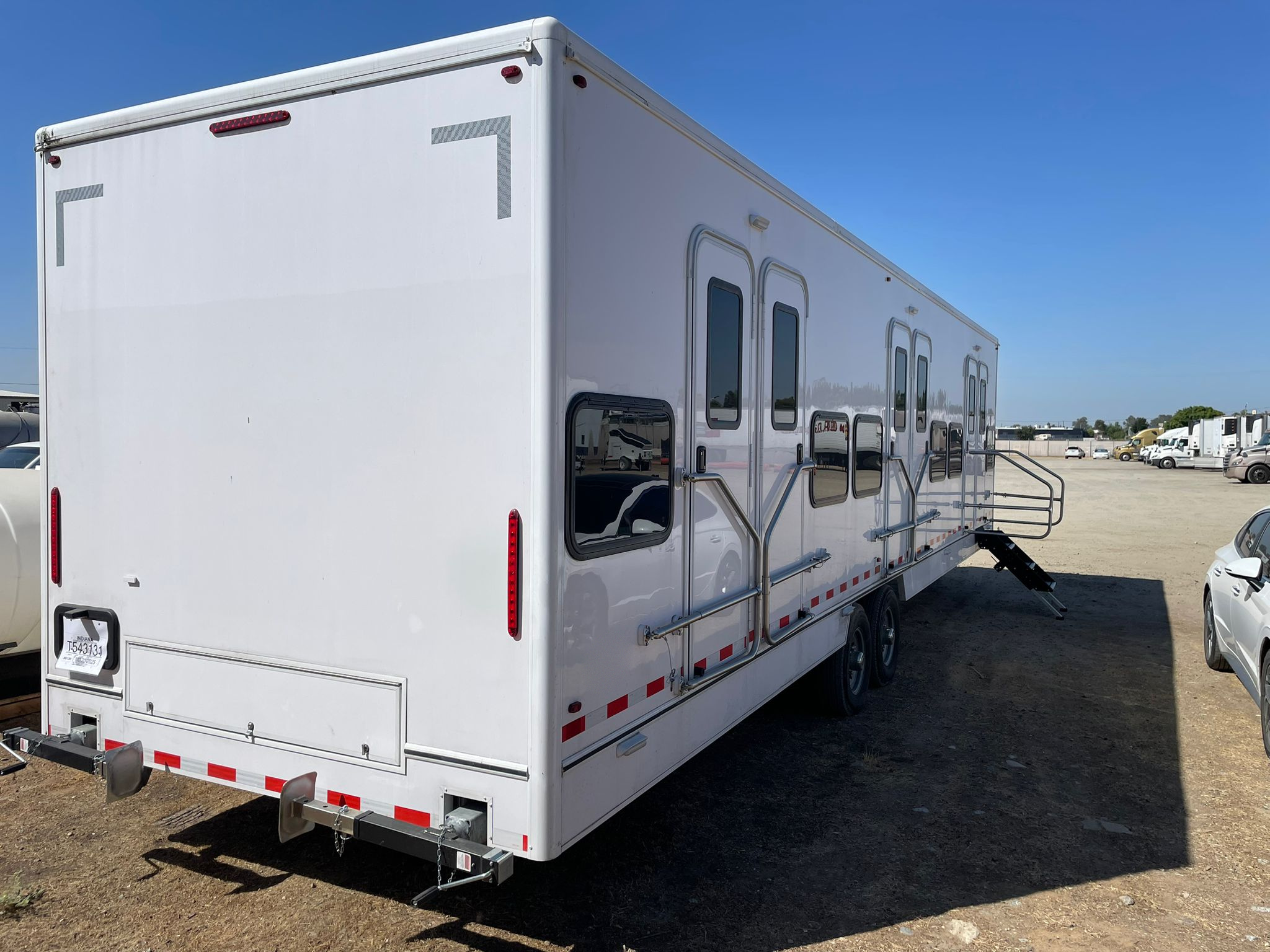
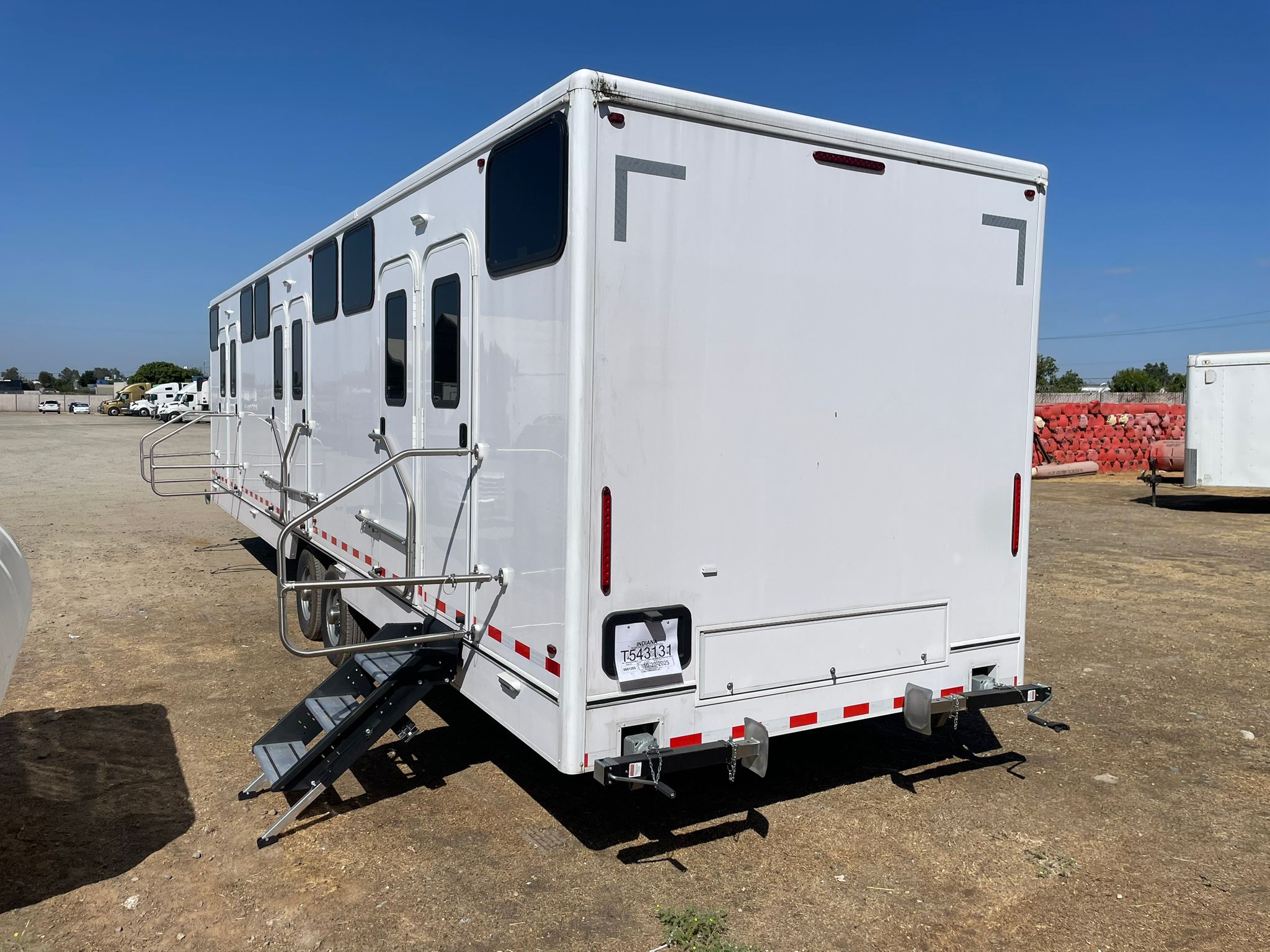
34 ft bunkhouse sleeper trailer with three bunk entry doors and built-in steps
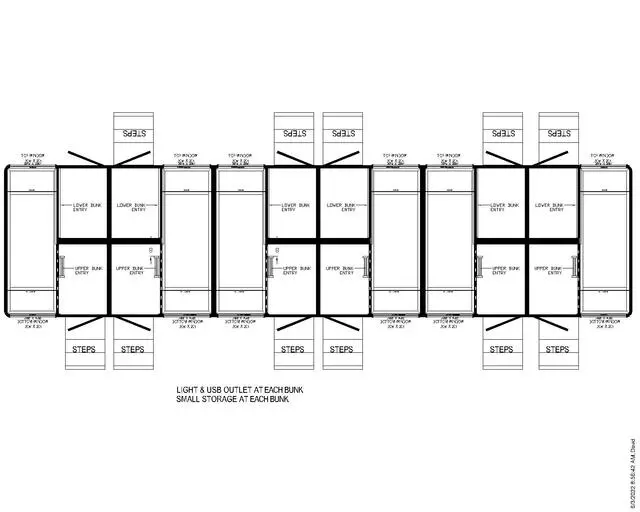
  • Sleeps 12 6 upper and 6 lower bunks
  • 3 AC units with heat and a smart thermostat
  • 24/7 dispatch at (888) 828-7765
  • All 50 states delivered and set up on site
  • 12,000+Trailer deliveries across our network
  • 50Delivery to all 50 states
  • 24/7Dispatch answers day and night
  • 12Private bunks in every trailer

Built for construction crews, fire camps, pipeline spreads and utility contractors.

Colorado crew housing

Crew Sleeper Trailers Built for Colorado Job Sites

A crew that sleeps near the work starts each shift rested instead of worn down by a long drive over a mountain pass. We deliver a portable crew housing trailer with 12 real bunks and 3 AC units with heat, and every bed has its own light and USB outlet. The trailer is set up before your crew arrives, and our network has completed over 12,000 trailer deliveries across the country. Call now for a delivery date, or request a quote so you can compare it with the cost of rooms. Our page on bunkhouse sleeper trailer rentals nationwide covers the unit in full detail.

In Colorado, the same heated trailer handles an August day on the Eastern Plains and a February night near 10,000 feet, so one booking covers every season on the job. The complete sleeper trailer spec sheet lists each measurement and feature.

What comes with every rental

  • Delivery, leveling and setup by our driver
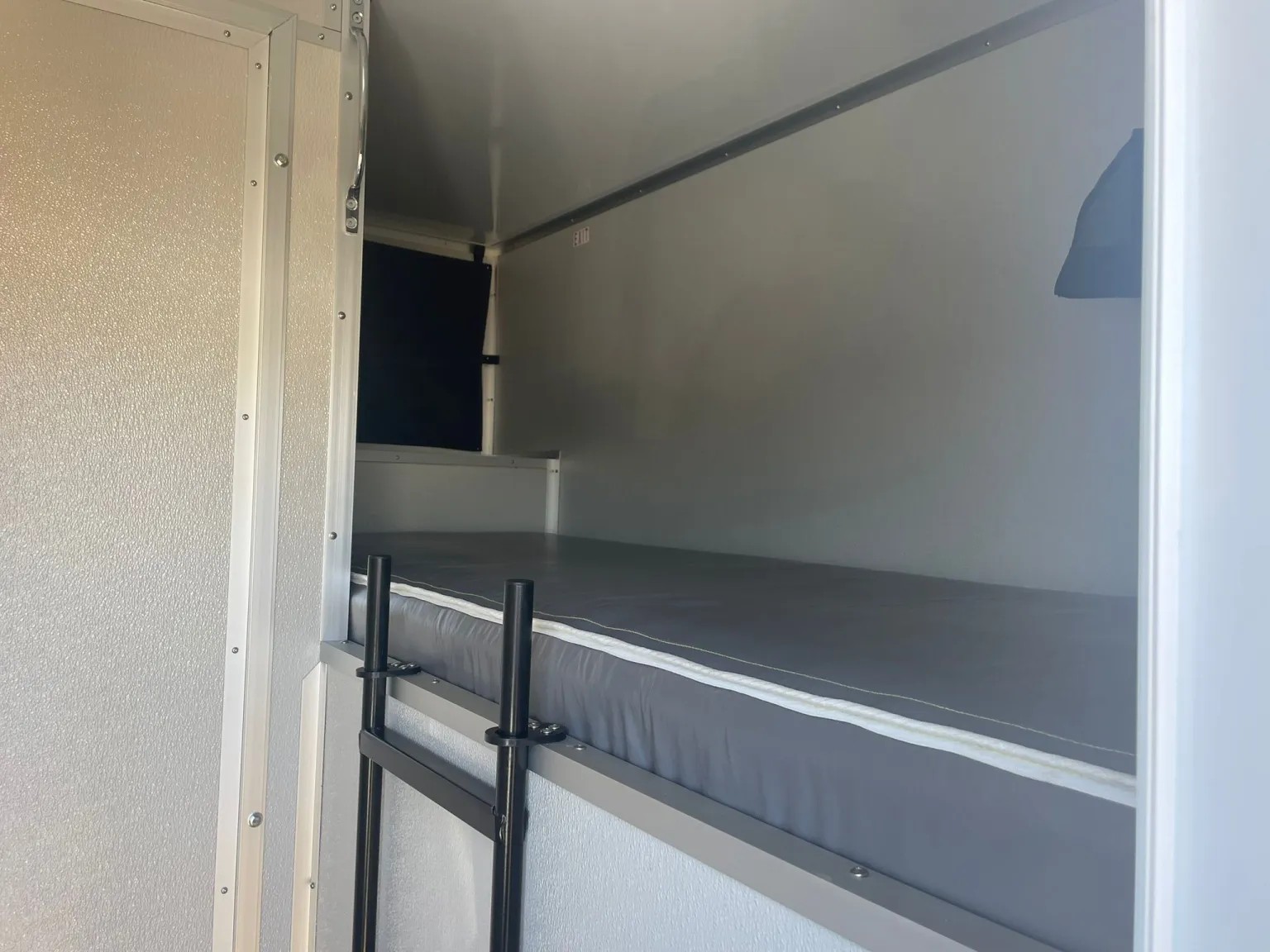
  • Twelve private bunks, each with a light, USB outlet and storage
  • Three AC units with heat and a smart thermostat
  • Built-in steps at every bunk bank
  • Pickup when the job wraps

What happens next

The 34 ft sleeper trailer built for hard sites near Colorado

Every rental is the same proven unit, so your crew knows exactly what they are walking into.

Spec plate

12-bunk sleeper
Bunks6 upper + 6 lower = 12 total
Sleeps12 people
Length34'
Per-BunkLED light, USB outlet, storage compartment
AccessBuilt-in steps at each bunk bank
AC Units3 (HVAC, smart thermostat)
ClimateAC & Heat, digital touch control

Need beds on site this week?

(888) 828-7765

A real dispatcher answers 24/7. Tell us where the crew is and when they start.

Working knowledge

What crews say after a night inside in Colorado

"Rooms around Greeley filled up the week we moved onto the pad. Two trailers showed up set up and running before the hitch started, and the crew stayed on location for the full 14 days."

J. B.Completion superintendent, DJ Basin pad crew, 24-person crew

"Our crew needed beds near the staging yard for a winter phase. The heat held through cold nights at elevation, and every bunk had a light and a place to charge a phone."

N. N.Project manager, I-70 corridor grading crew, 36-person crew

"The trailers arrived level and ready near the shower units, and the crews came off the line and went straight to sleep. Nobody had to drive to a motel in the middle of the night."

D. B.Camp support lead, southern Colorado incident base, 40-person hand crews

"Our right of way was a long drive from any town. The trailer moved down the line with us twice, and the generator setup was simple each time."

S. D.Line foreman, Eastern Plains transmission crew, 12-person crew

"Finding rooms near Leadville is hard at any time of year. The trailer went into the yard the mine approved, and the crew had warm bunks through a cold stretch in March."

D. G.Maintenance supervisor, Lake County mine project, 12-person crew

"Rentals near our lots were scarce and expensive after the fire, and the trailer kept the framing crew together on site, which made early starts much easier."

R. H.Site superintendent, Front Range rebuild crew, 12-person framing crew
Delivering to all 50 states

Hard facts

Bunkhouse Trailer Delivery Across Colorado

We deliver across Colorado, from Weld County to the Western Slope, and we deliver to all 50 states. Tell dispatch the county and the dates, and we will confirm a delivery window that fits your road access and the season. You can also browse our bunkhouse trailer delivery locations if your crew works in more than one place.

Take a look

Colorado Regions Where We Set Up Crew Housing

Count on it

What sets our bunkhouse trailers apart for Colorado crews

  • Twelve private bunks

    Six upper and six lower, each its own space. No cots, no shared air mattresses.

  • Heat and air, three units

    Three AC units with heat and a smart thermostat keep the trailer comfortable in July and January.

  • Light and USB at every bunk

    Each bunk has an LED reading light, a USB outlet and a storage compartment for phones and gear.

  • Delivered and set up

    Our driver hauls it in, levels it and walks your lead through it. You do not need a truck or a hitch.

  • All 50 states

    We plan routes to remote yards, fire camps and storm zones anywhere in the country.

  • 24/7 dispatch

    Call at any hour and a person picks up. Crews change plans at night, and so do we.

Who rents it

Who Books Crew Housing Trailers in Colorado

Built for crews like these:

  • Oil and gas completion and workover contractors
  • Highway, transmission and construction contractors
  • Wildfire support teams and incident logistics staff
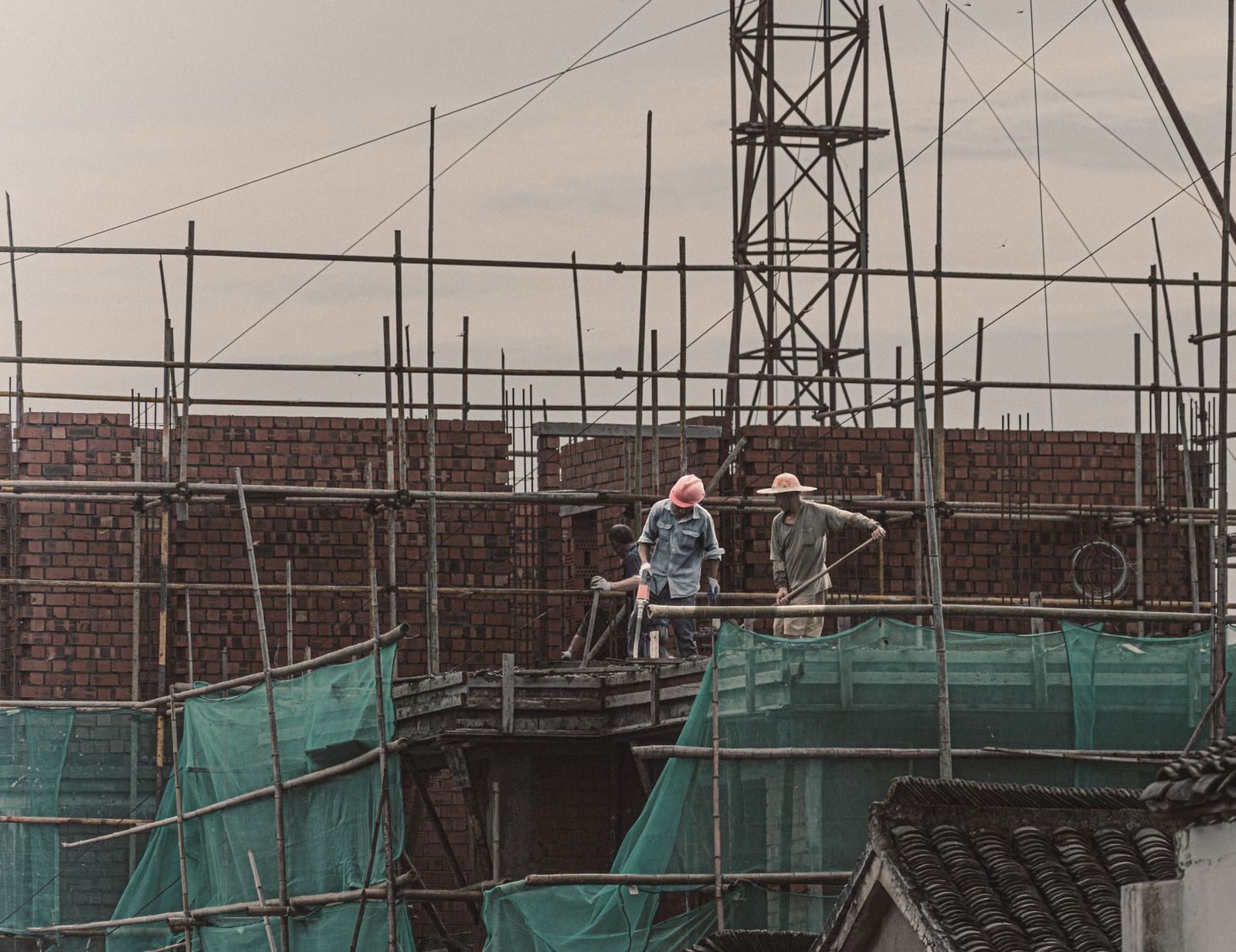
  • Construction crew on scaffolding

    Oil and gas contractors

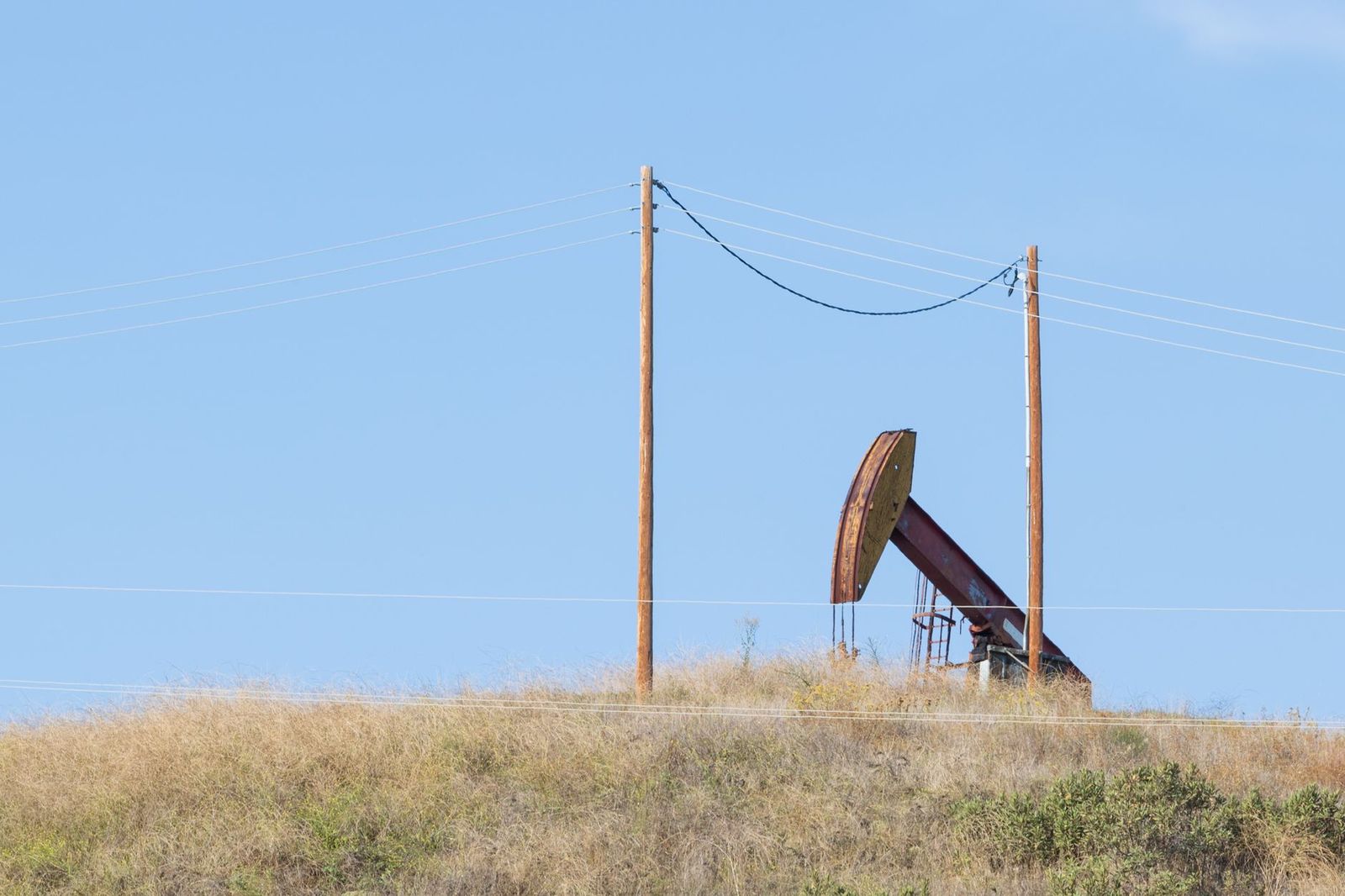
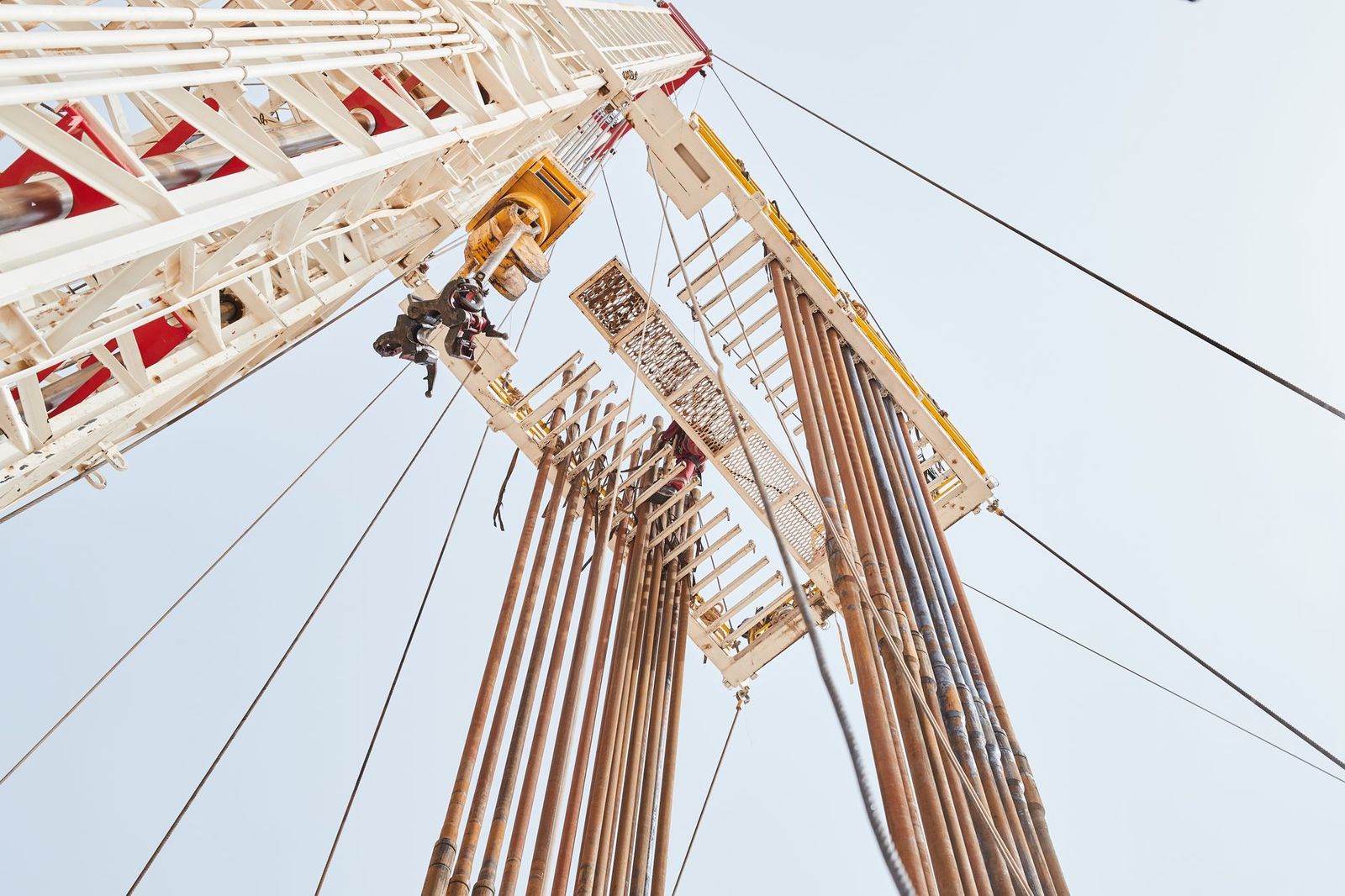
    Completion and workover crews in the DJ Basin and the Piceance Basin book trailers for pads and yards. A trailer that moves with the crew keeps the commute short for the whole program.

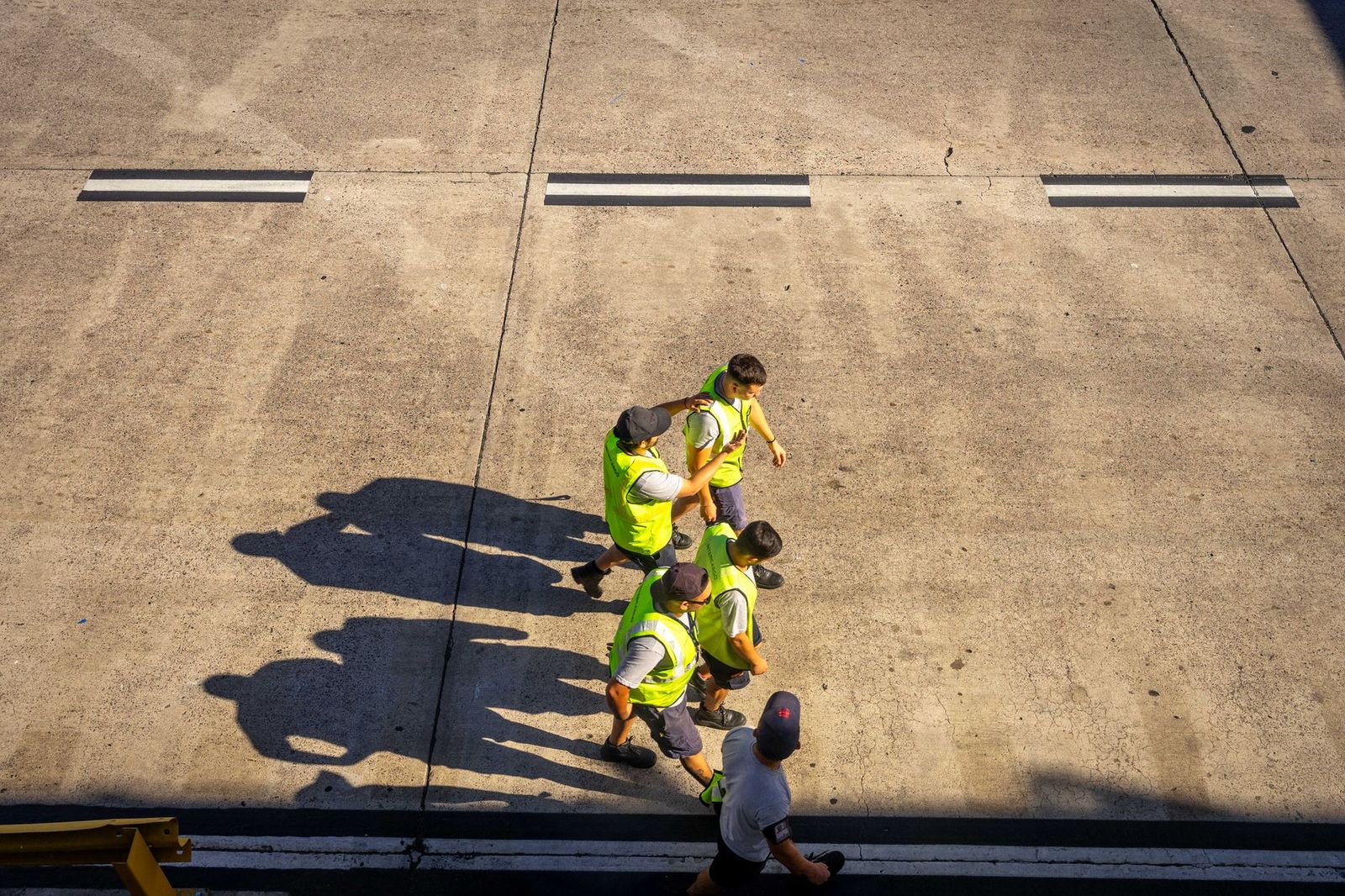
  • Industrial workforce crew at a jobsite

    Highway and bridge contractors

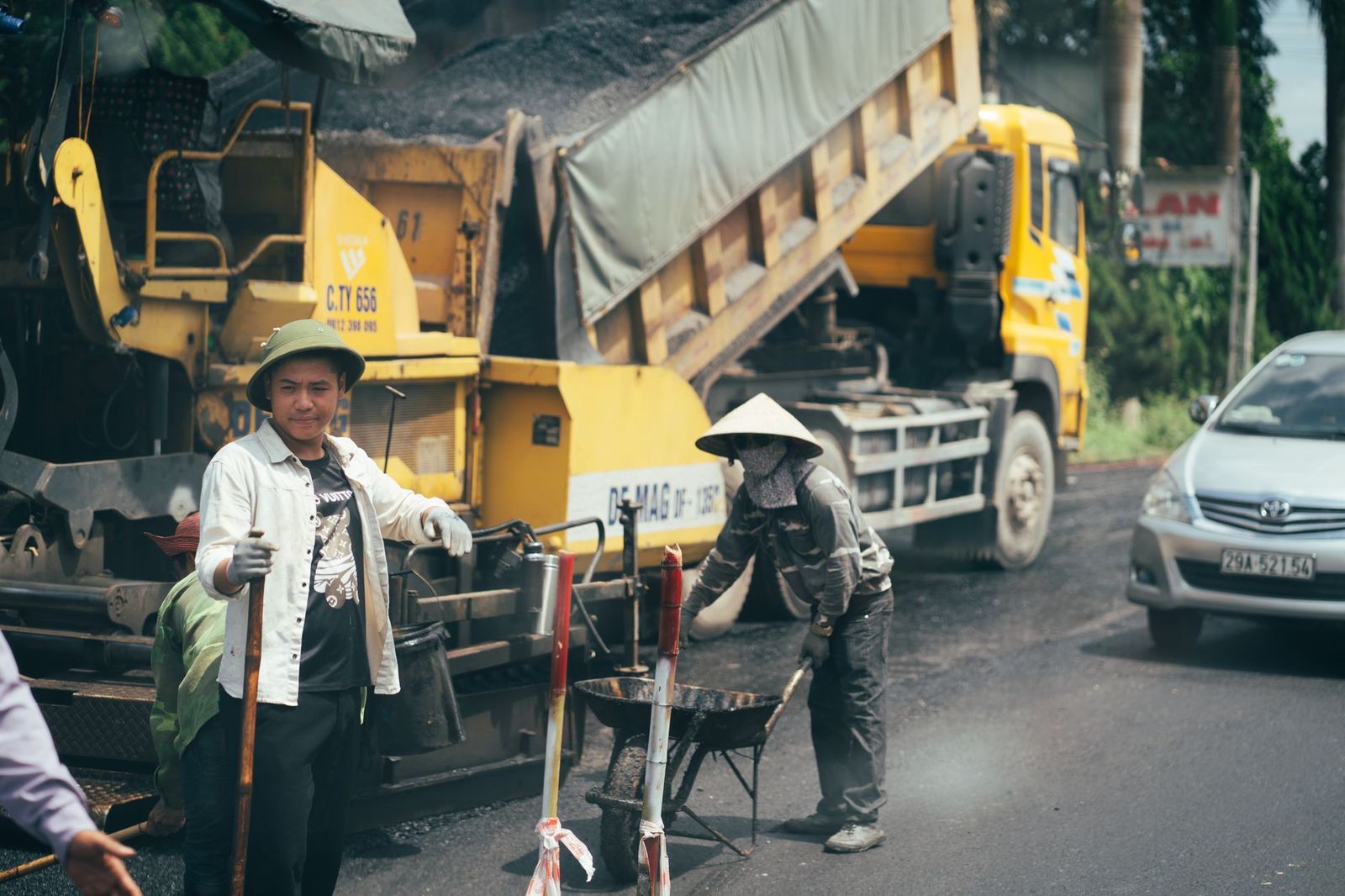
    Crews on the I-70 corridor and other mountain roads need beds near the staging yard, and A heated bunk trailer gives them rest without a long winter drive.

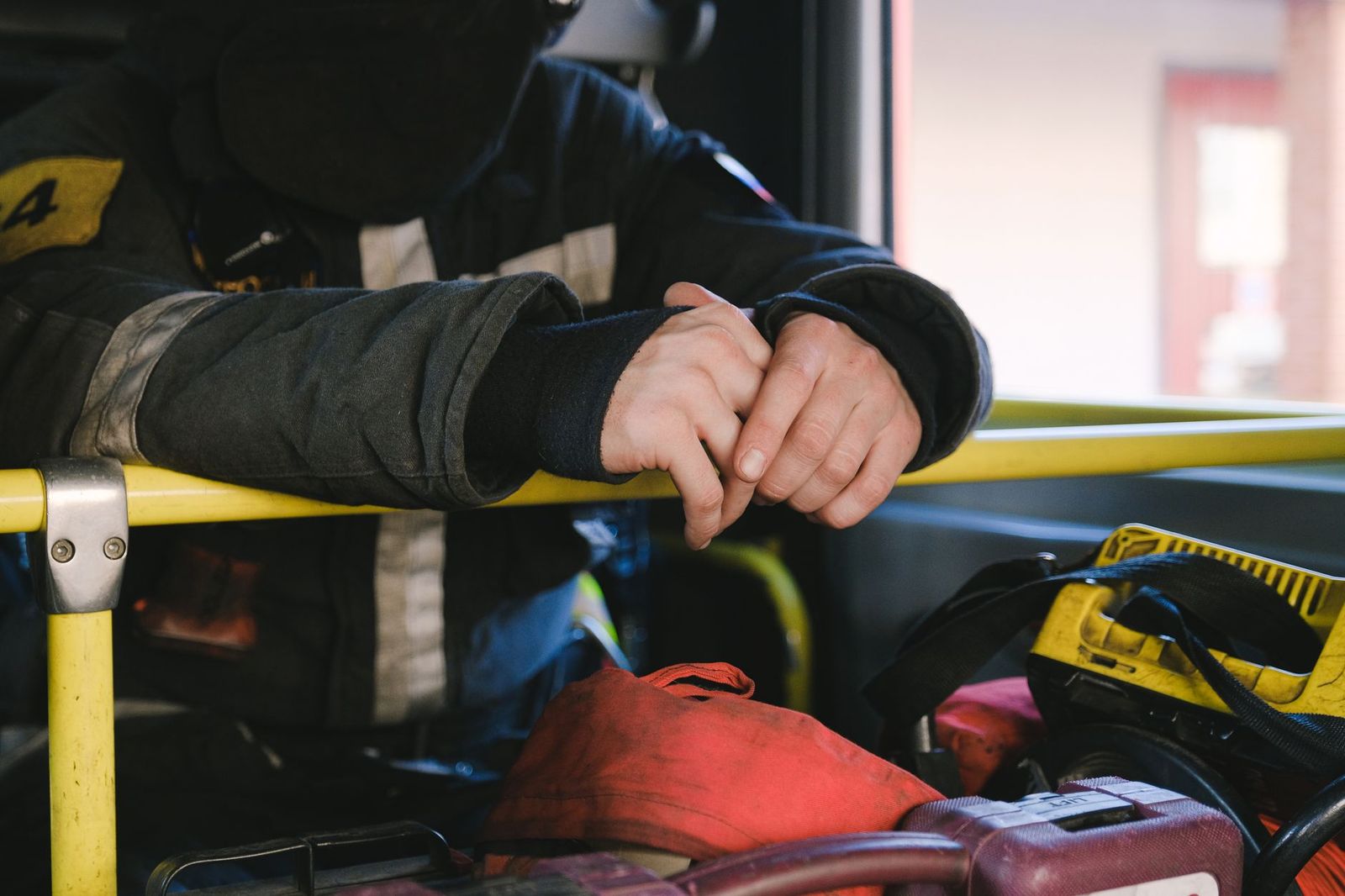
  • Wildland firefighter hand crew member

    Wildfire and incident crews

    Fire crews and support staff need beds at the incident base within hours of a call. Dispatch answers 24/7, which helps when a delivery has to happen on short notice.

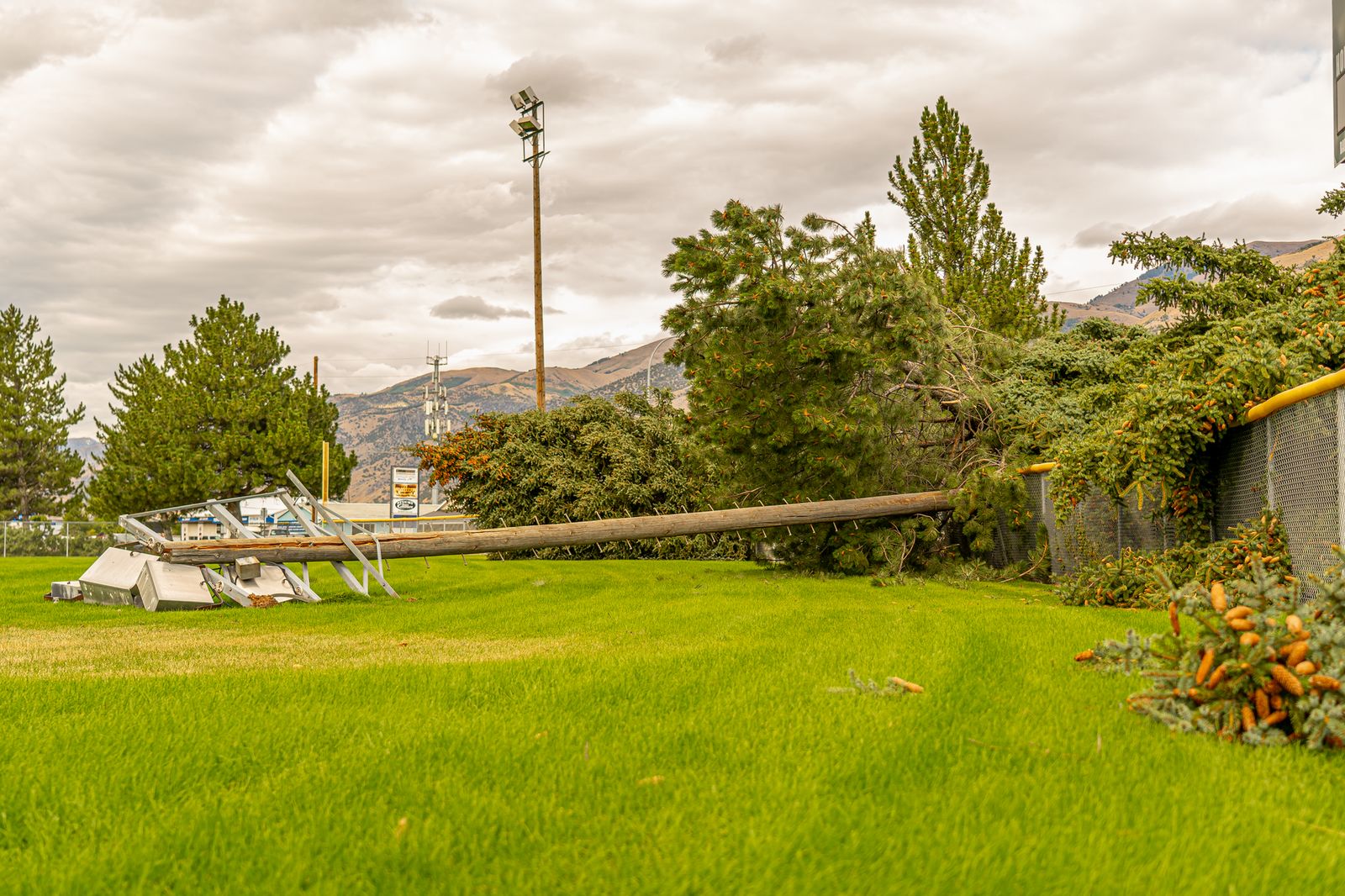
  • Storm damage with a fallen utility pole and power lines

    Transmission and utility builders

    Line crews on the Eastern Plains work far from towns for months, and A mobile bunk trailer can follow the crew as the line moves.

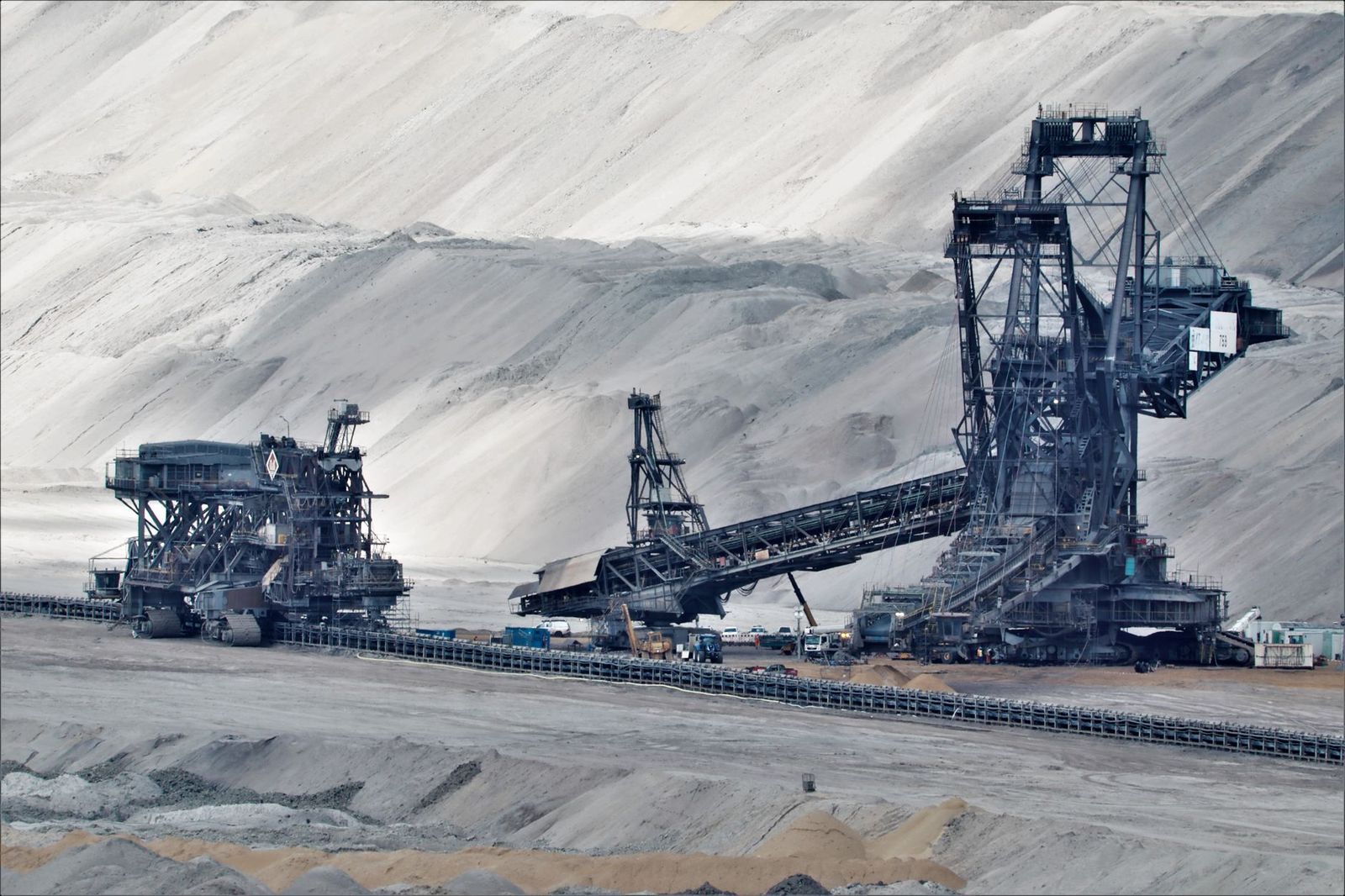
  • Open-pit mine dragline equipment from above

    Mining companies

    Mine project and maintenance crews in Lake County need beds near the site, and A trailer in an approved yard keeps them close to the work.

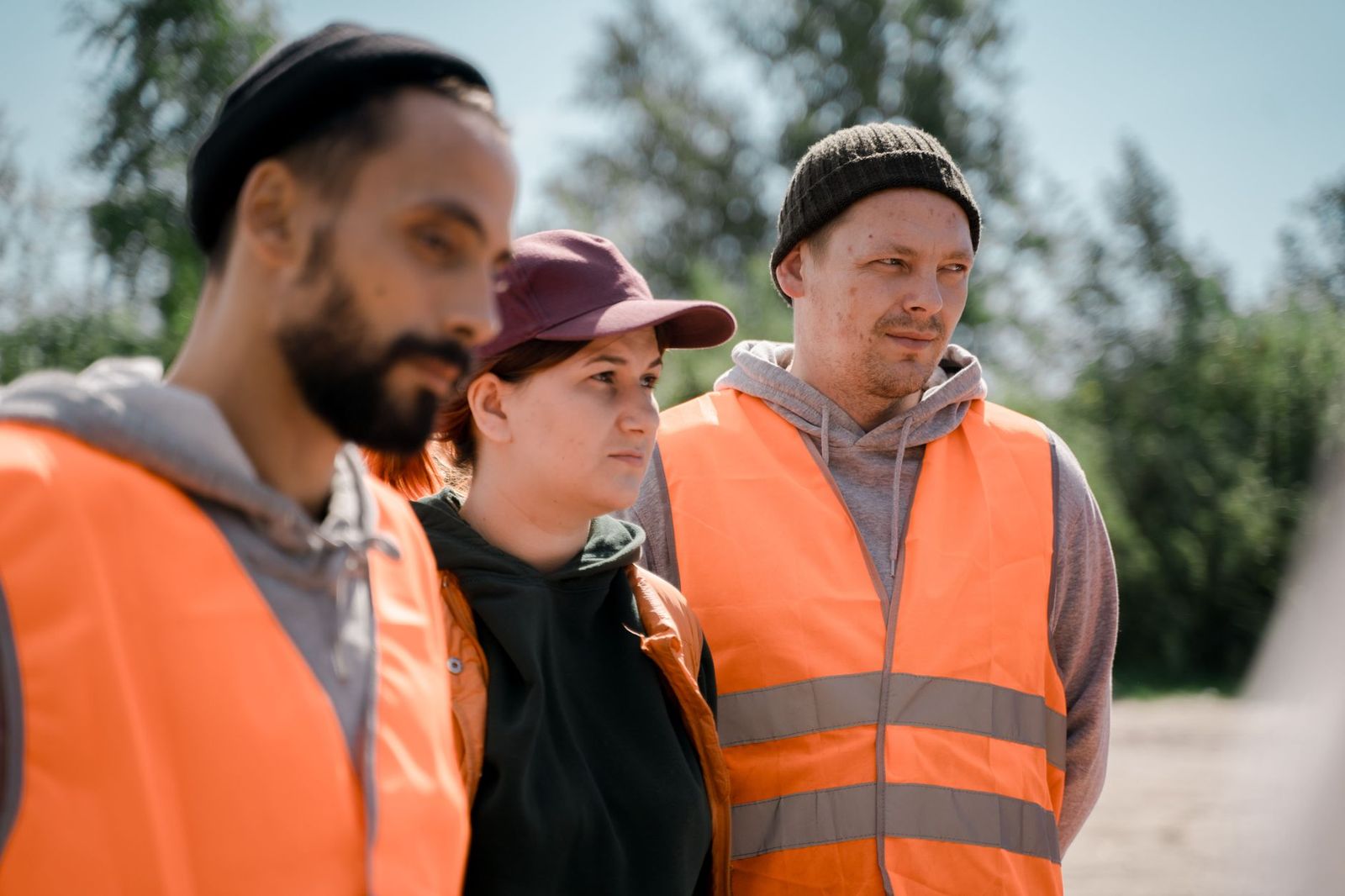
  • Crew standing at a jobsite

    Construction and rebuild contractors

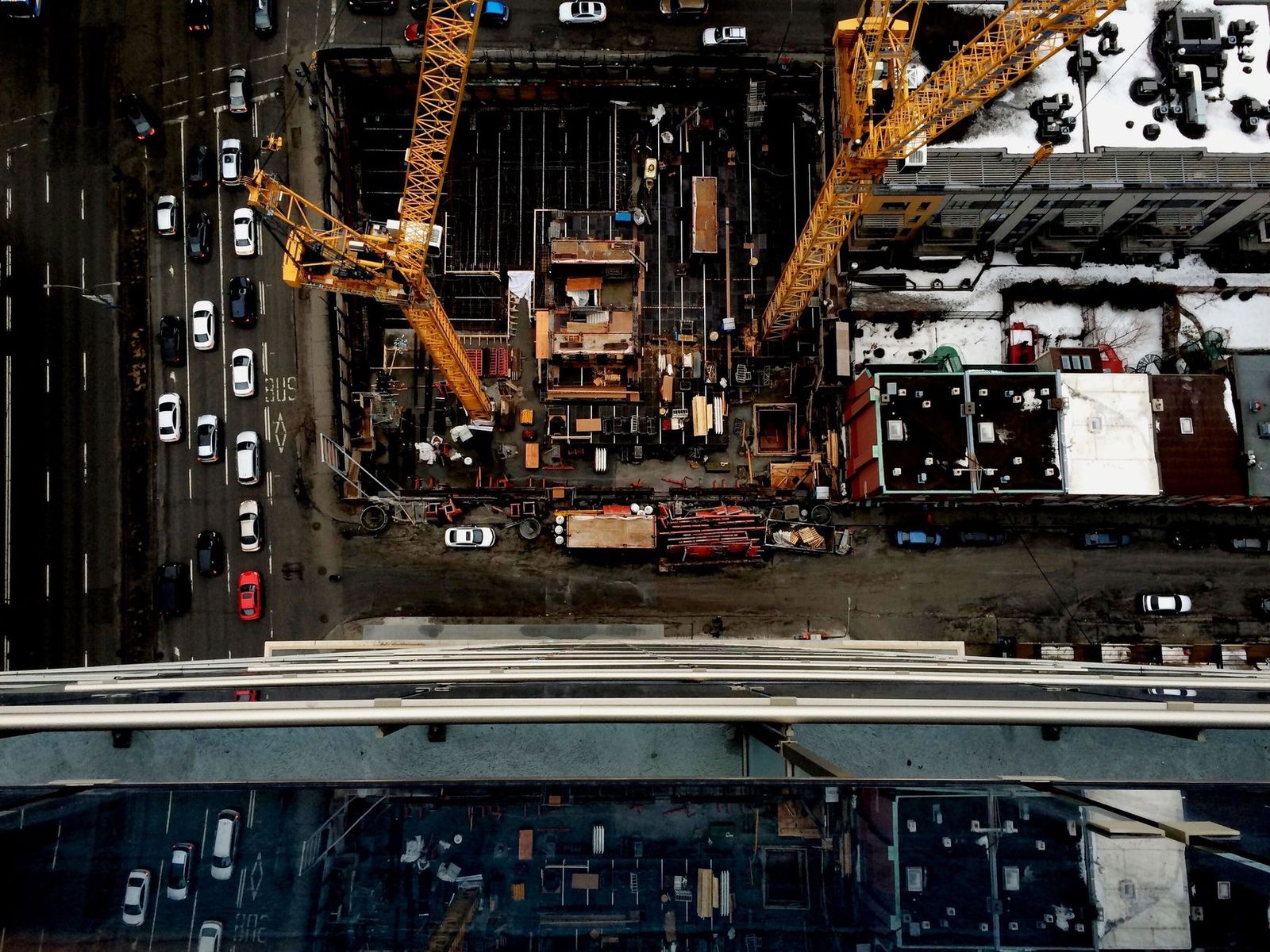
    Front Range builders and rebuild crews work where rentals are scarce and expensive, and A trailer at the project yard keeps the crew together in one place.

Plan around it

From your call to lights out in Colorado

  1. Call or send a quote request

    Tell us the site, the crew size and your start date. We answer 24/7.

  2. Plan the drop

    We confirm site access and power, then lock in a delivery window.

  3. Delivery and setup

    Our driver places the trailer, levels it and hands your lead the keys and a walkthrough.

  4. Pickup when you wrap

    Extend as long as you need. When the job ends, we haul it out.

How to Plan Crew Housing in Colorado

Temporary Crew Housing for Colorado Oil and Gas Crews

The Denver-Julesburg Basin, anchored by the Niobrara Shale, sits mostly in Weld County and produces roughly 400,000 barrels of oil equivalent per day from more than 4,000 active wells. The rig count has dropped from more than 20 rigs to about nine by spring 2026, while total output kept climbing. That pattern points to a long, steady development phase with completion and workover crews on the move rather than a short drilling rush.

Drilling and completion crews in the basin commonly work 14 and 7 hitches on 12 hour shifts. A 14 day hitch means 13 straight nights of housing that have to be lined up before the crew ever mobilizes. Towns such as Greeley, Windsor, Firestone and Frederick sit close to the work, although rooms there fill quickly when several crews arrive at once.

A mobile sleeper trailer at the edge of the pad or at a nearby yard removes the nightly drive for the whole hitch. Most pads in the basin carry generator or lease power on site, which runs the 3 AC units and the bunk outlets without any extra hookup. Our page on crew housing for oilfield work explains how drilling and completion crews usually divide bunks across a rotation.

The Piceance Basin on the Western Slope shows what happens when a boom outruns a town. Garfield County has more than 3,200 gas wells, and at the height of drilling a county study projected that Rifle could grow from 8,100 people to nearly 44,000 by 2030. Energy companies turned to man camps when local housing ran out, which is the same need a 12-bunk trailer covers today on a smaller scale.

Heated Bunk Trailers for Colorado Wildfire Crews

Colorado entered 2026 with its lowest snowpack on record, at just 22 percent of the historic median on April 9. State officials warned of extreme fire risk, with as many as 8,000 fires projected against a typical range of 6,000 to 7,000. The risk was highest in June and July across the Front Range and western Colorado.

The forecast held up through the summer that followed. The Aspen Acres Fire started on June 29 about 10 miles northwest of Rye and grew to 102,004 acres across Custer, Pueblo and Huerfano counties, destroying more than 850 structures. The same season brought the Ferris Fire in Montezuma and Dolores counties and the Gold Mountain Fire in Ouray County.

Wildland fire resources for the region are coordinated through the Rocky Mountain Area Coordination Center in Lakewood. Large incidents stand up bases in parking lots, fairgrounds and cleared fields near the fire, and those bases need sleeping space fast. Our page on sleeper trailers for wildfire fire camps shows how a camp usually lays out bunks near the showers and restroom units.

Colorado's 2020 season is still the benchmark that planners use for scale. The Cameron Peak Fire burned 208,913 acres, a state record, and the East Troublesome Fire grew from about 30,000 to 170,000 acres in roughly 24 hours on October 21. More than 800 firefighters worked the East Troublesome Fire, and front range fire risk can return on any dry, windy day of the year.

Portable Crew Quarters for I-70 and Front Range Construction

The I-70 Floyd Hill project runs from west of Evergreen to eastern Idaho Springs on a schedule from summer 2023 to late 2029. Drivers should expect 20 minute holds for rock blasting through the end of 2026. Grading, bridge and rockfall crews on a project like this work in mountain terrain where rooms are scarce and winter drives are slow.

CDOT has treated its own housing gap as an operating risk. The department committed 6.5 million dollars to housing projects along the I-70 corridor and in other mountain towns so that plow drivers and maintenance staff can live close enough to answer a big storm. The 22 unit Granite Park project, built with the Town of Frisco, is one result of that effort.

Contractors on the same corridor face the same shortage for their own crews. A climate-controlled crew quarters trailer at the staging yard gives a grading or bridge crew a bed within minutes of the work for the life of the phase. Our page on bunkhouse trailers for construction crews covers basecamp planning for longer builds.

Construction pressure also runs along the Front Range, where a data center build is active in Denver's Elyria Swansea neighborhood and Denver paused new data center permits for 12 months in May 2026. Rebuild work continues in Boulder County after the Marshall Fire destroyed close to 1,100 homes on December 30, 2021, and roughly two thirds of those homes were rebuilt within three years.

Air-Conditioned Sleeper Trailers for Mining and Power Line Crews

Colorado's molybdenum mines show how long the high country has struggled to house its workforce. Climax Molybdenum built a company town atop 11,300 foot Fremont Pass in 1936, and by 1979 its Leadville area workforce had passed 3,000 employees. The Henderson Mine near Empire opened in 1976 about 40 miles away.

The housing pressure has not gone away in Lake County in recent years. Climax bought Leadville's historic American National Bank Building and turned it into 15 apartment units for newly hired workers. Project crews that arrive for maintenance or expansion work face the same tight market, and a heated bunk trailer near the mine yard gives them a bed without a long winter commute. Our page on sleeper trailers for mining camps covers placement near a mine yard.

Colorado's Power Pathway, led by Xcel Energy, adds about 550 miles of new double circuit transmission line across twelve counties, mostly on the Eastern Plains. Several substations are already in service, and the remaining segments are expected to finish in 2026 and 2027. Line work of that kind moves down a right of way far from towns, often on ranch and county roads.

A comparable Colorado project, the Cheyenne Ridge Wind Project, used more than 200 construction workers before settling into 24 permanent jobs. That curve, with a large temporary crew followed by a small permanent staff, is the pattern that favors rented crew housing. Crews that follow energy work west can also look at our bunkhouse trailer rentals in Utah, since the same trailer and dispatch line serve every job.

Eastern Plains Summers and High Country Winters in One State

Colorado crews work across an unusually wide range of weather within one state. Summer days on the Eastern Plains reach the mid 70s to 90s, and crews on those jobs lean on the trailer's 3 AC units to rest after a hot shift. Front Range wind events can also bring fire weather even in December.

The high country sits at the other extreme of the range, since the Eisenhower Tunnel on I-70 sits at 11,112 feet, the highest point on the Interstate system. Leadville sits near 10,150 feet with a short summer and hard winter cold. The same 3 units provide heat through those nights, controlled by a smart thermostat with a digital touch screen.

Road access shapes each winter delivery in the mountains. Commercial vehicles must carry chains or traction devices across Colorado's mountain passes, and heavy trucks are limited to 25 mph on descents. Wolf Creek Pass averages about 436 inches of snow a year, so tell dispatch the route and the dates and we will plan the delivery around the weather.

One Trailer Model for Every Colorado Job

We rent one bunkhouse sleeper trailer model, so every Colorado booking gets the same 34 ft layout with six upper bunks and six lower bunks. Built-in steps at each bunk bank make the top bunks easy to reach, and every bed has its own light and USB outlet. A small storage compartment at each bunk holds a phone and personal gear, which keeps the room clear. When a crew moves from a well pad to a fire camp, the beds and the controls stay familiar.

Where Colorado Crews Need Beds the Most

  • Greeley and Weld County: Completion and workover crews in the DJ Basin work 14 day hitches on pads spread across Weld County. A trailer on the pad or at a nearby yard keeps the crew close to the rig for the whole hitch.
  • Rifle and Garfield County: Gas crews in the Piceance Basin work on the Western Slope, where housing ran short during the last drilling peak. A 12-bunk trailer gives a crew a bed without competing for local rentals.
  • Idaho Springs and the I-70 corridor: Grading, bridge and rockfall crews on the Floyd Hill project work in steep mountain terrain. A trailer at the staging yard keeps the crew close to the work through long winter shifts.
  • Leadville and Lake County: Mine project crews in Lake County face a housing market that has been tight for decades. Heat in the trailer matters here, since nights near 10,000 feet stay cold much of the year.
  • Pueblo, Custer and Huerfano counties: Fire crews and recovery teams worked this area during the 2026 Aspen Acres Fire, and we deliver to incident bases and project yards in the southern foothills.
  • The Eastern Plains: Transmission crews building Colorado's Power Pathway work down long rights of way far from towns, and generator power runs the trailer where no service reaches the line.

Colorado Agencies and Road Rules That Shape a Crew Camp

Oil and gas development in Colorado is regulated by the Colorado Energy and Carbon Management Commission, which replaced the former Colorado Oil and Gas Conservation Commission. The commission sets rules on where wells and related facilities may sit relative to occupied buildings. Crew leaders should confirm current placement requirements with the well owner and the commission before a trailer is set near a wellsite, and the trailer should always sit outside the active wellsite footprint.

Wildland fire work across the region is coordinated through the Rocky Mountain Area Coordination Center in Lakewood, working under the national standards set by the National Wildfire Coordinating Group. Incident bases follow the camp layout and security practices of the incident team. The Rocky Mountain Area Coordination Center publishes current fire activity and resource information for the region.

Mountain highways bring their own rules for the delivery itself. Commercial vehicles must carry chains or approved traction devices across Colorado's passes, and trucks over 26,000 pounds are held to 25 mph on descents. The CDOT Floyd Hill project page lists current traffic holds on that stretch, and dispatch checks the route before confirming any winter delivery window.

What a Typical Setup Looks Like

Completion superintendent, 24-person crew, Weld County

When a completion crew of 24 moves onto a new pad near Greeley, a typical plan uses 2 trailers set outside the wellsite footprint. Each worker gets a dedicated bunk for the 14 day hitch, and a generator carries the 3 AC units and the bunk outlets. When the crew moves to the next pad, the same 2 trailers move with it.

Project manager, 36-person grading crew, I-70 mountain corridor

When a grading crew of 36 starts a winter phase near Idaho Springs, a typical plan books 3 trailers at the staging yard. Every worker has an assigned bunk, and the heat holds through freezing nights at elevation. Dispatch times the delivery around chain law days on the corridor.

Camp manager, two 20-person hand crews, southern Colorado incident base

When two 20-person hand crews report to an incident base in the southern foothills, a typical request is 4 trailers with 48 bunks. That leaves 8 spare bunks for overhead staff and late arrivals, and the trailers sit together near the shower and restroom units. Dispatch confirms the gate location and a delivery window by phone at any hour.

Real numbers

Bunkhouse trailer rental questions for Colorado crews

How many people sleep in one bunkhouse trailer?

Each trailer sleeps 12, with 6 upper and 6 lower bunks and built-in steps at each bunk bank. A 24-person hitch crew needs 2 trailers and a 36-person crew needs 3 when every worker keeps a dedicated bunk. A 60-person crew fits in 5 trailers on the same math.

How many trailers do we need for a 30-person crew?

A 30-person crew with one bunk per worker needs 3 trailers, which gives 36 bunks and leaves 6 spare beds. If the crew runs two shifts with overlap at changeover, plan for a fourth trailer. Dispatch can run the numbers with you on the call.

Does the trailer handle both Eastern Plains heat and high country cold?

Yes, because each trailer has 3 units that provide cooling as well as heat, run by a smart thermostat. Summer days on the plains reach the 90s, while nights near 10,000 feet stay cold much of the year. Keep the doors closed between shifts so the room holds its temperature.

Can the trailer sit on or near a well pad?

The trailer should always sit outside the active wellsite footprint, often at the edge of the pad or at a nearby yard. Colorado's Energy and Carbon Management Commission sets rules on where facilities may sit relative to occupied buildings. Confirm current placement requirements with the company that owns the well before the delivery date is set.

Do you deliver to remote sites like pads, rights of way and fire camps?

Yes, we deliver to remote sites when the route can take a truck and a 34 ft trailer. Tell dispatch about gates, grades and the road surface when you book. Mountain routes add chain rules and seasonal closures, so we plan the timing around the weather.

What power does the trailer need?

The trailer runs on shore power where a yard or site has it and on a generator where it does not. Remote pads, transmission rights of way and new fire camps usually rely on a generator. Size the generator for peak summer or winter use and confirm the connection details with dispatch.

What is the difference between a man camp and a bunkhouse trailer?

A man camp is a larger temporary housing site for a remote workforce, often built from many modular units. A bunkhouse trailer rental is a 12-bunk unit that arrives set up and can move with the crew. Smaller crews often need 1 to 5 trailers rather than a full camp.

Can hot-bunking work in a 12-bunk trailer?

Hot-bunking lets two shift workers share the same bed in turns, so the same 3 trailers can house a 60-person crew on two shifts. It keeps the bunk room busy around the clock and needs strict cleaning between shifts. Dedicated bunks usually make more sense on a long hitch.

Can a restroom or shower trailer sit next to the bunkhouse trailer?

Yes, and many camps pair them on long jobs. Place the sanitation units a short walk from the bunkhouse and away from truck lanes. Tell dispatch where those units will go, and we will set the bunkhouse in a spot that works with them.

Do you deliver to mountain towns in winter?

Yes, when the route is open and safe for a truck and trailer. Chain rules, storm closures and speed limits on descents can change the timing on passes such as Wolf Creek and the I-70 corridor. Tell dispatch the elevation and the route, and we will pick a delivery window around the weather.

Can the trailer be used for a wildfire spike camp?

Yes, a trailer can serve a main incident base or a smaller camp closer to the work, as long as a truck can reach the site. Call as soon as the camp location is set, and dispatch will confirm a delivery window by phone at any hour. The trailer arrives set up and ready for the first crew off the line.

Can the trailer move with the crew during a project?

Yes, many oil, highway and transmission crews move the trailer as the work moves. A completion crew may shift to a new pad every few weeks, and a line crew moves down the right of way. Call dispatch a few days ahead of each move so the next spot is ready.

Can workers keep their belongings secure?

Each bunk has its own small storage compartment for a phone and personal gear. Site security still depends on the yard, pad or camp where the trailer sits. Incident bases and many project yards manage access for the whole site.

What to expect

Notes for crew bosses and planners in Colorado

  • Planning Crew Housing for a DJ Basin Completion Program

    The DJ Basin produces roughly 400,000 barrels of oil equivalent per day from more than 4,000 active wells, most of them in Weld County. The rig count has fallen to about nine rigs while output keeps rising, so the basin now runs on steady completion and workover work. That work keeps crews moving between pads for months at a time.

    Read the full note

    Start with the hitch schedule, because it decides how many nights you need to cover. Crews in the basin commonly work 14 and 7 hitches on 12 hour shifts, which means 13 straight nights of housing for each crew. Hotels in Greeley and Windsor can absorb one crew easily, although several crews arriving at once can fill them.

    Next, count the crew that actually sleeps on location at any one time. A 24-person completion crew with dedicated bunks needs 2 trailers, while a 36-person crew needs 3 on the same math. On a 14 and 7 rotation, size the housing to the people physically on site rather than to the full payroll.

    Then decide how bunks will be shared across shifts. Hot-bunking lets a day worker and a night worker share one bed, which halves the bunk count on paper. It also keeps the room busy around the clock, so dedicated bunks usually hold up better on a long program.

    Placement comes next in the plan, and the trailer should always sit outside the active wellsite footprint. Many crews set it at the edge of the pad or at a nearby yard, away from the busiest truck lanes. Confirm current placement rules with the well owner before choosing the spot, since the rules can change.

    Power is the last planning item for most pads in the basin. Lease or generator power usually runs the trailer, so plan fuel for the 3 AC units and for heat in winter. Eastern Plains summers reach the 90s, and winter nights bring real cold and wind.

    When the numbers are set, call (888) 828-7765 with the county, the start date and the crew count, or request a quote online. Dispatch will confirm a delivery window and the setup details, and the trailer can move with the crew to the next pad.

    Source: Colorado Energy and Carbon Management Commission

  • Housing a Mountain Highway Crew on the I-70 Corridor

    The I-70 mountain corridor between Golden and Glenwood Springs carries the state's main east to west traffic through some of the highest terrain on the Interstate system. The Floyd Hill project alone runs from summer 2023 to late 2029, with 20 minute blasting holds through the end of 2026. Crews on a project like that need housing for years, not days.

    Read the full note

    CDOT has already shown how serious the housing gap is along this corridor. The department committed 6.5 million dollars to housing projects so plow drivers and maintenance staff can live close enough to respond to storms. The 22 unit Granite Park project in Frisco is one of the results.

    Contractors face the same problem for their own grading, bridge and rockfall crews. Mountain towns along the corridor have few rooms, and many are booked by visitors in ski season and summer. A crew that commutes over a pass loses time and faces winter driving risk twice a day.

    A heated bunk trailer at the staging yard gives the crew a bed within minutes of the work. A 36-person grading crew fits in 3 trailers with dedicated bunks, and the heat holds through freezing nights. The trailer can stay at one yard for a full phase or move as the project advances.

    Winter deliveries into the mountains need the most planning of any job. Commercial vehicles must carry chains or traction devices across Colorado's passes, and heavy trucks are held to 25 mph on descents. The Eisenhower Tunnel sits at 11,112 feet, so the weather can change quickly on the way in.

    Pair the bunks with sanitation and a clear parking layout. A restroom and shower unit near the trailers keeps the camp working, and the trailers should sit away from equipment lanes and blasting zones. Night crews rest better when the bunks sit away from backup alarms.

    When the phase dates are set, call (888) 828-7765 or send a quote request with the crew count and the yard location. Dispatch will check the route and the season and confirm a delivery window with you.

  • Colorado Fire Season Planning for Camp Beds

    Colorado entered the 2026 season with its lowest snowpack on record, at 22 percent of the historic median in early April. State officials projected as many as 8,000 fires, well above the typical range. The risk was highest in June and July across the Front Range and western Colorado.

    Read the full note

    The Aspen Acres Fire proved the forecast right when it burned 102,004 acres across Custer, Pueblo and Huerfano counties. It destroyed more than 850 structures, including 319 homes. Other large fires that summer burned in Montezuma, Dolores, Ouray and Mesa counties.

    Fire resources for the region are coordinated from the Rocky Mountain Area Coordination Center in Lakewood. Large incidents set up bases in fairgrounds, parking lots and cleared fields near the fire. Those bases need sleeping space within hours, and the location can change as the fire moves.

    Crew math for a fire camp starts with the crew size. Two 20-person hand crews fit in 4 trailers with 48 bunks, which leaves 8 beds for overhead staff and late arrivals. A single hotshot crew of 20 fits in 2 trailers with 4 bunks to spare.

    Placement at the base should keep the bunks quiet and close to support units. Set the trailers near the shower and restroom units but away from engine staging lanes and generator rows. Crews coming off a night shift rest better away from radio traffic and backup alarms.

    Front range fire risk is not limited to summer. Dry, windy days can bring fire weather in any month, as the Marshall Fire showed on December 30, 2021. A plan that assumes camps only from June through September leaves the rest of the year uncovered.

    Dispatch answers (888) 828-7765 around the clock, including nights and weekends during an active incident. Call with the base location and the head count, and we will confirm a delivery window and set up the trailers before the first crew comes off the line.

Get a quote

Tell Us Where Your Crew Needs Beds

Send the basics and a dispatcher will call you back with availability and a delivery window. In a hurry? Call now.

  1. We confirm the site, dates and crew size.
  2. We lock in a delivery window and power plan.
  3. The trailer arrives, gets leveled and is ready for the first night.
(888) 828-7765

Request a quote

Takes about a minute. Fields marked * are required.

We only use your details to answer this request.