



Skip to content
Delivered to all 50 states 24/7 dispatch: (888) 828-7765

Serving Utah

Delivery and Setup on Site: Bunkhouse Sleeper Trailer Rentals in Utah

Crews working in Utah call us for a 34 ft bunkhouse sleeper trailer that sleeps 12 and arrives set up and level at the job site, whether that site is an oil pad outside Vernal or a wind project near Milford. Call (888) 828-7765 at any hour for a delivery window, or send a quote request and a dispatcher will call you back with dates.

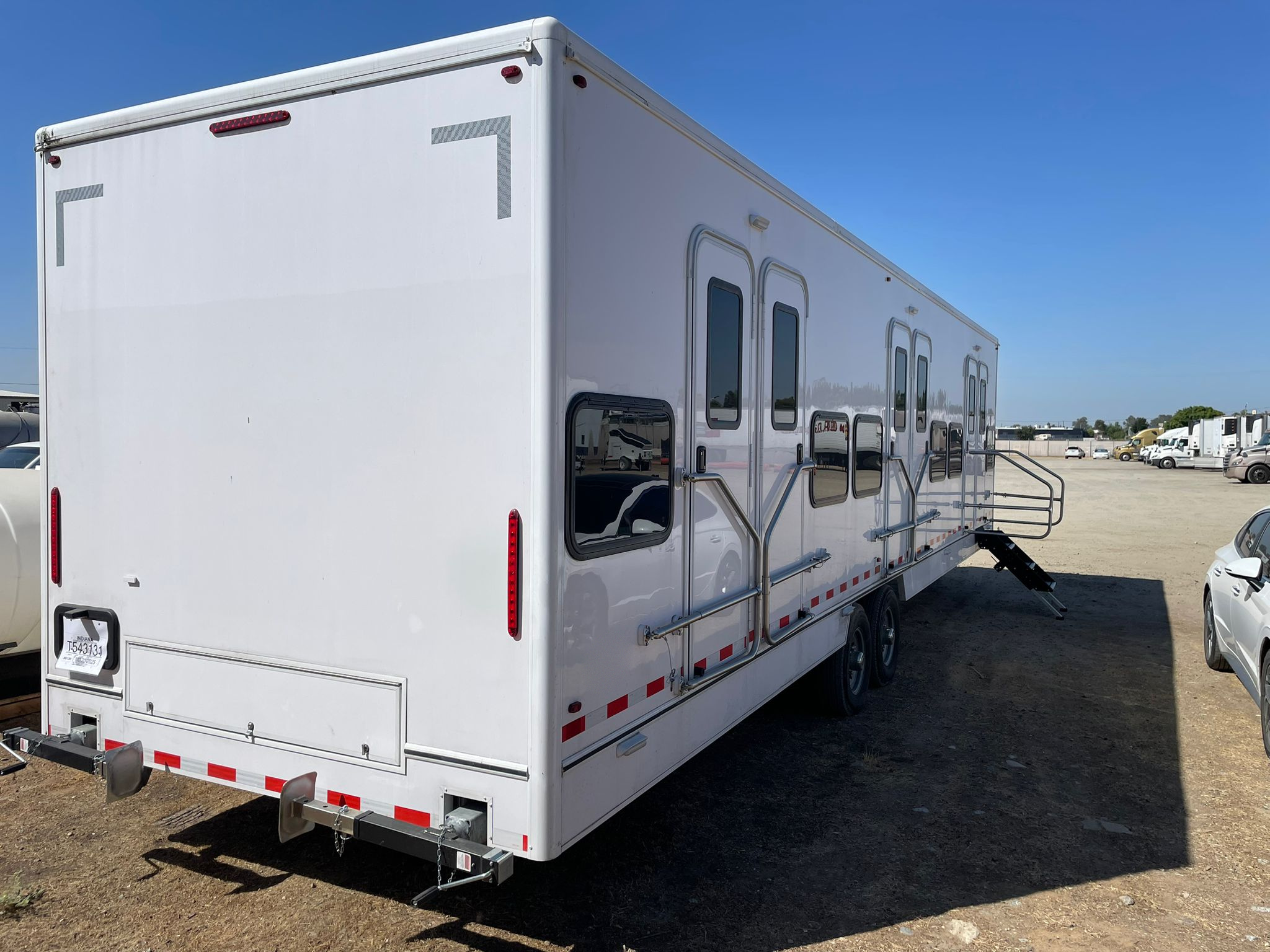
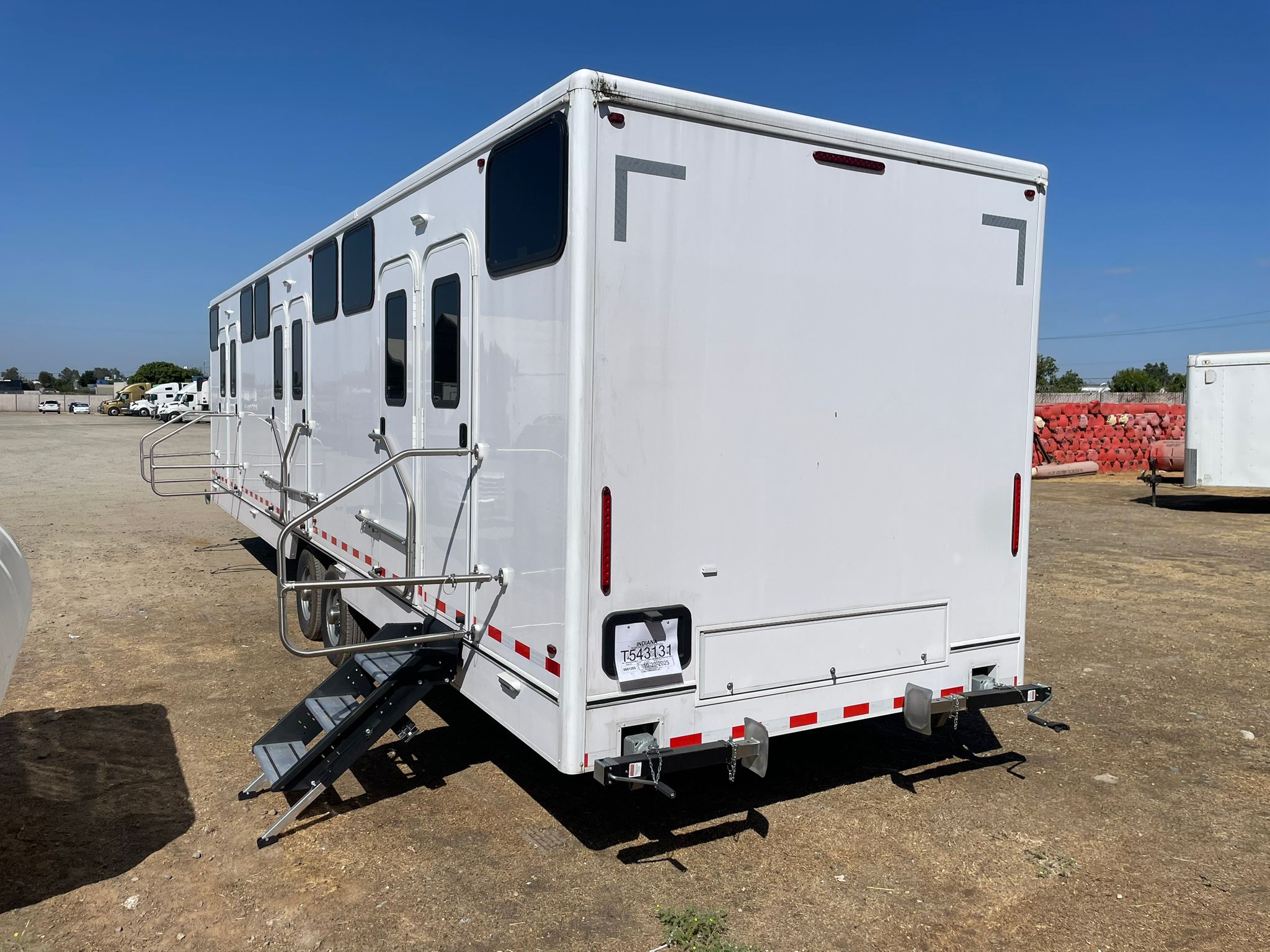
34 ft bunkhouse sleeper trailer with three bunk entry doors and built-in steps
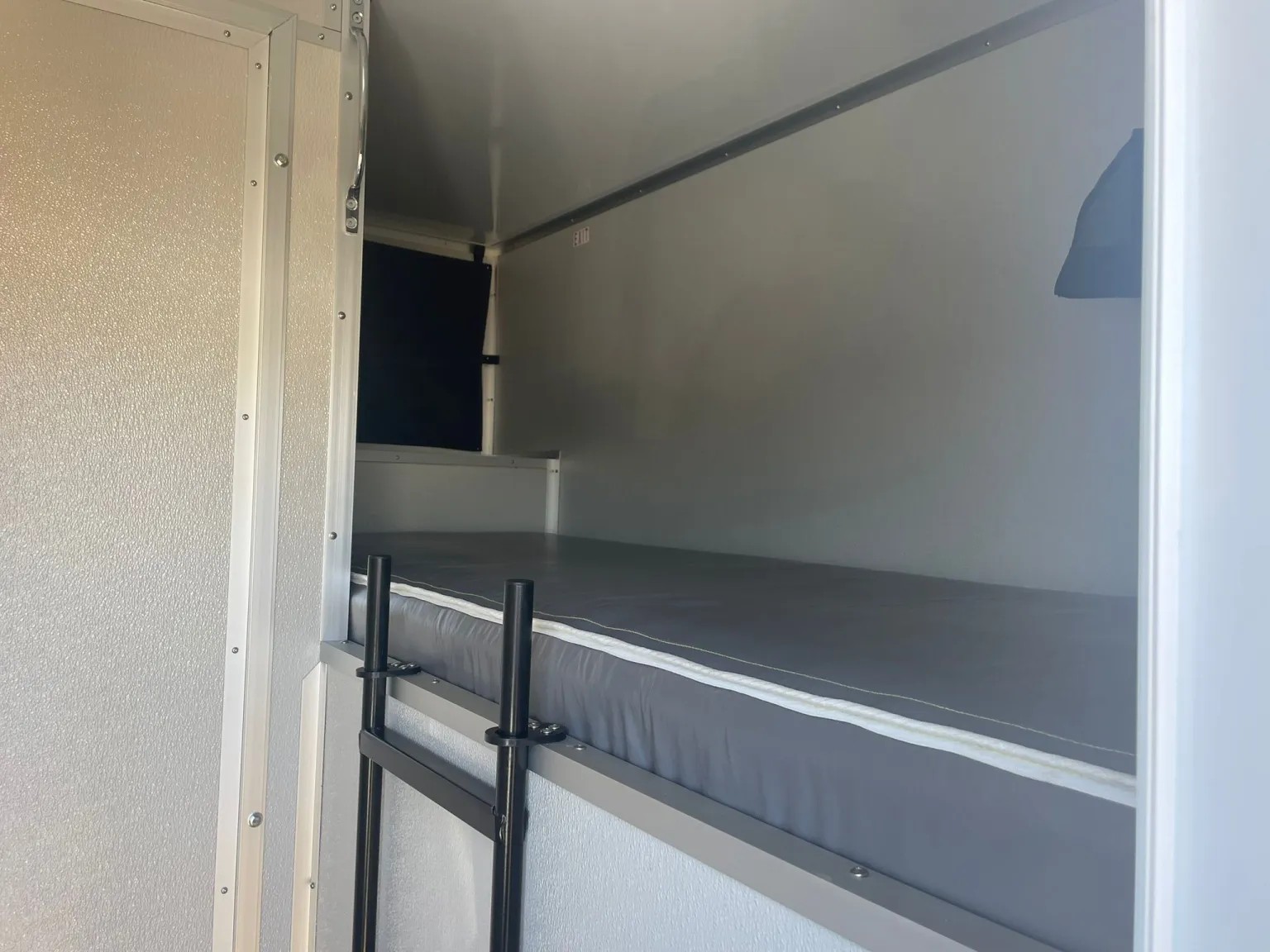
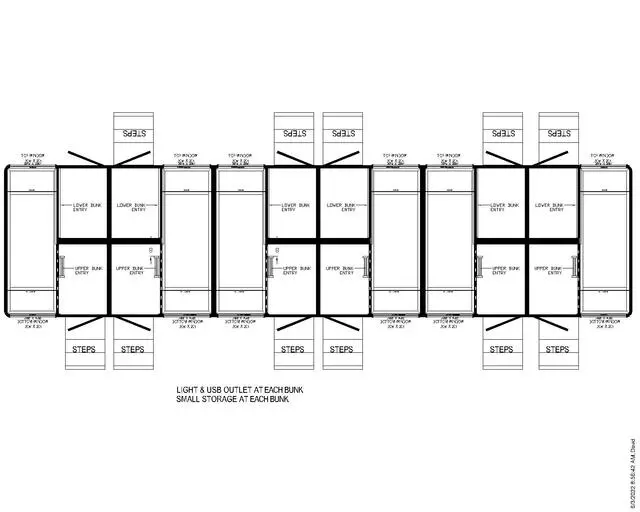
  • Sleeps 12 6 upper and 6 lower bunks
  • 3 AC units with heat and a smart thermostat
  • 24/7 dispatch at (888) 828-7765
  • All 50 states delivered and set up on site
  • 12,000+Trailer deliveries across our network
  • 50Delivery to all 50 states
  • 24/7Dispatch answers day and night
  • 12Private bunks in every trailer

Built for construction crews, fire camps, pipeline spreads and utility contractors.

Utah crew housing

Crew Sleeper Trailers Built for Utah Job Sites

A crew that sleeps near the work starts each shift rested instead of worn down by a long drive from the nearest open motel. We deliver a portable crew housing trailer with 12 real bunks and 3 AC units with heat, and every bed has its own light and USB outlet. The trailer is set up before your crew arrives, and our network has completed over 12,000 trailer deliveries across the country. Call now for a delivery date, or request a quote so you can compare it with the cost of rooms. Our page on bunkhouse sleeper trailer rentals nationwide covers the unit in full detail.

In Utah, the same heated trailer handles a January night in the Uinta Basin and a July night near St. George, so one booking works through every season on the job. The full sleeper trailer spec sheet lists each measurement and feature.

What comes with every rental

  • Delivery, leveling and setup by our driver
  • Twelve private bunks, each with a light, USB outlet and storage
  • Three AC units with heat and a smart thermostat
  • Built-in steps at every bunk bank
  • Pickup when the job wraps

Useful context

The sleeper trailer crews book most near Utah

Every rental is the same proven unit, so your crew knows exactly what they are walking into.

Spec plate

12-bunk sleeper
Bunks6 upper + 6 lower = 12 total
Sleeps12 people
Length34'
Per-BunkLED light, USB outlet, storage compartment
AccessBuilt-in steps at each bunk bank
AC Units3 (HVAC, smart thermostat)
ClimateAC & Heat, digital touch control

Need beds on site this week?

(888) 828-7765

A real dispatcher answers 24/7. Tell us where the crew is and when they start.

Just so you know

Reviews from the crews who slept in it for Utah crews

"Rooms in Vernal were booked solid when we moved onto the pad, so the crew was driving from Roosevelt every night. Two trailers showed up set up and warm before the next rotation, and the long drives stopped that week."

C. P.Rig manager, Uinta Basin drilling crew, 24-person crew

"Our crew needed beds close to the portal for a long project. The trailer went into the laydown area the mine approved, and everyone had a bunk with a light and a place to charge a phone."

R. B.Project superintendent, mine development crew near Copperton, 12-person crew

"We had a six week window and no way to hold that many hotel rooms near the plant. Three trailers at a yard down the road kept the whole crew together, and pickup happened the day after we finished."

J. H.Turnaround coordinator, Salt Lake Valley refinery, 36-person craft crew

"The trailers arrived level and ready near the shower units, and the crew came off the line and went straight to sleep. The heat was welcome on cold nights at elevation, even in early summer."

E. G.Camp support lead, central Utah incident base, 24-person fire crew

"There is no town close to our site, so the traveling crew stays on site in 3 trailers. The generator setup was simple, and the AC held through the hottest weeks of the summer."

G. P.Construction manager, wind project near Milford, 36-person traveling crew

"Our location was a long way from the nearest open room. The trailer was staged behind base camp and out of every shot, and the rigging crew slept on site and was ready for the early call."

D. C.Location manager, canyon country film shoot near Kanab, 12-person rigging crew
Delivering to all 50 states

What we bring

Bunkhouse Trailer Delivery Across Utah

We deliver across Utah, from the Uinta Basin to the St. George area, and we deliver to all 50 states. Tell dispatch the county and the dates, and we will confirm a delivery window that fits your road access. You can also browse our bunkhouse trailer delivery locations if your crew works in more than one place.

Day one

Utah Regions Where We Set Up Crew Housing

Read this first

The reasons one trailer design fits so many crews in Utah

  • Twelve private bunks

    Six upper and six lower, each its own space. No cots, no shared air mattresses.

  • Heat and air, three units

    Three AC units with heat and a smart thermostat keep the trailer comfortable in July and January.

  • Light and USB at every bunk

    Each bunk has an LED reading light, a USB outlet and a storage compartment for phones and gear.

  • Delivered and set up

    Our driver hauls it in, levels it and walks your lead through it. You do not need a truck or a hitch.

  • All 50 states

    We plan routes to remote yards, fire camps and storm zones anywhere in the country.

  • 24/7 dispatch

    Call at any hour and a person picks up. Crews change plans at night, and so do we.

Who rents it

Who Books Crew Housing Trailers in Utah

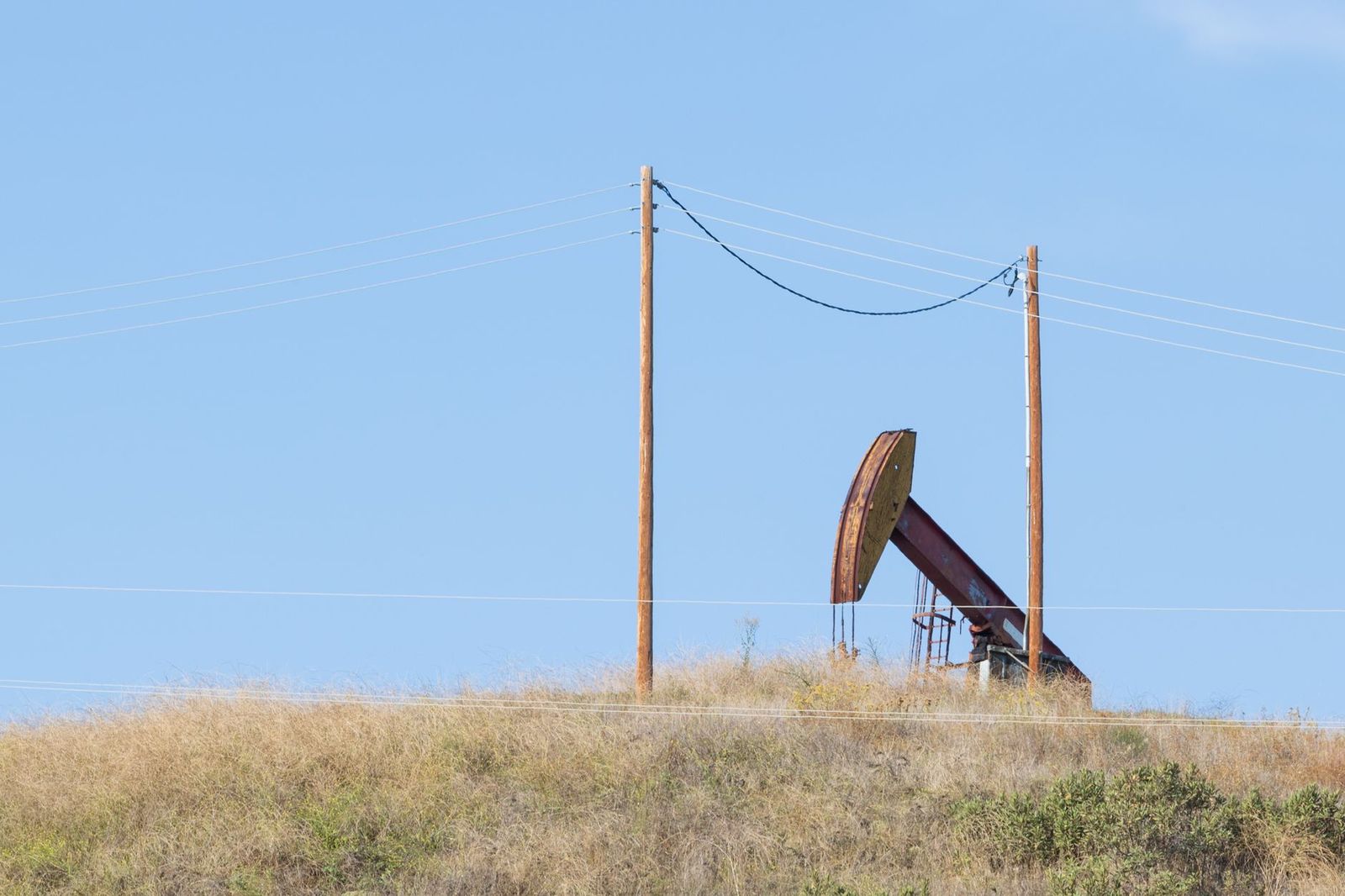
  • Oilfield rig night lights

    Oil and gas contractors

    Drilling and completion crews in the Uinta Basin book trailers for pads and yards far from Vernal. A trailer that moves with the rig keeps the commute short for the whole program.

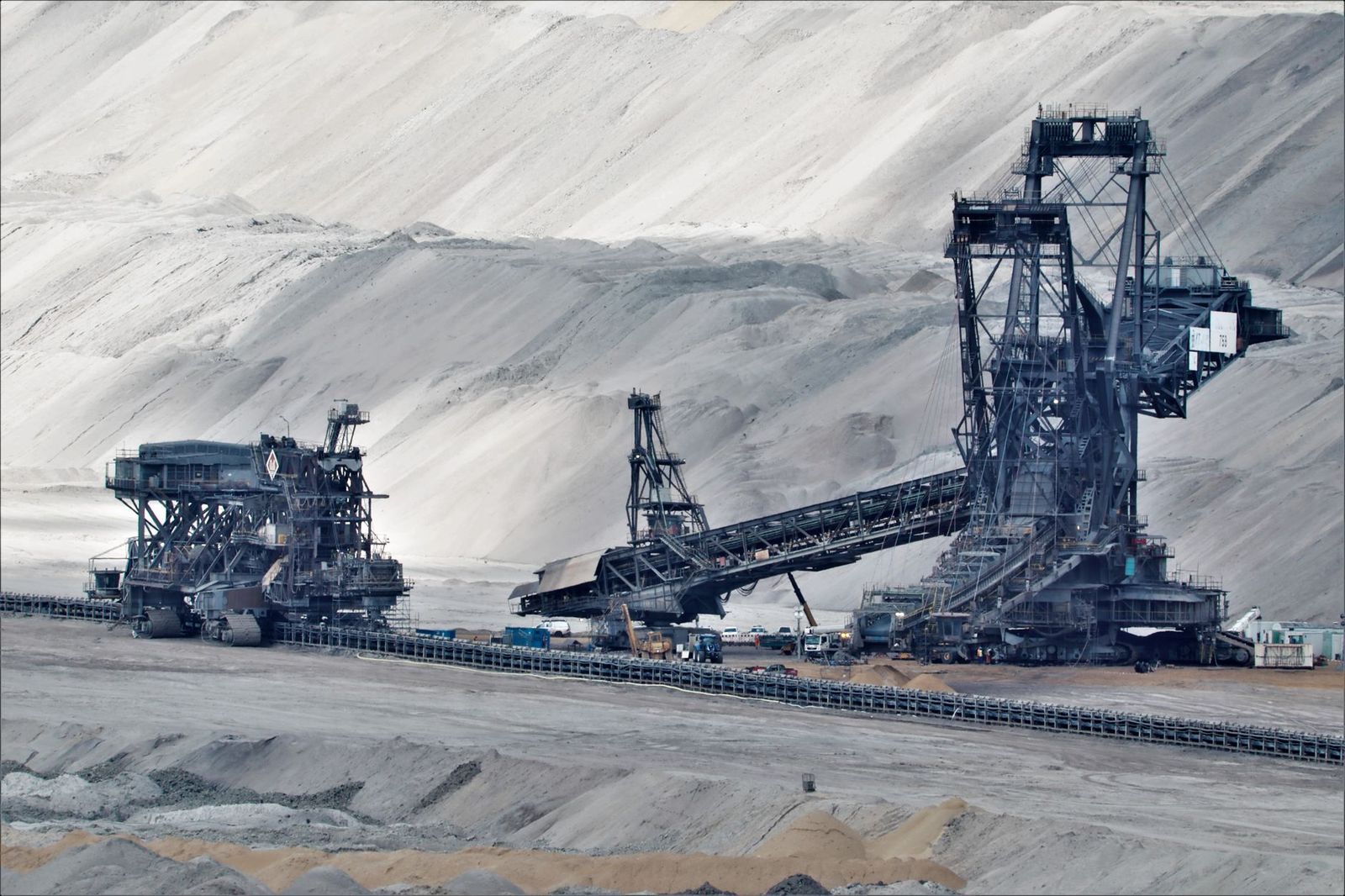
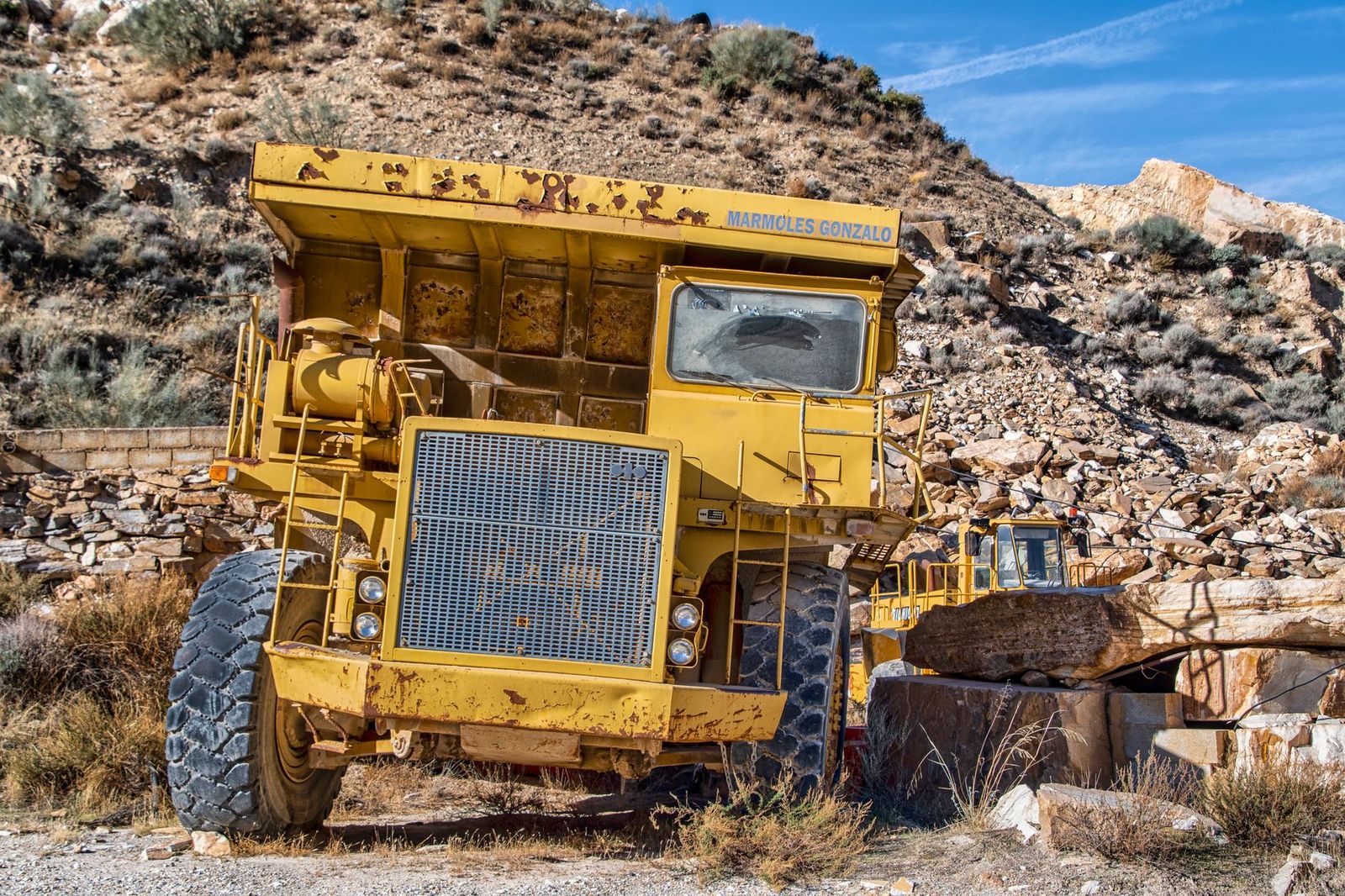
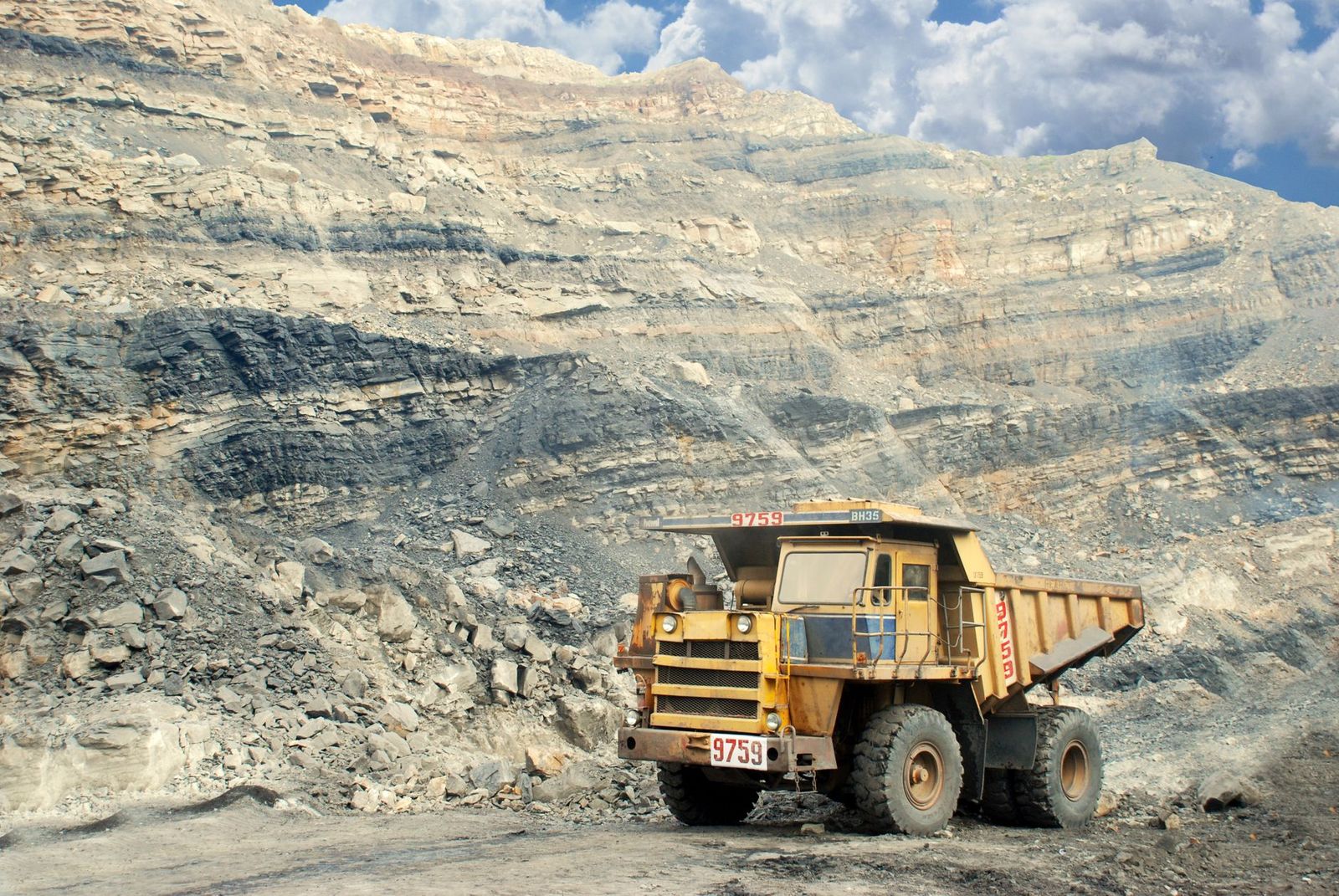
  • Mining haul truck at an open pit mine

    Mining companies

    Mine development and coal crews need beds near the portal or the pit for long projects. A mobile bunk trailer in an approved laydown area gives them that without a daily drive.

  • Industrial workforce crew at a jobsite

    Refinery contractors

    Turnaround contractors bring in craft crews for planned windows that last several weeks. Trailers at an off-site yard keep the crew close to the gate for the whole job.

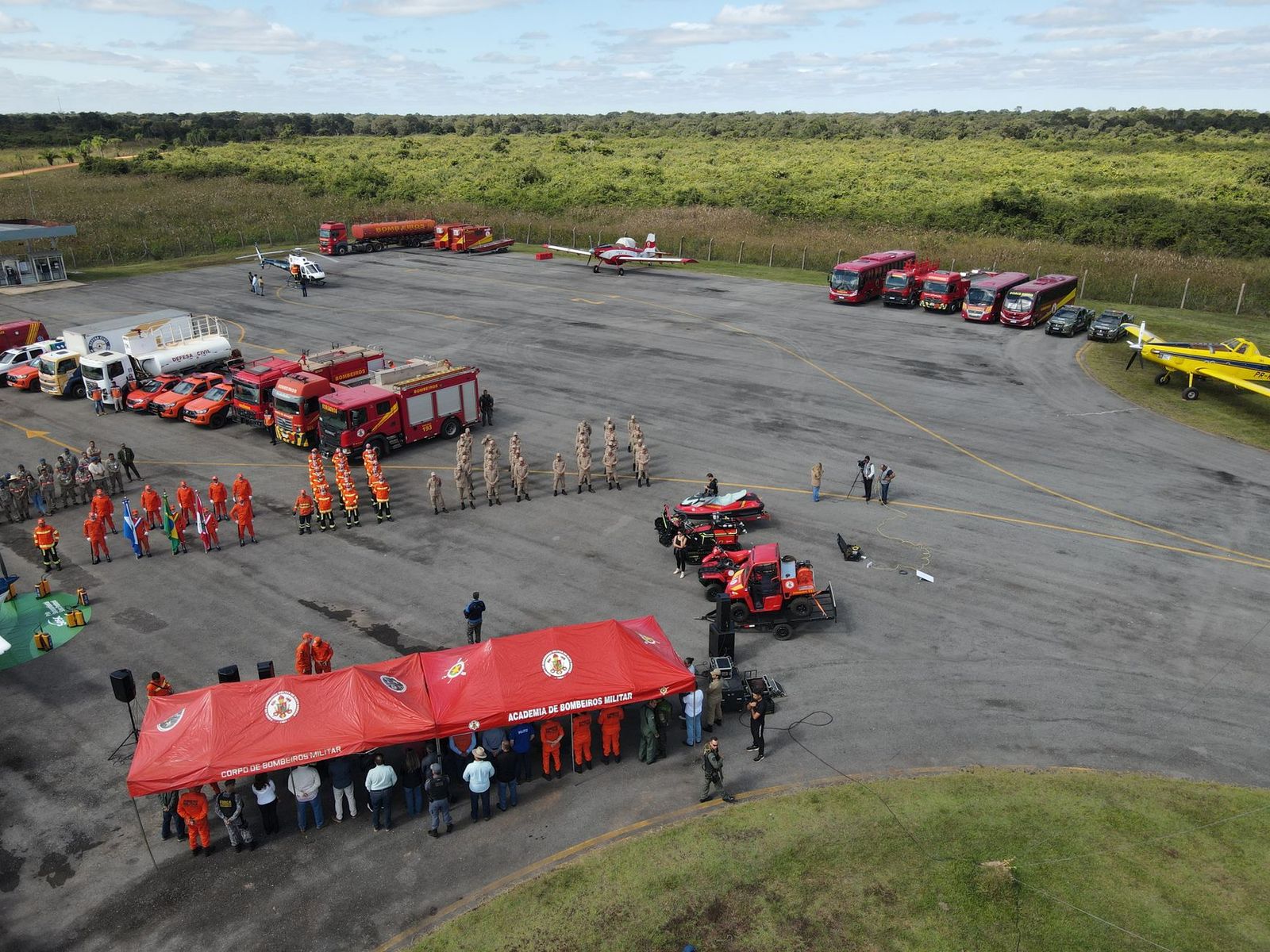
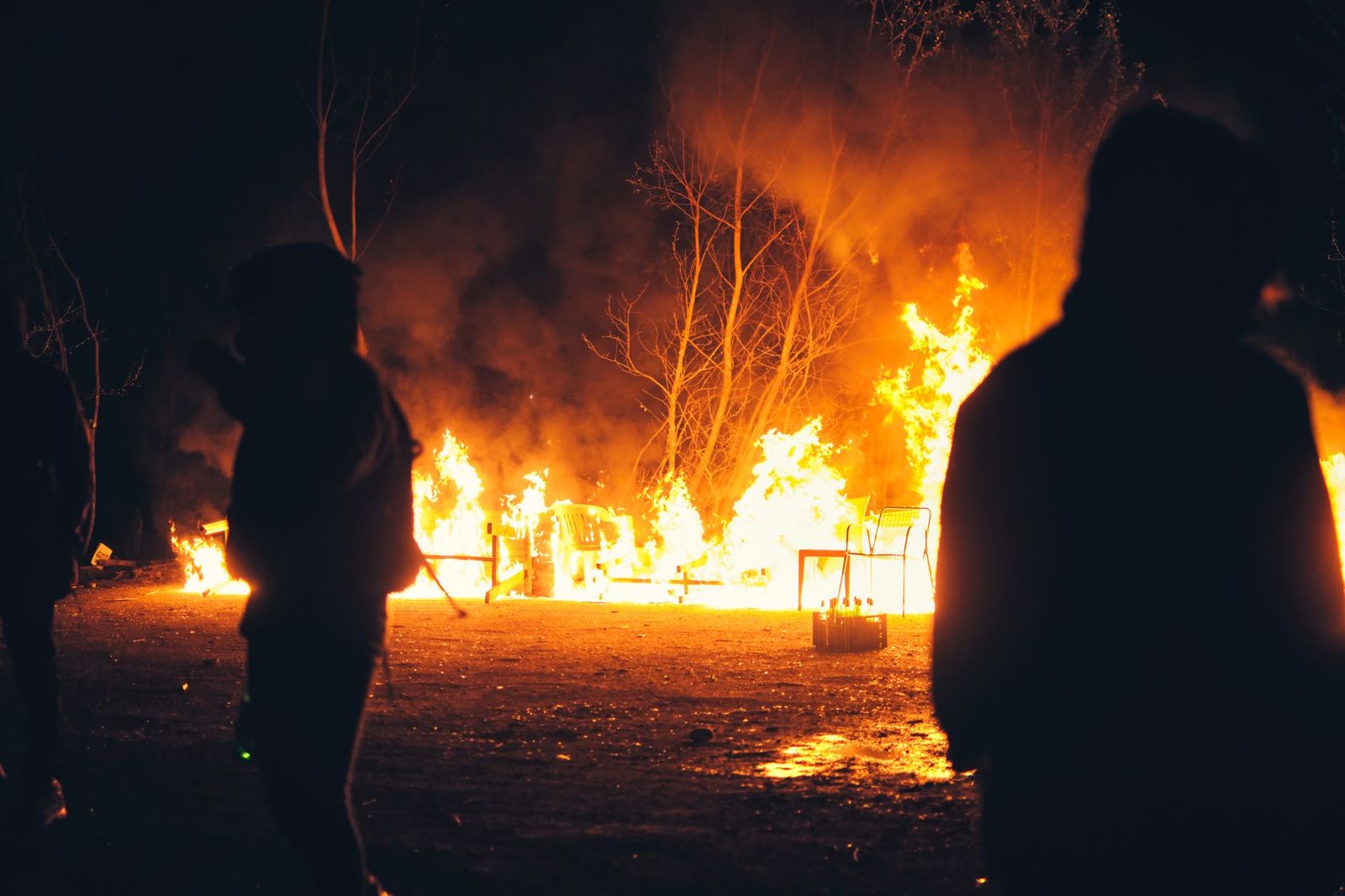
  • Wildland fire crew silhouetted against flames

    Wildfire and incident crews

    Fire modules and support staff need beds at the incident base within hours of a call. Dispatch answers 24/7, which helps when a delivery has to happen on short notice.

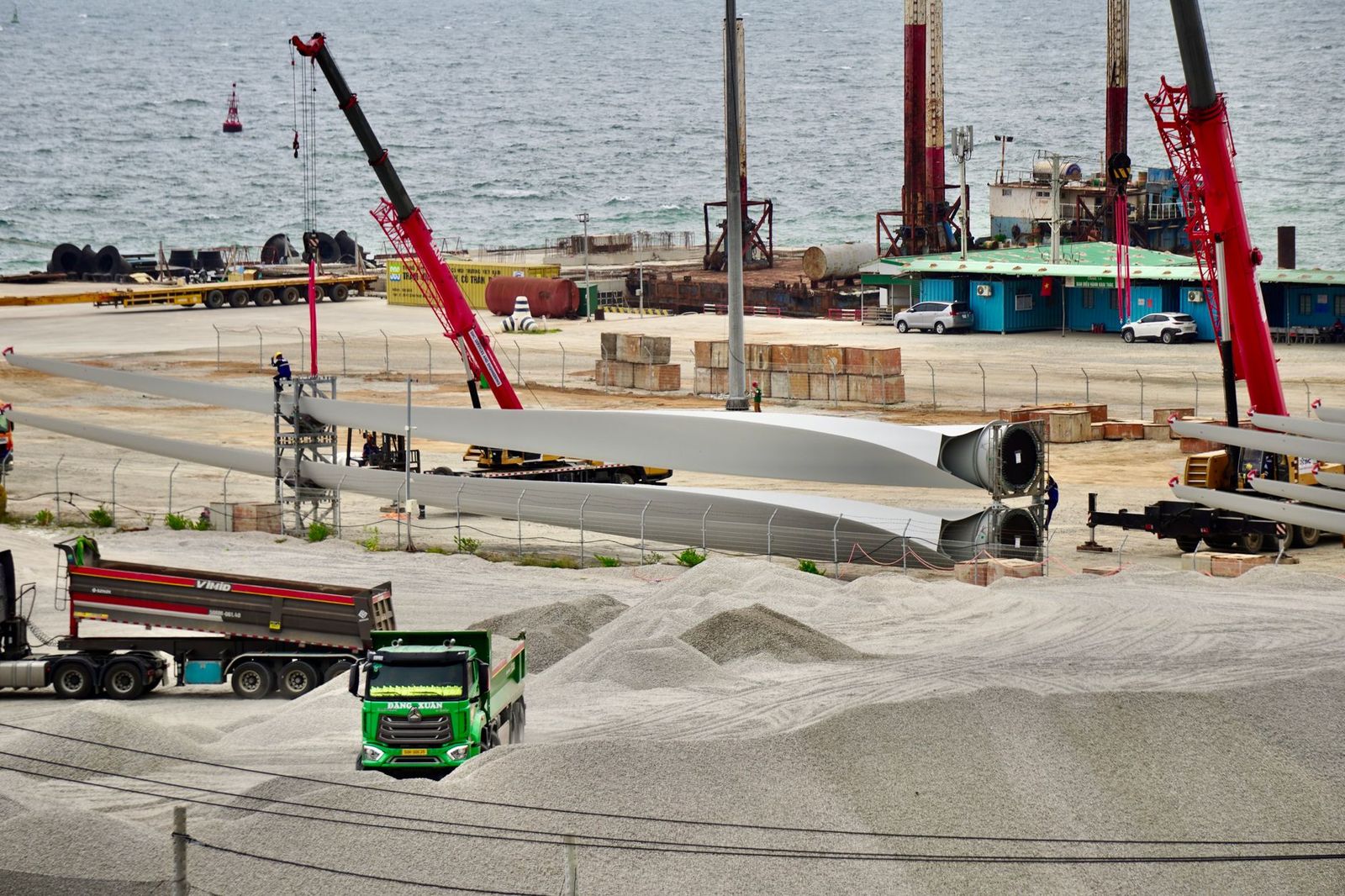
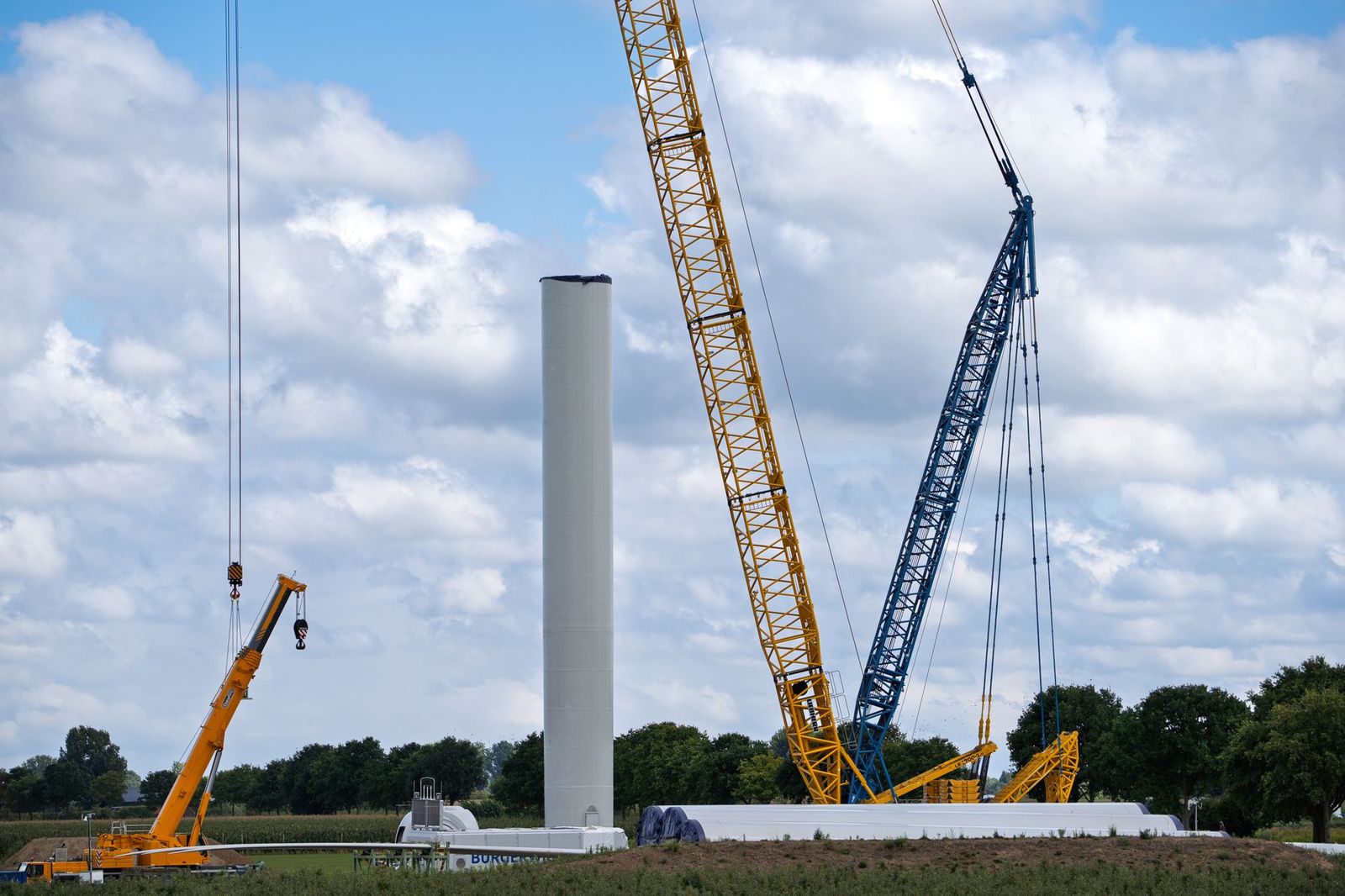
  • Crane lifting a wind turbine tower section during construction

    Wind, solar and power builders

    Construction managers near Milford and Delta house out-of-area crews near remote project sites. Local hires can commute while traveling crews stay on site.

  • Film production camera department crew

    Film and TV productions

    Location managers in Moab and Kanab house early call crews near remote sets. The trailer stages away from the shot, beside the other production trailers.

Where we go

Four steps between now and a delivered trailer for Utah crews

  1. Call or send a quote request

    Tell us the site, the crew size and your start date. We answer 24/7.

  2. Plan the drop

    We confirm site access and power, then lock in a delivery window.

  3. Delivery and setup

    Our driver places the trailer, levels it and hands your lead the keys and a walkthrough.

  4. Pickup when you wrap

    Extend as long as you need. When the job ends, we haul it out.

How to Plan Crew Housing in Utah

Temporary Crew Housing for Oil and Gas Crews in the Uinta Basin

The Uinta Basin covers roughly 7,500 square miles across Uintah and Duchesne counties, and it has produced natural gas since 1925 and oil since 1949. Production grew about 12 percent a year through 2014 as companies drilled longer horizontal wells. The state now runs a Uinta Basin Collaborative through the Division of Oil, Gas and Mining, because development keeps outpacing the basin's roads and services.

Housing has been the pinch point in every boom. During the busy years, an estimated 80 percent of hotel rooms around Vernal were booked by oil workers on any given night, which left little space for anyone else. Roosevelt and Duchesne are smaller still, so a crew that cannot find a room in Vernal often ends up driving an hour or more each way. That drive comes at the end of a 12 hour shift, when drivers are at their most tired.

A mobile sleeper trailer on the pad or at a nearby yard removes that commute for the length of the rotation. Most pads are graded before equipment arrives, and a generator usually powers the trailer because grid service rarely reaches the wellhead. Our page on crew housing for oilfield work explains how drilling and completion crews usually split bunks across a rotation.

Winter shapes the schedule in this part of the state. The basin sits in a bowl that traps cold air, so winter readings can run 20 degrees or more below the Salt Lake Valley on the same day. The trailer's 3 units provide heat as well as cooling, and dispatch plans each delivery around storms on US-40 and US-191, since weather rather than distance sets the timing out here.

Heated Crew Quarters for Utah Mine Projects and Refinery Work

Rio Tinto's Kennecott operation at Bingham Canyon directly employed 2,171 people in 2020 and supported more than 14,000 other jobs in Utah. Its North Rim Skarn project is an underground development that targets first production in early 2026, followed by a two year ramp. Development crews on a project like that work alongside the regular mine workforce, and they need beds that do not compete with the mine's own staff for local rentals.

Company housing near the pit is an old idea in this canyon. Utah Copper built the town of Copperton starting in 1927 to keep employees close to the operation. A crew sleeper trailer staged in an approved laydown area follows the same logic for a modern project crew, and mine site rules from MSHA still govern where equipment may sit. Our page on sleeper trailers for mining camps covers placement and shift planning in more depth.

Carbon and Emery counties show the other side of mining work. Emery County still runs four active coal mines, and the company that reopened the Fossil Rock Mine has said that local underground labor is hard to find. When the replacement crew comes from outside the county, a 12-bunk trailer near Price or Huntington gives those workers a bed without adding pressure to a small rental market.

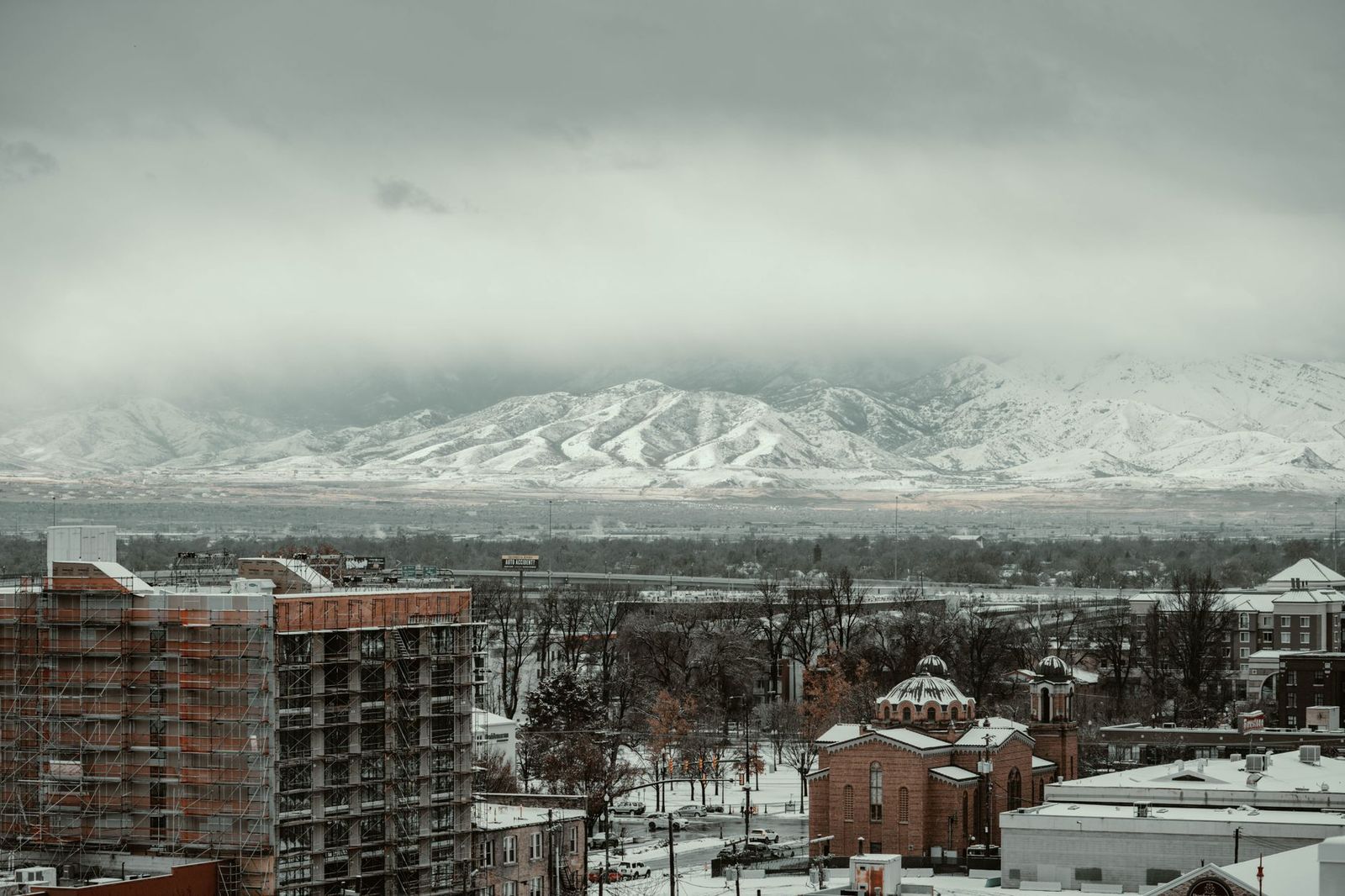
Refinery crews along the Wasatch Front work to a different kind of schedule. Marathon's Salt Lake City refinery processes about 61,000 barrels a day, and its early 2024 turnaround covered several units over roughly six weeks. Contract craft crews arrive for windows like that from outside the valley, and the plant itself rarely has room for housing, so trailers usually sit at an off-site yard a short drive from the gate.

Heated Bunk Trailers for Utah Wildfire Crews and Incident Bases

Utah burned more than 500,000 acres in 2026, the state's worst fire season in nearly 20 years, and 206 structures were destroyed. The season also started early, when the Beaver Canyon Fire near Strawberry Reservoir ignited on January 22 in terrain that usually sits under deep snow. Fire camp housing in Utah therefore has to be ready in any month rather than only between June and September.

The state runs a large initial attack program, with more than 4,800 red-carded firefighters on its qualification list and a 92 percent record of holding fires at 10 acres or less. The Division of Forestry, Fire and State Lands coordinates that response, and larger incidents bring in federal teams under NWCG doctrine. NWCG defines an incident base as the location where primary sleeping and support facilities are provided, which means sleeping space is expected to arrive by truck.

A heated bunk trailer at the base lets a crew come off the line and sleep a short walk from the next briefing. That matters because the alternative is often a long drive to the nearest town with an open room, late at night and after a long shift. Our page on sleeper trailers for wildfire fire camps shows how a camp usually lays out bunks near the showers and the restroom units.

Utah's own agencies also run fuel reduction and recovery projects between fire seasons, often on remote state and federal land. A climate-controlled trailer can stay with a crew through a spring project and then move to a summer incident base without any change in the setup. Dispatch answers 24/7, which helps when a new fire changes the plan overnight.

Portable Sleeper Trailers for Desert Energy Builds and Rural Film Shoots

Millard, Beaver and Iron counties hold much of Utah's wind and solar construction. The Milford Wind Corridor Project added 306 MW across Beaver and Millard counties, and the Escalante Solar Project added 240 MW about five miles north of Milford. A proposed 300 MW solar project near Delta sits beside the Intermountain Power Plant, which anchors the region's transmission.

Each of those counties has fewer than 50,000 residents, so a multi-year energy build imports nearly its entire construction workforce. Early phases often have no grid power on site, because the project itself is building that power. A generator runs the trailer until permanent service arrives, and the crew stays within minutes of the work instead of commuting from Cedar City or Delta.

Rural film production is the other growing need. Utah offers a refundable 20 percent tax credit on in-state spending, with a higher tier for productions that shoot mostly in rural counties of fewer than 250,000 people. Kanab earned the nickname Little Hollywood for the westerns filmed nearby, and Moab still draws location shoots into canyon country with only a small supply of rooms.

A bunk trailer staged near base camp lets the early call crew sleep a short walk from set, and our page on sleeper trailers for film and TV productions covers the planning steps. Crews that follow energy or production work across state lines can also look at our bunkhouse trailer rentals in Nevada, since the same trailer and the same dispatch line serve every job.

Uinta Basin Cold and St. George Heat in the Same State

Utah crews face two very different climates within one state. The Uinta Basin traps cold air every winter, roughly from November through February, and readings there can run 20 degrees or more below the Salt Lake Valley. A crew on a 14 day rotation in that cold needs a heated bunk that holds its temperature through the whole night.

Washington County sits at the other extreme, since St. George tied the state's all-time high of 117 degrees in July 2021. The city has also posted record hot Julys in recent years, with daytime highs averaging close to 108 degrees. Crews working there between May and September lean on the trailer's 3 AC units to recover after a hot shift.

Timing matters in the mountains and in canyon country as well. UDOT activates its traction law in designated canyons during winter storms, and roads such as the Mirror Lake Highway close for the season. Moab's summer storm season, roughly July through September, can bring sudden flash floods, so tell dispatch the route and the dates and we will plan the delivery around them.

One Trailer Model for Every Utah Job

We rent one bunkhouse sleeper trailer model, so every Utah booking gets the same 34 ft layout with six upper bunks and six lower bunks. Built-in steps at each bunk bank make the top bunks easy to reach, and every bed has its own light and USB outlet. A small storage compartment at each bunk holds a phone and personal gear, so the room stays clear. When a crew moves from a mine project to a fire camp, the beds and the controls stay familiar.

Where Utah Crews Need Beds the Most

  • Vernal, Roosevelt and Duchesne: Oil and gas crews in the Uinta Basin work long rotations on pads reached by gravel roads. Hotels around Vernal fill fast when drilling picks up, so a trailer on the pad or at a nearby yard keeps the crew close to the rig.
  • Bingham Canyon and Copperton: Underground development at Kennecott adds project crews on top of a large mine workforce. A trailer in an approved laydown area gives those crews beds without drawing on the valley's rentals.
  • Price and Huntington: Coal crews in Carbon and Emery counties often come from outside the area when a mine reopens. A 12-bunk trailer gives them a bed near the portal without leaning on a small local rental market.
  • Milford and Delta: Wind, solar and transmission builds in Millard and Beaver counties import most of their construction crews. Early phases often run on generator power until the project's own service is in place.
  • Tooele and the West Desert: Support contractors near Tooele Army Depot and Dugway Proving Ground work long distances from any lodging. A trailer staged at an approved yard shortens the drive at both ends of the shift.
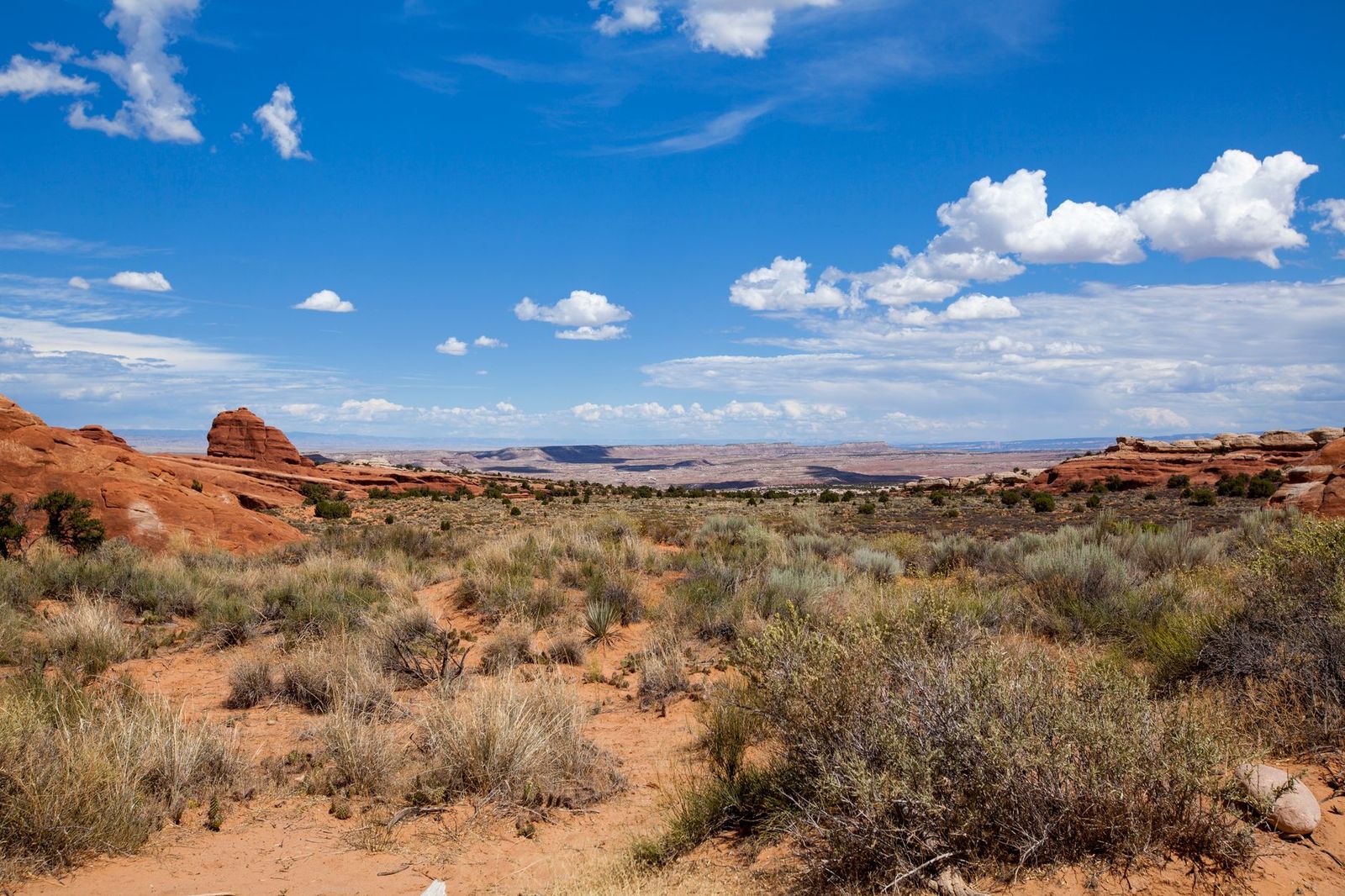
  • Moab and Kanab: Film crews and project teams in canyon country face a small supply of rooms and a summer flash flood season. We confirm access roads and a staging spot before booking the delivery date.

Utah Safety Rules and Road Rules That Shape a Crew Camp

Utah runs its own occupational safety program, UOSH, under the Utah Labor Commission rather than relying only on federal OSHA. The state act passed in 1973, and the program received federal approval on July 16, 1985. UOSH adopts most federal standards by reference and sometimes adds Utah requirements of its own, while military bases and some other federal work stay outside its coverage. The federal overview of Utah's state plan explains who covers what.

Mine sites follow a separate path, because MSHA governs mine safety at Bingham Canyon and at the Emery County coal mines regardless of the state plan. Any trailer placed on or near a mine property has to fit that site's own access and placement rules. Crew leaders should confirm the approved laydown area with the mine's safety staff before a delivery date is set.

Road rules matter just as much for the delivery itself. UDOT's traction law requires snow tires or chains in designated canyons during winter storms, and several mountain highways close entirely each winter. The UDOT snow tire and chain requirements page explains the rules, and dispatch checks the route before confirming a winter delivery window.

What a Typical Setup Looks Like

Rig manager, 24-person drilling crew, Uintah County

When a drilling crew of 24 moves onto a new pad outside Vernal, a typical plan uses 2 trailers set on the graded edge of the pad. Each worker gets a dedicated bunk, so nobody shares a bed across shifts, and a generator carries the 3 AC units and the bunk outlets. When the rig moves to the next pad, the same 2 trailers move with it.

Turnaround coordinator, 60-person contract crew, Salt Lake Valley

When a six week turnaround brings in 60 contract craft workers, a typical plan books 5 trailers at an off-site yard near the plant gate. Every worker has an assigned bunk for the whole window, and the crew drives only a few minutes each way. When the turnaround ends, dispatch schedules pickup of all 5 trailers on the same day.

Camp manager, 36-person fire crew module, central Utah incident base

When a 36-person fire module reports to an incident base, a typical request is 3 trailers with exactly 36 bunks, plus a fourth trailer if overhead staff will stay on site. The trailers sit together near the shower and restroom units, away from the engine staging lanes. Dispatch confirms the gate location and a delivery window by phone at any hour.

Start here

The questions dispatch hears most across Utah

How many workers can one bunkhouse trailer sleep?

Each trailer sleeps 12, with 6 upper and 6 lower bunks and built-in steps at each bunk bank. A 24-person crew needs 2 trailers and a 36-person crew needs 3 when every worker keeps a dedicated bunk. A 60-person turnaround crew fits in 5 trailers on the same math.

How many bunkhouse trailers do I need for a 40-person crew?

A crew of 40 needs 4 trailers, which gives 48 bunks and leaves 8 spare beds for a relief supervisor or late arrivals. If only 20 of those workers are on site at once because of a rotation, 2 trailers can cover the on-shift half. Dispatch can run both versions of the math with you on the call.

Can a bunkhouse trailer handle winter cold in the Uinta Basin?

Yes, because each trailer has 3 units that provide heat as well as cooling, run by a smart thermostat. The basin traps cold air from about November through February, and readings can run 20 degrees or more below the Salt Lake Valley. Keep the doors closed between shifts so the room holds its heat, and plan generator fuel for the extra winter load.

Can the trailer handle summer heat near St. George?

The trailer runs 3 AC units, and crews in Washington County lean on them most after a hot shift. St. George tied the state record of 117 degrees in July 2021, so a cool place to sleep matters there from May through September. If the site allows it, park the trailer so the doors avoid the afternoon sun.

Do bunkhouse trailers need shore power, or can they run on a generator?

The trailer runs on shore power where a yard or plant has it and on a generator where it does not. Remote Uinta Basin pads, early energy builds and film locations usually rely on a generator. The 3 AC units carry most of the load, so size the generator for peak summer or winter use and confirm the details with dispatch when you book.

Is a bunkhouse trailer the same thing as a man camp?

A man camp is a larger temporary housing site for a remote workforce, often built from many modular units. A bunkhouse trailer rental is a 12-bunk unit that arrives set up and can move with the crew. Smaller crews often need 1 to 5 trailers rather than a full camp, while larger projects sometimes use trailers for traveling crews and let local workers commute.

Can you deliver to a remote well pad or mine site with no paved access?

Yes, we deliver down gravel lease roads and mine roads when the route can take a truck and a 34 ft trailer. Tell dispatch about gates, grades and the road surface when you book. Winter storms and spring mud can close basin roads, so we plan the timing around the weather rather than the distance.

How far ahead should we book for a refinery turnaround?

Turnarounds are planned well in advance, which makes them one of the easiest jobs to book early. Share the window, the crew count and the yard location as soon as the schedule is set. Dispatch will hold a delivery date and plan the pickup for the day after the work wraps.

Can a restroom or shower trailer sit next to the bunkhouse trailer?

Yes, and many camps pair them on long jobs. Place the sanitation units a short walk from the bunkhouse and away from truck lanes. Tell dispatch where those units will go, and we will set the bunkhouse in a spot that works with them.

Can a production company rent bunkhouse trailers for a shoot in Moab or Kanab?

Yes, and a trailer staged near base camp lets the early call crew sleep close to set. Canyon country has a small supply of rooms and a summer flash flood season, so we confirm the access road and the staging spot before booking. The trailer can sit outside the shot area, beside the other production trailers.

Can a trailer move between job sites during one contract?

Yes, and many oil and energy crews move the trailer as the work moves. A drilling crew may shift to a new pad every few weeks, so the trailers move with the rig. Call dispatch a few days ahead of each move so the next spot is graded and ready.

Do bunkhouse trailers work for wildfire camps on short notice?

Yes, because dispatch answers (888) 828-7765 at any hour, including nights and weekends. Call as soon as the incident base location is set, and we will confirm a delivery window based on distance and road access. The trailer arrives set up and ready for the first crew off the line.

What ground prep does a bunkhouse trailer need before delivery?

The trailer needs a firm, reasonably level spot that a truck can reach and turn around in. Most pads, yards and laydown areas are already graded before equipment arrives. In canyon country, avoid low spots and washes that can flood during summer storms.

In practice

Notes for crew bosses and planners in Utah

  • Planning Crew Housing for a Uinta Basin Drilling Program

    The Uinta Basin has produced gas since 1925 and oil since 1949, and its roughly 7,500 square miles stretch across Uintah and Duchesne counties. Production grew about 12 percent a year through 2014 as companies drilled longer horizontal wells. The state now coordinates basin growth through the Uinta Basin Collaborative, because the pace of development keeps running ahead of local roads and services.

    Read the full note

    Start with the housing market you are walking into, because it changes fast with the rig count. During the boom years, an estimated 80 percent of hotel rooms around Vernal were booked by oil workers on a given night. Roosevelt and Duchesne have even fewer rooms, so late arriving crews often end up split across several towns and long drives.

    Next, count the crew that actually sleeps on site at any one time. A 24-person drilling crew with dedicated bunks needs 2 trailers, while a 36-person completion crew needs 3 on the same math. On a 14 day rotation, size the housing to the people physically on location rather than to the full payroll.

    Then decide how the bunks will be shared, since that choice affects rest for weeks. Hot racking lets two shift workers use the same bed in turns, which halves the bunk count on paper. It also means someone is always coming or going while a partner tries to sleep, so dedicated bunks usually make more sense on a long program.

    Placement follows the pad layout and the traffic on it. Most pads are graded before equipment arrives, and the trailer should sit at the edge of the pad away from the busiest truck lanes. A generator usually powers the unit, so plan fuel delivery for the 3 AC units and plan a larger margin in winter.

    Winter is the part of the year that tests every plan in the basin. The basin's bowl traps cold air from about November through February, and readings can run 20 degrees or more below the Salt Lake Valley. The trailer's heat holds the bunk room warm, while dispatch times each delivery around storms on US-40 and US-191.

    Plan for moves as the rig walks from pad to pad over the program. A crew that finishes one well and starts another a few miles away can keep the same beds when the trailers move with the rig. Call dispatch a few days before each move so the next spot is ready.

    When the numbers are set, call (888) 828-7765 with the county, the start date and the crew count, or request a quote online. Dispatch will confirm a delivery window and the setup details. The state's collaborative page, linked below, tracks the basin's development issues.

    Source: Utah Division of Oil, Gas and Mining, Uinta Basin Collaborative

  • Housing a Refinery Turnaround Crew on the Wasatch Front

    The Salt Lake Valley and the Woods Cross area host a real refining cluster along the Wasatch Front. Marathon's Salt Lake City refinery processes about 61,000 barrels a day, Chevron's plant runs about 55,000, and the HF Sinclair plant in Woods Cross runs about 45,000. Each plant shuts down units on a planned schedule for maintenance work.

    Read the full note

    Those turnarounds bring in contract craft crews from outside the valley. Marathon's early 2024 turnaround covered several units and lasted roughly six weeks. A window like that needs beds for pipefitters, boilermakers and scaffolders who may not live anywhere near the plant.

    Hotel blocks are the usual answer, although they carry real drawbacks for a crew that changes size. A block booked six weeks out is hard to resize as the crew ramps up in the first week and thins out near the end. Crew members also end up spread across several hotels, which makes a 6 a.m. start harder to hold.

    A bunkhouse sleeper trailer at a nearby yard keeps the crew together in one place. The plant itself rarely has space for housing, so trailers usually sit at an off-site yard a short drive from the gate. Shore power is often available at yards in the valley, which keeps the setup simple.

    Crew math for a turnaround is straightforward once the head count is known. A 36-person crew needs 3 trailers, and a 60-person crew needs 5, with one dedicated bunk per worker. Add a trailer if you expect night shift workers to sleep during the day, so the two shifts are not sharing a room.

    Turnarounds are one of the few crew housing jobs that can be booked well ahead of time. Share the window and the yard location as soon as the schedule is set. Dispatch can hold the delivery date and plan pickup for the day after the work ends.

    When the plan is ready, call (888) 828-7765 or send a quote request with the dates and the head count. A dispatcher will confirm the yard and the power connection with you, then lock in a delivery window.

  • Utah Fire Season Now Runs All Year: Planning Fire Camp Beds

    Utah's 2026 fire season burned more than 500,000 acres, the worst in nearly 20 years, and 206 structures were destroyed. By the middle of the year, burned acreage had already nearly tripled the prior year's full season total. The Beaver Canyon Fire near Strawberry Reservoir started on January 22, in terrain that normally sits under deep snow.

    Read the full note

    That early start changes how crews and agencies should think about camp housing. A plan that assumes fire camps only from June through September leaves the early and late months uncovered. Keeping a delivery plan ready in any month is now the safer approach.

    The state runs a large initial attack program, with more than 4,800 red-carded firefighters on its list and a 92 percent record of holding fires at 10 acres or less. The Division of Forestry, Fire and State Lands coordinates that work, and larger incidents bring in federal teams. Those teams arrive expecting an incident base where sleeping space is provided.

    Crew math for fire camps starts with the module size. A 36-person module fits in 3 trailers with one bunk per person, and a fourth trailer covers overhead staff who stay on site. Two 20-person crews need 4 trailers, which leaves 8 spare bunks for late arrivals.

    Placement at the base should keep the bunks quiet and close to support units. Set the trailers near the shower and restroom units but away from engine staging lanes and generator rows. Crews sleeping after a night shift rest better away from backup alarms and radio traffic.

    Cold nights are common at elevation even in early summer. The trailer's 3 units provide heat as well as cooling, so the same unit works at a high camp in June and a desert camp in August. That flexibility helps when a crew moves between incidents during the same season.

    Dispatch answers (888) 828-7765 around the clock, including nights and weekends during an active incident. Call with the base location and the head count, and we will confirm a delivery window and set up the trailers before the first crew comes off the line.

Get a quote

Tell Us Where Your Crew Needs Beds

Send the basics and a dispatcher will call you back with availability and a delivery window. In a hurry? Call now.

  1. We confirm the site, dates and crew size.
  2. We lock in a delivery window and power plan.
  3. The trailer arrives, gets leveled and is ready for the first night.
(888) 828-7765

Request a quote

Takes about a minute. Fields marked * are required.

We only use your details to answer this request.