
How to Plan Crew Housing in Washington
Temporary Crew Housing for Columbia Basin Data Center Builds and Hanford Crews
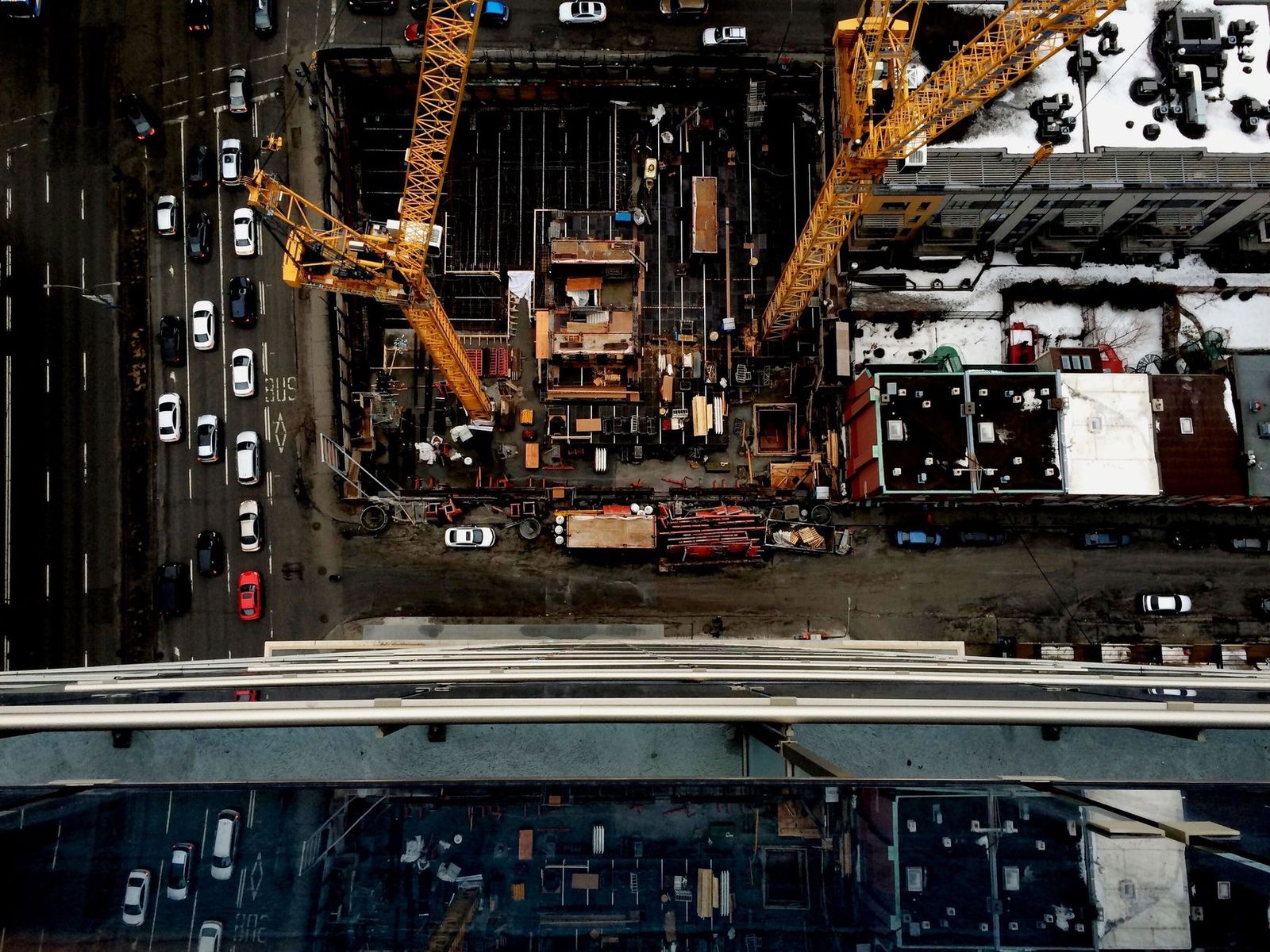
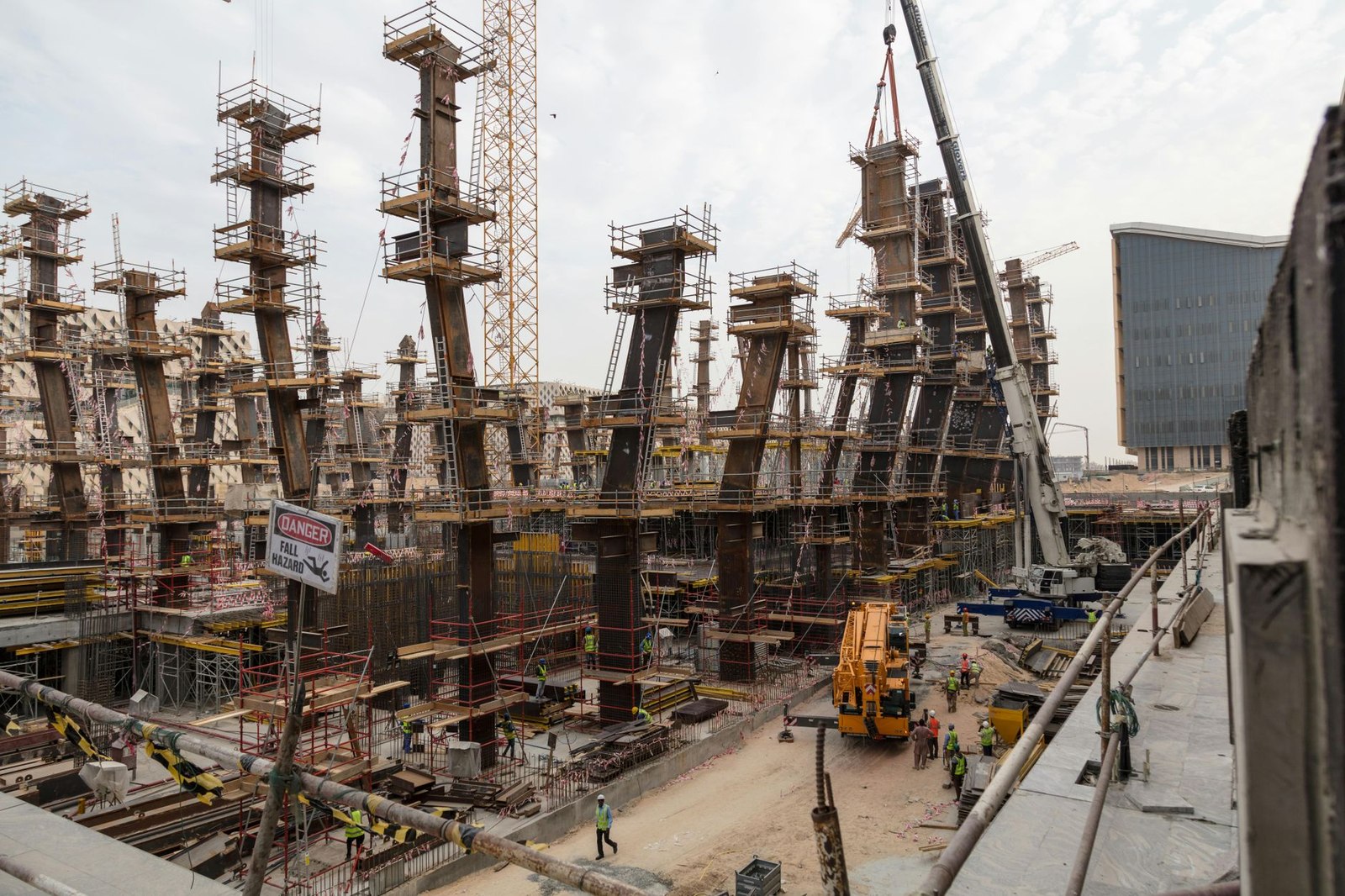
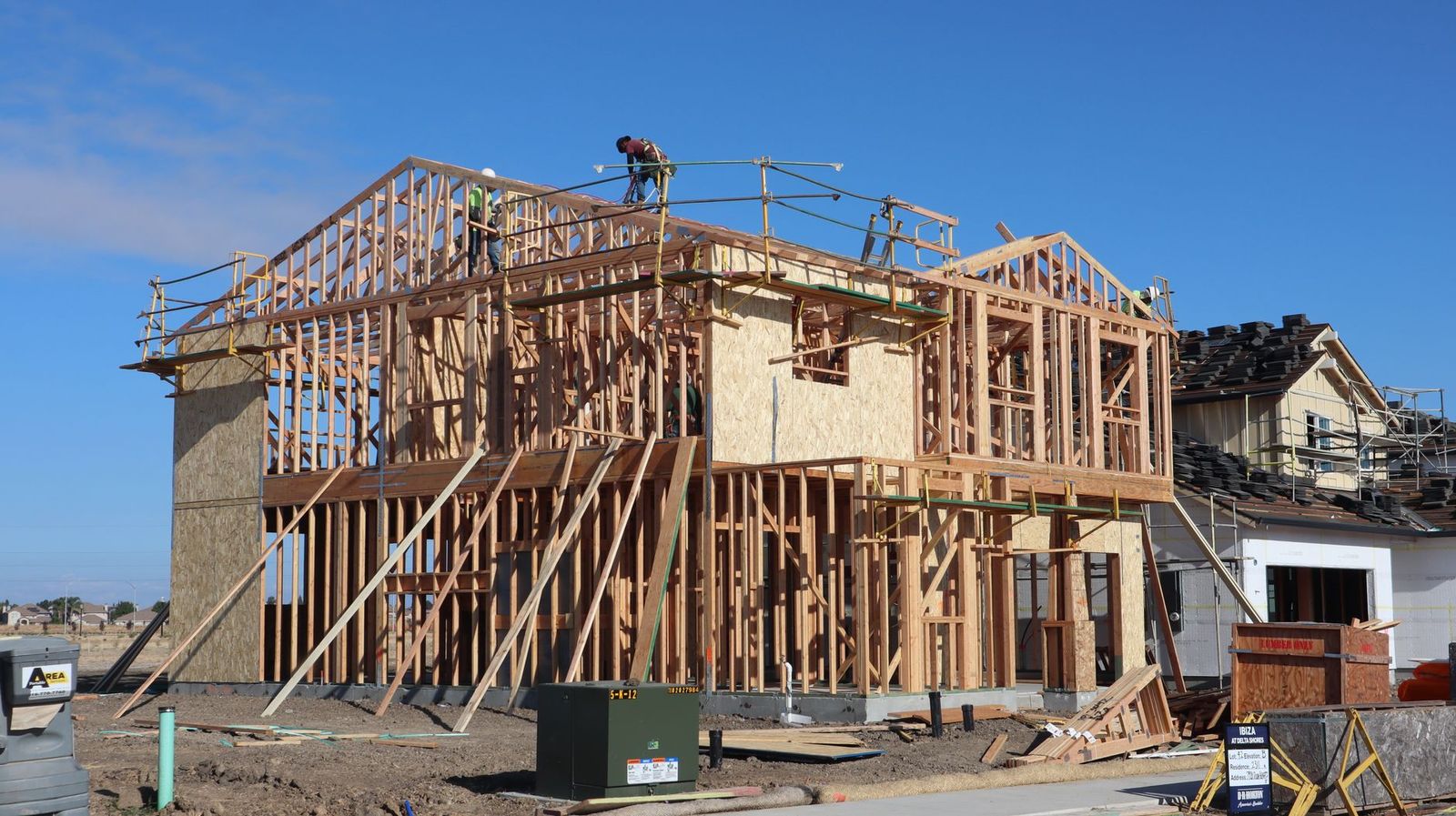
Data center campuses keep growing in small Central Washington towns, and the crews that build them often outnumber the hotel rooms nearby. Quincy started as a farm town, and it now holds large Microsoft and Yahoo campuses, with Dell building a 350,000 square foot facility there. The Sabey campus in Quincy alone covers more than 525,000 square feet across five buildings. Electrical and concrete crews arrive for months at a time, and the local hotel count was never sized for a build of that scale.
East Wenatchee and Moses Lake follow the same pattern. Microsoft bought a 170-acre site in the Pangborn area of East Wenatchee in 2020 for six planned buildings. Moses Lake already hosts large working campuses, including a 32 MW facility. IBEW Local 191 built a training center in East Wenatchee to keep up with the demand for electricians, and a second center in Moses Lake is under consideration. A temporary crew housing trailer on the laydown yard puts your team in a bed next to the job. Most yards bring in temporary power early in the build, and that power can feed the 3 AC units and the outlet at every bunk.
Hanford brings a different kind of crew to the Tri-Cities. Roughly 13,000 workers are on the Hanford Site as of August 2026, and most of them work for Department of Energy prime contractors and their subcontractors. Nearly 30 percent of that workforce can retire within five years, so new hires keep arriving to take their place. Rental vacancy in Benton and Franklin counties once fell to 1.1 percent, which left very little room for a new crew to rent. Contractor housing usually sits off the site itself, so a bunk trailer on a leased lot in Richland or Kennewick keeps your people close to the gate.
Heated Bunk Trailers for Washington Wildfire Base Camps
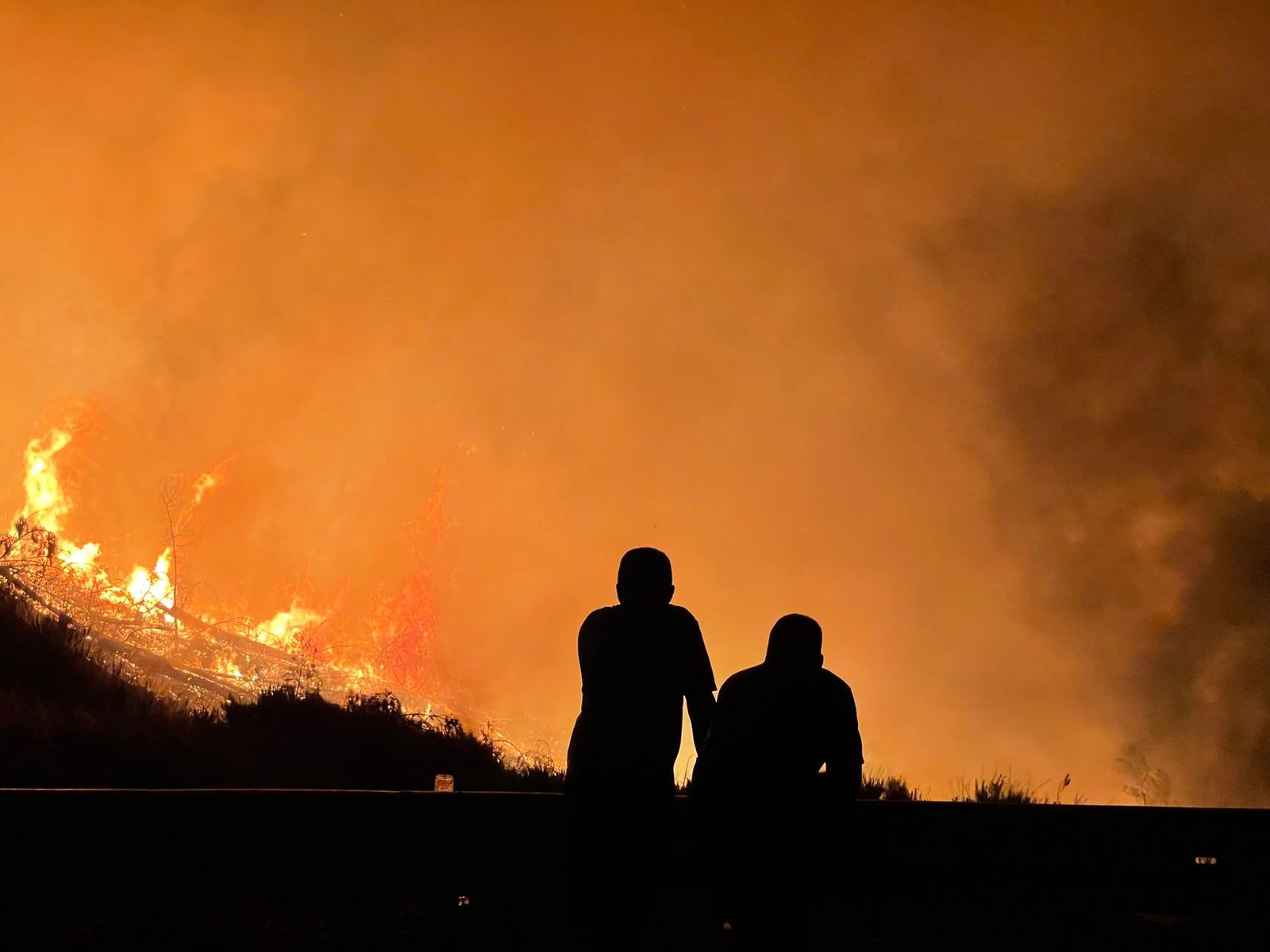
The 2026 fire season in Washington ranked among the worst the state has measured. By the end of August, Axios Seattle reported statewide acreage past 851,000 acres, double the total from late July. More than 40 named fires grew past 1,000 acres. The Sinlahekin Fire near Tonasket burned 154,480 acres, and the Little Giant Fire burned 116,996 acres across Chelan and Okanogan counties. On August 1, Governor Bob Ferguson declared a statewide fire emergency and burn ban that ran through September 30.
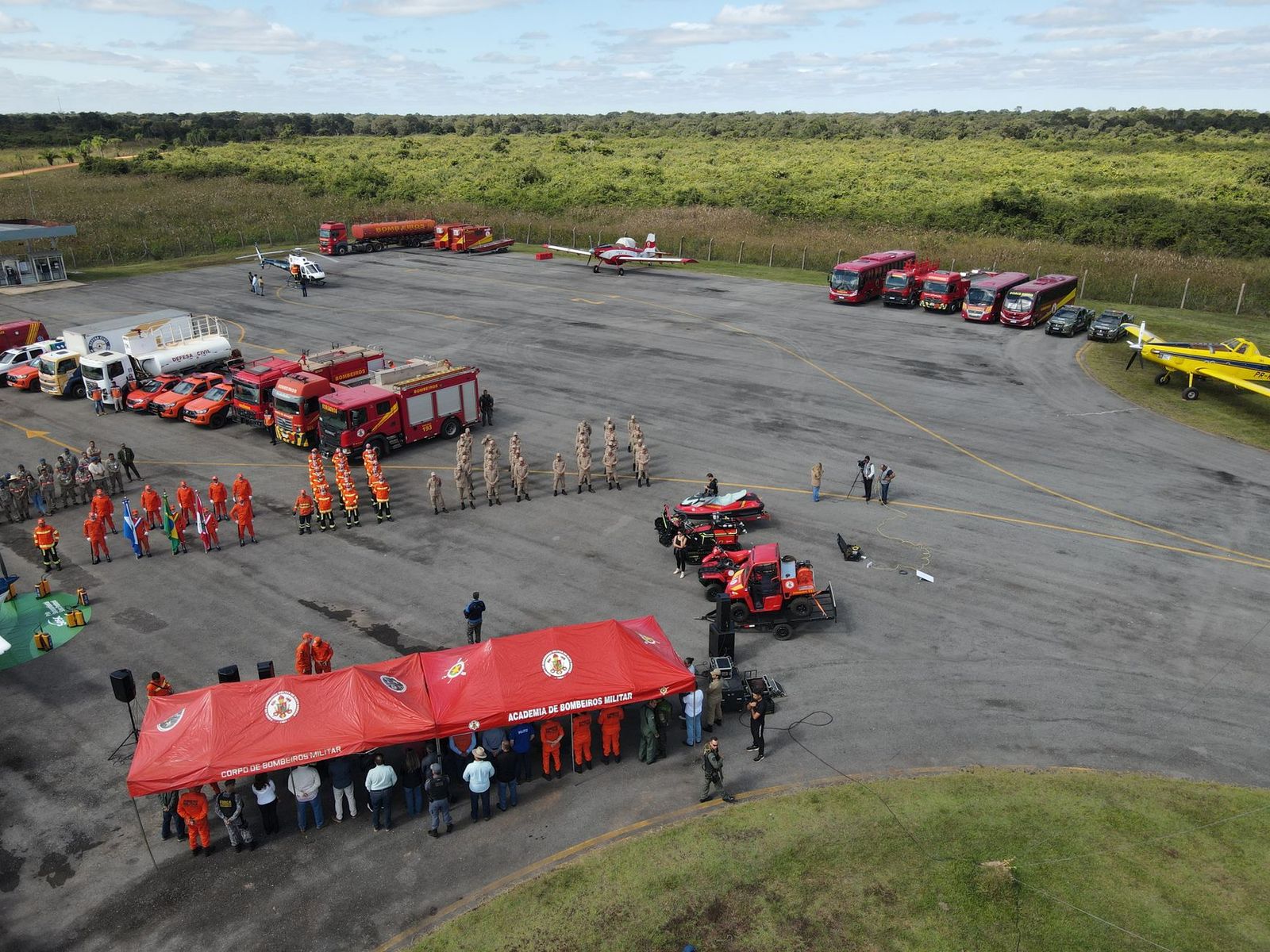
Fires around Spokane forced more than 65,000 evacuations and destroyed over 700 structures. The incident base camp at the Spokane County Fairgrounds grew to about 1,000 tents that housed roughly 2,000 firefighters working 16-hour days. Camp clinics treated about 400 firefighters across August 9 and 10 alone. A camp at that size keeps generators and lights going all night, which makes daytime sleep hard for anyone on the night shift. A crew sleeper trailer gives a hand crew a closed, quiet room with heat or cooling set right at the thermostat.
Evacuations also fill the same hotels that incoming crews would normally book. When tens of thousands of residents need rooms in the same week, a visiting crew has almost nothing left to reserve in town. Bunks that arrive on a truck with the crew take that race for rooms off the table. Our guide to fire camp bunkhouse trailer rentals walks through camp layout and how hand crews split bunks across a 14-day assignment.
Crew Quarters Trailers for Washington Transmission and Wind Crews
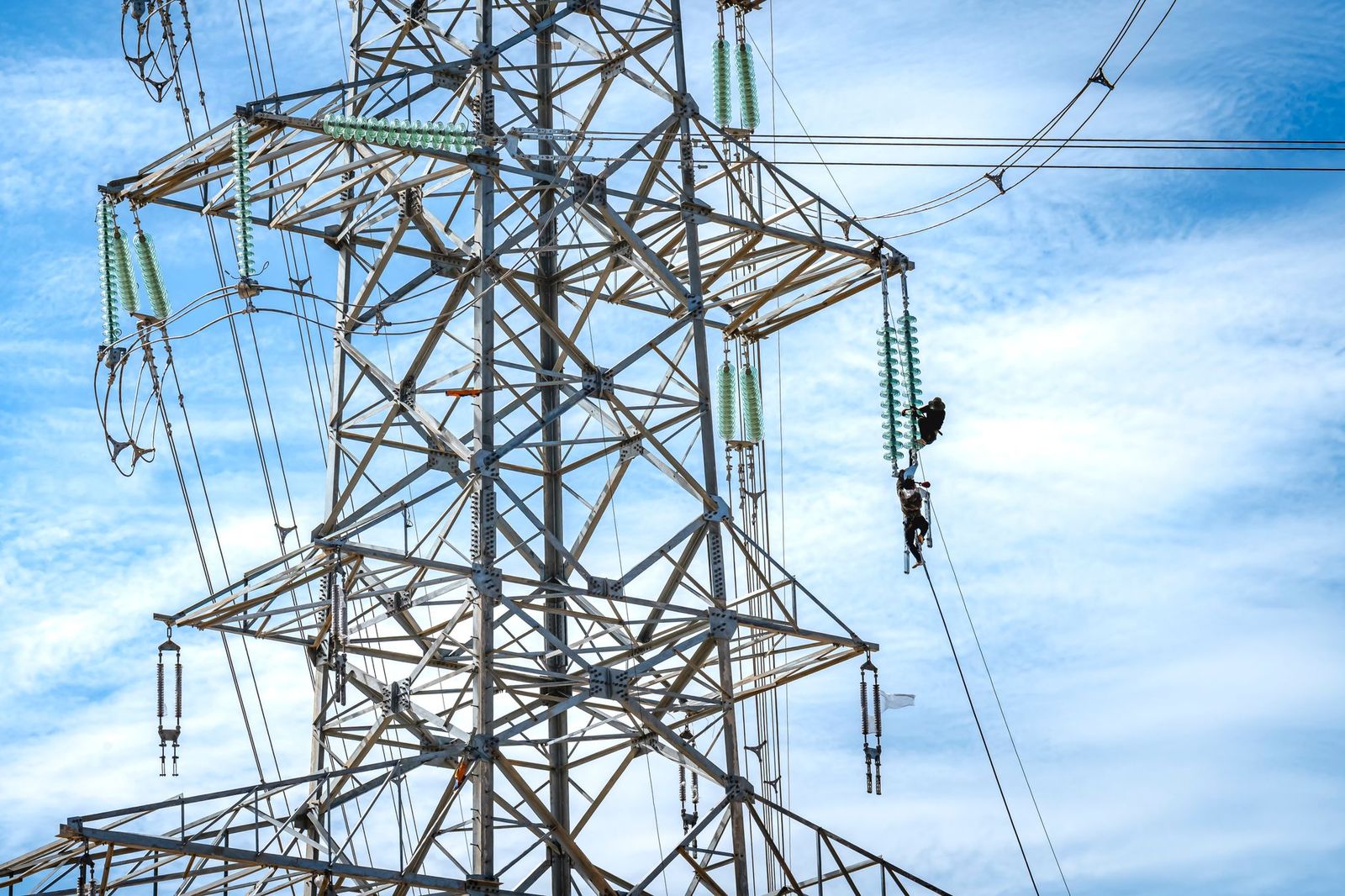
The Bonneville Power Administration supports more than 15,000 miles of transmission line across the Northwest, and its construction crews spend most of the year traveling. BPA says those crews are most often on the road four to five days a week, on projects that can last months. A BPA barehand crew replaced hardware on energized 230-kV lines in southwest Washington, and a separate team of more than 70 electricians and carpenters builds substations. Utility Dive reports that BPA is planning new 500-kV lines across Washington and Oregon, which means more long, linear builds far from town.
A heated crew quarters trailer on a graded pad beside the road keeps a line crew close to the corridor instead of an hour back in the nearest hotel. When the work shifts 20 miles down the line, the trailer can be picked up and set again closer to the next towers. Our page on sleeper trailer rentals for line crews explains how line crews usually share bunks over a long rotation. Crews whose corridors cross the Columbia River can also look at our bunkhouse sleeper trailers in Oregon for the southern side of the work.
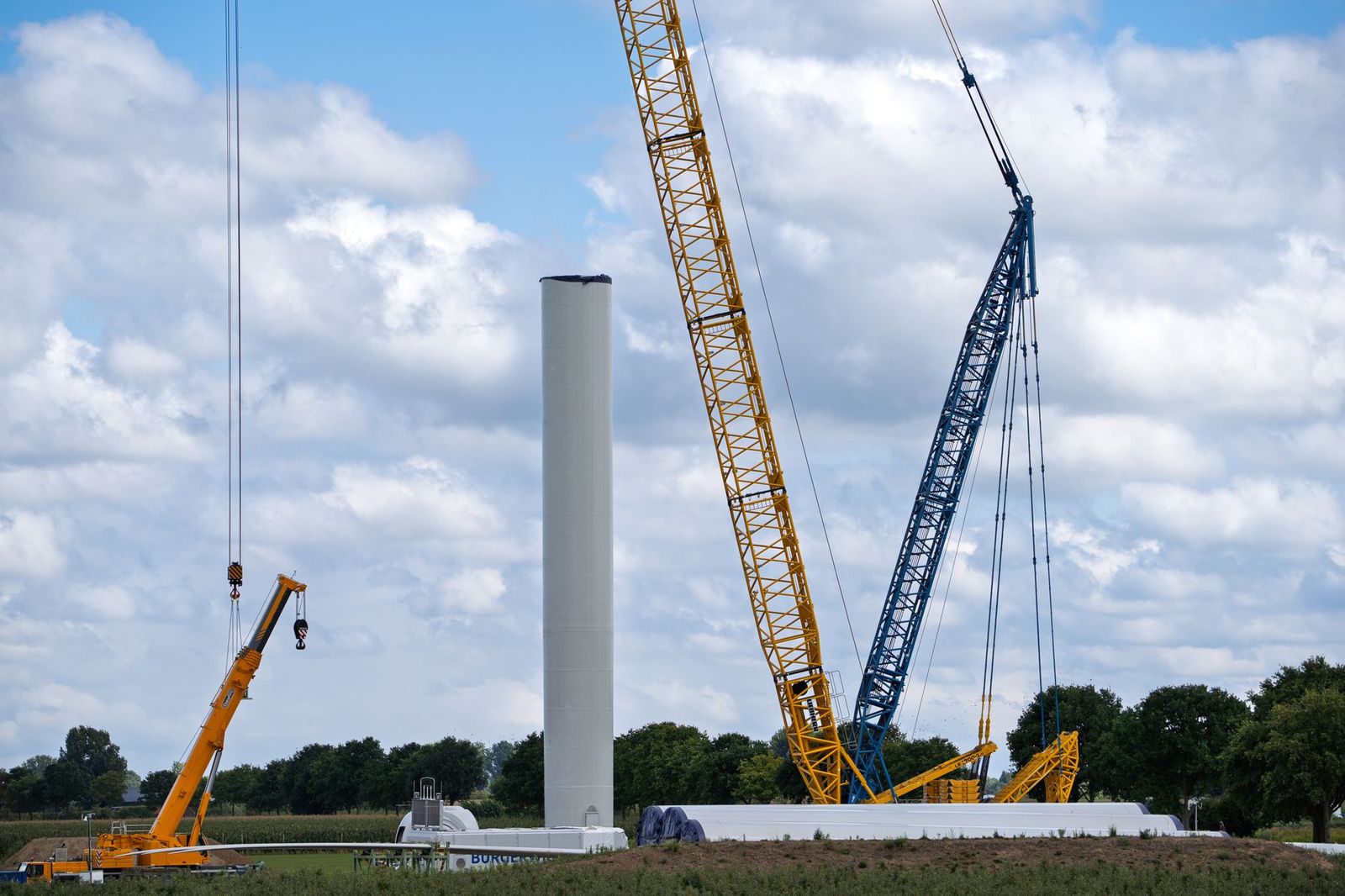
Wind and solar builds sit far from towns on ridge land and grazing ground. The 273-megawatt Wild Horse Wind Farm covers a 10,800-acre site 17 miles east of Ellensburg. Its site work alone meant 10 miles of new roads and 80,000 tons of crushed rock. In Klickitat County, the Lund Hill Solar project covers about 1,800 acres and 150 megawatts on grazing land leased from the state Department of Natural Resources. Neither site had worker housing nearby when construction began. A 12-bunk trailer on the project pad replaces a long daily drive for the full length of the build.
Mobile Bunkhouse Trailers for Yakima and Wenatchee Harvest Crews
Farms in Washington employed 113,174 farmworkers in 2024, and nearly 36,000 of them arrived on H-2A visas. Farm jobs peak near 60,000 in June and July, then climb again in September and October, when apples make up over 70 percent of the work. Cherry labor is sharper still, with 58 percent of the year's cherry work landing in July. Gilbert Orchards keeps about 550 farmworker beds at camps that include Mattawa and Wapato, and every bed is generally full at the peak of apple harvest.
Housing that growers are required to provide still runs short at harvest time. In Sunnyside, the FairBridge Inn and Suites is converting into H-2A worker housing, which shows how tight the valley supply has become. A mobile bunkhouse trailer beside an orchard yard or a packing shed adds beds for the busy weeks and leaves when the picking ends. That fits a July cherry spike well, since a four-week peak does not justify a permanent building that sits empty for eleven months.
The Wenatchee Valley carries the northern half of the apple harvest, and its orchards sit near the same Entiat River country that burned in 2026. A labor contractor there can plan for a harvest peak and a smoke week in the same month. Bunks on wheels can move to another orchard when the crew shifts, which a rented house cannot do. Our page on crew housing trailers for harvest work covers bunk planning for farm crews in more depth. State program rules for farm housing appear in the rules section further down this page.
How Washington Weather Shapes Sleep in a Climate-Controlled Bunk Trailer
East of the Cascades, summer and winter sit far apart. Yakima averages an 89 degree high in July, with early August spikes near 95 degrees and humidity that often drops below 30 percent. Spokane averages a January low around 22 degrees and collects roughly 44 inches of snow a year, with December as the snowiest month. A crew coming off a July shift needs a cool room, and a crew on a January line job needs real heat. All 3 AC units switch to heat, and the smart thermostat holds one steady temperature for the whole trailer.
Smoke is now a regular part of the summer calendar in Washington. On August 1, 2026, forecasters issued the state's first Particularly Dangerous Situation Red Flag Warning, and the air quality index in Leavenworth hit 849 on August 5. Governor Ferguson declared a separate public health emergency over wildfire smoke on August 7. A closed, climate-controlled room gives a crew a place to rest out of the smoke, although the trailer carries no air filtration rating.
Our Signature 12-Bunk Sleeper Trailer for Washington Crews
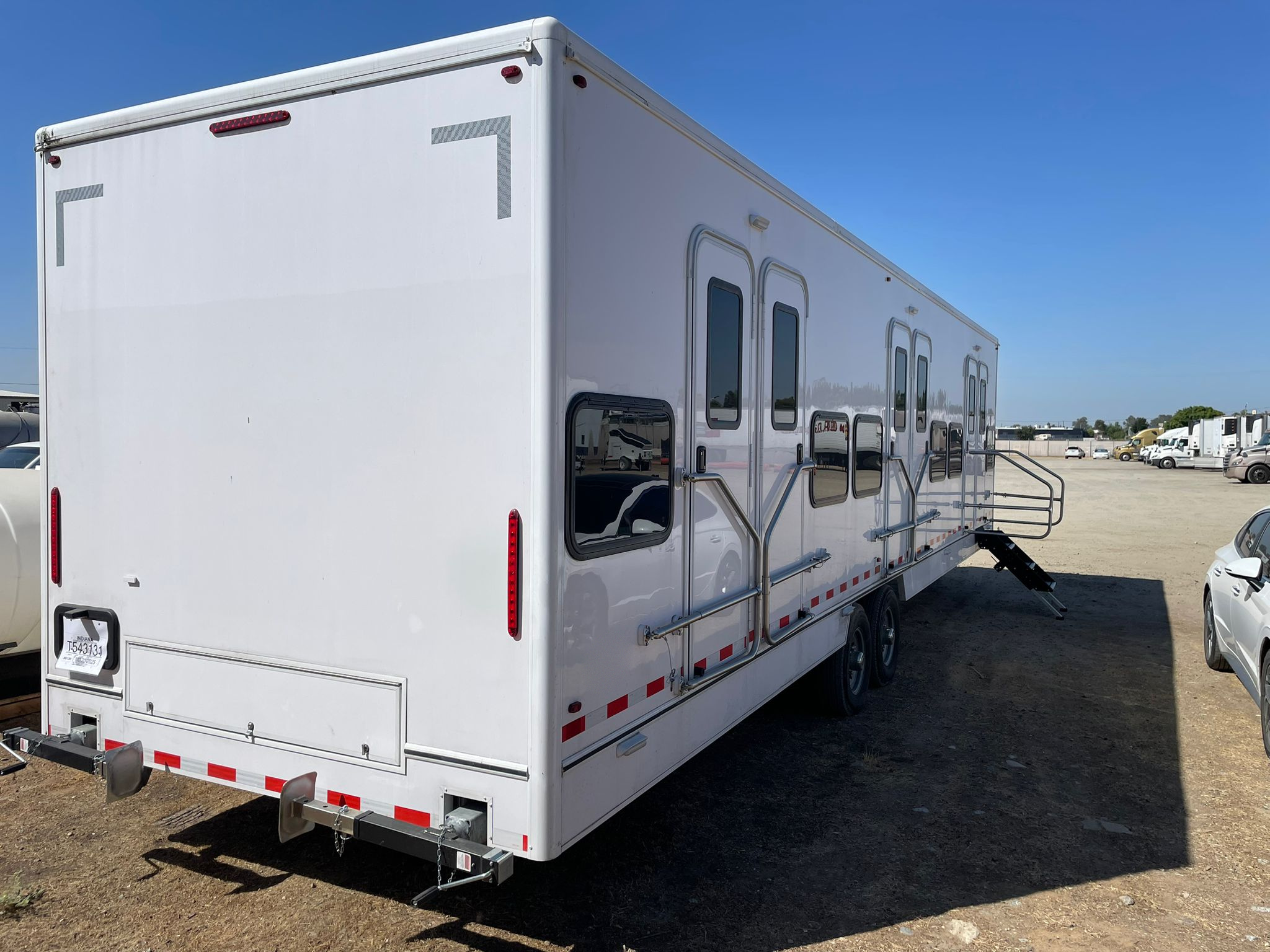
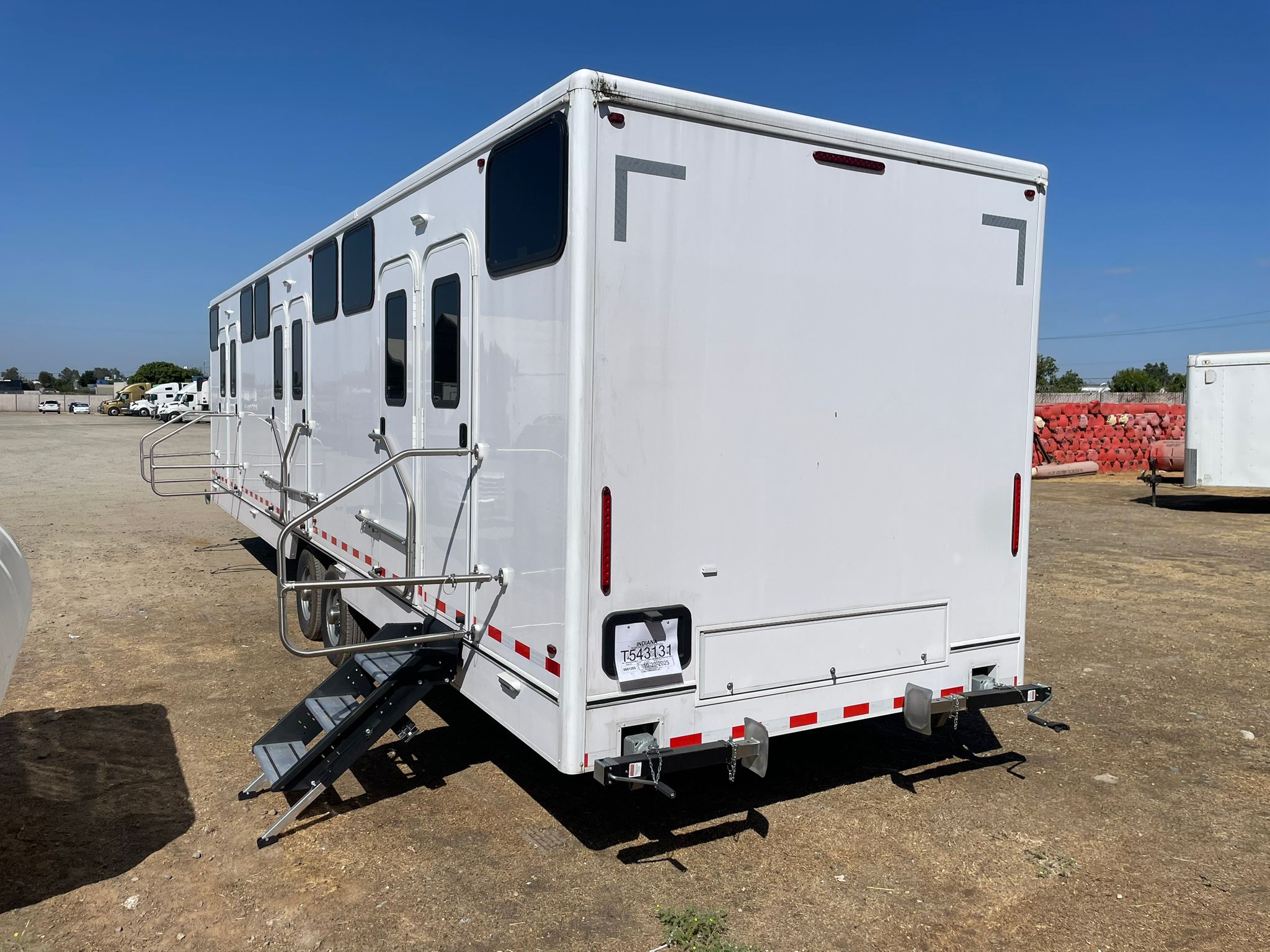
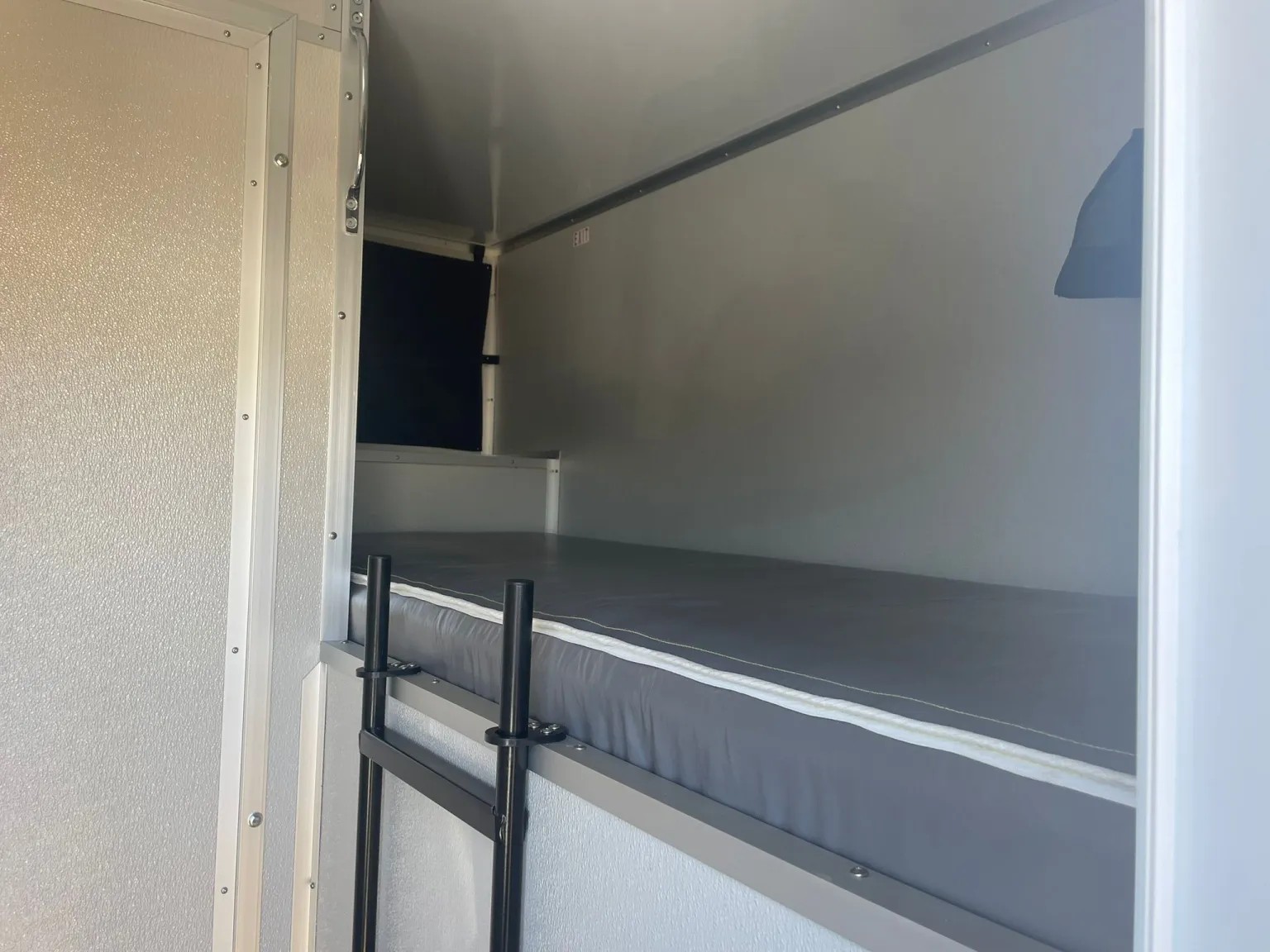
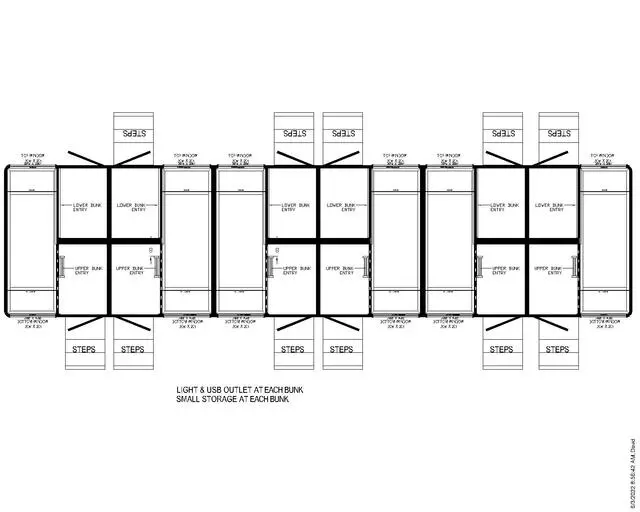
Every Washington booking gets our signature 34 ft sleeper trailer with 6 upper bunks and 6 lower bunks. A crew that moves from a Quincy build to a Spokane fire camp finds the same bunk layout and the same thermostat in the next trailer. Adding trailers partway through a job adds 12 bunks at a time, with nothing new for the crew to learn.
Washington Towns Where Crews Rent Portable Bunk Trailers
- Anacortes: Anacortes has dealt with a housing affordability crunch for about eight years as the town shifted from refinery and cannery work toward retirees. A refinery crew surge lands in a town with very few spare rooms even in a normal month.
- Ferndale and Cherry Point: The Phillips 66 refinery near Ferndale has run at Cherry Point since 1954, and its maintenance turnarounds bring in outside contract crews. A trailer on a nearby contractor lot keeps those workers minutes from the plant gate.
- Republic and Ferry County: Ferry County was named in the 2026 fire emergency declarations, and Republic sits a long drive from any larger town. Fire and road crews working this corner of the state find very few rooms to book.
- Seattle and Tacoma: Seattle-area construction employment averaged 19,900 workers in the first quarter of 2026, down 3 percent from a year earlier. Metro job sites rarely have spare land for a large camp, so a 34 ft trailer that fits a contractor lot is easier to place.
- Omak and Okanogan: Omak and Okanogan sit along the few state highways that fire crews use to reach the north-central high country. A road closure there can cut a crew off from its hotel, so beds near the staging area keep the shift on schedule.
Washington Work Rules That Shape a Crew Housing Trailer Plan
Washington Labor and Industries enforces its own outdoor heat exposure rule, with permanent updates that took effect on July 17, 2023. Once outdoor temperatures reach 90 degrees, workers get a paid 10-minute cool-down break every two hours. At 100 degrees and above, that becomes a 15-minute break every hour. The rule covers the work shift, and the L&I outdoor heat rule announcement lists the current details. Rest between shifts is the part a crew boss controls through the sleeping setup.
Temporary worker housing in Washington falls under a joint license program run by Labor and Industries and the Department of Health, under WAC 296-307 Part L. A license applies to housing with five or more dwelling units or ten or more occupants. The rules set standards for occupancy and water supply, among other items. The text of WAC 296-307-16103 spells out who that housing may serve. Whether a trailer on your farm falls under the program depends on the property and how the housing is used. Settle that question with the state program staff and your own advisor before the crew moves in.
When a Washington wildfire grows large, the Department of Natural Resources requests an Incident Management Team to command every resource on the fire. NWCG standards govern how base camps are organized and paid for across every agency working the incident. Base camps stay closed to the unescorted public, partly because firefighters may be catching up on sleep at any hour of the day or night. Camp layout belongs to the incident team, so confirm the trailer spot with camp logistics before delivery.
What a Typical Setup Looks Like
Incident logistics lead, 30-person crew group, Okanogan fire camp
When a 30-person group of hand crews and overhead staff joins a camp with no beds set aside, a typical plan books 3 trailers for 36 bunks. The 6 spare bunks give room for a relief crew or a late arrival. The trailers sit away from the generator line so the night shift can sleep through the afternoon.
Superintendent, 36-person electrical crew, Quincy data center build
When a 36-person electrical package starts on a data center campus, a typical plan books 3 trailers on the laydown yard. Temporary power on the yard feeds the AC units, and each electrician keeps the same bunk for the full phase. A restroom and shower trailer on the same yard rounds out the setup.
Turnaround coordinator, 60-person contract crew, Anacortes refinery
When a refinery turnaround brings in 60 contract workers for several weeks, dedicated bunks mean 5 trailers on a fenced contractor lot. If the crew splits into two 12-hour shifts, roughly 30 people sleep at any one time, so 3 trailers with 36 bunks can cover the whole group. Each bunk belongs to one worker on each shift.