

How to Plan Crew Housing in Oregon
Temporary Crew Housing for Oregon Data Center and Bridge Builds
Large data center builds have moved into small Oregon towns, and the crews that build them often outnumber the hotel rooms available anywhere nearby. In Prineville, reporters found that construction workers filled hotel rooms and rental homes before spilling into campgrounds. Hermiston is now building a 714,000 square foot data center that calls for hundreds of skilled workers, and nearby rooms run out fast.
Morrow County counts dozens of data center buildings across 10 campuses, most of them near Boardman. That corridor was never built with enough hotel rooms for a construction surge of that size. A temporary crew housing trailer on the staging yard puts your team in a bed next to the job instead of on a long daily drive. Most yards already have temporary power run in for the build, and that service can feed the 3 AC units and the outlet at every bunk.
Construction projects on Portland's west side look different from the rural builds. Hillsboro holds a dense cluster of data centers and chip plants, and the electrical work there draws on union halls in Portland and Salem. Farther north, the Interstate Bridge Replacement Program over the Columbia River will need staging space and crew support near the water once its first phase moves into construction.
Heated Bunk Trailers for Oregon Wildfire Camps
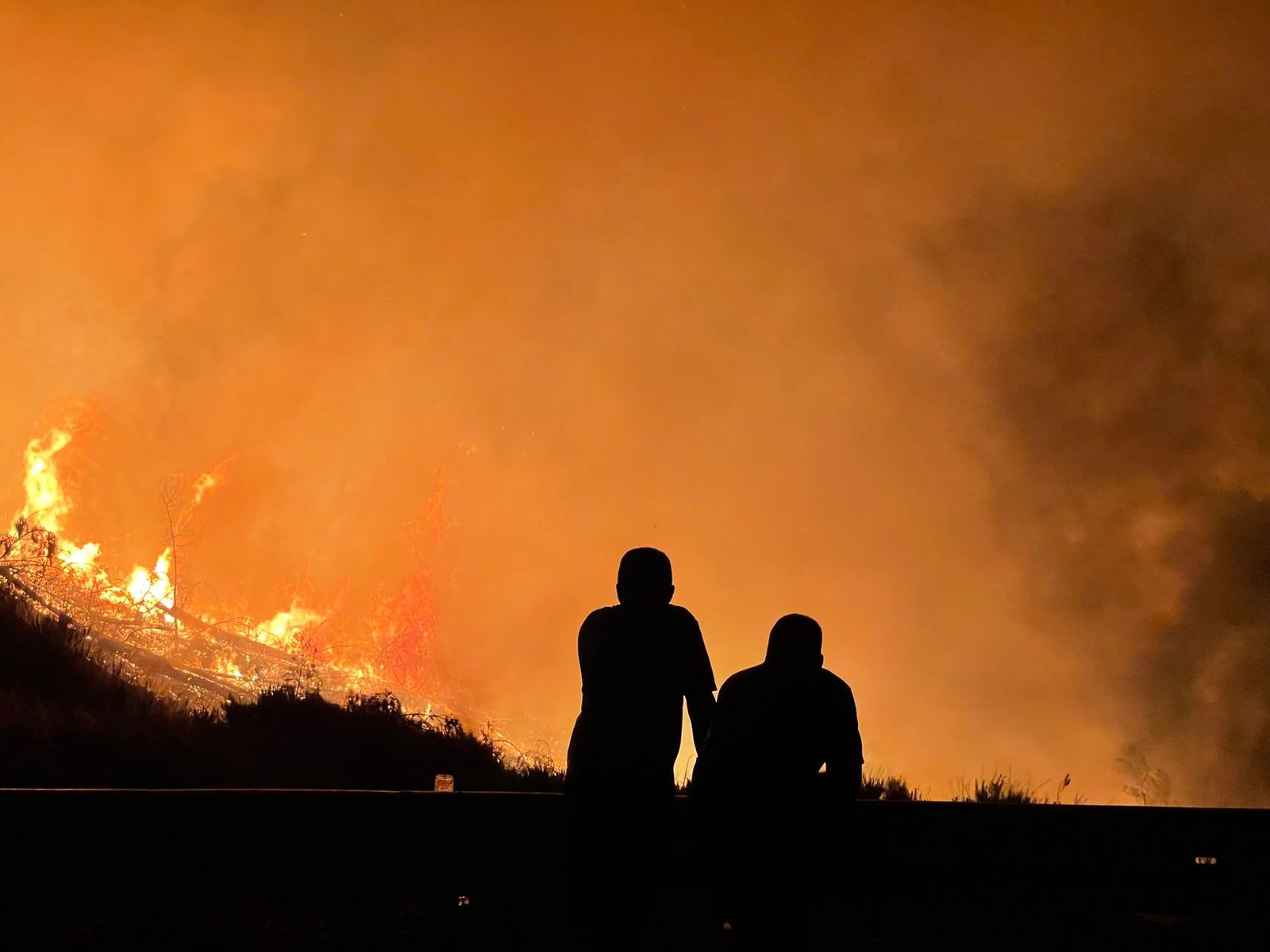
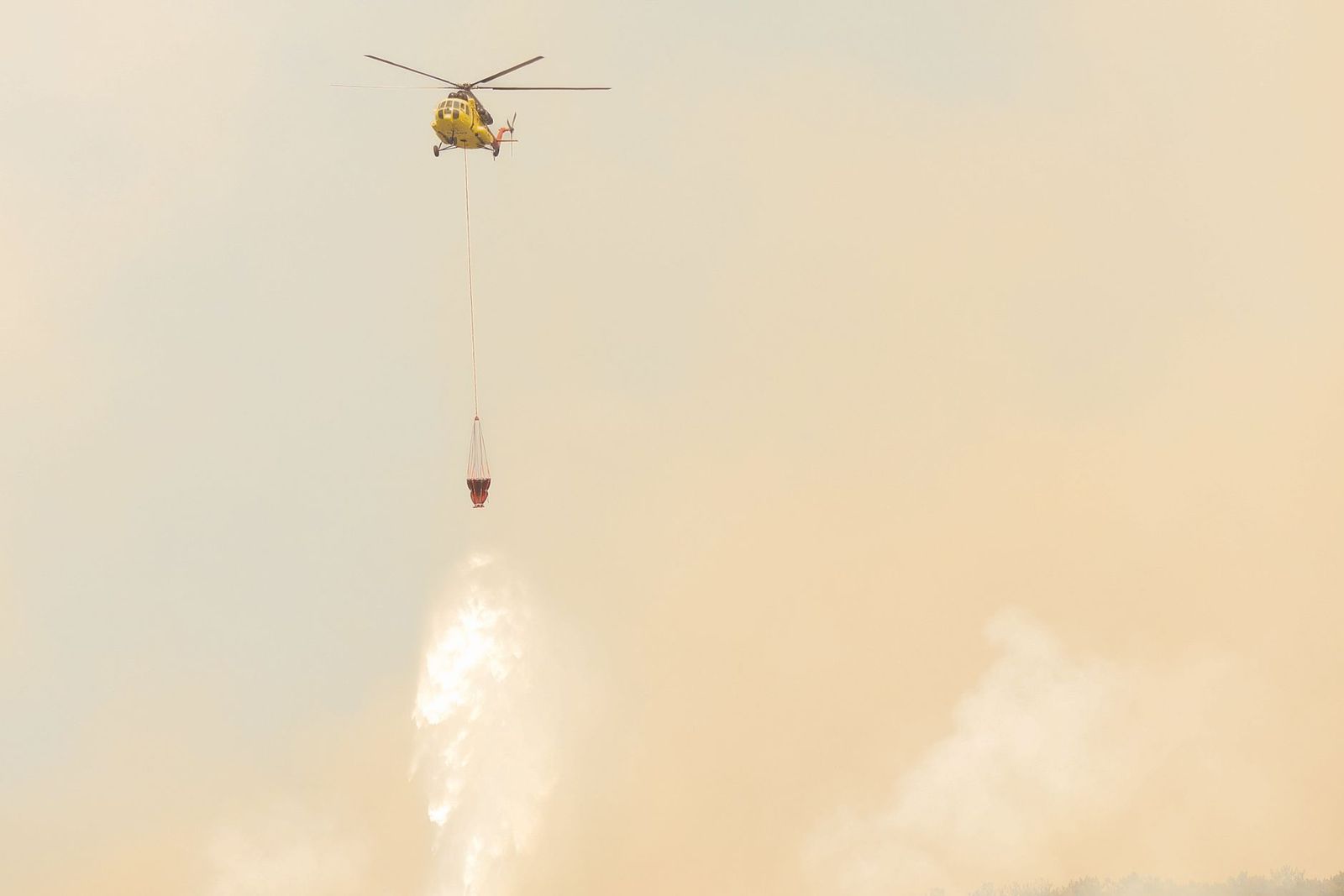
Oregon's 2026 wildfire season burned about 2,340,000 acres, which beat the 2024 record of about 2,080,000 acres by a wide margin. At the peak, 63 percent of the country's wildland firefighting resources were assigned to fires burning in Oregon and Washington. Fire managers told reporters they needed about double their normal staff, including more of the middle managers who coordinate crews on large fires. The Rowe Creek Complex alone burned about 367,850 acres in Central Oregon after a lightning outbreak.
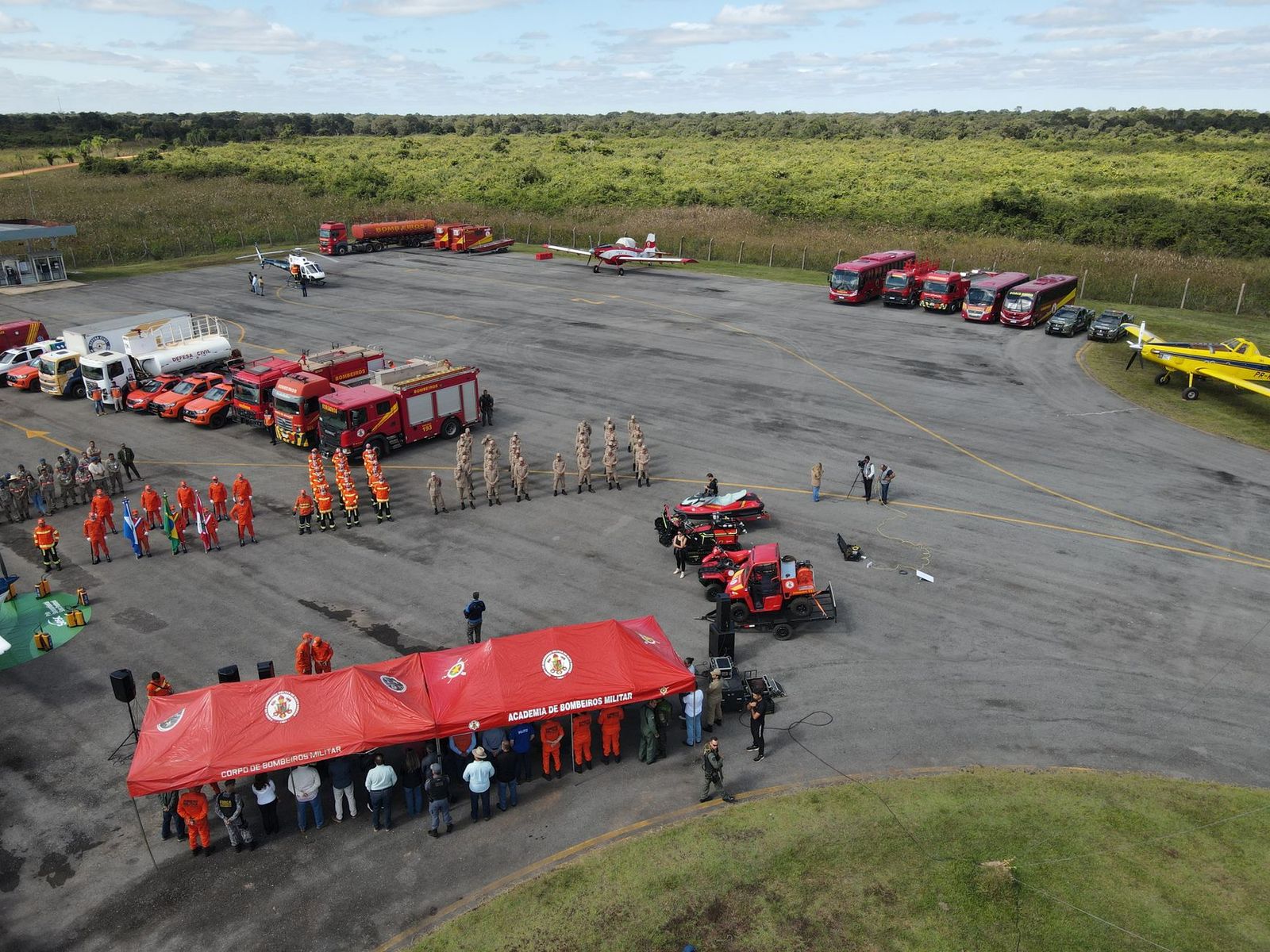
The Rowe Creek main camp sat near the Prineville fairgrounds, with a forward base at Paulina much closer to the fire. Camp for the Akawa Butte Fire filled the Sisters Rodeo Grounds with about 1,200 workers. Big camps like these work as small towns, although generators and bright lights stay on all night for the night shift. A crew sleeper trailer gives a hand crew a closed, quiet room away from that noise, with heat or air conditioning set at the thermostat. Our guide to bunkhouse trailer rentals for fire camps covers camp layout and crew rotation in more detail.
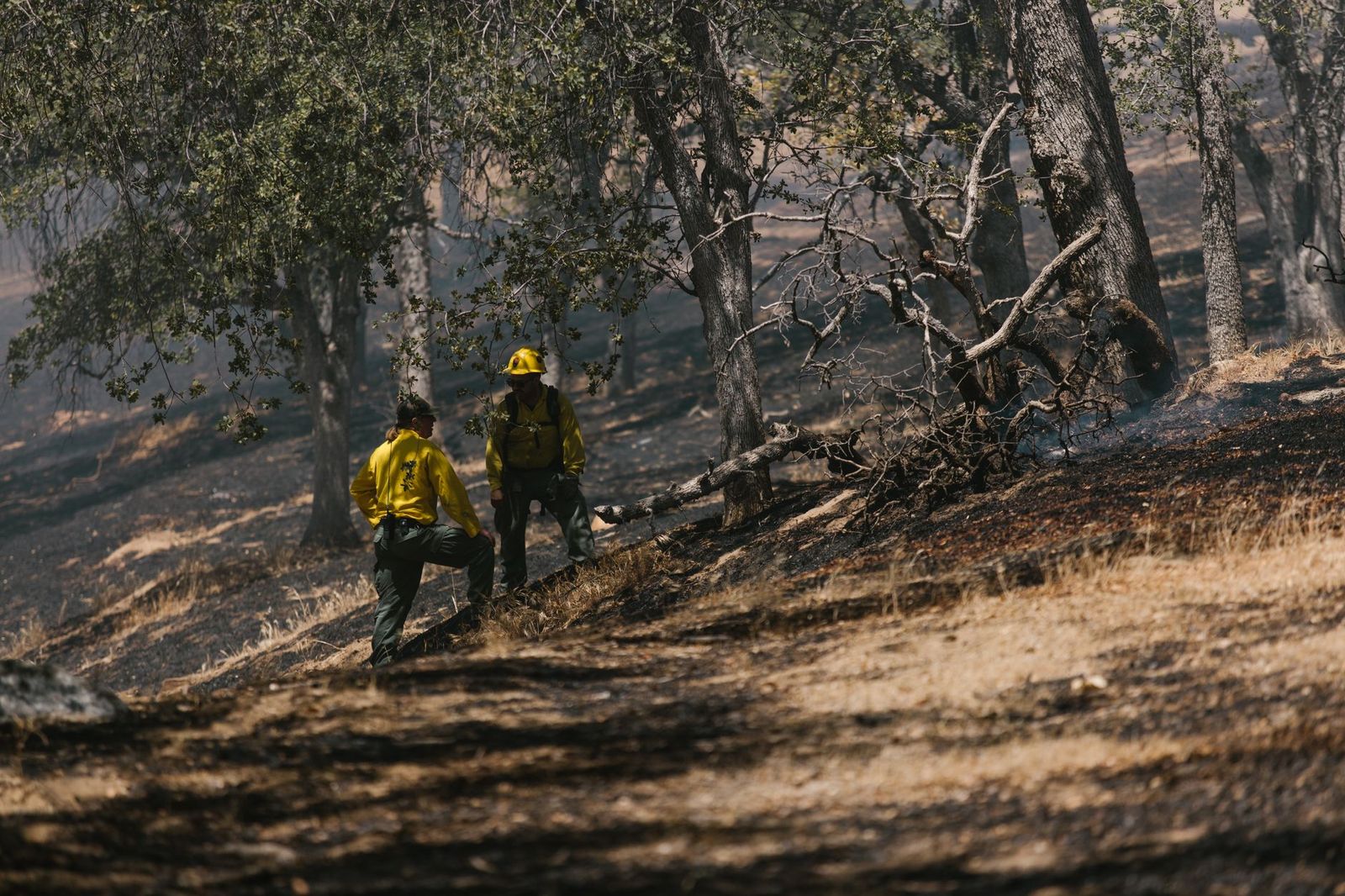
Southern Oregon saw its own difficult run of wildfires during the 2026 season. The Upper Applegate Fire near Ruch drew more than 200 people, including seven 20-person hand crews along with engines and bulldozers. The Fielder Mountain Fire forced about a thousand evacuations between Grants Pass and Medford, in an area where the hotel base was already stretched. For fire ground that reaches across the southern border, our page on crew sleeper trailer rentals in California covers the other side of the line.
Crew Quarters Trailers for Oregon Utility and Wind Crews
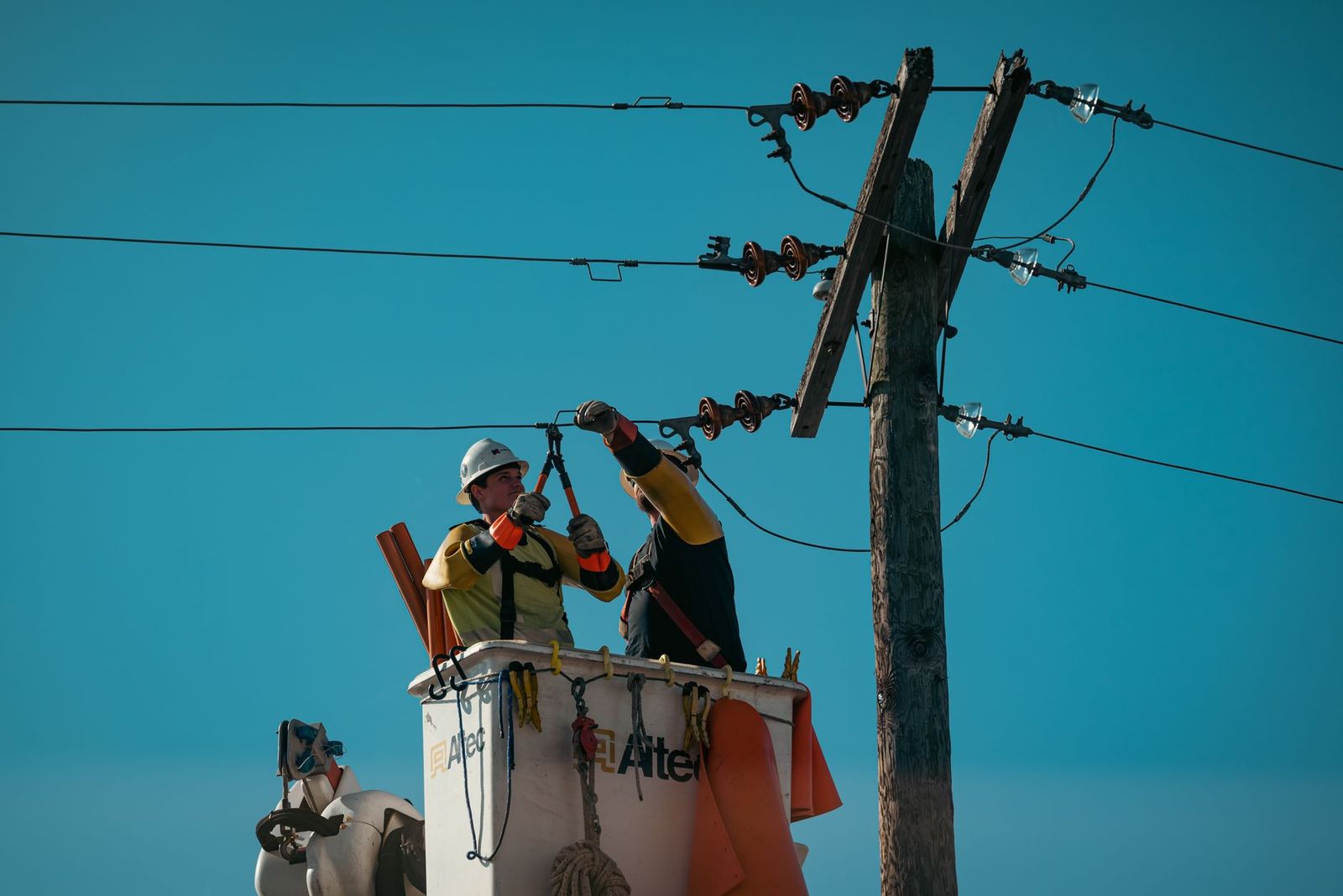
Utility wildfire work keeps line crews in the mountains for long stretches of the year. Portland General Electric is burying roughly seven miles of power line near Government Camp to protect the nearby ski areas from fire risk. The Oregon Public Utility Commission now requires multiyear wildfire plans from the large utilities, and the PGE plan was approved on June 25, 2026. Line work on these corridors bunches into the snow-free months.
A heated crew quarters trailer on a graded pullout keeps a line crew near the work, which matters when the nearest open room sits an hour away over a pass. Our page on sleeper trailers for utility line crews explains how line crews usually split bunks across a rotation.
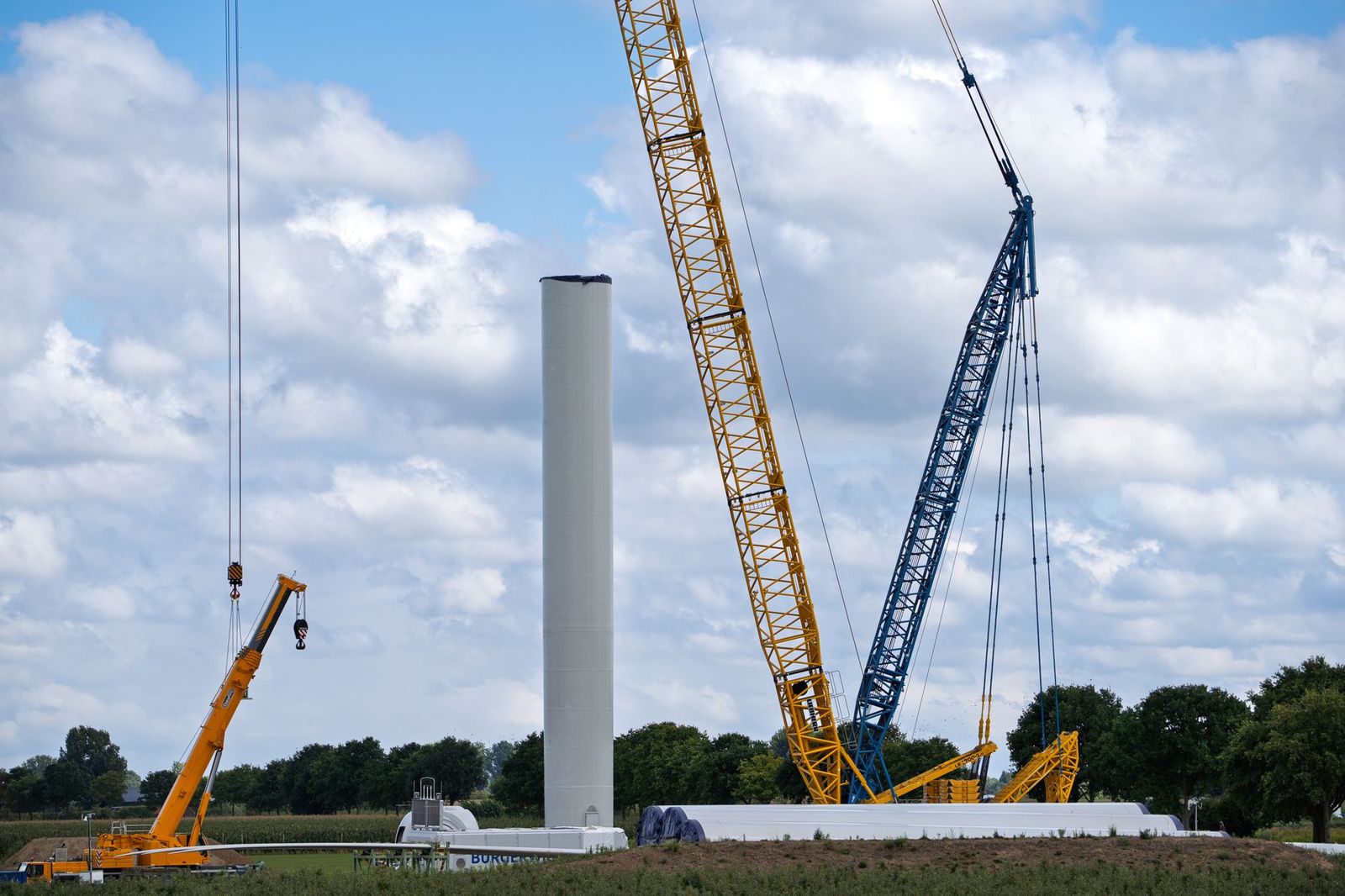
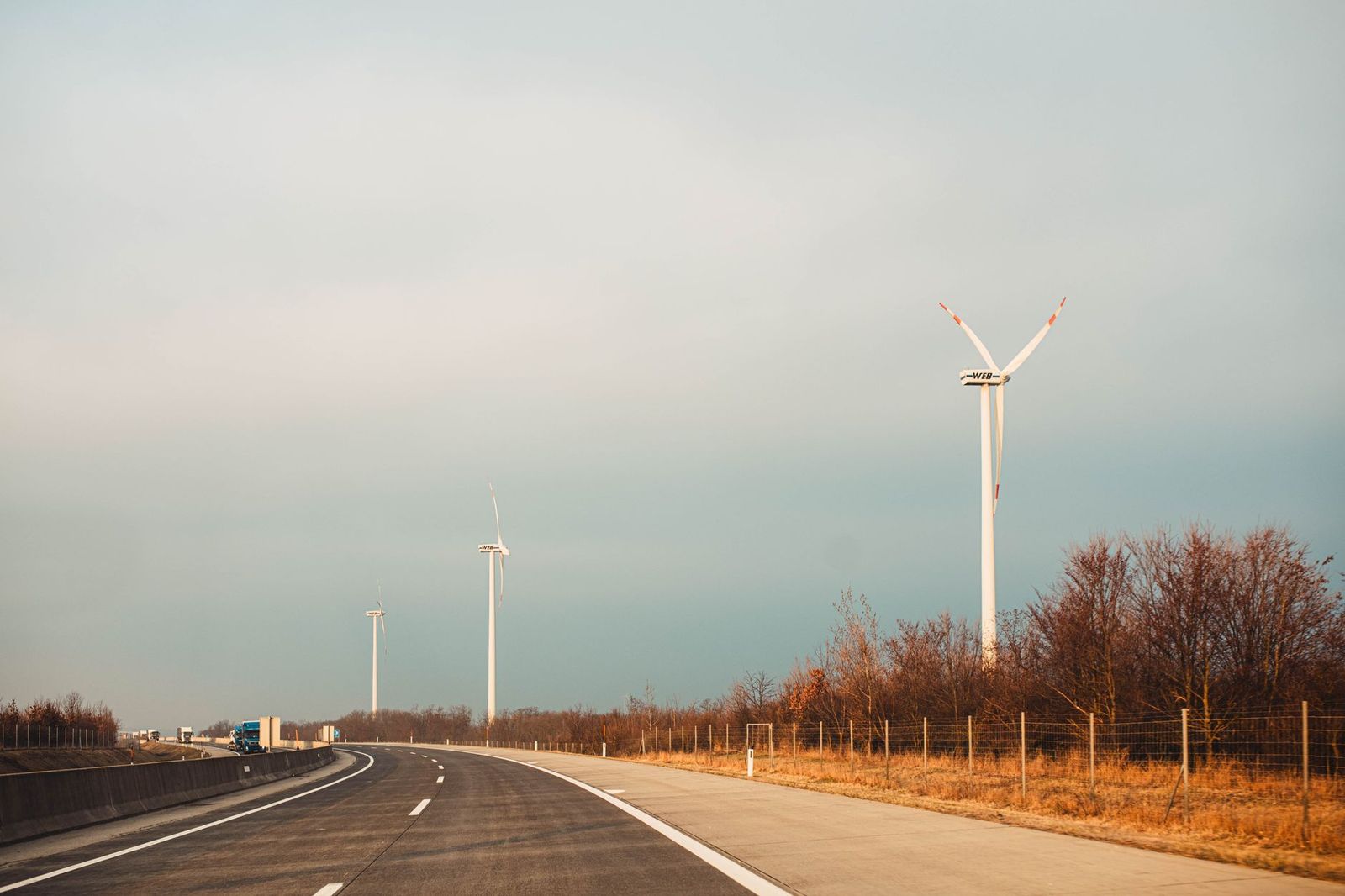
The Columbia River wind counties bring a steady run of energy builds on open farm ground. Shepherds Flat covers about 30 square miles of Gilliam and Morrow counties with 845 megawatts of wind power, and Biglow Canyon in Sherman County adds another 450 megawatts. Most proposed new wind and solar capacity in the state sits in these same counties, which have very few rooms to offer a visiting crew. A 12-bunk trailer on the project pad replaces a daily drive to The Dalles or Hermiston for the length of the build.
Mobile Bunkhouse Trailers for Oregon Harvest and Timber Crews
The Willamette Valley holds one of the biggest farm workforces in the country, and the Mid-Willamette Valley alone draws on more than 40,000 farmworkers. Statewide estimates put the seasonal and year-round farm workforce between 100,000 and 130,000 people. Permanent housing for that workforce has been short for several decades. The Farmworker Housing Development Corporation was founded in 1991 to serve valley families, and it remains active because the shortfall never closed.
A mobile bunkhouse trailer beside a field or packing shed can add beds for a harvest peak without a long-term building project. Farm labor housing rules vary by program and by county, so plan that paperwork with your own advisor before the crew arrives. Our page on harvest crew housing trailer rentals covers bunk planning for farm crews in more depth.
Timber crews have slept near the cutting front in Oregon for more than a century. From the 1890s through World War II, big logging outfits ran whole camps on rail cars, with bunk cars and a mess car that moved with the work. The last log train in Central Oregon ran in December 1956. Some logging jobs on the Coast Range still ask crews to stay at remote landings. An air-conditioned bunk trailer at the road end fills that same need today.
How Oregon Weather Affects Crew Sleep in a Climate-Controlled Trailer
Oregon crews work across an unusually wide temperature range inside one state. High desert sites in Central and Eastern Oregon see heat index days above 90 degrees in summer, and valley harvest crews face the same heat in the fields. A crew coming off a hot shift sleeps better in a cool room, and all 3 AC units can run to cool the bunks before the shift ends. Cascade jobs sit at the other end of the range, with snow-season shutdowns and cold fall nights. The same units switch to heat, and the smart thermostat holds one temperature for the whole trailer.
Wildfire smoke has become a separate season of its own in Oregon. On August 5, 2026, Portland ranked among the ten most polluted cities in the world, with an average AQI of 160 by 7 in the morning Bend showed up that same week on a list of the nine worst cities in the country for air quality. A closed, climate-controlled room gives a crew a place to rest out of the wind and ash, although the trailer carries no air filtration rating.
Our Signature 12-Bunk Sleeper Trailer for Oregon Jobs
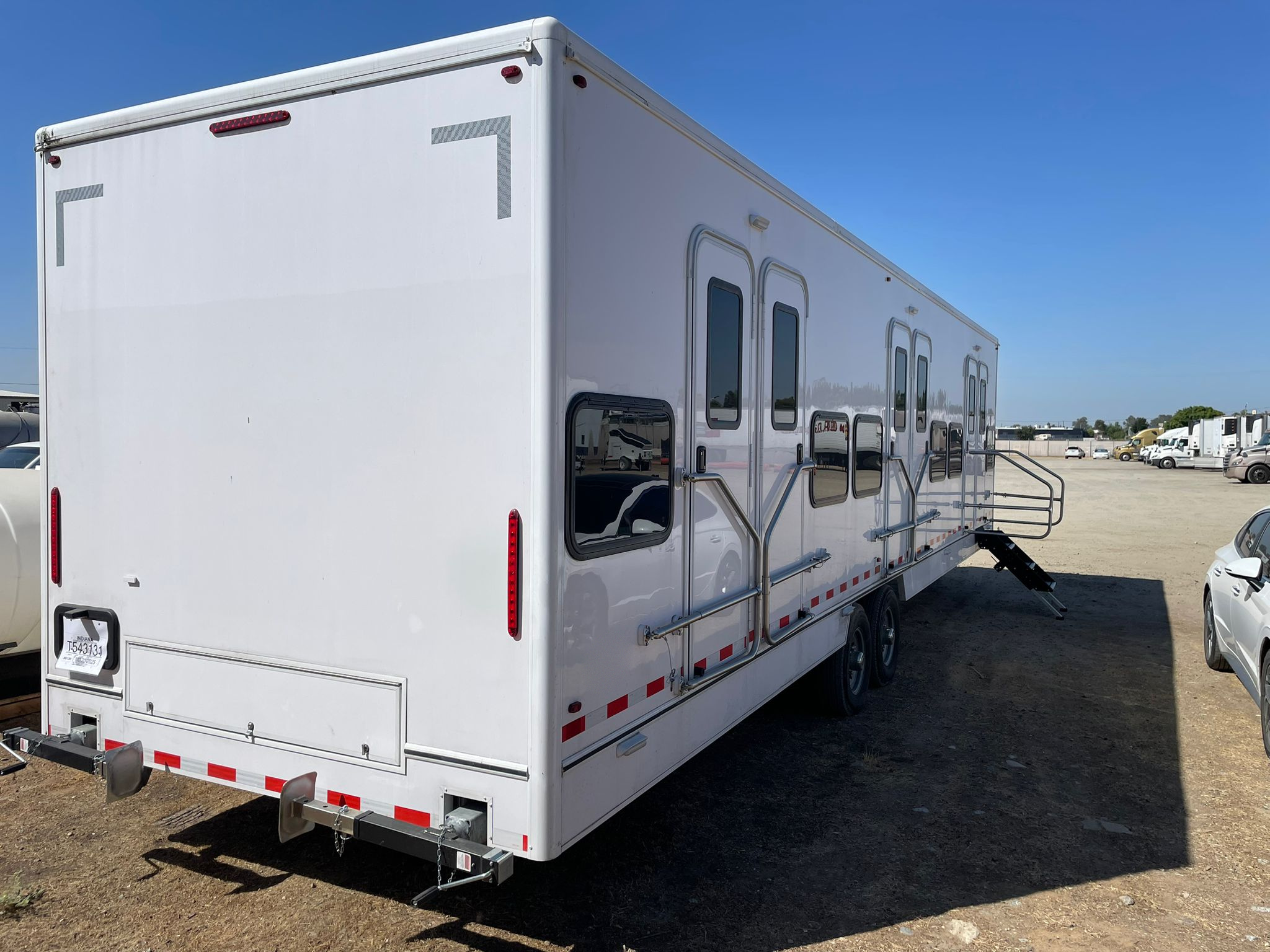
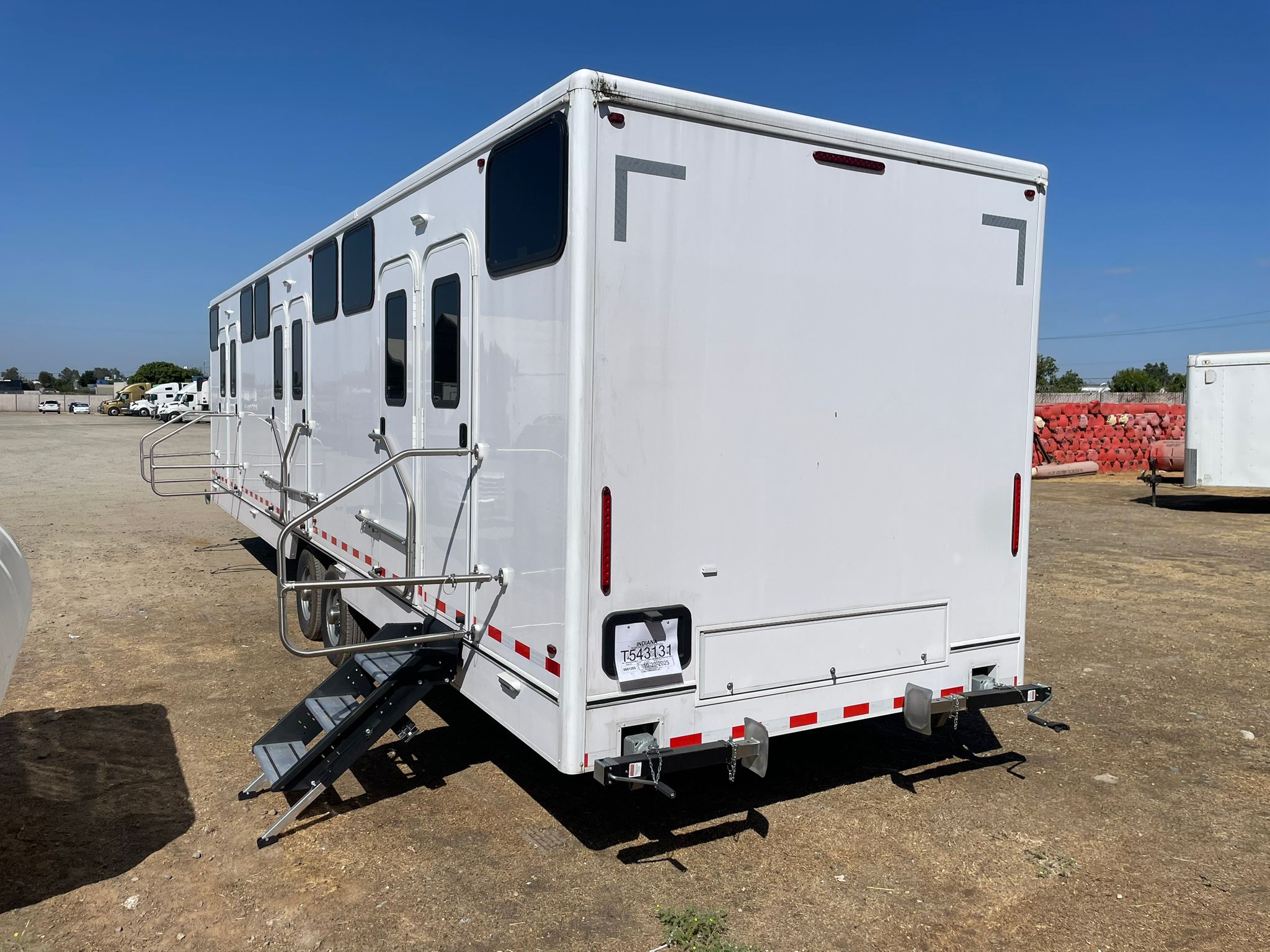
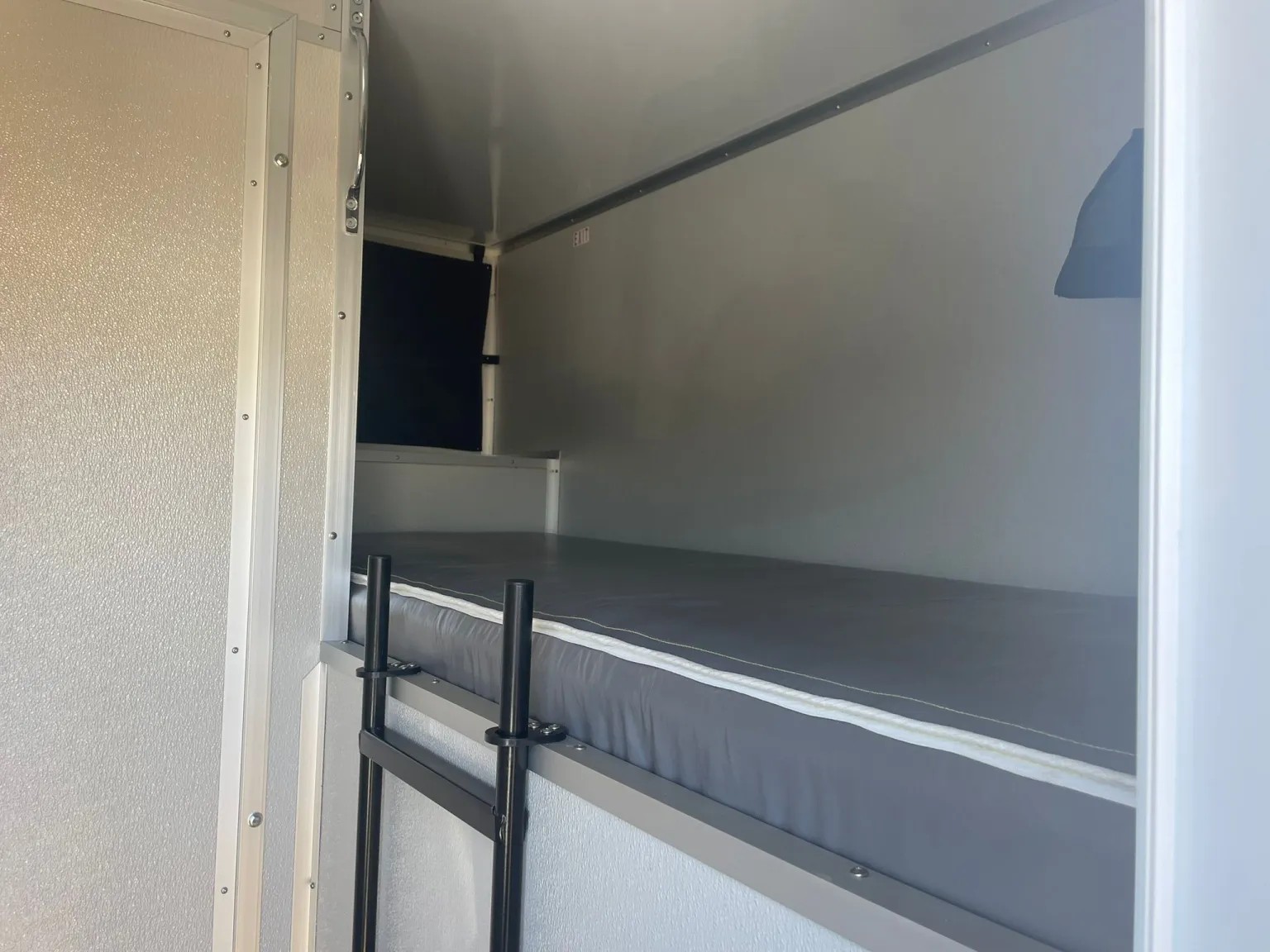
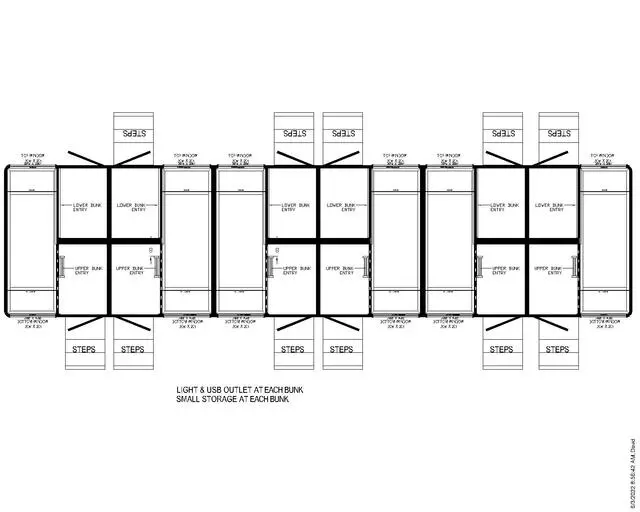
Every Oregon booking gets our signature 34 ft sleeper trailer with six upper bunks and six lower bunks. Built-in steps at each bunk bank make the top bunks easy to reach at the end of a long shift. A crew that moves from a fire camp to a build site finds the same beds and the same controls in the next trailer. Adding a trailer partway through a job adds 12 more bunks with the same layout.
Oregon Towns Where Crews Need Temporary Bunk Trailers
- Salem and the Mid-Willamette Valley: The valley's farm workforce peaks at harvest, while permanent housing stays tight all year. A trailer beside the field adds beds for the busiest weeks without a lease.
- Prineville and Crook County: Data center campus builds have run here for about 15 years, and construction crews keep filling local rooms. The county also hosted a main fire camp in 2026, so beds get scarce from two directions.
- Bend and Redmond: Both towns sit close to Central Oregon fire ground and to large build sites. A trailer on a staged lot keeps a crew near either one without a long commute.
- Madras and Jefferson County: Data center work in Madras keeps construction crews in a small town with few rooms. Fire crews assigned near Warm Springs stage close by when the season turns busy.
- The Dalles: Data center builds and Columbia River energy projects both draw crews to The Dalles. A trailer at the staging yard saves the daily drive along the river.
- Coos Bay and the southern coast: Coos Bay was home to one of the state's well known rail logging camps. Timber crews on remote Coast Range landings today still need beds close to the road end.
Oregon Fire and Safety Rules That Shape a Crew Sleeper Trailer Plan
Every federal and state wildland fire assignment in Oregon follows the work and rest guidance of the National Wildfire Coordinating Group. The guidance calls for 1 hour of sleep or rest for every 2 hours of work or travel. Assignments run 14 days, followed by 2 days off, to manage fatigue. The NWCG work/rest ratio page explains how incident teams apply it on the ground.
The Oregon Department of Forestry buys camp support equipment through its Incident Resource Agreement program. The 2026 to 2029 appendix covers items such as generators and light towers set up on uneven ground at incident base camps. Camp layout belongs to the incident team, so crew leaders confirm the spot with camp logistics before a trailer arrives.
Oregon OSHA enforces its own heat illness rule and its own wildfire smoke rule for outdoor work. The heat rule starts shade and water steps once the heat index reaches 80 degrees, and preventive cool-down breaks become mandatory at 90 degrees. The smoke rule starts protective steps at an AQI of 101 and makes masks mandatory at an AQI of 251. Both rules cover the work shift, and the Oregon OSHA heat and smoke reminder lists the current requirements.
What a Typical Setup Looks Like
Incident logistics lead, 44-person hand crew group, Central Oregon fire camp
When two 22-person hand crews arrive at a camp that has no beds budgeted for them, a typical plan books 4 trailers for 48 bunks. Each crew takes 2 trailers, which keeps crews together and leaves 4 spare bunks for overhead staff. The trailers sit away from the generator line so the night shift can sleep through the day.
Project manager, 24-person line crew, Mount Hood corridor
When a 24-person line crew starts a fall phase near Government Camp, a typical plan books 2 trailers on a graded pullout near the work. The heat keeps the bunks warm through cold nights, and a generator carries the load where no service is nearby. As the crew moves down the line, the trailers move with it.
Harvest crew lead, 36-person crew, Willamette Valley
When a 36-person crew comes in for a harvest peak, a typical plan books 3 trailers beside the packing shed. Each worker keeps a dedicated bunk for the full run, and the AC units cool the bunks for workers coming off hot afternoon shifts. Restrooms and showers sit a short walk away on the same yard.