


How to Plan Crew Housing in Idaho
Temporary Bunkhouse Trailers for Idaho Fire Camps and Guard Crews
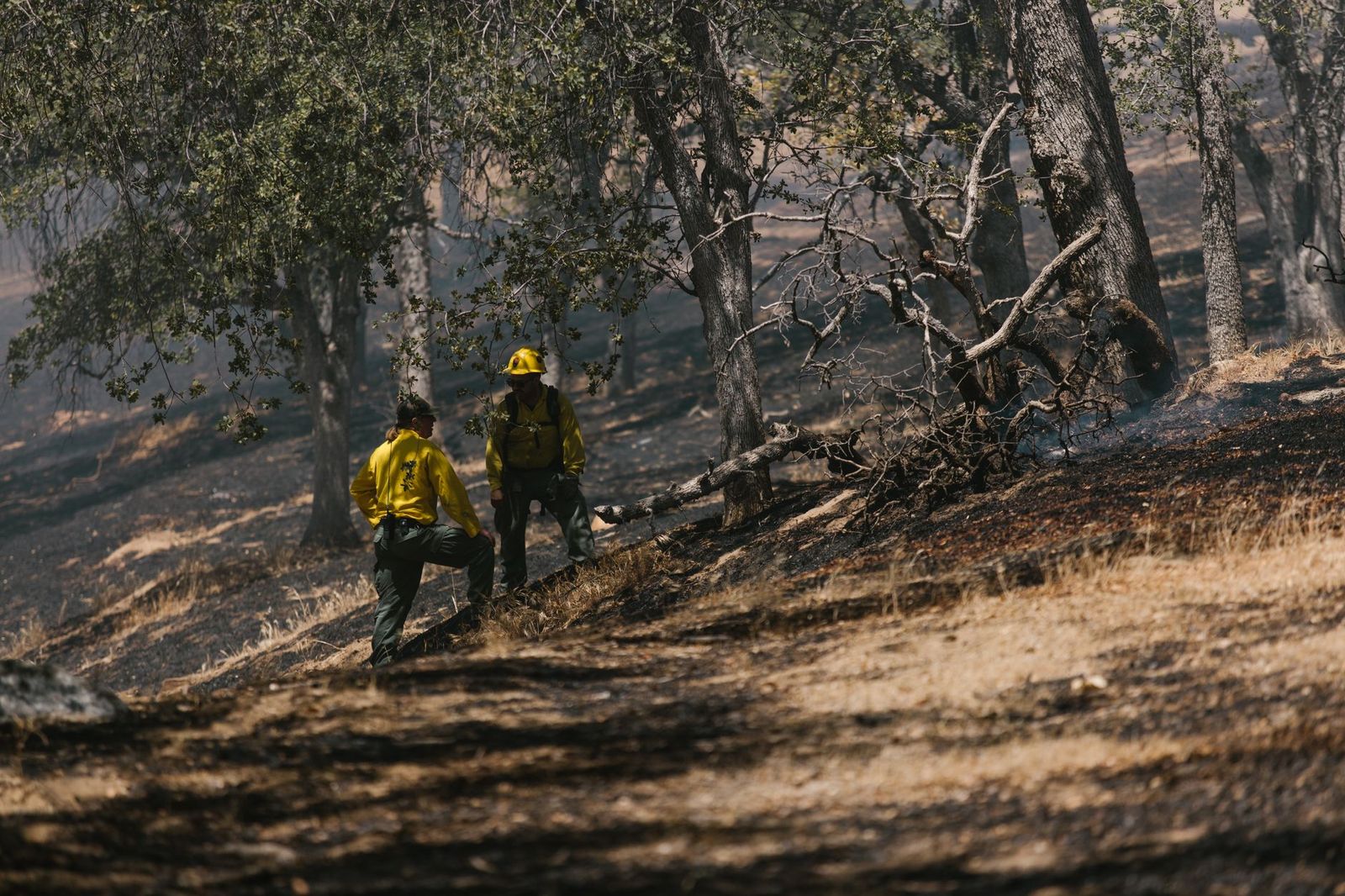
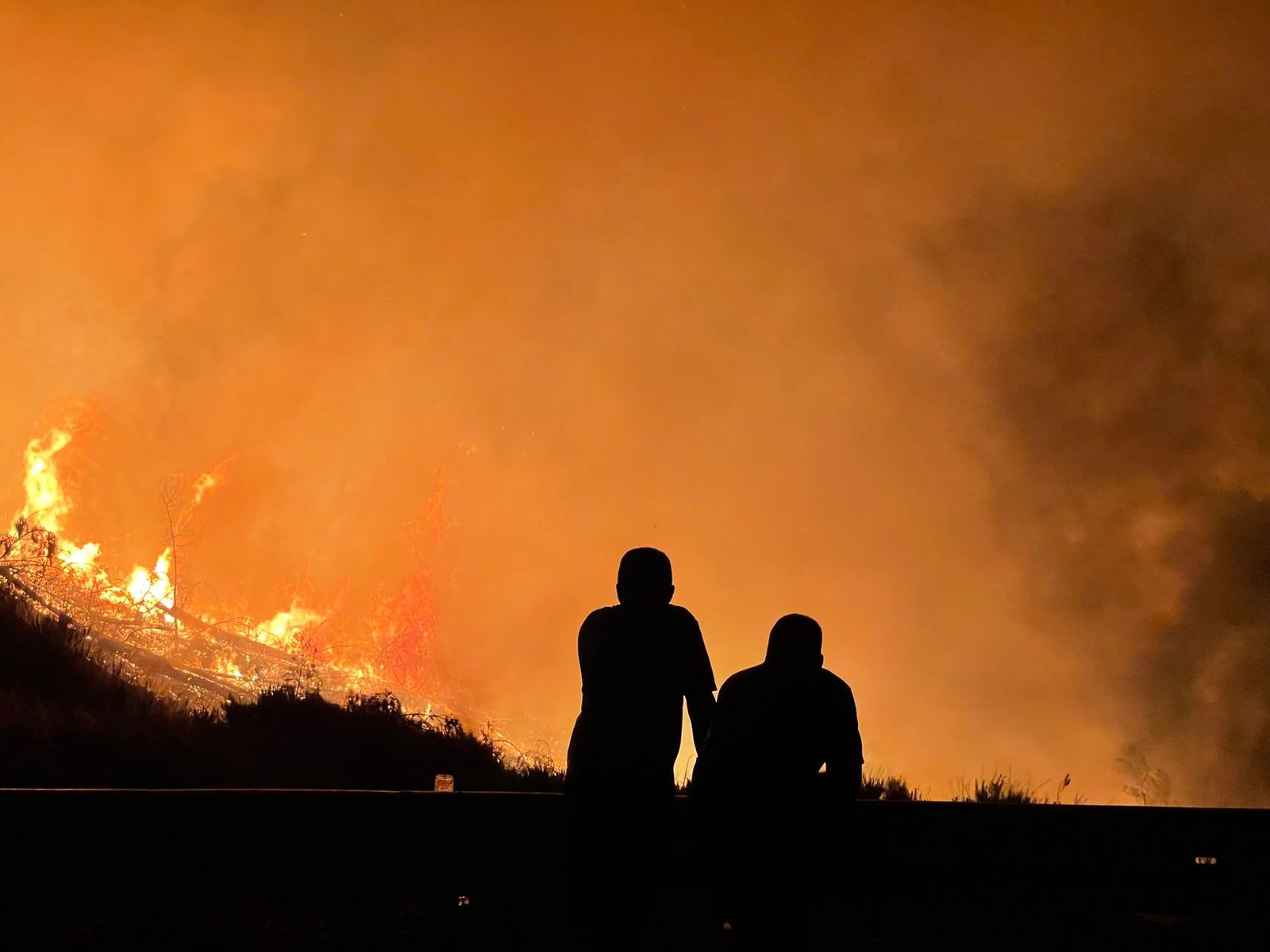
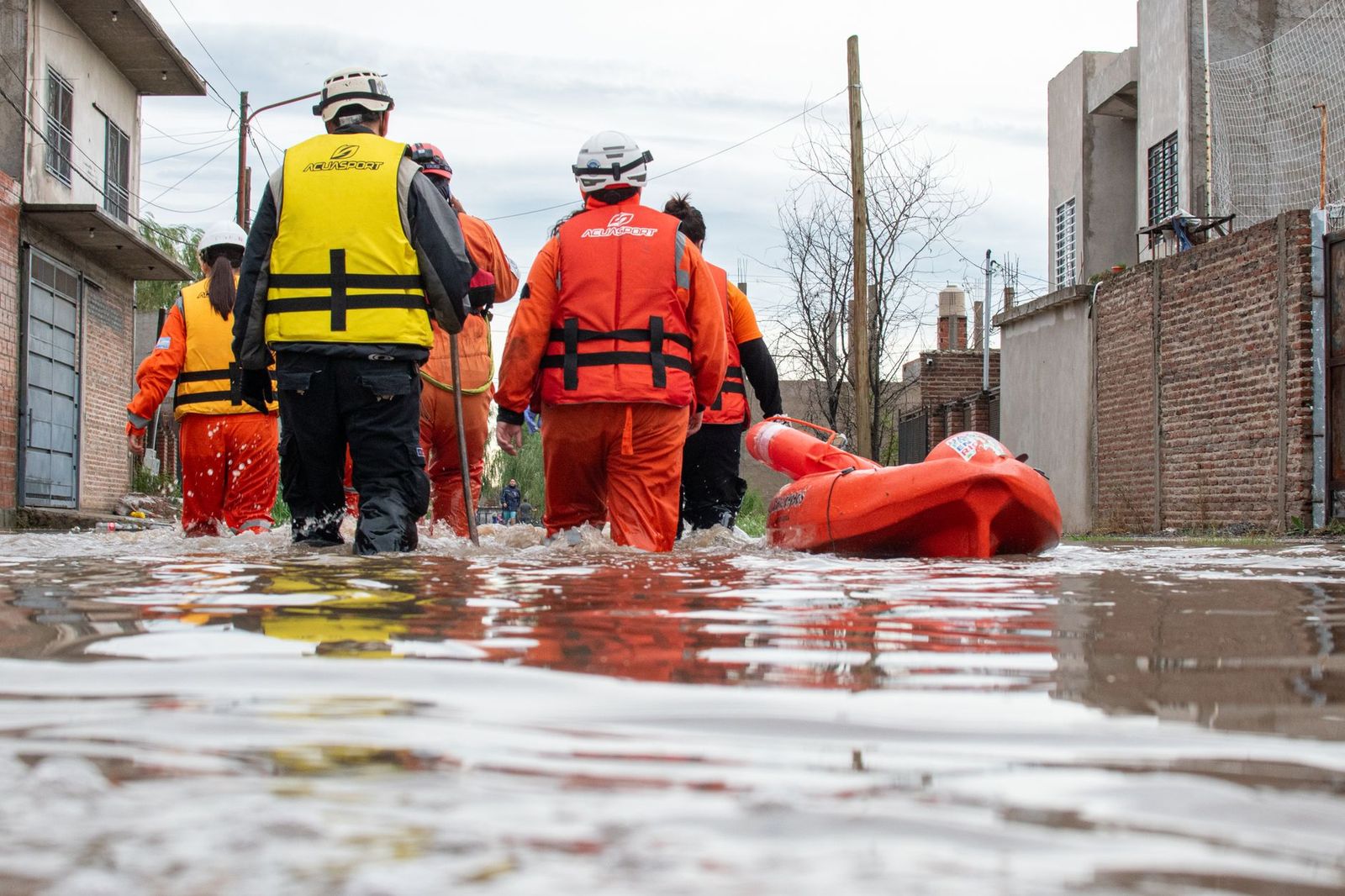
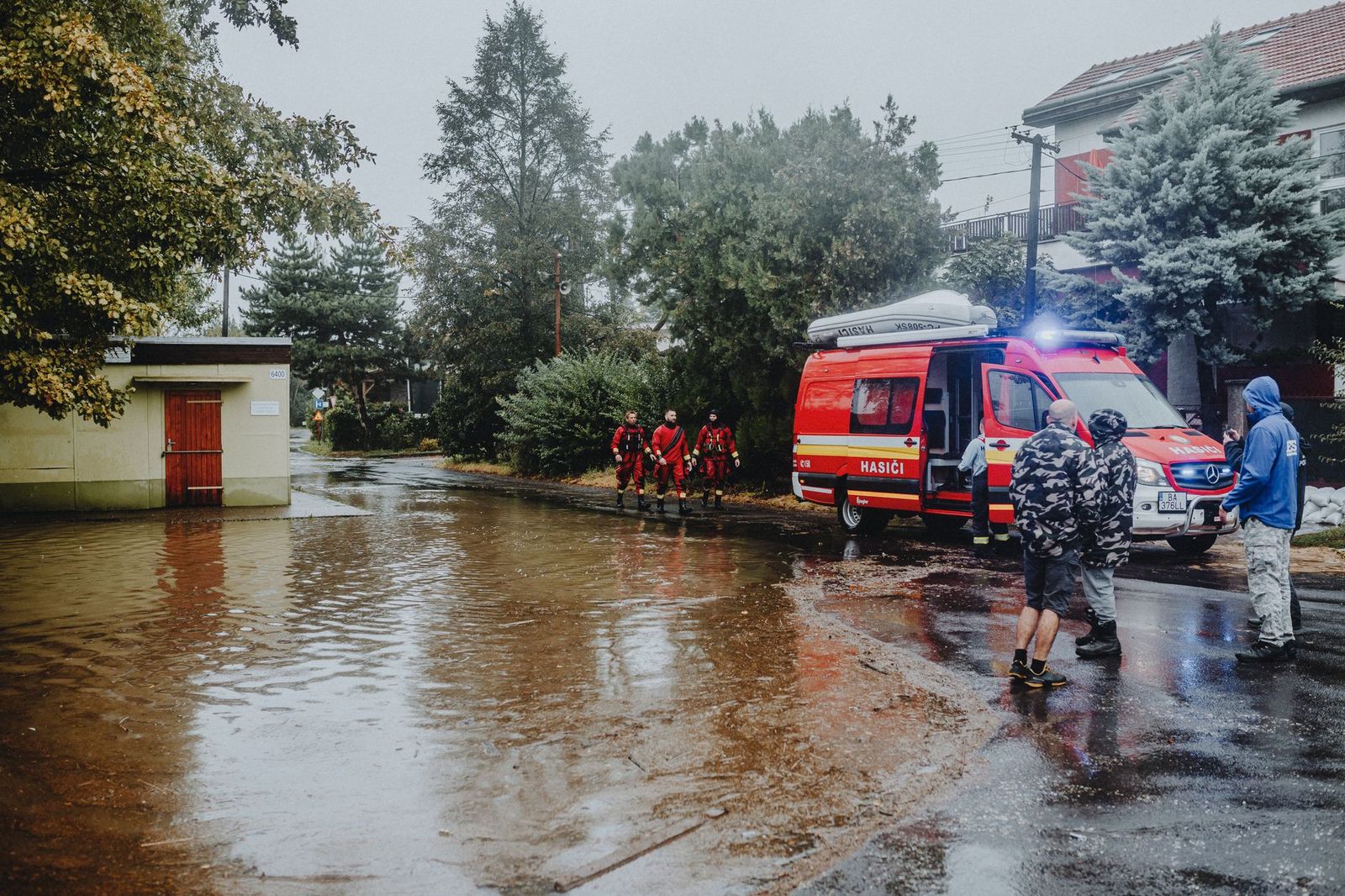
Boise is home to the National Interagency Fire Center, the campus beside the Boise Airport that coordinates wildland fire work for the entire country. Dispatchers and aircraft crews need dependable beds near that campus during an active season. The fire camps themselves relocate every few weeks, from sagebrush in the southwest corner of the state to heavy timber in the Panhandle. A trailer that can be picked up and moved fits that pattern far better than a block of hotel rooms reserved in one town. The 2026 season shows how quickly the need can grow. On July 29, 2026, Governor Little declared a fire disaster emergency for Owyhee County and Boundary County. Idaho was tracking 530 fires across 138,812 acres that day, and the Bureau of Land Management alone had 158 fires covering 111,625 acres.
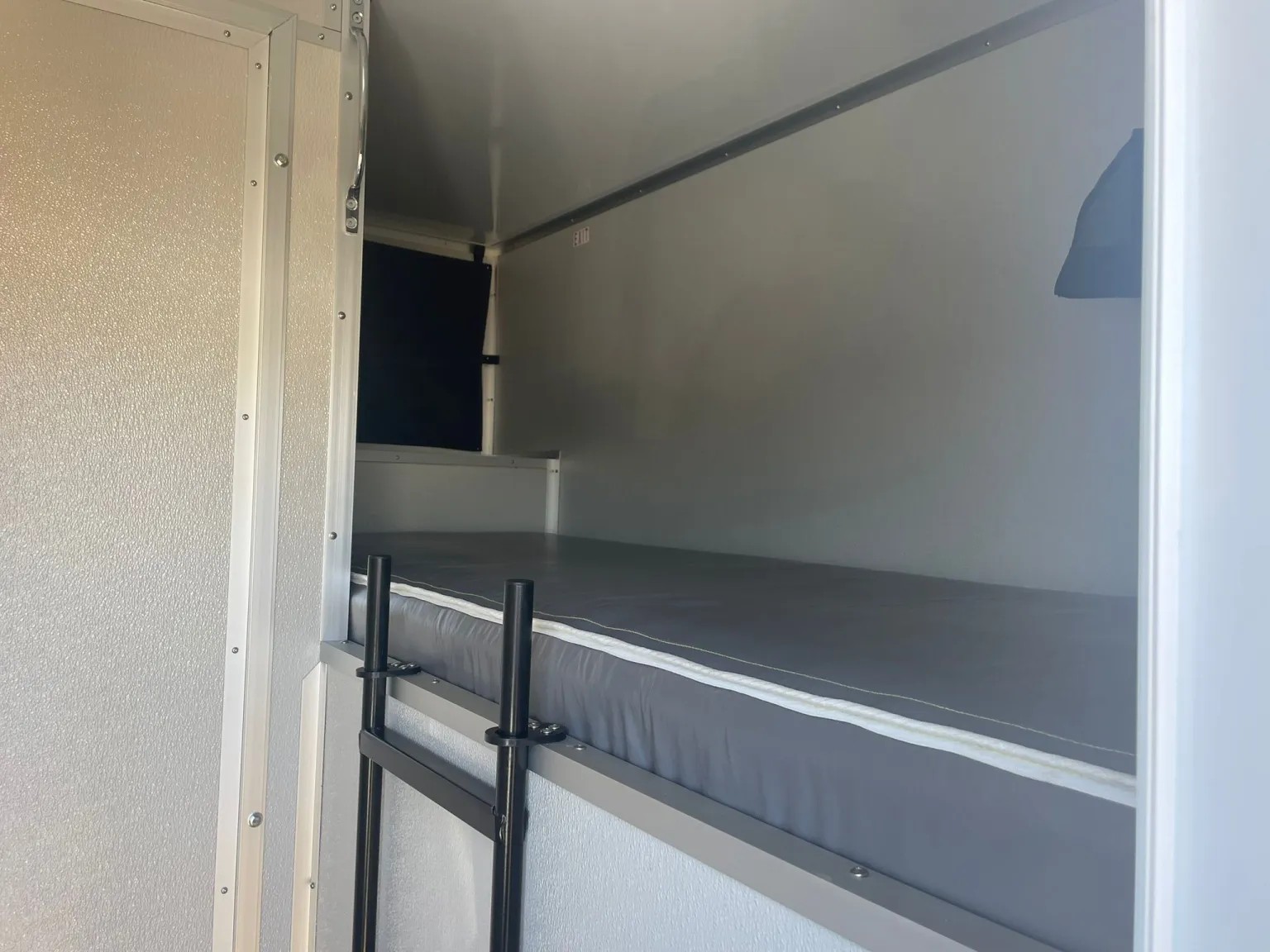
The governor also sent Idaho National Guard crews to the Big Grass Fire, and every additional crew needs somewhere to sleep between shifts. Crews without a bunk plan often end up sleeping in their trucks, and firefighters in Idaho have described exactly that situation on the record. A helicopter crew member working outside Bonners Ferry told High Country News he went from a bunkhouse one season to living out of his car the next. A heated sleeper trailer at the camp gives each person a real bed with a light and a charging outlet beside it. Our wildfire fire camp bunkhouse trailers page covers camp layouts and crew counts in more detail.
Portable Crew Housing Trailers for Mine Builds in the Idaho Mountains
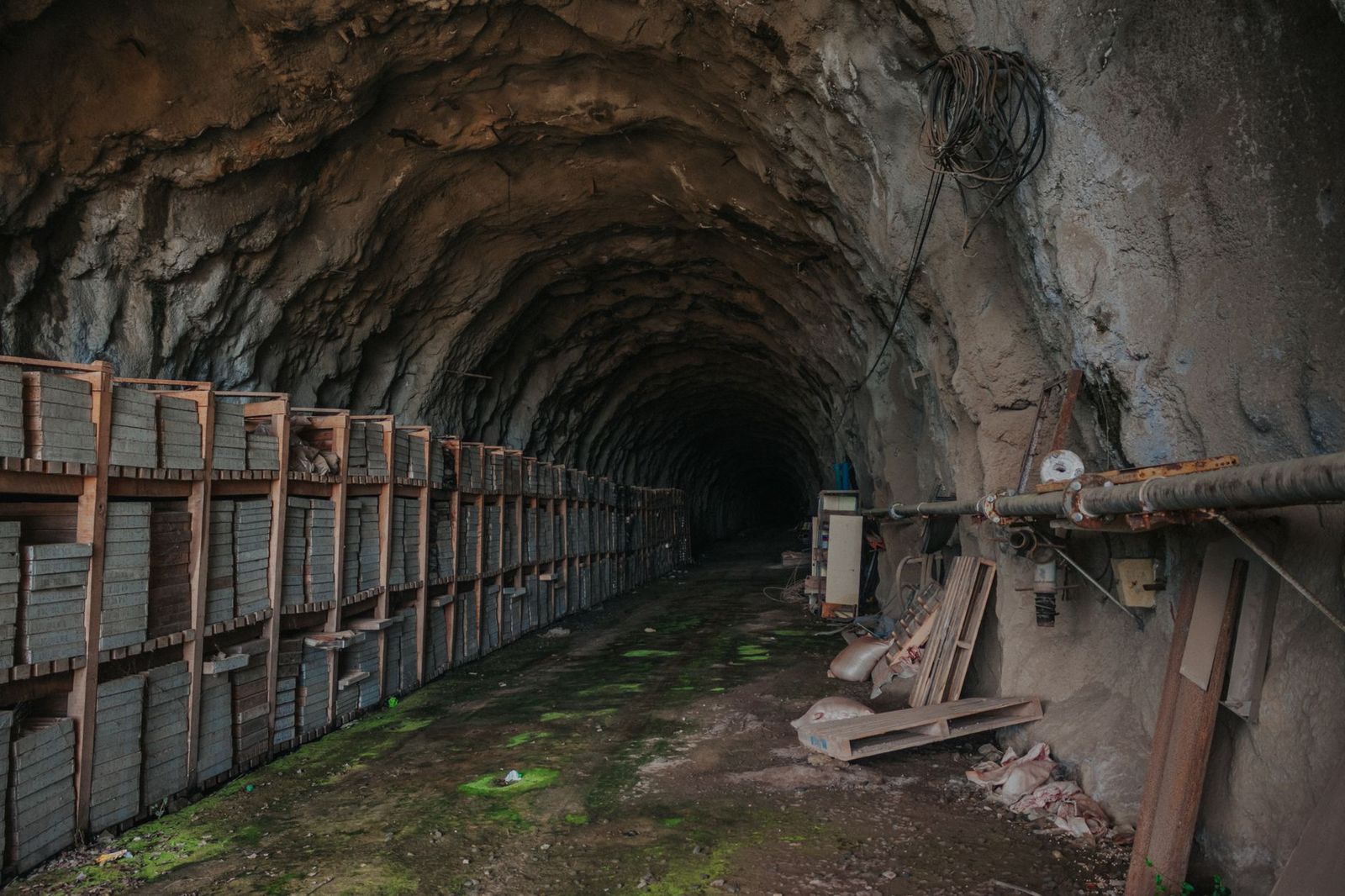
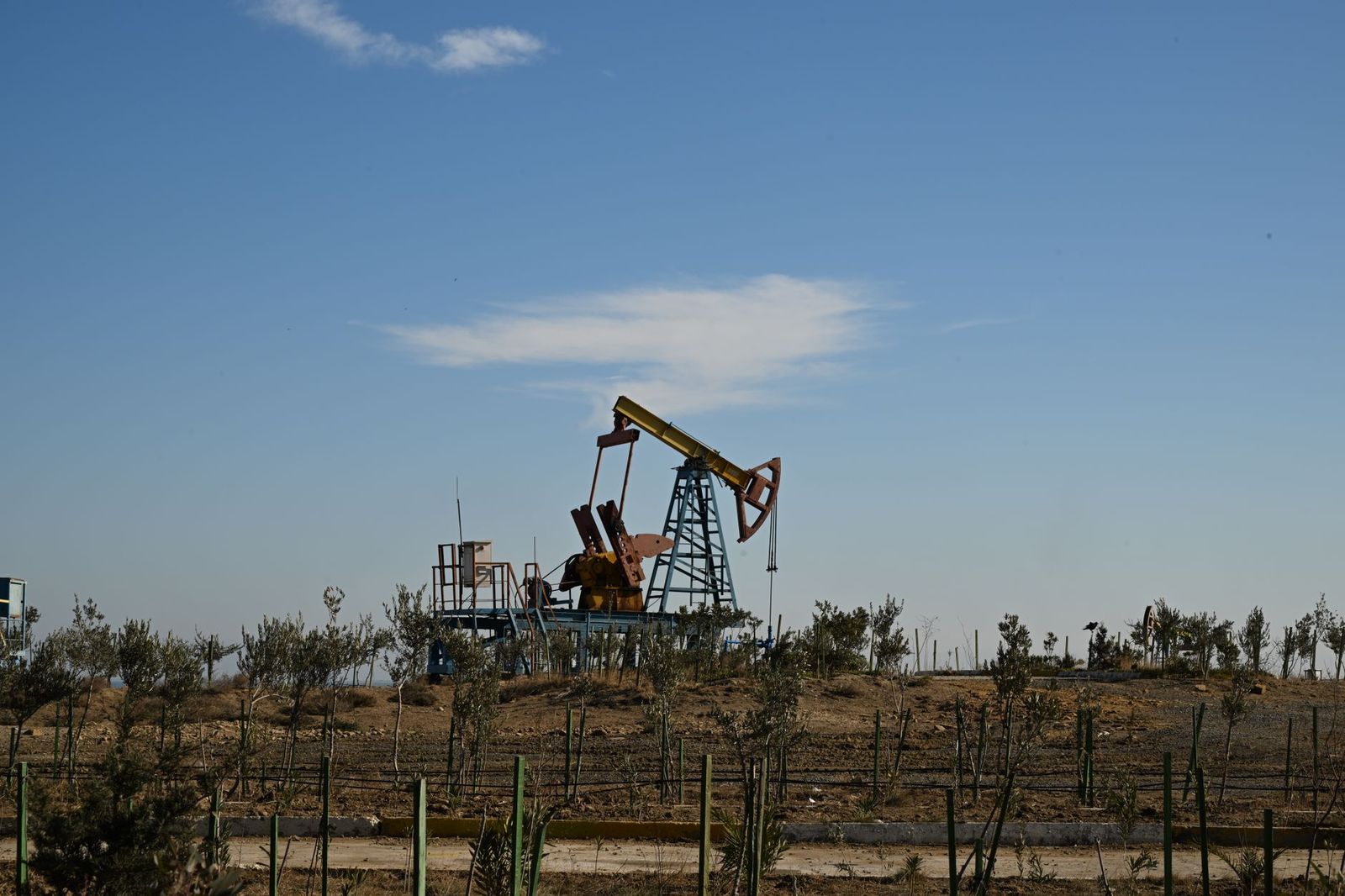
The Stibnite Gold Project sits in Valley County inside the Payette National Forest, about 39 miles east of McCall and 10 miles from Yellow Pine. During World War II the district employed more than 1,500 people and produced 90 percent of the country's domestic antimony. In August 2026, the project owner reported that it was expanding its workforce for full construction. A final investment decision was expected in the second half of the year. Temporary worker housing already sits at Stibnite while the permanent camp is still being built. As of August 24, 2026, only about half of the permanent housing units had reached the site.
A crew that needs beds immediately and a permanent camp still months from finished leave a gap. A rented bunk trailer fills it. Idaho Cobalt Operations near Salmon shows the other side of mining work. The mine started operating in October 2022 and stopped construction about five months later, when cobalt prices stayed low. Worker housing built for that timeline would have sat empty within half a year. Renting beds keeps that risk off the project's books, because the trailers simply go back when the work stops.
Up in the Silver Valley, the Bunker Hill Mine in Kellogg is reopening after a 40-year closure. The mine produced lead, silver and zinc for more than 95 years. The surrounding towns were sized for a smaller permanent workforce than a reopening surge brings in. Our sleeper trailers for mining camps page walks through rotation schedules and camp layouts for crews like these.
Crew Sleeper Trailers for Boise Plant Builds and Data Center Crews
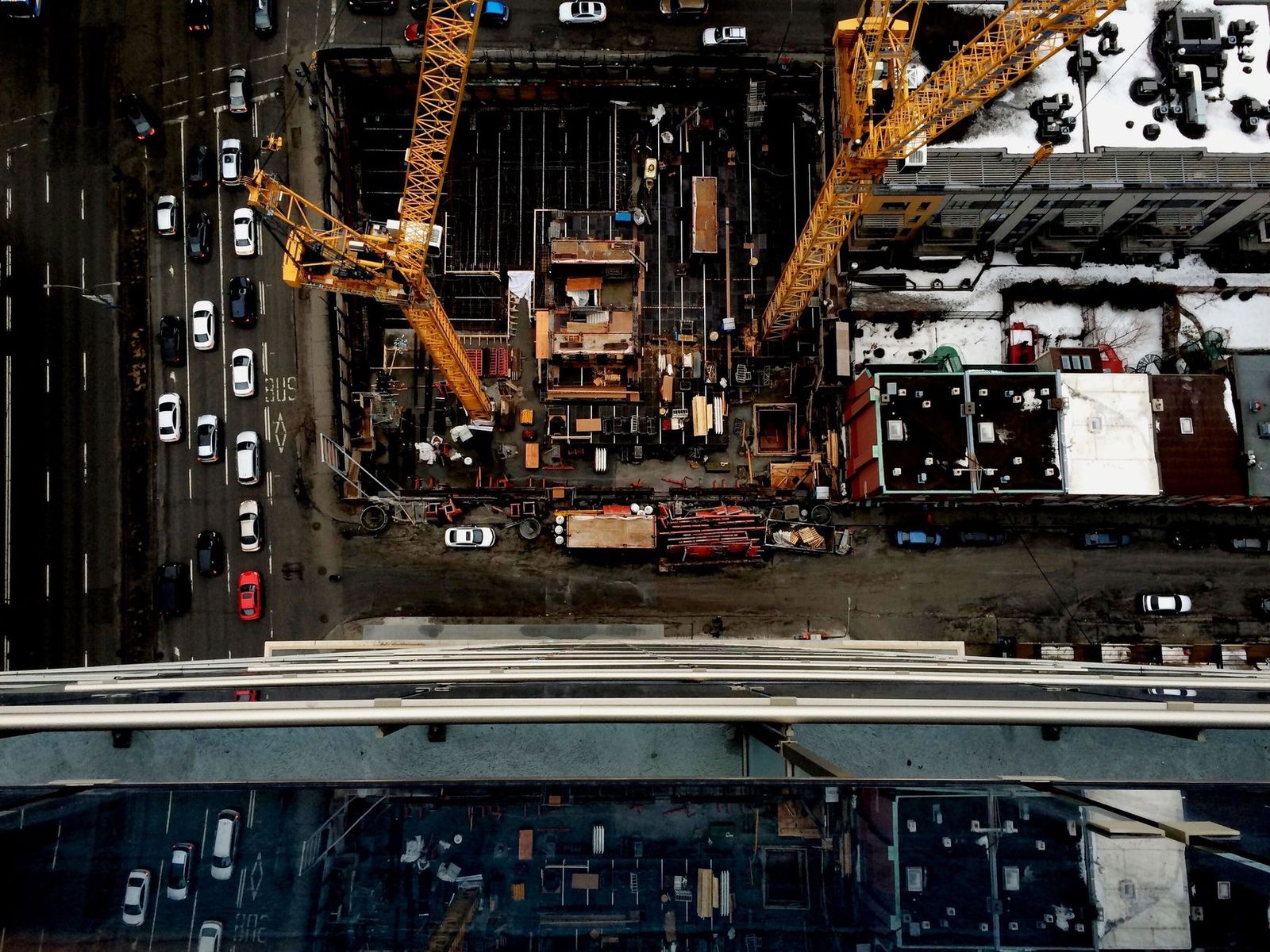
Micron's memory chip plant expansion in Boise is one of the biggest construction projects in the state right now. A federal fact sheet on the project credits it with about 800 construction jobs, along with 2,000 new permanent positions at the plant. A project labor agreement with union trades covers much of that construction workforce. Local reporting found that the Treasure Valley does not have enough available apartments or homes for the workers relocating to the area. Campground spaces filled up too. Micron now pays a daily bonus to workers who live more than 150 miles from Boise. A large data center project in Kuna is drawing from the same pool of trades at the same time.
A mobile crew housing trailer on the laydown yard skips that search entirely. Most big builds already have temporary power on site, and that electrical service can feed the 3 AC units and the outlet at every bunk. Crews walk to the gate in the morning instead of sitting in traffic on Interstate 84. When the phase ends, the trailer leaves with the crew, and nothing is left behind to sell.
Bunk Trailers That Move With Idaho Transmission Line Crews
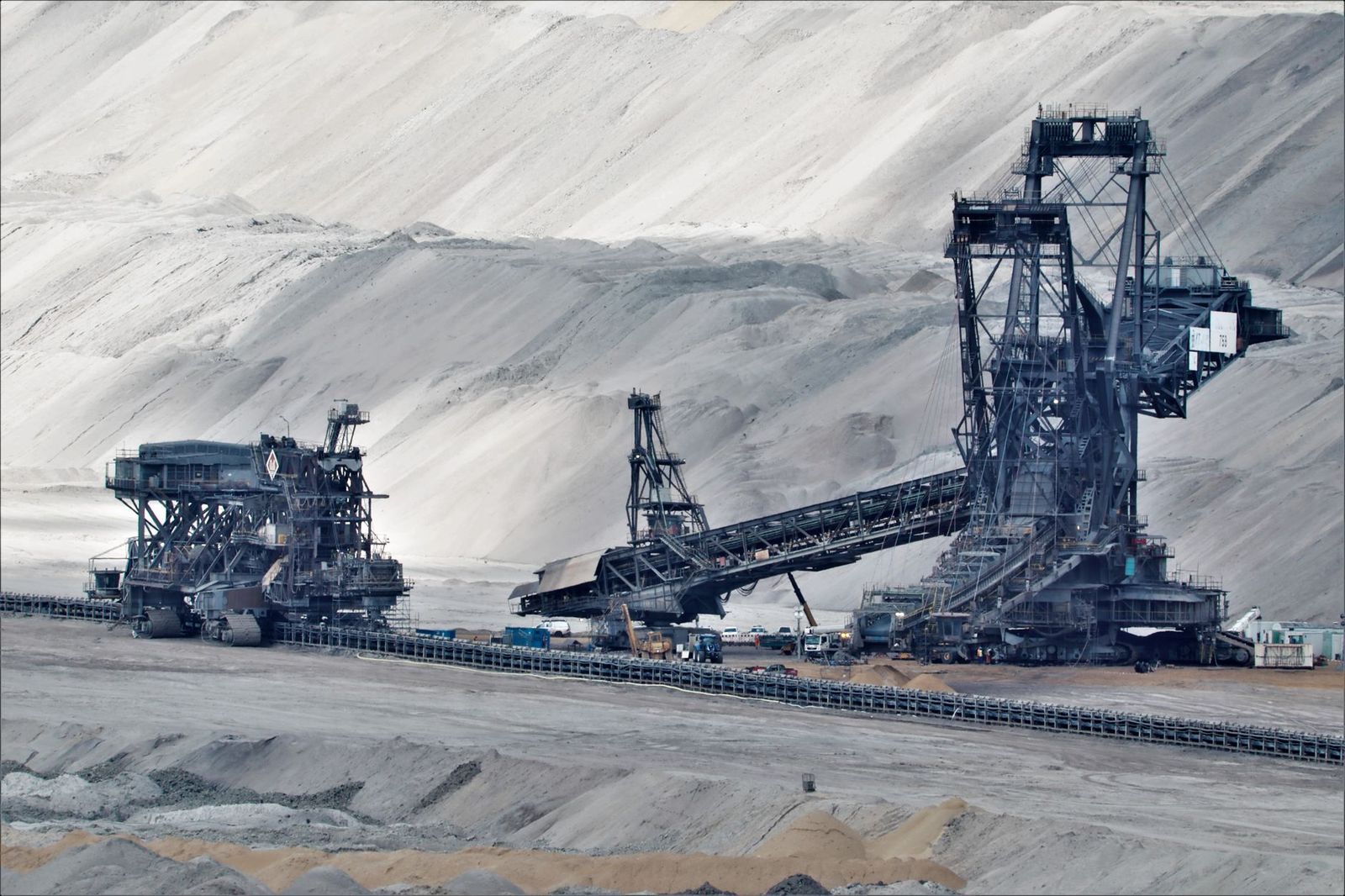
Idaho Power is building the Boardman to Hemingway line, a 293-mile, 500 kV transmission line that ends at the Hemingway substation near Melba. Construction started in 2025, and the company is targeting completion by late 2027. Crews clear the right of way first and then pour concrete foundations for towers between 100 and 180 feet tall. Contract crews do most of the construction, while Idaho Power handles inspection. Gateway West is a second, longer project with roughly 500 miles of 500 kV line planned, and Idaho Power's share is not expected to be finished until 2030. The Idaho side is projected to support about 90 construction jobs while helping bring up to 765 megawatts of new renewable power onto the grid.
Line work never stays in one place for long. Tower crews finish one segment and then move farther down the route toward the next staging yard. Nightly hotel stays are difficult to manage for a crew that keeps relocating. A portable sleeper trailer can be picked up and set again closer to the new work, so the morning drive to the tower pad stays short. Tell dispatch where the next yard is, and we plan the move around your construction schedule.
Heated and Air-Conditioned Crew Trailers for Idaho Summers and Winters
Southern Idaho has short, dry summers and cold winters, and Boise's average high drops to about 39 degrees in December, with roughly 21 inches of snow a year. A crew coming off a hot August shift on the Snake River Plain wants a cool room, and that same crew wants dependable heat by November. All 3 AC units switch over to heat, and the smart thermostat holds one setting across the whole trailer. North Idaho is colder and far snowier. Coeur d'Alene averages about 66 inches of snow a season, from October through April, which is more than three times the Boise total. High mine sites in Valley County face long mountain winters on top of that.
Fire season follows its own calendar. The AccuWeather 2026 outlook flagged the Great Basin and the north Idaho Panhandle for above normal fire potential in early summer. By August, that elevated potential covered all of the Panhandle. That puts the hottest nights and the busiest booking weeks in the same stretch of the year. Crews planning summer work should call early.
The Same Bunk Layout From a Fire Camp to a Mine Pad
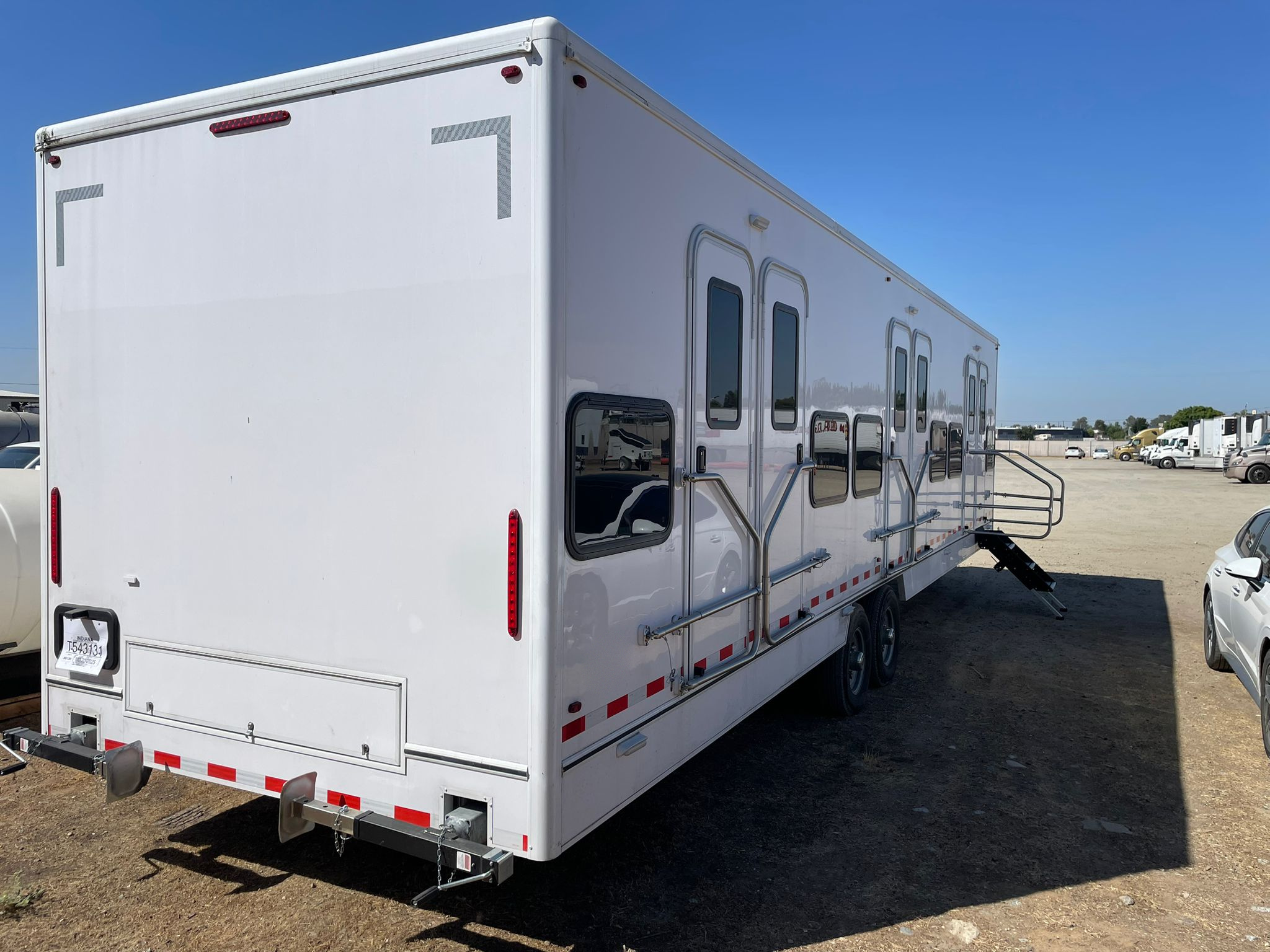
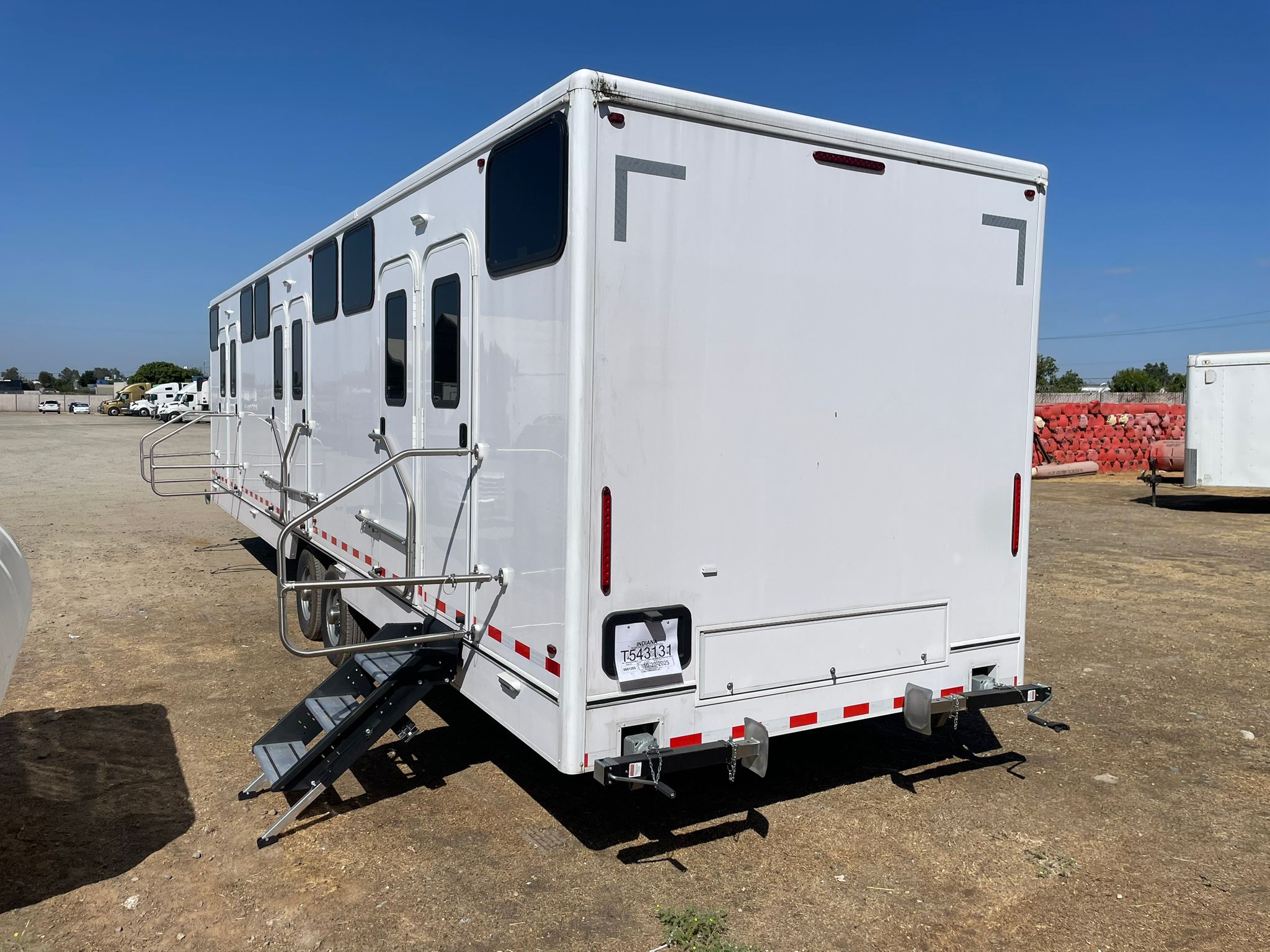
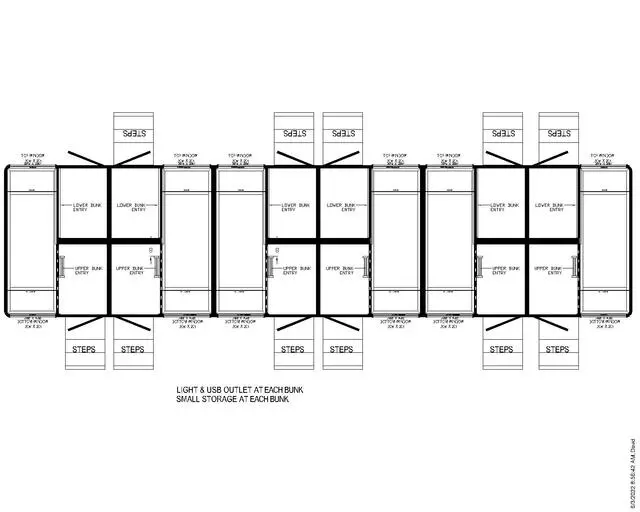
Each Idaho order gets our signature 34 ft sleeper trailer with 6 upper and 6 lower bunks. A crew that moves from a range fire near Murphy to a mine phase near Yellow Pine finds identical bunks in the next trailer. The thermostat and the storage layout match as well. Adding a second trailer adds 12 more beds with the same layout. Your camp boss never has to learn a new floor plan halfway through a season.
Temporary Bunk Trailer Needs in Six Idaho Towns
- Bonners Ferry: Sawmills have operated between Harrison and Bonners Ferry since the early 1900s, and logging crews still work remote ground north of Sandpoint. Rental housing near town is thin, so a bunk trailer at a staging yard keeps a crew close to the landing.
- Kellogg and Wallace: These two towns sit in a narrow valley along Interstate 90, and flat, level ground is hard to find. The valley has been an EPA Superfund site since 1983. A delivery plan here starts with locating a firm pad that a truck can reach.
- Salmon: Salmon sits in Lemhi County, near the historic cobalt belt and a long way from the nearest large town. Drill crews working the hills around it plan their season around snow on the high roads. A trailer at the pad saves a late drive back after a long shift.
- Hailey and Ketchum: The 2013 Beaver Creek Fire burned 114,000 acres around Hailey and Ketchum over more than a month. Sun Valley is now a pilot city for a state program to thin brush near homes. Crews on fuel work or a new fire here face the highest federal lodging rates in the state during ski season.
- Idaho Falls: Idaho National Laboratory sits on a desert site about 50 miles west of Idaho Falls and employs more than 4,000 people directly. Contractor buses run from Idaho Falls, Pocatello and other towns every day. A crew on a long outside job in this area often spends more time on the road than it wants to.
- Lewiston: Lewiston sits where the Snake and Clearwater rivers meet, and its port is the farthest inland port linked to the Pacific Ocean. The town is the gateway to the US-95 corridor heading north and south. River work and highway crews use it as a staging point.
Fire Camp and Road Rules Behind an Idaho Crew Quarters Trailer Plan
Every wildland fire camp in Idaho works under the 2 to 1 work and rest ratio set by the National Wildfire Coordinating Group. For every 2 hours of work or travel, a crew member should get 1 hour of sleep or rest. A shift over 16 hours, or any schedule that breaks the ratio, needs approval and records from the incident commander or another official with that authority. The NWCG work and rest standard spells out how camps track it, and a quiet bunk near the camp makes that rest block easier to protect.
The Idaho Department of Lands runs the state's own fire program and was the lead agency named in the Big Grass Fire declaration. It works alongside the Bureau of Land Management and the Forest Service under the same national framework. Camp equipment for an incident is usually hired through Emergency Equipment Rental Agreements, which are activated in the days after a fire starts. Camp layout belongs to the incident team, so confirm the trailer spot with camp logistics before delivery.
Road rules can loosen during a declared emergency. Under 49 CFR 390.23, the core hours of service limits do not apply to drivers giving direct help in an emergency. That relief lasts up to 30 days unless it is extended. The DOT emergency relief fact sheet explains how that relief works. Mine sites answer to a separate federal agency, the Mine Safety and Health Administration, so ask the mine's safety staff where a trailer may sit before it arrives.
What a Typical Setup Looks Like
Camp logistics lead, 36-person crew group, Owyhee County range fire
When a 36-person group of hand crews and overhead staff reaches a sagebrush camp with no beds set aside, a typical plan calls for 3 trailers. Each trailer holds one 12-person crew, so the members of each crew sleep together and wake on the same schedule. Generators carry the load, because a range camp in this country rarely has a power line close by. A restroom trailer and a water supply usually join the same camp order.
Project manager, 60-person construction crew, Valley County mine build
When a 60-person crew is building ahead of a permanent camp, a typical plan starts with 5 trailers so every worker has a dedicated bunk. On a rotation of 14 days on and 7 days off, only about two-thirds of the crew is on site at once. That leaves spare bunks for the overlap days, when the incoming and outgoing groups are both on the hill. The trailers go back as the permanent rooms open up.
Line superintendent, 24-person tower crew, Melba area right of way
When a 24-person tower crew starts a segment near the Snake River, a typical plan puts 2 trailers on a graded pad beside the staging yard. Each worker keeps a dedicated bunk with a light and a charging outlet. As the foundation and stringing work moves down the route, the trailers are picked up and set again near the next yard.